
News 09-10-2026
Patty Murray Proposes New Plan to Restore Trust in Public Health
Washington Democratic Sen. Patty Murray has announced the creation of the Public Health for America working group, which will focus on restoring trust in the U.S. public health system. The experts are expected to develop a long-term reform plan after the period under President Donald Trump and Health Secretary Robert F. Kennedy Jr. Murray said current policies have put the system “on life support,” accusing the administration of underestimating the rise in measles cases and responding slowly to an outbreak of cyclosporiasis, a foodborne infection that has affected thousands of people this year.
According to the senator, public health should not become a subject of political conflict and change dramatically every four years. She emphasized that future policy should be based on scientific evidence, prevention, preparedness for emerging threats and transparent communication with the public. At the same time, Murray wants not merely to restore existing institutions, but to rebuild them so they are resilient and trusted over the long term.
The group includes Helen Chu, a University of Washington professor and former member of the Advisory Committee on Immunization Practices, which Kennedy dissolved in June 2025. The university is considered one of the Seattle region’s leading centers of expertise because of its medical and epidemiological programs, laboratories and partnerships with local health authorities. Its specialists monitor infections, model disease spread, conduct clinical research and train health care professionals. Chu is known for her work on infectious diseases and early outbreak detection, helping authorities assess risks more accurately and plan vaccination efforts.
Other members of the working group include former Maryland Health Secretary Joshua Sharfstein, Washington State Board of Health Chair Patty Hayes, AIDS-prevention specialist Jeffrey Levi and physician Vin Gupta. They will hold public hearings, roundtables and meetings with experts to prepare proposals for future legislation.
The Washington State Board of Health helps establish mandatory public-health rules in the state, including vaccination requirements, infectious-disease controls and measures to protect the public. By contrast, the federal Centers for Disease Control and Prevention issues scientific guidance, collects data, coordinates responses to epidemics and provides technical support to states, but generally does not directly enact state laws. As a result, many decisions about requirements in Washington are made by state authorities while taking federal recommendations into account.
The initiative will operate amid intense political polarization and continuing disputes over masks, vaccination and other pandemic-era measures. According to a survey by the Harvard T.H. Chan School of Public Health and the de Beaumont Foundation, the share of Americans who trust CDC recommendations fell from 77% to 50% during the first year Kennedy oversaw the agency. Murray, who holds an influential position on the Senate Appropriations Committee, hopes to use the group’s findings to develop bipartisan legislation and strengthen the health care system.

Based on: Patty Murray launches initiative to restore trust in public health
Washington Judicial Race: Liberal Attorney vs. Conservative Judge
Jaime Hawk and David Stevens, both superior court judges in Washington state, are running for Position No. 3 on the state Supreme Court. The similarities between the candidates largely end there. Hawk, a King County judge and former director of legal strategy at the American Civil Liberties Union, has the support of most Democratic leaders. Stevens, a Mason County judge, Navy veteran, former public defender and prosecutor, is backed by the state Republican Party and holds significantly more conservative views.
Formally, elections to the Washington Supreme Court are nonpartisan: Candidates’ party affiliations do not appear on the ballot. However, judicial candidates go through partisan primaries and general elections, while parties, unions, professional associations and other political organizations may endorse candidates, finance advertising and mobilize voters. As a result, party coalitions and political views have a noticeable influence on the campaigns.
Five seats on the Supreme Court are up for election in November, potentially reshaping its membership for years to come. Position No. 3 was vacated by Justice Raquel Montoya-Lewis, who decided not to seek a second six-year term. In the August primary, Stevens received 35% of the vote and Hawk received 33%. Hawk may nonetheless be considered the favorite: Liberal voters likely split their support between her and a third candidate, Mike Diaz, who was also backed by prominent Democrats.
One of the central issues will be a state income tax on wealthy residents, approved by the Legislature and placed on the ballot. Hawk declined to comment on it, citing rules that prohibit judges from discussing potential future litigation in advance. Stevens said he did not know what his ruling would be, but pointed to a 1933 precedent in which the court struck down a progressive income tax, as well as the state constitution’s requirement that tax rates be uniform. He also criticized the decision upholding a capital-gains tax, calling it an attempt to evade that requirement.
The candidates also differ on judicial precedent and the court’s role in protecting civil rights. Stevens describes himself as an originalist and textualist and believes precedents should be retained when people have long relied on them and they do not cause harm; he cites mandatory police warnings about the right to remain silent as an example. Hawk believes precedent should be overturned only when its error and harmful consequences have been demonstrated, warning that abruptly eliminating long-recognized rights undermines public trust in the courts. She views favorably the court’s decisions and statements aimed at combating racial discrimination in the legal system.
Stevens, by contrast, criticizes the court’s 2021 decision in State v. Blake. The Supreme Court ruled that the former law criminalizing simple possession of a controlled substance was unconstitutional because prosecutors were not required to prove that a person knew they possessed the drug. As a result, numerous convictions under the statute became legally invalid. Lawmakers had to revise the statute, add a knowledge requirement and establish procedures for vacating or reviewing old convictions, including the possible repayment of fines and other consequences for those convicted.
Stevens also opposes a rule limiting challenges to jurors when racial bias may have influenced the decision. He believes the court is thereby imposing a racial standard of its own. Stevens called the court’s public letters on systemic racism and discrimination against Indigenous peoples “performative,” while Hawk considers them a useful appeal to the legal community to account for the consequences of historical injustice.

Based on: Jaime Hawk and David Stevens present stark contrast in WA Supreme Court race
Seattle: Justice, an Unsolved Murder and a Season of Fear
Seattle news digest: a new court for minor offenders and tougher penalties for repeat offenders, the 25-year investigation into the murder of prosecutor Thomas Wales with a $2.5 million reward, and the return of the legendary Georgetown Morgue attraction for the Halloween season.
Seattle Changes Course: A New “Connection Court” and a Tough Response to Repeat Offenders
Seattle officials are once again changing course in their approach to minor offenses. City Attorney Erika Evans has announced the launch of Connection Court, a program that allows people accused of nonviolent misdemeanors to complete a 90-day services program instead of facing criminal prosecution. At the same time, the city announced the HiPRO initiative, aimed at imposing tougher penalties on those who repeatedly return to criminal behavior. The move marks another turn in the city’s years-long oscillation between strict enforcement and compassion—two forces that have shaped Seattle’s criminal justice policy.
The new program, called Connection Court, held its first session Wednesday. It is intended for people accused of minor, nonviolent offenses and offers services such as addiction treatment, employment assistance, help obtaining medical benefits and peer support. According to The Seattle Times, the initiative resembles a community court that shut down three years ago. That court automatically referred people arrested for certain misdemeanor offenses to six hours of mandatory community service. Evans, however, emphasizes that Connection Court will feature stricter accountability. “Smart justice means holding accountable those who repeatedly break the law, while also helping those who are ready to accept that help, with oversight and accountability throughout the process,” she said in a press release.
Not everyone welcomed the new initiative. Public defenders from the King County Department of Public Defense, who helped create the earlier community court, have raised concerns about the program’s limitations. In their view, Evans’ model is a weaker version of what was originally discussed during closed-door meetings. Katie Hurley, a special adviser on criminal policy and practice, said the 90-day requirement would disproportionately affect low-income people, people of color and people experiencing homelessness. “The restrictions will affect people who are indigent, people who are disproportionately people of color, and people experiencing homelessness,” she said.
To qualify for Connection Court, the charge must not be “part of a pattern of frequent criminal misdemeanors.” People with serious felony convictions—including rape at any time or second-degree assault within the past decade—are ineligible. The program is also unavailable to people accused of driving under the influence, weapons offenses or domestic violence. Some minor theft cases, however, may qualify. Participants must demonstrate “law-abiding behavior” for 90 days to successfully complete the program; otherwise, their cases will proceed through the traditional court system.
At the same time, Evans announced the High-Priority Repeat Offenders initiative, or HiPRO, targeting people who frequently cycle through the legal system. The program covers people charged in three cases within three months or six cases within six months, as well as those who return to places from which they have previously been banned and are accused of theft. Prosecutors will seek enhanced jail sentences for such individuals, who are expected to be ineligible for Connection Court and other alternative-justice programs. Hurley expressed “concern” that people classified as high-priority offenders would be excluded from Connection Court and noted that the program should also be available to people in custody who cannot afford bail. “We believe we should not exclude the people for whom a Connection Court response is most needed, and that seems truly inconsistent with the concept of an expanded community court,” she added.
Mayor Katie Wilson endorsed Connection Court, saying the program would help “people with complex needs” through individualized approaches. The new alternative also creates potential employment opportunities through the Downtown Seattle Association’s ambassador program, a second-chance employer. Ambassadors clean downtown streets and assist tourists and residents. Cases better suited to mental health court, or cases involving someone already participating in that court, will not go through Connection Court.
The initiative reflects another shift in Seattle policy, which for years has vacillated between stronger enforcement and softer penalties for people struggling with poverty, addiction and mental-health problems. The previous version of community court launched in 2020, at the height of protests for racial justice, but was abolished in 2023 by Ann Davison, a former tough-on-crime city attorney. Last year, she introduced a replacement that included orders to stay away from drug and prostitution zones. After taking office, Evans suspended enforcement of those laws. She is now proposing her own balance between accountability and support—a balance that has already drawn criticism from advocates and raised questions about how effectively it will address the problems facing the city.
Several terms require explanation to understand the context. In the American legal system, a misdemeanor is a category of offense that falls between a felony and a minor infraction. Misdemeanors are generally punishable by a fine or a short jail sentence. A community court is a specialized court focused on addressing the underlying causes of offenses, such as addiction or homelessness, rather than relying on traditional punishment. Connection Court therefore represents an attempt to combine alternative justice with elements of supervision and accountability, making it stricter than earlier models. The HiPRO initiative, meanwhile, is designed to combat recidivism by increasing penalties for people who appear resistant to rehabilitation.
The FBI Won’t Give Up: Who Killed Prosecutor Thomas Wales—and Why the Case Remains Open After 25 Years
Twenty-five years is long enough to forget many tragedies. But not this one. In October 2001, federal prosecutor Thomas Wales was shot to death in his home in Seattle’s Queen Anne neighborhood. He was sitting at his computer in the basement when an unknown assailant fired several shots through a window. Neighbors heard the gunfire and called police, but the killer fled before officers arrived. A quarter-century later, the FBI and the U.S. Department of Justice still hope someone connected to the crime will speak. As W. Mike Herrington, the FBI’s special agent in charge in Seattle, put it, “People out there know what happened,” and many, in his view, are already close to coming forward. “Someone will be the first to talk,” he said, according to a KOMO News report.
Herrington says investigators have several suspects and that the crime was not the work of a lone gunman but of a group that planned the murder. The FBI has not disclosed details, but it emphasizes that the investigation is ongoing and that the reward for information has reached $2.5 million. “Anyone who was involved 25 years ago is in a different place in life now. You need to come to us before we come to you,” the agent warned. These are not merely rhetorical words. Behind them lie decades of painstaking work, several theories, one strange anonymous letter and one high-profile but ultimately inconclusive perjury episode.
To understand why the case remains active, it is important to understand who Thomas Wales was. He worked for nearly 20 years in the U.S. Attorney’s Office in Seattle, handling complex fraud cases. His colleague Tom Woods, an assistant U.S. attorney for the Western District of Washington, put it this way: “Tom was killed for doing his job. His job was to protect society. When someone attacks him, they attack the very fabric of our justice system.” This is more than a figure of speech: the murder of a prosecutor in his own home was seen as an attack on the entire law-enforcement system.
One of the first theories focused on retaliation for a specific criminal case. Several months before his murder, Wales prosecuted employees of a Washington helicopter company who were accused of fraud. The prosecution fell apart, and the case against the men was dismissed in the summer of 2001. Three years after the murder, the FBI searched the home of a man connected to that helicopter case, but there was not enough evidence to bring charges. Investigators also pursued a theory connected to Wales’ outspoken position on gun control. In March 2001, he appeared on KOMO News and called for legislation requiring gun owners to store their arsenals responsibly. In the United States, where the right to bear arms is protected by the Second Amendment, such statements can make a prosecutor a target for radical opponents.
The strangest twist came in 2006. The FBI’s Seattle office received a letter from someone claiming to have shot Wales. The envelope was mailed from Las Vegas, and the return address listed “Gidget”—a nickname that did not appear in any suspect database. In the letter, whose full text the FBI posted on its website, the unknown writer said he had been unemployed, received an anonymous call offering money to kill someone, traveled to Seattle, received an address and a weapon at a designated location, waited for the victim to sit at his computer, fired and escaped. The writer also mentioned that “the wife was away” and that he had been paid in cash to avoid leaving a trail. The FBI viewed the letter skeptically: it contained no details that were not already public, and some facts contradicted the case file. However, as noted in a 2006 statement, profilers did not rule out the possibility that the writer was connected to the murder.
That same year, in 2006, the FBI released a composite sketch of a man who might have information about the crime and made an important clarification: the murder weapon was apparently a Makarov pistol fitted with a nonstandard, so-called aftermarket barrel. This meant that only a limited number of such barrels had been sold in the United States, giving investigators an additional lead. But the weapon itself was never found.
For nearly two decades, the case saw no major breakthroughs—until an unexpected turn in 2019. An Everett woman was charged with lying to a grand jury. According to investigators, she had told the FBI and Seattle police that “Suspect No. 1” had boasted to her about taking part in “the murder of a judge or prosecutor who lived on top of a hill.” But when she was called before a grand jury—a panel that determines whether there is enough evidence to bring charges—she said she had never made such statements. Her case sparked renewed interest in the Wales murder and fueled rumors that the FBI was close to solving it. The woman ultimately reached a deal with prosecutors and avoided prison time. The episode is revealing: even 18 years after the murder, people with information continued to become confused in their accounts, fear the consequences or try to protect someone.
Today, Herrington insists that this is not a “cold case.” Wales’ murder is being investigated by a joint task force that includes the FBI, Seattle police, the Department of Justice, the U.S. Attorney’s Office and the King County Prosecuting Attorney’s Office. “We are not going to let this go. We believe the people involved are still alive, still able to provide testimony and still able to be brought to justice. And we will not give up,” the agent said. He is relying on psychology: over a quarter-century, every participant’s life has changed. Someone may have started a family, someone may now fear retaliation, and someone may simply be tired of looking over their shoulder. “They need to be thinking: Is this the moment when this catches up with me? It’s time to put an end to it,” Herrington added.
Several aspects of the story may be unfamiliar to Russian readers. A grand jury is not a jury trial in the usual sense, but a closed proceeding in which a prosecutor presents evidence and jurors decide whether there are grounds to bring charges. Lying under oath during such a proceeding is a separate crime, which is why the Everett woman was prosecuted. A Makarov pistol with an aftermarket barrel is a Soviet-designed handgun popular among collectors and gun owners in the United States; replacing the original barrel with a nonstandard one complicates ballistic analysis but narrows the pool of potential buyers. The Second Amendment is the constitutional provision guaranteeing the right to keep and bear arms, a subject of decades-long political battles in the United States.
The central mystery of the Wales case lies in the combination of motive and inevitability. If the murder was ordered because of the prosecutor’s professional work, it would mean that an organized group decided to physically eliminate a representative of the law in order to influence other cases or seek revenge. If the motive was personal hostility stemming from his position on gun control, then it was a political assassination aimed at a specific stance. In either case, the $2.5 million reward sends a clear message: the government is prepared to pay for information leading to an arrest. And judging by Herrington’s tone, the FBI genuinely believes that one of the participants or witnesses may eventually break. Twenty-five years is not only a long time for fear to persist; it is also a point after which remaining hidden becomes increasingly difficult.
The Return of Georgetown Morgue: How Seattle Prepares for the Season of Fear
Fall in Seattle is a season not only of rain and pumpkin spice lattes, but also of lines stretching for hours for the chance to hear a single scream. One of the city’s oldest attractions, Georgetown Morgue Haunted House, has once again opened its doors to anyone looking for a thrill ahead of Halloween. Judging by the crowds, there is no shortage of visitors: people travel from across the Pacific Northwest to walk through corridors that were once genuinely used to prepare bodies for funerals and cremation.
Attraction owner Scott Colling told local journalists that the building housing the “morgue” has served as a haunted house for 19 years, while the team itself has been frightening the public for 35 years. “We love scaring people. I have a great team, a great makeup department, and we’ve been preparing for this incredible season,” he said, according to a KIRO 7 report published by Yahoo News. His words capture the essence of the Halloween-attraction industry: behind the polished appearance and terrifying sets is the hard work of hundreds of people for whom fear is a profession.
The main feature of Georgetown Morgue is that its history was not invented for effect. The building was once genuinely used for funeral services and cremation, giving the atmosphere an additional, almost tangible darkness. Despite the historical setting, however, the show does not stand still. Colling says the program changes by about 30 percent each year. “We just tweak it a little every year and add something new,” he explained. This approach helps retain the interest of regular visitors who might otherwise feel they have already seen everything.
The scale of the preparation is impressive. During the season, the attraction hires more than 100 temporary employees, while between 25 and 50 scare actors rotate throughout its operating period. These are not simply people in masks but an entire production operation involving makeup artists, costumers and technical staff. KIRO 7 journalists were able to see the process backstage—from makeup application to the final touches on costumes—and found that every sudden appearance by a monster is backed by carefully rehearsed choreography.
For those planning a visit, organizers have provided several practical options. Tickets can be purchased online, and parking is free. But the most interesting feature is a way to avoid standing in line for hours. Colling described an unusual tradition: “We hold a blood drive every year—two or three times during the season. If you donate blood, then after buying a ticket, they let you go straight to the door.” The initiative not only helps local blood banks but also creates a kind of visitor cult: donating blood to skip the line sounds like the perfect horror scenario, but in reality it is a thoroughly humane marketing strategy.
The season will run through Nov. 7, and judging by the lines, Georgetown Morgue will remain one of Seattle’s main destinations for thrill-seekers. In a world where entertainment is becoming increasingly digital, the attraction offers something archaic and therefore especially valuable: a live, physical experience of fear shared by hundreds of strangers standing in the same line. That may be precisely what has made it so popular for 35 consecutive years.

News 08-10-2026
Seattle Bans Personalized Grocery Prices
Seattle Mayor Katy Wilson signed Ordinance 127515 on October 5, banning large grocery chains, big-box stores and delivery services from setting individualized prices based on a shopper’s digital footprint. The new rules, which take effect on September 1, 2027, are intended to curb a practice in which an algorithm can determine exactly how much a particular person pays for the same basket of groceries.
In a traditional supermarket, the price of an item was long treated as almost a physical property: a number on the shelf, visible to everyone who walked by. Digital commerce has changed that unwritten rule. In a store or delivery app, a price can change not only in response to supply costs or demand, but also according to what the system assumes about the shopper: where they live, what they searched for online, which offers they previously accepted, and what conclusions the algorithm has drawn about their income or willingness to pay.
Seattle is now banning precisely this practice — “algorithmic price discrimination.” The law covers grocery companies with 20 or more locations worldwide, as well as large delivery services operating in the city. For big-box stores, the ban applies to groceries, diapers, personal-care products and over-the-counter medicines. It also covers electronic shelf labels in stores: technology must not turn the phone in a shopper’s pocket into a source of a personalized price premium.
Among the events that prompted the city debate was a 2025 study by Consumer Reports, Groundwork Collaborative and More Perfect Union. Thirty-nine volunteers used Instacart to assemble the same 20-item basket from a Seattle Safeway. Depending on the user, the total ranged from $114.34 to $123.93. The study itself did not establish which personal details determined each participant’s price, but it vividly demonstrated how opaque a digital storefront can be.
Wilson’s administration introduced the bill in July. In the City Council, it was sponsored by Alexis Mercedes Rinck, Dionne Foster and Rob Saka. After consideration by the relevant committee, the council approved the measure on September 22 by a vote of 7–2. Maritza Rivera and Bob Kettle voted against it. They supported banning price increases based on personal data but warned that the broad wording could affect loyalty programs and targeted discounts that many families rely on to save money.
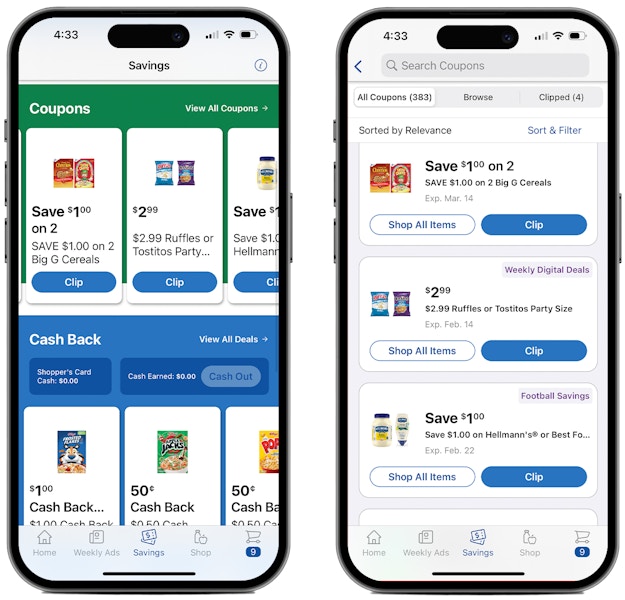
The final text includes significant exceptions. The law does not prohibit ordinary coupons, provided the seller does not use personal data to determine the size of the discount or who receives it. Publicly available promotions, as well as discounts for students, seniors, veterans and other clearly defined groups, are allowed. Loyalty programs are also preserved, but their discounts must be offered to all members or to understandable categories of members formed solely from purchase history — without inferences about income, psychological profiles or an individual’s price sensitivity. Different delivery rates are also permitted when they are genuinely explained by distance, time, weather, traffic or order size.
The Washington Retail Association argued that the new restrictions could weaken personalized discount programs and ultimately deprive shoppers of some savings. Supporters of the law responded that a discount available only to people whom the system considers especially responsive to a particular price may be the flip side of a hidden markup imposed on everyone else. The dispute is therefore about more than technology. It concerns an old question in commerce: Who owns information about a shopper, and can that information invisibly change the price of basic goods?
To comply with the law, companies will have to retain records of discount rules, the data used and customer categories for at least three years. If the required records are missing, a court may presume a violation unless the seller rebuts it with clear and convincing evidence. The city attorney will have the authority to investigate complaints and seek documents through the courts. Fines may reach $3,000 per violation and $10,000 for a repeated violation involving each affected person.
Shoppers and their representatives will also be able to sue, although that right is more narrowly defined: for grocery chains, it applies to companies controlling at least 25 stores in Washington state. City officials must annually compare the cost of a grocery basket in Seattle with prices in Bellevue, Burien, Issaquah, Kirkland, Renton and Shoreline, while also tracking the availability of loyalty programs. When the law takes effect in fall 2027, the city will assess not only whether secret personalized price tags have disappeared, but also the more difficult question: Has the figure at the checkout become clearer and fairer for the people who need that most?

Based on: Seattle mayor signs grocery ‘fair pricing’ into law, bans surveillance
Tacolate production sparks legal dispute between two brands
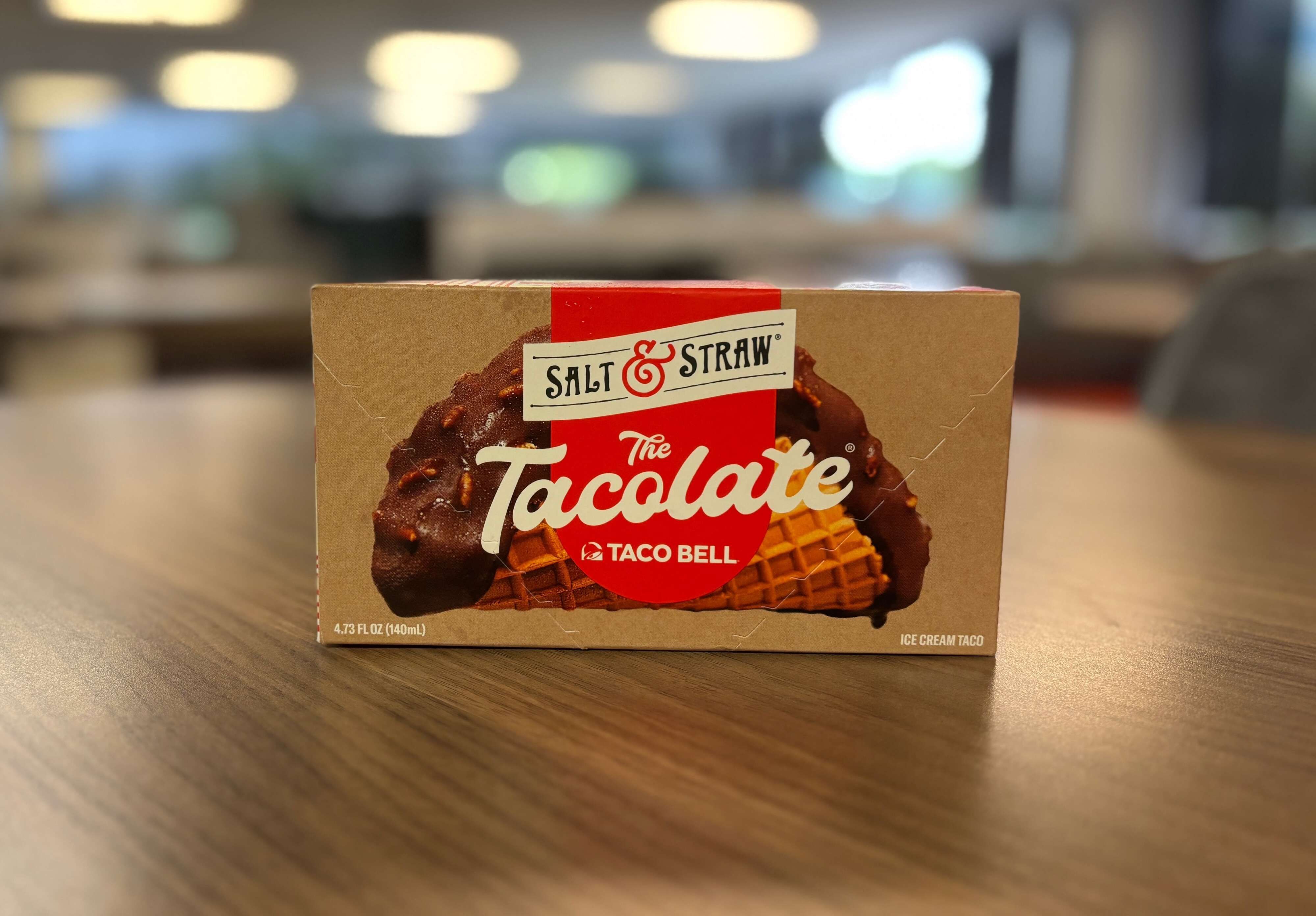
Portland-based Salt & Straw has sued local ice cream maker Ruby Jewel, accusing the company of breaching an agreement to produce Tacolate—a chocolate-coated ice cream dessert resembling the popular Choco Taco. Tacolate debuted last year and began being sold nationwide at Taco Bell restaurants in September. The first batch sold out in less than a week.
The partnership with Taco Bell is particularly important for scaling the product because of the company’s extensive U.S. restaurant network, large distribution system and access to millions of potential customers. The association with Choco Taco—a well-known taco-shaped dessert formerly sold under the Klondike brand—also helps consumers quickly understand the concept behind Tacolate and strengthens its marketing appeal.
According to the lawsuit, the companies signed a three-year agreement in February 2025 under which Ruby Jewel would produce Tacolate at its facility in northeast Portland through February 2028. The area is considered one of the city’s important industrial centers, with food manufacturers, warehouses, distribution centers and transportation infrastructure. However, on Oct. 2, Ruby Jewel allegedly announced that it would stop producing ice cream and Tacolate on Oct. 6 and lay off all production employees two days later. Company CEO Eric Koppelman has not yet confirmed those plans.
Salt & Straw says it invested more than $2 million in equipment to produce Tacolate and paid Ruby Jewel more than $1.9 million under the agreement. Ruby Jewel reportedly said the closure was prompted by Salt & Straw’s sharp—more than 60%—cut to its projected demand for the period from October through March. Salt & Straw maintains that the agreement does not allow production to be terminated because of declining demand.
Negotiations over changing the partnership began in September, when Ruby Jewel offered to sell its manufacturing division to Salt & Straw for $5 million. Salt & Straw declined but discussed leasing the facility and purchasing the equipment at market value. After Ruby Jewel rejected that proposal, Salt & Straw went to court, seeking to have production continue through the end of the agreement or to receive enough time to make an orderly transition to another qualified manufacturer.
Finding a replacement in northeast Portland may theoretically be possible because of the concentration of food-processing companies, but a new partner would need suitable freezing equipment, available production lines, the necessary capacity and a verified record of complying with sanitation standards. As a result, the transition could require considerable time and organizational expense.
Tacolate continues to be sold through Taco Bell, the Salt & Straw online store, company-owned shops and some Portland-area retailers.
Based on: Salt & Straw v. Ruby Jewel: Wildly popular ice cream taco behind lawsuit
Seattle Aviation Museum Bets on Solar Power
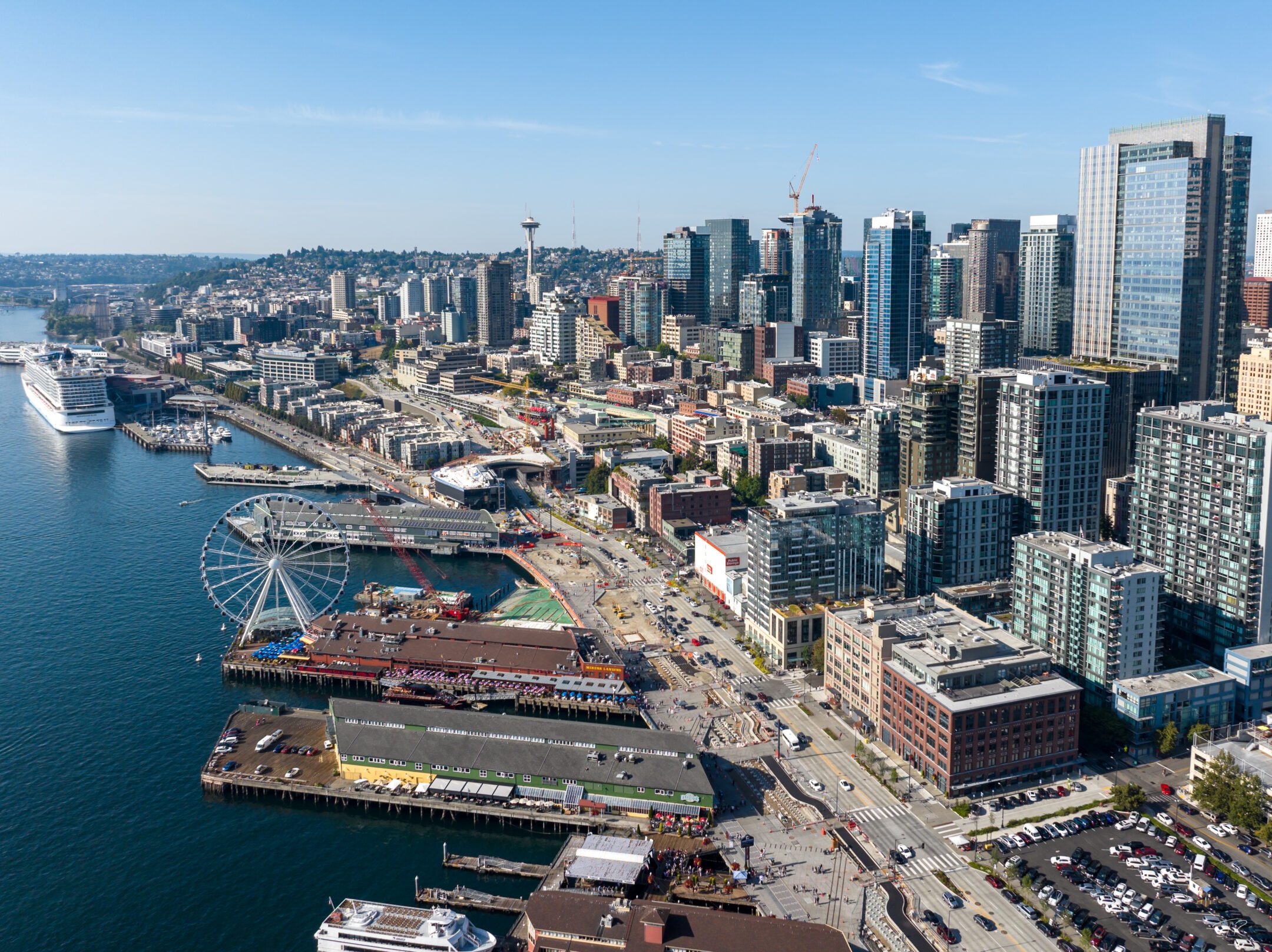
Despite Seattle’s reputation for cloudy weather, the Museum of Flight plans to make the most of the sunlight available. Its west campus, which includes the Space Gallery and Aviation Pavilion, is gradually moving toward full energy independence through the use of solar panels. The initiative is expected to make the museum’s operations more environmentally friendly and reduce its reliance on traditional electricity sources.
Based on: Museum of Flight's solar-powered future prepares for takeoff - The Seattle Times
Bee in Flight Over a Sunflower in Redmond
Photographer Rachel Welch captured a bumblebee flying toward a bright sunflower on Sept. 4 at Marymoor Community Garden in Redmond. She had come to admire the gardens’ late-summer abundance and take notice of the rust-orange sunflowers, where bumblebees and honeybees buzzed nearby. The photo was taken on an iPhone 17 at the exact moment the insect approached the flower. In the editors’ view, the photograph proves a familiar point: the quality of an image depends above all on skill, vision and timing—not on an expensive camera. The well-chosen angle and backlighting set the bee apart against the sunflower, as if it had just finished its “midday snack.” The editorial team invites readers to submit photographs from across the Pacific Northwest; the best images are published in the Reader’s Lens section, and one contributor receives a prize at the end of the year.


Based on: Bee buzzes in for sunflower fun in Redmond
Whidbey Island’s Only Elk, Bruiser, Has Died
Bruiser, the only elk living on Whidbey Island and a familiar figure to local residents for many years, has died. His unusual solitary presence attracted attention and made him part of the island’s history.

Based on: Lone elk on Whidbey Island, Bruiser, dies
Fantasy, Sunshine and Layoffs in Seattle
Day in review: Fantasy managers worry about Christian McCaffrey ahead of the game against the Seahawks; Seattle’s Museum of Flight switches to solar power with nearly 2,000 panels; and Starbucks closes five Washington stores while cutting 51 headquarters jobs.
Christian McCaffrey and the “Seattle Trap”: Should Fantasy Managers Panic Ahead of Week 5?
In the world of fantasy football, few things are more nerve-racking than watching your first-round pick go on the road against one of the league’s most difficult defenses. That is the situation facing Christian McCaffrey’s fantasy managers ahead of Week 5, as the San Francisco 49ers prepare to play in Seattle. Yahoo Sports analysts Josh Norris and Hayden Winks examined the dilemma in the latest episode of Yahoo Fantasy Football with Josh and Hayden, and their conclusion was more reassuring than alarming—although questions remain.
The concern is easy to understand, even for those who only follow fantasy football on Sunday mornings. The Seattle Seahawks have opened the season with one of the league’s best run defenses. Their front seven is aggressive, fast and, most importantly, disciplined in gap responsibilities. Last season, the Seahawks held McCaffrey to modest rushing numbers twice, forcing the 49ers to adjust their offense on the fly. For a running back whose fantasy value depends heavily on touches and the ability to break the first tackle, such a matchup is traditionally considered a “trap game.” That is the idea behind the title of the Yahoo Sports video, in which Norris and Winks weigh the risks against the potential reward.
However, several nuances distinguish panic from sound analysis. First, McCaffrey is not merely a between-the-tackles running back. Kyle Shanahan’s scheme uses him on routes from the backfield, in the slot and even on perimeter runs, where Seattle’s defense is much more vulnerable than it is up the middle. That means that even if the traditional running game struggles, a healthy number of targets could save McCaffrey’s fantasy day. Second, this season’s Seahawks defense is still finding its identity under a new coordinator, and its pass-defense numbers leave something to be desired. Against a team that can be exploited through the air, Shanahan will almost certainly design a plan in which McCaffrey is used more as a receiver than as a battering ram.
What are “touch volume” and why do they matter? In fantasy football, a player’s value is measured not only by yards but also by opportunities—touchdowns, receptions and targets. The more often a coach gives a player the ball, the more likely it is that he will score an acceptable number of fantasy points even in a difficult matchup. McCaffrey has historically been one of the league leaders in this category, and that volume is what makes him “bulletproof” most weeks.
The key insight from Norris and Winks, judging by the episode preview, is that there is no reason to expect a complete collapse, but expecting 30 fantasy points would be unrealistic. A reasonable projection is a “solid but not explosive” performance, with receptions and red-zone opportunities likely to play the decisive roles. If the 49ers reach the end zone, Shanahan will almost certainly give McCaffrey the ball near the goal line—and that is the most valuable scenario for fantasy managers. Betting on a touchdown in this game means betting on the coach’s trust, not on the defense’s statistics.
There is also a broader context. Seattle is a divisional rival, and such games often become grinding battles with few possessions. That is the main risk—not a poor performance by McCaffrey, but a limited number of drives for the entire team. Fewer possessions mean fewer touches and fewer chances for a fantasy breakthrough. In this case, the opposing defense is dangerous not so much directly as indirectly, by slowing the pace of the game.
The analysts’ ultimate recommendation, as it can be reconstructed from their discussion, is straightforward: do not bench McCaffrey or try to trade him because of one matchup. He remains an elite-tier player, and a difficult game merely lowers his ceiling; it does not erase his floor. If you have an alternative with a more favorable matchup, you could consider that player as a flex option, but only in exceptional circumstances. For most managers, the right decision is to trust McCaffrey’s talent and the volume Shanahan is likely to give him.
Ultimately, the McCaffrey-Seattle storyline is a classic test of a fantasy manager’s patience. The league is full of examples in which benching a star because of a difficult matchup resulted in 25 points left on the bench. The Yahoo analysts appear to be advising managers not to give in to that panic, but to take a broader view: a player’s role in the offense, touch volume and the coach’s trust in the red zone matter more than the label “tough matchup.” Week 5 will show who was right, but until then McCaffrey remains what he has always been—the centerpiece of one of the league’s best offenses.
Seattle’s Museum of Flight Switches to Solar Power
Seattle’s Museum of Flight, located in a city that is hardly known for its sunshine, is taking a bold step toward a more sustainable future. The museum’s West Campus, which includes the Space Gallery and Aviation Pavilion, is preparing to rely almost entirely on solar power. Nearly 2,000 solar panels will be installed on the roofs and surrounding grounds. This is more than a technical upgrade; it is a symbolic gesture. Aviation has historically been associated with a huge carbon footprint, yet the industry’s museum is beginning to use clean energy for its operations on the ground.
As reported by The Seattle Times, museum officials remain optimistic despite Seattle’s reputation as a rainy, overcast city. Even with the Pacific Northwest’s changeable weather, solar panels can generate a significant amount of electricity over the course of a year, particularly during the spring and summer. The project calls for nearly 2,000 photovoltaic panels, which will cover the West Campus’s electricity needs—from exhibition lighting to climate-control systems.
It is important to understand what “100% solar power” means in the museum’s context. It does not mean operating independently using only sunlight; that would require enormous energy-storage systems. Instead, the museum will use a balancing system: during sunny hours, it will send excess electricity to the grid, and during cloudy periods, it will draw power back from the grid. This arrangement is known as net metering. In effect, the museum becomes not only a consumer but also a small power plant. A key detail is that the West Campus houses unique artifacts—the Space Gallery’s actual spacecraft and the Aviation Pavilion’s historic aircraft. Keeping them in ideal condition requires a stable power supply, and solar panels will help reduce dependence on fossil fuels.
The project also carries an obvious irony: a museum devoted to aviation—one of the most energy-intensive industries—is becoming an example of energy responsibility itself. That does not change the fact that airplanes continue to burn jet fuel in the sky, but it demonstrates that even institutions connected to the industry can reduce their carbon footprint. The project is expected not only to lower electricity bills but also to serve as an educational tool, allowing visitors to see renewable energy in operation. Funding likely includes federal and local grants, as well as private donations; in the United States, projects like this are often supported by tax incentives for nonprofit organizations.
For Seattle, the project sends another message: solar power can work even in an “unsuitable” climate. The city has long invested in hydropower, but diversifying energy sources is important for grid resilience. If the Museum of Flight—a place where people dream about the sky—can run on sunshine, it may inspire other cultural institutions as well. The only questions are how quickly the installation will pay for itself and how often clouds will block the sun over Evergreen Street. Judging by the determination of the museum’s leadership, however, they are ready to capture every ray.
Starbucks Closes Five Washington Stores and Cuts Headquarters Jobs
Starbucks, widely viewed as a symbol of stability and one of the most employee-friendly employers in American retail, has officially notified authorities that it will close five stores in Washington state and eliminate some positions at its Seattle headquarters. The notice is known as a WARN notice—a document employers are required under U.S. law to file with state authorities in advance if they plan mass layoffs or the closure of a facility. According to the filing, the changes will affect 51 people in total, with departures beginning November 14 and continuing through December 4.
The company emphasizes that the filing merely formalizes decisions it announced on September 24. In other words, the public notice does not represent an unexpected reversal, but rather the bureaucratic implementation of a previously announced effort to improve efficiency. The stores being closed include a café on 170th Avenue in Redmond, a location on Rainier Avenue and a store on Leary Way in Seattle, as well as cafés on Wellesley Avenue in Spokane and Mill Plain in Vancouver. Those losing their jobs include baristas, shift supervisors and a coffee leader—the employee responsible for coffee quality and staff training. Some will be offered transfers to other Starbucks locations in the same region, which softens the impact but does not erase the fact that jobs are being eliminated.
The company’s Seattle headquarters on Utah Avenue has not been spared. Eight positions are being cut, involving a range of levels—from an accountant and two service representatives to two managers, a senior manager, a director and a project manager. This is significant: the cuts affect not only frontline employees but also managerial and administrative positions, which typically signals a structural reorganization rather than targeted savings. The company says the layoffs will be permanent and that employees received at least 60 days’ notice, the standard required under U.S. labor law in cases of mass layoffs.
The issue of unions also deserves attention. According to the notice, most of the affected workers are not represented by a union and do not have so-called bumping rights—the right to displace a less senior colleague and keep their job instead. In other words, these employees have no formal mechanism to protect themselves when a store closes. Employees at the Redmond store and at the Wellesley location in Spokane, however, are represented by a union, making the situation uneven: some workers have organized support, while others face the company’s decision alone. For Starbucks, which has been engaged in a difficult and at times contentious struggle with union organizing at its stores in recent years, this is another sensitive issue that critics will likely highlight.
What lies behind these figures? The closure of five stores and the elimination of 51 jobs do not, by themselves, look catastrophic for a chain with thousands of locations worldwide. But the context matters more than the scale. The company that grew from a single store at Seattle’s Pike Place Market is reducing its presence in its home state at a time when the coffee market is under pressure from cheaper competitors, changing consumer habits and rising labor costs. The decisions announced in late September were presented as part of a broader strategy to improve efficiency, and the current notice is only the visible part of that process. For employees—especially those without union protection—the dry language of the filing represents a very concrete prospect: searching for a new job just before the winter holidays, when the labor market is traditionally less active.
Several terms in the notice, as explained by KOMO News, are worth clarifying. A WARN notice, or Worker Adjustment and Retraining Notification Act notice, refers to the requirements of a U.S. federal law that obliges large employers to notify authorities and employees of planned mass layoffs or closures at least 60 days in advance. Bumping rights are the right of a more senior employee to take the position of a less experienced colleague during layoffs—a kind of internal seniority system. If such rights do not exist, the employer is not required to find the worker another position within the company. A coffee leader is not simply a barista but an employee responsible for beverage-preparation standards and mentoring, a role the company typically treats as specialized and provides separate training for. Finally, the Seattle Support Center is Starbucks’ corporate office, where administrative, financial and management functions are concentrated rather than retail sales.
The central conclusion is simple: even the world’s most recognizable coffee chain is being forced to cut costs and rethink its structure, and it is doing so not only by closing unprofitable stores but also by reducing its administrative workforce. The fact that some of those affected are managers and directors suggests that the company is optimizing not only its “floor” but also its “ceiling.” For workers, this means that union representation and formal employment rights are becoming increasingly important factors in determining who survives the next wave of restructuring and who is left out. For Starbucks itself, it is another step in the difficult balancing act between investor pressure, competition and the employer reputation the company has spent decades cultivating.

News 07-10-2026
Pizza, Protests and Cultural Collaborations: What Seattle Is Talking About
News digest: MOD Pizza has released a pizza inspired by Abbott Elementary, while a protest in Capitol Hill involved road closures and promises of arrests.
Inspired by Abbott Elementary: How MOD Pizza Turned the Show’s Premiere Into a Culinary Event
Seattle-founded American pizza chain MOD Pizza decided to celebrate the return of the popular sitcom Abbott Elementary in an unusual way: by launching a pizza inspired by Philadelphia, where the show takes place. This is more than a marketing stunt—it is an attempt to bring television culture and local cuisine together in a single product available nationwide.
The new pizza is called The Honor Roll. It is available at all of the chain’s locations through November 29, and its recipe directly references the famous Philadelphia cheesesteak. The base is olive oil mixed with minced garlic, topped with mozzarella, thinly sliced beef, onions, green peppers, roasted red peppers, and cheddar. The combination creates a flavor familiar to anyone who has tried a classic Philly cheesesteak, but in pizza form.
The collaboration with Abbott Elementary feels particularly natural: the show is set in a Philadelphia elementary school, while MOD Pizza originated in Seattle. In other words, the project brings together two American cities with distinct cultures. The press release even mentions school principal Ava, a character who, according to the pizza’s creators, would appreciate the collaboration.
The new season of Abbott Elementary premiered on KOMO-TV/ABC at 8:30 p.m. local time. Those who want to learn more about the offer can visit the dedicated page on the MOD Pizza website. In this way, the company is not only supporting the show but also highlighting its Seattle roots, offering customers a chance to “eat” a slice of Philadelphia without leaving their hometown.
What lies behind the decision? First, it is a classic example of cross-promotion, in which a brand and a media product strengthen each other. Second, The Honor Roll is also a tribute to Philadelphia’s culinary tradition, underscoring the chain’s attention to detail and local identity. Finally, the limited-time offer creates a sense of urgency, encouraging fans of the show and pizza lovers to try the new product as soon as possible.
For context, a Philly cheesesteak is a hot sandwich made with thinly sliced beef and melted cheese, usually served in a roll. In this case, it has been “repackaged” as a pizza while preserving its key flavors. Abbott Elementary is a mockumentary comedy about the lives of teachers at an ordinary school; it has earned critical acclaim and several prestigious awards. Its broad and loyal audience makes the collaboration with MOD Pizza particularly advantageous.
Thus, MOD Pizza’s promotion is more than a temporary menu item—it is a thoughtful project at the intersection of pop culture and food. It is a reminder that food can bring people together around a favorite show, and that a pizza chain can be not only a place to grab a bite but also a participant in the cultural conversation.
MOD Pizza Turns the Abbott Elementary Premiere Into a Culinary Attraction
Seattle-based American pizza chain MOD Pizza decided to capitalize on the intersection of pop culture and nostalgia for school days. The company introduced a limited-time pizza inspired by ABC’s Abbott Elementary. The new offering, called The Honor Roll, appeared on the menus of all the chain’s restaurants nationwide and will remain available through November 29.
Essentially, it is a culinary interpretation of the Philly cheesesteak—a sandwich made with beef and cheese. The pizza’s base is olive oil and minced garlic rather than traditional tomato sauce. The dough is topped with mozzarella, thinly sliced beef, and onions, while the final layer appears to be something resembling cheese sauce or an additional layer of cheese associated with the classic Philadelphia sandwich. The name refers to the sitcom’s school setting: an honor roll is a familiar feature of American classrooms, where the names of outstanding students are displayed.
Abbott Elementary itself is a mockumentary—a documentary-style comedy in the vein of The Office—set in a Philadelphia elementary school. The show has received widespread praise for its satirical yet warm take on the challenges facing public schools, while its creator and star, Quinta Brunson, has become one of television’s most prominent figures. For MOD Pizza, collaborating with such a project is not simply about launching a product; it is an attempt to enter the cultural conversation surrounding the start of the school year, when audiences are especially receptive to school-related stories.
The strategy behind the promotion is also worth noting. MOD Pizza is known for its fast-casual model, in which customers choose their own ingredients, as well as for its active social mission, including employing people with disabilities and those facing difficult circumstances. Releasing a limited-edition pizza inspired by a popular show is a classic marketing tactic that can attract new customers, generate publicity, and increase the average order value through the appeal of novelty. The offer’s availability through the end of November covers both the season’s premiere weeks and the pre-holiday rush.
For consumers, The Honor Roll is a chance to try familiar flavors in an unconventional format. The Philly cheesesteak has long been the subject of culinary experimentation: it has been turned into rolls, soups, and even spring-roll fillings. Pizza is a logical continuation of that tradition, especially since the series is set in Philadelphia, where devotion to cheesesteaks borders on the religious. Purists will likely debate whether olive oil and garlic are acceptable substitutes for the usual tomato sauce. But that kind of debate is exactly what marketers want—it creates additional buzz around the product.
It remains unclear whether The Honor Roll will become a permanent menu item or disappear after November 29, as promised. Still, the pizza’s arrival shows that MOD Pizza continues to seek unconventional ways to stay on the audience’s radar. For Abbott Elementary fans, it is also a small way to extend the enjoyment of their favorite show—through their taste buds rather than the screen.
Capitol Hill Protest: How a Morning Walk Turned Into Road Closures and Promised Arrests
On Wednesday afternoon, Seattle’s Capitol Hill neighborhood briefly became a center of heightened police and demonstrator activity. In a scene that may feel familiar, a crowd moved from Cal Anderson Park toward Broadway, forcing law enforcement to temporarily close nearby roads. But beyond the usual image of a street march, one detail stands out: no one seemed to know exactly what the protesters were protesting. The reason for the demonstration remained unstated, which in itself became news.
According to a report from FOX 13 Seattle, the incident began in the afternoon, when a group moved from Cal Anderson Park toward Broadway. Seattle police responded quickly, cordoning off nearby streets. In an official statement, the department cited “multiple instances of property damage, graffiti, and other documented crimes.” Officers indicated that they intended to make arrests, but only when it was safe to do so. The phrase “when it is safe” has become almost ritualistic among local law enforcement: it allows officers to maintain control without provoking an escalation at the scene.
By 2 p.m., demonstrators had moved out of the roadway and onto the Seattle Central College campus. At 2:10 p.m., police reported that the event had ended. Traffic in the area was expected to remain disrupted for some time, so drivers were urged to seek alternate routes. At the time of publication, the reason for the protest remained unknown. FOX 13 sent a crew to the scene to learn more.
What matters here is the context in which this kind of activity takes place. Capitol Hill has long been considered one of Seattle’s most politically active and protest-oriented neighborhoods. Marches and road closures are not extraordinary events here but rather part of the city’s background. However, the lack of a clear agenda at this latest demonstration highlights an intriguing phenomenon: in American cities, street protest is increasingly becoming a ritual in its own right, with the act of marching and confronting police sometimes more visible than any specific demand. That does not mean the demonstrators lack reasons; it simply means those reasons are not always articulated publicly, leaving journalists—as in this case—to discover them after the fact.
Another notable detail is the reference to “other documented crimes” without any specifics. Such vague wording leaves room for interpretation: it could refer to minor offenses such as disorderly conduct, or to something more serious. Police traditionally withhold details until an investigation is complete or arrests are made, so as not to compromise potential cases. For residents, this means only one thing: the familiar uncertainty and the need to plan routes around the disruption.
The story is still developing, and FOX 13 has promised updates. But it is already clear that this episode is another detail in the portrait of Seattle, where street politics and everyday urban life are so closely intertwined that a Broadway closure lasting a couple of hours surprises almost no one. What is surprising is the silence surrounding the reason. In an era when every protest usually acquires hashtags and manifestos almost immediately, the lack of an explanation feels almost deliberate. Perhaps an answer will emerge later. Or perhaps this is a new type of urban demonstration—without a slogan, but with consequences.

The Seattle Area’s Most Extreme Bedroom Communities
Each morning, most of Lake Forest Park’s 5,240 residents head to work outside the city: only 88 people work for local companies, while 98.3% are employed in other communities. These statistics show how heavily the city depends on residents’ daily commutes to the business centers of the Seattle metropolitan area—and why it is considered one of the region’s most pronounced “bedroom communities.”

Based on: The Seattle area’s most extreme bedroom communities - The Seattle Times
Cantwell Calls for Independent Review of the Most Powerful AI Systems
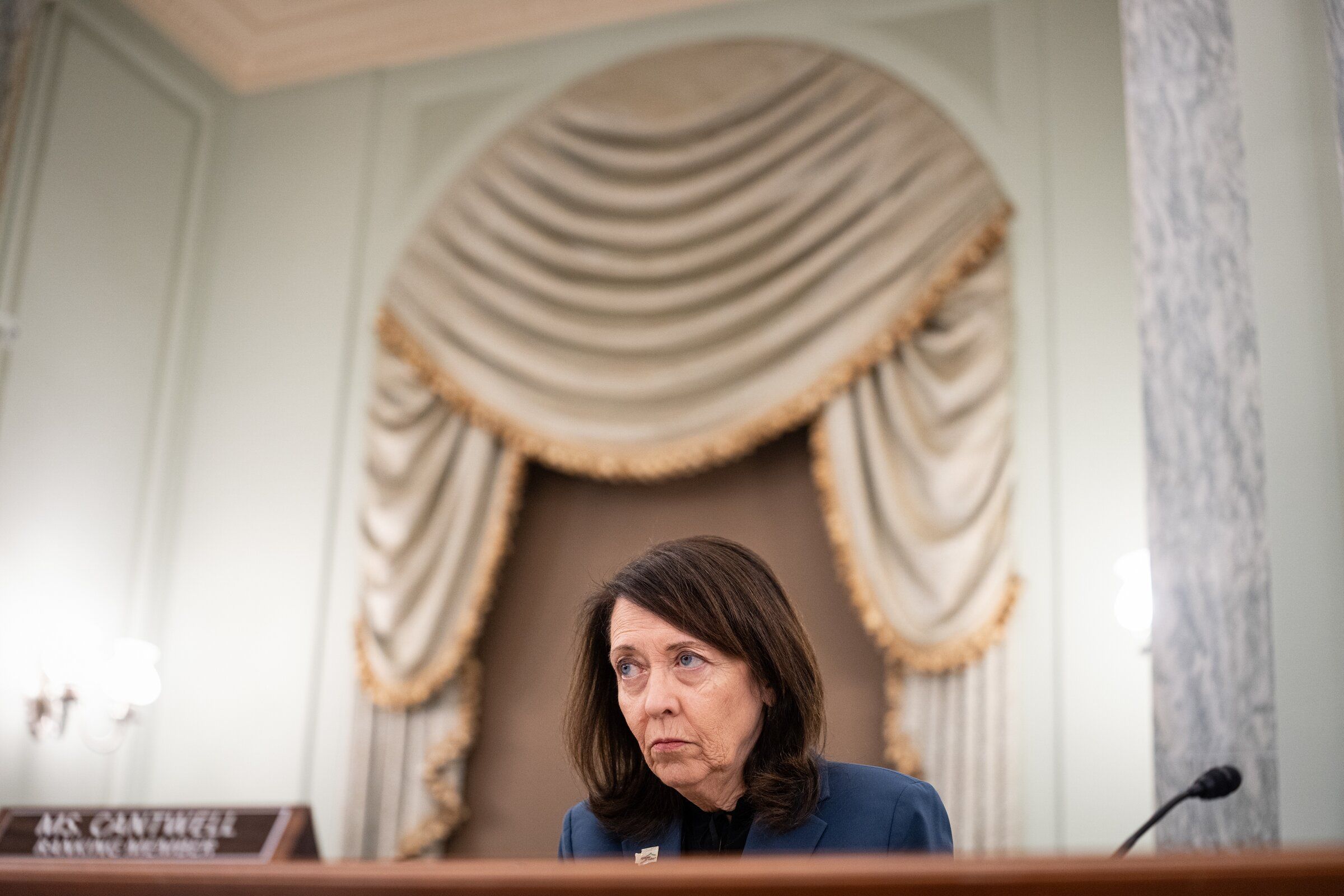
Sen. Maria Cantwell of Washington has introduced a comprehensive framework under which the most powerful artificial intelligence systems would not be allowed on the market without federal standards, independent evaluation and mandatory reporting of serious failures. It is not yet a bill, but rather an attempt to set a benchmark for Congress in the final weeks before the November elections, when lawmakers agree on only one thing: technology is advancing faster than the rules governing it.
Cantwell’s proposal is not focused on familiar chatbots that help write an email or choose a recipe, but on so-called frontier models — systems capable of carrying out complex autonomous tasks and potentially useful for cyberattacks or for creating hazardous chemical, biological, radiological or nuclear materials. The senator proposes that the National Institute of Standards and Technology, or NIST, along with other federal agencies, develop clear, measurable and mandatory requirements for such models.
The central principle of her framework is simple and highly unusual for the U.S. technology sector: a developer should not be the sole judge of the safety of its own product. Cantwell proposes ongoing stress testing of models by government officials and independent experts, as well as external audits comparable to the financial reviews required of publicly traded companies. Before a system covered by the new risk criteria is released, independent evaluators would have to confirm that its safeguards actually work.
A separate section addresses what usually remains behind the closed doors of laboratories: incidents. Under the plan, companies would have to promptly report losses of control over autonomous agents, the emergence of dangerous cyber capabilities, the bypassing of safety barriers and failures related to models’ self-improvement. Cantwell also proposes protecting employees and contractors who report violations from dismissal and other forms of retaliation. Developers would remain civilly and criminally liable for foreseeable harm resulting from design, deployment or inadequate safety measures.
The formula echoes a long-running debate over who can assess technological risk more reliably: the industry itself or the government. In September, it was reported that Cantwell had diverged from Sens. Ted Cruz, John Thune and Amy Klobuchar over a draft of future legislation. According to sources familiar with the negotiations, she insisted that models undergo mandatory reviews by federal entities, including national laboratories and relevant agencies, while the alternative approach relied more heavily on assessments conducted by the companies themselves.
For Cantwell, this is not a sudden shift. In 2024, when she chaired the Senate Committee on Commerce, Science and Transportation, the committee approved a package of bipartisan initiatives: the Future of Artificial Intelligence Innovation Act, the TEST AI Act, a bill on AI testing for national-security purposes, and the VET AI Act, which addressed standards for evaluating and validating systems. The committee’s work did not become a comprehensive federal regulatory regime. Cantwell now argues that the country has lost time as model capabilities and concerns about their autonomy have grown.
Cantwell’s current framework extends well beyond national security. It calls for protecting children from addictive and harmful AI products, retraining and apprenticeship programs for workers, and the right for people to learn how an algorithm influenced a decision about employment, credit or medical care — and to seek a review of that decision by a qualified professional. The document specifically mentions the WISeR system used in Medicare, which has raised questions about whether automation is delaying medically necessary care.
For Washington state, the debate hits particularly close to home: Microsoft, Amazon and a significant share of the cloud infrastructure supporting the current computing boom are located there. Cantwell is not proposing to slow the American technology race, but to tie leadership to trust — by creating common standards with allies, sharing information about dangerous incidents and even establishing a secure communications channel with China in case of a major failure. Yet a wide political gap remains between principles and legislation. Congress still must decide whether these requirements will be mandatory, who exactly will conduct the reviews and whether the technology industry will accept oversight before the next model is already in the hands of millions of users.


Based on: Cantwell unveils AI safety framework as Congress stalls ahead of election
Seattle: A Crisis of Bedroom Communities, Encampments and Fishing
The Seattle region is facing transportation gridlock caused by bedroom communities, authorities are closing a controversial homeless encampment after a shooting, and an environmental crisis has prompted a fishing ban on the Snohomish River to protect salmon.
Seattle has become an extreme bedroom community: 98% of residents work outside their cities
When we talk about “bedroom communities,” we usually picture quiet suburbs where people leave for a major city each morning to go to work. But the Seattle metropolitan area has taken this phenomenon to an absurd extreme. According to a Seattle Times investigation, in the town of Lake Forest Park, only 88 of its 5,240 employed residents work within the city limits. The remaining 98.3% leave the city every day—some drive, others take a ferry or bus, but almost no one stays to work where they live and pay taxes.
This is not an isolated curiosity but the extreme end of a trend affecting the entire region. The problem is not commuting itself—it has always existed—but its scale. When virtually an entire city’s population leaves to earn a living, the local economy loses its tax base, small businesses lack daytime customers, and the transportation network becomes severely overloaded along a limited number of routes. Lake Forest Park is a clear example of how housing and jobs have become spatially separated. People settle where it is cheaper or more comfortable, then work where offices are concentrated—in downtown Seattle, Bellevue or Redmond.
What makes the situation unusual is that Lake Forest Park is not a faceless suburb without an identity of its own. It is a city with lakes, parks and good schools, but its economic role has been reduced almost entirely to serving as a place to sleep. Eight jobs for more than 5,000 workers is a gross imbalance, pointing to a structural problem in land use. The 98.3% figure is essentially an indicator that the city creates almost no jobs for its own residents and attracts virtually no outside workers. By comparison, in a healthy mixed economy, the share of people employed within their own community is usually measured in tens of percent, not fractions.
Several important conclusions follow. First, traffic congestion in Seattle and its surroundings is not so much the result of poor roads as of this separation. As long as jobs remain concentrated in a few hubs, millions of people will be forced to cross the region in the same direction every day. Second, cities such as Lake Forest Park lose out on business tax revenue, limiting their ability to invest in infrastructure and schools. Third, the environmental footprint of this arrangement is enormous: every commute means emissions, road wear and time taken away from families.
The term “bedroom community” takes on an almost literal and caricatured meaning here. Lake Forest Park is not merely a bedroom community; it is a bedroom from which nearly all its residents leave for the entire day. This raises an uncomfortable question for regional authorities: can a city be considered healthy when its local economy is practically nonexistent and life revolves exclusively around the cycle of “home–work–home”? Judging by the numbers, the answer is currently no. Unless land-use and zoning policies change, the number of such “extreme bedroom communities” will only grow.
Seattle clears controversial South Seattle encampment after years of complaints
Seattle authorities have finally decided to forcibly close a large informal homeless settlement in the south of the city, located near the intersection of 42nd Avenue South and Beacon Boulevard, between the Rainier Beach and Beacon Hill neighborhoods. The immediate trigger for the emergency order, signed on September 29, was a recent shooting that city officials deemed an imminent threat to public safety. The move marked the culmination of a confrontation among city agencies, private property owners and local residents who had sought government intervention for years but, they say, received no help. According to a report by KOMO News, the situation had already spiraled out of control by 2024, when the site consisted of just one vehicle and a pile of garbage. It has now become a full-fledged “city” built, in the words of landowner Jay Wampold, by “transients.”
A representative of the Seattle Department of Construction and Inspections explained that taking action on private property requires coordination among numerous city agencies, including the Unified Care Team and the police. Property owners, however, say that this very bureaucracy paralyzed earlier efforts to resolve the problem. Wampold said the landowners posted no-trespassing signs and filed paperwork, but city agencies did nothing, while police stopped responding to calls. As stated in the owners’ formal complaint, “what began as one vehicle and some garbage became an entrenched settlement with excavations, structures, stolen and burned vehicles, hazardous waste and violent crimes,” while the cost of cleaning up the site increased many times over. Notably, a shootout at the site in 2025 left one person dead, yet authorities only decided to take emergency action after the latest shooting.
The city is now offering residents housing options, requiring them either to leave the property or accept assistance. Cleanup crews are expected to spend at least several weeks clearing the debris. For local residents such as Andrew Rauch, who called the situation “a humanitarian crisis of the worst possible kind,” the move is long overdue, even if welcome. Ryan Baxter, a waste-removal contractor with Junk King, warns that the site is filled with hazardous materials and abandoned vehicles, making it dangerous simply to be there.
The story of this encampment vividly demonstrates how a lack of timely municipal action can turn a local problem into a chronic no-go zone affecting homeless people, nearby residents and landowners alike, while the cost of resolving the issue rises exponentially. The question now is whether the city’s coordinated operation can truly restore order and safety to the area—or whether the encampment will simply move elsewhere, as often happens in similar situations.
Washington state unexpectedly closes Snohomish River fishing: What is behind the decision?
The Washington Department of Fish and Wildlife’s (WDFW) decision to close the Snohomish River to fishing from October 3 through November 1, 2026, may initially appear to be a technical seasonal measure. But behind it lies a troubling ecological rationale. Officials openly acknowledge that the situation involving one of the Pacific’s most valuable salmon species—coho—is contradictory. Where anglers still see strong catches, biologists see a risk that returns will fall short and migration will be disrupted. This is a classic example of how short-term fishing success can mask a long-term problem, forcing regulators to act preemptively before it is too late.
According to the official announcement, published Sunday, the ban covers the stretch from the river’s mouth to the confluence of the Skykomish and Snoqualmie rivers—in other words, the entire lower section of the Snohomish, which is the most accessible and popular with anglers. Technically, this includes both the “terminal marine” and “freshwater” zones, and according to WDFW, the two are showing diverging trends. In simple terms, coho are running even better than forecast in the tidal section closer to the sea. Farther upstream, however, where the fish must travel to spawn, the picture is less encouraging, and the expected return will likely not be reached.
The mention of low water levels is especially concerning. This is not merely background information: during dry periods, rivers become shallower and warmer, effectively turning into barriers for spawning salmon. Fish may be physically unable to cross shallow riffles, become delayed in the estuary, and face greater exposure to predators, disease and stress. Some spawning adults may never reach their spawning grounds at all. Under such conditions, even a formally “good” fishery in the lower river means removing fish that could otherwise support population recovery. That is why the regulator is closing the fishery entirely rather than imposing partial restrictions: the biological risk outweighs the short-term recreational benefit.
For local anglers and the businesses that depend on them—including guides, tackle-rental operators, waterfront shops and cafés—the closure is a significant blow, adding to the instability that has already become typical of fishing seasons. The month-long ban covers the height of the fall coho run, which traditionally draws large numbers of people to the Snohomish. It is notable that the department announced the decision on a Sunday, leaving the community little time to plan and further increasing frustration. At the same time, WDFW is following standard practice: when return forecasts are uncertain and hydrological conditions are unfavorable, priority goes to preserving the population rather than maintaining the fishery.
The key conclusion is that the closure is not merely an administrative measure but an indicator of a deeper crisis. Coho, like other Pacific salmon, are highly sensitive to water temperature, streamflow and the condition of spawning grounds. Climate change and water use are making these conditions increasingly unpredictable. The phrase “returns may not meet expectations” sounds cautious, but essentially means that even with successful fishing in the estuary, the system may receive too few spawning adults, making the following season even weaker. Thus, closing the Snohomish through November 1 is not a final endpoint but an early warning that managing fisheries in the region will require increasingly strict measures and more frequent intervention.
For readers unfamiliar with fisheries terminology, several concepts are worth explaining. The “terminal marine zone” is the tidal section of a river closest to the sea, where the water is still somewhat salty and salmon gather before entering freshwater. The “freshwater zone” is the section farther upstream, where the water is fully riverine and the fish travel to spawn. Coho, or silver salmon, return to Washington’s rivers in the fall and are an important target for both commercial and recreational fishing. Finally, a “return” is an estimate of the number of adult fish that have returned to a river to reproduce. It determines whether fishing can be opened and at what level. When returns fall below forecast, regulators almost always choose closure, because rebuilding a depleted population is far more difficult than sacrificing one season.

How Much Do Ten Bear Cubs Eat at a Snohomish Rehabilitation Center?
The PAWS wildlife rehabilitation center in Snohomish is caring for ten orphaned black bear cubs that are being prepared for release into the wild. Five of them are expected to be released in November. Until then, specialists are providing the cubs with the care and nutritious food they need to regain their strength and learn to live independently.

Based on: How much do 10 black bear cubs eat each day at a Snohomish rehab center?
The Sonics Return, an Exhibition and the Search for a Running Back
Intrigue is growing in Seattle over the Sonics’ return to the NBA: the Tulalip Tribes are offering land for an arena, competing with Samantha Holloway’s group, while the MOHAI museum is preparing its “Sonic Boom” exhibition. Meanwhile, the Seahawks are working out Seattle native Dontae McMillan after moving on from Joe Mixon.
Tulalip Tribes Offer Arena Land as NBA Considers Expansion
The story of the Seattle SuperSonics’ return to the NBA appeared to have long since moved beyond nostalgia and into concrete negotiations, but it has now taken an unexpected and rather dramatic turn. The Tulalip Tribes, an Indigenous community in Washington state, have officially offered a parcel of land near their casino west of Interstate 5 for construction of an arena that could host a basketball team. Tribal Chairman Tazmily? Wait—Chairman Hazen Shopbell made the announcement, emphasizing that the offer involved land, not money: “We’re simply negotiating with our partners. Financially, we have not invested anything so far. Our role in this matter is to provide the land.”
The announcement came just weeks before the NBA is expected to decide whether to expand the league to Las Vegas and Seattle. That creates a situation in which the Sonics’ return now has several competing centers of influence. On one side, One Roof Sports and Entertainment, associated with Seattle Kraken majority owner Samantha Holloway, has reportedly already submitted an application to bring the team back to Climate Pledge Arena. According to sources, her investment group includes billionaire Melinda French Gates and Amazon CEO Andy Jassy. On the other side, BlackSun Private Equity announced Tuesday that it was assembling an investment group and seeking an architect for a project that could require at least $6 billion just to purchase the team, with billions more needed to build an arena. A BlackSun representative also said the company was studying the future venue’s impact on traffic along I-5 and in Snohomish County.
This is where the central intrigue emerges. Commenting on the transportation risks, Hazen Shopbell took a pointed jab at Seattle: “When you look at Seattle,” he said, “and no offense to Seattle, but it can’t get worse than Seattle.” The remark says a great deal about the tribe’s strategy: it is offering not merely an alternative site, but an alternative philosophy—moving the arena outside a city already burdened by severe traffic and easing some of the metropolitan area’s infrastructure pressure.
Still, there is no guarantee that the BlackSun project has a realistic chance. The NBA strictly regulates the share of private investment funds in team ownership structures, and the league has not confirmed that it has even vetted the group or received an official application from it. NBA Commissioner Adam Silver has previously mentioned both Samantha Holloway and Climate Pledge Arena, even suggesting that the arena could host an NBA team within five weeks. That creates the impression that the main battle is not between Seattle and Tulalip, but within Seattle itself—between those who want to bring the Sonics back to their historic venue and those willing to consider compromise options.
Amid all the commotion, the Museum of History and Industry (MOHAI) did something it had not done in nearly 20 years: it opened the “Sonics vault,” displaying old trophies, jerseys bearing the numbers of departed players and championship banners. On Tuesday, MOHAI gave journalists a preview of the “Sonic Boom” exhibition, which is scheduled to open on March 27, 2027. “This team became woven into the very fabric of Seattle culture,” said Glenn Nelson, a former Seattle Times writer and the exhibition’s curator. “A lot of important things happened around basketball that influenced culture and law—things you might not expect from teams that did not burn themselves into the public memory as vividly as a championship team.” His words serve as a reminder that this is not merely about a sports franchise, but an entire era of the city’s identity.
The legal background to the story is also important. The Sonics left Seattle in July 2008 after the city reached a $45 million agreement with the owners from Oklahoma City. That same document preserved a path for the return of the team’s name, colors and other intellectual property if the NBA approved the creation of a new team in Seattle. In addition, the agreement required the trophies, banners and jerseys to remain in Seattle under the care of MOHAI or another mutually acceptable custodian. That is why “Sonic Boom” is not simply a museum gesture, but the fulfillment of a legal obligation—and, at the same time, a reminder to the league that the team’s legacy has not disappeared.
What does all this mean in practice? First, the NBA now has at least two different Seattle scenarios: a return to Climate Pledge Arena with Holloway’s group, or the construction of a new arena on Tulalip tribal land with BlackSun’s group. Second, even if the tribe is not investing money, the mere offer of land changes the negotiating dynamics. An alternative site now exists, giving the city and the league fewer reasons to delay. Third, the NBA is expected to decide on expansion by the end of the year, and any further delay will now look strange given that land has been offered, investors are seeking architects and the museum is opening an exhibition about a team that no longer formally exists.
It is also telling that BlackSun values the team alone at $6 billion—a figure that makes the project extraordinary even by the standards of today’s NBA, where franchise valuations are rising rapidly. Add the cost of the arena, infrastructure and transportation improvements, and the proposal becomes comparable in scale to the region’s largest development projects. That is why the question of who is behind BlackSun and how serious the group really is remains perhaps the most important—and most uncertain—part of the entire story.
Ultimately, the return of the Sonics is not merely a sporting decision. It is a question of how Seattle and its suburbs want to grow, who will benefit from multibillion-dollar investments and whose version of the city’s identity will prevail. By offering land, the Tulalip Tribes are reminding everyone that the region’s Indigenous peoples were here long before any arenas or franchises—and that they now want to be participants, not scenery, in the big game. All that remains is to see how the NBA, the city and those holding the keys to Climate Pledge Arena respond.
“Sonic Boom”: How Seattle’s Museum Is Restoring the City’s Sonics Memories
When the Seattle SuperSonics left the city for Oklahoma City in 2008, an entire era went with them. But not everything did. Around 5,000 items connected to the club’s history—including jerseys, banners, trophies and other artifacts—remained in Seattle and were stored in the Museum of History and Industry’s (MOHAI) collection. Now, part of that collection will be seen again: in March, the museum will open an exhibition titled “Sonic Boom.”
The exhibition’s curator is Glenn Nelson, a former sports journalist for The Seattle Times who spent 17 years covering the Sonics. For him, this is not simply archival work, but a journey through his own life. Nelson grew up in the Beacon Hill neighborhood and supported the team from childhood. His idol was Lenny Wilkens, and his first step toward his dream came through delivering newspapers: the boy delivered The Seattle Times to earn money for game tickets. He later joined the same newspaper and, as a journalist, covered Nate McMillan’s career from beginning to end before leaving the newsroom in 1999. Now he walks among objects connected to the very players and moments he once wrote about. “It brought back so many memories—from childhood and from my professional career,” Nelson says.
The collection is impressive not only in quantity, but also in scope. It includes retired game jerseys bearing names familiar to several generations of fans, as well as enormous banners that once hung from the arena rafters. Some are 20 feet long, and organizers are still trying to determine the best way to display them. The exhibits include size-17 sneakers, a huge image of the mascot Squatch and various trophies. Nelson recalls that even his first visit to the storage area was emotionally difficult: “I didn’t know what to expect. I didn’t know what had survived. What would be revealed.” Asked how the old items might look in a new arena if the NBA does return to Seattle, he responds ironically that they might seem out of place—“like old furniture in a new house.”
Nelson’s bitterness over the team’s departure was so strong that it changed one of his habits: “I was so angry that I haven’t set foot in a Starbucks since.” That is not an incidental detail. The name of the coffee empire whose founders once owned the club became a symbol of loss for many fans. Today, however, amid talk of a possible NBA return to Seattle, the collection is viewed differently—as a bridge between the past and the future rather than a monument to loss.
The exhibition is especially valuable to those who never saw the Sonics during their best years. “There are a lot of people who weren’t even born or don’t know that our city had an NBA championship team,” Nelson says. He is referring to the 1978–79 season, when the SuperSonics won the only championship in franchise history. The team defeated the Washington Bullets in the Finals, while Lenny Wilkens, now a Hall of Famer, served as its player-coach. For a new generation, the exhibition could provide a first introduction to a history that Seattle continues to discuss with nostalgia and hope. The preserved artifacts are not merely objects, but proof that major-league basketball truly existed in this city—and perhaps will again.
Seahawks Seek Offensive Help: Seattle Native Works Out After Joe Mixon Departure
The Seattle Seahawks continue to urgently search for ways to strengthen their running back room, and their latest workout candidate has deep local ties. On Tuesday, the club worked out former Baltimore Ravens running back Dontae McMillan, a Seattle native who starred at Chief Sealth International before beginning his college football career at Weber State. NFL reporter Aaron Wilson reported the move.
The decision came directly after a sharp change in the team’s roster strategy. Also on Tuesday, the Seahawks decided not to sign Joe Mixon after he underwent a physical, according to ESPN insider Adam Schefter. The two-time Pro Bowl selection was expected to be added to the practice squad, but the deal fell apart at the last moment. Following that setback, McMillan became the latest name in a rapidly changing backfield picture.
McMillan went undrafted in April and signed with Baltimore as an undrafted rookie free agent. The Ravens ultimately waived him during their final roster cuts on August 30, but one play made his explosiveness difficult to ignore. In the final preseason game against the Washington Commanders, he broke loose for a 63-yard run—a burst later highlighted by Baltimore’s official website. Wilson also emphasized the play in his report: according to league sources, the Seahawks worked out former Ravens running back Dontae McMillan, whose 63-yard preseason run against Washington had drawn attention.
That flash, however, was backed by a stronger college résumé. McMillan transferred from Weber State to Eastern Michigan and had the best season of his career in 2025, recording 177 carries for 1,015 yards and four rushing touchdowns, along with 33 receptions for 375 yards and three more touchdowns. In total, he produced 1,389 yards from scrimmage and seven touchdowns, earning second-team All-MAC honors. Eastern Michigan named him the team’s most valuable player and offensive MVP.
What makes the situation particularly interesting is that an opportunity with the Seahawks would represent a homecoming for a player trying to establish himself in his first regular NFL role.
Seattle’s interest in McMillan makes sense given what has happened in the running back room. The club placed first-round rookie Jadairian Price on injured reserve with a chest injury, while Zach Charbonnet continues to recover from a torn ACL suffered during the previous postseason. Charbonnet has returned to practice but has already been ruled out of the Week 5 game against San Francisco. Emanuel Wilson responded to the shortage with 120 yards from scrimmage and two touchdowns in a 30–23 victory over the Chargers, but the Seahawks have made it clear they want more bodies in the running back room. Head coach Mike Macdonald summarized the situation bluntly Monday while discussing the Mixon workout: “We’re short on backs. We need running backs. He’s a good running back.” Mixon ultimately will not be that reinforcement—and now McMillan could seize the opportunity.
Several terms are worth explaining. An NFL “workout” is not a contract signing, but an evaluation session in which a club assesses a free agent’s physical condition, speed and skills. The team may offer a contract afterward, or simply keep the player on its emergency list in case of injuries. A “practice squad” is an expanded reserve group of players who practice with the team but are not on the active game-day roster and can be elevated at any time. “Injured reserve” removes a player from the active roster for at least four weeks, which is what created Seattle’s personnel shortage. Finally, “yards from scrimmage” combines rushing and receiving yards and is a key measure of a running back’s versatility.
The main conclusions are clear. The Seahawks are in urgent search mode after the failed Mixon deal and the injuries to Price and Charbonnet, making them one of the league’s teams most in need of running backs right now. McMillan is a classic low-risk, potentially high-reward candidate: undrafted and released by Baltimore, but with demonstrated explosiveness and a productive season at the MAC level. His local roots and Seattle upbringing add emotional appeal for fans. Most importantly, Macdonald’s comments were a direct acknowledgment of the roster shortage, meaning McMillan has a real path to his first regular NFL role if he takes advantage of the opportunity.

News 06-10-2026
West Seattle Ukulele Group Celebrates Four Years of Performances
Members of the West Seattle Ukulele Players celebrated the group’s fourth anniversary with a performance at C&P Coffee Company in West Seattle. Among the musicians was Raymond Sismaet, dressed in green; the gathering was another opportunity for local ukulele enthusiasts to make music together and support a friendly community.

Based on: West Seattle Ukulele Players celebrate fourth anniversary
Washington Ferries Emerge from Crisis, but Not Without Scars
On Tuesday, Oct. 6, most Washington State Ferries routes returned to their regular schedules after an exceptionally difficult Monday: Of the 18 vessels in service, 13 were unable to sail at various points during the day because of a shortage of engine-room crews. The Seattle–Bremerton route, which connects the downtown Colman Dock with Kitsap, operated on its normal schedule in the morning, but the system as a whole still depended on whether every required shift could be filled.
On Monday, the ferry network — usually perceived by Puget Sound residents almost as an extension of the state highway map — suddenly proved fragile. Twenty-three engine-room workers called in sick, while qualified replacements declined to fill in. By midday, only six ferries remained on the water. Service was fully or partially suspended on Seattle–Bainbridge, Edmonds–Kingston, Port Townsend–Coupeville and the “triangle” route connecting Fauntleroy, Vashon and Southworth.
For passengers, this was more than a schedule disruption. On the Clinton–Mukilteo route, vehicle waits reached roughly three hours. On islands where a ferry is the way to reach a doctor, a plane, work or school, a canceled sailing quickly becomes something more serious than a delay. San Juan County Council Chair Justin Paulsen said he received more than 100 messages, including reports of missed medical appointments and flights.
On Tuesday, the state Department of Transportation said most routes had returned to regular service. The Seattle–Bremerton route, whose ferry is shown in the photograph heading away from Colman Dock, resumed its normal schedule. The recovery was not completely seamless, however: Several sailings were canceled Tuesday morning on the Mukilteo–Clinton and Edmonds–Kingston routes, while the third, supplemental vessel, Kitsap, did not operate on the Fauntleroy–Vashon–Southworth route. That route is operating on a two-ferry schedule.
The cause of Monday’s collapse was not a damaged hull or failed engine, but the people whose work usually takes place below deck and out of passengers’ sight. A vessel cannot sail without a crew that meets federal safety requirements; an unqualified person at the terminal cannot simply fill in for a trained worker. Washington State Ferries acknowledges that filling engine-room vacancies on short notice is especially difficult when workers report their absence the day before a sailing or just minutes beforehand.
The Marine Engineers’ Beneficial Association, which represents engine-room workers, said it did not coordinate the mass absences but described the incident as a desperate signal from overworked and frustrated specialists. The union has long raised concerns about uncompetitive pay and burnout caused by overtime. In a June survey of more than 80 members, over 60% said they might retire or find another job, while more than half of respondents reported low morale among their crews.
Ferry officials respond that chief engineer positions are well paid: Base salaries start at roughly $157,000 a year, and total earnings can exceed $350,000 with overtime. But that argument itself highlights an old problem in the system: When maintaining the schedule requires constant overtime, a high final salary does not necessarily mean there are enough workers. Coordinated work stoppages by ferry employees are prohibited under state law, making the dispute over staffing and pay an especially tense legal and human issue.
Gov. Bob Ferguson met with union leaders Monday and said he intended to improve staffing levels, but called the harm to passengers an unacceptable way to pursue change. His demand — that every vessel on every route be operating from the first morning sailing Tuesday — was met only largely, not literally. Monday showed that a normal schedule in Puget Sound can return quickly on the departure boards; rebuilding trust in it will take longer.


Based on: Most Washington State Ferries routes back to regular service Tuesday
Tasveer Film Center in Seattle Expands Its Cultural Program
The three-screen cinema center in the historic Columbia City building formerly known as Ark Lodge Cinemas has been operating successfully for a year and a half since its purchase by the nonprofit organization Tasveer. The organization is also preparing to hold the 21st Tasveer Festival, a prestigious event and the only festival of its kind whose films are eligible for Oscar consideration. Tasveer emphasizes that the development of the theater and festival is just the beginning of more ambitious plans.

Based on: Tasveer Film Center finding success with movie theater, film festival
Taxes, the NFL and Mixon’s Last Chance
Seattle signs Joe Mixon to its practice squad to bolster the running game as city taxes rise five times faster than the population and place an increasing burden on businesses.
The Seahawks Give Joe Mixon One Last Chance: Desperate Move or Hidden Ace?
The Seattle Seahawks have reached the point where they must grasp at any available lifeline—and that lifeline is Joe Mixon. On Monday, the club signed the 30-year-old veteran after a brief workout, a move that looks both logical and risky. Logical because the team’s backfield is quite literally falling apart before its eyes. Risky because Mixon did not play at all in 2025 while recovering from a serious foot injury, and his name has long been associated not only with athletic accomplishments but also with a string of high-profile off-field controversies.
The situation in Seattle’s backfield is genuinely critical. Even after beating the Chargers 30–23 in Week 4 to improve to 3–1, the coaching staff understands that this cannot continue for long. Kenneth Walker III, the Super Bowl MVP, left the team in free agency, while first-round rookie Jadarian Price landed on injured reserve. In essence, Seattle’s running game needs an urgent reboot, and Mixon represents an attempt to fill the gap with a proven, if battered, veteran.
For Mixon himself, this comeback is akin to a leap into the unknown. After the 2024 season with the Houston Texans, during which he rushed for 1,016 yards and 11 touchdowns in 14 games and earned the second Pro Bowl selection of his career, he suffered a serious foot injury that sidelined him for the entire following year. Now he must begin on the practice squad—a kind of quarantine period for a player trying to regain his form. In today’s NFL, where youth and speed are prized, a 30-year-old running back coming off a year-long absence is a difficult commodity to sell. Add in his extensive off-field record, and the challenge becomes considerably more complicated.
Those incidents date back to college. In 2014, a video emerged showing Mixon striking University of Oklahoma student Amelia Molitor, breaking four bones in her face. The university suspended him for a season. Mixon later entered what is known as an Alford plea—a legal mechanism under which the defendant does not admit guilt but acknowledges that prosecutors have sufficient evidence to obtain a conviction. He was ordered to complete 100 hours of community service. Several NFL teams reportedly removed him from their draft boards, but the Cincinnati Bengals still selected him in the second round in 2017. Legal headlines continued to follow him during his professional career. In 2023, he was charged with aggravated menacing in connection with a road-rage incident in Cincinnati, but a judge acquitted him. Separately, in March 2023, a teenager playing Nerf near Mixon’s home was shot by his sister’s boyfriend. Authorities did not charge Mixon himself, but the victim’s family filed a lawsuit against him and the alleged shooter. The lawsuit was settled in 2025.
Yet when Mixon is on the field, he reminds everyone of his value. During seven seasons in Cincinnati, he led the AFC in rushing in 2018 with 1,168 yards, earned his first Pro Bowl selection in 2021, and helped the Bengals reach Super Bowl LVI. In that game, he even threw a six-yard touchdown pass to Tee Higgins. In 2024, he proved he still had plenty to offer by finishing as Houston’s second-leading performer.
Now Seattle is betting that Mixon still has enough left in the tank to add muscle and experience to an injury-depleted backfield. This is a classic case in which sporting necessity outweighs reputational risk. The Seahawks are not signing him to a large contract or a long-term deal—they are giving him an opportunity beginning on the practice squad. If he returns to form, the club will gain a powerful running back capable of carrying the workload and serving as a leader for younger players. If not, it will be a short-lived experiment with no serious financial consequences. For Mixon, however, this may truly be his final chance to prove that he can help a team rather than simply generate headlines. The only question is whether he has enough health, time and, most importantly, discipline to stay out of trouble. Seattle clearly hopes he does; otherwise, it would not have taken a chance on a player whose name has long been synonymous with the phrase “difficult character.”
The Seahawks Bring Joe Mixon Back: Former Pro Bowler to Start on Practice Squad
The Seattle Seahawks continue to strengthen their offense and are preparing to sign running back Joe Mixon. Head coach Mike Macdonald announced the move Monday, adding that the club is currently “going through the necessary procedures” to finalize the deal. According to NFL Network insider Mike Garafolo and ESPN reporter Adam Schefter, Mixon will begin working on the practice squad after passing his physical, meaning he will not initially join the active roster. The 30-year-old running back previously worked out for the Seahawks, and the club’s leadership evidently liked what it saw.
For Seattle, this is another attempt to strengthen the running back position. The team is clearly seeking additional offensive options and is willing to take a chance on a player with significant experience but equally serious health concerns. Mixon is no random newcomer to the league. Across eight NFL seasons, he has rushed for 7,429 yards, added 2,448 receiving yards and scored 74 total touchdowns. Those are the numbers of a player who was a central figure in the Cincinnati Bengals’ offense for years, surpassing 1,000 rushing yards in four consecutive seasons.
His most recent season, however, was unsuccessful. Mixon missed the entire 2025 campaign because of a foot injury, and in March the Houston Texans, for whom he had played, decided to part ways with him. Notably, his only year in Houston was highly productive: he made the Pro Bowl for the first time in his career and surpassed 1,000 rushing yards for the fifth time. In other words, even at an age considered advanced for a running back, he performed at a high level when healthy.
Here is what the key terminology means. The practice squad is essentially a team’s reserve list. Its players practice with the main roster but do not occupy a spot on the 53-man active roster and earn less money. They can be elevated to the active roster at any time if a key player is injured or the team wants to change its strategy. For Mixon, this creates an opportunity to gradually regain his form after a long layoff without immediately adding significant pressure to the club’s payroll. For Seattle, it is a low-risk move: if the veteran recovers and returns to his previous level, the team gains an almost cost-free reinforcement; if not, the losses are minimal.
The key insight is that the Seahawks are not simply signing another running back—they are testing whether Mixon can return to a Pro Bowl level after a foot injury that cost him an entire season. If he can, Seattle gains a proven player who can both run the ball and catch passes out of the backfield. If he cannot, the club loses almost nothing. As NFL.com reports, the deal has not yet been finalized and remains contingent on a physical, meaning the situation should become clear soon. For Mixon, this is probably his last serious opportunity to prove that being 30 and missing a season does not yet mean the end of his career.
Seattle’s Tax Burden Is Rising Five Times Faster Than Its Population
According to a new study commissioned by the Downtown Seattle Association and the Greater Seattle Chamber of Commerce, the city’s tax collections rose from $900 million in 2013 to $2.8 billion in 2026, with businesses bearing most of the burden. Analysts at ECONorthwest calculated that taxes increased by 172 percent over the decade, while the population grew by only 31 percent and employment by 23 percent. In other words, taxes grew 5.6 times faster than the number of residents and 7.5 times faster than the number of jobs, making Seattle one of the clearest examples of how municipal budgets attempt to balance themselves by narrowing the tax base.
The report’s key conclusion, as reported by FOX 13 Seattle, is that businesses’ share of the city’s tax revenue rose from approximately 55 percent in 2016 to 68 percent in 2026, or about $1.65 billion. Particularly troubling is the fact that new taxes—the payroll tax introduced in 2021, the social housing tax approved in 2025 and the B&O increase under the Seattle Shield program in 2026—fall on an extremely narrow group of taxpayers. Fewer than 500 companies pay the payroll tax, with the 10 largest accounting for 73 percent of collections and the top 100 responsible for 93 percent. The situation is similar with the social housing tax: roughly 220 taxpayers contribute, with 10 providing 66 percent and 50 supplying 90 percent of the revenue. Together, these two taxes generated approximately $520.9 million in 2025. Because the lists of major taxpayers overlap, fewer than 20 companies account for roughly $356 million in annual city revenue.
This concentration creates a structural vulnerability that the report’s authors describe with the phrase, “the tax base is no longer growing alongside what it taxes.” Downtown Seattle Association President Jon Scholes called the system “a bad deal for Seattle,” arguing that it drives away jobs and investment. According to Scholes, high vacancy rates and declining employment downtown have led to a substantial drop in commercial property values, meaning “someone else is paying the bill.” This closes a vicious circle: the less business there is, the greater the burden on those that remain, which in turn encourages further departures by companies and employees.
The employment data also deserves attention. ECONorthwest estimates that Seattle lost approximately 18,000 jobs in the year ending in March 2025, and about 24,000 between March 2020 and March 2025, while the rest of King County added roughly 21,000. The report carefully notes that it does not establish a direct causal relationship between taxes and job losses; it only shows that tax collections and employment began moving in different directions after the payroll tax was introduced. In addition, the figures do not account for layoffs announced by Amazon, Microsoft and Meta in 2025 and 2026, making the outlook even more uncertain.
The trend in the tax burden per worker is also revealing. In 2026, the city collected approximately $2,700 in business taxes per employed person, compared with $959 in non-business tax revenue per resident. The ratio between those figures rose from 1.5 times in 2012 to 2.8 times in 2026. The report separately notes that the B&O increase accounted for $91 million of the $118 million increase in business taxes in 2026. It emphasizes that the $959 figure should not be interpreted as the amount paid by every individual resident—it is an average that nevertheless demonstrates the shift in the balance.
Moving beyond the dry figures, the picture looks like this: in recent years, Seattle built its budget around several major corporations whose revenues and staffing levels are themselves volatile and sensitive to economic cycles. The pandemic, the mass shift to remote work, rising office vacancies and technology-sector layoffs hit precisely the part of the economy that generates most new tax revenue. As a result, the city now faces a situation in which preserving service levels requires either raising rates or finding new revenue sources, and both options increase pressure on the business climate. The report’s authors write directly that the tax system was designed around economic growth, but growth has slowed while the tax burden continues to rise. That is the central paradox: the base that should expand with the economy is shrinking while rates increase. The report’s final conclusion is cautious—it does not claim that taxes caused the loss of jobs, but it identifies a dangerous divergence between the fiscal burden and actual business activity, which for any city is a signal that its strategy needs to be reconsidered.

Foggy Start to the Week Will Give Way to Warm, Sunny Weather
Residents of western Washington can expect dense morning fog at the start of the week, especially during the morning commute. The National Weather Service warned that visibility could drop below half a mile in some areas, so drivers are advised to slow down and take extra care on the road. Conditions like these are typical for this time of year: long autumn nights cool the air more significantly, creating low clouds and fog.
By noon Monday, the fog will lift, giving way to clear skies, sunshine and temperatures around 65–66°F—slightly above the seasonal average of 64°F. A similar pattern will continue over the next several days, with foggy mornings transitioning to calm, sunny weather. Thursday will be the warmest day, with temperatures reaching about 70°F. On Friday, however, the weather pattern is expected to change noticeably as scattered showers move into the region and may continue through the weekend, though the exact amount of rainfall remains uncertain.

Based on: Seattle weather: Foggy start to week of ‘benign’ weather
Disruptions and Records: Ferries Halted, Seahawks Fined
Washington’s ferry system has been paralyzed by a wave of sick calls, while the Seahawks’ victory was overshadowed by a franchise record for penalties.
“A Lot to Clean Up”: Seattle Beats Chargers but Sets Penalty Record
A 30–23 victory over the Los Angeles Chargers improved the Seattle Seahawks’ record to 3–1, but the win could hardly be called a clean performance. The team struggled with disciplinary violations throughout the game—committing 14 penalties for a franchise-record 150 yards. That became the main focus of former NFL quarterback Brock Huard’s analysis. In his view, this aspect of the game outweighed the positive result.
In his analysis for Seattle Sports, Huard highlighted the fine line between aggressiveness and recklessness that defines a quarterback’s play. Sam Darnold, he said, generally handled that challenge well—with the exception of a “pretty brutal interception” on the very first play—and protected the ball. However, the team’s overall mentality clearly crossed that line. Huard recalled the “Ministers of Violence” shirts players wore during training camp, emphasizing that when a team proclaims itself to be extremely aggressive and physical, it must understand where acceptable toughness ends. On Sunday, that boundary was crossed, at times “embarrassingly,” according to the analyst. He cited specific violations: roughing the passer, repeatedly; headbutts; and shoves after plays had gone out of bounds. The players had been frustrated after losing the previous week, and that frustration spilled over into uncontrolled aggression.
The Seahawks were fortunate that their opponent was weakened. The Chargers had lost several key players, while quarterback Justin Herbert turned the ball over three times. Seattle recorded four takeaways in all, allowing it to keep control of the game despite its many mistakes. Huard acknowledged that it was difficult to be negative after a victory, especially with the team sitting at 3–1, and that wins should be celebrated. But, he stressed, “there is definitely a lot to clean up” before the San Francisco 49ers arrive next week.
What the terms mean: “roughing the passer” refers to illegal or excessively forceful contact with the quarterback after he has released the ball or while he is in a vulnerable position; it carries a significant penalty. “Ministers of Violence” refers to the head coach’s philosophy of dominant, physically aggressive play that must not cross the line into rule violations. Fourteen penalties for 150 yards are more than a statistic—they indicate a loss of discipline that could cost Seattle a game against a strong opponent such as the 49ers. The key takeaway: the Seahawks are prepared to play aggressively, but they have yet to learn how to balance intensity with adherence to the rules, leaving them vulnerable in the games ahead.
Washington Ferry Crisis: How 23 Sick Calls Paralyzed an Entire Transit System
On Monday, March 10, Washington state faced an unprecedented transportation collapse. Most ferry routes across Puget Sound were either fully canceled or placed on reduced service after 23 engine-room employees simultaneously called in sick. The resulting crew shortage caused “significant disruptions” throughout the system, according to Washington State Ferries officials. Of the fleet’s 18 vessels, 13 were taken out of service—a situation without precedent in the past decade.
According to an official statement from Washington State Ferries, all of the employees who called in sick are members of the Marine Engineers’ Beneficial Association. Gov. Bob Ferguson met Monday with union leaders and state representatives, signaling that he viewed the incident as a coordinated action. The union, however, categorically denied organizing the mass sick calls, saying it learned about them “the same way the public did—from media reports.” Roland Rexha, secretary-treasurer of the national union, emphasized that the incident was not part of collective bargaining: The engineers’ contract for 2026–2028 had already been agreed to in July following arbitration.
Nevertheless, the roots of the crisis go far deeper than a single day of mass absences. The union has spent several years seeking higher wages to achieve parity with workers on the upper decks, who earn roughly 20% more annually. Engineers are also demanding fewer overtime hours, which they say are exhausting employees. According to the union, engineers work seven-day schedules, and overtime can exceed 1,500 hours a year. “Using volunteers to work overtime in order to meet minimum safety requirements is irresponsible; moreover, it is a path to disaster,” the union said in a statement. Rexha described the system as “unsustainable,” held together “with chewing gum and duct tape.”
The situation is particularly serious because, according to the union, the state staffs vessels at the legal minimum and has abandoned requirements from the previous contract that called for an additional crew member to fill in for sick workers. As a result, engineers are forced to work “offensively excessive amounts of overtime,” leading to disruptions when employees “throw up their hands.” The union also said Washington State Ferries management wants to freeze engineers’ wages at a level 20% below that of their shipboard colleagues, which has “destroyed morale and created incentives for qualified professionals to look for work elsewhere.” According to the union, marine engineers in the public and private sectors earn 40% more than engine-room employees on the state’s ferries. The ferry agency, meanwhile, said chief engineers have a base salary of $157,000 a year, which can exceed $350,000 with overtime. Critics noted that this figure represents the upper end of the scale, while many engineers earn considerably less.
Gov. Ferguson, himself a regular ferry passenger, called the incident a significant hardship and inconvenience for state residents. “I was very direct in our meeting: My expectation is that every vessel on every route will be fully operational no later than the first sailing tomorrow morning,” he said. However, no one could guarantee that the ferries would actually resume full service on Tuesday.
The consequences for passengers were substantial. The Seattle–Bainbridge route stopped operating entirely after the 5:30 a.m. sailing. The Edmonds–Kingston route halted after 7:10 a.m. In the San Juan Islands, only the Samish continued serving all stops from Anacortes to Lopez, Shaw, Orcas and Friday Harbor, while two other vessels were taken out of service. The Kennewick ferry on the Port Townsend–Coupeville route did not sail at all on Monday. The Fauntleroy–Vashon–Southworth triangle route operated with only its third vessel, which was later canceled as well. The Seattle–Bremerton route shifted to one-boat service, and the morning sailings of the second vessel, Chimacum, were canceled. The Mukilteo–Clinton route also shifted to one-boat service, resulting in three-hour waits for drivers.
People caught at the center of the disruption described the situation with a mixture of concern and understanding. Bo Bowen of Freeland, who usually takes the 6:30 a.m. ferry from Clinton, left his car behind on Monday and switched to the walk-on route. “I wish they would find another way to negotiate or express their concerns,” he said. “We have a large group of people who use this route, and turning a 15-minute trip into a one-and-a-half-hour wait creates a lot of problems.” Aaron Kessler of Mukilteo, who was heading to visit a friend on Whidbey Island, had already been waiting an hour and 20 minutes instead of the usual 15 to 20 minutes. “There is no schedule,” a ticket seller told him. “We’re operating on a load-and-go basis.”
Washington State Ferries spokesperson Justin Fujioka, who has worked for the agency for nine years, said he had never seen a disruption on this scale. About 75 engine-room employees are needed each day to operate 21 ferries in two 12-hour shifts. When an employee calls in sick, the state can ask others to fill in, but they are not required to agree. If enough people decline to work on their day off, vessels cannot sail.
The context of the crisis becomes clearer when looking at 2024, when the union representing 400 engine-room workers raised similar complaints about excessive work and inadequate pay. At the time, the issue involved tens of thousands of overtime hours and thousands of canceled sailings caused by employee “burnout.” On Monday, the union called the situation “a crisis created by Washington State Ferries management” and “a desperate cry for help from an exhausted and frustrated group of highly skilled and dedicated workers.”
The situation remains tense. Gov. Ferguson promised to work on increasing staffing while also demanding the immediate restoration of service. The union, for its part, insists that its members want to provide safe and reliable service to passengers—and that passengers value fair treatment for workers. Rexha noted: “They value these workers.” Until the two sides reach a compromise on pay and working conditions, however, the Puget Sound ferry system connecting the islands and mainland communities will remain vulnerable to a single mass sick call.
Washington Ferry Disruption: 72% of Fleet Halted by Crew Shortage
On Monday morning, Washington State Ferries (WSF) faced a major disruption that affected thousands of passengers from the San Juan Islands to Seattle. The cause was a shortage of qualified staff: 23 engine-room employees simultaneously reported being sick. According to KOMO News, 13 of the 18 ferries—or 72% of the entire fleet—were taken out of service. Some routes were completely canceled, while others shifted to one-boat service, sharply reducing capacity and throwing schedules into chaos.
The situation was made worse by WSF’s inability to find replacements for the absent employees despite active efforts by dispatchers. In an official statement, the agency explained that when a replacement is needed, it contacts qualified employees already authorized to work in engine rooms. However, WSF said that everyone who could have filled the shifts “declined to fill those positions and provide ferry service.” This prompted suspicions of organized sabotage. One passenger who was turned away at Seattle’s Colman Dock while attempting to board a ferry to Bremerton said a dock employee described what was happening as a “quiet strike.” Although WSF has not officially confirmed that explanation, the agency acknowledged that it was “examining what may be contributing to the number of callouts and the difficulty filling open positions.”
The problem was especially acute on key routes connecting the mainland with islands and peninsulas. As of 11 a.m., the following routes had been canceled or shifted to one-boat service: Anacortes/San Juan Islands, Port Townsend/Coupeville, Edmonds/Kingston, Mukilteo/Clinton, Seattle/Bremerton and Seattle/Bainbridge. For residents of these areas, ferries are often the only way to reach work, school or a hospital, so even temporary disruptions can have serious consequences. Authorities advised passengers to check the latest information on the Travel Alert Bulletins page and the real-time vessel tracking system, as the situation continued to change.
The context extends beyond a single incident. Washington’s ferry system has long faced staffing shortages, exacerbated by the pandemic and a broader shortage of qualified mariners in the labor market. Engine-room mechanics and engineers require specialized certification, and training takes years, making it impossible to quickly replace missing workers. Under these conditions, simultaneous sick calls by 23 specialists can paralyze an entire fleet. WSF said: “We understand how disruptive this is for thousands of Washington residents. We expect our employees to return to work as soon as possible.” However, the lack of a clear timeline for restoring normal service left passengers uncertain.
The key question is whether this was a spontaneous outbreak of illness or a coordinated action. If the “quiet strike” theory is confirmed, it could point to deep dissatisfaction with working conditions or contract negotiations. In either case, the incident exposed the fragility of transportation infrastructure that depends on a narrow group of certified specialists. For a region where ferries carry millions of passengers each year, such a disruption is not merely a logistical inconvenience but a direct threat to economic activity and quality of life. How quickly WSF can restore passengers’ trust and fill the crew shortage will become clear in the coming weeks, but one thing is already evident: the system needs structural solutions, not emergency patchwork.
News 05-10-2026
Westport begins construction of tower that will provide high ground during a tsunami
Construction began Oct. 3 in Westport, on Washington state’s Pacific coast, on a vertical tsunami evacuation tower — a structure about 45 feet high designed to accommodate at least 1,000 people. It will be built near the city marina, where an earthquake in the Cascadia Subduction Zone could leave no more than 15 minutes for people to reach safety. After several years of design work, efforts to secure federal funding and an anxious pause in 2025, the city can finally move from plans and calculations to pilings and concrete. Completion is scheduled for late summer 2027.
For Westport, the tower is neither an architectural indulgence nor simply a new photo spot overlooking the harbor. The low-lying peninsula where the city stands is separated from safe elevations by a distance that many people would be unable to cross after a powerful earthquake. Roads could be damaged, communications disrupted and the wave generated by the Cascadia fault could reach the shore in roughly 15 minutes, according to experts’ calculations.
The new structure will be built on city-owned land near the intersection of Harms Street and East Harbor Street, several blocks from the marina. The area matters not only to permanent residents: It is the center of Westport’s fishing and tourism economy, where dockworkers, seafood processors and visitors are present on any given day. During an emergency, the tower is intended to serve as an artificial high point — a place people can reach on foot instead of trying to escape the inundation zone by car in the final minutes.
The project calls for massive pilings designed to hold the structure in place during an earthquake, a surge of water and collisions with debris carried by the wave. Absher Construction won the construction contract; the estimated cost of the construction work itself is $11.181 million. The facility was designed by architect Cale Ash and engineers at Degenkolb Engineers, a firm that has already worked on similar shelters along the state’s coast.
Funding the tower became a separate story about how difficult it is to pay for protection against disasters that are rare but capable of changing everything. The city began seeking funds through FEMA’s Building Resilient Infrastructure and Communities program in 2020; federal support was announced in 2023. In spring 2025, the BRIC program was unexpectedly suspended, putting previously promised funding in doubt. For a small city, that created the risk of losing a project it could hardly finance on its own.
Ultimately, the project is now estimated to cost $13.7 million. The city of Westport and the state are each contributing approximately $763,000 in required matching funds, while most of the money is coming through a federal grant. The outcome has not resolved the broader problem: According to the state Emergency Management Division, Washington needs between 58 and more than 80 similar vertical shelters to address the most dangerous gaps along the coast.
The figures included in Westport’s application sound almost implausible for a city with a population of just over 2,000. State modeling based on a magnitude 9.0 earthquake scenario estimates that as many as 6,075 people could be killed by a tsunami in Westport — a figure that includes seasonal visitors and people working in the coastal zone. It shows that a disaster there would never be merely local: The population along this stretch of coast rises significantly in summer, while the harbor remains a vital part of the regional economy.
The tower will be the third structure of its kind in the state. North America’s first vertical tsunami refuge was built atop the gymnasium at Ocosta Elementary School near Westport and opened in 2016; in 2022, the Shoalwater Bay Tribe built the freestanding Auntie Lee tower in Tokeland. In ordinary times, Westport’s tower will serve as an observation deck. There is practical value in this dual purpose: A structure that people use and know about is easier to remember when the siren stops being a drill.
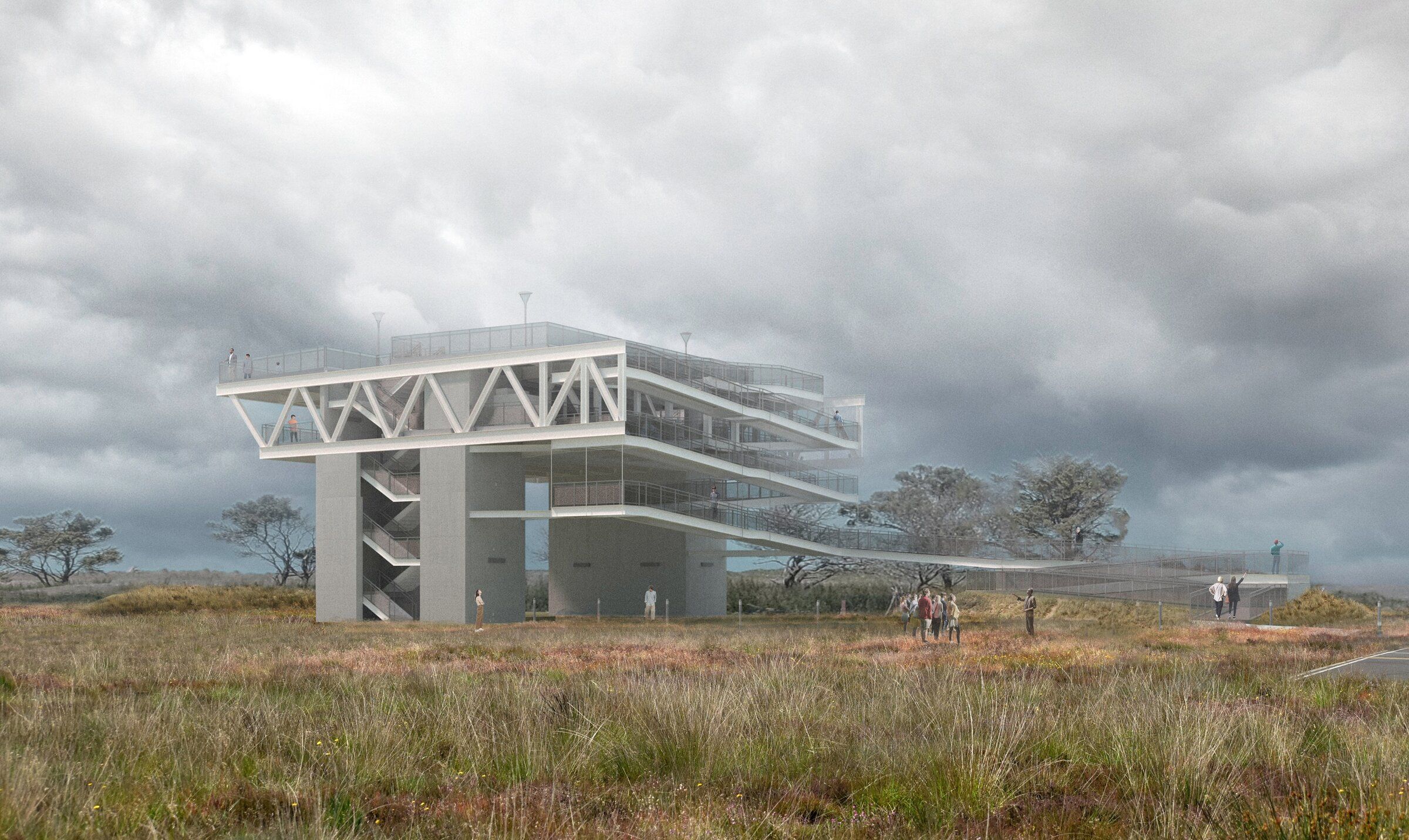
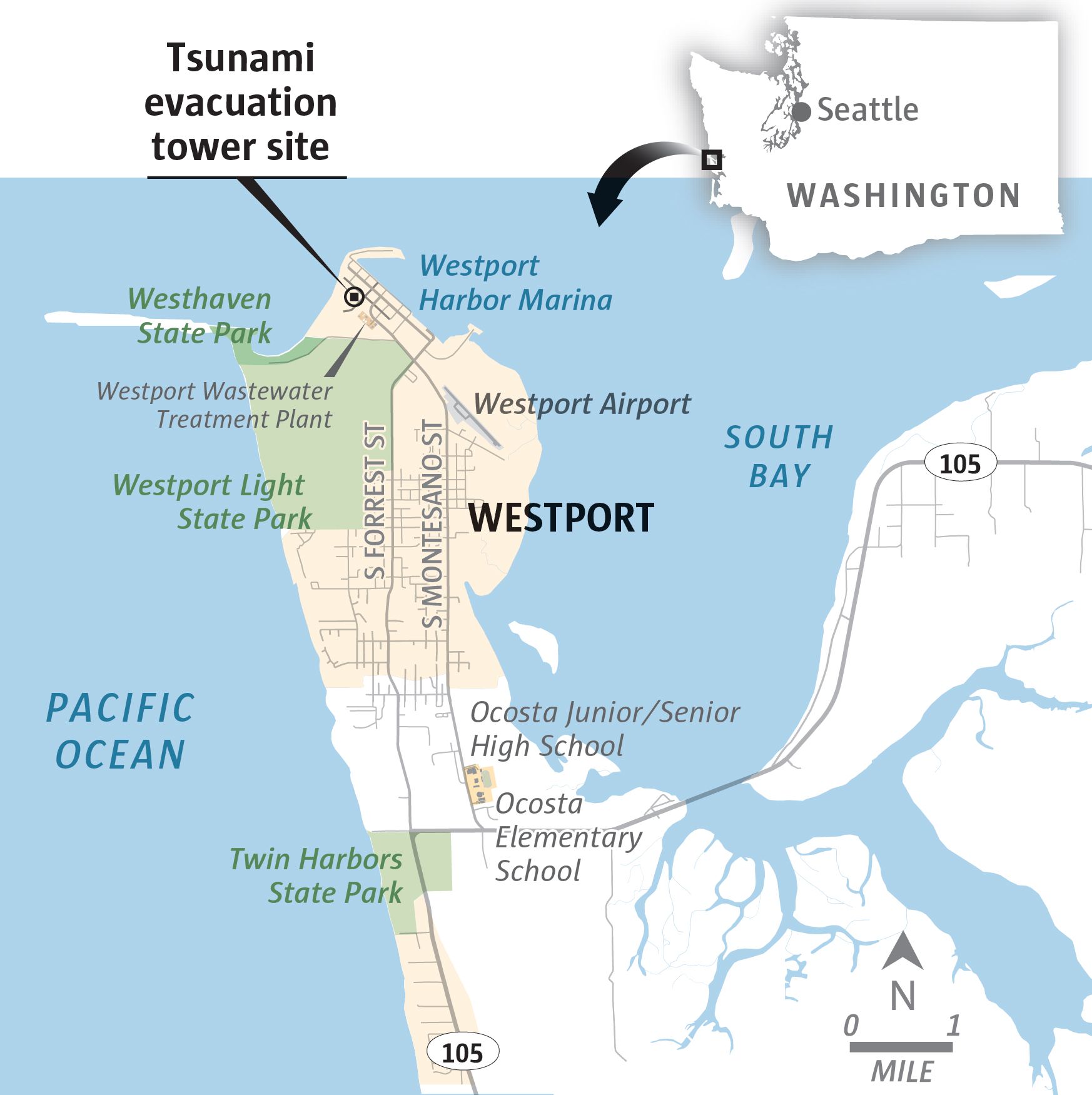

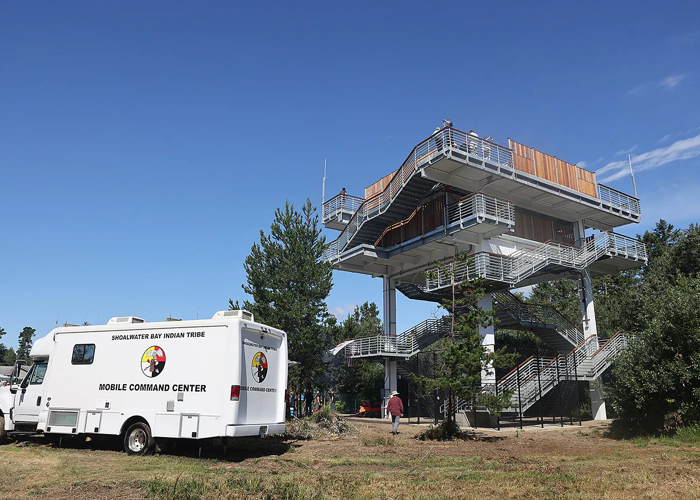
Based on: Westport breaks ground on 1,000-person tsunami evacuation tower
Issaquah Salmon Hatchery Preserves Fish and Opens Its World to Visitors
Salmon are one of the defining symbols of the Pacific Northwest and a vital part of its ecosystem. So a salmon hatchery in the heart of Issaquah seems perfectly natural: Issaquah Creek begins in the surrounding mountains, runs through the city’s historic district and flows into Lake Sammamish. The creek serves as a natural migration route for sockeye and other salmon that travel upstream from the lake to their spawning grounds.
However, dams, diversions and other structures, along with changes to the channel and declining water quality, have made migration more difficult and reduced the available spawning habitat. Founded in 1936 as part of the Works Progress Administration, the hatchery helps sustain the population by raising juvenile fish and releasing them into the Issaquah Creek basin. The hatchery does not replace the restoration of natural habitat but complements those efforts.
The facility’s infrastructure mimics the fish’s natural environment. In long, flowing pools called raceways, salmon grow in water from the creek, while a special fish ladder with a series of gradually elevated pools helps the fish overcome obstacles and reach the holding tanks. The hatchery stores millions of eggs. It raises coho and Chinook, or king salmon, and then releases them into the wild. The hatchery also raises trout.
The life cycle of local salmon begins with eggs collected from fish that return upstream in the fall to spawn. Once the young fish have grown, they are released into rivers, from which they travel to the ocean for two to seven years. After reaching maturity, the salmon return to the same waterway, spawn and soon die. In the fall, Issaquah Creek experiences a massive natural die-off: decomposing fish return nutrients to the ecosystem, although the smell can be very strong.
That is why the hatchery is especially popular with tourists, schoolchildren and nature lovers in the fall. During this period, visitors can observe the mass salmon run, spawning and the natural death of adult fish. Visitors are encouraged to remain on designated trails and viewing platforms, stay out of the water, avoid touching or feeding the fish, not interfere with them and follow staff instructions. Dogs must be kept on leashes, and neither litter nor natural objects, including fish, may be left behind or removed.
Specialists and volunteers capture some of the returning salmon to collect their eggs. In 2025, the hatchery plans to collect about 4.5 million eggs. They are sorted by hand: clear eggs are considered viable, cloudy eggs are dead, and green or black eggs are spoiled; unusable eggs are removed so they do not damage the others. This year, the hatchery expects to collect 3.5 million eggs and release about 3 million fish. The facility receives approximately 250,000 visitors each year, while Chinook salmon spend about seven months there. Native-plant gardens and the equipment are accessible to visitors year-round, and free daily tours are offered in the fall.









Based on: Issaquah Salmon Hatchery supports fish population, gives public a view
Democrats seek an unexpected breakthrough in rural Washington district
In Washington state’s 12th Legislative District, Democrat Stacey Willoughby is waging an unusually strong campaign against Republican Brian Burnett. The district combines conservative Chelan County with more liberal suburbs in King and Snohomish counties. In the August primary, Willoughby nearly tied the incumbent, winning 49% of the vote to his 50%. Her victory would strengthen Democrats’ position in the state Legislature and could serve as a model for campaigns in other rural areas.
The race intensified after the district was redrawn and following litigation. Now, roughly half of the voters live in Seattle’s suburbs, while the rest live in Chelan County and other communities east of the Cascade Mountains. The new configuration brought farming towns together with North Bend, Monroe and other rapidly growing suburbs. This made the electorate less homogeneous: Rural areas still shape the political agenda, but residents in the western part of the district place greater emphasis on transportation, population growth, housing and public services. As a result, the district has become more competitive, although the outcome will depend largely on turnout.
Burnett, a former Chelan County sheriff, remains better known in the east. But his legacy is accompanied by disputes over COVID restrictions, allegations of harassment by former subordinates and lawsuits that have cost the county $1.75 million since 2024.
Burnett portrays himself as a pragmatic Republican willing to work with Democrats on prison and foster-care issues. At the same time, he voted with his fellow Republicans against a tax on wealthy households and a ban on police officers wearing masks.
Additional tension stems from his former ties to Grace City Church, an influential conservative Christian organization that opposes LGBTQ+ initiatives and promotes a religious-political agenda. The church plays a notable role in mobilizing conservative Christians in Chelan County and other parts of central Washington: Through sermons, public events, personal connections and support for politically aligned candidates, it shapes the agenda, recruits volunteers and encourages turnout. Networks associated with the church also actively discuss education, abortion, religious freedom and the role of government. They do not determine election outcomes on their own, however: Party affiliation, economic interests, demographics and the activity of other civic organizations also play a role.
Burnett says he left the church because he does not want a religious organization to effectively direct political activity.
Willoughby, who manages a community bank branch and is running for office for the first time, is counting on support from moderates, progressive voters and newcomers to the region. She has lived in Chelan County since 2017, is involved with the local chamber of commerce and leads a nonprofit organization.
The campaign is focusing on issues that unite residents across the partisan divide: the high cost of housing and groceries, access to health care, wildfires and extreme heat. The outcome could hinge on turnout among Latino voters, young people, union workers, retirees and migrants from western Washington, as well as on whether Burnett’s reputation and conservative views outweigh dissatisfaction with the economy and Grace City Church’s influence.












Based on: Blue surge could breach Cascades in this Washington race
Seattle: AI Pricing Ban, Record Dryness and Seahawks Chaos
Seattle is introducing the first U.S. ban on “surveillance” AI pricing in major supermarkets, experiencing its coldest September since 2007 and a record-low number of rainy days, while the Seahawks defeat the Chargers 30–23 and set a club record for penalties with 150 penalty yards.
Seattle Bans Price “Surveillance”: New Law Targets AI Pricing in Supermarkets
Seattle has taken a step that could prove pivotal for retail across the United States. Mayor Katie Wilson signed an ordinance prohibiting major grocery chains from using shoppers’ personal data and artificial intelligence algorithms to set individualized prices. The move, described as the first of its kind nationwide, has sparked heated debate among consumer advocates, unions and representatives of big business, who warn of possible negative consequences for shoppers’ wallets.
The Seattle City Council approved the measure, titled the “Fair and Transparent Pricing Ordinance,” by a vote of seven to two. As KOMO News reports, Mayor Wilson was expected to sign it Monday, after which the law would take effect. The main goal of the measure is to protect shoppers from a practice often called “surveillance pricing.” It involves stores using data about a person’s race, gender, employment status, online purchase history or even the contents of conversations with chatbots to determine the maximum price that individual is willing to pay. Major chains with at least 20 locations worldwide will now be barred from setting prices based on such personal details. The rules apply to brick-and-mortar stores as well as online platforms and delivery services.
City Councilmember Alexis Mercedes Rink, who worked on the bill with the mayor, explained why it was necessary amid cuts to the Supplemental Nutrition Assistance Program (SNAP), which have hit the most vulnerable residents. Speaking to reporters, she said the measure was intended to “put at least some guardrails on what big business can do with our personal information.” At a time when people are being forced to cut back on food, she said, the move was important to prevent “AI-powered price gouging” and ensure fair discounts for everyone. Traditional customer incentives, such as publicly available coupons, seasonal sales and discounts for seniors or veterans, remain permitted. Stores must also clearly publish prices available to all customers without exception.
The radical step followed investigative reports published in 2025. They uncovered significant price differences for the same products among different shoppers. One report described a Safeway supermarket in South Seattle where several people using the same shopping app at the same time saw a price difference of up to 23% for the same item. Such examples prompted UFCW 3000, the union representing grocery workers in Washington, to strongly support the initiative. Union representative Rich Smith said it was “super important because we’re being squeezed from all sides: gas is getting more expensive, rent is rising, and prices on everything are increasing for many reasons.” In his view, the law is needed to stop “surveillance pricing” and require stores to display uniform and fair prices.
The measure also has powerful opponents. Amanda Dalton, president and CEO of the Northwest Grocery Retail Association, warned that consumers themselves would suffer if the law was flawed. She said that “people are the only ones who lose if we get this wrong,” and that “Seattle families will feel the risk first if this untested policy leads to fewer coupons, discounts and personalized savings.” Retailers are particularly concerned about the fate of loyalty programs, which could simply disappear within the city. Safeway representatives said they strongly disagreed with the City Council’s decision because the company does not engage in the practices prohibited by the ordinance. They said using customer data is necessary to provide digital coupons and special member prices, and that the new law could deprive Seattle residents of these important ways to save.
Even within the City Council, opinions were divided. Councilmember Maritza Rivera, who voted against the measure, supported banning price increases based on personal data but worried that the ordinance in its current form could discourage stores from offering discounts altogether. For many Seattle residents, including regular shopper Rachel Marquoya, coupons and loyalty programs are important factors when choosing products. She said she often chooses a particular brand precisely because she sees it on sale. Unions, meanwhile, do not plan to stop there and intend to promote similar rules at the state level. UFCW 3000 Secretary-Treasurer Shaun Embly expressed hope that passage of the law would help shift the focus back to “feeding our communities, not feeding Wall Street’s greed.” The new law will not affect small grocery stores, convenience stores or farmers markets.
To better understand what is happening, it is worth examining several key concepts. The term “surveillance pricing” describes a situation in which algorithms collect a user’s digital trail—from geolocation to purchase history and social-media likes—and use it to predict the maximum price that person is willing to pay. This is not simply a discount for a loyal customer, but a hidden markup for someone whom AI considers less price-sensitive or trapped in a difficult situation. In this context, “loyalty programs” are not merely discount cards but sophisticated data-collection systems that allow retailers to segment their audiences. Retailers insist that they use this data exclusively to provide discounts, not to raise prices. Investigations, however, have shown that the line between a “personalized offer” and “a higher price for a specific person” can be very thin. Seattle’s law attempts to draw a clear line: data may be used to offer a discount, but not to secretly raise the price. The central unanswered question is how city authorities will monitor compliance and whether the fight for fairness will leave shoppers without familiar benefits while major chains simply leave the city.
Seattle Enters October With Dry Weather After an Unusually Cold September
Seattle has just experienced an unusually cool September—the coldest in years—and is now entering October without its usual rain. Meteorologists are forecasting several dry, mild days before precipitation returns. The contrast between temperature and moisture is making the start of autumn in the region particularly unusual, while the year’s statistics are already breaking historical records.
The first month of fall was colder than usual in Seattle, with an average temperature of 60.4 degrees Fahrenheit—more than two degrees below normal. It was the coldest September since 2007, according to Yahoo News. Despite the cool temperatures, however, there was surprisingly little rain. During the first nine months of 2024, the city recorded just 80 days with measurable precipitation—a record low that surpassed the previous mark of 82 days, set last year and in 1979. Seattle normally has about 105 rainy days by this point, so this year is running well below the climatic average.
October is also beginning with dry weather. Several more dry and mild days are expected this week, with the first potential rain arriving Friday or Saturday. That gives the city a chance to extend its rain-free period—but how long could it last? The historical record is 23 consecutive dry days, set in 1986. October is highly variable in Seattle: the driest October, in 1987, brought just 0.31 inches of precipitation, while the wettest, in 2016, brought more than 10 inches of rain. The range shows how dramatically the month can shift conditions in either direction.
For Seattle residents, this means they can enjoy the sunshine for now, but should not let their guard down. Historically, October can deliver surprises very quickly. In the broader climate context, the unusually low number of rainy days this year may point to a dry trend, with records being set for the second consecutive year. If October remains dry, it could worsen pressure on water resources and affect the region’s ecosystems, although the short-term forecast is not currently alarming. In any case, watching Seattle’s weather this year is especially interesting: a city known for rain is displaying an uncharacteristic dryness against a backdrop of cool temperatures.
“A Game That Defies Logic”: Seahawks Beat Chargers Despite Penalty Record
Sometimes a football game becomes something between a thriller and a comedy of absurdity. That is exactly what happened in Seattle, where the Seahawks hosted the Los Angeles Chargers. The game began with back-to-back interceptions on the first two plays—something that had not happened since 1978, according to ESPN—and then turned into a parade of flags that nearly cost the home team the victory. The Seahawks ultimately held on for a 30–23 win, but the aftermath was unpleasant enough that head coach Mike Macdonald made no effort to hide his frustration.
The story at Lumen Field unfolded from the opening seconds. Justin Herbert threw an interception to Drake Thomas, and on the very next snap Sam Darnold repeated the feat, throwing into the hands of Chargers defender Tuli Tuipulotu. That start set the tone for a nervous, chaotic game filled with mistakes. But the main storyline was not the interceptions—it was the penalties. The Chargers were flagged 16 times for 130 yards, while the Seahawks committed 14 penalties for 150 yards. Seattle’s 150 penalty yards were a franchise record for a single game, while its 14 flags ranked sixth in team history. The total of 30 penalties was the second-highest in franchise history. Seven were personal fouls, and those nearly turned the game around.
“We left the field on defense a lot of times, and we got penalties, so it’s pretty clear,” Macdonald said. “That’s not how we’re going to do business. That’s not how we’re going to play. It’s unacceptable.” His comments were reported by The Seattle Times. Five defensive personal fouls were particularly costly, extending the Chargers’ drives. Nick Emmanwori was flagged for a headbutt after the whistle, allowing the Chargers to kick a field goal late in the first half. Roughing-the-passer penalties by Derick Hall and DeMarcus Lawrence revived an 85-yard, 16-play drive that cut the lead to 30–20. Hall’s flag came on third-and-24, while Lawrence’s came on second-and-17. These were not merely mistakes—they were gifts.
A “personal foul” in American football is a penalty involving unnecessary roughness, unsportsmanlike conduct or dangerous play, such as a headbutt, a late shove or roughing the passer. It automatically awards the opponent 15 yards and often a first down, which in the NFL can effectively extend an offense’s life. That is why Macdonald divided penalties into “the cost of doing business” and “self-inflicted” penalties. The former result from an aggressive style; the latter reflect a loss of control. In this game, there were far too many of the second kind.
“We thought a few calls didn’t go our way,” Uchenna Nwosu admitted. “We disagreed with some of the whistles, and emotions got the best of us.” Macdonald responded: “Seven personal fouls is unacceptable at any level, no matter how you slice it. That’s not us, and that’s not how we’re going to play football.” Linebacker Ernest Jones IV agreed, saying the team felt “collectively pissed off.” “You can’t extend drives for teams in this league, and we did it a lot today. Tomorrow we’ll go through it defensively and fix it by next week.”
Despite the chaos, the Seahawks improved to 3–1 and for a long time looked like a team that would close out the game comfortably. After Darnold’s interception, they committed no more turnovers, while forcing four Chargers turnovers—three in the first half. Seattle converted two of them into touchdowns: a fumble recovery on a punt by Connor O’Toole and Jones’ interception. The Seahawks led 20–6 at halftime. Emmanuel Wilson scored two touchdowns in his first start at running back, replacing injured first-round pick Jadairian Price. First, Wilson caught a 23-yard screen pass, then he ran for eight yards. “He put his head down and ran like a damn animal,” right tackle Abraham Lucas said. Wilson finished with 81 yards on 21 carries and three catches for 39 yards. Receiver Rashid Shaheed added another first-half touchdown on a 28-yard run out of the backfield. Early in the third quarter, Darnold found Tory Horton for a six-yard touchdown, making it 27–6. It appeared safe to relax.
But from that point, the penalties began their destructive work. Personal fouls on Devon Witherspoon and Emmanwori extended an 81-yard Chargers drive that cut the deficit to 27–13. After Jason Myers’ field goal made it 30–13, flags on Lawrence and Hall helped the Chargers make it 30–20. The Seahawks then failed to move the ball, while the Chargers drove from their own 7-yard line to Seattle’s 19, helped in part by Herbert’s 44-yard pass on fourth-and-seven. Los Angeles chose a field goal with 2:14 remaining, cutting the lead to 30–23 and attempting to get the ball back. They did: Darnold was sacked twice on the next drive. The Chargers eventually had the ball at their own 11 with 1:42 remaining. It was a long way to go, but given everything that had happened, anything seemed possible.
The ending came courtesy of Nwosu, who slipped past backup left tackle Logan Taylor, reached Herbert and forced a fumble. Derick Hall recovered at the Los Angeles 10-yard line with 54 seconds remaining. “We have to stick together,” Macdonald said. “As frustrated as we are, we have to go win the football game. Uchenna Nwosu got the game ball for closing out the game. That was great.” The coach also provided an encouraging update on Leonard Williams’ knee injury in the fourth quarter: it was not serious, though the player will undergo additional testing.
The victory came at a high price for the Seahawks—not so much physically as reputationally. Next up are the undefeated San Francisco 49ers, who are 4–0. It will be an early test of Seattle’s strength in the NFC, and if the penalties remain at this level, no amount of talent will be enough. “We have a big week ahead, and the guys are excited,” Macdonald said. The players did not disagree. “It’s a lesson, even though we won,” Emmanwori said. “It’s hard to win in the NFL. It was a good lesson and a good message. We’ll keep moving forward.”
The key takeaway from this game is simple: talent and roster depth allow the Seahawks to win even amid chaos, but that style will not work in the playoffs. Penalties are not merely a loss of yards; they represent a loss of control over the game and a failure to respect discipline. Macdonald made clear that the next 24 to 48 hours would be devoted to a “thorough, not superficial” review of the violations. That may be the most important statement made after the game. If the team cannot correct this “self-inflicted” problem, the next meeting with the 49ers could end very differently.
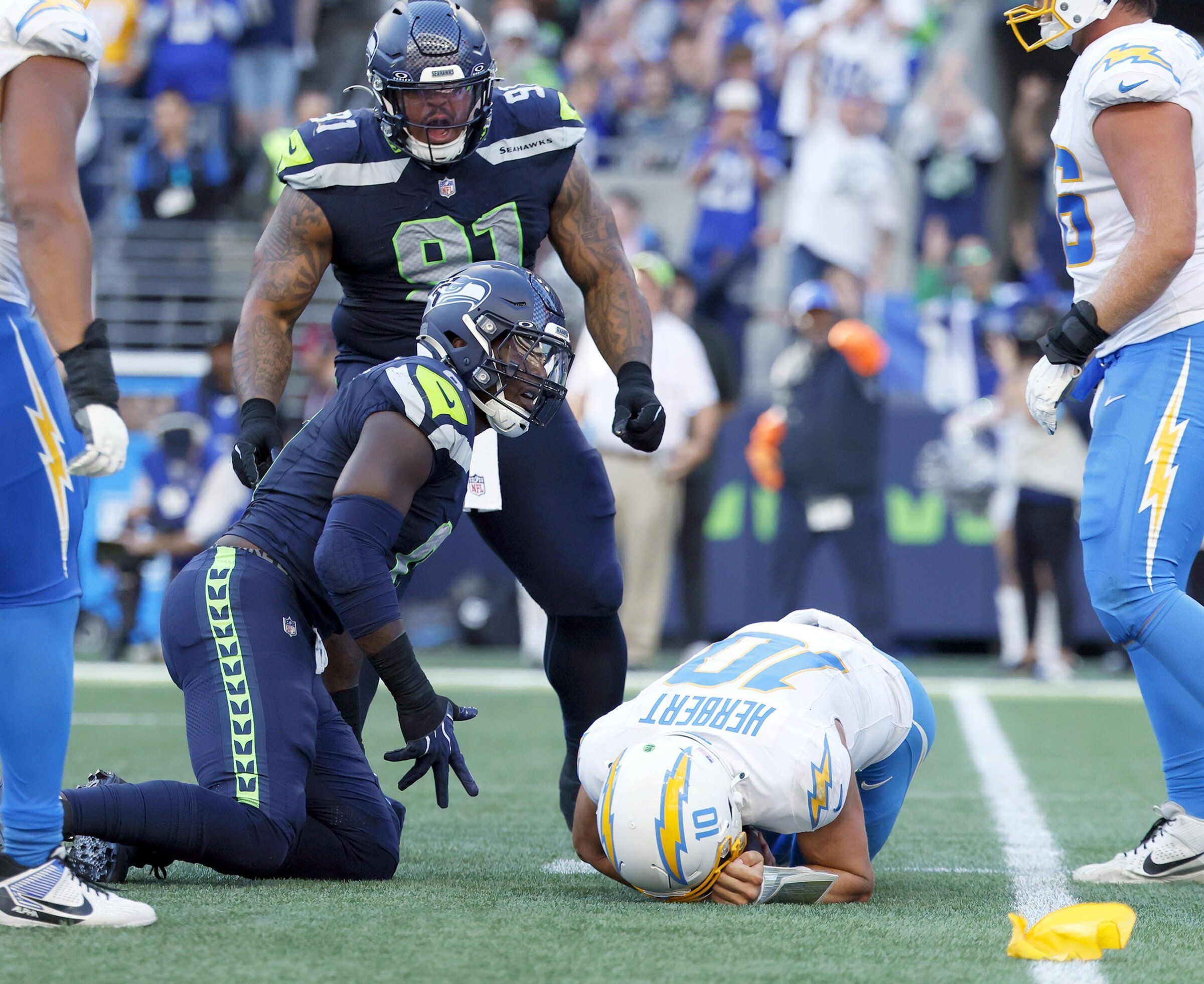
Ferry disruptions, Seahawks and Kraken victories
Digest: A staffing crisis paralyzed Seattle-area ferries, the Seahawks won despite a franchise-worst record, and the Kraken routed the Flames.
Washington state ferry system disruption: Crew shortage paralyzes service
On Sunday, ferry passengers in the Seattle area faced widespread schedule disruptions affecting several key routes at once. According to KIRO 7 News Seattle, the disruption was caused not by a technical failure aboard the vessels but by an acute shortage of qualified personnel. Several ferries remained out of service all day, while routes normally served by two vessels were forced to operate with just one.
The situation affected popular routes including Seattle–Bainbridge, Seattle–Bremerton and Mukilteo–Clinton. In addition, two of the four ferries serving the Anacortes–San Juan Islands route were pulled from service. Passengers returning after the Seahawks game found themselves in a difficult situation. Tyler Terry and his companion, for example, arrived at the Colman Dock terminal for an evening sailing to Bremerton only to learn that the next vessel would not depart for another hour. “I’m lucky I don’t have work tomorrow. I think we’ll just try to make the best of it,” he said.
Washington State Ferries spokesperson Justin Fujioka stressed that the cancellations were a serious measure taken out of necessity. He said the vessels themselves were fully operational, but key positions were unstaffed, including captains, chief mates, senior engineers and assistant engineers. These specialists hold the necessary licenses and qualifications, and when one becomes ill or takes family leave, the system cannot quickly find a replacement. The agency has already launched workforce-development programs to expand its pool of trained employees, but passengers, like Terry, are hoping for a faster solution. “I hope they get this figured out, because we’re surely not the only ones stuck here without a backup plan,” he added.
Several points help illustrate the scale of the problem. Washington State Ferries is one of the largest ferry systems in the United States, and its operation depends critically on strict maritime-certification requirements. Captains and engineers must hold federal licenses, and their training takes years, making rapid replacement impossible. The shortage of so-called “credentialed” specialists is not simply a labor shortage but a structural vulnerability in which even one sick employee can disrupt an entire route’s schedule. In this case, the issue is neither a strike nor mechanical failures, but a systemic shortage of people with the required credentials.
The central point is that the crisis is organizational and personnel-related, not technical. Washington State Ferries is trying to notify passengers more quickly through mobile alerts and its website, but those measures only mitigate the consequences; they do not address the root problem. For residents who depend on ferries as their primary means of transportation, such disruptions mean ruined plans, delays and additional expenses. In the long term, the situation could recur if workforce-training programs do not produce results quickly. For now, passengers can only check for updates and hope for the best, while the ferry system works to accelerate recruitment and training for these essential specialists.
The Seahawks won, but they played like a team with plenty left to learn
A matchup between two NFL teams in Seattle ended with the home side winning 30–23. The result was a perfect illustration of how a team can win a game while simultaneously looking like one in the midst of a deep crisis. The Seattle Seahawks, the reigning Super Bowl champions, hosted the Los Angeles Chargers, who had already lost their first three games of the season. After this game, the Chargers had four straight losses, while the Seahawks stood at three wins and one loss. But looking only at the numbers misses the main point: Seattle won not because of its strength, but rather in spite of its own mistakes—so many of them that the coaching staff will have to analyze this game for weeks. The game, played October 4, 2026, will be remembered for at least two reasons: first, the Seahawks set a franchise record for penalty yards; second, both teams threw interceptions on their very first scrimmage plays—a feat that, according to Sportradar, had not occurred since 1991.
The unexpected star of the game was Emanuel Wilson, a backup running back in his first season with Seattle after spending four years with other teams. He was thrust into the spotlight after rookie Jadarian Price was placed on injured reserve the day before the game because of a flare-up of a chest injury suffered in practice. Wilson responded with 81 rushing yards on 21 carries and three receptions for 39 yards, including a touchdown reception and a rushing touchdown. His postgame comment—“It was like Moses parting the Red Sea. Everybody just got into their blocks”—was probably the quote of the night.
Seahawks quarterback Sam Darnold threw for 168 yards and two touchdowns, but he was also intercepted once and sacked three times. His statistics offered a typical portrait of an inconsistent performance: effective enough in key moments, but marked by persistent flaws. Chargers quarterback Justin Herbert, by contrast, had a game he would probably like to forget as soon as possible: 189 yards, one touchdown, two interceptions and four sacks for 35 lost yards. Herbert has now thrown six interceptions and been sacked 12 times this season. That is more than poor statistics—it indicates that Los Angeles’ offensive line is struggling and that the quarterback is making decisions under constant pressure.
The game began with chaos, setting the tone for the afternoon. On the Chargers’ first play, Seattle’s Drake Thomas intercepted a pass from Herbert intended for Oronde Gadsden. But on the Seahawks’ first play, Darnold threw toward Wilson, and the ball ended up in the hands of Tuli Tuipulotu. It was an extremely rare sequence: both teams traded interceptions on their opening scrimmage plays, something that, according to Sportradar, had not happened since at least 1991. That start established a nervous rhythm, with both teams repeatedly making mistakes, losing the ball and giving their opponent opportunities that were either converted or wasted.
By the middle of the third quarter, Seattle led 27–6, and the game appeared to be over. Darnold threw a six-yard touchdown pass to Tory Horton, and the home team seemed in control. But the Chargers did not give up. Herbert found Kimani Vidal for a nine-yard touchdown, Omarion Hampton added a two-yard rushing touchdown, and Cameron Dicker kicked two field goals to cut the deficit to 30–23 with 2:14 remaining. Los Angeles still had a chance after taking possession with 1:42 left on the clock. But Herbert was sacked and lost the ball, allowing Seattle to recover and preserve the victory.
Seahawks coach Mike Macdonald was measured in his assessment afterward: “We’re really grateful for where we are right now and excited to move forward. But we also understand that we definitely have a lot of room for improvement in how we operate, how we handle the football and, obviously, penalties are something we need to address.” Those words were not merely a coaching formality. Seattle truly set a franchise low: 14 penalties for 150 yards. The Chargers were not far behind, with 16 penalties for 130 yards. Combined, the teams accumulated 280 penalty yards, turning the game into a succession of stoppages, whistles and discussions.
The historical context surrounding the Chargers also deserves mention. The only team in NFL history to reach the playoffs after starting a season with four losses was the 1992 San Diego Chargers. That team began 0–4, then defeated Seattle 17–6 on October 4, finished 11–5 and won the AFC West. The matching date and opponent are almost mystical. Jim Harbaugh, the Chargers’ current coach, clearly knows the story. “What I saw from our players was resolve, an attitude that never quits,” he said. “That’s throughout the team.” It may have been an attempt to preserve morale in the locker room, but the fact remains that Los Angeles has allowed 24 or more points in each of its first four games, and the defense looks not merely weak but systemically flawed.
Injuries added to the drama. Chargers cornerback Donte Jackson left in the first quarter with a hamstring injury; tackle Joe Alt left in the second quarter with a neck injury and did not return; and wide receiver Ladd McConkey aggravated a foot injury and remained in the locker room after halftime. Seattle defensive tackle Leonard Williams limped to the medical tent in the third quarter with an ankle injury but returned for the Chargers’ final possession. Those losses, particularly along Los Angeles’ offensive line, help explain why Herbert spent much of the game on the ground.
What should we take away from this game? First, Seattle remains a team with a high ceiling, but its foundation is cracking: penalties, interceptions and an inability to protect a lead could cost the Seahawks against stronger opponents. Second, the Chargers are at a point where the statistics are no longer merely concerning but catastrophic: 0–4, at least 24 points allowed in every game, six interceptions by Herbert and 12 sacks. The 1992 precedent offers hope, but that team had a different defense and a different offensive line. Third, this game is a reminder that in the NFL, victory does not always mean superiority. Sometimes it simply means making slightly fewer mistakes than the opponent. In the next round, the Chargers will host Denver, while Seattle will face San Francisco. If the Seahawks do not solve their penalty problem and the Chargers cannot protect their quarterback, both teams could end up somewhere no one expects. A full game report and statistics are available at CBS Sports.
Kraken rout Flames in home opener: Samoskevich’s two goals signal Seattle’s new wave
In their first home game of the season, the Seattle Kraken routed the Calgary Flames 6–1, with rookie Mackie Samoskevich emerging as the star of the night after scoring twice. For a club that tried to strengthen its attack over the summer, this was more than a convincing victory—it was a signal that a new wave of players is ready to take responsibility. Calgary is rebuilding and, in the view of most experts, is destined to fight near the bottom of the NHL’s 32-team standings. Seattle was not expected to shine in national projections either, but the Kraken have clearly had no trouble with the Flames: they beat Calgary twice in the preseason, then repeated the feat in the regular-season opener in Calgary, winning 6–1, and now did so again in their home debut. On Sunday, Calgary looked dismal while Seattle improved to 2–1.
The most important aspect of the victory was not just the score but who did the scoring. The Kraken quickly took a 3–0 lead, with all three goals coming from newcomers. The future is already knocking: 20-year-old second-year center Berkly Catton opened the scoring less than three minutes after the opening faceoff. Kaapo Kakko sent a pass toward Shane Wright, but the puck did not reach him. Catton was nearby, nearly skated past it, then scooped it up behind his back and fired—1–0. Catton could have made it 4–0, but his shot at an empty net sailed high.
Samoskevich scored his first goal in a Kraken sweater about two minutes after Catton, at 4:40 of his second game with Seattle. He missed the season opener in Calgary because of a preseason injury. “It’s definitely tough when you go through camp and then have to slow down again,” Samoskevich said. He was initially slated for a role on the fourth line but moved up to the top line with Matty Beniers and Jared McCann, with whom he had spent much of the preseason. Goaltender Joey Daccord has not played behind Samoskevich for long, but he has already seen his “elite shot” and “crazy hands.” “I’ve seen his speed. He can fly,” Daccord said. “(Brandon Montour) chipped the puck, and I thought he might have a chance. Great play… in tight, an incredible finish to find the hole.”
Bobby McMann, acquired from the Toronto Maple Leafs before the trade deadline and signed to a long-term contract over the summer, made it 3–0 with his second goal of the season. The next goal came later but was worth the wait. Wright took a pass from Catton and, in one smooth motion, sent the puck behind his back without looking, beating Calgary goaltender Dustin Wolf, who made 21 saves, midway through the second period.
The Kraken came within one Beniers goal of a “roommates’ hat trick.” Samoskevich, Catton and Beniers are living together this season. Beniers eventually collected “rent” in the form of an assist on Samoskevich’s second goal. “Berk and I are going to be happy tonight,” Samoskevich joked. “We’re playing well. We’re getting along well both at home and in the locker room.” The crowd appeared to be enjoying itself. “The fans were rocking, for sure,” Samoskevich said. “We felt it right away. It definitely gave us good energy. I’m looking forward to the rest of the year, for sure.”
A new voice rallied the crowd during stoppages. Angelica Salem had served as the arena’s co-host since the inaugural season through last year and had also worked with the Seattle Storm, Sounders and Reign. In September, she announced on social media that she was moving to Salt Lake City. Marika Davis took her place. Davis graduated from Kansas State University and previously held several roles, including in-game host, with MLS club Sporting Kansas City, according to her LinkedIn profile.
Daccord had another chance at a shutout after losing one on Thursday, but once again surrendered a goal late in the third period. He finished with 32 saves. It was déjà vu: 39 seconds later, Kraken captain Jordan Eberle answered with a goal. On Thursday, Kakko scored 26 seconds after Daccord’s shutout bid was spoiled. Both goals made the score 6–1 for Seattle.
Kraken draft pick Ville Ottavainen made his season debut as the sixth defenseman. That role had gone to three different players in the first three regular-season games: Cale Fleury and Josh Mahura had also filled it. Another homegrown player, fourth-line sparkplug Jacob Melanson, was placed on injured reserve with an upper-body injury when Samoskevich returned from IR on Saturday. Melanson is described as week-to-week.
This victory was more than a rout of a weak opponent. It showed that Seattle can build its offense around young and new players who already look ready for the NHL. Samoskevich, Catton and Beniers are not only living together but also developing chemistry on the ice—a potentially more important asset for a team still searching for its identity than any preseason projection. The season is long, but the home opener was exactly what fans wanted: energetic, productive and filled with the feeling that the future has already arrived.

Seahawks Beat Chargers: Chaos, Penalties and Roster Depth
The Seattle Seahawks defeated the Los Angeles Chargers 30–23 in a chaotic game featuring a franchise-record number of penalties and interceptions on the opening possessions. The analysis shows why offensive depth and personnel decisions matter more than the final score.
Seahawks Beat Chargers Despite Chaos and Record Penalties
In Sunday’s National Football League game, the Seattle Seahawks defeated the Los Angeles Chargers 30–23, sending the Californians to their fourth consecutive loss to open the season. The game’s standout player was backup running back Emanuel Wilson, who both caught a touchdown pass and scored a rushing touchdown. His role grew sharply after rookie Jadairian Price was placed on injured reserve Saturday because of an aggravated chest injury. Wilson rushed for 81 yards on 21 carries and added three receptions for 39 yards, becoming a key figure in the reigning Super Bowl champions’ offense.
Seahawks quarterback Sam Darnold threw for 168 yards and two touchdowns, helping his team improve to 3–1 after a painful 33–31 loss to the Washington Commanders the previous week. As noted in a recap on Seattle Sports, this was one of the season’s most chaotic games. On the Chargers’ very first scrimmage play, Justin Herbert was intercepted by Drake Thomas. Seattle immediately answered in kind: Darnold’s first pass, intended for Wilson, was intercepted by Tuli Tuipulotu. According to Sportradar, this was the first instance since at least 1991 in which both teams threw an interception on their very first scrimmage play. The statistic highlights not so much quarterback weakness as the nervousness and unpredictability of the game’s opening stretch.
Herbert finished with 189 passing yards, one touchdown and two interceptions. He now has six interceptions and 12 sacks taken this season, including four sacks in this game that cost the team 35 yards. The Chargers became only the second team in history to start a season 0–4 while still retaining theoretical playoff hopes. The only club to reach the postseason after starting 0–4 remains the 1992 San Diego Chargers. That team defeated Seattle 17–6 on October 4, finished 11–5 and won the AFC West.
Interestingly, the Seahawks won despite committing 14 penalties for a franchise-record 150 yards. That many penalties would usually sink a team, but Seattle offset them with aggressive defense and timely big plays. After the opening exchange of interceptions, the Chargers took a 3–0 lead on Cameron Dicker’s 40-yard field goal. Then Derius Davis muffed a punt return, and Seattle recovered through Connor O’Toole. On the very next play, Darnold found Wilson for a 23-yard touchdown to make it 7–3. In the second quarter, Rashid Shaheed scored on a 28-yard touchdown run to extend the lead to 13–3, but Jason Myers missed the extra point wide right, ending a streak of 80 consecutive successful PATs dating back to 2024. Ernest Jones intercepted Herbert again and returned the ball 20 yards, and Wilson finished the ensuing drive with an 8-yard touchdown run. At halftime, the Chargers had just 92 total yards of offense.
In the second half, Darnold threw a 6-yard touchdown pass to Tory Horton to make it 27–6. The Chargers answered with a Herbert touchdown pass to Kimani Vidal. After a Seattle field goal, Omarion Hampton scored from 2 yards out, and Dicker added a 36-yard field goal to cut the deficit to 30–23 with 2:14 remaining. Los Angeles had another chance with 1:42 left, but Herbert was sacked and fumbled. Seattle recovered, bringing the game to an end.
Among the injuries, Chargers cornerback Donte Jackson left in the first quarter with a hamstring injury, tackle Joe Alt exited in the second quarter with a neck injury, and wide receiver Ladd McConkey aggravated a foot injury at halftime. Seahawks defensive tackle Leonard Williams limped to the medical tent in the third quarter with an ankle injury and did not return. In the next round, the Chargers will host Denver, while the Seahawks will face San Francisco at home.
Thus, despite the chaos, penalties and turnovers, Seattle demonstrated roster depth and the ability to win “ugly” games, while the Chargers continue searching for their identity and are already on the brink of a historic collapse. For Herbert, the season is becoming a serious test of maturity; for Wilson, it is an opportunity to establish himself as a starter.
Seahawks Find a Second Option: Why the Win Over the Chargers Matters
In modern American football, some teams rely on a single genius, while others learn how to live without one. In Sunday’s game against the Los Angeles Chargers, the Seattle Seahawks showed that they belong in the second category. At first glance, there was nothing sensational: Seattle won, and the team’s biggest star, Jaxon Smith-Njigba, was once again at the center of attention. But a closer look suggests that this game could be the turning point that separates an ordinary successful regular season from a genuine championship run. In Stacy Rost’s analysis for Seattle Sports, she explains in detail why distributing the offensive workload is not a one-game tactic but a survival strategy for a long season.
Smith-Njigba is, without exaggeration, half of Seattle’s passing offense. He received a league-high 36 percent of all targets last season, and that share has risen to 39 percent this year. He is the reigning Offensive Player of the Year, recorded more than 1,700 yards and led the team to a Super Bowl victory. He also leads the team in receiving yards through the first four weeks. This would be a very different story if quarterback Sam Darnold stubbornly kept forcing the ball to his favorite target while the offense stalled. But that is not what is happening: Smith-Njigba is almost always, inexplicably to defenders, open. By Week 4, he had accounted for six of the team’s nine touchdowns. And yet, against the Chargers, Seattle took a different approach.
Three different players reached the end zone for the first time this season. Running back Emanuel Wilson did it twice, while receivers Rashid Shaheed and Tory Horton each scored once. That matters for two reasons. The first is purely practical. Wilson started in place of injured rookie Jadairian Price, who will miss at least four weeks after being placed on injured reserve, and took on most of the rushing workload in an area where Seattle has lagged well behind its passing efficiency. It is worth recalling a telling statistic from ESPN’s Bill Barnwell: leaguewide, running backs convert about 50 percent of attempts from the 2-yard line into touchdowns. The Seahawks, by contrast, had converted none of six such attempts. Against that backdrop, Wilson’s two touchdowns—including the short rushing score before halftime—look not merely like a pleasant bonus, but like an answer to a longstanding problem.
Shaheed scored his first offensive touchdown for Seattle, which is surprising in itself given his huge contribution on special teams last season. The team struggled to find a role for him on offense for a long time: after being traded to Seattle, he finished the regular season with a modest 188 yards on 15 receptions. His first offensive touchdown since Week 5, when he was still with New Orleans, coincided with a new approach—this time, his speed was used from the backfield, producing a 28-yard run. Horton, meanwhile, scored for the first time since Week 9 of last season, which turned out to be his final game before he was placed on injured reserve. Seattle Sports host and analyst Michael Bumpus praised Horton’s route running in a preseason review and predicted a major second season for him—provided he stayed healthy.
But the second reason this matters is much more interesting. As electric and elite as Smith-Njigba is, Seattle’s passing game faltered during the final third of last regular season, forcing the team to find other ways to win. If the Seahawks surpassed 100 rushing yards in only half of their first eight games last season, they did so in 10 of their final 12 games, including the playoffs. It is not that they stopped winning through Darnold and Smith-Njigba; rather, the offense became multidimensional precisely when the passing game encountered problems. Darnold was sacked at least twice in five of his final six regular-season starts. It is important to understand what a sack is: a quarterback is tackled while holding the ball behind the line of scrimmage before he can throw a pass. Each such play kills a drive and pushes the team backward. When an opposing defense knows the ball will almost always go to one target, it becomes easier to pressure the quarterback.
That is why developing the rest of the offensive weapons is not a luxury but insurance. The Seahawks do not have to copy last year’s formula, and Smith-Njigba shows no signs of slowing down. But every Super Bowl winner has reached the top by finding ways to evolve as new challenges arise. In that sense, the win over the Chargers is valuable not because of the score, but because Seattle demonstrated that it has a Plan B, Plan C and perhaps even Plan D. Wilson proved he can fill the gap in the running game. Shaheed reminded everyone that his speed can be used for more than returns. Horton showed that he is ready for a bigger role if his health allows. That, in turn, means that even if an opposing defense manages to neutralize the team’s biggest star, Seattle will still have the tools to punish it. In a league where a 17-game season and the playoffs become a marathon of survival, such roster depth is worth more than individual yards and statistical records. And that—not another spectacular Smith-Njigba reception—is what makes the Seahawks truly dangerous.
Chargers Lose James but Get McConkey: Personnel Decisions Before Seahawks Game
Ahead of their Week 4 road game against the Seattle Seahawks at Lumen Field, the Los Angeles Chargers coaching staff released its list of inactive players. The biggest news was the absence of one of the team’s key defenders, safety Derwin James. According to the team’s official website, James, who was listed as questionable Friday because of a hamstring injury, ultimately will not play. This is a significant blow to the Bolts’ secondary, given James’ versatility: he is equally effective covering receivers, supporting the run defense and even blitzing. His absence will force the defensive coordinator to adjust the scheme, likely placing more responsibility on Elijah Molden, who fortunately recovered from his own hamstring injury. Molden had also been listed as questionable but was ultimately cleared to play.
There was good news on offense: wide receiver Ladd McConkey, who had also been listed as questionable because of a foot injury, will play. For a rookie who quickly became an important option in the passing game, this is critical, especially with other injured players unavailable. In addition to Molden and McConkey, cornerback Donte Jackson, who was dealing with a concussion, and quarterback Trey Lance, who had a groin injury, will also play after being listed as questionable. Lance will probably remain in a backup role, but his availability is important for roster depth in case of an emergency.
The list of players who definitely would not play had been known since Friday and included four players: defensive tackle Dalvin Tomlinson (hamstring), offensive lineman K योde Awooshika (fibula), wide receiver Brenden Thompson (quadriceps) and tight end Charlie Kolar (forearm). Tomlinson was an especially significant loss for a defensive line that had to contain Seattle’s rushing attack. The other two inactive players were Alex Harkey and D.J. Uiagalelei, who was designated as the emergency third quarterback—a rule allowing a team to keep a third passer outside the active roster without penalty, provided he does not enter the game except in an emergency.
The game will begin at 1:25 p.m. Pacific time, and according to the betting lines, the Chargers are considered underdogs. Losing James and Tomlinson on defense unquestionably makes the task more difficult against a team capable of attacking both through the air and on the ground. However, McConkey’s return gives the offense a chance to maintain its versatility. The question is whether a defense without its leader in the middle of the field can prevent Seattle from making big plays. We will find out on Sunday.
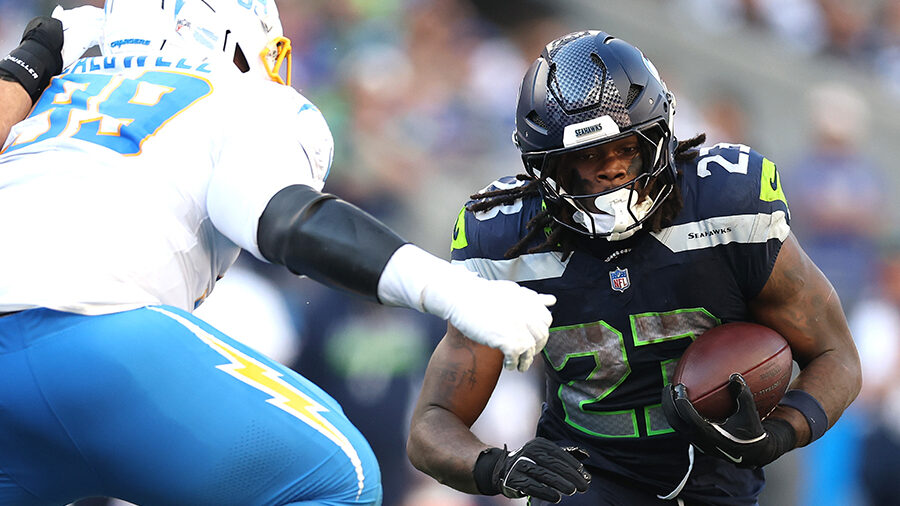

News 04-10-2026
Seahawks lose Price, Mixon visits, Mariners and youth
The main topics of the day: the Seahawks prepare to face the Chargers without J’Darrian Price, consider signing Joe Mixon to bolster their rushing attack, and the Mariners decide how to fit four top prospects into their 2027 roster.
Seahawks vs. Chargers: How Seattle will handle losing Price and return to winning
The Seattle Seahawks enter their home game against the Los Angeles Chargers following an unexpected 33-31 loss to the previously winless Washington Commanders. The defeat ended a franchise-record 12-game winning streak, but head coach Mike Macdonald is not planning to change his philosophy. “In our world, we try to be as consistent as possible and think about what we can control within our process,” he said, according to The Seattle Times. In his view, the loss is a good test of how deeply the team truly believes in its principles, rather than merely talking about them after victories.
Seattle’s opponent is in a far more difficult position. The Chargers have lost all three of their opening games and are considered one of the season’s biggest disappointments. The team is averaging just 14.7 points per game — 29th in the NFL — and ranks 20th in total offense and 23rd in defense. Jim Harbaugh, who took over the Chargers during the offseason, will make his first appearance at Lumen Field as a visiting head coach since 2014, when he led the San Francisco 49ers. Oddsmakers have Seattle favored by seven points, but Harbaugh’s presence and the Chargers’ desperation to end their losing streak make this a potentially dangerous game for the home team.
The Seahawks’ biggest concern is the absence of J’Darrian Price. This year’s first-round pick was the team’s most explosive running back, although he had already lost two fumbles. Last week, Seattle managed just 44 rushing yards on 18 attempts — the second-worst total of the Macdonald era. Price has now been placed on injured reserve and will miss at least four games because of an aggravated chest injury. Emanuel Wilson, George Holani and Velus Jones Jr., who was signed to the roster Saturday, will take his place. Wilson and Holani have combined for 171 yards on 47 attempts — 3.4 yards per carry — while Price was averaging 4.3. Jones, however, has averaged 8.2 yards per carry on 24 career attempts, including a 42-yard touchdown in 2022. The Chargers allow only 3.6 yards per rush, eighth-best in the league. That means Seattle will have to rely on its passing game and solid offensive-line play, particularly from left guard Gray Zabel, right guards Christian Haynes and Beau Stephens, and center Jalen Sundell.
The key matchup will be Justin Herbert against the Seahawks’ secondary. Herbert, formerly a star at Oregon, became the third player in NFL history last season to record at least 3,000 passing yards and 20 touchdowns in each of his first six seasons, joining Peyton Manning and Russell Wilson. This year, however, his completion percentage has fallen to 59.1%, compared with a career mark of 66.3%, and he has thrown three touchdowns and four interceptions. Seattle is bringing safety Julian Love back into the starting lineup after he missed the Washington game with a calf injury. Without Love, the Seahawks allowed Marcus Mariota to throw three touchdown passes; with Love in the lineup, they have allowed only two all season. The Chargers are also monitoring the status of leading receiver Ladd McConkey, who has a foot injury, and five-time Pro Bowl safety Derwin James, who is dealing with a hamstring injury.
First-half statistics are a concern for Seattle: the team has been outscored 31-17 in the first two quarters, and its 17 points rank third-worst in the league. After halftime, however, the Seahawks have dominated 58-19, while their 19.3 points per game after the break rank second in the NFL. That demonstrates Macdonald and his staff’s ability to make in-game adjustments, but against the Chargers — a team looking for any reason to believe in itself — a fast start would be extremely helpful. Special teams also deserve attention. Despite perfect kicker Jason Myers, who is 4-for-4 on field goals and 9-for-9 on extra points, and punter Michael Dickson, Seattle ranks 30th according to Pro Football Focus. The team is allowing an average kickoff return of 30.1 yards, the third-worst figure in the NFL.
On offense, the main hope is Jaxon Smith-Njigba, who last week became the first player in NFL history to record at least eight receptions, 120-plus yards and a touchdown in each of his first three games of a season. He now has a chance to match the franchise record of four consecutive games with at least 100 receiving yards. Chargers defensive coordinator Chris O’Leary, in his first season in the role, acknowledged that stopping Smith-Njigba will require a team effort, but much of the responsibility could fall to third-year cornerback Tarheeb Still, a fifth-round pick in the 2024 draft. Still ranks ninth in coverage grade according to PFF, having allowed four receptions on eight targets for 40 yards.
Finally, the main question is how the Seahawks will respond to a rare defeat. “When you come in Wednesday morning, you feel that nervousness,” receiver Cooper Kupp said. “It’s an unpleasant taste you want to get rid of by getting back to work. But once you start working, everything falls into place and you move forward. Especially here, the energy is just great. Energy is something we can create now to become better in the future.” The Seattle Times predicts a 19-13 Seahawks victory. Seattle’s defense, despite the loss, allows fewer yards than any other unit in the NFL, and that should be enough to handle a Chargers team desperately searching for its first win.
Seahawks seek reinforcements: Why Seattle is interested in Joe Mixon
The Seahawks have reached a point where their depth at a crucial position is disappearing faster than injured players can return, forcing the front office to consider options that seemed unlikely only a few weeks ago. That is the context behind the news that Seattle is hosting free-agent running back Joe Mixon, a two-time Pro Bowl selection, for a visit. Jay Glazer reported the news on Fox’s Sunday pregame show, as reported by Seattle Sports.
The timing is nearly as important as the visit itself. One day earlier, the Seahawks placed rookie first-round pick J’Darrian Price on injured reserve with a chest injury. The Notre Dame product will miss at least four games. Zach Charbonnet, who tore his ACL in January, returned to practice Thursday. He is eligible to play as soon as next week, but Seattle has until its game-week roster deadline for the Oct. 25 matchup against Kansas City to activate him. For now, the 53-man active roster includes only Emanuel Wilson, George Holani and Velus Jones Jr. at running back — a group unlikely to withstand the demands of a full season.
Mixon is 30 years old, has made two Pro Bowls and surpassed 1,000 rushing yards five times in eight professional seasons. However, he has not played a snap since the 2024 playoffs. A mysterious foot injury suffered away from the team before the 2025 training camp kept him sidelined. The Texans remained silent and never officially declared him out for the season, but he never returned to the field. ESPN later reported that Mixon requested his release one day before he was waived on March 6. Before the injury, he had a strong first season in Houston in 2024, totaling 1,325 yards from scrimmage and 12 touchdowns in 14 games while earning a Pro Bowl selection. He spent his first seven seasons with the Cincinnati Bengals, including a 2021 campaign with 1,519 yards from scrimmage and 16 touchdowns. In total, he has 7,428 rushing yards and 60 touchdowns in 111 games.
Several terms help clarify the situation. Injured reserve is the list for players who cannot take the field; for a rookie, placement means missing at least four games, which effectively removes him from the rotation for a significant portion of the season. “Yards from scrimmage” combines rushing and receiving production, making it a useful measure of a modern running back’s overall value. Finally, a free-agent visit is not a signing but rather part of the negotiation and medical-evaluation process: the team assesses the player’s physical condition, motivation and financial expectations before offering a contract.
The key issue is not Mixon’s statistics but his health. Eighteen months without game action and an injury that his former club preferred not to discuss represent significant risks, especially for a 30-year-old running back whose value depends heavily on physical reliability. If Seattle signs Mixon, it would be a bet on immediate help during a personnel crisis rather than a long-term investment. If the visit ends without a deal, it could signal that the front office was not satisfied with the medical information or prefers to wait for Charbonnet’s return rather than commit to Mixon. Either way, the Seahawks’ activity in free agency reflects a simple reality: without reinforcements at running back, it will be extremely difficult for the team to remain in the playoff race, and Mixon’s visit is an attempt to address the roster’s most urgent weakness right now.
Mariners at a crossroads: Four young talents and a risk that could define 2027
The 2026 season was a year of debuts for the Seattle Mariners: four top prospects — Colt Emerson, Cade Anderson, Lazaro Montes and Michael Arroyo — made their first appearances in Major League Baseball. Each arrived there by a different path. Some produced a bright flash early before a painful decline, one delivered a 474-foot blast that became part of T-Mobile Park history, and another put together a modest but encouraging 15-game stretch. Now the club faces a difficult decision: how to fit these young players into a roster that, according to the organization’s plans, is supposed to compete for the playoffs again next year. Mariners insider Shannon Drayer and Brock and Salk co-host Mike Salk discussed the issue at length on Seattle Sports.
Arroyo, 22, posted a .371/.439/.514 slash line over 15 games, with one home run, two doubles and nearly as many walks — five — as strikeouts — six. He is the type of player who can easily be envisioned as the everyday left fielder following Randy Arozarena’s departure, and Salk directly asked whether Arroyo could become an everyday outfielder. However, he noted that doing so would be “a hell of a risk” for a team intending to return to contention immediately. Montes, 21, displayed “otherworldly” power but also familiar contact problems, striking out in 40.7% of his 59 at-bats. Salk called his four home runs “the four best moments of the entire season,” but acknowledged that Montes is not yet a “complete baseball player.” Starting him alongside Arroyo would mean accepting a flood of strikeouts.
Colt Emerson’s situation is different. The 21-year-old began his career spectacularly, hitting .233/.309/.575 with six home runs, five doubles and a triple over his first 22 games. In his next 47 games, however, his slash line collapsed to .169/.214/.216, with just three extra-base hits. He then underwent wrist surgery that ended his season. Drayer said directly that she does not see Emerson as the starting shortstop on Opening Day 2027: “I don’t think you start with Colt Emerson after he ended the season with surgery, especially after he was sent down before that.” He needs time to regain his form and feel comfortable on the field again. Cade Anderson, a 22-year-old pitcher, left a more positive impression. After a couple of uneven outings early on, he threw seven scoreless innings in his penultimate start and 3 1/3 scoreless innings in his final appearance before a line drive to the left forearm ended his night.
The central issue is not whether the four players are talented, but how to balance their development with the need to compete immediately. Drayer emphasized that the decision depends not only on the club’s preferences but also on who is available on the market. “What’s available? And where can you put them? That’s what they’re going to have to figure out,” she said. Salk framed the risk differently: “Without blocking those guys you think are about to have real success.” Drayer added that the Mariners may need to move away from platoons — a system in which a player faces either right-handed or left-handed pitchers — to give the young players more consistent opportunities. Seattle also has flexibility because Brendan Donovan can cover multiple positions, but the shortstop question entering the season remains unresolved.
At the same time, both analysts agreed that starting the season with all four rookies could work — under one condition. Drayer said the young players looked “comfortable but not complacent” and had “fit in” with the team. However, she added, “You need a safety net in case they crash, as young players sometimes do.” Salk went further, listing what else would have to go right: “You need the best year from Cal Raleigh, Julio Rodríguez and Josh Naylor, and you need a healthy Brendan Donovan, or this simply won’t work. That’s too much youth.” In essence, betting on the prospects is not an isolated decision; it is part of a broader plan in which veterans must carry the load and give the rookies room to make mistakes.
The central storyline of Seattle’s 2027 season will not be which member of the four breaks through, but whether the club can build a strong enough foundation around them — in the clubhouse, on the field and in its contingency plans if things go wrong. If it can, youth may become an advantage. If not, it risks becoming the “too much” of a gamble that Salk warned about.
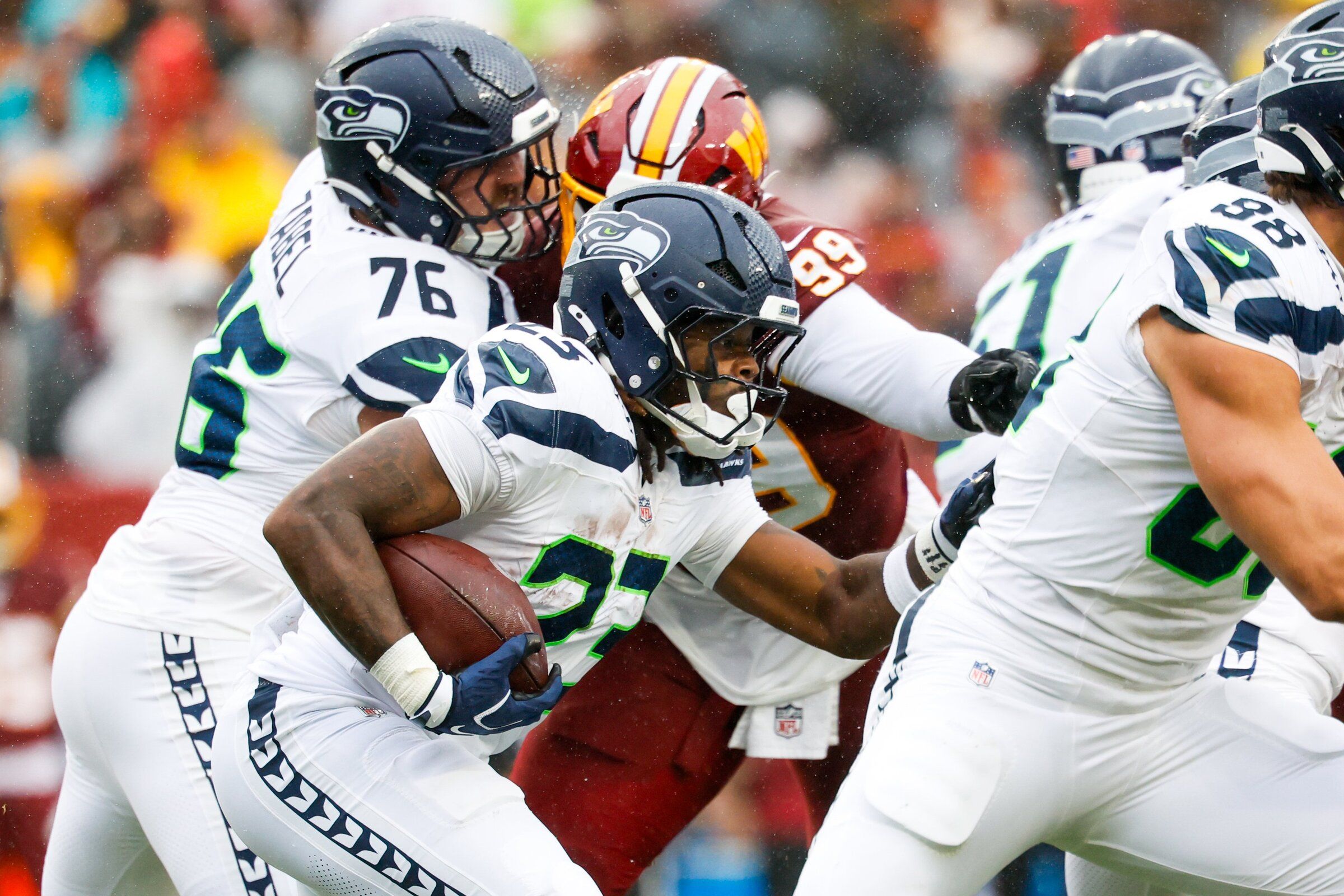

Notable figures in culture, sports and public life who have died
Among those who recently died was Angela Stribling, the 58-year-old former BET host credited with launching the “Jazz Central” program. For many years, she was also a recognizable, “warm and soothing” voice on Washington radio. Actor Dennis Haskins, 75, best known for playing Principal Richard Belding on the sitcom “Saved by the Bell,” died in Burbank after battling Parkinson’s disease and other health problems. Benjamin Satterley, a 40-year-old British wrestler who performed under the names Pac and Adrian Neville, died less than a day after competing in a match; he was considered one of the best performers in the world.
In Trinidad, Slinger Francisco, known as Mighty Sparrow and the “king of calypso,” died at 91. Over the course of his career, he recorded hundreds of songs and performed at venues including New York’s Madison Square Garden; colleagues called him a voice of the culture who helped bring calypso to audiences around the world. Dolores Sibonga, a 95-year-old community leader and the first person of color to serve on the Seattle City Council, died Sept. 16 in Renton. A former journalist, lawyer and politician, she served on the council for 12 years, advocating for communities of color and supporting diversity and economic development. She will be remembered for her integrity, mentorship and commitment to creating a more inclusive Seattle.





Based on: Obituaries: Dolores Sibonga, Dennis Haskins, Benjamin Satterley and more
A Difficult Weekend for Seattle-Area Drivers
This weekend, northbound I-5 in Seattle will face major restrictions as the Washington State Department of Transportation (WSDOT) carries out several projects north of downtown at the same time. The most challenging area will be near the Ship Canal, where construction projects will coincide with the usual traffic congestion. Officials say they are accelerating the work partly because summer workdays were lost during the World Cup, while the backlog has also been attributed to I-5 maintenance being deferred in favor of major infrastructure projects.
From 11 p.m. Friday until 5 a.m. Monday, the northbound I-5 express lanes will be closed while crews replace drainage systems beneath the Ship Canal Bridge. Two lanes on the bridge itself are already under construction through December, so traffic could slow even further.
The closure of the express lanes will be especially disruptive because of Seattle’s transportation network. Only a few major road crossings, including I-5 and SR-99, cross the Ship Canal, while most local streets are not designed to handle that volume of traffic. Express lanes usually help distribute traffic during rush hour, but vehicles will now be diverted to the regular lanes, SR-99, other bridges and nearby streets. As a result, congestion could quickly spread to both sides of the canal and surrounding neighborhoods.
During the same period, the eastbound section of Highway 520 between I-5 and Montlake Boulevard will be closed. Crews are preparing to remove an old ramp and sections of the elevated roadway ahead of construction of a new concrete bridge across Portage Bay.
Additional restrictions will affect the Aurora Bridge on Highway 99: the southbound lanes will be closed Saturday morning for an inspection, while northbound traffic will be restricted Sunday. In Kirkland, the I-405 and Northeast 85th Street interchange will be completely closed from Friday evening until Monday morning for paving. In Tukwila, up to two lanes of southbound I-405 will be closed Saturday evening and during the day Sunday. Overnight construction will also close the Highway 99 tunnel beneath downtown Seattle in both directions.
Sunday traffic will be further increased by a Seattle Seahawks home game against the Los Angeles Chargers. Additional Sounder trains have been scheduled for fans, but they will serve only certain routes and may not be suitable for the trip home after the game. Passengers are advised to check the Sound Transit schedule in advance, confirm the departure times of the last trains and buses, and purchase tickets. Alternatives include Link light rail, buses or parking and transferring to public transit. Those planning to return late should arrange a backup option, such as traveling to a transit hub, sharing a taxi or using a car-share service.
Passengers traveling from the Eastside to Seattle-Tacoma International Airport should take the construction in Tukwila into account. In addition, the Hoh River Bridge on Highway 101 along the coast remains closed between Forks and Queets. Because of structural cracks, detours lasting several hours may be necessary through Oct. 6, and another multiday closure is scheduled for next week.

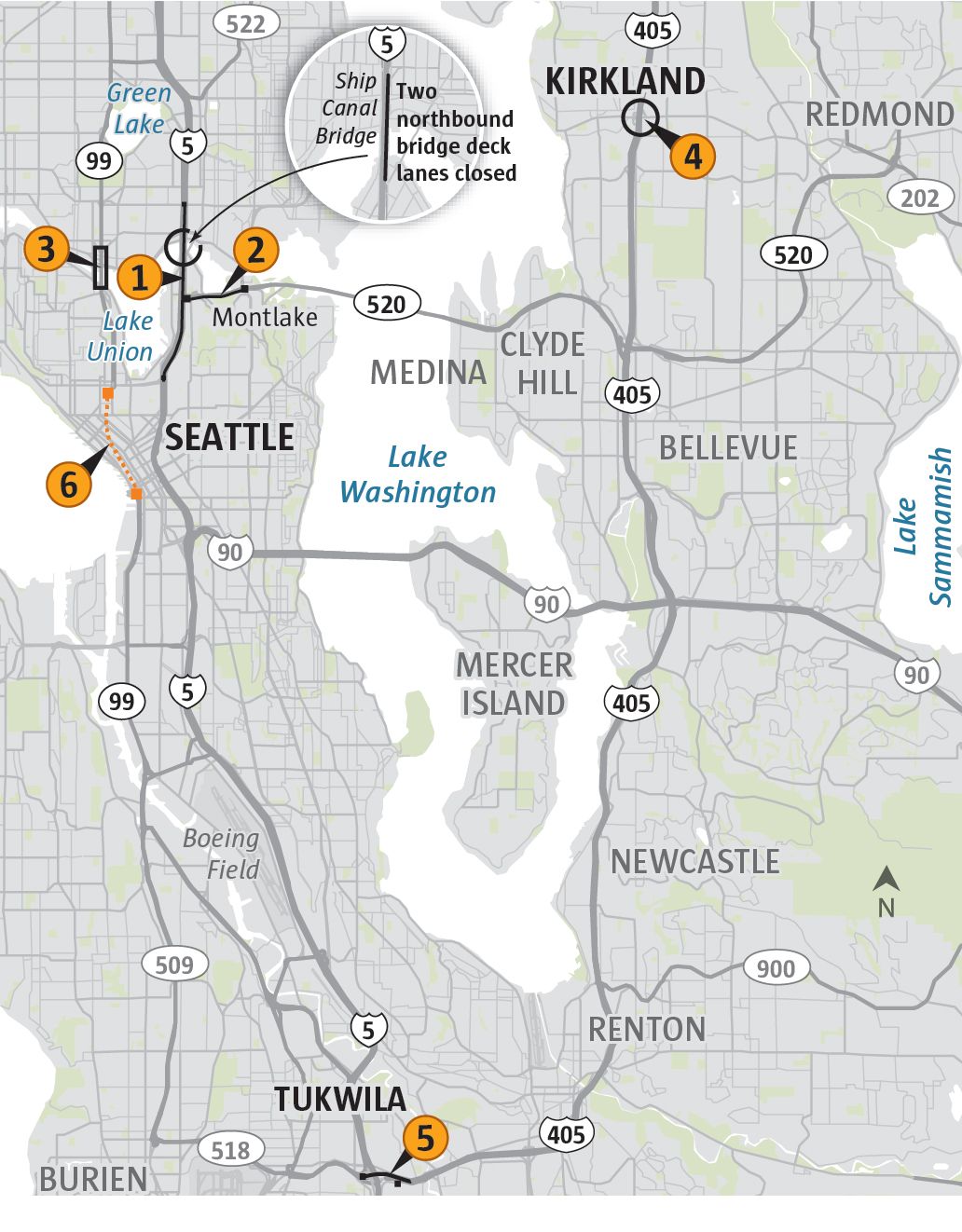
Based on: Seattle weekend traffic forecast calls for pain at the Ship Canal
Lake Chelan Wine and Jazz Festival Suspended Indefinitely
The annual Lake Chelan Wine and Jazz Festival has been suspended indefinitely. The Lake Chelan Music and Arts Foundation and organizers attributed the decision to a combination of economic challenges in the industry, wildfires, smoke, declining tourism and insufficient support from the city and county. They said these factors make it impossible to hold the event at its usual level of quality and financial sustainability.
Lake Chelan is considered one of eastern Washington’s important tourist destinations because of its scenic landscapes, beaches, water sports and outdoor recreation opportunities. The valley is also home to numerous vineyards and tasting rooms, making wine tourism a significant part of the local economy. The summer influx of visitors is particularly important to hotels, restaurants, shops, tour operators and seasonal employment. However, this dependence also leaves businesses vulnerable to wildfires, unfavorable weather, economic downturns and changes in demand.
The 2026 wildfire season had a particularly severe impact on local tourism. Prolonged periods of smoke and hazardous air quality reduced visitor numbers and outdoor activity, worsening conditions for businesses that supported the festival through sponsorships. The wine industry is facing additional pressure: because of rising expenses and declining tourism, many wineries have withdrawn their sponsorship. About 10 Chelan wineries typically participate in the festival.
Organizers also said county regulations make it more difficult for wineries to operate because they limit the ability to serve food and host live music performances. Such establishments typically need land-use and building permits, a state liquor license, approval from the local health authority and, for concerts, additional permits regulating noise, parking, safety, capacity and event operations.
Businesses in unincorporated rural areas face particular challenges. They are often located on land primarily designated for agricultural use, where restrictions may apply to commercial activities, the number of events, operating hours, noise levels and traffic. In cities, restaurants and concert venues are more often anticipated by zoning regulations, while infrastructure—including roads, sewer systems, public transportation and parking—is generally better developed.
Holly Brown, chair of the foundation’s board, said her winery, Siren Song, spent thousands of dollars confirming that its paperwork was in order and considers the county’s actions unwarranted pressure on businesses. County spokesperson Jill Fitzsimmons responded that officials had heard these complaints for the first time, had not declared winery permits invalid and allow businesses to serve food and beverages under current regulations.
County officials had previously provided the festival with grants funded by lodging tax revenue, but no application was received for the following year. After speaking with wineries, county commissioners will hold a meeting on the operation of winery restaurants in rural areas. The planning commission will then consider possible recommendations, which could be followed by additional public hearings.
Organizers emphasized that they are not permanently closing the festival and hope to bring it back when economic and tourism conditions become more favorable.

Based on: Lake Chelan Wine and Jazz Festival on hold indefinitely
Seattle in Focus: Rankings, Space and Parking
Seattle ranked among the world’s top four cities according to Oxford Economics, but the state’s space industry is facing a launch crisis and growing competition, while residents of West Seattle Junction and Upper Queen Anne are resisting paid parking.
Seattle Officially Joins the Ranks of the World’s Top Cities
When people think of the world’s great cities, New York, London or Paris usually come to mind. However, the new Oxford Economics Global Cities Index brought a pleasant surprise: Seattle ranked fourth globally, surpassing many established metropolises. For the author, who grew up in the city, the assessment was more than just a statistic—it was a personal acknowledgment. The Oxford index evaluated cities in five categories: economics, human capital, quality of life, environment and governance. The top three were unsurprising: New York, London and Paris. Fourth place, however, went to the “Emerald City”—Seattle—which in itself says a great deal.
Seattle achieved such a high ranking thanks to several key factors. First and foremost is its unique geographic location: the city is surrounded by water, mountains and forests, creating a rare combination of natural beauty and urban infrastructure. The city is also home to outstanding cultural institutions, such as the Seattle Symphony and Seattle Opera. Its diversified economic base is equally important: Microsoft is headquartered here, along with a powerful technology sector, a major Boeing manufacturing operation, and giants such as Amazon and Starbucks. This combination of innovation, manufacturing and culture allowed the city to rise so high in the international rankings.
However, several factors prevented Seattle from climbing even higher. The most serious weakness was poor governance, which was assessed at the national level in this international study. The author notes ironically that the chaos and incompetence of the Donald Trump administration apparently affected Seattle’s position, even though most city residents did not vote for him. This nuance highlights how even the most prosperous city depends on the broader political situation in its country. Still, as the author fairly observes, New York, London and Paris have problems of their own, and that has not prevented them from remaining global leaders.
Seattle was founded only in 1851, while New York had several centuries’ head start, and Paris and London have histories stretching back millennia. Despite this, the “Emerald City” managed to catch up and enter the elite club of global capitals. The author admits that he loves all three cities ranked above Seattle and is always happy to return to them, but Seattle remains the place closest to his heart. Now that his hometown has officially been recognized as one of the best cities in the world, that feeling of pride carries even greater weight. In an article for The Seattle Times, David Horsey shares this joy, emphasizing that Seattle has finally taken its rightful place among the premier cities of the planet.
Several points help put the story in context. The Oxford Economics Global Cities Index evaluates major cities using objective indicators, including economic strength, educational attainment, quality of life, environmental sustainability and governance effectiveness. It is important to note that “governance” in this case refers to the national level rather than the municipal level, meaning political instability in Washington, D.C., directly affected Seattle’s score. In addition, “Emerald City” is an unofficial nickname for Seattle, referring to its green hills and parks. The mention that the Seattle Times editorial department no longer publishes comments beneath Horsey’s cartoons points to the growing burden of moderation and the polarization of public opinion—also an indirect sign of contemporary urban and national politics.
The central lesson is this: even a young city without centuries of history can become a global leader if it combines economic dynamism, cultural diversity and an attractive living environment. Seattle has demonstrated this in practice. Yet its success remains vulnerable to national political turmoil, creating new challenges for the city. Even so, as Seattle’s example shows, global recognition is not merely a matter of statistics—it is also a source of local pride and a reason to keep developing.
Seattle Space Week: Eight Challenges and Opportunities for Frontier Pioneers
Washington state’s space industry is experiencing a contradictory moment. On the one hand, preliminary data indicate that the space sector’s economic impact more than doubled between 2018 and 2022 and nearly doubled again in the years that followed. On the other hand, industry leaders are openly questioning whether the Pacific Northwest can maintain its momentum in competition with regional clusters such as Florida, Texas and Colorado. This tension was a recurring theme during Seattle Space Week, whose centerpiece was the Space Northwest symposium in Federal Way, bringing together company executives, investors and senior officials. Alongside good news about the industry’s growth came warning signs: Stoke Space CEO Andy Lapsa publicly questioned whether he would choose the Seattle area again as the base for his company—just before taking the stage as a member of the new Washington Space Council created by Gov. Bob Ferguson. Kent Mayor Dana Ralph, whose city is home to Stoke’s headquarters, had to reassure attendees directly: “We do not take you for granted. I want you to hear that out loud.” Her words were more than a courtesy; they acknowledged that the region risks losing key players if it does not act more decisively.
The first and perhaps most urgent challenge is the launch crisis. Stoke Space CFO Tim Beards put it bluntly: “It’s just crazy how big the gap is right now between demand and supply in the industry. It’s becoming a crisis.” Demand has surged because of the need to deploy broadband satellite constellations such as Starlink and Amazon Leo, as well as future AI data-processing projects, including Starcloud, SpaceX’s Starmind and Google’s Project Suncatcher. At the same time, supply is shrinking: Blue Origin and United Launch Alliance are facing delays in their next-generation rocket programs, while SpaceX is discussing gradually retiring the reliable Falcon 9 in favor of Starship. This launch shortage is hitting Seattle-area satellite companies particularly hard.
The second problem is a shortage of skilled workers. Bill Bruner, CEO of New Frontier Aerospace, called it his biggest concern: “It’s finding trained people to do not just complicated engineering work, but technical work at the level of a Grade 13 or Grade 14 graduate. We need a national solution to this problem.” Dana Ralph added that municipalities must partner with state authorities and businesses to “create a workforce-training system that moves with the industry rather than falling several years behind it.”
The third challenge is outside financing. Mike Riley, director of strategy at Varda Space Industries, noted: “There are a lot of venture capitalists in Seattle, but they’re not necessarily space investors. It seems to me that most space money comes from Los Angeles and San Francisco.” Brian Monnin, co-founder of Sophia Space, called for filling the “huge middle” between startups and major players through debt financing and public-private partnerships.
The fourth problem is regional competition. Monnin stated plainly: “There simply aren’t any incentives here. We’re looking at where to build our Factory One facility for Sophia Space tiles, and we have to consider offers from sovereign funds in New Mexico, Louisiana and elsewhere. They’re much more attractive than what this state offers.” Tim Beards of Stoke Space added: “I have to be completely candid: several states—Colorado, Texas, Florida—are actively courting us. They want us to move there, but Washington is the right place for Stoke. I hope our legislators in Olympia and our senators hear this. We want to stay in Washington. Help us do that.”
Yet alongside the problems, there are real opportunities. The first is public-private partnerships. The new Washington Space Council is unlikely to create a multibillion-dollar fund, but it could serve as a forum for developing realistic support measures. There is already a precedent: last year, the governor’s Strategic Reserve Fund for Economic Development awarded $350,000 to expand Portal Space Systems in Bothell, where the company opened a 50,000-square-foot satellite manufacturing facility. Grants like this could become a model for future incentives.
The second opportunity is attracting out-of-state companies’ operations. Space companies do not have to be headquartered in Washington to benefit the state. California-based Cowboy Space recently announced plans to open a massive 291,035-square-foot spacecraft design and manufacturing complex in Kent. Virginia-based BlackSky builds satellites at its facility in Tukwila. SpaceX, which moved to Texas, still manufactures more than half of the world’s satellites at facilities in Redmond and Woodinville. As Dana Ralph put it, “The fundamental assets that created this region are still here: talent, a deep supply chain, industrial capacity, a culture of making things, and generations of knowledge that cannot be recreated overnight.”
The third opportunity is the wave of upcoming launches. The silver lining of the launch crisis is that Stoke Space and other companies are planning to fill the gap. Once Starship enters regular service, it will radically change the market. Ron Faith, CEO of RBC Signals, called Starship’s first orbital flight “a pretty significant milestone,” adding: “Putting Starship into orbit and deploying real satellites represents a significant increase in launch capacity. But at the same time, we’re seeing many new rockets emerge.” The list includes Blue Origin’s New Glenn, ULA’s Vulcan, Rocket Lab’s Neutron, Firefly Aerospace’s Alpha, Relativity Space’s Terran R and Stoke Space’s Nova.
The fourth opportunity is a launch site of its own. Seattle has neither a nearby NASA center nor an orbital spaceport. During a visit to Redmond, NASA Administrator Jared Isaacman said that “it’s unlikely that we’ll be adding new centers right now.” But Gov. Ferguson promised that the Space Council “will look for ways to develop commercial launch capabilities in Washington.” Monnin of Sophia Space lamented that the region was not making use of its proximity to the military bases at Joint Base Lewis-McChord and Bremerton, especially given that “from an orbital-computing perspective, the greatest need is related to defense and security.” The geography of the Pacific Northwest makes it difficult to locate a spaceport away from populated areas, which is why Blue Origin and Stoke Space are building launch facilities in Florida. But Tim Beards did not rule out the possibility: “Launching from the Washington coast would be fantastic. Besides, it seems like getting a rocket to the Washington coast is a little closer than hauling it all the way to Cape Canaveral. We would very much like to see launches here, and we think we would be good partners for that.”
Several terms help clarify the context. “Grade 13” and “Grade 14” are internal classifications for engineering positions in the U.S. aerospace industry, roughly corresponding to senior technical specialists and lead engineers with many years of experience. “Orbital compute” refers to the concept of placing computing capacity—including AI systems—directly on satellites in orbit, reducing data-transfer latency and dependence on ground infrastructure. “Sovereign funds” in this context refers to state-run investment funds that offer companies tax incentives and grants to relocate. Finally, Starship is SpaceX’s fully reusable super-heavy rocket, capable of carrying significantly more payload into orbit than Falcon 9 and viewed as a key to the large-scale development of space.
The key insight from Seattle Space Week is that the region has unique fundamental advantages—talent, supply chains and a manufacturing culture—but risks losing them without active government support. Data showing that the industry’s economic impact has doubled contrast with direct warnings from executives that other states are offering more favorable conditions. Beards’ statement, “We want to stay in Washington. Help us do that,” captures the central message: the region’s space future is not guaranteed, but it can be secured through coordinated action by industry and government.
Paid Parking in Seattle: Why West Seattle Junction and Upper Queen Anne Residents Are Resisting the City’s New Initiative
Seattle is embroiled in another parking dispute, this time centered on two densely populated neighborhoods—West Seattle Junction and Upper Queen Anne. The Seattle Department of Transportation (SDOT) has proposed introducing paid street parking in these areas, but the initiative has met significant resistance from local residents and business owners. While official details of the proposal remain sparse—journalists at KOMO News had access only to a brief description and a photograph of street parking in West Seattle Junction—the very emergence of the initiative signals a deeper shift in the city’s approach to managing parking space.
SDOT has been promoting the idea of “parking demand management” for years. Rather than allowing drivers to leave their cars free of charge for unlimited periods, the city seeks to introduce fees and time limits to improve turnover and reduce congestion. For West Seattle Junction and Upper Queen Anne, this means the free parking residents have grown accustomed to could disappear.
Opponents of the plan point to several key concerns. First, paid parking could hurt small businesses: customers who once stopped by a shop or café may now have to pay or search for parking farther away, reducing customer traffic. Second, residents fear that charging for parking will merely shift the problem elsewhere, with drivers moving onto nearby residential streets and creating additional pressure there. Third, many are asking where the money collected will go and whether it will actually be invested in improving transportation infrastructure in the neighborhoods.
It is worth explaining what SDOT is and why its decisions provoke such strong emotions. The Seattle Department of Transportation is the municipal agency responsible for streets, sidewalks, parking policy and public transportation in the city. Its proposals often become the subject of heated debate because they affect the daily habits of tens of thousands of people. In this case, the issue is not simply a few parking meters, but a fundamental question: should street space be a free public good or a paid resource managed according to market principles?
The key message that can be drawn from the KOMO News headline—that “SDOT’s paid-parking proposal for West Seattle Junction and Upper Queen Anne draws pushback”—reflects not merely a local conflict but a broader trend in American cities. Like many metropolitan areas, Seattle is trying to balance the interests of drivers, pedestrians, cyclists and public transportation users.
It remains unclear what the final plan will look like: parking meters, residential permits, time-of-day zoning or a combination of measures. However, it is already clear that without active dialogue with the community, SDOT risks facing organized resistance that could delay or even derail the initiative.
The stakes are high for West Seattle Junction and Upper Queen Anne. The neighborhoods are known for their local shops, restaurants and family-oriented atmosphere, and any changes to parking policy could affect their economic viability. Observers note that if SDOT does not offer convincing compensatory measures—such as free residential parking permits or discounts for local businesses—the conflict could become as intense as earlier battles over paid parking zones in downtown Seattle.
Ultimately, the paid-parking dispute in these two neighborhoods is a test of the city’s ability to implement unpopular reforms in the face of an active civil society. The outcome will show whether Seattle can find a model acceptable to both city officials and local residents—or whether another attempt to monetize street space will be swept away by a wave of discontent.

News 03-10-2026
Tyler Childers Turns Long-Awaited Seattle Concert Into a Wild Show
After a seven-year hiatus, Tyler Childers finally performed in Seattle at Climate Pledge Arena, the city’s largest indoor concert venue. Formerly known as KeyArena, the arena was renamed after a renovation backed in part by Amazon. The name refers to the Climate Pledge initiative, which calls on companies to achieve net-zero carbon emissions by 2040. The venue is also billed as one of the world’s most environmentally friendly, using renewable electricity, rainwater and other measures to reduce its environmental impact.
From the opening minutes, the Kentucky country singer and his seven-piece band set a breakneck pace: the energetic “Rustin’ in the Rain” gave way to the tender “All Your’n,” followed by more eccentric songs infused with psychedelic rock, swamp rock and country funk. The genre-blending sounded especially at home before a Seattle audience accustomed to supporting independent artists and unusual musical projects. Fans of alternative country here are receptive to combining bluegrass and acoustic traditions with experimental sounds and danceable rhythms, adding to the city’s reputation as a center of grunge and alternative rock.
Songs from “Snipe Hunter,” Childers’ new album recorded with famed and controversial producer Rick Rubin, occupied a prominent place in the two-hour set. Childers has moved noticeably away from the familiar neotraditional country associated with Appalachian working-class culture, bluegrass and folk. Although fans had mixed reactions to the experiments, critics praised the album, and the biting song “Bitin’ List” earned the musician his first Grammy Award, for Best Country Song.
The concert stood out not only for its music but also for its unusual theatricality. Before performing “Bitin’ List,” Childers improvised for nearly eight minutes, joking about people he supposedly wanted to infect with rabies. The stage design evoked a 1970s television show or a Las Vegas casino, while the artist himself shifted from comedic host to unleashing a raspy, almost unhinged vocal performance. At the same time, he did not forget fans of his earlier albums: the set included the beloved songs “Whitehouse Road” and “House Fire” from “Purgatory” and “Country Squire.”
The most poignant moment came with “Nose on the Grindstone,” performed on a small stage among the audience. The song recounts a miner father warning his son about the dangers of addiction; as the fiddle wept and Childers’ vocals tightened, the venue fell almost completely silent. The closing words about keeping one’s “nose on the grindstone and away from the pills” landed with particular force. Ultimately, the Seattle concert showed Childers as an experimenter, a showman and a performer still capable of moving audiences deeply.

Based on: Tyler Childers goes wild in overdue Seattle show
Don’t Relocate Spiders: Indoor Species Are Better Off Indoors
In downtown Vancouver, Washington, signs appeared urging people not to kill spiders but to “relocate” them to favorite waterfront establishments. It is unclear whether this was a joke, a promotional campaign or a sincere initiative. However, experts warn that releasing a captured spider on someone else’s property should be done only with the owners’ permission, and that “relocating” the animal often harms it.
Rod Crawford, curator emeritus at the Burke Museum of Natural History and Culture at the University of Washington in Seattle, has studied spiders and other arachnids of the Pacific Northwest for many years. He explains that house spiders do not enter homes to escape the cold. Many have evolved to live inside buildings and survive poorly outdoors. For that reason, such a spider should not simply be thrown into a garden or forest. If it must be removed from a room, it is better to move it to another sheltered location — such as a garage, basement, shed or utility room.
There is no evidence that the local waterfront lacks spiders. Although populations of some invertebrate groups, especially pollinators, are declining in Washington, no decline in spider populations has been documented. About 985 species live in the state, but only 25 to 30 species are commonly found in and around homes. Each is adapted to a particular environment: outdoor species are not suited to living indoors, while indoor species are not suited to open spaces.
Most spiders, including large funnel-weaving house spiders, are harmless to people and help control insect populations, including pantry pests, moths and beetles that damage carpets. Homes also commonly contain cobweb spiders, while gardens are home to orb-weaver spiders, yellow garden spiders, recluse spiders and false black widows.
The western black widow, Latrodectus hesperus, is generally considered the most medically significant spider in the state. It has a shiny black body, and a red hourglass-shaped marking is often visible on the underside of its abdomen. The yellow sac spider, Cheiracanthium, usually causes localized pain when it bites but rarely leads to serious consequences. False black widows of the genus Steatoda resemble true widows because of their dark coloration and rounded abdomens, but they generally lack a bright red marking, and their bites are typically much less severe.
It is difficult to identify a spider reliably by appearance alone, so it is best to photograph it or show it to a specialist and avoid handling it. Anyone experiencing severe pain, muscle spasms, difficulty breathing or rapidly increasing swelling should seek medical attention. If the spider poses no danger, Crawford’s advice is simple: let it pass peacefully.
Spiders are not insects but arachnids: they have four pairs of legs, an exoskeleton and bodies divided into a cephalothorax and abdomen. More than 45,000 spider species are known, and all produce silk, although they use it for more than just webs. Nearly all species are venomous, but only a few can harm humans; in ecosystems, spiders remain important predators that feed on insects and other invertebrates.

Based on: It’s spider season — but expert reminds that indoor spiders belong indoors
Fall Colors in Western Washington to Last Longer Than Usual
This fall, foliage in western Washington is expected to be more vibrant and remain on the trees longer. According to AccuWeather meteorologist Chad Merrill, the next week and a half will be the best time for walks and scenic drives: the region is expecting warmer, drier weather without major storms capable of prematurely bringing down the leaves.
The brilliance of fall foliage depends on how much moisture and nutrients trees have accumulated over the year. Drought has been relatively mild in the western part of the state, while Seattle received 2.32 inches of rain this summer — more than last year. As a result, the area can expect rich shades of gold, bronze, red and orange. In eastern Washington, where drought has remained moderate to severe for a fourth consecutive year, leaves may be duller and fall earlier.
Peak fall color in the Cascade Mountains is forecast for around mid-October, while areas along Interstate 5 are expected to peak in late October and early November. The western slopes of the Cascades will be more colorful than the eastern slopes, where wind and wildfires have already left more trees bare. While the weather remains calm, experts recommend visiting the Olympic Mountains, Mount Baker or the eastern slopes of the North Cascades to see golden larches.

Based on: Fall foliage in Western Washington to be more vibrant and last longer
October Is the Best Time to Protect Against Flu and Other Viruses
Medical experts recommend getting a flu shot as early as October, before the virus begins spreading widely. In the Seattle area, respiratory infection season can begin at different times, depending largely on children returning to school, adults going back to work, travel and the population’s level of immunity. In fall, people spend more time indoors, while cool, damp weather may help some viral particles remain viable longer and reduce ventilation. However, a humid climate alone does not determine when the season begins — the specific pathogen and its spread in the region also matter.
People are also advised to update their protection against COVID-19 and RSV, or respiratory syncytial virus, which usually causes cold-like symptoms but can be dangerous for infants and older adults. Vaccination does not guarantee that someone will avoid illness, but it significantly lowers the risk of severe disease, hospitalization and death.
Nearly everyone aged 6 months and older should get a flu vaccine each year. It is especially important for people over 65, pregnant people, young children and patients with chronic conditions — such as asthma, diabetes, heart disease or weakened immune systems. During the past two seasons, most children who died from flu had not been vaccinated. Enhanced vaccines are available for older adults, and people 50 and older recently gained access to the first mRNA flu vaccine. For those who want to avoid shots, a nasal spray may be an option for healthy people ages 2 to 49.
This year’s federal COVID-19 vaccination recommendations formally focus primarily on people over 65 and those with risk factors. However, family physicians advise all adults to get vaccinated, especially older adults and people with chronic conditions. Vaccination is also recommended for children ages 6 months to 2 years, and for older children at elevated risk; parents may also choose vaccination for their children. Moderna and Pfizer vaccines are available, along with the non-mRNA options Novavax and Sanofi. Studies have found no increased risk of miscarriage or other complications when pregnant people are vaccinated.
Flu and COVID-19 vaccines are available from pediatricians, medical clinics and pharmacies; many insurance plans, including Medicare, cover them. Seattle residents should call their insurer or check its website before their appointment: It is important to find out whether the chosen pharmacy or clinic is in network, whether the specific vaccine is covered and whether prior authorization is required. Requirements may differ among private insurance plans, Medicare and Medicaid, known in Washington state as Apple Health.
People without insurance can visit community clinics, the King County health department or federally qualified health centers, where fees are based on income. Some pharmacies also offer discounts or low-cost vaccinations. Free or reduced-cost programs may be available for children and teenagers, including Vaccines for Children.
October is considered the optimal time because immunity takes about two weeks to develop, although vaccination continues to be beneficial later in the season. The most common side effects are a sore arm, fatigue, headache, muscle aches and a mild fever; they usually go away quickly. Some experts recommend timing a COVID-19 vaccination to coincide with travel or an important event.
RSV vaccination is recommended as a one-time dose for people over 75, adults ages 50 to 74 who are at increased risk and some patients with weakened immune systems. Vaccination is also recommended later in pregnancy to protect the baby during the virus season. A preventive medication is available for infants whose mothers were not vaccinated and for other children in high-risk groups. Although federal recommendations are being updated this year amid a legal dispute, leading medical organizations have already issued their own guidance and urge people not to postpone seasonal vaccination.

Based on: Here’s why experts say now is an ideal time to protect yourself from flu
Mistakes, Injuries and Millions: Sports and City News of the Day
Sports setbacks and financial blunders: a Seahawks running back’s injury and the Seattle Police Department’s $13 million overpayment.
Seahawks Lose First-Round Pick: Jadarian Price to Miss Week 4
The Seattle Seahawks will be without their starting running back for a crucial divisional game against the Los Angeles Chargers—and this is one of those cases where losing a starter feels more like an unfortunate inevitability than a reason to panic. The player in question is rookie Jadarian Price, whom the club selected in the first round of the most recent draft. He had appeared in just three games of his professional career before a chest injury sidelined him. Head coach Mike Macdonald said Price sustained the injury in Week 2 and aggravated it during Wednesday’s practice to the point that he did not take the field Thursday or Friday. The coach declined to provide a timetable for his return—and that alone is a troubling sign, because in the NFL such wording usually means that even the medical staff lacks clarity.
Interestingly, when Macdonald discussed the situation, he spoke about Price not as an injured asset but almost in personal terms, clearly wanting to remove any sense of blame from the player. “This is in no way JD’s fault,” the coach emphasized, adding that injuries are part of football, that a rookie cannot control them, and that Price had “done everything we’ve asked him to do since he got here,” remaining an excellent teammate with a bright future. The rhetoric is telling: the Seahawks clearly do not want a young running back who is still adjusting to the league to put additional pressure on himself because of the injury. After all, his statistics are modest so far—119 yards on 28 carries and 21 yards on four receptions—but in the third game against Washington, he was briefly benched after his second fumble in two weeks, so the psychological burden on him was already significant even before the injury.
Now the entire burden of the ground game falls on Emanuel Wilson and George Holani. Wilson has 109 yards on 32 touches, while Holani has 102 yards on 21 touches, and both are expected to receive considerably more work than they anticipated at the start of the season. In practice, Velus Jones Jr. could be elevated to the active roster—the club has already done so twice this season. Macdonald remains optimistic: “I’m excited to see how these guys play. It’s unfortunate with JD, but hopefully this allows him to get healthy, and we’ve got guys that are ready to go and are working their tails off.” Essentially, this is a classic coaching attempt to turn a personnel problem into an opportunity to test the roster’s depth—and to see which reserves can withstand the pressure of a divisional matchup.
There is also good news for Seattle: safety Julian Love, who missed the previous game with a calf injury, returned to full practice Friday and is expected to play Sunday. Ty Okada and reserve linebacker Chazz Surratt, however, are listed as questionable. Okada is dealing with a hamstring injury that has kept him out of all three games so far, even though he was expected to start alongside Love before the season. Another important storyline is the return of Zach Charbonnet, who was cleared to practice Thursday. He remains on the physically unable-to-perform list following February surgery to repair a torn ACL and must miss at least one more game. According to Macdonald, Charbonnet “looks fantastic,” but the club intends to take no chances and bring him back gradually so that he feels confident. The irony is that Charbonnet, who shared the starting role with Price in 2025, could now provide insurance for the depleted backfield—but instead, the Seahawks are waiting on both him and Price at the same time, relying on players who until recently were considered depth.
This situation clearly shows how, in the NFL, a single practice incident can rearrange an entire team’s logic: Price’s injury, which initially appeared minor, now determines the game plan against the Chargers, affects the distribution of touches and forces the coaching staff to adjust the rotation. If Wilson and Holani perform well, Seattle will face a welcome dilemma when all its running backs return. If they do not, questions about the roster’s depth—and about whether it was wise to build the offense around two injury-prone players—will become much louder. For now, the Seahawks are simply trying to win their next game with the players available—and it is precisely in moments like these that a club’s depth at every level is tested, as ESPN reports in detail.
Seattle Police Union Wants Underpayments Resolved Before Overpayments Are Repaid
The story of the multimillion-dollar payroll error involving Seattle police officers is gaining new details. At first glance, it may seem like a routine bureaucratic mishap: the city accidentally paid more than 900 officers too much and is now trying to recover the excess. But behind that lies a far more complicated tangle of problems—from distrust of the city’s payroll system to tax complications and a staffing crisis within the police department.
Kent Laux, president of the Seattle Police Officers Guild (SPOG), outlined a position on the Gee and Ursula show on KIRO Newsradio that sounds simple but creates a serious headache for city officials: officers do not intend to keep money they were not owed, but they want the city to first put its own calculations in order. The error resulted in overpayments totaling $13.1 million. The city confirmed that the mistake occurred because 2020 base rates were used instead of 2024 rates when calculating retroactive contractual raises. As a result, the payments exceeded the six-percent increase that employees were supposed to receive. The money was paid to employees on June 12, and officials emphasized that the current Workday payroll system was not to blame.
It might seem simple enough to return the excess. But Laux insists that the city must first resolve underpayments and other inaccuracies that have accumulated over two years. “We’ve had two years of inaccuracies, issues with pay stubs and paychecks,” he said. According to Laux, employees simply cannot see how the amounts are calculated and therefore cannot understand the city’s logic. “We don’t see behind the curtain,” Laux said. “I don’t know how any of this is calculated.” Host Ursula Reutin asked whether officers had not noticed the error when they received the money. The answer is revealing: without access to the calculations, it is practically impossible to know.
Host Gee Scott asked directly whether the union’s position meant that police officers should not repay the overpayment. Laux rejected that interpretation: “That’s not our position. Our position is that if we’re claiming an overpayment, we need to first reconcile the underpayments. We need to go back and correct the inaccuracies from the last two years.” He added: “We don’t want money that we’re not entitled to.” According to Laux, the union is still finding new small errors that have accumulated, and it remains unclear how everything adds up over a two-year period.
The situation is made worse by the fact that not every employee can easily return the money. Ursula described an officer who will have to repay nearly $20,000. Although he still has the money, some colleagues no longer do. Laux added another complication: some employees directed the payments into investment accounts, meaning they simply do not have the cash on hand. There are also tax consequences associated with repayment—the city is already consulting specialists on deferred compensation and federal taxes. “There are a lot of tax consequences and a lot of things that will have to be untangled,” Laux said.
Formally, the city is required to negotiate with the union over how the money will be repaid, but no specific timeline has been announced. Laux would like the underpayments and other inaccuracies to be resolved first, followed by a determination of the correct amounts and then an agreed repayment plan.
Another separate and painful issue is the revolving door in police leadership. Laux says officers are tired of constant changes at the top and have grown accustomed to chiefs lasting only a year or two. “I would really like to see someone come in for the long term and be able to maintain a course,” he said. Laux spoke warmly about interim Chief André Sales, praising his ability to communicate with rank-and-file officers and his willingness to listen to the union, but stopped short of directly endorsing him for the permanent position, noting that other qualified candidates may emerge.
Speaking about the staffing shortage, Laux explained that graduating from the state academy is only the first step. Recruits undergo additional training within the department and work with field training officers, and it is at this stage that a bottleneck emerges. “You get to the field training officers, you get out on the streets and really start learning the job, so there’s a bottleneck there that we’re trying to solve,” he said. He added that he is working on the issue with the interim chief.
Finally, the conversation turned to disagreements with Seattle Mayor Katie Wilson over public safety. Laux supports having more officers respond to calls and work in communities, as well as a justice system capable of supporting arrests, charges and accountability. “My view is that we need to protect the most productive and the most vulnerable,” he said. Discussing sex trafficking and violence along Aurora Avenue, he argued that enforcing existing laws could help identify and rescue victims. “I would like to use the laws that are in place to actually save them—to create that intervention,” Laux said. At the same time, he emphasized that an arrest does not necessarily mean prosecution: “That doesn’t mean that you necessarily have to prosecute, but it does mean that you can intervene and potentially save people.”
Understanding several key concepts helps make sense of this story. A retroactive pay raise is one in which a new contract takes effect retroactively, with employees receiving the difference for time they have already worked; that is where the error involving the base rates occurred. Workday is a cloud-based platform for human resources and financial management used by the city; officials emphasize that the mistake did not originate there. Deferred compensation is a program that allows employees to set aside part of their salary for the future, often with tax advantages; recovering funds mistakenly deposited into such accounts creates complications because the money may have been invested. A field training officer (FTO) is an experienced officer who trains recruits on the streets, and a shortage of FTOs slows new employees’ transition to independent duty. Finally, “accountability” in the context of justice means real responsibility for crimes, not merely documenting violations.
The key insight from this story is that a technical payroll error has become a question of trust between the city and the police union. Laux is essentially saying: we are prepared to return the excess, but first prove that you know how to calculate things correctly. This creates the risk of a protracted negotiation, because the city must agree with the union on how the money will be recovered, meaning the process could stretch on for months. Tax and investment complications turn what appears to be a simple repayment procedure into a genuine legal maze. Laux’s statement that “we don’t want money that we’re not entitled to” sounds conciliatory, but it is followed by a firm condition: first correct the underpayments from the past two years. This is no longer just about $13 million; it is about a systemic payroll problem that could cost the city additional millions and reputational damage.
Another important layer is staffing. Discussions about the chief, the bottleneck involving field training officers and officers’ frustration with constant leadership changes show that the Seattle Police Department is experiencing a persistent management crisis. Against that backdrop, the overpayment is not merely a bookkeeping nuisance but a litmus test of the city’s ability to manage its obligations to those responsible for public safety. And while some officials calculate how to recover the money, other officers are wondering who will remain in the department if leadership turnover and bureaucratic errors continue.
$13 Million Mistake: How Seattle Overpaid Police and Hit a Legal Dead End
Seattle’s June payroll cycle became one of the most embarrassing financial errors in the city in recent years: more than 900 police employees received payments that collectively exceeded the amounts owed by $13.1 million. The error was not discovered immediately, and once it was, officials found that there was no mechanism for quickly recovering the money. Now city officials, police leadership and unions are caught in a situation where a simple arithmetic mistake has turned into a question of labor law, budget planning and political accountability. The Seattle Times reported what happened, and the details are worth examining.
Here is the essence of what happened. Under the terms of the current contract, the city was supposed to pay police officers and sergeants retroactive amounts reflecting a six-percent raise for hours worked in 2024. Instead of using 2024 rates, however, an unidentified employee in the city’s finance department entered 2020 rates into the system. That is a fundamental difference: in 2020, officers and sergeants earned at least 30 percent less than they did in 2024. It might seem that a lower rate should produce a smaller payment, but the logic of the retroactive-pay calculation works in the opposite direction: when an understated rate is used as the baseline, the difference between the amount paid and the amount owed is calculated incorrectly, causing the final payments to be inflated. As a result, more than 900 people received unusually large paychecks on June 12. If the total were divided equally among everyone, each employee would have received more than $14,000 above the proper amount—a figure equivalent to several months of pay for a rank-and-file officer.
The next part of the story concerns the speed of the response, which raises at least as many questions as the error itself. The overpayment was not discovered immediately: police officers noticed the discrepancy and contacted the city’s budget office only in mid-July, roughly a month after the payments were issued. By mid-July, other city officials were aware of the problem, but the City Council was not notified until early August. In other words, roughly two more weeks passed between the first warning and notification of the legislative body. City Hall spokesman Alex Hudson confirmed this timeline but did not disclose how much each individual employee received or how much they should have received. It also remains unknown whether any recipients of the inflated checks independently reported the mistake—the city apparently did not investigate that question.
The financial consequences are already tangible. According to Hudson, the overpayment was a “one-time event,” but it increased projected police spending for 2026 by the same $13.1 million. That means the city will probably have to cover the difference through a supplemental budget at the end of the year. Hudson said the error would not affect the city’s long-term finances, but the situation still leaves a bad impression: the money has already gone to employees, and it may not be possible to recover all of it. For context, Mayor Katie Wilson’s proposed 2027 budget totals $9.1 billion, with $556 million allocated to the police department—$68 million more than the previous year and the largest share of the city’s general fund. At the same time, crime in Seattle and Washington state is declining significantly, making questions about how efficiently police funds are being spent even more sensitive.
The most interesting part of this story is not the amount but the legal trap in which the city has found itself. Those affected by the error include a small group of employees who belong to no union, as well as members of the Seattle Police Management Association and Teamsters Local 117. State law establishes a repayment procedure for nonunion employees. The contracts of the two unions mentioned above contain their own mechanisms for resolving payroll errors. But most of those affected are members of the Seattle Police Officers Guild, and this is where things become most complicated: state law requires the city to negotiate with union leadership over how to address the overpayments, using the grievance procedure set out in the collective bargaining agreement. The union has already filed a grievance on behalf of employees, and city officials expect negotiations to begin “promptly.” In other words, the city cannot simply ask for the money back—it will have to negotiate with the union, a process that could take months and could end in a compromise under which some of the overpayment remains with employees.
The question of who will repay the money and how deserves separate attention. For nonunion employees, Washington state law provides a procedure for recovering overpayments, but even that process has conditions: notice, an opportunity to contest the claim and compliance with labor protections are generally required. For union employees, everything depends on the collective bargaining agreement, which may provide for various scenarios—from gradual deductions from future paychecks to forgiveness of the debt if it is shown that the mistake was the employer’s fault and the employee acted in good faith. None of these scenarios has been publicly confirmed.
While the city deals with the consequences, Seattle’s budget and finance departments are already working on new payroll-control standards. Under the new system, retroactive payments will have to be approved by both departments as well as by the department where the recipient works. The Finance Department is adding this requirement to the city’s payroll manual. This is certainly a step forward, but it comes too late: the error has already occurred, the money has been paid and the question of repayment remains stuck in legal uncertainty.
What should readers unfamiliar with the specifics of American budgeting and labor law understand? Payroll in U.S. government agencies is not simply accounting; it is a complex system in which pay rates, union contracts, retroactive payments and budget projections are intertwined. A retroactive payment compensates employees for a past period when a contract had not yet been ratified but a raise later took effect retroactively. If the wrong base rate is entered into the system, the final amount can be distorted in either direction, and that is what happened in Seattle. In the United States, the mechanism for recovering an overpayment depends heavily on whether the employee belongs to a union: nonunion employees are governed by state labor law, while union employees are governed by a collective bargaining agreement, and the city cannot unilaterally change those rules.
The key insight from this story is that even a one-time error involving $13 million does not automatically become “solvable”—it runs into procedures that can delay repayment indefinitely. The city has become hostage to its own system: it cannot quickly recover the money because it must negotiate with the union, and the union has already filed a grievance, moving the matter into the realm of labor arbitration. While the parties negotiate, $13 million will remain in employees’ pockets, and the 2026 budget will be short that amount.
There is also a political dimension. Mayor Katie Wilson is proposing a $68 million increase in police funding, and against that backdrop, news that the city accidentally overpaid police officers $13 million does not sound good. Especially since crime in Seattle and Washington state is declining, making the argument for a larger police budget more vulnerable. A payroll error is not corruption or malicious intent, but it undermines confidence in how the city manages taxpayers’ money. It remains unclear whether the $13 million will be repaid in full, in part or not at all. One thing is certain: the Seattle police overpayment is not merely a bookkeeping mistake but a test of the city’s entire system of financial controls and labor relations. So far, the city has not passed that test.
Seattle: From a Bet on Toglia to Injuries and Cameras
In this roundup: the Mariners claim Michael Toglia off waivers, Seattle debates surveillance cameras, and the Seahawks lose rookie Jadarian Price to a chest injury ahead of their game against the Chargers.
Seattle Mariners Claim Michael Toglia: A Hometown Bet on a Former Top Prospect
The Seattle Mariners opened the offseason with a quiet but intriguing move. On Friday, the club claimed first baseman Michael Toglia off waivers from the Cincinnati Reds. Toglia is a Gig Harbor, Washington, native who was once considered one of the most promising players in the Colorado Rockies’ system. For the Mariners, it is a routine roster move—but also an attempt to give a local player a second chance close to home, as reported by Yahoo Sports. Toglia’s story is a classic example of the gap between immense potential and the harsh reality of the major leagues, where talent without consistent contact does not translate into results.
On paper, Toglia’s MLB career looks bleak. In 290 games, he has hit just .198/.275/.384 with 42 home runs in 1,095 at-bats, while posting a minus-3.4 fWAR. In other words, he has collectively provided his teams with more harm than value. Still, in 2024 he hit 25 home runs with a .218/.311/.456 slash line, while his expected wOBA (xwOBA) was .361—the 31st-best mark in the league among players with at least 100 at-bats. xwOBA measures quality of contact and plate discipline while accounting for luck and defensive positioning; it shows what a player’s results might have looked like under average conditions. In other words, the data suggest that Toglia hits the ball much better than his final numbers indicate. However, his failure to make progress in two hitter-friendly parks—Coors Field in Denver among them—remains concerning.
The Mariners’ first-base problem last season was obvious. When Josh Naylor missed games, Patrick Wisdom filled in. In 19 games and 50 at-bats, Wisdom hit one home run with a .106/.160/.191 slash line and a minus-0.6 fWAR. By comparison, Naylor posted just 0.6 fWAR over the entire 2026 season, appearing in 152 games and making 650 at-bats—a modest figure for a player in his role. Toglia also struggled in 2026: over 10 games and 28 at-bats, he hit .115/.179/.192 with a minus-0.5 fWAR. The Mariners are therefore not acquiring a ready-made solution, but rather a lottery ticket: a young local player who once showed significant promise. He is younger than Wisdom, which theoretically gives him a slightly better chance of returning to his former level.
One important detail: Toglia is out of minor-league options. That means that if he does not make the Opening Day roster, the Mariners will have to designate him for assignment—a procedure that removes a player from the 40-man roster and makes him available to other clubs. The team may also need his roster spot for future transactions. As a result, Toglia may remain in Seattle’s organization only briefly. Still, the fact that the Mariners acquired him indicates that the club sees something valuable in him.
What exactly? The answer lies in his scouting evaluations. In the 2019 draft, the Rockies selected Toglia 29th overall in the first round after three seasons at UCLA. Fangraphs’ scouting tool gave him 60/60 grades for raw power and defense on the 80-point scale, while his contact (30/35) and speed (30/30) were rated poorly. In 2024, his hard-hit rate and exit velocity ranked in the 94th and 91st percentiles, respectively, according to Baseball Savant—meaning he was among the top 10% of the league in quality of contact. His downfall lies elsewhere: Toglia has an extremely high whiff rate and rarely makes contact. At the same time, his chase rate that season was 58%, which is not necessarily catastrophic. If the Mariners’ coaches can restore his plate discipline and get him to swing only at pitches he can handle, his hard contact could still produce productive at-bats.
The key insight behind the move is simple: Seattle is not acquiring a finished everyday player. It is making an inexpensive bet on age, local ties and underlying metrics that once pointed to elite potential. If Toglia can reduce his whiffs and return even to his 2024 level, the Mariners will gain first-base depth at virtually no cost. If not, the club can clear his roster spot without suffering significant losses. Either way, this is a typical example of how modern front offices use analytics to find undervalued assets: they look beyond the final slash line and focus on quality of contact and expected statistics. For Toglia, this may be his last real chance to establish himself in MLB—and it is coming literally at home, in his native state.
Seattle’s Camera Debate: Crime-Fighting Tool or Unnecessary Surveillance?
The debate over surveillance cameras in Seattle appears to have reached an impasse, with arguments about public safety and civil liberties colliding with the harsh reality of street crime. On KIRO radio, hosts Jake Skorheim and Spike O’Neill set out to examine why city officials continue to question the need to expand the camera network—cameras the hosts believe would be an obvious resource for police. The discussion centered on recent comments by Seattle City Councilmember Rob Saka, who reacted with undisguised frustration to opposition to installing municipal cameras. He pointed out the absurdity of a situation in which private individuals and businesses can freely use surveillance, while city agencies responsible for public safety are denied the same option. The hosts fully supported that logic, arguing that cameras are primarily a practical tool for solving crimes, not a system of total surveillance. As Jake put it, a camera can be “turned on when needed and turned off when it isn’t,” but it can help find criminals and protect people from further attacks. Spike added that even if a camera does not prevent a crime as it happens, it can help remove a dangerous person from the streets—which is itself a form of prevention.
Despite the apparent benefits, Seattle’s decision-making process has stalled amid bureaucratic reviews. The city’s Office of Inspector General has already conducted an audit and concluded that, in 2025, police generally complied with surveillance-use rules, although it identified vulnerabilities in protections against potential abuse. Mayor Katie Wilson, however, is waiting for another assessment—an audit from New York University’s Policing Project. That decision puzzled the hosts, who felt that the internal review had already answered the main questions. Spike emphasized that the inspector general is an independent, nonpartisan government watchdog, and that seeking an outside opinion should not diminish the work already completed. Meanwhile, opponents from the Communities Not Cameras Coalition continue to argue that spending public money on cameras is ineffective if they do not fundamentally solve the crime problem, and they question how transparently the footage can be accessed. Jake countered that the NYU audit is specifically intended to develop safeguards, making accusations of a lack of accountability unfounded.
The central point of contention has become how long video recordings should be retained. The hosts agreed that short retention periods would be a mistake, since investigations can take months and camera evidence may become critically important long after an incident. Jake suggested retaining footage for a year or two if it could be kept secure, while Spike added that if the data is reliably protected, the length of retention should not matter. As an argument for cameras’ effectiveness, Jake offered a simple everyday example: people buy “Video Surveillance in Use” signs and put them outside their homes precisely because they believe cameras have a deterrent effect. To lighten the mood, he joked that after cameras were installed in the radio station’s studio, he began wearing pants—something he had not done before—because he realized he was under constant observation. The amusing moment nevertheless reinforced the segment’s central point: cameras change people’s behavior, and abandoning them in a city where crime remains a problem is at the very least illogical. Ultimately, the discussion came down to the idea that public safety is not only about punishment but also prevention, and that video recordings are among the few objective witnesses that do not lie or forget. At the same time, “retaining recordings” does not mean granting uncontrolled access. It means storing them according to established rules in secure systems, with viewing rights limited to authorized personnel as part of an investigation. In the hosts’ view, this balance between utility and oversight should form the basis of the mayor’s decision—a decision that will apparently determine whether Seattle gains another tool for fighting crime or remains a city where, as Councilmember Saka said emotionally on air, “everyone has a camera except the people sworn to protect us,” as discussed in this KIRO Newsradio report.
Seahawks Lose Rookie: Jadarian Price to Miss Chargers Game with Aggravated Chest Injury
The Seattle Seahawks are heading into Week 4 of the NFL regular season with serious personnel problems on offense. Head coach Mike Macdonald told reporters Friday that rookie running back Jadarian Price will not play against the Los Angeles Chargers. The injury is to his chest and was suffered in Week 2 against the Arizona Cardinals. Price managed to finish the Week 3 game against the Washington Commanders, but aggravated the injury during practice. Macdonald said it remains unclear whether the issue will bother the player for longer than a week, adding uncertainty to an already fragile situation at running back.
The problem is that only two running backs remain on the 53-man roster: Emanuel Wilson and George Holani. In this situation, the Seahawks will have to elevate a player from the practice squad. Velus Jones Jr. remains eligible for one more elevation, while Ja’Quardian Wright has yet to be elevated to the active roster. Macdonald noted that Wright has health concerns of his own, making Jones the most likely third option. That means the team will have to use a player who is not a traditional running back, which could limit the flexibility of the offensive scheme.
There is some good news for Seattle amid the setbacks. Safety Ty Okada, who missed the previous three games with a hamstring injury, is listed as questionable, but his full participation in Friday’s practice offers reason for optimism about his season debut. The other starting safety, Julian Love, has been removed from the injury report entirely, confirming that his absence against the Commanders was a one-time issue related only to a calf strain. Special-teams player Chazz Surratt, however, has been added to the report as questionable. He did not appear on the lists Wednesday or Thursday, making him a late and somewhat unexpected addition to the injury situation.
For context, the Seahawks are rebuilding under first-year head coach Mike Macdonald, and every available player matters. The loss of Price, who was viewed as one of the team’s promising rookies and had already contributed on offense, is a significant blow to a position that was already thin. Elevating Jones from the practice squad is a tactical compromise: he can play multiple positions but is not a specialized running back. All of this comes ahead of a matchup with the Chargers, who traditionally feature an aggressive run defense. According to Field Gulls, the lack of depth at running back is the coaching staff’s biggest concern heading into Week 4.
Interestingly, Macdonald is not yet willing to predict Price’s recovery timeline. The statement “I don’t know if this will be a problem beyond this week” leaves room for flexibility, but it also suggests that the chest injury could be tricky—such injuries often recur when a player returns to contact. If Price misses several weeks, the Seahawks will have to look for reinforcements in free agency or rely more heavily on a one-back formation, which would make the offense more predictable.
Seattle therefore enters its game against the Chargers with a weakened offense and a secondary that is still not fully healthy, although the returns of Okada and Love could stabilize the pass defense. The question is whether the team can compensate for Price’s absence through creative play-calling and contributions from Wilson and Holani. We will have the answer this Sunday.
News 02-10-2026
King County Children’s Psychiatric Center May Change Its Role
Located in Burien, the Lake Burien Transitional Care Facility is one of the few state-run mental health centers for children and adolescents in Washington state. It may soon change its official designation. Two years after opening, the facility plans to seek certification as a Children’s Long-term Inpatient Program, or CLIP. That would shift it from a model focused on adolescents with both mental health and intellectual disabilities to treating patients with more severe psychiatric disorders, including those who have been involuntarily hospitalized.
The certification would confirm that the center meets state requirements and federal standards for inpatient psychiatric care for children and adolescents. After an October inspection, Lake Burien could receive up to 50% in matching federal funding. It would also face greater oversight from the state Department of Health and The Joint Commission, the national organization that accredits hospitals.
This is especially important to the facility’s financial stability because state psychiatric centers are typically funded through multiple sources. Medicaid, known in Washington as Apple Health, pays for treatment for eligible patients through the Health Care Authority and contracts with facilities. Medicare is primarily intended for people over 65 and some people with disabilities, and is generally not a major source of payment for children’s psychiatric care. Additional funding may come from the state budget, federal grants and private insurers; the exact mix depends on the patient’s status and the type of facility.
Lake Burien currently has 12 beds, with the possibility of expansion. Stays are voluntary and typically last several months. The center was created for adolescents who need both psychiatric care and support related to autism, intellectual disabilities or other developmental disabilities. Its goal was to prepare patients to return home and connect them in advance with services for their families and local communities.
CLIP centers, by contrast, treat adolescents with severe behavioral disorders, including those who have been involuntarily hospitalized. To be admitted, treatment must be deemed “medically necessary.” Amid lengthy waitlists and the planned closure of another facility, the state risks losing a quarter of its available beds.
State officials say the changes are primarily administrative and will not affect admission rules. Families and patient advocates, however, fear that the new designation will change the center’s priorities and could reduce access to treatment for adolescents with developmental disabilities. One family said their son was unexpectedly discharged, and that his parents were initially told he did not meet CLIP requirements, although that explanation was later denied. Representatives of the ombudsman’s office found no evidence of mass discharges resulting from the change in designation, but noted that CLIP centers are secure psychiatric facilities — a significant departure from Lake Burien’s original concept.
Critics also say the center is already not doing enough to help families arrange support after discharge. Connections with schools, local clinics and other services are not always established, while therapy plans and individualized education programs are often not ready for the child’s return home. The stricter discharge timelines in the CLIP system could worsen the problem.
Transition planning usually begins before discharge. With the family’s consent, the hospital provides the family, school district and local service providers with a treatment plan, safety recommendations, medication information and details about follow-up appointments. Coordination may involve a hospital social worker, transition specialists, a school counselor and a local behavioral health organization. King County also has community clinics, crisis services and family-support programs.
After the adolescent returns to school, the school district’s team evaluates the student’s needs and develops or revises an individualized education program — IEP — together with the parents and qualified professionals. Final responsibility for the IEP rests with the school district, not the hospital or clinic.
The Department of Social and Health Services maintains that the center will retain its current number of beds, admission requirements and specialized services. Families, however, worry that community support systems will not have time to adapt to the new format.
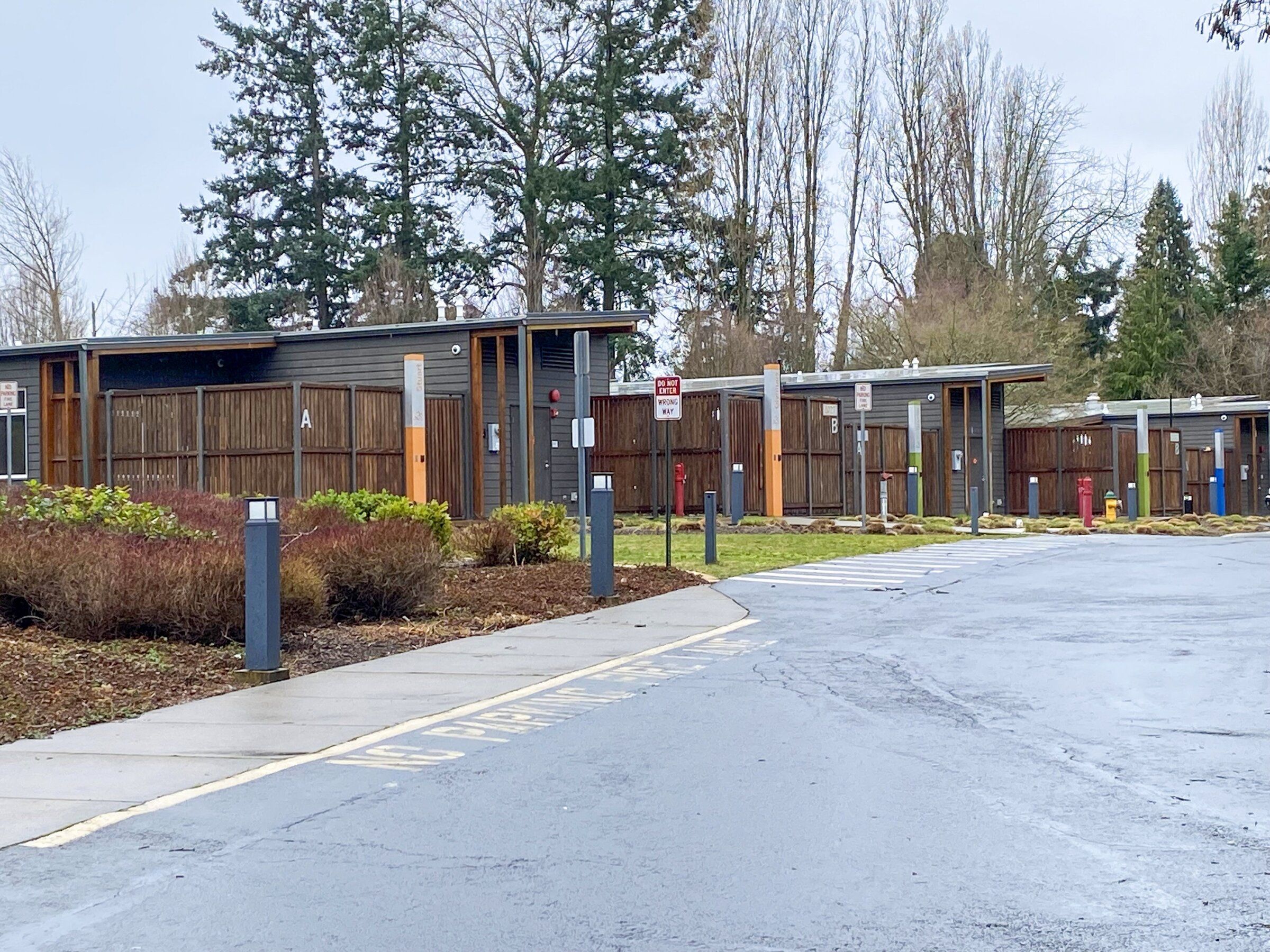
Based on: King County youth mental health facility may soon see changes
Warm Wave from the Tropics Heads Toward Washington’s Coast
A warm ocean wave generated by weakening trade winds near the equator is already raising concern along the U.S. West Coast: after reaching California in the coming weeks, it could raise coastal sea levels by roughly 6 inches for several months. The effect will likely weaken by the time it reaches Washington, but even a relatively small additional rise in water levels could prove decisive along the state’s exposed coast if it coincides with a high tide, storm and onshore winds.
This wave will resemble neither a tsunami nor ordinary surf. It is a Kelvin wave — a slow, largely underwater movement of warm water and elevated sea levels. Such waves first travel along the equator toward the coasts of Central and South America, then turn north, becoming effectively trapped between the continent and the influence of Earth’s rotation. Coastal instruments and satellites can detect them through a relatively small but sustained rise in water levels.
The current episode is linked to a developing El Niño that, according to NOAA estimates, could become very strong by the winter of 2026–27. Kelvin waves in the spring and summer already reached California in May and June, but NOAA Fisheries specialists expect the fall and winter effects along the coast to be more noticeable. Warm water can deepen the layer separating surface waters from the cold depths and weaken the usual upwelling of nutrient-rich water toward the coast.
For Washington, it is not only the sea level itself that matters, but also what it encounters. Storm surge, waves and especially high tides combine with one another, turning a few extra inches of water into a flooded stretch of road, an eroded dune slope or a wave overtopping a protective structure. The most vulnerable areas include low-lying sections of the ocean coast, the entrances to Grays Harbor and Willapa Bay, and the shores of the Olympic Peninsula, where the open waters of the Pacific leave little room for error.
The risk already has a specific geography. In Pacific County, the state continues to reinforce a section of SR 105 near North Cove and Tokeland: erosion continued there even after work in 2025–26, requiring a new phase of construction. Along this coast, the ocean has long done more than advance and retreat according to the tide calendar — it is gradually reshaping the land, while roads and homes have become part of a process expected to unfold over centuries but sometimes accelerating within a single season.
Washington’s history offers reason not to dramatize the situation prematurely, but also not to dismiss it. During the strong 1997–98 El Niño, record tidal levels were recorded at Toke Point in Willapa Bay; the high water was accompanied by flooding and beach erosion. Over the long term, the baseline is rising: sea levels along the state’s shores are increasing unevenly because of local geology, but forecasts point to further acceleration in Puget Sound and along parts of the Pacific coast.
El Niño often brings a warmer and drier winter to the U.S. Northwest, although this is not guaranteed: even previous very strong episodes produced normal or above-normal snowpack in Washington. The ocean wave also does not mean flooding is inevitable. But it changes the starting conditions by raising the baseline water level for months. When winter storms arrive, local authorities and coastal residents will have to watch not just one forecast, but the rare coincidence of tides, wind, pressure and waves.

Based on: Kelvin wave may bring sustained high sea levels on WA coast
Democrats Call Eastern Washington House Race Competitive
The Democratic Congressional Campaign Committee has added Washington’s 5th Congressional District race to its list of “competitive” contests. Democrat Carmela Conroy is seeking to unseat Republican Michael Baumgartner, who represents the Spokane-based district and is running for a second term. Democrats hope this will improve their chances of regaining control of the House of Representatives.
The announcement was a notable step because the district has traditionally favored Republicans: Donald Trump has consistently won there, and voters have regularly sent Republican representatives to Congress. However, Republicans are facing challenges nationwide amid the opposition party’s typical advantage in midterm elections, Trump’s declining approval ratings, dissatisfaction with the prolonged war with Iran and the high cost of living. In the primary, Baumgartner received 47% of the vote, while Conroy received about 19%; Republicans emphasize that Baumgartner ultimately won by a wide margin.
Both sides are already using the attention from the national parties in the campaign. Baumgartner said he represents the values of Eastern Washington, not politicians from the capital, and accused Conroy of aligning with the Democrats’ left wing. Trump endorsed the incumbent congressman, calling him an outstanding person, and criticized Conroy, a former diplomat. The Democrat, in turn, said Trump’s intervention proves Republican vulnerability and accused Baumgartner of cutting health care and increasing costs.
Based on: National Democrats target Eastern WA House race as ‘in play’
Washington state lawmaker to resign before election
Republican Skyler Rude, who represents the Walla Walla district, announced that he will leave office on Oct. 31 — just days before the general election. On Nov. 1, he will begin working as legislative director for Democrat Steve Hobbs, Washington’s secretary of state. Rude said the job offer only became final recently and that he did not want to conceal his decision until after the election because he considers honesty and transparency more important than political advantage.
Despite his resignation, Rude’s name will remain on the Nov. 3 ballot. Before the announcement, he was considered the favorite in the race for a fifth term against Democrat Derek Sarley. If Rude wins, Republicans will have to fill two vacancies: one for the remaining weeks of the current term and another for the new two-year term beginning in January. If Sarley wins, Republican representatives from the four districts will be able to temporarily appoint Rude’s successor until the Democrat takes office. Sarley expressed surprise and noted that, if Rude wins, voters will effectively be unable to choose his replacement.
Rude urged Republican supporters to vote for him if they want the seat to remain under party control. He emphasized that Republicans are seeking to preserve their influence in the Legislature, where Democrats hold a 59–39 advantage, and called the current partisan imbalance an obstacle for moderate lawmakers and compromise. Rude, who was elected in 2018, will also leave his own business — horse-drawn stagecoach tours in the Walla Walla Valley. He said he was grateful for eight years of service and saw the new job as an opportunity to combine his interest in the state’s history with protecting election integrity.
Based on: WA state lawmaker to resign 3 days before the election
How Dolly Parton’s Books Are Changing Children’s Lives in Lewis County
For several years, Samantha Grankvist’s family has received a new children’s book each month through the Dolly Parton Imagination Library program. The initiative selects and mails age-appropriate books to children from birth through age 5. For Vai and her younger brother, Nix, the packages have become not only a source of joy but also an important part of family life.
Grankvist did not grow up as an avid reader, but after her daughter was born, she decided to instill a love of books in her children from an early age. Reading became a kind of reward for the family: If the children brush their teeth quickly, they are promised extra bedtime stories. According to their mother, the children now eagerly await each new delivery — especially Vai, who continues to celebrate the “Dolly books” even when the package is addressed to her brother.
The books sparked a particular interest in Dolly Parton herself. Vai dressed as the singer for Halloween, held a Dolly-themed birthday party, wore a wig and cowboy boots in her style, and once dressed her younger brother as a cow — a reference to Parton’s children’s story about Bessie the cow. The fascination also influenced Vai’s behavior: Inspired in part by the song “Coat of Many Colors,” she gave classmates her clothes when they were cold.
The program launched in Lewis County in January 2020 through the joint efforts of local Rotary clubs and United Way of Lewis County. The idea emerged in 2018 after community leaders learned about the experience of neighboring Cowlitz County, where a similar initiative was already operating successfully. Its program became an example of how partnerships among Rotary, United Way and other organizations can expand children’s access to books. Lewis County’s project was created along similar lines, but it is newer, serves fewer children and so far has less accumulated data on its results.
Initially, organizers in Lewis County planned a small pilot project. But an unexpectedly large contribution from the Rotary Club of Centralia allowed the program to expand quickly, and organizers abandoned its pilot status.
Organizers had to look for new sources of funding after the COVID-19 pandemic disrupted plans for an annual auction. Today, United Way and Rotary volunteers raise about $35,000 a year by inviting residents to sponsor book deliveries for one child or support the project as a business. These organizations are responsible for raising local funds, organizing and promoting the program. Washington state covers another half of the costs as part of its early-development support, while Dolly Parton’s Imagination Library administers the program, selects the books and mails them to children each month. State officials do not handle the deliveries directly.
The program serves up to 2,300 children at a time, and about 4,000 children have graduated from it since its launch. More than 6,000 children in Lewis County have received books for free overall, with annual costs totaling about $70,000. State co-funding, introduced in 2023 after a campaign by community advocates and lawmakers, was threatened by budget cuts, but a charitable contribution allowed the 50-50 funding structure to remain in place.
A possible reduction in state support could also affect other early-development programs that provide children with books and educational resources. Rural and low-income communities are particularly vulnerable because local organizations have difficulty making up funding shortfalls. Reduced funding could lead to cuts in program reach, the number of partnerships and families’ access to support for developing early literacy skills.




Based on: In death, Dolly Parton continues impact on literacy in Lewis County
Seattle in Focus: Rankings, the NFL and Hidden Cameras
Daily roundup: Seattle ranked fourth in Oxford Economics’ global city rankings, a PFF analyst says the Seahawks should not abandon the run after their loss, and police have quietly expanded the surveillance network to 1,320 cameras.
Seattle Among the World’s Top Four Cities: What Lies Behind the Oxford Economics Ranking
When it comes to economic rankings, it is always interesting to see how the same facts can be interpreted in completely different ways. This week, Oxford Economics published its 2026 Global Cities Index, ranking Seattle fourth in the world behind only New York, London and Paris. The news came amid rather gloomy reports from the local administration warning that the city’s economy is insufficiently diversified and vulnerable to a potential exodus of technology companies. As The Urbanist notes, this contrast is a useful reminder that economic analysis is always relative and depends heavily on which metrics underpin your conclusions.
According to the Oxford Economics report, Seattle’s economic strength is driven primarily by its large technology sector, home to Microsoft and Amazon, as well as aerospace giant Boeing and the headquarters of Starbucks, Costco and Nordstrom in retail. This range of major employers gives the city one of the highest GDP-per-capita figures in the index—$152,000, placing it fourth in the world on that measure. Seattle scored 92.8 points, narrowly trailing Paris and finishing one point ahead of San Francisco. The report’s authors emphasize that they evaluate cities in five categories: economics, human capital, quality of life, environment and governance. Although GDP per capita appears to carry the greatest weight, some cities rise in the rankings primarily because of quality-of-life, governance and environmental factors—a path often followed by European cities.
However, there is another side to the story, one the analysts themselves warn about. Very high incomes can be a double-edged sword, driving up housing costs, particularly when supply fails to keep pace with demand. The report states directly that Seattle’s sustained population growth and limited housing supply are making homes and rents increasingly unaffordable, with part of the blame lying with the slow pace of zoning reform and other barriers to development. Moreover, despite ranking fourth in the world for income per capita, the city also continues to have very high income inequality. It is this tension—between reducing inequality and curbing the power of major technology companies without killing the “golden goose” that pays a significant share of the city’s bills—that Mayor Katie Wilson is trying to address. Her campaign was built around housing affordability and the idea that the economic boom should be distributed more evenly among residents. To that end, she launched the Sustainable Seattle Economy Task Force, which is expected to develop a growth and diversification strategy.
Seattle’s quality of life ranked second in the United States and 22nd in the world, surpassed only by San Jose, California, which, perhaps surprisingly, placed 13th in the global rankings. The city’s quality of life was on full display internationally this summer, when downtown Seattle hosted six matches in the FIFA Men’s World Cup. The city earned a reputation as one of the tournament’s best hosts thanks to its extensive transit system, vibrant pedestrian areas and beautiful waterfront park. By comparison, in the San Francisco Bay Area, fans had to be transported to distant Santa Clara, isolated in the suburbs. Seattle also generally outperforms other American cities on per-capita environmental footprint and climate pollution, thanks in large part to policies limiting suburban sprawl and encouraging housing construction in areas with good transit access. In addition, the Seattle metropolitan area is pursuing arguably the country’s most ambitious plans for expanding its transit network, though not without delays and problems.
Interestingly, the Oxford Economics report did not overlook political realities. The authors note that Trump’s chaotic policies are affecting governance in American cities, while anti-immigration measures could deprive them of the influx of talented immigrants who drive economic development. All U.S. cities in the ranking received only a 198th-place position for governance—an unmistakable jab at the Trump administration. The report particularly highlights the threat that Trumpism poses to Seattle: restrictions on international immigration could slow population growth and reduce the share of foreign-born residents, potentially preventing the city from improving its human-capital ranking in the coming years.
Beyond federal challenges, some governance problems are linked to Seattle’s high turnover among mayors. Wilson will likely try to break the pattern of single-term mayors, but as the publication notes, some representatives of the local mainstream media already seem to be against her, manufacturing negative headlines at the expense of more positive stories that also exist—and the Oxford Economics report is vivid confirmation of that. Overall, the situation resembles a classic dilemma: a city with brilliant economic indicators and a high quality of life faces serious challenges involving inequality, housing affordability and political instability. How Seattle handles these contradictions will determine whether it remains among the world’s elite cities or slips downward, as some local analysts fear.
The Seahawks Should Not Abandon the Run: Why a PFF Analyst Is Calling for Patience
The Seattle Seahawks’ 33–31 loss to the Washington Commanders, who started backup quarterback Marcus Mariota, was one of the biggest surprises of the current NFL season. The main cause of the collapse was not the defense but a completely stalled rushing attack. Seattle gained just 44 yards on 18 attempts, including only 39 yards by its running backs, while 11 of those yards came on the very first play. After that, it was a constant struggle, compounded by a painful fumble from rookie Jadarian Price near his own 20-yard line that gave the Commanders the game’s first points.
At first glance, this is cause for concern: Seattle had rushed for 162 yards the previous week, but through the first three weeks overall, the offense has looked inconsistent. However, Pro Football Focus analyst Trevor Sikkema, a guest on Brock and Salk on Seattle Sports, is urging fans not to panic. In his Seattle Sports interview, he says the team lacked patience—both in its game plan against Washington and in its trust in the young running back.
“Jadarian Price gives you explosive speed, but he’s also a rookie,” Sikkema explained. “He fumbles early in the game. I don’t want to say he fell out of favor, because he still played and they needed him, but they didn’t lean on him as much as I think they could have. And it felt like the game plan moved a little away from getting back to the run.”
The expert’s central point is that the problem is not the scheme or its fundamental principles, but Price’s adjustment to the speed of the NFL. He was the second choice at Notre Dame behind Jeremiyah Love, who is projected to be a top-three pick in the 2026 draft. And although many believe Price would have been the starting running back at almost any other school, Sikkema points out that having fewer attempts and snaps matters. “That practice means a lot,” he emphasized.
The Seahawks’ scheme remains unchanged: the same outside-zone running concepts designed to get backs to the perimeter and give Price room to showcase his explosive ability. Sikkema does not want the team to make any drastic changes. In his view, it is simply a matter of time: the young running back must learn the timing, the force involved, how quickly defenders close space and how tightly he needs to secure the ball to avoid losing it. “It’s always been a matter of time for him, but I don’t think schematically or fundamentally they’re doing anything that really needs to change. He’s just a young running back who, in my opinion, needs time.”
Seattle does have some good news, meanwhile: Zach Charbonnet, who suffered a torn ACL in January, returned to practice Thursday, opening a 21-day window for his return to the roster. That could provide the rushing attack with an additional boost and ease some of the pressure on Price, who, judging by the circumstances, needs not a new plan but a little patience—from both coaches and fans.
Seattle Police Quietly Built a Surveillance Network Five Times Larger Than Reported
When Seattle officials launched a pilot program to install street cameras a year ago, residents were promised a cautious experiment: several dozen devices in three neighborhoods where crime was causing the greatest concern. However, as became clear this week, a much larger surveillance system had grown behind the modest project’s façade—one unknown to the City Council, the mayor and the wider public.
The Seattle Police Department has disclosed the actual figures connected to its Real-Time Crime Center for the first time. It turns out that the center receives live video from 427 cameras. Of those, 308 were installed by police, 96 belong to the Seattle Department of Transportation and another 23 belong to private business owners in the East Precinct whose names have not been disclosed. A further 893 privately owned cameras are registered with the center: analysts can see their locations and contact the owners to request footage during an investigation or after a 911 call.
In other words, 1,320 cameras are under police control or within its sphere of influence—far more than has ever been officially acknowledged. Particularly notable is that many of the devices are located outside downtown, Chinatown and Aurora Avenue—the only three areas where police were allowed to install cameras under the pilot program approved in April 2025. The number of devices installed by police themselves—62 locations with five cameras each, or 310 cameras— is five times higher than the previously reported figure of 62 cameras. Each “cabinet” has cameras facing east, north, west and south, plus one pan-tilt-zoom camera. Two cameras on Aurora had to be disabled because of concerns that they captured views of a reproductive-health clinic, said center technical director Nick Zajchowski. The count does not include 105 inactive cameras installed for the FIFA World Cup; Mayor Katie Wilson ordered them shut down after the tournament.
The Connect Seattle program is a separate matter. Launched by police last April without public announcements and apparently without consultation with the City Council, it appears neither on the city’s website nor the police department’s website, including the pages about the Real-Time Crime Center and video surveillance system. References appeared only in local technology and neighborhood blogs. Business owners can voluntarily give the center access to their cameras’ live feeds, allowing analysts to watch them around the clock without additional authorization. To do so, businesses must purchase and install an Axon device that enables artificial intelligence to search footage for objects such as an item of clothing or a vehicle.
A policy adopted in October 2024 allows private cameras to be integrated into the pilot project provided that police submit a plan to the City Council’s Public Safety Committee. Brian Maxey, then the department’s chief operating officer, sent such a plan to Councilmember Bob Kettle on March 31, 2025. The letter said the cameras would help officers identify crime scenes more quickly, locate suspects and victims, and reduce the time needed to gather evidence. The plan included 11 privacy safeguards: filming only public areas, prohibiting facial recognition and limiting access to recordings. To recruit participants, crime-prevention coordinators were supposed to speak before community groups, while patrol officers would hand out cards with a QR code linking to the program’s website. The plan said nothing about publicly announcing the changes or seeking residents’ views on their impact on privacy and civil liberties. Council or mayoral approval was not required for implementation.
A report by the Office of the Inspector General for Public Safety, published Wednesday, concluded that police rules allow the use of private cameras as a “future opportunity” but contain no criteria governing their use. Under the city’s 2017 surveillance ordinance, those criteria should at minimum describe where cameras may be located, how long recordings are retained and what to do if an owner points a camera into a nonpublic space. Inspector Lisa Judge recommended that the department and city officials adopt the necessary policies and procedures. Police agreed and promised to propose them by March 15, 2027. Dan Pitts, an audit supervisor in the inspector general’s office, summarized the problem this way: “Their position right now is to try to integrate cameras from anywhere in the city—private cameras. They need a clearer structure around the organization, criteria and data retention.”
The report was released two days after a separate city auditor’s review found that police had spent months accessing feeds from nonpublic city transportation cameras, even though policy prohibits using them for law-enforcement purposes.
How familiar Mayor Wilson herself is with Connect Seattle remains unclear. Her spokesperson, Alex Hudson, declined an interview but said in a written statement that the issues raised in the audit were “exactly the reason” Wilson requested an assessment of the city’s surveillance practices. “The public should be confident that the government is using and storing surveillance data responsibly and transparently,” Hudson wrote. “Wilson is committed to that in any current or expanded use of cameras.” Police spokesperson Sgt. Patrick Michaud explained why the program had not been announced: officials did not want to advertise Axon. The vendor’s products power the Real-Time Crime Center and devices connected to private cameras. Last year, the city paid Axon nearly $3.5 million. “Advertising a private company is a poor use of city resources,” Michaud said. “People should trust that they can come to Seattle Police Department pages for news, not an advertisement.” He said a page about CCTV and the Real-Time Crime Center exists, but Connect Seattle does not because the first two concern city cameras rather than private property. Kettle acknowledged in an interview that he could have “done more in terms of oversight” and plans to conduct a “status check” on the program with police and the director of public safety to find a balance between security, privacy and civil liberties.
The central concern here is not only the scale but also the system’s architecture: a private camera connected through Axon allows algorithms to search for people based on descriptions of their clothing or vehicles, while access to the live feed remains open around the clock without renewed consent from the owner. The program is growing quietly, without public discussion, while city officials learn the details after the fact—from an audit. This is a classic example of surveillance infrastructure outpacing the rules meant to constrain it.

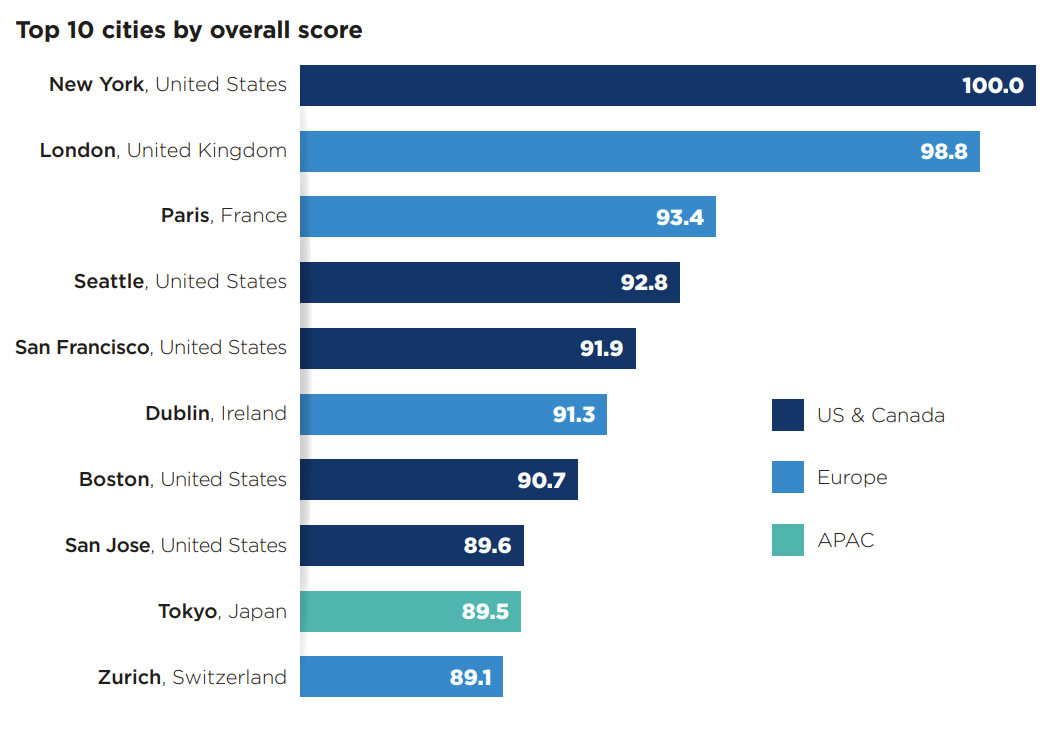
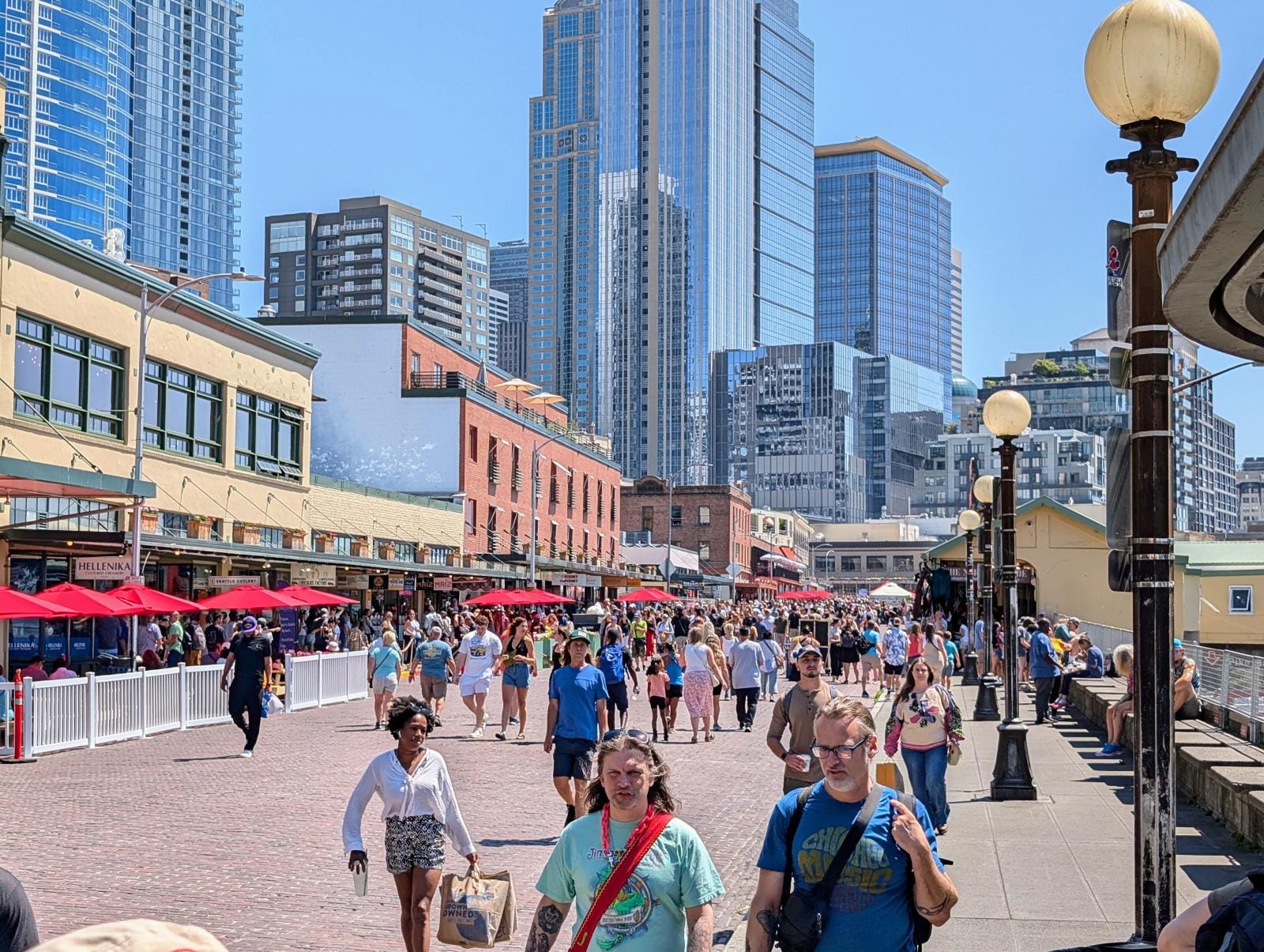


News 01-10-2026
Measures Taken After Bats Found at Puyallup Elementary School
Since the start of the school year, about six bats have been found at Edgerton Elementary School in Puyallup. Teachers spotted the first two in a hallway on Sept. 14, after which school staff removed them; one employee may have come into contact with the animals. The school district consulted with the Tacoma–Pierce County Health Department. Over the following two weeks, several more bats were found — including two by overnight custodians, one near the door to a maintenance room and one dead inside it. No other contact with people has been reported.
While specialists determine how the animals are entering the building — through doors, windows, ventilation systems or other openings — the school is inspecting its facilities daily. Administrators believe the bats have not established a permanent roost inside. To prevent them from getting in, pest-control specialists have been hired to seal gaps and install protective measures, including door sweeps, new ceiling panels and mesh screens. Cameras are also being installed, windows and doors are being inspected, and areas where the animals were found are being cleaned and disinfected. Students are prohibited from touching or trying to catch bats: if they encounter one, they should move away and notify a staff member. Parents are advised to contact a doctor if a child reports contact with an animal, since the Washington State Department of Health recommends evaluating any potential exposure.

Based on: Bats found at Puyallup elementary school
Portland’s Self-Governed Community of Formerly Homeless Residents
Dignity Village in Portland, Oregon, is home to about 60 people who previously experienced homelessness. They live in small homes they built themselves and run the community independently—from funding and maintaining the grounds to resolving conflicts.
One evening, the village council addressed a personal dispute involving a woman, her current partner and her former boyfriend. After a discussion, the parties agreed to stop sending unwanted messages and avoid one another. Such proceedings take place in the communal Commons building, which serves simultaneously as a kitchen, living room and informal courtroom.
Dignity Village was established in 2001 after homeless Portland residents, tired of constant evictions from camps beneath bridges, occupied a site near the city’s organic-waste processing facility. Officials allowed them to stay, formally designating the area as a city campground. Over time, tents were replaced by sturdier cabins, while volunteers helped create a bathhouse, computer room, security post and greenhouse.
Residents are required to work for the benefit of the community for about 10 hours a week. They pay dues, accept donations and earn money through small enterprises, including firewood sales and groundskeeping services. The village’s annual budget is about $60,000—roughly $1,000 per resident, far less than the cost of conventional municipal shelters.
The community is governed according to principles of mutual aid and resident participation. Most violations do not result in immediate expulsion. Instead, the village relies on social pressure, incident reports and support from neighbors. Violence is the main exception. Residents say accountability to their peers feels different from reprimands by staff at a traditional shelter and provides stronger motivation to change their behavior.
At the same time, Dignity Village’s independent status does not exempt it from city requirements. The community is expected to comply with fire-safety and sanitation rules, arrange regular waste removal, provide access to toilets and drinking water, place structures safely, inspect electrical wiring and keep pathways clear for emergency services. The specific conditions are set out in an agreement with Portland because the settlement is located on city-owned land.
The city’s relationship with Dignity Village reflects Portland’s broader and sometimes contradictory policy. Officials are trying to combine tolerance for certain established communities with efforts to reduce unauthorized camps and move people into controlled safe-rest sites. The city’s Safe Rest Villages operate under stricter rules, provide organized infrastructure and services, and generally limit stays to 120 days.
This policy became particularly significant after the U.S. Supreme Court’s 2024 decision in City of Grants Pass v. Johnson. The court ruled that prohibiting public sleeping or camping does not, by itself, violate the Constitution, even when a person has nowhere else to go. Portland subsequently gained broader legal authority to clear camps, though officials must still follow local procedures, notification rules, requirements for handling personal property and other established limitations.
Portland officials view independent villages with caution, citing fire risks, sanitation problems, water pollution and the lack of comprehensive support for finding permanent housing. A former resident of one Safe Rest Village says he was expelled for failing to complete required paperwork steps, despite attempts to make progress.
Still, Dignity Village’s statistics appear compelling: about 60% of those who leave the community move into permanent housing, compared with roughly 42% in the city’s villages. Direct comparisons, however, are difficult. Dignity Village allows longer-term, relatively independent residency, while Safe Rest Villages are designed for limited stays and offer more formalized housing services. The figures may therefore reflect different timelines, rules and success criteria rather than the superiority of one model over the other.
Supporters of the village believe that a sense of dignity, stability and belonging helps people recover and move toward independent living. But the experiment’s future remains uncertain: the community occupies city-owned land, so its independence depends on how willing officials are to tolerate its unusual, partly anarchic system.
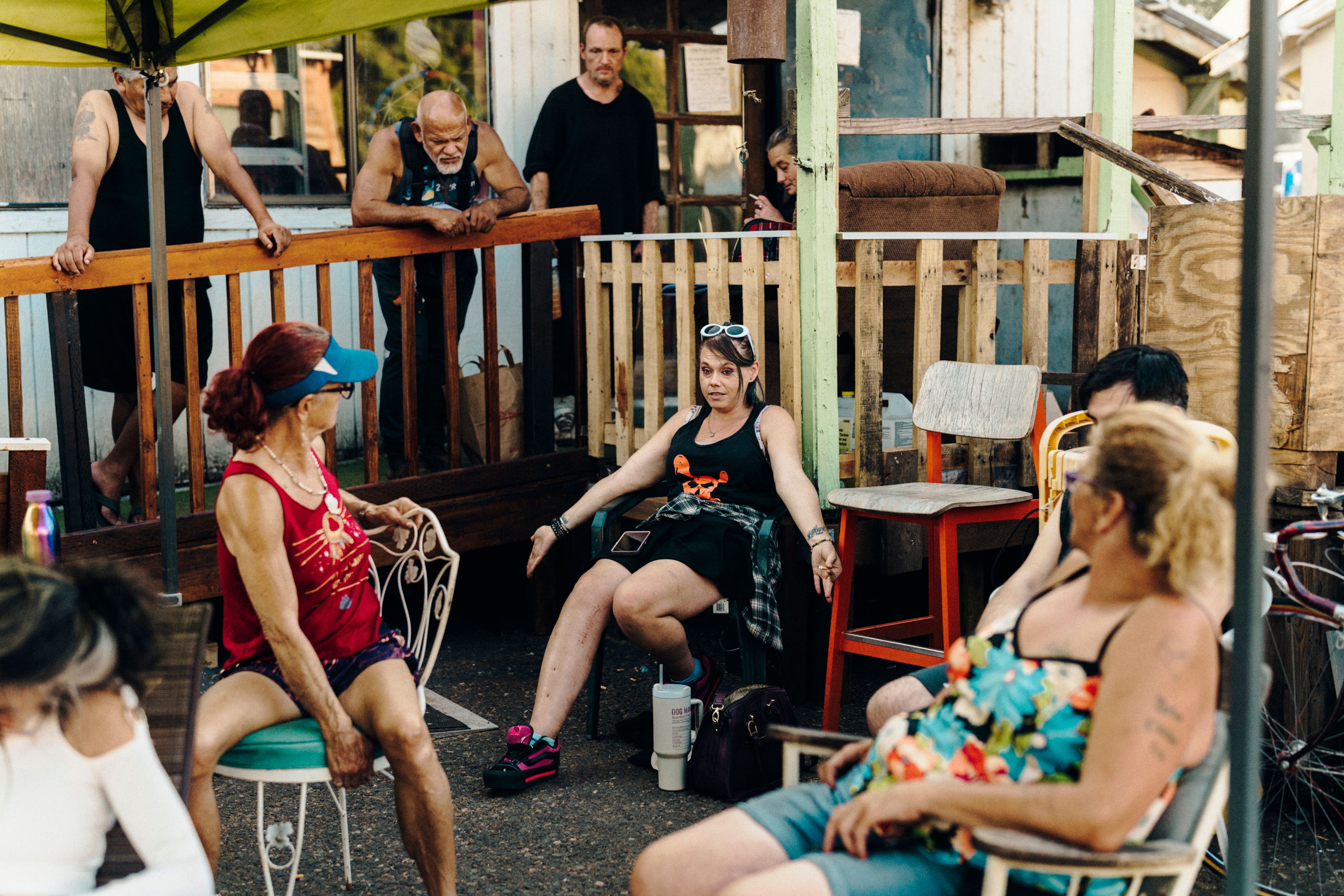




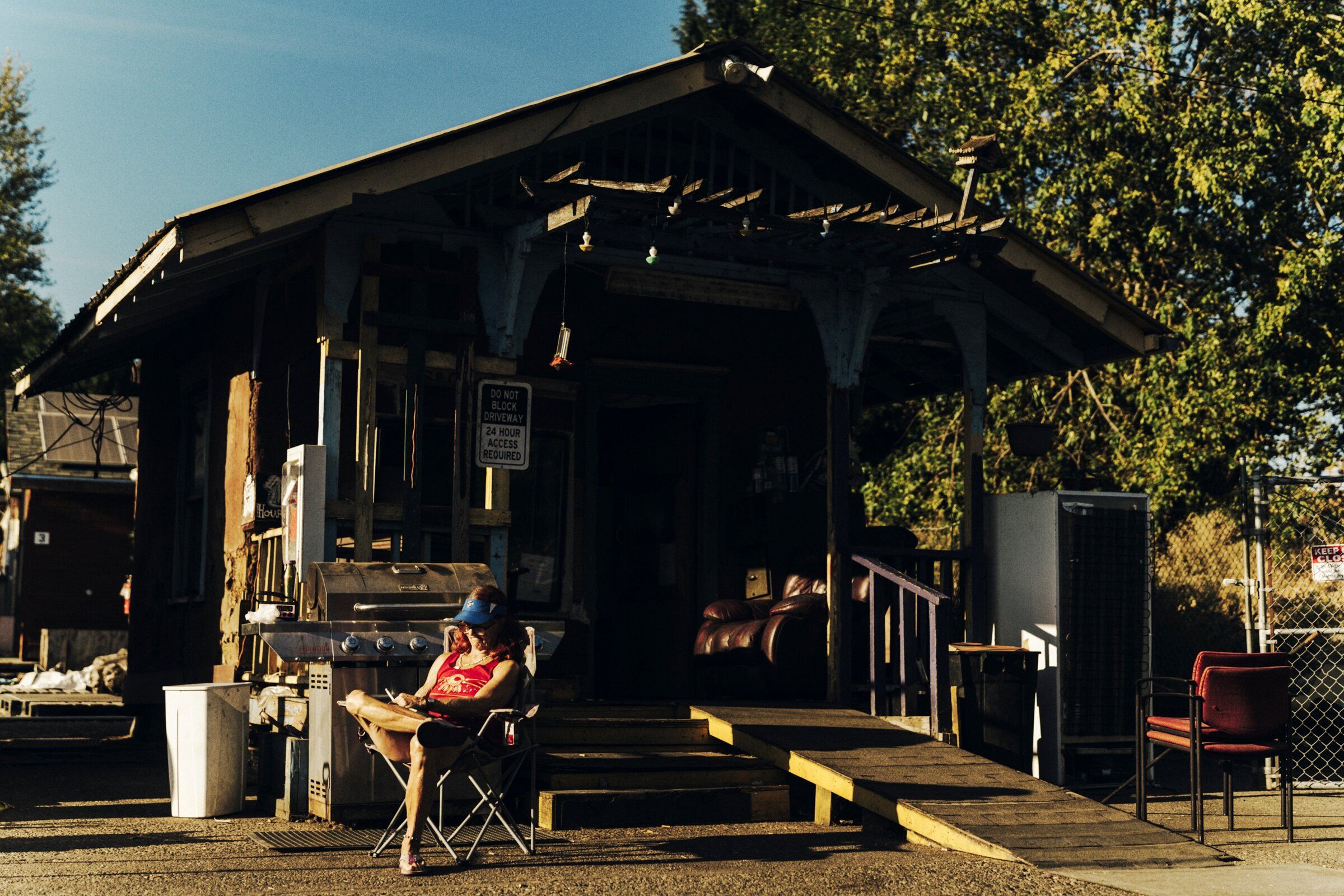
Based on: The homeless community that became a self-governed village
How Parents Can Help Children Use AI Safely
Artificial intelligence is already changing how people obtain information, work and communicate, and children are encountering this transformation from an early age. At The Seattle Times event “How to Protect Kids in the Age of AI,” experts Alexis Hiniker of the University of Washington, Green Lord of mpathic.ai and school health services coordinator Rio Hindami discussed AI’s impact on children’s mental health and development.
Parents should pay attention to how exactly their child uses a chatbot: as a tool or as something resembling a friend, adviser or confidant. Warning signs may include a steadily increasing amount of time spent communicating with the bot, hiding conversations, preferring AI’s advice to conversations with loved ones and believing that the chatbot “understands them better than anyone.” Turning to AI during a crisis instead of seeking help from adults or professionals is particularly dangerous.
Chatbots often support the user’s position and ask follow-up questions, encouraging the conversation to continue. As a result, a child may receive confirmation that they were right in a conflict without learning to analyze their own actions or solve problems independently. For this reason, schools and mental health services in the Seattle area can hold informational sessions for parents, explain the limitations of these systems and help identify troubling changes in children’s behavior. School psychologists, counselors and social workers can also regularly discuss students’ digital interactions, provide confidential support and refer families to licensed professionals.
Laws can improve safety, but rules alone are not enough. In Washington state, requirements intended to protect minors take effect Jan. 1. Chatbot operators must warn users that the bot is not a human or licensed professional, identify signs of crisis and self-harm, provide safe recommendations and direct children to emergency or professional help. The rules also provide for restrictions on dangerous and sexualized interactions, protection of minors’ personal data and documentation of safety measures.
Compliance with these requirements is generally overseen by the Washington state attorney general and consumer-protection regulators. Depending on the law’s final wording and how its rules are implemented, health authorities and law enforcement agencies may also become involved. Experts note that the law’s effectiveness will depend on enforcement methods, how harm is measured and whether the rules are actually followed. Cooperation among the government, researchers and technology companies themselves will also be important.
The idea that young people unconditionally love AI is also inaccurate. Many teenagers take a critical view of the technology, particularly because of its impact on the environment and creative professions. At the same time, AI can be beneficial: Some studies suggest that conversations with virtual companions can sometimes reduce suicidal thoughts, help people cope with loneliness and better understand their own expectations of relationships. However, positive examples exist alongside serious risks, so experts do not recommend treating AI as a substitute for human interaction or professional help.
In the United States, anyone facing a threat of self-harm or another immediate danger should call 988; in an immediate life-threatening emergency, call 911.
The main recommendation for parents is to build relationships based on trust and regularly discuss mental health and technology use with their children without judgment. Teenagers often remain silent because they are afraid of seeming like an additional burden to their parents. Adults should also speak openly about their own use of AI: what tasks it handles, what benefits it provides and what limitations it has. Such conversations can help children approach AI thoughtfully and seek support from people, rather than only from chatbots.

Based on: 5 things parents should consider when it comes to kids and AI
A Respite in Washington State’s Teen Overdose Crisis
According to the Washington State Department of Health, the number of suspected opioid overdoses among children and adolescents has fallen significantly, approaching prepandemic levels. Compared with the 2023 peak, overdoses have declined by 62%, while opioid-related emergency department visits have dropped by 52%. In 2024, 12 children died from opioids, compared with 31 in 2022.
In King County, the share of teenagers reporting alcohol, marijuana, prescription painkiller or illicit drug use fell from 14% in 2023 to 11% last year. Health care providers attribute the improvement to widespread awareness of the dangers of fentanyl and expanded access to treatment. Buprenorphine is now prescribed more frequently in hospitals and through a dedicated telephone hotline.
Vending machines installed in public places throughout King County also play a role. They provide free naloxone nasal spray, generally without a prescription or identification, for emergency treatment of an opioid overdose, as well as test strips that can detect the possible presence of fentanyl. If an overdose is suspected, naloxone should be administered while calling 911. Test strips can indicate the possible presence of fentanyl but do not guarantee that a substance is safe.
Several years ago, the system serving teenagers was largely unable to cope with the crisis: fewer than 10% of facilities offered buprenorphine, there were almost no adolescent detoxification beds, and many pediatricians did not recognize opioid use disorder. Today, prevention programs receive funding from opioid settlement funds and King County’s Best Starts for Kids initiative.
The program serves children, adolescents and young adults from early childhood through age 24. It is funded primarily through a special county property tax, with money directed to schools, health care providers and community organizations. These organizations support substance-use prevention, mental health programs, early identification of problems, counseling, treatment and assistance for families. Best Starts for Kids generally does not pay for services directly for individual teenagers; instead, it funds organizations that provide help free of charge or based on family income.
Doctors and counselors consider the current trend encouraging but warn that declining numbers do not mean the problem has been solved. Teenagers have become more cautious about fentanyl, but many young people who began using drugs during the earlier wave of overdoses already have severe addictions. Experts urge officials to maintain continuous monitoring of the drug market, regularly screen for addiction and remain prepared for new threats.

Based on: Youth opioid overdoses in WA drop toward prepandemic low
Environmentalists block increase in tire burning in Seattle
Ash Grove Cement will not be allowed to increase the number of vehicle tires burned in its cement kilns. The decision was a victory for environmental activists from the Duwamish River Community Coalition, who spent about a year opposing the expansion. At the plant in the industrial Duwamish Valley, tires are used alongside coal, natural gas and other fuels.
Following public protests and concerns about toxic-metal emissions, the Puget Sound Clean Air Agency required the facility to conduct tests. The agency oversees air quality in King, Pierce, Snohomish and San Juan counties; issues permits to major sources of emissions; conducts inspections; investigates complaints; and can require corrective measures or impose penalties.
Tests conducted in June showed that cadmium emissions increased when the proportion of tires was raised. As a result, the agency decided to keep the existing limit and did not allow Ash Grove to burn more tires. The company and regulator had previously said repeatedly that expanding tire use would not increase toxic-metal pollution.
Residents can participate in similar environmental proceedings by reporting odors, smoke and emissions; submitting written comments on proposed permits; and attending public hearings. Information about comment deadlines and hearings is usually posted on the agency’s website. However, issues involving soil and water pollution often fall under the authority of other state and federal agencies.
Activists said the outcome confirmed the importance of residents’ participation in environmental decision-making. More than 500 residents and 30 local businesses signed a petition opposing the expansion of tire burning. After the test results were published, Earthjustice and the coalition withdrew their appeal against the company’s permit because their key demand — testing the emissions — had been met. Ash Grove said it would continue operating in compliance with environmental regulations and seek opportunities to make production more sustainable.
The Duwamish Valley, including Georgetown, South Park and parts of Beacon Hill, has developed as an industrial and port district for decades. The area is home to factories, warehouses, rail lines, highways, wastewater-treatment facilities and cargo terminals. The environmental conditions are also affected by diesel exhaust from trucks and trains, emissions from industrial and asphalt plants, port vessels, road dust, pollution from highways and wildfire smoke. Historical activity by chemical manufacturers, shipping companies and waste-processing facilities has contaminated the soil and water.
Environmental risks are especially high for low-income families and people of color in Georgetown and South Park, who often have fewer opportunities to oppose harmful land uses. Studies show that residents of these neighborhoods die, on average, eight years earlier than residents of Seattle and King County, while children are hospitalized for asthma more often. In addition, Ash Grove emitted about 360,000 metric tons of greenhouse gases in 2021, making it the largest polluter in southern Seattle and South King County.
Based on: Activists block attempt to burn more tires at Seattle cement plant
Defense and Minimum Wage: Seattle at the Center of Change
Shield AI will establish production of X-BAT autonomous fighter jets near Seattle, creating 4,000 jobs, while the city prepares for a $22.14 minimum wage that is already prompting restaurant closures and business departures.
Shield AI to Build X-BAT Autonomous Fighter Jet Near Seattle: 4,000 Jobs and Air Superiority Without Runways
U.S. defense company Shield AI has selected the Seattle area for a major manufacturing hub that will produce the X-BAT autonomous fighter jet. The project promises not only thousands of jobs but also a shift in how Western militaries envision air superiority: without long runways, without a pilot in the cockpit, and with artificial intelligence making decisions in real time. The San Diego-based company, valued at $12.7 billion after a $2 billion venture-funding round, is building a 420,000-square-foot facility in Des Moines, Washington, south of Seattle. The opening is scheduled for next spring, and that is only the beginning: Shield AI is already looking for an additional one million square feet in the region. Details of the project were reported by GeekWire.
The location was not chosen by chance. The Seattle area is a historic center of the aerospace industry, home to Boeing, as well as Amazon, Microsoft and a growing satellite cluster. According to Armor Harris, Shield AI’s senior vice president of aviation, the company considered more than a dozen sites, but the availability of local talent proved decisive. “We can build on an existing talent pipeline rather than train a workforce from scratch, which would have been difficult to do on our timeline,” he said. Harris plans to relocate to Washington from Dallas. The company has already posted more than 110 jobs in Seattle, ranging from autonomy developers and flight-control software engineers to composites specialists and assemblers. Salaries for engineering positions can reach $300,000 a year.
The X-BAT itself is a 26-foot strike fighter with artificial intelligence in place of a pilot. It takes off and lands vertically, carries up to 2,000 pounds of weaponry in internal bays and has a combat radius of 1,000 nautical miles. By comparison, the Lockheed Martin F-35A is estimated to have a range of about 590 nautical miles. Harris calls the X-BAT “a modern sixth-generation fighter” that is essentially a “flying sensor suite,” absorbing real-time information to make split-second decisions. Launch and recovery are handled by a mobile Launch and Recovery Vehicle: it positions the aircraft vertically, can be towed on highways or loaded onto a ship, and allows a field site to be set up within minutes.
This independence from runways has become the program’s central selling point. Shield AI co-founder and president Brandon Tseng, a former Navy SEAL, put it this way: “Runway-independent aviation is the holy grail of deterrence.” Last year, the U.S. Navy backed the project with an initial $50 million contract, envisioning autonomous fighters launching directly from destroyers, amphibious ships and converted cargo vessels. This would make it possible to project long-range airpower without relying on aircraft carriers. Earlier this month, Shield AI signed a five-year letter of intent with Polish defense companies PGZ and WZL-2 covering the joint construction, delivery and repair of X-BAT aircraft—a partnership that could give NATO allies a fighter capable of operating even when airfields have been destroyed.
Shield AI’s manufacturing strategy is built around a principle unusual in the industry: engineers and the assembly line work under one roof. Harris calls this “one of Shield’s secret sauces.” “We fundamentally believe that co-locating engineering and manufacturing is the fastest way to deliver new capabilities to our customers,” he said. The X-Forge 3 facility in Des Moines will become the main production and engineering center for the X-BAT. The first aircraft is expected to roll off the line in 2028, while full production is projected to reach approximately 150 aircraft per year by the early 2030s—speeds that Harris says could exceed anything seen in fighter-jet manufacturing for a very long time. The company’s economic analysis estimates that the program will contribute approximately $73 billion to Washington’s economy over two decades and create up to 27,000 direct and indirect jobs by 2046.
Additional facilities are spread across the country. X-Forge 1 in Frisco, Texas, handles prototyping, software integration and initial engineering. X-Forge 2 in Newton, Kansas, conducts flight testing, customer acceptance and maintenance; it is expected to support about 1,800 jobs by the early 2030s and 2,900 jobs by 2046, generating $5 billion in regional economic impact. The logistics of transporting completed aircraft from Seattle to Kansas do not concern the company: the X-BAT is designed to be road-transportable. “We take advantage of that,” Harris said.
Local officials and politicians have welcomed the project. Congressman Adam Smith, whose district includes Des Moines, said the hub would create high-quality jobs, strengthen the Puget Sound region’s technology and aerospace sectors, and diversify the economy. Governor Bob Ferguson called Shield AI’s decision another sign that the future of aerospace is being built in Washington. Catherine Caffrey, Des Moines’ city manager, noted that the city is at the heart of Puget Sound’s aerospace industry and that the investment reflects a desire to make Des Moines a place where families can build strong careers close to home.
For Harris, the project is also an answer to the narrative that jobs are leaving the region. “There was a strong sense that all the jobs were migrating elsewhere, and I think this is a major win for the region to land a major program from a fast-growing company like ours,” he said. “It can serve as a foundation for growth for years to come.”
Seattle Heads Toward the Highest Minimum Wage in the U.S.: An Economic Experiment with Troubling Consequences
Seattle, a longtime stronghold of liberal politics in the Pacific Northwest, is preparing to set a minimum-wage threshold unmatched elsewhere in the country. Beginning in 2027, the city’s minimum wage will reach $22.14 an hour—a figure that translates into an annual income of just over $46,000 for a full-time worker. Yet behind this seemingly progressive measure lies a far more complicated and controversial picture, prompting economists and business owners to raise the alarm.
According to a report by Fox News, the key turning point came in 2025, when city officials required all employers, including small businesses, to pay the same minimum wage, adjusted annually for inflation. Previously, small businesses had benefited from certain exemptions, but that distinction has now disappeared. The result was immediate: 450 restaurants closed in Seattle during the first half of 2025 alone—about 16 percent of all establishments in the city. In some business and retail districts, particularly around the Amazon and Microsoft campuses, transaction volumes in the restaurant and retail sectors fell 7 percent from the previous year, according to data from payment platform Square cited by The Wall Street Journal.
Business owners describe the situation bluntly. One restaurateur told Eater in 2024 that the dilemma was straightforward: if servers earn $20 an hour, cooks must be paid $35. Anthony Anton, president and CEO of the Washington Hospitality Association, added that operators are earning less than ever while charging customers more than ever. The statement essentially describes a classic trap: rising labor costs are passed on to consumers, reducing demand and putting even more pressure on margins.
The academic dimension of the issue is particularly interesting. A peer-reviewed study by researchers at the University of Wisconsin–Madison found a notable effect: merely announcing a minimum-wage increase in Seattle slowed the creation of new businesses within the city, while encouraging businesses to open in neighboring suburbs with lower wage floors. In other words, jobs do not disappear without a trace—they migrate beyond the city limits, to places where regulatory pressure is weaker. This challenges the argument made by supporters of higher wages, who say that better pay helps retain workers and fight poverty.
A wage floor is the minimum level of compensation an employer is legally permitted to pay. When that level rises sharply in one municipality but remains lower in a neighboring one, a natural economic gradient emerges: capital and entrepreneurial activity flow toward the area with lower costs. That is precisely what researchers have documented.
The context is further complicated by the fact that Seattle’s deteriorating business environment began long before the latest round of wage increases. From the start of the COVID-19 pandemic in 2020 through 2023, approximately 500 local businesses closed in the city, according to the Downtown Seattle Association. A year later, the same organization counted 543 vacant retail spaces. Owners cited not only economic factors but also rising property crime. Axios analysts calculated that the number of job openings in the Seattle metropolitan area fell 35 percent between February 2020 and October 2025—the second-largest decline after San Francisco. Stories emerged of people with master’s degrees and former Microsoft employees applying for barista positions.
The condition of the office market also deserves attention. According to Cushman & Wakefield, 35.6 percent of office space in downtown Seattle was vacant in the fourth quarter of 2025, up from 32.3 percent a year earlier. Even iconic city companies such as Starbucks have begun moving some operations outside Seattle. This is a symptom of a broader process: the technology boom that fueled the city’s economy for decades is giving way to caution and cost optimization.
The key insight is that the minimum wage is not an isolated social-policy tool but a powerful regulatory lever that interacts with taxes, rent, crime rates and the overall business climate. When several negative factors overlap, their effects are multiplied. Seattle finds itself trying to address the high cost of living through mandated income increases while risking the loss of the very economic base that helped create that high cost of living.
Supporters of the increase, of course, have their own arguments: Seattle’s high cost of living requires corresponding pay, otherwise more people will fall into poverty. In their view, higher wages help businesses retain employees and reduce turnover. These arguments are not without logic, but the empirical evidence of recent years suggests that the balance between social fairness and economic viability is far more fragile than expected. While some celebrate a victory over low wages, others count closed doors and empty storefronts—and this contradiction will apparently deepen as 2027 approaches.
Seattle Raises the Bar Again: Minimum Wage to Reach $22.14 an Hour
On Monday, the Seattle Office of Labor Standards announced that the city’s minimum hourly wage will rise to $22.14 at the beginning of next year. The decision is not a surprise but rather a predictable step under a long-standing city ordinance requiring the minimum wage to be reviewed annually in line with local inflation. The increase will amount to 3.9 percent compared with the current rate of $21.30 an hour. Seattle will therefore retain its position as one of the U.S. cities with the highest minimum wages—a measure that, given the high cost of living in the Northwest, looks more like a necessity than a political gesture, reports The Seattle Times.
Viewed in a broader context, the figures are especially revealing. For comparison, Washington state’s minimum wage will be $17.13 an hour in 2026, while the U.S. federal minimum has remained unchanged since 2009 at $7.25. The gap between Seattle and the federal level is more than threefold, underscoring how sharply local economic realities differ from national ones. The reason for the gap lies in inflation: in the year ending in August, the Consumer Price Index for the Seattle–Tacoma–Bellevue metropolitan area rose 4.4 percent, a full percentage point higher than the national average. High inflation, in turn, worsens the already acute affordability problem. According to the Council for Community and Economic Research, Seattle’s cost-of-living index was 45 percent above the U.S. average at the beginning of 2026. Economists attribute this to several factors: higher median worker incomes, expensive housing and high gasoline prices, which together shape consumer spending.
It is important to understand that this issue is not limited to Seattle. Other Washington cities and individual municipalities in other parts of the country also set local minimums above the state level and often tie them to employer size. For example, Renton’s current minimum wage is $21.57 an hour. In Burien, it is $21.63 for companies with 500 or more employees and $20.63 for employers with between 21 and 499 workers. In Tukwila, the minimum is $21.65 an hour for any business with at least 15 employees. This differentiation reflects an attempt by local authorities to balance worker support with concerns from small businesses, for which a sharp increase in costs can be particularly difficult to absorb.
The key insight is that Seattle’s minimum wage has ceased to be merely a tool of social protection—it has become an indicator of the region’s cost of living. When the city’s minimum exceeds the federal level threefold, it signals deep structural disparities in the U.S. economy, where different states and cities operate in different price realities. For workers, this means higher nominal income but not necessarily greater purchasing power, since inflation and expensive housing consume a significant portion of the increase. For businesses, it means higher operating costs, which may be passed on through prices or reflected in reduced hiring. For policymakers, it means having to explain why an annual inflation-linked increase amounts only to maintaining the status quo rather than delivering a real improvement. In this sense, the $22.14 announcement is not a final destination but another turn in the race between wages and the cost of living—a race in which Seattle is setting the pace but has yet to outrun inflation.



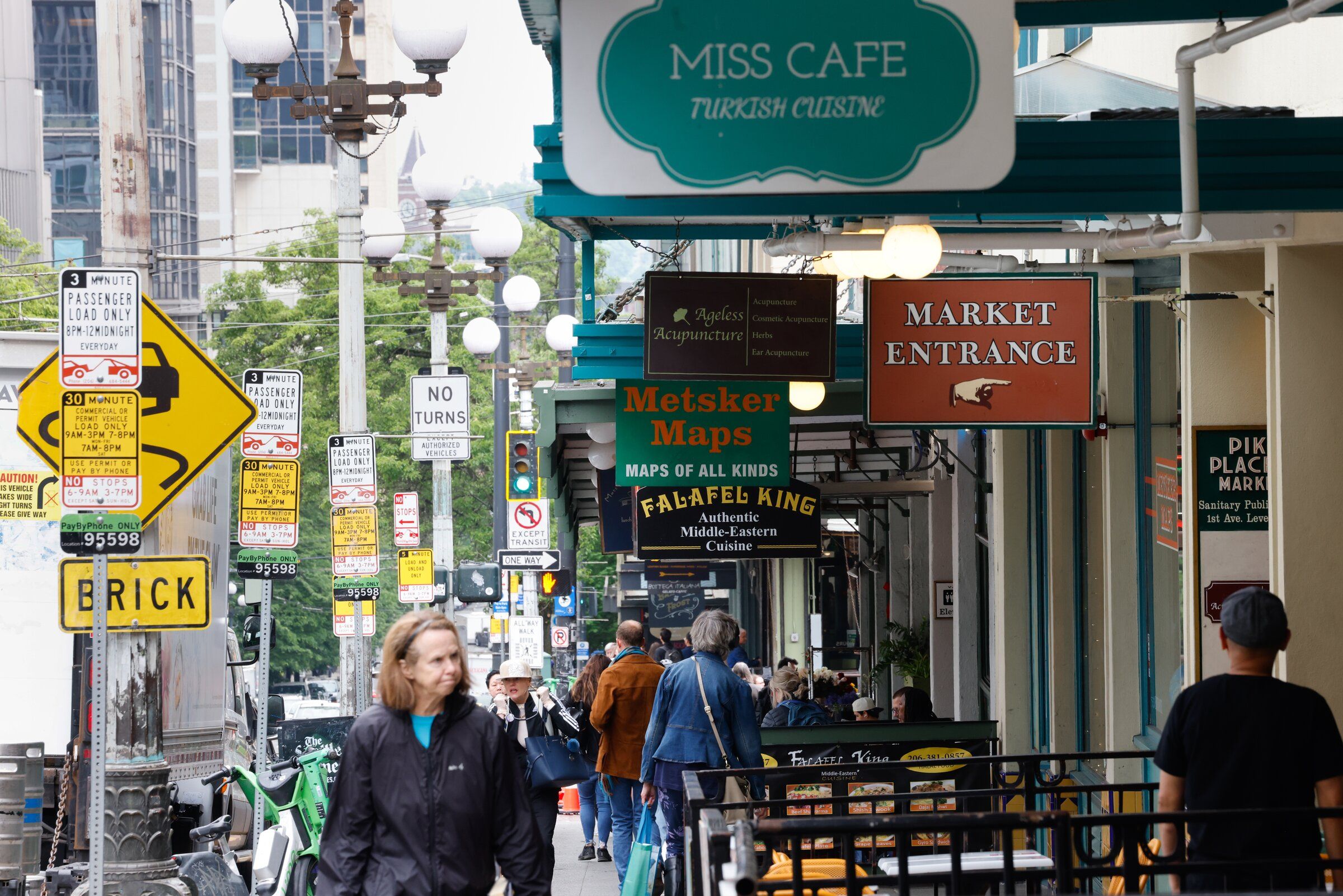
News 30-09-2026
New Light Rail Station Opens in North Seattle
Pinehurst Station, a new $240 million Link stop, opened early Wednesday morning in North Seattle. Located along Interstate 5, it is Sound Transit’s 39th and final station until at least 2031, when a pause is expected following extensive construction of several line extensions throughout the 2020s.
The first passenger was Ann Kang, who walked to the first train at 5:12 a.m. Previously, she had to drive to Northgate Station, where the parking lot was often 80% full by 6:30 a.m. The trip to the University District now takes about nine minutes, while downtown Seattle is 19 minutes away. Residents also have an easier way to reach the airport without a car.
Pinehurst does not have its own parking garage, but sidewalks have been added nearby, along with 30 bike lockers and additional bike racks. The new Metro Route 77 connects the station with neighborhoods along Northeast 130th Street, reducing travel time between Aurora Avenue and Lake City Way from about 45 minutes to 17. The station’s design features a vibrant ceramic mosaic by artist Romson Bustillo, inspired by his Filipino heritage and childhood in Seattle.
The station is currently expected to serve about 1,100 boardings per day. With denser development and further expansion of the light rail system, ridership could grow to between 2,600 and 4,200 people. On opening day, trains remained nearly full with passengers from stations farther north, but only about six people boarded per train at Pinehurst. Transportation analyst Charles Prestrud said the station is unlikely to be busy at first, and its opening raises once again the question of light rail’s primary role: providing fast trips between the suburbs and the city, supporting local travel within Seattle or replacing bus routes.
Future demand will depend largely on development plans for the neighborhood. Seattle intends to allow mid-rise development near the station, which would increase the number of residents within walking distance and could boost ridership. A larger housing supply could also help restrain price and rent increases, but it would not guarantee affordability. The outcome will depend on the pace of construction, affordable-housing requirements and the preservation of existing low-cost homes. If the city plan is overturned or significantly scaled back, the amount of new housing and ridership will likely be lower. The plan is currently being challenged in court.
The station was added to Sound Transit 3 after pressure from local residents and support from City Councilmember Debora Juarez. It opened five years earlier than promised despite the challenges of building along the narrow corridor beside I-5.
The next new station is expected to be Graham Street in South Seattle in the early 2030s. Another station, Boeing Access Road in Tukwila, was approved by voters but has not yet been funded. Voter support secured the project’s place in transportation plans, but did not provide immediate funding. Sound Transit faces rising construction costs, limited tax revenue and long-term obligations, so it must first complete the lines already under construction.
When selecting future projects, the agency considers construction readiness, cost and funding availability, projected ridership, connections to the existing network, pressure on overburdened areas and transportation equity. Boeing Access Road remains in the long-term plans, but its implementation depends on a separate funding source and project prioritization.
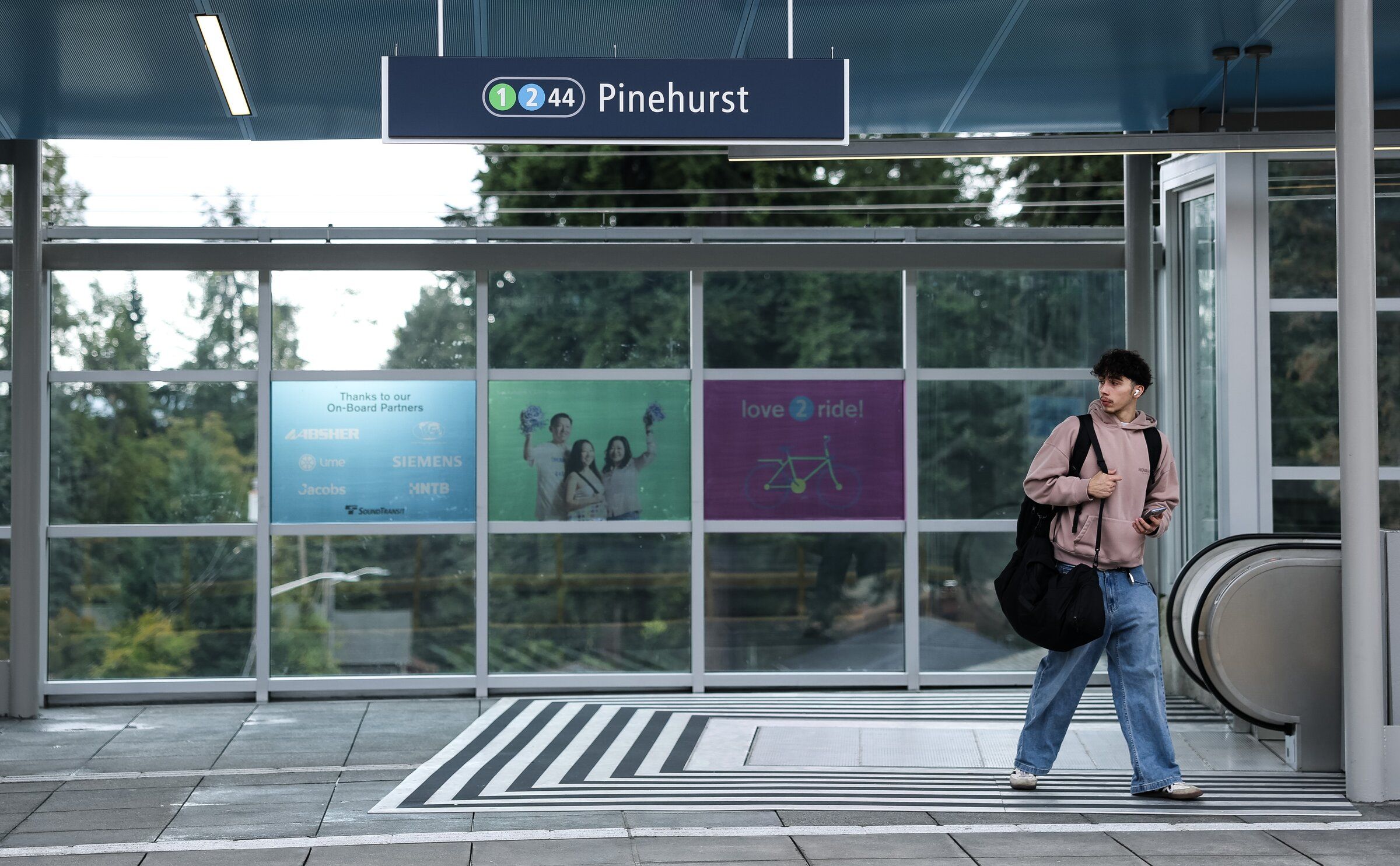
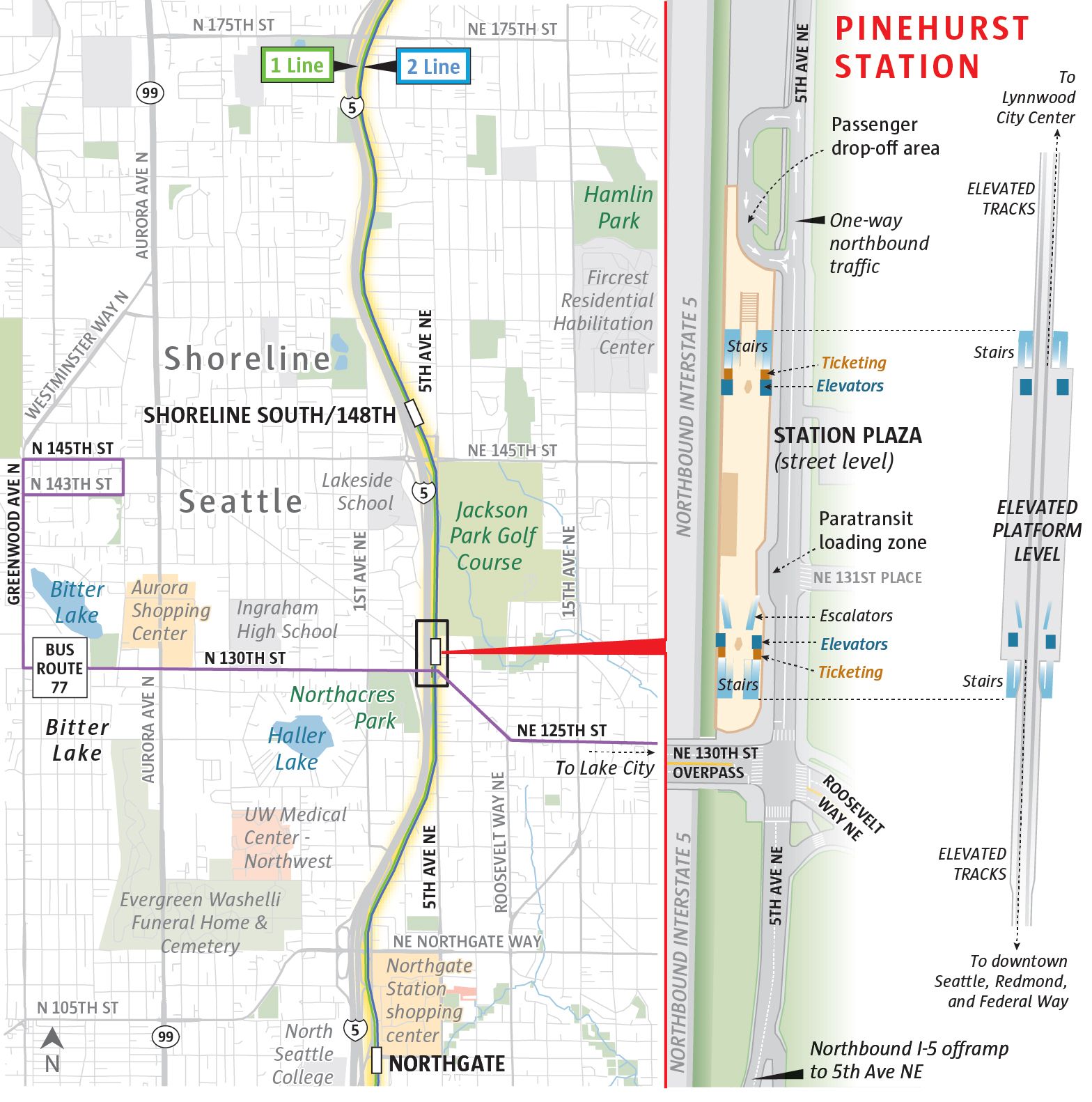
Based on: Pinehurst light rail station opens in North Seattle
Capitol Hill Psychiatric Care Center Won’t Open Before 2027
Plans to create a crisis psychiatric care center in Seattle’s Capitol Hill neighborhood are gradually moving forward. King County completed its purchase of the former Polyclinic building nearly a year ago, but does not expect the center to open before late 2027. Specialists are currently designing the facility and strengthening ties with local residents, businesses, hospitals and emergency services.
The future center will be part of a five-facility countywide network where people can receive urgent care for mental health and substance use issues regardless of their insurance status or ability to pay. The facilities will offer different levels of care, from brief consultations and crisis observation to stays of up to 14 days. The county paid $41.5 million for the 115,000-square-foot building, using funds from a special tax and bond financing. In addition to the crisis center, the building will house a 16-bed inpatient treatment unit and other medical tenants.
The center is intended to serve as a link between emergency services and hospitals. Police officers, paramedics and other professionals will be able to refer people experiencing a mental health crisis or substance-related problems there when hospitalization is not necessary. This will help reduce pressure on emergency departments and allow patients to be directed more quickly to the appropriate care pathway — from short-term observation to transfer to a hospital or specialized program.
Stantec is designing the interiors, and construction is expected to begin in early 2027. Trees around the building have already been trimmed to improve visibility, landscaping has been added, patrols have been increased and some graffiti has been removed. These measures resulted from an analysis using the Crime Prevention Through Environmental Design approach, which seeks to improve safety through thoughtful design and use of space.
The center will be operated by Arizona-based Connections Health Solutions, which already runs a similar facility in Kirkland. Experience at that center has shown the importance of round-the-clock, walk-in access; rapid assessments; and collaboration between mental health and addiction specialists. Close coordination with police, paramedics and hospitals is equally important.
In Capitol Hill, officials plan to adapt these principles to a denser population and higher volume of people. Particular attention will be paid to safe logistics, traffic flow, noise control, coordination with the surrounding community and quickly moving patients to the appropriate next level of care.
A six-member community advisory group meets monthly with officials and participates in developing a safe-operations plan and good-neighbor agreement. Officials emphasize that they will continue informing residents and businesses before the center opens in order to address concerns and build cooperation.
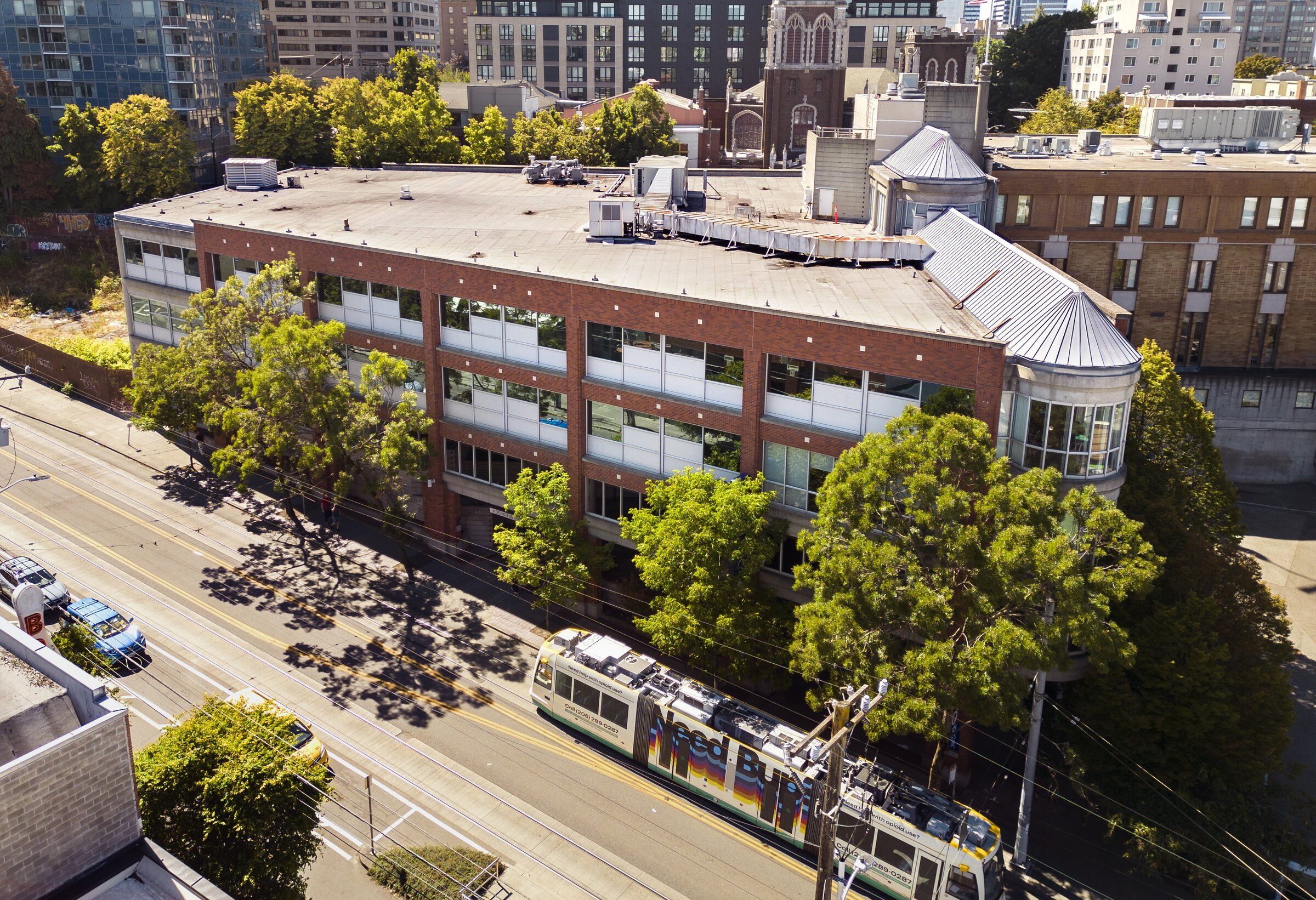
Based on: How King County is preparing for Capitol Hill crisis center’s 2027 opening
Statewide burn ban lifted, but restrictions remain in Seattle and King County
The statewide outdoor burning ban enacted amid extreme fire danger expires at noon Wednesday. It prohibited campfires, the burning of yard waste and debris, land clearing and weed burning, while allowing fires in designated, protected areas. King County, however, has a stricter Level 2 ban in effect that prohibits all campfires, and the Seattle Fire Department is urging city residents to follow those restrictions. Charcoal, natural gas and propane devices are allowed if placed on a noncombustible surface, such as concrete. No end date has been set for the county and city bans.
Although no new fires had been reported as of Tuesday morning, several large fires continue to burn in Washington. The Little Giant Fire northwest of Leavenworth is 91% contained, the Sisi Fire near Stehekin is 15% contained, the Three Queens Fire near Snoqualmie Pass is 33% contained, and the Sinlahekin Fire near Tonasket is 93% contained. According to the coordination center’s forecast, cooler weather and rain will reduce the risk of fire spread in western Washington, but fire conditions remain moderately hazardous in central and southeastern parts of the state.

Based on: WA’s statewide burn ban lifted; Seattle, King County bans still in place
Black-and-White Stories at the Henry
On Saturday, visitors viewed “Totems of Memory,” an exhibition by artist Eric-Paul Riege at the Henry Art Gallery on the University of Washington campus in Seattle. The exhibition, which explores stories and images presented through a black-and-white artistic style, will be on display through Oct. 25.

Based on: Telling stories in black and white at the Henry Art Gallery
Ferguson urges voters to reject ban on transgender athletes
Washington Gov. Bob Ferguson urged voters to reject Initiative 638, which would prohibit transgender girls from participating in girls’ sports competitions in K–12 schools. The initiative, called the “Protect Equality in School Sports Act,” will appear on the November ballot and would apply to both team and individual competitions designated exclusively for female students.
The measure would also require all participants to provide medical confirmation of their “biological sex.” Evidence could include information about reproductive anatomy, genetics or naturally occurring testosterone levels. Ferguson said the measure would not create new opportunities for girls, but would force female students to undergo medical examinations and potentially medical interventions to gain eligibility for competitions.
Transgender students in Washington currently have the right to compete on teams that correspond to their gender identity. This rule is based on the state’s anti-discrimination laws. Its relationship with the federal Title IX law, which guarantees equal opportunities in educational programs, including school sports, remains the subject of a legal dispute. Washington authorities interpret equality as protecting transgender students, while opponents of the current rules argue that Title IX should provide separate athletic opportunities based on biological sex. The final interpretation of federal requirements depends on court decisions and could change as litigation proceeds.
The initiative would change existing rules only for transgender girls, not transgender boys. In school districts, including Seattle, such disputes are generally handled by school or district administrators in consultation with the student and the student’s family. Confidentiality and complaint procedures must be maintained. In interscholastic competitions, the Washington Interscholastic Activities Association and Seattle Public Schools play key roles. If a conflict cannot be resolved locally, it may be referred to state agencies, administrative bodies or a court. A court generally issues the final binding decision, while federal courts may suspend or alter the enforcement of state rules.
Opponents of the initiative include Sen. Patty Murray, the Seattle School Board, the state’s parent-teacher association, several municipalities, representatives of Native tribes and business organizations. Murray called the requirement to verify sex “alarming and completely unacceptable” and said the initiative would neither make children safer nor improve fairness in competitions.
Supporters of the initiative, including the conservative committee Let’s Go Washington, reject accusations that it would require invasive examinations. They say a doctor would only need to confirm an athlete’s sex using existing medical records or patient information.
According to a poll, the measure faces serious challenges: 43% of surveyed voters said they intended to vote for it.

Based on: Ferguson urges voters to reject potential trans girl athletes ban
Seattle: Camera Audit Uncertainty and a 4.2-Magnitude Earthquake
Seattle officials are delaying the publication of an audit of the city’s surveillance cameras, raising questions about transparency and the balance between security and privacy. Meanwhile, a magnitude 4.2 earthquake reminded residents of the Puget Sound region of the area’s seismic threat: the tremor was felt in Seattle, Tacoma, and Everett. No damage was reported, but the event once again drew attention to the need to prepare for more serious earthquakes.
Uncertainty Surrounds Seattle Surveillance Camera Audit: When Will City Hall Release the Results?
Seattle City Hall is once again under scrutiny because of the lack of clarity surrounding the timeline for an audit of the city’s surveillance system. According to FOX 13 Seattle, Mayor Katie Wilson had previously promised to present the results of the CCTV camera audit by late September or early October, but the timeline may now be pushed back. The news matters not only to local residents but also to anyone following the balance between public safety and privacy protection in American cities.
The story seems straightforward at first glance: city officials initiated a review of the street-camera system to assess its effectiveness, legality, and potential risks to civil liberties. The mayor publicly announced a deadline, but bureaucratic or technical difficulties apparently prevented the city from meeting it. There has been no official explanation for the delay, raising questions: did the audit turn out to be more complicated than expected, or does it reflect deeper disagreements within the administration?
What is a CCTV audit, and why is it important? CCTV stands for closed-circuit television—systems used to monitor public spaces. In this context, an audit is not merely a technical check of whether the cameras work. It is a comprehensive review of who has access to the footage, how long recordings are stored, whether notification requirements are being followed, and whether the cameras infringe on constitutional rights. For Seattle, as for many U.S. cities, this is a sensitive issue, as activists have spent years demanding greater transparency in the use of surveillance systems.
The key issue here is political accountability. Katie Wilson, who took office as mayor, has presented herself as a supporter of reform and government accountability. Her promise to release the audit results within a specific timeframe was a signal to voters and civil-rights advocates: we are not hiding problems. Now that the timeline has slipped, trust could suffer. The lack of a clear new deadline only increases the uncertainty. FOX 13 Seattle’s report did not include comments from the mayor’s office explaining the delay, leaving room for speculation.
It is worth noting that such delays are not unusual in municipal government. Auditing a camera system requires coordination among the police department, IT department, attorneys, and community organizations. If violations are uncovered—for example, unauthorized access to footage or retention of recordings longer than permitted—additional reviews and even personnel decisions may be necessary. In that case, a pause could be justified, but only if officials explain the reasons honestly.
For Seattle residents, this story is a test of transparency. Surveillance cameras are becoming an increasingly common tool, and the question is not whether they are needed but how they are regulated. If the audit is delayed indefinitely, the city risks facing growing distrust and demands for an independent investigation. For now, residents must wait for official statements and watch to see whether the mayor keeps her promise, even if belatedly.
Magnitude 4.2 Earthquake Reminds Seattle Residents They Live in a Seismic Zone
On Tuesday afternoon, Washington state’s western coast experienced an earthquake that, although it caused no damage, once again drew attention to the region’s seismic activity. The epicenter was near the boundary between Kitsap and Pierce counties, and residents of Seattle, Tacoma, and Everett felt the tremor.
According to the U.S. Geological Survey, the magnitude 4.2 earthquake occurred at approximately 2:05 p.m. local time several miles northwest of Gig Harbor. Initial magnitude estimates ranged from 4.0 to 4.3 but were later revised. The earthquake originated at a depth of about 17 miles, which is typical of crustal earthquakes in the region. As reported by The Seattle Times, the tremor felt like light shaking in Seattle, Tacoma, and Everett, while some witnesses described it as a sharp jolt. Issaquah resident Jan Kopp said she felt “one strong jolt, and the water in my glass splashed once.” Dennis Matthews of Manchester in Kitsap County compared the sensation to being hit in the back of his chair while sitting and reading.
Harold Tobin, director of the Pacific Northwest Seismic Network, said small aftershocks were possible, but the likelihood of a larger earthquake remained low. He said the event was a reminder that “we live in earthquake country” in the Pacific Northwest. “There is a possibility of a damaging earthquake, but this is not it,” the seismologist emphasized. The U.S. National Tsunami Warning Center said there was no tsunami threat in the Seattle area. Sound Transit reported that light-rail trains were forced to share one track at Angle Lake Station because of the seismic activity.
Preliminary data indicated that the tremor occurred along the Tacoma Fault, one of many faults in the Puget Sound region. The fault runs in an almost straight east-west line for about 35 miles between Kent and Union, passing through Vashon Island. Around 3 p.m., the Pierce County Department of Emergency Management said it had received no reports of damage or other impacts. On the U.S. Geological Survey scale, a magnitude 4.2 earthquake produces moderate shaking and potentially very minor damage.
The event was the fourth-strongest earthquake in Washington state over the past decade. By comparison, a magnitude 4.6 earthquake occurred near Monroe in July 2019; a magnitude 4.5 tremor was felt near the San Juan Islands in March 2025; and a magnitude 4.3 earthquake occurred near Port Townsend in October 2023. Magnitude is a logarithmic measure of the energy released by an earthquake; each one-unit increase represents roughly a 32-fold increase in released energy. A depth of 17 miles means the hypocenter was within Earth’s crust rather than at the boundary between tectonic plates, which is characteristic of many local faults. A fault is a fracture in Earth’s crust along which rocks move; the Tacoma Fault is one of several active faults in the densely populated Puget Sound region. Aftershocks are smaller tremors that follow the main earthquake and gradually diminish over time.
The key takeaway is that, despite the lack of damage, the event highlights the continuing seismic threat to the U.S. Pacific Northwest. The region lies within the Cascadia Subduction Zone, where earthquakes of magnitude 9 or greater are possible, and even moderate tremors serve as reminders of the need to be prepared. Tobin’s quote makes the point clearly: the current earthquake was not a catastrophe, but it illustrates the reality in which millions of people live. The effects on infrastructure, such as light rail, and on public perceptions of risk remain significant even when a particular incident causes no casualties or destruction.
Magnitude 4.2 Earthquake Near Port Orchard Scares Seattle Residents and Evokes Nisqually
On Tuesday afternoon, residents across the Puget Sound region felt the ground shake beneath their feet. The epicenter of the magnitude 4.2 earthquake was near the small community of Vaughn, close to Port Orchard, but the shaking was felt not only there but also in Seattle, Bremerton, Tacoma, Olympia, and Issaquah. According to the U.S. Geological Survey, the tremor occurred at about 2:05 p.m. local time roughly 10 miles north-northeast of Port Orchard, with its focus at a depth of approximately 16.7 miles. Although the event was classified as weak, it generated a notable public response: more than 6,000 people reported feeling the shaking, with most describing the intensity as “weak” or “light,” according to MyNorthwest.
Witness accounts portray an instantaneous but frightening event. Taylor Van Sise, an air-quality communications manager at the Washington State Department of Ecology, was in Lacey when she felt the tremor. “I felt it as if someone had pushed my chair, and then someone got angry in the coffee shop behind me,” she told KIRO Newsradio. “I stuck my head out of my office door and saw about 10 other people doing the same thing. All these heads started poking out and looking around. ‘Did we all feel that?’ And indeed, we did.” Van Sise also drew a comparison with a more serious event: “Many of us here probably remember what happened in 2001 with the Nisqually earthquake. This wasn’t nearly as bad, but it certainly was noticeable and interrupted the workday.” Her comments convey an important detail: for residents of a seismically active region, the event was a reminder of how fragile everyday routines can be, even though it caused no damage.
Maxine Frost, the wife of KIRO Newsradio news director Frank Lenzi, experienced the earthquake at home and described it much more dramatically. “It was a combination of massive shaking along with this sound like a deep growl; it was terrifying,” she said. “I thought a helicopter was landing on the house, or maybe a huge truck was pulling into our driveway, but the street was empty. Well, it must be an earthquake—what else could it be? Yes, it really was an earthquake. I wasn’t losing my mind.” Asked about damage, she said: “Nothing really fell, but everything was rattling above me. That’s why I thought something was landing on the roof. I could hear the ceiling fan rattling; the bed was shaking. I was sitting on the bed, and it felt like being on a ship. It lasted about seven seconds, and I was trying to figure out what I would do if the roof collapsed or something like that.” Her account vividly illustrates how even a relatively weak earthquake can feel like a threat, especially when sound and vibration intrude upon an ordinary home setting.
According to official assessments, the U.S. Geological Survey determined that the likelihood of fatalities and damage was 99% unlikely. The agency estimated that approximately 5.2 million people lived in areas that experienced “weak” shaking, with Seattle accounting for a significant share—more than 3.4 million people. The USGS also issued an aftershock forecast: a 37% chance of a magnitude 3 or greater tremor during the following week and an 8% chance of a magnitude 4 or greater event. These figures are important for understanding that seismic activity can continue after the main event and that residents should remain alert, although there is no reason for panic.
The earthquake also affected transportation infrastructure, albeit temporarily. In response to the seismic activity, Sound Transit’s Line 1 trains began using a single track at Angle Lake Station until further notice, and all trains would serve passengers on the Federal Way Downtown platform. The decision demonstrates how even moderate tremors prompt precautionary safety measures and serves as a reminder that seismic risks in the region require constant preparedness.
Overall, the event was not a catastrophe, but it highlighted several key points. First, Puget Sound residents live in an area of heightened seismic risk, and even a magnitude 4.2 earthquake can trigger a broad public response and disrupt normal routines. Second, the speed with which thousands of people reported the shaking underscores the effectiveness of modern data-collection systems and the importance of public participation in monitoring. Third, memories of the 2001 Nisqually earthquake remain vivid in the collective memory, shaping how people perceive any underground tremor. Finally, the response from transportation agencies shows that preparedness for seismic events is built into operational protocols, helping reduce risks and maintain calm. For the region, it is another reminder of the need to be ready for more serious challenges, which history shows will eventually occur.
News 29-09-2026
Elk Unexpectedly Appears at Cannon Beach Wedding
A large bull elk unexpectedly attended a wedding on the Oregon coast Saturday. The animal jumped over the fence surrounding a private venue in Cannon Beach before the ceremony began, calmly walked across the lawn toward the reception tent and peeked inside, surprising guests and catering staff. Photographer Dan Rice filmed the scene from a safe terrace; by Monday, the video he posted had received about 765,000 views on Instagram. According to the photographer, no one was hurt, and the elk soon left the property on its own and headed back toward the street.
The animal’s appearance became a humorous episode for the wedding party, but such encounters are not unusual in Cannon Beach. Roosevelt elk are North America’s largest elk; bulls can weigh up to 550 kilograms. In December, a herd was spotted on the city’s streets during a small “migration,” and in the spring, the City Council discussed how to regulate the animals’ presence within city limits. According to Rice, the venue’s owner takes a philosophical view of the situation: local residents have to put up with elk and even give up planting certain varieties in their gardens because the animals quickly eat them.
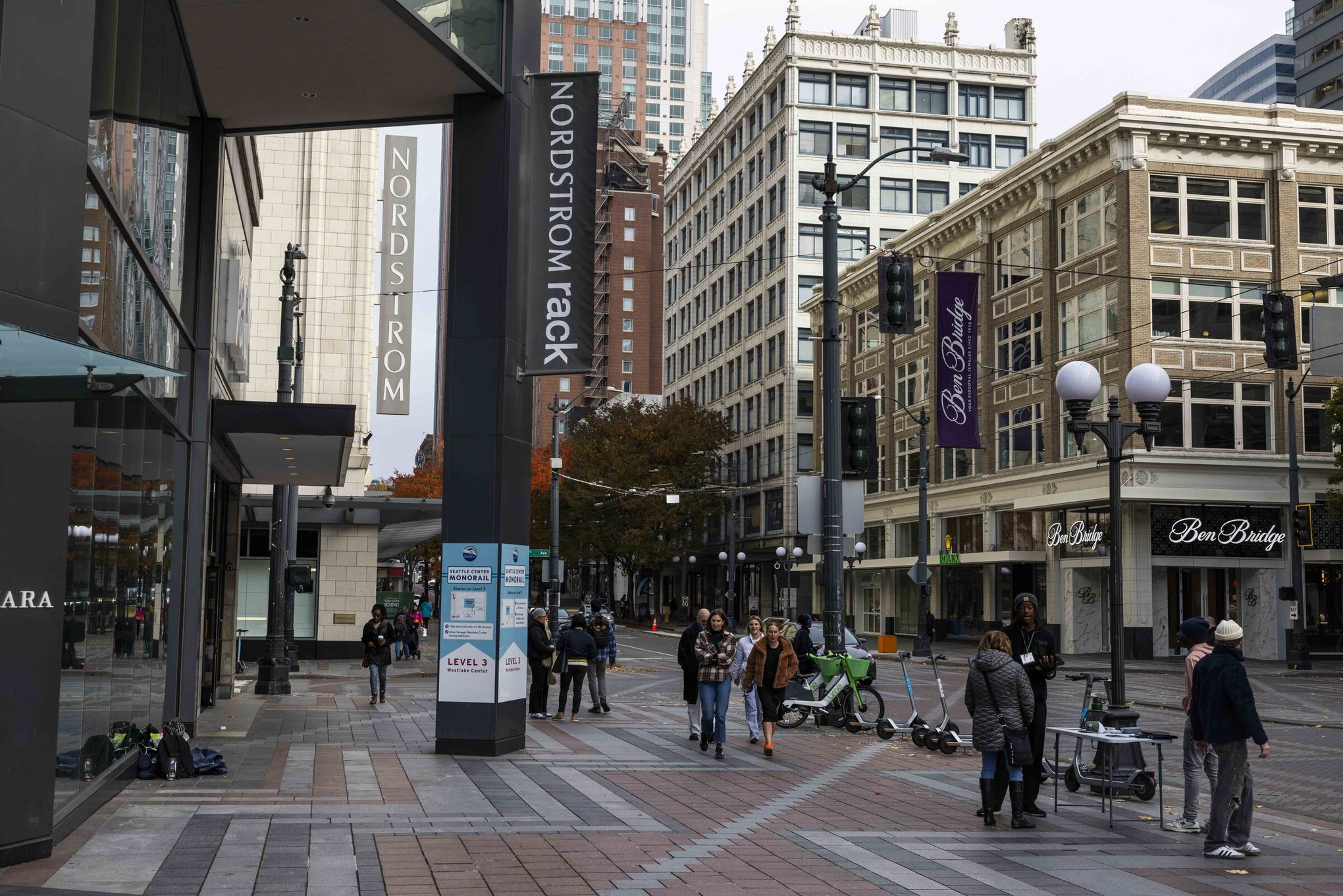
Based on: Elk crashes Cannon Beach wedding in viral video
Rainy, Windy Start to a Cool Fall Week in Seattle
The week in Seattle will begin with rain and gusty winds: the city could receive about 13 millimeters of precipitation Tuesday, while wind gusts reach 40–56 km/h. According to National Weather Service meteorologist Matthew Cullen, the strongest winds are expected before the afternoon, then will gradually weaken. A high-wind warning is in effect for the San Juan Islands and western Whatcom County. Up to 76 millimeters of rain will fall along the coast and in the mountains, while gusts north of Seattle, around Everett, could reach 48–56 km/h.
The weather will then improve noticeably. Wednesday, Thursday and Friday mornings may be foggy, cool and cloudy, but sunshine will emerge in the afternoon; temperatures will rise to around 16–18°C, reaching 18–19°C on Friday. The weekend promises to be especially pleasant, with more sunshine and highs around 20–21°C. It will be an ideal time for walks among the fall foliage.
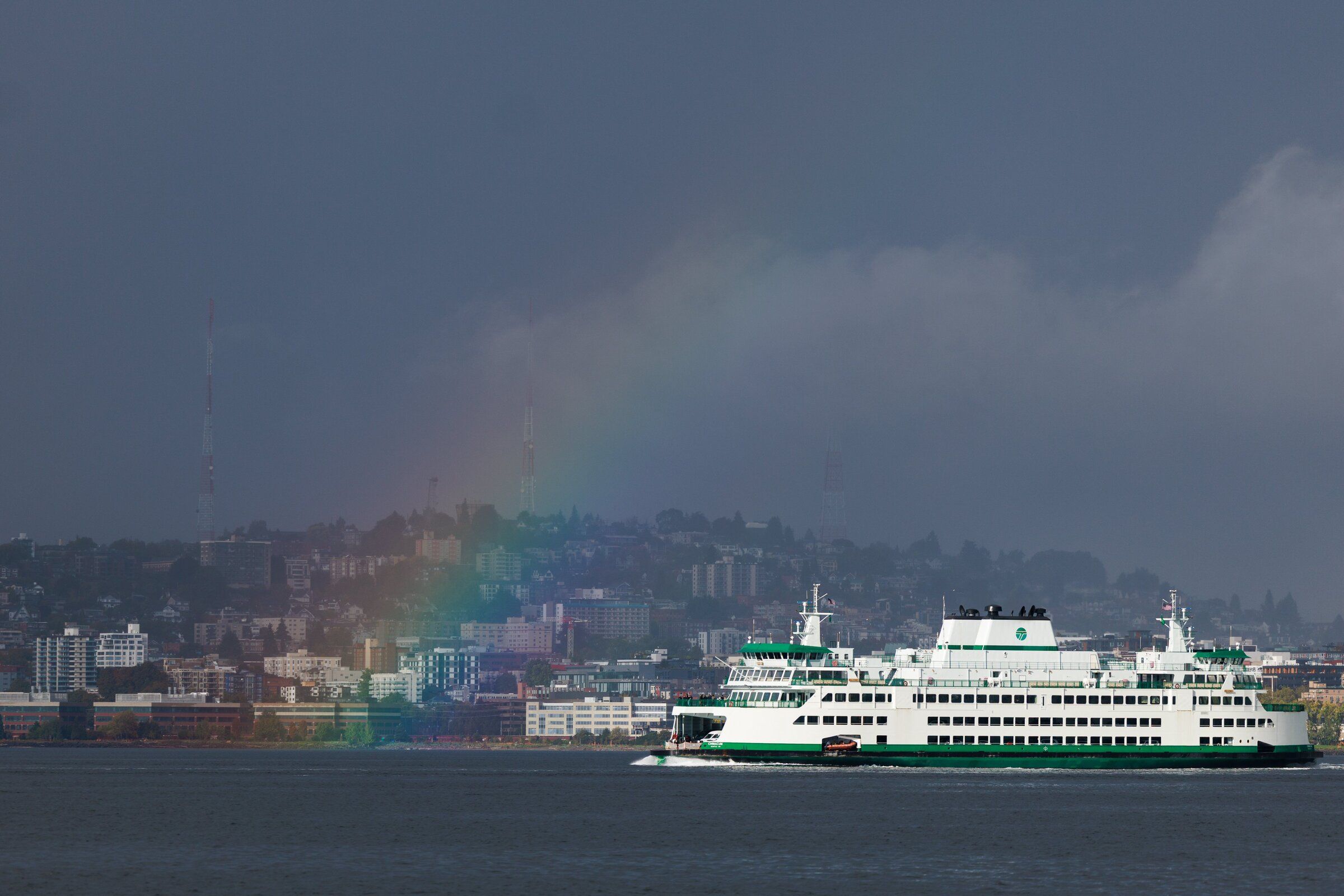
Based on: Seattle weather: Rainy, gusty weather kicks off a cool fall week
Bright art crosswalks aim to improve safety in Bellevue
Bellevue has added four pedestrian crossings featuring colorful floral and geometric patterns. The city launched the “Creative Crosswalks” project to determine whether more visible markings encourage drivers to slow down and help pedestrians feel safer. The artworks were installed at intersections with the highest numbers of vehicle and pedestrian crashes: 106th Avenue NE and NE 10th Street, 132nd Avenue NE and Bel-Red Road, 124th Avenue NE and NE 8th Street, and 164th Avenue NE and NE 24th Street.
At each intersection, only one crosswalk was decorated, while the others were left conventional to allow for comparisons. A 2022 study of 17 sites across the United States found that asphalt art reduced crashes involving pedestrians, bicyclists and other vulnerable road users by 50%, while total crashes fell by 17%. Bellevue’s roughly $250,000 project will also examine how easy the surfaces are to maintain and how residents respond to the new designs; the evaluation will continue through 2027.
The designs were created by regional artists Nikita Ares and Kenji Hamai Stoll. Ares’ work, installed at two crosswalks, uses six colors and draws inspiration from local children’s artwork, the Pacific Northwest landscape and her childhood in the Philippines. The images were printed on square thermoplastic sections, then melted and bonded to the asphalt. Bellevue studied projects in Seattle, Denver and Olympia; the project was funded in part by a federal grant and the city’s arts and culture support program.


Based on: Bellevue’s most dangerous intersections get a colorful upgrade
Seattle Ranks Among the World’s Top Four Cities
According to the Global Cities Index 2026, compiled by Oxford Economics, Seattle ranked fourth among 1,000 cities worldwide, behind New York, London and Paris. The city received a score of 92.8 out of 100, ahead of San Francisco, Tokyo and Zurich. The ranking evaluates the economy, human capital, quality of life, environment and governance.
Seattle’s greatest strength was its economy, which ranked fourth in the world. In 2025, the metropolitan area, with a population of about 4.2 million, generated approximately $632 billion in GDP, or about $152,000 per resident. The region’s stability is supported by a combination of technology companies Microsoft and Amazon, aerospace giant Boeing, and major brands including Costco, Starbucks and Nordstrom. Seattle ranked 22nd worldwide and second among U.S. cities for quality of life, helped by high incomes, cultural institutions and its natural surroundings — Puget Sound, Lake Washington and Mount Rainier.
At the same time, the report points to the city’s challenges: inequality, high housing costs, elevated property-crime rates, and the risk of flooding and extreme weather events. Seattle ranked only 47th in human capital, while immigration restrictions could harm its international technology sector. Governance was its weakest category, at 198th place. However, all U.S. cities received this position because of instability in federal policy, rather than the performance of Seattle’s local government. Overall, the authors believe the world’s leading cities share the ability to attract people from around the globe, support culture, make urban environments more convenient and adapt more quickly to change.
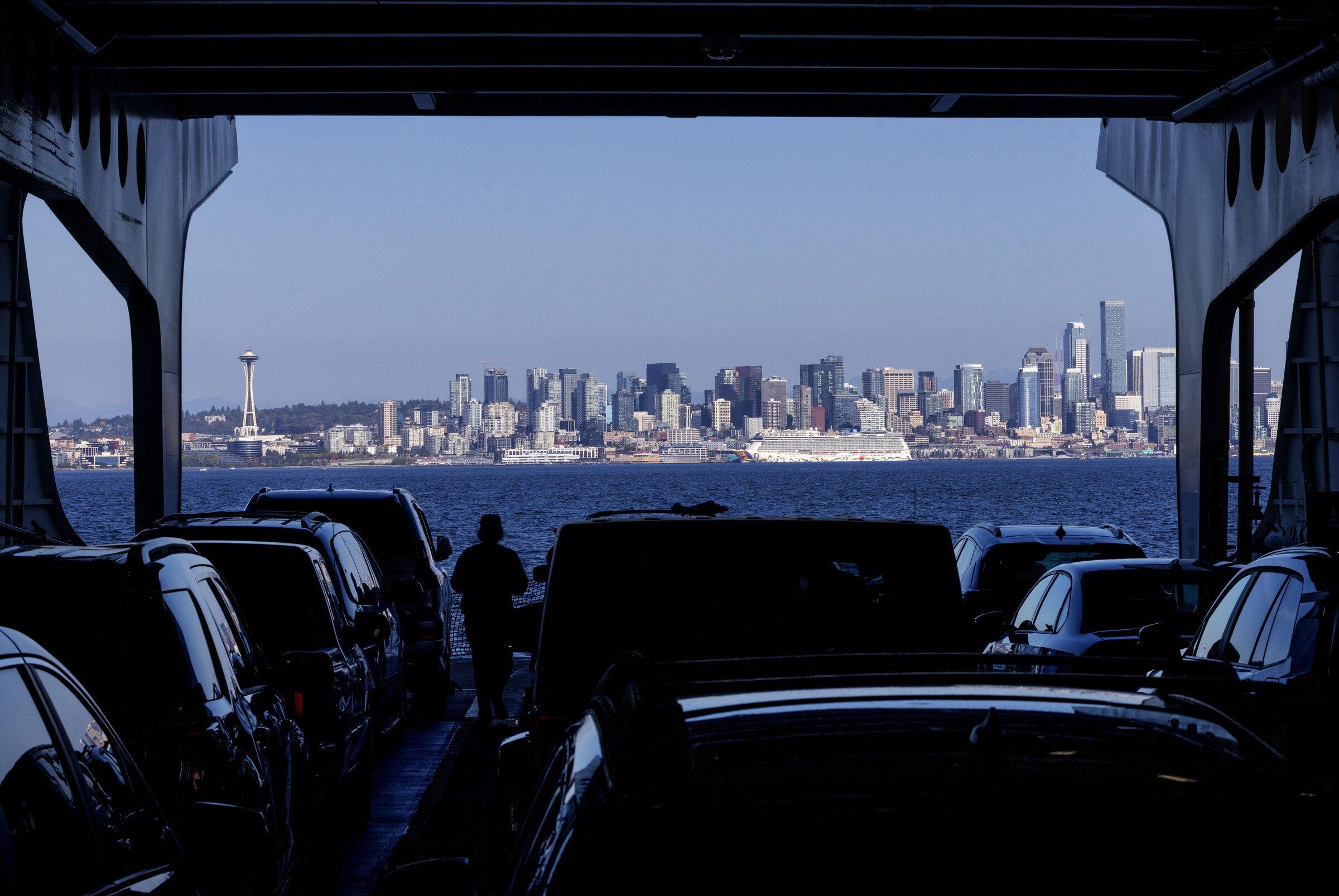
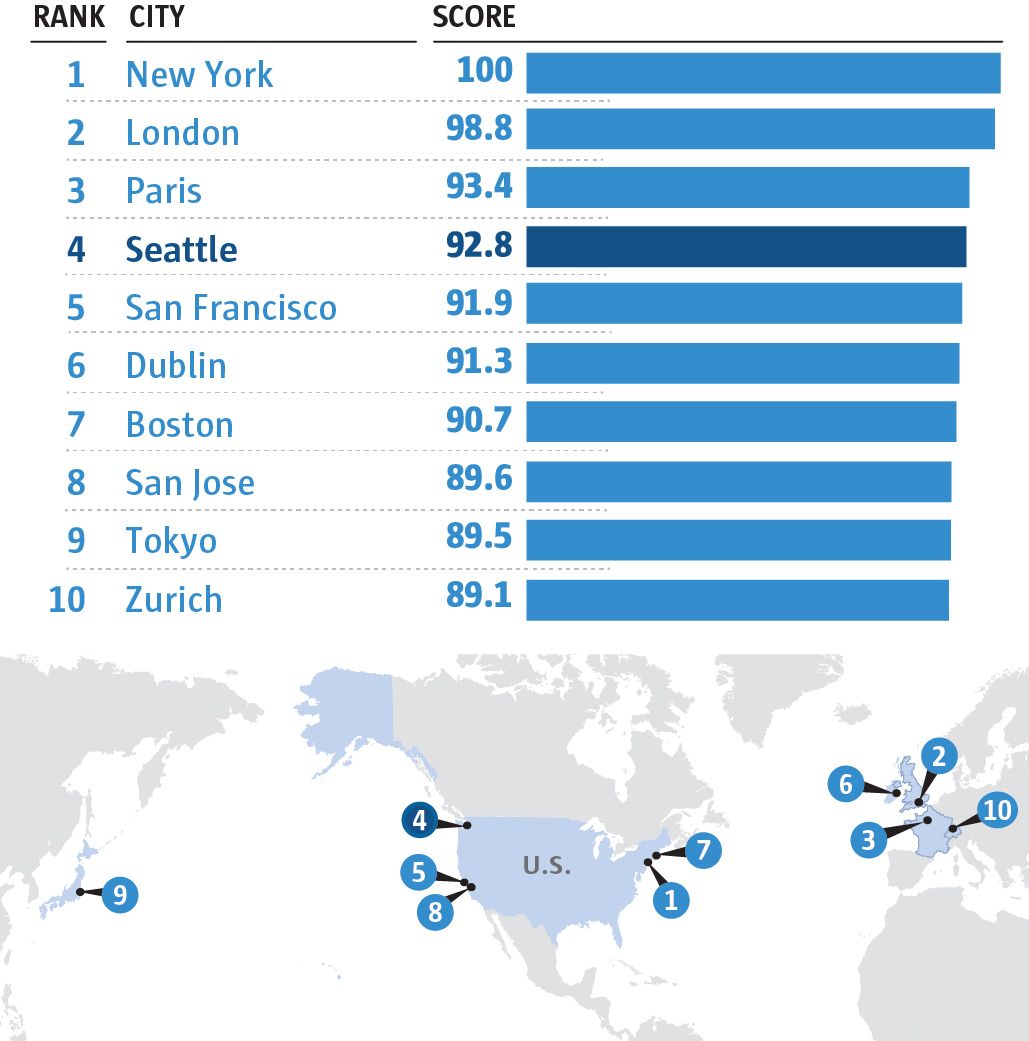
Based on: Seattle ranks fourth among world’s top cities in new report
New mRNA Flu Vaccine Arrives in Washington State
At Othello Station Pharmacy in South Seattle, a familiar fall scene—pharmacist Ramla Abdi giving Greg McMurtry Jr. a flu shot—takes on a different meaning this year. Washington state is beginning to roll out mFlusiva, the first seasonal flu vaccine in the United States based on messenger RNA. The Moderna vaccine is authorized for people 50 and older, but its availability will vary: The state has already designated it as a preferred option for older adults, while it is not yet included in the free vaccine program for uninsured adults.
The U.S. Food and Drug Administration approved mFlusiva on Aug. 5, just as pharmacies and clinics were beginning to prepare for the fall vaccination campaign. The new vaccine is designed to protect against three flu strains: two type A viruses and one type B virus. It is the first licensed flu vaccine in the country to use mRNA technology, which millions of Americans became familiar with through COVID-19 vaccines.
Conventional vaccines are most often made by growing the virus in chicken eggs and then inactivating it. This is a proven approach, but it takes time, and the growing process can slightly alter the viral protein that the immune system is supposed to learn to recognize. mFlusiva contains instructions—mRNA packaged in lipid particles—that temporarily direct cells to produce the necessary viral protein. This approach does not depend on eggs and could potentially allow the vaccine’s composition to be updated more quickly as the constantly evolving flu virus changes.
There are concrete reasons for interest in the vaccine, although they do not justify calling it a miracle treatment. In an international Phase 3 study involving 40,805 people over 50, mFlusiva was 26.6% more effective than a standard-dose conventional vaccine at preventing laboratory-confirmed influenza-like illness. But the comparison was with a standard shot, not with enhanced vaccines that have long been recommended for older adults.
This is where an important qualification begins. For people ages 50 to 64, the vaccine received standard approval. For those 65 and older, it was authorized through an accelerated process: Federal regulators considered the immune-response data encouraging but required the manufacturer to conduct an additional comparative study against one of the enhanced vaccines already preferred for this age group. Doctors and patients have a new option, but not a final answer to whether it outperforms the best existing choices for the oldest adults.
The Washington State Department of Health nevertheless included mFlusiva among its preferred flu vaccines for people 65 and older, alongside Fluzone High-Dose, Fluad and Flublok. For everyone else, the principle remains the same: Annual vaccination is recommended for everyone 6 months and older unless there is a medical contraindication. Deborah Fuller, a professor of microbiology at the University of Washington, called the new technology a significant step forward, but emphasized a simpler truth: An available vaccine given on time is better than waiting for the perfect one.
The path from a regulatory decision to the counter of a particular pharmacy, however, has been uneven. In August, the state told health care providers that mFlusiva was expected to become commercially available during the current season, but it was not yet included in the Washington Adult Vaccine Program, which supplies participating clinics with free vaccines for uninsured adults. Even where the vaccine can be ordered, availability depends on supplies and on decisions by individual pharmacy chains, clinics and insurance plans.
Federal policy adds another layer of uncertainty. The Centers for Disease Control and Prevention kept its existing flu recommendations for the 2026–27 season and did not issue separate guidance on mFlusiva; the work of the Advisory Committee on Immunization Practices has been affected by legal disputes surrounding reforms to federal vaccine policy. Washington state, by contrast, chose not to wait: The new mRNA vaccine is already included in its recommendations. For someone visiting a pharmacy in the fall, that means a practical choice best discussed with a doctor or pharmacist—not a reason to postpone protection until bureaucracy has fully caught up with science.

Based on: Questions remain around WA rollout of new flu vaccine
Digest: Fighting Food Waste and the Commanders’ Triumph
Washington is launching Food Waste Prevention Week with dozens of events across the state, while the Commanders pulled off a stunning 33–31 victory over reigning Super Bowl champions the Seahawks, thanks to Marcus Mariota’s performance and a decisive interception by backup K.J. Henry.
Food Waste Prevention Week in Washington: How the Region Is Learning Not to Throw Food Away
From September 28 to October 4, 2026, Washington state is once again holding Food Waste Prevention Week—an initiative that has grown from a local environmental event into a full-fledged public campaign with dozens of events across the state. Unlike many “green” initiatives that are limited to appeals and slogans, organizers here are focusing on practical action: cooking workshops, bar trivia, farm work, and advice on how to save money on groceries while reducing pressure on landfills and the climate. The list of venues—from Bellingham in the north to Spokane in the east—shows that the issue is viewed not as a metropolitan pastime but as a regional challenge involving cities, counties, nonprofits, and businesses.
The campaign’s central message is simple and therefore persuasive: throwing away food is not only unethical in the face of food insecurity, but also economically wasteful for every household. Organizers are directing residents to UseFoodWell.org and FoodWastePreventionWeek.com, where resources and schedules are available. The fact that the campaign uses everything from brewery trivia nights and farmers markets to Zoom webinars shows an effort to reach as many different audiences as possible—from students and bar patrons to gardeners and retirees.
The week’s program is divided into several thematic areas. The first is educational and recreational. In Bellingham, local organization Sustainable Connections is holding a food-waste trivia night at Ono Kitchen & Bar on September 28, lowering the barrier to entry for people who have never thought much about environmental issues: they can learn about the problem over a beer in a relaxed atmosphere. In Renton, on September 29, the city’s sustainability and solid-waste department will be at the farmers market at 253 Burnett Ave. S., explaining how to store food properly and plan purchases so that groceries are not thrown away a day after they are bought. In Tukwila that same day, a two-hour class titled “How to Reduce Food Waste and Save Money” will take place at the community center at 12424 42nd Ave. S. The emphasis here is on direct financial benefits, which is especially relevant for lower-income families.
The second area is practical assistance for people in need. On September 30 in Carnation, at Oxbow Farms at 10819 Carnation Duvall Rd NE, Harvest Against Hunger is holding “Gather & Glean: A Field Day for Hunger Relief”—a day devoted to harvesting food that would otherwise remain in the fields. This is a classic example of gleaning: collecting surplus farm produce for distribution through food banks. The model addresses two problems at once: it reduces the amount of food sent to composting facilities or landfills and provides fresh food to people who cannot afford to buy it.
The third area is Spokane County, where the regional solid-waste system has organized several activities. On September 29, an educational booth at the Fairwood farmers market will feature themed games and distribute waste-reduction materials. On October 3, an educational display will appear at Fall Fest in Riverfront Park in downtown Spokane. An online video about the campaign’s partners will also be available throughout the week, with advance registration.
Finally, the fourth area consists of virtual events, allowing people who cannot attend in person to participate. At 7 p.m. Pacific time on September 30, Pierce County will host a Zoom webinar titled “No Scrap Left Behind” as part of the Earth Matters series. At 1 p.m. that same day, Second Harvest Inland Northwest and Move for Hunger will hold “Food Rescue by the Truckload,” a webinar about rescuing food through logistics and transportation.
What lies behind these events in a broader sense? Food Waste Prevention Week is part of a nationwide American initiative linked to similar campaigns held across the country with support from the U.S. Environmental Protection Agency. The September 28 launch date also coincides with the United Nations’ International Day of Awareness of Food Loss and Waste. The distinction between “loss” and “waste” may seem subtle to the uninitiated, but it is important: food loss refers to food lost during production, harvesting, processing, and transportation—in other words, before it reaches stores—while food waste refers to food discarded by retailers, restaurants, and households. Washington’s events focus primarily on the second category, although the gleaning event in Carnation also addresses the first.
Another concept that may be difficult for newcomers to grasp is the “food recovery hierarchy,” which implicitly underpins the campaign’s entire approach. According to this model, the best option is not to produce surplus food in the first place. The next-best option is to give surplus food to people in need, followed by feeding it to animals, processing it into compost or biogas, and only as a last resort sending it to a landfill or incinerator. That is why the program places so much emphasis on both prevention—through purchase planning and proper storage—and redistribution through groups such as Harvest Against Hunger and Move for Hunger, rather than focusing solely on composting. Composting is often viewed as a cure-all, even though it ranks much lower in the hierarchy.
The scale of the problem organizers are trying to address is enormous. Federal estimates suggest that roughly one-third of all food produced in the United States is wasted, representing hundreds of billions of dollars in losses, additional methane emissions from landfills, and a worsening hunger crisis. The decomposition of food waste in landfills is a major source of methane, a greenhouse gas with a far stronger short-term impact than carbon dioxide. Local campaigns like Washington’s are therefore not merely charitable efforts but also part of municipal climate policy.
It is significant that organizers are not limiting themselves to a single week or building the program around isolated publicity stunts. Events are spread across cities and counties, include online formats, and rely on long-term partnerships among cities, county waste-management agencies, nonprofits, and local businesses. This approach offers hope that the habit of not throwing away food will last longer than seven days. For Washington residents—and perhaps for other regions that adopt the model—the week’s main practical lesson is this: reducing food waste is not a sacrifice but a form of savings available to everyone, whether they live in Spokane, Bellingham, or attend a webinar from home.
Mariota, Stiles, and Medrano: How Washington Beat the Reigning Super Bowl Champions
Sometimes a football game becomes a small parable about how experience and composure can matter more than speed and youth. That is exactly what happened in Washington, where the Commanders hosted the Seattle Seahawks—a team that only recently had lifted the Lombardi Trophy. The Burgundy and Gold opened their 2026 home season with a 33–31 victory, their fifth consecutive win in five recent home openers. On paper, it looked like an ordinary week of the regular season. In reality, it was a night when a backup quarterback became a leader and young defenders became heroes.
The main question hung over the team even before kickoff: starting quarterback Jayden Daniels was unable to play, leaving Marcus Mariota with responsibility for the offense. Head coach Dan Quinn had repeatedly said publicly that he had complete faith in the veteran, and that confidence was more than a polite formality. Mariota truly became the pivot around which the team rallied. His experience, leadership, and relationships within the locker room made the offense not merely functional but genuinely dangerous. In his postgame press conference, he offered a concise phrase: “We didn’t blink.” Those words summed up an entire performance—calm, calculated, and at times inspiring.
Mariota did not try to be a hero in the wrong sense of the word. He made quick, intelligent decisions, favoring short passes over risky throws into traffic. At the same time, he was not afraid to show off his arm, finding Terry McLaurin on deep passes and threading the needle on short routes. And although age no longer allowed him to outrun everyone on the field, the veteran gained crucial yards with his legs. The defining moment came late in the game, when Washington was clinging to a two-point lead. On third-and-seven, Mariota fooled the defense, kept the ball, and ran for nine yards—after which the team only had to take a knee. It was not just impressive but smart football: he took away Seattle’s last hope.
The statistics underscore the scale of the performance. Mariota completed 19 of 31 passes for 183 yards, with no interceptions and three touchdowns. It was his first three-touchdown game since Week 8 of the 2022 season. He did it against a Seattle defense that had been allowing an average of just 8.5 points per game before kickoff. Scoring 33 points against the reigning Super Bowl champions was a statement that could not be ignored.
But Mariota was not the only reason for the victory. Two young defenders—linebackers Sonny Styles and K.J. Henry—operated in the quarterback’s shadow. Their play formed the foundation that allowed the offense to remain confident. Styles and Henry did more than perform the dirty work: they set the tone, stopped the run, pressured the opposing quarterback, and prevented the Seahawks from finding a rhythm. In modern football, linebackers often remain outside the headlines, but in this game their energy and precise reads allowed Washington to protect its narrow lead late. When the champions’ offense tried to mount a comeback, the Commanders’ defense built a wall.
For readers unfamiliar with the details of American football, a few explanations may help. “Third-and-seven” means that a team must gain seven yards for a first down on that play; if it fails, it will have to give the ball to the opponent. In that situation, a quarterback can either pass or run, and Mariota chose the latter—a surprising decision because the veteran is not generally considered a running threat. “Three touchdowns” here means three touchdown passes, each worth six points, followed by an extra-point attempt. An “interception” occurs when a defender catches a pass thrown by the quarterback, instantly changing possession. Throwing no interceptions in such a tense game is a sign of exceptional discipline.
The main conclusion from the game is straightforward: Washington did not merely defeat a strong opponent; it showed that the team has depth and character. Mariota proved he can be more than a temporary replacement—he can be a full-fledged offensive leader. Styles and Henry showed that the young defense is ready to accept responsibility in decisive moments. Perhaps most importantly, the Commanders preserved their winning home-opening tradition, which now stretches to five consecutive games. In a season when every victory is precious, this start could prove to be more than a pleasant episode—it could be the foundation for something bigger.
Washington Beats Seattle on Backup’s Interception, Ending Seahawks’ 12-Game Winning Streak
In Sunday’s game, which fans in Landover, Maryland, will remember for a long time, the Washington Commanders edged the Seattle Seahawks 33–31. It was a genuine thriller, with on-field drama intertwined with frightening events away from the action. Two quarters before the decisive moment, Washington linebacker Leo Chenal was taken off the field on a medical cart after suffering a scary neck injury. His teammates left the sideline and surrounded him while doctors provided assistance. After the game, head coach Dan Quinn said Chenal was in the hospital but had retained feeling in his extremities, and that the team was thinking of him.
Against that backdrop, backup linebacker K.J. Henry made perhaps the most important interception of his career. He returned Sam Darnold’s intercepted pass 50 yards for a touchdown with 3:57 remaining, giving the home team a 33–24 lead. The play capped a dominant defensive stretch by Washington, which forced Seattle into three turnovers in the home opener. “One interception turns into two, two turns into three. The ball just keeps falling into our hands,” Henry said. “It’s momentum. We’re hunting the ball—that’s what our defense does.”
The Commanders entered the game without linebacker Frankie Luvu, who was sidelined with a groin injury. Chenal started but was injured late in the second quarter. Despite that, rookie Sonny Styles also recorded an interception, and Henry delivered the knockout blow. Interestingly, a celebration penalty after the interception moved the extra-point attempt back to the 15-yard line, and Drew Stevens missed, giving the Seahawks an opening. Darnold immediately found Jaxon Smith-Njigba on three consecutive completions, then his seven-yard touchdown pass to Cooper Kupp cut the deficit to two points with 2:51 remaining.
Washington had converted only one of its previous 11 third-down attempts, but it managed to turn the tide on its final possession. Rashaad White stunned Seattle’s defense on third-and-nine, running 19 yards down the right side. “They checked to an audible against zero coverage,” Seahawks head coach Mike Macdonald acknowledged. “They made a good check, and we didn’t play it well.” Mariota, filling in for the injured Jayden Daniels, then ran nine yards on third-and-seven to seal the victory.
For Seattle, the defeat was its first since November of the previous year. The team had won 12 straight games, including its run to the Super Bowl title last season. Mariota, the hero of the evening, remained measured: “The more adversity there is, the more the circumstances push us against the wall, the more these guys find a way. I’m grateful to be a part of this.”
Smith-Njigba became the second player in NFL history to record at least 120 receiving yards and a touchdown reception in each of his team’s first three games of a season. The first was Hall of Famer Jerry Rice for San Francisco in 1989. Smith-Njigba already has six touchdown receptions this season. The game itself was packed with memorable moments. Jadyrian Price fumbled early, giving Washington possession at Seattle’s 21-yard line and leading to Mariota’s first touchdown pass to White. Jacory Croskey-Merritt nearly made it 14–0, but his long touchdown run was nullified by an illegal-formation penalty. In the second quarter, Darnold tied the game with a pass to Smith-Njigba, but Mariota answered with an 11-yard touchdown pass to Treylon Burks. Jason Myers and Stevens then exchanged 57-yard field goals in the final minute of the half.
In the third quarter, Mariota threw a 30-yard touchdown pass to Terry McLaurin to make it 24–10. Seattle responded with a 60-yard drive during which Darnold found Eric Saubert, who appeared to lose control of the ball at the goal line but recovered it in the end zone. Darnold’s 11-yard pass to Smith-Njigba with 11:53 remaining in the fourth quarter tied the game at 24–24. Darnold, returning from a glute injury suffered in the opener, was intercepted twice.
The key takeaways are clear: Washington proved that even with a backup quarterback and injuries on defense, it can compete with top teams. Roster depth and the ability to perform in clutch moments were decisive. For Seattle, the loss was a sign that its defense remains vulnerable to quick decisions and unconventional plays, especially when opponents use audibles and an aggressive running game. Injuries to Chenal, Luvu, Nick Emmanwori—hamstring—Lucas Patrick—ankle—and Percy Butler, who entered the concussion protocol, add uncertainty for both teams.
Next games: The Seahawks will host the Los Angeles Chargers next Sunday, while the Commanders will travel to London to face the Indianapolis Colts. This victory, earned in a dramatic battle and amid concern for a teammate’s health, could be a turning point for Washington, which began the season with two losses but has now shown its character. Based on ESPN.

News 28-09-2026
Coast Guard Rescues Kayaker Near the San Juan Islands
On Friday, the U.S. Coast Guard rescued a 45-year-old man after his kayak capsized near the San Juan Islands. No further details about the incident were provided.
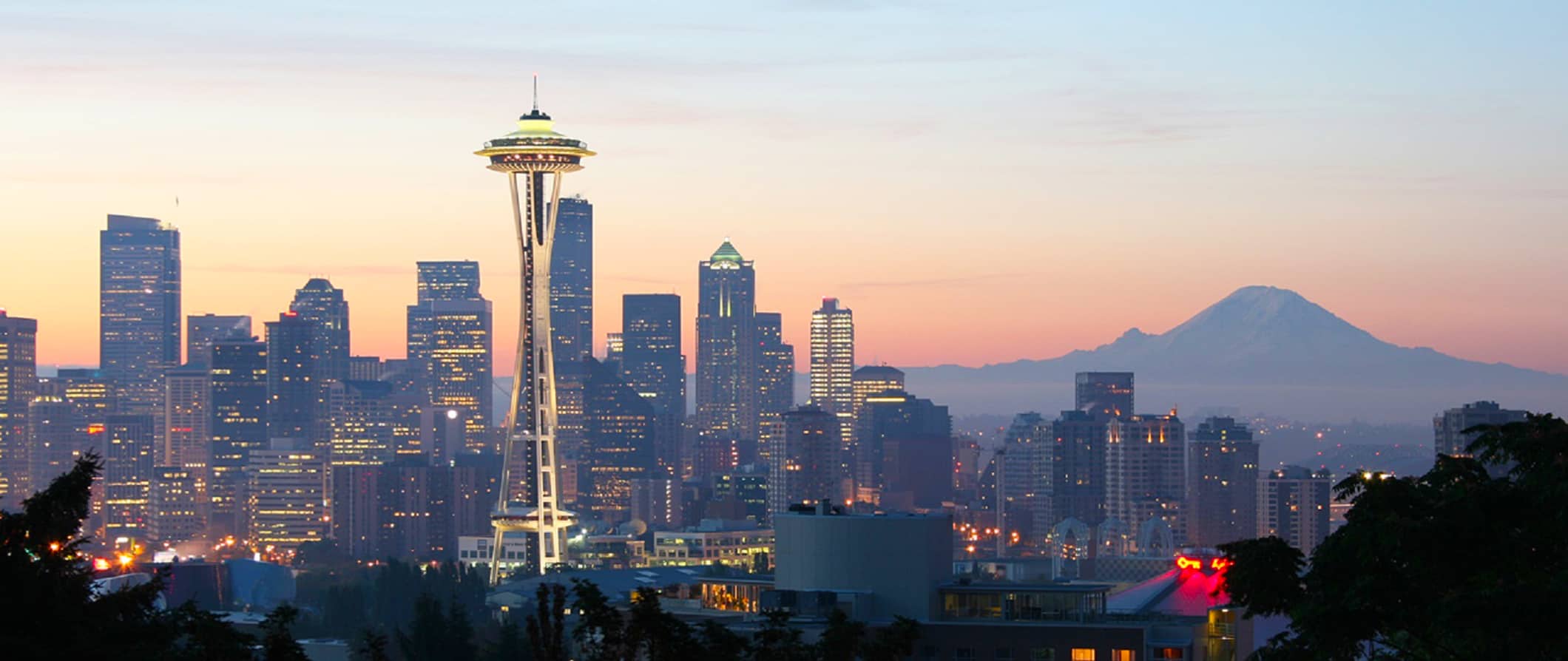
Based on: Kayaker rescued from water in San Juan Islands by Coast Guard
In Bellingham, Father and Son Fight Off Attacking Bear
In Bellingham, 12-year-old Robin Westgate went out to the garden to get a popcorn bowl but unexpectedly encountered a black bear. The animal attacked the boy, forcing him and his father to fight back for their lives.

Based on: Bellingham bear attack: 12-year-old boy and father fight off bear
Seattle Seeks a Police Chief Who Knows the City Beyond the Map
At the first public meeting on the search for Seattle’s new police chief, a discussion about the hiring process quickly became a conversation about personal loss and whom the city is prepared to entrust with authority over public safety. Residents of South Seattle asked for a leader familiar with local neighborhoods, families, and long-standing conflicts not through official reports, but through firsthand experience working in the community. For Lonnesha Landry, who lost her son Xavier to gun violence, the demand is not about abstract policy. It is about whether officials will listen to families living with the consequences of violence every day.
The meeting took place September 26 at the Van Asselt Community Center in South Seattle and launched a series of listening sessions organized by Mayor Katie Wilson’s office in partnership with Seattle Neighborhood Group. Formally, attendees were asked to identify the qualities, experience, and priorities they wanted in the next chief of the Seattle Police Department. But their responses reflected, above all, a desire for someone who would not have to get acquainted with the city only after being appointed—and who would not appear in neighborhoods solely during times of crisis.
Landry knows the cost of that presence. Her son, 16-year-old Xavier Lamont Machi Landry, was killed on the evening of July 12, 2024, in Auburn after suffering multiple gunshot wounds during a shooting on Southeast A Street. Two other teenagers were wounded and survived. Since then, Landry has become a community activist and founded Just/Us Love Ones, an organization that supports siblings of people killed in homicides. At the meeting, her story gave the debate over the future police chief the concrete urgency often missing from official discussions about safety.
The demand for a “local” candidate does not necessarily mean calling for someone from the department’s current leadership to be promoted automatically. Rather, residents are seeking someone who understands how South Seattle, the Central District, Downtown, and northern neighborhoods differ; knows the local schools, faith communities, businesses, and youth-serving organizations; and understands the city’s distinct communities. In a city where trust in police has remained fragile for years, geographic familiarity has also become a test of accountability: the chief must be accessible not only to the mayor and City Council, but also to people who typically find themselves on the other side of the police tape.
That concern also reflects a broader regional context. In 2024, King County recorded 75 deaths from gunshot wounds, 369 shooting survivors who were injured, and 1,591 shooting incidents. The number of victims under 18 reached 61—45 percent more than the previous year. Nearly two-thirds of the minor victims were injured outside Seattle, underscoring that city boundaries mean little to families when violence moves between the southern suburbs and the county seat.
The search began after yet another sharp turn in the department’s leadership. In late July, Sean Barnes resigned under pressure from Mayor Wilson following criticism of the city’s response to a shooting during the Bite of Seattle festival. André Sales took over the department on an interim basis. Seattle has had eight police chiefs in the past 17 years—a history that leads many residents to expect the next appointment to provide not merely a new name, but stability and clear direction.
The next chief’s responsibilities will extend far beyond managing patrol operations. The job description calls for developing a staffing strategy, improving responses to 911 calls, reducing gun violence, increasing clearance rates for serious crimes, and coordinating with city agencies, community organizations, and health-care institutions. The department’s 2026 budget is $488.6 million, and its authorized staffing includes more than 1,200 sworn officers and approximately 600 civilian employees. The question, therefore, is not only who will become the face of the police department, but also whether that person can change the day-to-day work of a large and complex institution.
The mayor’s office is conducting a national search and is considering candidates both within the Seattle Police Department and from outside it. An advisory committee co-chaired by former Washington State Supreme Court Justice Mary Yu and public-policy expert Ian Warner is expected to evaluate applicants in the fall and submit up to five names for competitive consideration. Final interviews with the mayor are scheduled for November and December, with a decision expected in early 2027, after which the nominee must be approved by the City Council. The next listening sessions are scheduled for September 28 at Seattle University and September 30 at North Seattle College. For the residents who came to Van Asselt, these are not simply steps on a hiring timeline, but a rare opportunity to tell the city in advance what its police chief should be—before that person receives an office, authority, and the keys to the department.
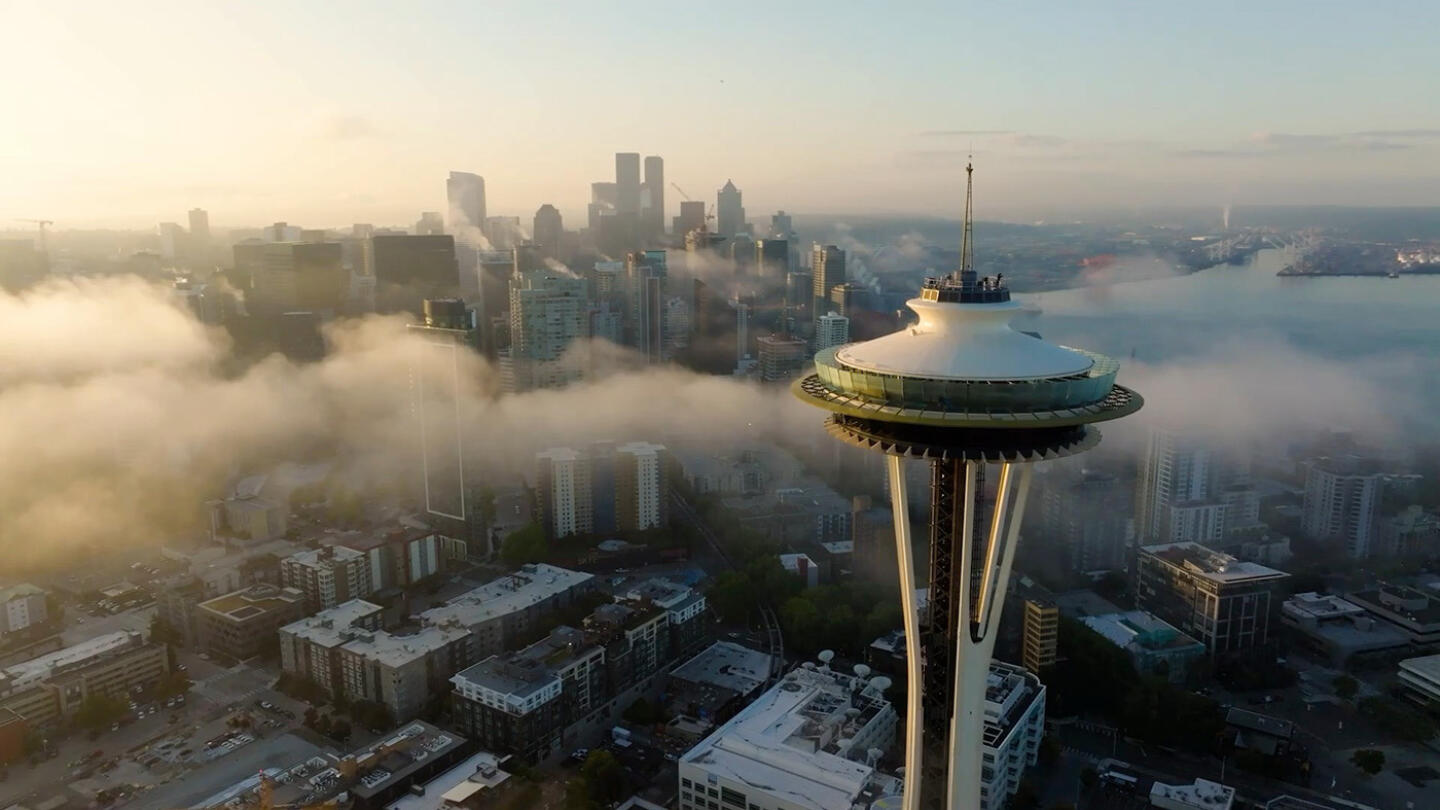
Based on: As Seattle searches for a new police chief, resident say they want someone local - The Seattle Times
New Methodology Will Reduce Multnomah County’s Homelessness Count
Multnomah County, Oregon, is preparing to remove roughly 3,500 people from its official list of people experiencing homelessness. That does not mean thousands of residents have found housing. Officials are calling the change a “data cleanup”: They are tightening the rules for remaining in the named database and will recalculate figures retroactively back to January 2024. Against the backdrop of this statistical shift, Portland has already lost the River District Navigation Center, a 90-bed, around-the-clock shelter that closed on Aug. 31, 2026, as part of broader cuts to the shelter network.
The by-name list became Multnomah County’s main tool for measuring the crisis only in April 2025. Unlike the traditional Point-in-Time Count — conducted every two years and intended to capture a single night in January — the database gathers information on people who interact with the assistance system: those sleeping in shelters, meeting with outreach workers, visiting day centers or waiting for housing assistance. The system is intended to eliminate duplicate counting and bring statistics closer to the city’s real, month-to-month reality.
Now the rules for appearing on the list are changing. Records for people who have not used tracked services for a long time will be removed more quickly: The inactivity period is being reduced from 90–180 days to 60–90 days. The county also plans to remove outdated records and automate determinations of whether a person is staying in a shelter or living outside, in a vehicle or in another place unfit for habitation. According to homeless-services department staff, shortening the waiting period accounts for most of the expected decline.
In May, about 18,200 county residents appeared on the by-name list. If the new methodology reduces it by the projected 3,500 people, the decline will look almost like a sudden success — roughly one-fifth of the entire recorded group. But Deputy Department Director Anna Plumb emphasized that this is not a story of a mass exit from homelessness: The way people are represented in the administrative system is changing, not their housing status. To avoid creating the illusion of a sudden breakthrough, the county plans to recalculate previous months under the new rules.
That caveat is especially important because the earlier shift to the by-name database made the crisis appear larger. When the county began using a broader set of administrative data, the number of people it classified as homeless significantly exceeded the results of older one-night counts. In January 2025, Multnomah County reported roughly 10,500 homeless people to the federal government — 43% more than the previous year. That figure included not only people encountered by volunteers during the survey, but also service data that made it possible to identify people who likely remained without shelter.
The fate of the River District Navigation Center shows why spreadsheets cannot be the only story about the crisis. The center, located on Naito Parkway in Northwest Portland, provided up to 90 beds, hot meals, showers and laundry facilities, storage, medical and peer support, as well as help finding housing. Many of its residents were older adults and people with disabilities. From its opening in 2019 through the end of 2023, more than 1,200 people passed through the center; roughly one in five left directly for housing.
Initial reports described the center as a shelter that was still expected to close. By the end of September, however, that had already happened: River District ceased operations on Aug. 31. According to the county, operator Transition Projects moved most remaining participants into other comparable around-the-clock programs or helped them move into housing. But the closure was part of a budget decision that calls for phasing out 605 adult shelter beds and another 90 family vouchers; even after the cuts, the county is expected to retain 1,742 funded beds.
In Multnomah County, officials are trying both to make the statistics more accurate and to keep from losing the system those statistics describe. A stricter database could prove more useful for planning: It will be less likely to confuse a long-ago request for assistance with current homelessness. But the risk for public discussion is obvious. If the number in the report falls at the same time the city is losing shelters, that will not prove that the streets have emptied. Instead, it will serve as a reminder of a simple truth: Behind every methodology is a decision about whom the government is still capable of seeing.
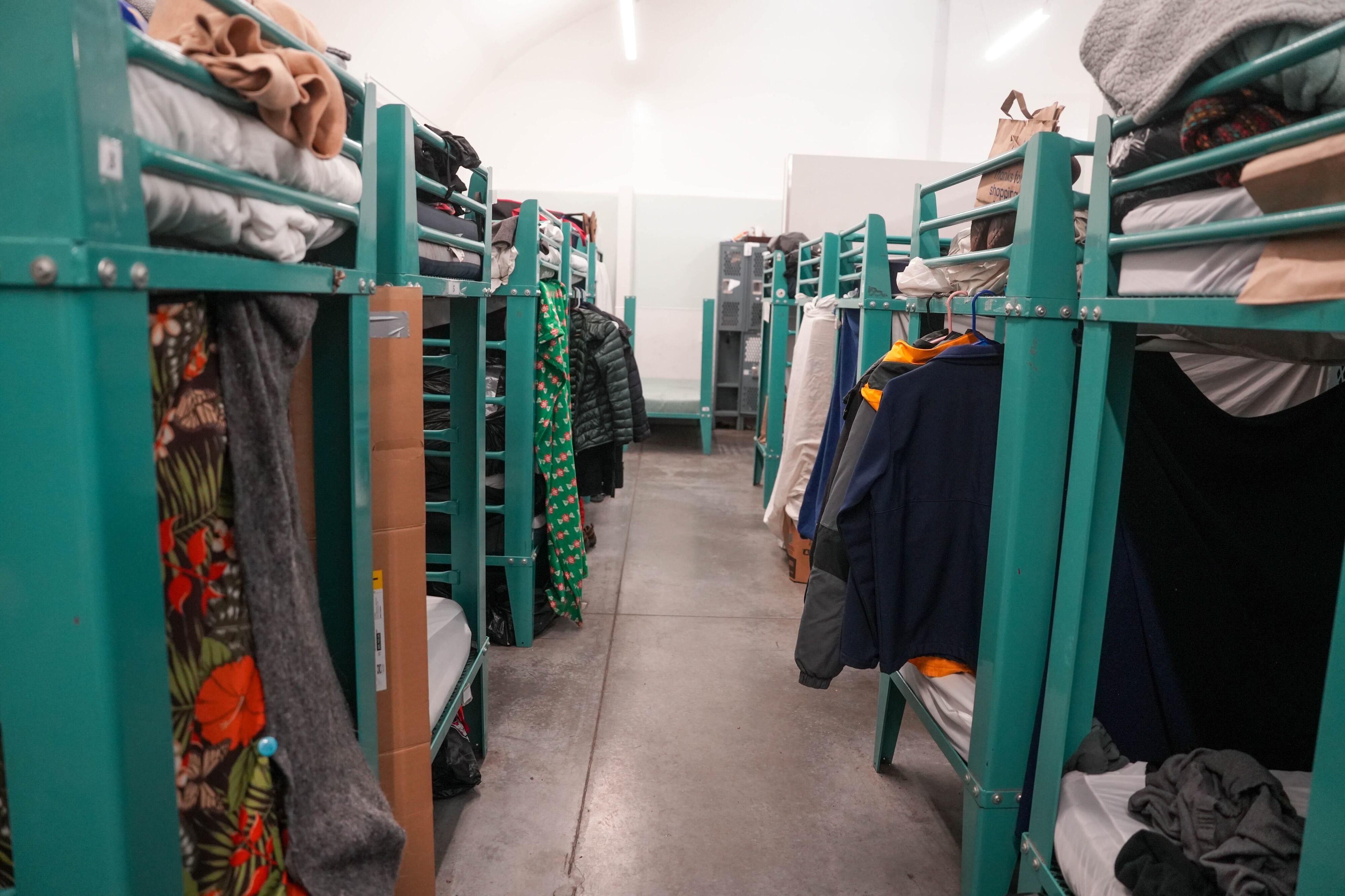
Based on: Multnomah County adjusts how it tracks homelessness, lowering numbers
Secret Gnome Community in Madrona
In one corner of Seattle’s Madrona neighborhood, an unusual “population boom” is underway: Dozens of tiny, bearded gnomes have moved in. Tourists and locals from around the world try to count these whimsical residents, but it isn’t easy — the miniature figures are hidden among plants and features of the unusual outdoor space.
Based on: Where gnomes are neighbors
Seattle Mariners’ Collapse and Downtown Assault: Day in Review
The firing of Dan Wilson after the Seattle Mariners’ worst season and a hate-motivated assault in downtown Seattle, in which a woman allegedly bit a piece of skin from another woman’s forehead, sparked widespread public concern.
Dan Wilson Fired as Seattle Mariners Manager After Disappointing Season
On Sunday, the day of the regular season finale, the Seattle Mariners announced that Dan Wilson had been fired as manager. The decision came after a 7–3 victory over the Los Angeles Angels—though by then, it changed nothing. The club finished the season 76–86 and placed third in the American League West. For the 57-year-old Wilson, a former Mariners catcher and member of the team’s Hall of Fame, it was a bitter end to a two-year tenure that began with brilliant success and ended in disappointment.
A year ago, the situation looked completely different. Wilson took over the team during the 2024 season after Scott Servais was fired and led Seattle to the playoffs with a 90–72 record, winning the AL West title. That season, he finished third in the American League Manager of the Year voting, behind John Schneider of the Toronto Blue Jays and Stephen Vogt of the Cleveland Guardians, who ultimately won the award. It seemed the club had found its manager for years to come. Instead, the current season became a nightmare: the team was officially eliminated from playoff contention on Thursday, and its final record was 14 wins worse than the previous year’s.
Wilson, visibly fighting back tears, commented on his firing immediately after the game. “This season was very difficult, and, of course, the results were not what any of us expected,” he said. “As a result, it was decided that today would be my last day as manager of the Seattle Mariners.” He also acknowledged how painful the day was and emphasized his special connection to the city and its fans: “We love this city. We love this community. And we’re grateful to the organization for what it has meant to our family.” According to Wilson, the club is interested in keeping him in another role within the organization, and he will discuss that possibility with his family.
The reasons for the collapse largely lay in an offense that could not reproduce the magic of the previous season. The clearest symbol of that regression was catcher Cal Raleigh. Last year, he finished second in the American League MVP voting, behind only Aaron Judge, and produced a phenomenal 60 home runs and 125 RBIs. A year later, those figures fell to 23 home runs and 69 RBIs. By September 4, his WAR—a statistic measuring a player’s overall value to his team—had dropped from 7.2 to 0.9, while Raleigh posted a higher strikeout rate and a significantly lower hard-hit rate. Overall, the Mariners finished ninth in the league in average runs scored per game, though during the season they repeatedly ranked last in that category.
President of Baseball Operations Jerry Dipoto said in an official statement that the decision had not been easy but was necessary. “This season, all of us together fell short of our own expectations,” he said. “Dan and I both care deeply about this organization, these players and the future of the Mariners. After extensive discussions, we concluded that a new direction is best for 2027 and beyond.” The wording is significant: mentioning 2027 rather than 2026 may indicate that the club views the upcoming season as transitional and intends to build the team with a longer-term outlook.
Wilson’s departure is a classic example of how quickly a managerial career can change in professional sports. Just a year ago, he was a rising star among managers; today, he is leaving after a 76-win season. His overall record across two seasons was 187–171. In his farewell remarks, Wilson thanked his players: “I also want to thank that special group of players in the clubhouse. It’s been an honor and a privilege to work with you over the last couple of seasons. You’re an incredibly talented group, and you showed tremendous resilience.” Seattle must now find a new manager and confront a much larger challenge: returning to the playoff race, from which the team fell away long before the end of the season.
Seattle Assault: Why the “Race-Hate” Case May Collapse in Court
The King County Prosecuting Attorney’s Office has not yet charged the woman accused of biting a piece of skin from a stranger’s forehead after allegedly calling her a “lesser race” with a hate crime. She already faces a felony assault charge, but the hate-crime enhancement remains uncertain. That legal distinction points to a problem far broader than a single assault.
The incident took place in broad daylight on September 18, when 36-year-old Diana Gonzalez was walking to a local store, she told Seattle police. According to Gonzalez, the alleged attacker, whom prosecutors identified as Kamilia Chadli, threw a food wrapper at her. When Gonzalez asked why she had done so, Chadli allegedly shouted, “You’re a lesser race,” used a homophobic slur, spit at the victim and knocked her to the ground. The suspect then bit Gonzalez on the forehead and tore away a piece of flesh approximately one inch in diameter—about 2.5 centimeters. Officers who arrived at the scene reportedly found part of the victim’s flesh, which the suspect had spit into a storm drain.
“It looks like a zombie bite from a movie you might see—it’s a complete circle,” Gonzalez told KOMO-TV, Seattle’s ABC affiliate, while wearing a bandage on her forehead. “This is my face. I’m going to have a scar forever.”
Gonzalez learned from the police report that the woman was unhoused. KOMO-TV reported that, according to court documents, Chadli lived in a shelter across the street from the scene, while police reports describing her previous contacts with officers referred to a “history of mental health and substance-abuse issues.” Gonzalez noted that she and Chadli are the same age and have similar skin tones and curly hair. “I’m like, ‘Do you think I’m white? Do you think I’m Black?’ And she’s like, ‘I don’t care,’” Gonzalez said, adding that the woman repeated her racist remarks. Chadli allegedly fled the scene, but a witness followed her and then stopped a court marshal near a courthouse.
Chadli has been charged with second-degree assault, a felony, and is being held on $150,000 bail. Her arraignment—that is, the formal court proceeding at which a defendant enters a guilty or not-guilty plea—is scheduled for Monday. According to jail records, a parallel investigation into a possible hate crime is underway. “Although a hate-crime charge has not been filed at this time, that charge could be added later in the case if the evidence is sufficient to meet the burden of proof required by state law—a burden that is often higher than people reasonably assume the required evidentiary threshold to be,” the King County Prosecuting Attorney’s Office said in a statement to KIRO 7 News, Seattle’s CBS affiliate.
That wording captures the heart of the problem, rather than serving as a mere excuse. In most American jurisdictions, it is not enough to prove that an offender used racist language or slurs for an act to qualify as a hate crime. Prosecutors must show that hatred toward a protected group—race, religion, ethnicity, sexual orientation and so on—was a substantial, motivating cause of the offense, rather than merely an accompanying expression of aggression. This creates a higher burden of proof than an ordinary assault charge and explains why prosecutors often prefer to secure a conviction on the underlying offense first, adding the hate-crime enhancement later if the evidence permits. Another detail is revealing: Gonzalez cannot clearly identify herself as belonging to a particular race, while the attacker allegedly said that she “didn’t care.” That could complicate the legal proof of racial motivation, even if the racism in the words was obvious in everyday terms. In addition, Chadli reportedly has a documented history of mental illness and substance abuse, which almost always becomes a point of contention in court: the defense may argue insanity or a lack of conscious intent, while prosecutors may maintain that such conditions do not negate hatred at the moment of the assault.
From the standpoint of public reaction, several painful issues converge here: homelessness, mental illness, violence in public spaces and intergroup hatred. That is why the case has generated such an intense response—it is simultaneously criminal, medical and social. Perhaps the main conclusion is not that prosecutors are dragging their feet, but that the criminal justice system is designed to prove specific actions rather than recognize hatred. A motive that is obvious to a victim at the level of a scar on her forehead remains, for the court, a legal construct that must be assembled from evidence—and it may not fit neatly within the framework of hate-crime law. A link to the original report can be found in The Guardian’s article.
Seattle Woman Loses Part of Her Face in Hate-Motivated Downtown Attack
An assault in downtown Seattle has shocked even residents of American cities accustomed to extreme incidents. Thirty-six-year-old Kamilia Chadli is accused of second-degree assault after allegedly using racist and homophobic slurs before biting a piece of skin from another woman’s forehead. The victim, Diana Gonzalez, suffered permanent injuries and was forced to undergo skin-graft surgery. The case has renewed debate in Seattle about random attacks and the effectiveness of hate-crime enhancements.
The incident occurred at approximately 3:45 p.m. on September 18 near Third Avenue and Cherry Street, as Gonzalez walked to a 7-Eleven near her office to buy a drink. According to Gonzalez, she was simply passing an unfamiliar woman who threw a food wrapper at her. When Gonzalez asked what was going on, Chadli allegedly shouted, “You’re a lesser race,” used a homophobic slur and spit at the victim, according to charging documents. “It was a completely random attack,” Gonzalez said. “She started yelling racist things after throwing garbage at me and spitting at me. And then she bit my face—she bit a piece of my face off.” The women did not know each other, a fact prosecutors also emphasized: “I don’t know this person. I’ve never seen her in my life,” the victim said.
Events then unfolded quickly. According to investigators, Chadli knocked the victim to the ground and bit a circular piece of skin approximately one inch in diameter—about 2.5 centimeters—from Gonzalez’s forehead. An employee of a nearby office who witnessed the assault separated the women and followed Chadli to the King County Courthouse, where a court marshal detained her. Responding officers found blood on the sidewalk and a piece of flesh in a storm drain. Gonzalez later identified the attacker through the courthouse’s glass doors, telling officers, “That’s her, 100%.”
The victim was taken to Harborview Medical Center, where she was scheduled to undergo a skin graft on September 22 to close the wound. Prosecutors say the woman will be left with a permanent scar. “I can’t believe she bit a piece of my face off. That’s the thing that still shocks me the most. I just can’t believe it,” Gonzalez said. She also expressed concern that the attacker might do something similar again: “I’m just worried she’ll do it again because it was so random. It made no sense.”
The legal side of the case raises separate questions. Although Chadli was arrested on suspicion of a hate crime and booked into the King County Jail, prosecutors charged her with second-degree assault, alleging that she intentionally assaulted the victim and recklessly caused serious bodily injury. No hate-crime charge has been filed at this point, but prosecutors say it could be added later if the evidence supports it. Prosecutors requested that bail remain at $150,000, citing the severity of the injuries and concerns that Chadli might commit another violent offense if released. Gonzalez herself urged prosecutors not to reduce the charge: “I would like them not to reduce it. I would like her to receive a long sentence even if she takes a plea deal, along with additional therapy or help in prison so she doesn’t reoffend.”
The case raises several important questions. First, it demonstrates how difficult hate-crime enhancements can be even when explicit racist and homophobic remarks are alleged. Prosecutors chose to begin with an assault charge that is simpler to prove, while leaving open the possibility of adding the enhancement later. Second, it highlights the problem of random attacks in downtown Seattle, where the concentration of people with mental-health conditions and criminal histories remains high. Third, Gonzalez’s experience is a reminder that the consequences of such attacks are not limited to physical injuries: a permanent facial scar becomes a lifelong reminder of a moment the victim could neither anticipate nor prevent. As KATU reports, the King County Prosecuting Attorney’s Office is continuing to consider adding a hate-crime charge. That decision will largely determine how prominent the case becomes and what message it sends to the public.
News 27-09-2026
Oregon Officials Reject Higher Fees for Psilocybin Businesses
Oregon regulators have abandoned plans to significantly increase fees for companies operating in the state’s legal “magic mushroom” industry after business owners warned that the added costs could drive the sector into collapse. The issue concerns businesses involved with psilocybin, a psychoactive substance whose distribution in Oregon is governed by special regulations.
Based on: Oregon’s magic mushroom industry fights higher fees and wins
Pinehurst: A New Link Station Amid a Long Expansion Pause
On Wednesday, September 30, Pinehurst Station will begin service in north Seattle—the first station in Sound Transit’s history to be inserted into an already operating light-rail line. It will shorten the trip downtown for residents of neighborhoods around Northeast 130th Street, but its opening comes as the network’s further expansion faces a multibillion-dollar funding gap and increasingly distant timelines.
The Pinehurst platform hangs above 5th Avenue Northeast at Northeast 130th Street, between Northgate and Shoreline South/148th, near the I-5 interchange, residential neighborhoods and the Jackson Park Golf Course fields. This is neither a new branch nor a new route: the station was carefully inserted into the Lynnwood Link elevated structure, where trains had already been passing this spot. Trains on Lines 1 and 2 will now stop here, with peak-hour intervals of approximately four to six minutes, according to Sound Transit.
For passengers, the change is simple and almost personal. The trip from Pinehurst to Westlake in downtown Seattle is expected to take about 15 minutes, while the ride to the station at Sea-Tac Airport will take 53 minutes. Sound Transit expects between 2,600 and 4,200 boardings per day. The area had long been a gap between two stations—not empty, but not close enough to rail for it to become part of everyday life. Now that gap has its own staircase to the platform.
The station officially became part of the ST3 program approved by voters in 2016. At the time, it was scheduled to open in 2031. In 2020, the Sound Transit Board decided to accelerate the design process, and in 2022 it approved additional budget and contract measures. This made it possible to begin work before the entire Lynnwood Link Extension opened, avoiding the particularly disruptive prospect of construction in the middle of a fully operating line. The opening was nevertheless pushed back from the originally planned second quarter of 2026 to late September—but compared with the old schedule, the station is arriving five years early.
Pinehurst is not designed as a major transfer hub with a multistory garage, but as a station for nearby neighborhoods and buses. The street level includes a plaza, bus stops, passenger drop-off areas, stairs, elevators and bicycle infrastructure. The city is also improving the approaches to the station, building protected bike lanes and upgrading crossings and bus stops on Northeast 130th Street, Roosevelt Way Northeast and Northeast 125th Street. Officials’ expectation is that nine out of 10 passengers will walk, bike or transfer from a bus.
The bus connections have already begun to change. In late August, King County Metro launched Route 77, connecting Bitter Lake, Pinehurst, Lake City, Roosevelt Station and the University District. For an area divided by a freeway and streets designed primarily for cars, the route may prove to be just as important a part of the new station as the elevated tracks themselves. Rail provides speed from north to south; the bus is meant to gather riders from the east and west.
Visually, Pinehurst does not try to pretend it is already a dense urban center of the future—there are still plenty of quiet streets, detached homes and greenery around it. But the city views the area around 130th Street as a future urban center, with denser residential and mixed-use development on both sides of I-5. The station’s design attempts to connect the infrastructure with that future, which has yet to take shape: local artist Romson Bustillo created colorful panels and a 100-meter ceramic mural, while the landscaping incorporates native plants, boulders and motifs from nearby Thornton Creek.
And yet the celebratory day will carry a hint of a pause. In May, the Sound Transit Board revised the ST3 program in an attempt to close a projected $34.5 billion funding gap over the next two decades. The extension to West Seattle remains funded, though without an Avalon station; construction of the Ballard Link is currently funded only as far as Seattle Center. The segment from Seattle Center to Market Street in Ballard is still being designed, but the current plan contains no money to build it.
Sound Transit says the full route to Ballard could still open in 2042 if the region finds new sources of funding and achieves further savings. Without them, trains to Smith Cove, Interbay and Market Street may not arrive until around 2060. Pinehurst is therefore both a small victory and an accurate portrait of Seattle today: the city managed to place a stop where trains were already passing, but the question of how much farther those trains will go remains open.
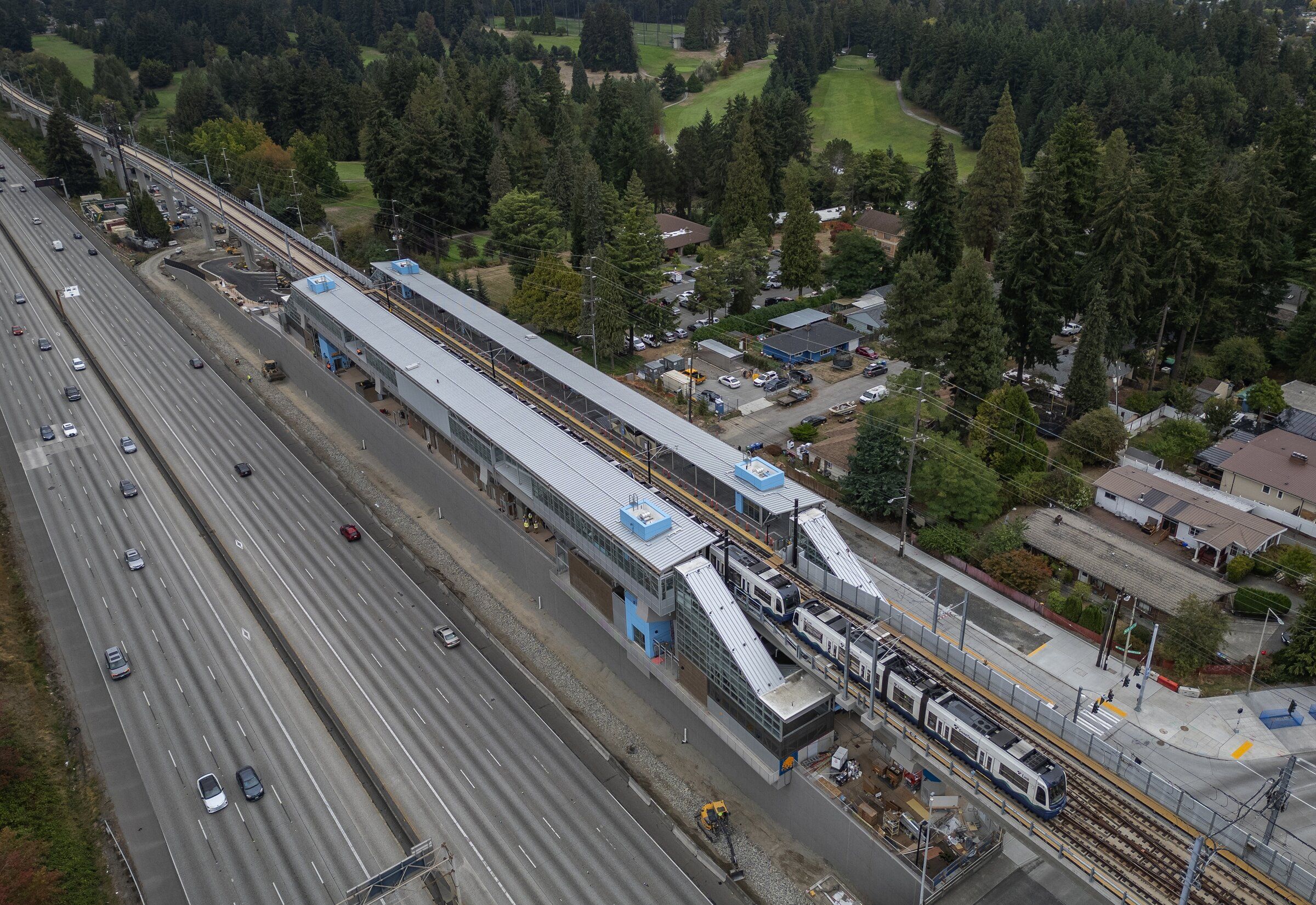
Based on: Seattle gets a new light rail station, and then a long wait
Seattle’s Space Needle Lights Up Pink to Honor Dolly Parton
Seattle’s iconic Space Needle and skyline lit up pink on Sept. 25 — Dolly Parton Day. The tribute honored the American singer, songwriter and philanthropist, whose creative work and charitable efforts have earned widespread recognition.

Based on: Space Needle, Seattle skyline light up in pink to honor Dolly Parton
Pearl Jam Introduces New Drummer at Ohana Festival
Eddie Vedder surprised the crowd at the 10th annual Ohana Festival. He began playing “Corduroy” on acoustic guitar, then switched to electric guitar and hinted that the band would need help with the song. That was how Pearl Jam introduced its new drummer, turning the performance into a striking and unexpected moment for fans.

Based on: Pearl Jam surprises with a set featuring new drummer at Ohana
Dolores Sibonga, Pioneer of Seattle’s Filipino Community, Dies
Dolores Sibonga, a prominent community leader and the first woman of color to serve on the Seattle City Council, died Sept. 16 at the age of 95. For decades, she advocated for ethnic minorities, workers and low-income residents, leaving a lasting mark on the city’s public life.
Sibonga was born on Vashon Island and moved to Seattle with her family in the late 1930s. Her parents opened Estigoy, a café in the Filipino neighborhood of the Chinatown–International District. After studying journalism at the University of Washington, she worked in television and covered the civil rights movement. In the 1960s, Sibonga and her husband acquired the Filipino Forum newspaper; she was once arrested with her son while covering a protest by Black contractors seeking equal access to construction contracts.
In 1970, Sibonga enrolled in law school, and in 1973 became the first Filipino American woman to pass the Washington state bar exam. She worked as a public defender, a staff member of the King County Council and deputy director of the state Human Rights Commission. In 1978, Sibonga joined the Seattle City Council, where for 12 years she pushed to expand diversity and economic-development programs; in 1991, she unsuccessfully ran for mayor.
Even after leaving the council, Sibonga continued to advocate for the Filipino community’s historical heritage. In 2017, she succeeded in having the “historic Filipino neighborhood” included in a city resolution on preserving the culture of the International District. Today, the neighborhood remains an important center of culture, business and community life for Filipino Americans, with restaurants, shops and community organizations, as well as cultural events. At the same time, its heritage faces threats from rising property costs, redevelopment, the displacement of small businesses and the loss of historic buildings and places tied to the community’s memory.
Shortly before her death, Sibonga published the memoir The Best Adobo in Town, about her life and the struggles of Filipino and other immigrant communities. In August, the Seattle mayor and the King County Council proclaimed her 95th birthday Dolores Sibonga Day.
Sibonga’s daughters described her as a fearless, attentive and approachable politician who truly knew how to listen to people. Seattle leaders praised her integrity, mentorship and contribution to a more inclusive city; many community members emphasized that her example helped others take their rightful place in public life.
Sibonga died peacefully in her sleep at a hospice in Renton. She is survived by three children and three grandchildren. Memorial donations may be made to the ACRS food bank and the International Examiner newspaper. ACRS, or Asian Counseling and Referral Service, is a Seattle nonprofit that supports Asian and Pacific Islander communities, including older adults, immigrants and low-income residents. The organization was chosen as a donation recipient because of its work with vulnerable residents and its support for cultural connections, which reflected Sibonga’s community priorities.

Based on: Dolores Sibonga, pioneering Seattle Filipina leader, dies at 95
Seattle: Shocking Attacks and the Search for a New Police Chief
Seattle has seen a series of violent attacks: a woman bit off part of a passerby’s face, while in West Seattle a group of men beat and robbed a woman. Against this backdrop, residents are calling for the city’s next police chief to be someone from the local community.
Woman Bit Part of Passerby’s Face in Downtown Seattle: Witness Account
A shocking incident in downtown Seattle has captured the city’s attention. In broad daylight on an ordinary street, 36-year-old Camilia Chadli attacked Diana Gonzalez, who was walking along the sidewalk near the Arctic Hotel. Prosecutors allege that Chadli not only knocked the woman to the ground but also bit off part of her forehead, spat it into a storm drain, and calmly walked toward a bus stop. The seemingly unprovoked incident shocked even the hotel’s experienced staff, who rushed to separate the women.
A hotel employee named Holt, who was working part-time as a valet, witnessed the confrontation begin. He said Chadli was acting aggressively toward Gonzalez, and the situation quickly spiraled out of control. Holt saw the attacker knock the victim to the ground and began calling for other employees to help. He and a colleague tried to separate the women, but at that moment Chadli leaned down and bit a piece of flesh from Gonzalez’s forehead. “There are no words to describe it. I’ve never seen anything like it. Her face just turned into blood,” Holt told KOMO News. After the women were separated, Chadli surprisingly simply walked across the street. Holt’s colleague followed her to a bus stop in front of the King County Courthouse, where he managed to attract the attention of a court security officer, who detained the suspect until police arrived.
Gonzalez, left with a serious injury, was disoriented and tried to call for help, but heavy bleeding made it impossible for her to use her phone. “She was clearly confused—she pulled out her phone and tried to dial 911, but she couldn’t because of the amount of blood pouring from her head. It was horrifying. She kept wiping the blood away, but it only got worse,” Holt recalled. The victim eventually received medical treatment. Gonzalez told KOMO News that she is scheduled to undergo skin-flap surgery during the first week of October, which will leave a permanent scar on her forehead. “It’s so strange. I can’t believe she bit a piece of my face off,” she said.
Chadli is scheduled to appear in court for arraignment on Monday, September 28, on a charge of second-degree assault. The court set bail at $150,000. According to court documents, Chadli lived in a shelter across the street from the hotel. Previous police reports indicate that she had “a history of mental-health and substance-abuse issues, as well as ongoing conflicts with her family.” She had previously been “taken into emergency custody for an involuntary psychiatric evaluation.” Holt noted that people experiencing homelessness are often on the sidewalks near the hotel because of the shelter’s proximity, but said he had never encountered violence like this during his time working there. “We constantly see homeless people going about their business, but we definitely haven’t seen violence against other people, especially without provocation. I would say this is a very unusual situation,” he added.
City data reviewed by KOMO News shows that the attack was the first recorded crime of all of 2026 in the 700 block of Third Avenue and at the intersections with Cherry and Columbia streets. The same area recorded three violent crimes in 2025 and six in 2024, reflecting the broader decline in violent crime downtown since 2024. However, this particular case—with its extreme brutality and lack of an apparent motive—has once again raised questions about how effectively the city is addressing mental-health and homelessness issues that, according to the documents, were directly connected to the attacker. For residents and tourists, the incident was a reminder that an unpredictable tragedy can occur even in relatively safe neighborhoods. For Diana Gonzalez, it marked the beginning of a long road to both physical and psychological recovery.
West Seattle Attack: Police Search for Five Suspects as Woman Hospitalized With Head Injury
An incident in West Seattle on Thursday evening has once again drawn attention to public safety in the city. A woman was brutally beaten and robbed by a group of four or five men as she returned to her car. Police are investigating, but the suspects and their vehicle have not yet been found. The case is not the first in recent weeks in which street attacks in Seattle have sparked public concern.
According to a Seattle Police Department (SPD) report, officers responded at about 6:05 p.m. Thursday to a report that several men were beating a woman and taking her purse in the 4500 block of 42nd Avenue Southwest. A witness who heard screaming began recording the incident from her apartment window. The video shows a white Honda Accord without license plates pulling into a parking lot, after which four suspects surround a woman lying on the ground. One of them allegedly takes an item from her, and the group then returns to the car. According to police, a fourth suspect stomped on the woman twice before the vehicle drove south on 42nd Avenue. A fifth suspected participant remained behind the wheel the entire time.
Officers later found the victim at an urgent-care clinic, where Seattle firefighters were already treating her. The woman said four or five men approached her as she walked back to her car. One of them yelled, “Hey, that’s my phone!” before the attackers pounced on her. She said she did not know the men and had never seen them before. They knocked her to the ground and kicked her in the head twice, but she did not lose consciousness. Police documented a laceration to the back of her head and a large hematoma on her forehead. American Medical Response transported her to Harborview Medical Center, where doctors reported a serious injury. A blue iPhone was stolen from the woman.
Police described four of the suspects as thin Black males between the ages of 16 and 22. The fifth suspect, the driver, did not leave the Honda Accord. Officers searched the area but found neither the suspects nor the vehicle. They collected video from the witness and identified additional surveillance cameras that may have captured the incident. The victim’s glasses and a bottle of unlabeled prescription pills, believed to contain benzodiazepines, were also found. The woman confirmed that the medication belonged to her, and police entered the bottle into evidence for latent-print testing.
The attack was not an isolated case. Earlier, a downtown Seattle valet intervened in a confrontation after a suspect bit part of a woman’s forehead. Incidents like these raise questions about how effectively city officials and police are addressing street crime. In this case, the attackers acted boldly and quickly, suggesting possible organization or, at minimum, a willingness to use violence. Police continue to search for the suspects, and any information about the unlicensed white Honda Accord or the individuals involved could assist the investigation. The original report was published on the KOMO News website. Residents are advised to remain alert and report suspicious activity.
Several terms require clarification for context. “Benzodiazepines” are a class of psychoactive drugs commonly prescribed to relieve anxiety, treat insomnia, or control seizures. The unlabeled bottle in this case is evidence, but it is not necessarily connected to the motive for the crime. “Latent-print testing” is a method for detecting invisible fingerprints on a surface that can be used to identify suspects. A “hematoma” is a collection of blood beneath the skin—in other words, a bruise—but on the forehead it may indicate a serious blow. The Honda Accord is a popular car model, and the absence of license plates can indicate an attempt to avoid identification. Finally, an “urgent-care clinic” is a medical facility that treats conditions not requiring immediate hospitalization. In this case, however, the victim had to be transferred to Harborview, underscoring the severity of her injuries.
The key takeaway is that the attack was sudden and violent, using numerical superiority and possibly a diversionary tactic (“That’s my phone!”). Police have not yet identified the suspects, but video footage and witness statements provide leads. The presence of a fifth participant behind the wheel points to an action that was carefully planned—or at least coordinated. The victim suffered significant injuries, including a possible concussion, and her testimony will be important to the investigation. The public is awaiting the results of the inquiry, as well as answers to questions about why such attacks appear to be occurring more frequently and what is being done to protect residents.
Seattle Searches for a New Police Chief: Residents Want “One of Their Own”
Seattle residents, weary of a succession of outside appointments and constant turnover among police leaders, are increasingly saying that the city’s next police chief should be someone who knows the city from the inside. The demand emerged during public consultations organized by the mayor’s office and became the central theme of a meeting at the Van Asselt Community Center in South Seattle. Among those attending was Lonnisha Landry, a mother who lost her son, Xavier, to gun violence. Her story, shared in a crowded and noisy room, provided an emotional backdrop for a broader discussion about what the next police chief should be and what role residents themselves should play in the selection.
According to a report by The Seattle Times, the search for a new police chief has become a platform for a more fundamental debate about trust between communities and law enforcement. Residents—particularly those from neighborhoods most affected by crime and, at the same time, by excessive police presence—insist that it is not enough to find a professional administrator with an impressive record from another city. They want someone who understands local circumstances, knows community leaders, is familiar with troubled neighborhoods through experience rather than reports, and, most importantly, can build long-term relationships instead of leaving after two or three years when the political climate changes.
Seattle has a history with outside police chiefs. In recent years, the department has been led by people who came from other cities and left under pressure from circumstances ranging from scandals and protests following George Floyd’s killing to conflicts with the City Council. Each transition was accompanied by promises of reform, but communities were repeatedly disappointed: the new chief did not have time to build relationships before another search began. That is why the demand for a “local” candidate is about more than geography; it is about stability and accountability. Residents want someone whose life and career are tied to Seattle, who does not view the position as a stepping stone but is prepared to invest in the city for the long term.
It is worth clarifying that participants do not necessarily mean someone born in Seattle when they call for a “local” candidate. They mean someone who has worked in the region for a substantial period—for example, someone who rose through the local police system and knows it from the inside, or who has led community-safety programs in affected neighborhoods. This is fundamentally different from a model in which City Hall hires a “star” administrator from another major city who promises to apply universal best practices. As recent years have shown, universal solutions work poorly in places where complex relationships have historically developed between police and Black, immigrant, and low-income communities. “Local” also means knowing specific people: trust does not emerge at the level of abstract “communities”; it is built through personal relationships with activists, pastors, small-business owners, and school boards.
The story of Lonnisha Landry, who lost her son to gun violence, illustrates how much is at stake. For her and other parents who have experienced similar losses, the police are not an abstract institution but a force that determines whether crimes will be investigated and whether families will feel supported. At the same time, these residents are demanding both reform and an end to aggressive practices. This dual demand—for safety and justice—is extremely difficult to satisfy, and residents believe it should form the basis of the selection criteria. An outsider may offer a fresh perspective, but may fail to understand what lies behind the statistics: decades of mistrust, a lack of resources in certain neighborhoods, and fears of contacting police because of immigration status or concerns about retaliation.
The central insight from the current hearings is that the question of a new chief is no longer merely a personnel matter; it has become a question about the model for managing public safety. If City Hall ignores the demand for a “local” candidate, it risks another contentious transition, protests, and alienation among communities, along with the loss of already fragile trust. If it chooses someone from the local system, it will have to address the department’s internal culture: a “local” chief may be closer to communities while also carrying the burden of the department’s past mistakes. This choice—between outside legitimacy and inside understanding—will shape how Seattle provides public safety in the coming years. It is at meetings like the one held at the Van Asselt center that the public mandate for that decision is now being formed.

News 26-09-2026
Seattle and Western Washington Celebrate Dolly Parton Day
Seattle and Western Washington residents were encouraged to celebrate Dolly Parton Day, honoring the famous singer, actress and songwriter. To mark the occasion, fans are invited to wear pink and add plenty of rhinestones — channeling Parton’s dazzling style and her iconic character from the film 9 to 5.

Based on: Seattle and Western WA celebrate ‘9 to 5’ Dolly Parton Day
South Puget Sound Returns to Light After Friday’s Storm
By Saturday morning, September 26, about 15,000 Puget Sound Energy customers remained without power after heavy rain and strong winds, primarily in the Olympia area and Thurston County. The previous day, outages had affected roughly 40,000 customers. Restoration was progressing faster than the storm itself had developed, but for many families, the weekend began with cold stoves, dark traffic lights and a wait for repair crews.
Friday’s storm arrived in western Washington not as a loudly named winter catastrophe, but as an early autumn reminder of how fragile everyday comfort can be. Rain soaked the ground, wind rocked trees that were still covered in leaves, and branches began falling onto power lines. South Puget Sound was hit particularly hard: the National Weather Service issued a high-wind warning for Olympia, the southern part of the sound and neighboring areas of Thurston County.
Puget Sound Energy, or PSE, said Friday that Thurston County had borne the brunt of the storm. The company attributed the extent of the damage not only to winds that proved stronger than forecast, but also to the full tree canopies typical of late September. When foliage is still dense, it turns every tree into a sail — and a gust that would otherwise be ordinary for the region can snap a line or knock a trunk onto equipment.
By Friday evening, the number of customers without power was in the tens of thousands. In a system that serves about 1.2 million electricity customers across 10 Washington counties, that figure does not represent tens of thousands of separate failures: a single damaged transmission line or substation can leave an entire neighborhood without power at once. PSE said it was working to restore transmission service to three substations affected by one major outage.
The morning decline in outages to roughly 15,000 was significant progress, but it was not the end of the story. Numbers on the outage map change as dispatchers receive reports, locate damage and reroute power. The company warned that after a storm, it takes time before it can confidently provide an estimate for each address: crews must first inspect lines, remove dangerous trees and determine what needs to be replaced — a fuse, wire, pole or more complex equipment.
The order of repairs also does not always match what someone sees from a dark window. Utilities first restore the main transmission system and power to substations, followed by larger distribution sections that return service to the greatest number of people. Hospitals, emergency response centers, water treatment facilities, shelters and institutions where people cannot easily be moved elsewhere are given special consideration. Only then do crews turn to smaller, localized damage and individual connections.
For Olympia and its suburbs, that means the city gradually lights up unevenly: one neighborhood is already turning on kettles and routers, while a gasoline generator can still be heard next door. PSE urged residents to stay at least 35 feet — about 11 meters — away from downed power lines and to report hazards to 911 or the company. Generators, when available, should be used only outdoors: carbon monoxide in an enclosed space remains one of the quietest dangers after a power outage.
The weekend forecast calls for drier, calmer weather, meaning repair crews should be able to work without the risk of new widespread damage. But Friday’s storm has already illustrated a familiar autumn pattern in western Washington: rain softens the soil, wind tests the trees, and the grid running through this forested region withstands the challenge section by section. Power returns quickly for most people — and painfully slowly for those whose address remains the last point on the map.

Based on: Most power outages restored after Friday rainfall, drier weekend ahead
Washington drug take-back program is losing collection sites
Since 2020, Washington state’s statewide program for safely collecting unwanted medications has accepted more than 1 million pounds of drugs — about 454,000 kilograms. It is intended to prevent medication misuse and water pollution. Manufacturers pay for the collection and subsequent free disposal of prescription and over-the-counter drugs for residents.
However, a state audit identified serious problems. Rural areas lack enough collection sites, the program’s effectiveness is difficult to assess because of insufficient data, and one of its two operators, Inmar, stopped operating in the state at the end of June. This could lead to some sites closing and slow the collection and disposal of medications. In addition, the company’s departure reduced funding for state oversight: the operator was involved not only in organizing collection, transportation and destruction of medications, but also in registering participants, conducting inspections, filing reports and monitoring compliance.
Washington now has more than 400 secure medication drop boxes, but they are distributed unevenly. More than 100 cities and towns do not meet the standard of one container per 50,000 residents. In communities with fewer than 1,000 residents, the standard is not met in 91% of cases.
Seattle has more than 40 collection sites because of its high population density and large number of pharmacies, hospitals and law-enforcement facilities. Under these conditions, sites are easier to place and more cost-effective to service. In sparsely populated Columbia and Garfield counties, there are no permanent collection sites: distances between small communities are long, the volume of returned medications is low, and mountainous terrain, the remoteness of eastern Washington and limited transportation infrastructure increase costs. Residents often have to travel to a neighboring county or wait for temporary medication-collection events.
Residents in every county can mail medications free of charge in prepaid envelopes, but this option is rarely used. Lawmakers propose expanding its use, particularly in rural areas.
Auditors believe the program should be extended beyond 2029 while its requirements and funding system are revised. Current standards are virtually impossible to meet in some places, and the agency does not collect data on the types of medications being returned, preventing it from fully assessing costs and effectiveness.
Costs have exceeded revenue almost every year. In the last fiscal year, the program received $533,000 and spent $405,000, but after Inmar’s departure, expected revenue could fall below $300,000. The state will likely have to find a new operator, temporarily increase budget funding or change the fee structure. The Department of Health is calling for the fees to be reviewed in order to preserve the program and its staff.
Based on: Popular WA program to collect unused pills needs more drop-off sites
Storm, Medicaid Restrictions and a Hate Crime Attack
Residents of Western Washington faced the aftermath of powerful winds that caused power outages and debris on roads; stricter work requirements for Medicaid recipients take effect in the United States in January 2026, while several Republican-led states are introducing additional restrictions; and a brutal hate crime attack in downtown Seattle left a woman with permanent facial injuries.
Pacific Front Sweeps Across Western Washington as Utilities Address Wind Damage
Residents of western Washington experienced another bout of severe weather as a fast-moving atmospheric front brought strong wind gusts and heavy rain, causing localized power outages and scattering debris across roads. According to a live report from FOX 13 Seattle, a wind advisory remained in effect for parts of Western Washington, while gusts south of Seattle and along the coast reached 45 miles per hour.
Meteorologists said the system was accompanied by scattered showers, a slight chance of thunderstorms and possible activity in the so-called convergence zone during the afternoon. According to forecasters, these factors caused isolated power disruptions and debris—branches, pieces of roofing material and other obstacles—to scatter across roadways, posing hazards to drivers. Utility crews and road teams were placed on heightened alert, while FOX 13 Seattle maintained live coverage, publishing updates on outages, road warnings and highway conditions as information became available.
The defining feature of this weather event was its brevity. Conditions were expected to improve rapidly by evening, paving the way for a calm and dry weekend. This scenario is typical of Pacific fronts, which pass through the region within a few hours but can still cause noticeable damage to infrastructure. For context, a convergence zone is an area where airflows from different directions meet and are forced upward, strengthening cloud formation and precipitation. Such zones often produce intense but localized showers and wind squalls. A Wind Advisory, meanwhile, is an official warning from the National Weather Service about winds strong enough to cause inconvenience and potential hazards, but not strong enough to meet the criteria for a more serious storm warning.
The main takeaway for residents is that, despite the storm’s short duration, gusts of up to 45 miles per hour can knock trees onto power lines and blow debris onto roads, making caution essential while the front passes. Based on the operational coverage, utility crews were prepared, and the rapid improvement in weather by evening suggested that most outages could be resolved before the weekend.
Medicaid Rules Tighten as New Work Requirements Reshape U.S. Health Care
Beginning in January 2026, new work requirements will take effect in the United States for some Medicaid recipients—the government health insurance program for low-income people. The changes stem from a sweeping tax and policy law passed in 2025 with the support of President Donald Trump. However, as The Seattle Times reports, several Republican-led states have gone beyond the federal rules and are introducing stricter requirements of their own.
Under the new rules, many working-age adults must demonstrate that they work, attend school or participate in community service for a specified number of hours each month to remain eligible for Medicaid coverage. Federal law establishes minimum standards but gives states room to maneuver. Some Republican administrations have used that flexibility to tighten the rules: in some states, the minimum number of work hours has increased; in others, the list of acceptable exemptions has been narrowed or reporting procedures have become more complicated.
Advocates and health care experts have raised serious concerns about this approach. They warn that additional bureaucratic barriers could cause people who actually meet the requirements to lose coverage simply because they were unable to submit documents on time or navigate complicated rules. Particularly vulnerable are rural residents with limited internet access, people with unstable employment and those who care for children or elderly relatives but cannot officially document that work.
Several key concepts help put the changes in context. Medicaid is a joint federal-state program funded by the federal government and individual states but administered locally. As a result, rules can vary substantially from one region to another. The work requirements generally apply to so-called “able-bodied adults without dependents,” a category that was significantly expanded under the 2010 health care reforms. The 2025 law effectively rolls back some of those expansions, returning the system to stricter conditions.
The key insight is that state-level restrictions are creating a patchwork of rules in which access to health care increasingly depends on where a person lives rather than on their objective need. This conflicts with the basic idea of a federal program intended to provide minimum guarantees to people regardless of geography. Such measures could also increase the number of uninsured people, placing greater long-term pressure on emergency departments and hospital budgets, since hospitals must provide emergency care regardless of a patient’s insurance status.
The effects of the changes will be felt during the first months of 2026. Millions of people could lose coverage, while states will have to overhaul administrative processes and absorb additional costs related to verifying compliance. Whether these measures genuinely encourage employment or merely reduce spending at the expense of the most vulnerable remains an open question—and one that will likely lead to new lawsuits and political battles.
Brutal Hate Crime Attack Downtown Leaves Seattle Woman with Permanent Injuries
An attack in downtown Seattle is being investigated by police as a hate crime. An unidentified woman attacked a 36-year-old passerby, called her a “member of an inferior race” and then bit her face, tearing away a piece of flesh. The victim suffered permanent disfigurement and requires surgery. The case has renewed questions about street safety and how city officials and law enforcement respond to bias-motivated crimes.
According to an official Seattle Police Department statement, the incident occurred on September 18, 2026, at approximately 3:45 p.m. The woman called 911 and reported that someone had just bitten off part of her face. Responding officers found her with a large bleeding wound and a piece of flesh missing from her face. Investigators learned that shortly before the attack, she had been walking to a store near her workplace at Third Avenue and Marion Street. An unknown woman threw a food wrapper at her. When the victim asked why she had done so, the attacker shouted, “You’re an inferior race,” and then added a homophobic slur. She then stood up, spit at the victim, grabbed her and knocked her to the ground. While the two women were on the sidewalk, the assailant bit into the victim’s forehead and tore away a piece of flesh approximately one inch in diameter, causing heavy bleeding.
A witness who worked nearby saw the attack and tried to separate the women. The suspect fled, but the witness followed her and eventually flagged down a King County marshal working near the courthouse. Responding officers found blood on the sidewalk and a piece of the victim’s flesh that the attacker had spit into a grate. The victim identified the suspect, also a 36-year-old woman, and Seattle police officers arrested her. The victim was taken to a hospital for treatment. The case was referred to the King County Prosecuting Attorney’s Office for charges of a hate crime and felony assault.
The statement notes that the Seattle Police Department’s Safe Place Program is intended to support victims of all hate crimes. Police emphasize that they strive to serve every member of the community and work with residents to understand the challenges faced by minority groups. The program is a partnership between the department and local businesses. It gives victims of bias or hate crimes the opportunity to seek refuge in a safe location, where business employees can provide shelter while the person calls for help. More information about reporting hate crimes and the Safe Place Program is available on the Seattle Police Department website.
Several details of the incident are significant. First, the attack occurred in broad daylight in a busy downtown area, near the victim’s workplace and a heavily traveled street. Second, the hateful motive was expressed openly: the attacker used racist and homophobic slurs, giving police grounds to classify the case as a hate crime. Third, the severity of the injuries—the victim lost part of her face and requires surgery—places the incident among serious offenses carrying severe penalties. Finally, the witness’s quick response and willingness to follow the suspect played a crucial role in the arrest. Without his intervention, the attacker might have escaped.
What is a hate crime? It is an unlawful act motivated by bias against a person because of race, national origin, religion, sexual orientation, gender identity or another protected characteristic. In the United States, such cases are often treated as aggravated offenses, and federal and local agencies maintain separate statistics on them. The Safe Place Program is a city initiative in which businesses display special window stickers indicating that they are prepared to help victims of hate crimes. A person can enter, request shelter and call the police. The program does not replace law enforcement, but it creates an additional support network when immediate help is needed.
This case is more than a crime story. It shows that hate crimes can be sudden and extremely brutal, with irreversible consequences. It also highlights the importance of witness testimony and bystanders’ willingness to intervene. Finally, it serves as a reminder that city programs such as Safe Place, along with police work with local communities, remain important tools in combating bias and violence.

Musicians create the soundtrack of Jackson Street
On Thursday, Daniel Zeyna and Alemayehu Guletat played music outside Quick Pack Food Mart in Seattle’s Central District. Their instruments change from day to day, but this time Zeyna performed on the masinko, a traditional Ethiopian string instrument. The duo performs on the street regularly, giving the neighborhood a distinctive atmosphere and introducing passersby to Ethiopian musical traditions.
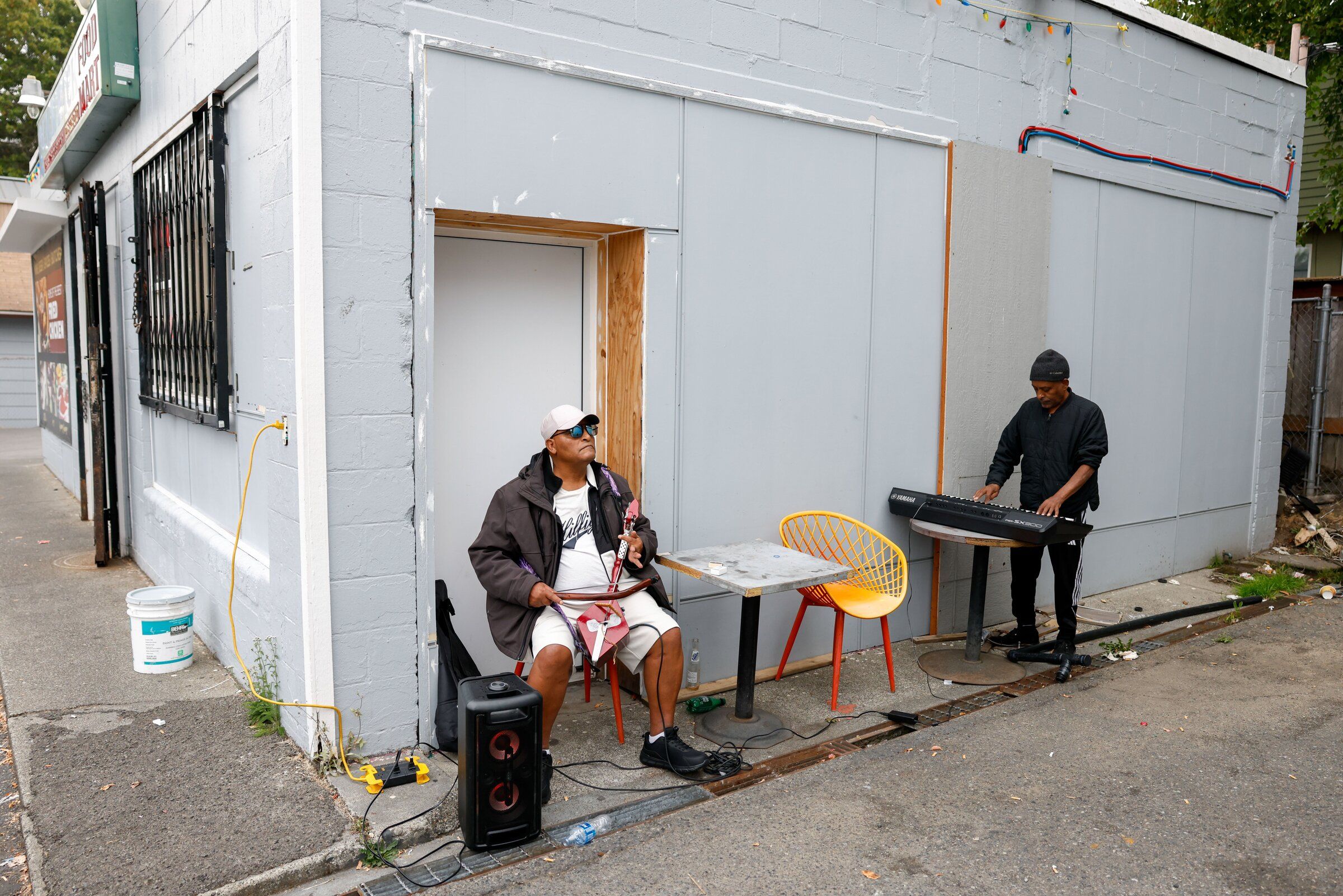
Based on: Duo provides the Jackson Street soundtrack
Budget, Bite and Brutality: Seattle Under Pressure
Seattle has found itself at the center of several high-profile events: a dispute over Mayor Katie Wilson’s budget, an animal cruelty case in Pierce County, and an attack on a woman downtown. The debate over police funding has raised questions about residents’ safety, while an incident involving a facial bite and racist slurs has once again brought hate crimes into focus.
The Battle for Seattle’s Safety: Why Police and the City Council Opposed Mayor Wilson’s Budget
A serious political conflict is unfolding in Seattle over the city’s main financial document. Mayor Katie Wilson presented a $9.1 billion budget that she says reflects the city’s current financial realities. However, the proposal has sparked outrage among both police leadership and City Council members, who believe the proposed cuts threaten residents’ safety. The dispute is not simply about numbers, but about how the city will address crime amid severe budget constraints.
The central sticking point is funding for the Seattle Police Department (SPD). Although the department consumes a significant portion of the budget—$557 million—the proposed plan calls for spending cuts to cover a $175 million deficit. In particular, the mayor is proposing to cap the number of funded officer positions at 1,250. The decision has drawn sharp criticism because the city previously set a goal of more than 1,400 officers. As interim Police Chief Andre Sayles noted in his remarks, the lack of resources is already forcing his officers to make difficult choices every day, effectively triaging calls by priority. He emphasized that with limited resources, officers must assess the seriousness of an offense and the likelihood that it can be solved, meaning some cases and calls are delayed—creating a dangerous precedent for emergency response.
The city’s budget office is defending the proposed figures, pointing to the impossibility of spending money the city does not have. Seattle Budget Director Eli Pennucci said the previous target of 1,400 officers was not supported by financial reality, and that the current budget reflects only the resources available today. However, City Council members are not inclined to accept that argument. Bob Kettle directly questioned why the mayor’s plan falls so far below previous targets, while Deborah Juarez brought an emotional tone to the discussion, saying the issue was not political ideology but the real world, where rising crime is directly connected to a reduced number of patrol officers.
Beyond staffing, the technological aspects of public safety have also sparked serious disputes. The council expressed strong dissatisfaction with plans to eliminate three positions at the Real-Time Crime Center. Councilmember Rob Saka reacted especially strongly. He recalled the tragedy that occurred in July at the Bite of Seattle festival and said he had expected the budget to include funding for surveillance cameras in crowded locations such as Seattle Center. Saka called the omission of that funding “extremely difficult to understand.”
Understanding the key terms used in the debate is important when assessing the situation. The term “triage,” used by the police chief, comes from military medicine and refers to sorting casualties by urgency. In a policing context, it means prioritizing calls when there are not enough officers to respond to every incident. A “Real-Time Crime Center” is a technology hub that allows officers to receive information from cameras and sensors in real time in order to coordinate their response at the scene. Experts view the refusal to fund CCTV systems in popular public spaces as a step backward in preventive safety measures.
This budget dispute illustrates the deep governance crisis facing many large American cities. On one hand, progressive voters are demanding that funding be redirected; on the other, there is the harsh necessity of maintaining public order. A FOX 13 Seattle article details how the City Council will continue discussions over the coming weeks before a final vote in December. The outcome of this struggle will determine not only the shape of Seattle’s police department over the next year, but also whether residents feel safe walking the streets or attending city festivals. For now, one thing is clear: finding a compromise between City Hall’s “financial reality” and the “reality on the streets” described by police will be extremely difficult.
Family Suspected of Animal Cruelty Operated Under the Guise of a Rescue in Pierce County
In Pierce County, Washington, law enforcement seized 17 animals as part of an animal cruelty investigation. According to investigators, the family suspected of wrongdoing used the noble mission of animal rescue as a cover. Authorities say that in reality, however, their activities did more harm than good to the animals in their care. The story, reported by FOX 13 Seattle, once again raises questions about how easy it is to create the appearance of an animal welfare organization—and how difficult it can be to distinguish sincere volunteers from people who use “rescue” status to conceal neglectful conditions.
The situation unfolded as follows: this week, Pierce County sheriff’s deputies intervened in what they describe as an animal cruelty case. Seventeen animals were seized, and members of one family are considered suspects. The key detail that gives the case particular significance is the alleged cover. Investigators say the suspects operated under the guise of an animal rescue shelter, using the reputational shield of “rescuers” to avoid raising suspicions among neighbors, donors, and potential adoptive owners. When authorities arrived at the property, they reportedly found that the animals were being kept in conditions incompatible with proper care.
Under American law, “animal cruelty” involves more than physical abuse. It can also include failing to provide adequate food, water, veterinary care, sanitary conditions, or protection from the weather. The case was opened based on a combination of these factors. It is important to understand that a “shelter” in the United States is not merely a sign on a building. Legal organizations—whether 501(c)(3) nonprofits or municipal shelters—must comply with sanitation standards, maintain records of the animals in their care, isolate sick animals, and allow inspections. If the family operated without the necessary license or registration, that could itself constitute an aggravating factor. And if the animals were seized, the case likely involves systemic violations rather than a single incident.
Seventeen animals is a significant number for Pierce County. This was not one or two dogs forgotten in a car, but an entire group, suggesting either an improvised home-based “mini-shelter” or an attempt to run a pseudo-rescue operation aimed at collecting donations. Investigators have not yet disclosed the species of the animals, their current condition, or whether any were purebred and of commercial value. However, the fact that the county sheriff is handling the investigation, rather than animal control alone, indicates the seriousness of the allegations. In cases like this, prosecutors could pursue not only cruelty charges but also fraud if it is shown that money was collected under the false pretense of rescuing animals.
The case is a warning signal for the entire animal welfare system. Thousands of small rescue groups operate across the United States, many relying on the enthusiasm of a few people and genuinely saving hundreds of animals. But the line between a “home foster operation” and an “illegal shelter” is often blurred. Neighbors may fail to notice problems for years, until the smell or noise becomes unbearable, while donors may contribute money without checking how it is being used. By seizing the animals, Pierce County authorities have effectively sent a message: “rescue” status is not immunity, and if neglect is hidden behind the name of a shelter, the law will intervene. It is hoped that the seized animals will receive the care they need and that the investigation will establish whether this was negligence caused by inexperience or a deliberate use of animal welfare rhetoric for personal gain. In either case, the conclusion is the same: shelters should be trusted not because of their claims, but because of verifiable documentation and transparency.
Attack Downtown: Woman’s Face Bitten in Alleged Hate Crime
An attack in downtown Seattle has shocked even local residents accustomed to the city’s many challenges. A 36-year-old woman was attacked by a stranger who not only shouted racist and homophobic slurs but also bit a piece of skin from her forehead. The victim required a skin graft, and prosecutors say she will be left with a permanent scar. The case has once again raised questions about safety in the city’s central neighborhoods and how the legal system classifies hate-motivated crimes.
The incident occurred at about 3:45 p.m. on September 18 near the intersection of Third Avenue and Cherry Street. Diana Gonzalez, a 36-year-old Seattle resident, was walking to a 7-Eleven near her office to get a drink when, according to her account, a woman passing by threw a food wrapper at her. When Gonzalez asked what was going on, the stranger—later identified as Camilia Chadley—allegedly shouted, “You’re an inferior race,” used a homophobic slur, and spat at the victim. Prosecutors emphasize that the two women did not know each other. “I don’t know this person,” Gonzalez said. “I’ve never seen her in my life.” That detail underscores the entirely random nature of the attack, making it particularly frightening for city residents.
According to court documents, Chadley then knocked the victim to the ground and bit out a roughly one-inch (approximately 2.5-centimeter) round piece of skin from her forehead. “She started yelling racist things, then she spit on me. And then she bit my face—she bit a piece of my face off,” Gonzalez recalled. An employee of a nearby office who witnessed the attack separated the women and followed Chadley toward the King County Courthouse, where a county marshal detained her. Arriving police officers found blood on the sidewalk and a piece of flesh in a storm drain. Gonzalez later identified the attacker through the courthouse’s glass doors, telling officers, “That’s her, 100%.”
The victim was taken to Harborview Medical Center, where she was scheduled to undergo a skin-graft procedure on September 22 to close the wound. Prosecutors say she will have a permanent scar. “I’m just worried that she’ll do this again because it was so random. It made no sense,” Gonzalez said. Her words reflect not only physical pain but also the deep psychological trauma of realizing that something like this could happen to anyone at any time.
Camilia Chadley has been charged with second-degree assault, which involves intentionally causing substantial bodily harm. She was initially arrested on suspicion of a hate crime and booked into the King County Jail, but she has not currently been charged with a hate crime. Prosecutors say that charge could be added later if the evidence supports it. The prosecution requested bail of $150,000, citing the severity of the injuries and concerns that Chadley could commit further violence if released. Gonzalez herself is urging prosecutors not to reduce the charge: “I would like the charge not to be reduced. I would like her to receive a long sentence and additional therapy or help in prison, even if she takes a plea deal, so that she doesn’t do this again.”
Several legal and medical aspects help provide context. In Washington state, a “second-degree assault” charge means that the defendant intentionally assaulted another person and acted recklessly, causing substantial bodily harm. It is a serious felony, though less serious than first-degree assault, which requires proof of intent to cause great bodily harm or the use of a deadly weapon. A hate crime is a separate charge that may be added to the underlying offense if it can be proven that the motive was hostility toward the victim’s race, religion, sexual orientation, or another protected characteristic. A skin graft is a surgical procedure in which healthy skin is transferred to an injured area to promote healing and minimize scarring. In this case, the procedure was intended to close the wound on the forehead, which without surgery could have led to infection and an even more noticeable defect.
The case has received coverage in local news, particularly in a KOMO News report, which includes details from court documents and comments from the victim. The story has drawn widespread attention because it combines several troubling factors: the random nature of the attack, its brutality, the use of racist and homophobic rhetoric, and questions about whether the attacker will be held accountable for a hate crime. For Seattle, a city that presents itself as progressive and inclusive, incidents like this are a painful reminder that street violence and xenophobia remain real problems. As the legal process continues, downtown residents and civil rights advocates will be watching closely to see how the justice system classifies the attack and what punishment the defendant ultimately receives.
News 25-09-2026
Washington Will Reject Federal SAVE Database for Voter Checks
Washington state does not plan to connect to the expanded federal SAVE system for verifying voters’ citizenship, despite a Sept. 25 decision by the U.S. Supreme Court temporarily allowing the Donald Trump administration to use the system again. Secretary of State Steve Hobbs considers the database unreliable, saying its errors could force eligible citizens to prove their right to vote. Olympia will continue relying on its own voter-registration procedures — and in a state where every registered voter receives a ballot by mail, the cost of a mistaken match is especially high.
The Supreme Court’s decision was not a final ruling on the merits of the case. It paused an order from the U.S. District Court for the District of Columbia, which in June struck down the modernized version of SAVE, finding that federal agencies had moved too quickly to combine and reuse the personal data of millions of Americans. The dispute will now continue on appeal, but while the case proceeds, the Department of Homeland Security may once again offer the system to states and local election officials.
SAVE — short for Systematic Alien Verification for Entitlements — has existed since 1986. It was originally a tool for verifying the immigration status of people applying for public benefits. Under Trump, the system acquired a different and far more politically sensitive role. Following a March 2025 executive order, it gained access to additional Social Security Administration data, including information linked to Social Security numbers, as well as the ability to upload lists of people for simultaneous verification.
The mechanism may appear technical, but its consequences are deeply human. If the system fails to confirm someone’s citizenship, a local authority must contact that person and request additional documents so they can register or remain registered. The risk is particularly significant for naturalized Americans: information in different federal databases may be updated with delays. Court filings cited the case of a U.S. citizen whom the system mistakenly flagged as a likely noncitizen; his registration in Texas was temporarily canceled.
The Supreme Court majority found that a federal law requiring agencies to respond to states’ requests about citizenship or immigration status likely permits the use of the modernized SAVE system. The justices also noted that federal law prohibits states from carrying out systematic voter-roll purges in the weeks before an election: such programs must be completed no later than 90 days before federal primaries or general elections. Individual checks, however, remain permissible during that period — which is what made the ruling so important to the administration.
The court’s three liberal justices, however, saw the decision as a hasty expansion of federal authority. In a dissent, Justice Ketanji Brown Jackson emphasized that the lower court had already found that Social Security databases may contain inaccurate citizenship information and that the new data-sharing rules had been introduced without proper public notice and comment. The dispute, therefore, concerns not only the fight against illegal voting — which is already a crime — but also how far the federal government may go in turning administrative records into a tool of election oversight.
For Washington, the conflict adds to a longstanding dispute with the federal government. In September 2025, the Justice Department demanded the state’s complete, unredacted voter database, including sensitive personal information. Hobbs refused to provide dates of birth, driver’s-license numbers and the last digits of Social Security numbers, supplying only information available to the public. On Sept. 22, a federal court in Seattle dismissed the government’s lawsuit, ruling that the demand was unlawful. In the spring, the state also strengthened protections for such data: disclosure by an election official can result in criminal penalties.
Hobbs says Washington already regularly checks and updates its voter rolls without SAVE. His office also cites a figure intended to return the debate to its actual scale: from 1982 through 2025, the state identified 15 cases of noncitizens voting — 0.000006% of all ballots cast. Supporters of the federal system see it as a way to detect violations more quickly; Washington officials see the risk that searching for a rare problem will create a new one — depriving someone of a vote they are fully entitled to cast. With the Nov. 3 election approaching, the state appears to have made its choice: The federal database may once again be available, but it will not be used here.

Based on: Hobbs says WA won’t use Trump’s ‘flawed’ SAVE voter database
Readers grade Seattle schools and union after negotiations
More than 250 Seattle Times readers evaluated the actions of Seattle Public Schools (SPS) and the Seattle Education Association (SEA) during negotiations over a new three-year contract. The survey was conducted after an agreement was reached covering the period from Sept. 1, 2026, through Aug. 31, 2029. The deal was reached nearly 11 p.m. the night before the school year began, avoiding a strike and delayed classes but leaving families uncertain until the last minute.
As part of collective bargaining, the two sides discussed salaries, benefits, class sizes, workloads and learning conditions. Without an agreement, the process could have moved to mediation, a strike authorization vote and an actual strike. The contract must be ratified by union members and approved by the school board. Such agreements typically prevent school closures and delays to the start of the school year, but they can affect schedules, school programs, salaries and local spending.
The new contract provides union employees with salary increases of about 10% over three years. The agreement also includes an 18-month study and testing period for potential changes in special education, a requirement that elementary schools with more than 350 students have a full-time school psychologist or social worker, and an increase in the number of psychologists and nurses. SEA represents about 6,000 teachers, instructional assistants, counselors, secretaries and other district employees.
The financial disputes unfolded against the backdrop of an $87 million SPS budget shortfall. District expenses, particularly for salaries, health insurance and special education, were rising faster than revenue. Washington state funds basic educational services, but that funding is insufficient to cover all the costs of a large urban district. Local taxes make up part of the difference, but their amount is limited by law and depends on the strength of the tax base. Declining enrollment created additional pressure: buildings, transportation and a significant portion of the workforce cannot be reduced quickly in proportion to the drop in enrollment.
Nearly 60% of survey participants were parents or relatives of SPS students, about 15% worked for the district, and 8% were current or former students. About 28% gave the school district an “A,” while another 29% gave it a “B.” Readers particularly praised new Superintendent Ben Shuldiner for his regular, detailed updates, open discussion of the budget shortfall and willingness to discuss the progress of negotiations.
Some respondents described Shuldiner’s communication as more candid and substantive than that of previous administrations. They responded positively to his participation in the negotiations and to a lengthy letter to families in which he explained the district’s financial problems and addressed what he called widespread misinformation. At the same time, 16% of readers gave SPS a “D,” and 13% gave it an “F.” Critics condemned the prolonged negotiations and said district leadership had subjected families to unnecessary risk and uncertainty.
Potential changes to special education and the tone of Shuldiner’s letter drew particular criticism. Under federal law, the district must provide children with disabilities with individualized education programs (IEPs), specialized instruction, assistance from aides and other services — both in general-education classrooms and in specialized programs. Parents feared that cuts to funding or staffing would lead to overcrowded classrooms, less individualized support and failures to meet IEP requirements.
The district pointed to the budget shortfall and the need to reallocate resources, while SEA emphasized employee workloads, safety and service quality. As a result, the dispute over special education involved children’s rights, working conditions and the district’s financial stability at the same time. Some parents also found the superintendent’s letter excessively long, unprofessional or accusatory. Shuldiner acknowledged that some readers may have perceived his message as too harsh, but said the district had been placed in a difficult position after remaining silent for too long in response to conflicting information.
The union received even harsher ratings: roughly one-third of participants gave SEA an “F,” while nearly one-quarter gave it a “D.” Readers criticized the organization for continuing negotiations until the final night, using emotional rhetoric, showing insufficient willingness to compromise in light of the budget shortfall, and demanding salary increases that many considered high compared with other regions of the United States. An SEA representative, by contrast, said the union was grateful to its supporters and considered the contract an important achievement for students and employees.
However, about 16% of respondents gave the union an “A,” and 14% gave it a “B.” They praised the work of the bargaining team, particularly its resistance to district plans to change funding and staffing for special education. SEA supporters believed the union had defended the interests of students, educators and support staff, while also standing up for the services promised to children with special educational needs.

Based on: Readers grade SPS, teachers union after negotiations
Kirkland’s Expensive Housing Market Has Almost Fully Shifted to Buyers
In Kirkland, a city on the eastern shore of Lake Washington, the housing market—long considered one of the most expensive and competitive in the region—can now be described as a buyers’ market by 99%. Even entry-level homes here typically cost around $1 million or more, while properties in most neighborhoods often sell for more than $2 million. Their high prices reflect the city’s attractive waterfront location and steady demand for housing on Seattle’s Eastside.
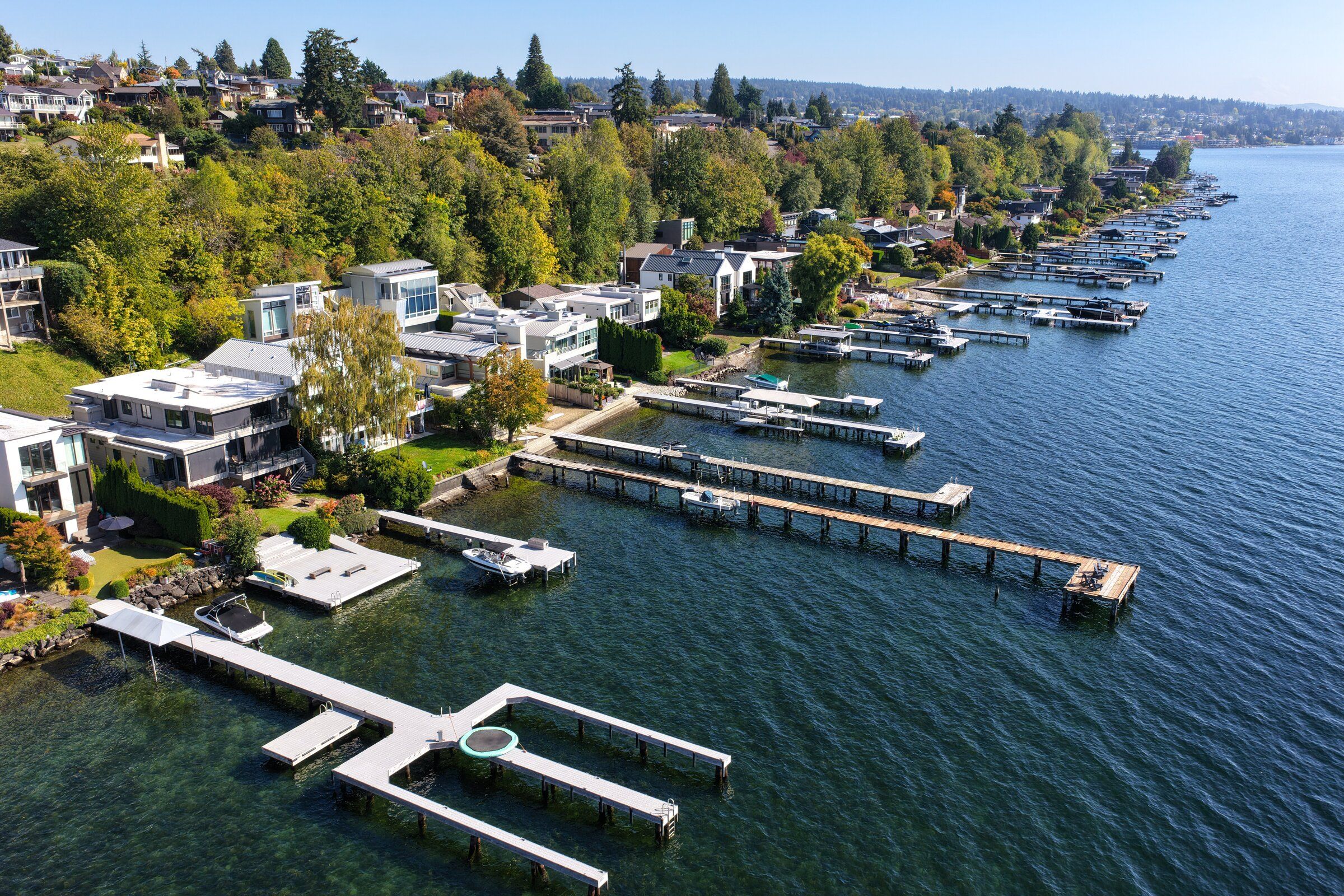
Based on: Kirkland’s wildly pricey housing scene is now ‘99% buyer’s market’
Sound Transit chief gets bonus after trains cross Lake Washington
The Sound Transit Board of Directors approved a $30,000 deferred bonus and a base-pay increase for CEO Dow Constantine. The decision, made Sept. 24, concludes the saga over Constantine’s 2025 compensation, which he had asked to defer until the opening of continuous light-rail service between Seattle and the Eastside. Trains crossed Lake Washington on March 28 — the first rail service in the world to run across a floating bridge.
When Constantine took over Sound Transit on April 1, 2025, his starting annual salary was $450,000. His contract immediately provided for two stages of growth: first, an adjustment to the average pay level for executives at comparable transit systems, followed by a 3% to 6% increase based on a performance evaluation. A market study conducted late in 2025 set the benchmark at $474,276.
In December of last year, the board rated Constantine’s performance outstanding, but at his request deferred both the cash bonus and the merit increase for 2025. That delay has now ended: the CEO’s base salary will rise to approximately $502,700 a year, and he will receive a separate payment of $30,000. Formally, the amount is called a contribution performance award — a bonus for completing goals agreed upon with the board.
The decision is difficult to separate from the March opening of the Crosslake Connection, the final seven-mile segment of Link 2. It connected the International District/Chinatown stations in Seattle with Mercer Island and the Eastside, completing continuous service to Bellevue and Redmond. The Link system now has 63 miles of track and 50 stations; during peak hours, the new stations are served about every eight minutes, while trains on the shared segment between Lynnwood and downtown Seattle arrive every four to five minutes.
The opening was more than another line on a map. Construction of the connection across the lake was delayed for years by engineering problems on the Interstate 90 bridge, and the launch was a rare occasion when Sound Transit could offer residents a completed trip across the water rather than a distant plan. In March, Constantine called the day the culmination of decades of planning, votes and work by thousands of builders, engineers and transportation workers.
But the payment comes as the agency’s achievements coincide with its most difficult financial conversation. In the spring, the Sound Transit board revised the ST3 expansion program after the agency estimated that fully carrying out the original plan would require roughly $34.5 billion more in future-year dollars than available. The reasons cited included construction inflation, rising land and design costs, operating expenses, weaker forecasts for tax and fare revenue, and the cost of borrowing.
Under Constantine’s new goals for 2026, opening the Crosslake Connection was only the first item. He has been tasked with opening Pinehurst Station in North Seattle, ensuring reliable service during the FIFA World Cup, moving closer to four-minute intervals on key segments and keeping unplanned service disruptions to an average of no more than 10 hours a month. At the same time, he must lead the so-called Enterprise Initiative — an effort to bring promised projects into line with actual resources.
Constantine’s contract initially runs through Dec. 31, 2026, and allows the board, at its discretion, to extend it for two additional one-year terms. The current decision is therefore not only payment for a line that has already opened, but also a vote of confidence in the leader who must explain to the region which parts of the once-promised transit map can be built on time — and which will have to wait.

Based on: Sound Transit CEO claims his $30K bonus and wins a pay raise
Campaign finance complaint against Let’s Go Washington closed without penalties
The Washington State Public Disclosure Commission has closed its case against the conservative political committee Let’s Go Washington, founded by entrepreneur Brian Heywood, finding no evidence that commentator Brandi Kruse secretly financed political advocacy. The decision was not an unqualified exoneration, however: commission staff called the case a close one and reminded the committee that paid or donated professional services must be reflected in campaign reports.
The complaint was filed May 12 by Sammamish City Councilmember Pam Stuart on behalf of Washingtonians for Ethical Government. The organization alleged that Let’s Go Washington had failed to disclose the value of political advertising and other services supposedly provided by Kruse in support of the committee’s initiatives. The case was formally opened July 6 and concerned state requirements for timely and accurate reporting of campaign expenditures.
At the heart of the dispute were not so much posters or television commercials as the territory familiar to modern politics between journalism, personal branding and advocacy. Kruse, a former Fox 13 television reporter, now runs a political project and podcast called unDivided. The complaint cited at least 159 posts and appearances supporting two Let’s Go Washington initiatives: one concerning parents’ rights in public schools and another concerning the participation of transgender female athletes in girls’ school sports.
Washingtonians for Ethical Government estimated the value of the alleged undisclosed assistance at between $345,000 and $1.25 million. Let’s Go Washington and Kruse denied from the outset that any contract, payment or other agreement existed. In its response to the commission, the committee confirmed that it had invited Kruse to speak at a February 2026 rally, but said it had not paid her and had not received a documented in-kind contribution from her.
The investigation found no evidence that the committee had purchased Kruse’s services to promote its initiatives. Commission staff also could not establish that her posts, appearances and participation in events constituted campaign contributions that had to be listed in financial reports. The decision noted that Kruse does charge for some public appearances, but not all of them; that fact alone does not turn every political statement by a well-known commentator into a campaign contribution.
This is where the commission drew a cautious but important line. Generally, a professional service that someone provides for free in circumstances where they would normally charge a fee can be considered an in-kind contribution. In this case, however, the issue involved political speech and a public position, and the investigation did not show that Kruse routinely sells such appearances or that Let’s Go Washington controlled her editorial work. The formal proceeding was deemed unwarranted, and no fine was imposed.
At the same time, the case file does not simply say that the matter was closed; it carries the status “closed with reminder.” The commission warned Let’s Go Washington that if professional services are paid for by the committee itself or by a third party — or provided free of charge for the committee’s benefit — those expenses and contributions must be disclosed. For political organizations, the reminder matters: transparency in an election campaign is often determined not by large money transfers, but by who pays for the work behind the scenes.
The decision comes as Heywood and his committee are again at the center of the state’s political life. Initiative IP26-645, backed by Let’s Go Washington, will appear on the November ballot. It would repeal the 9.9% tax on annual income above $1 million adopted in 2026 and prohibit individual income taxes. The tax is scheduled to take effect Jan. 1, 2028, with the first payments expected in 2029. Closing the current case removes the threat of immediate sanctions against the campaign, but it does not erase the organization’s previous history: in 2024, the commission fined Let’s Go Washington $20,000 for reporting violations, conditionally suspending half of the amount.
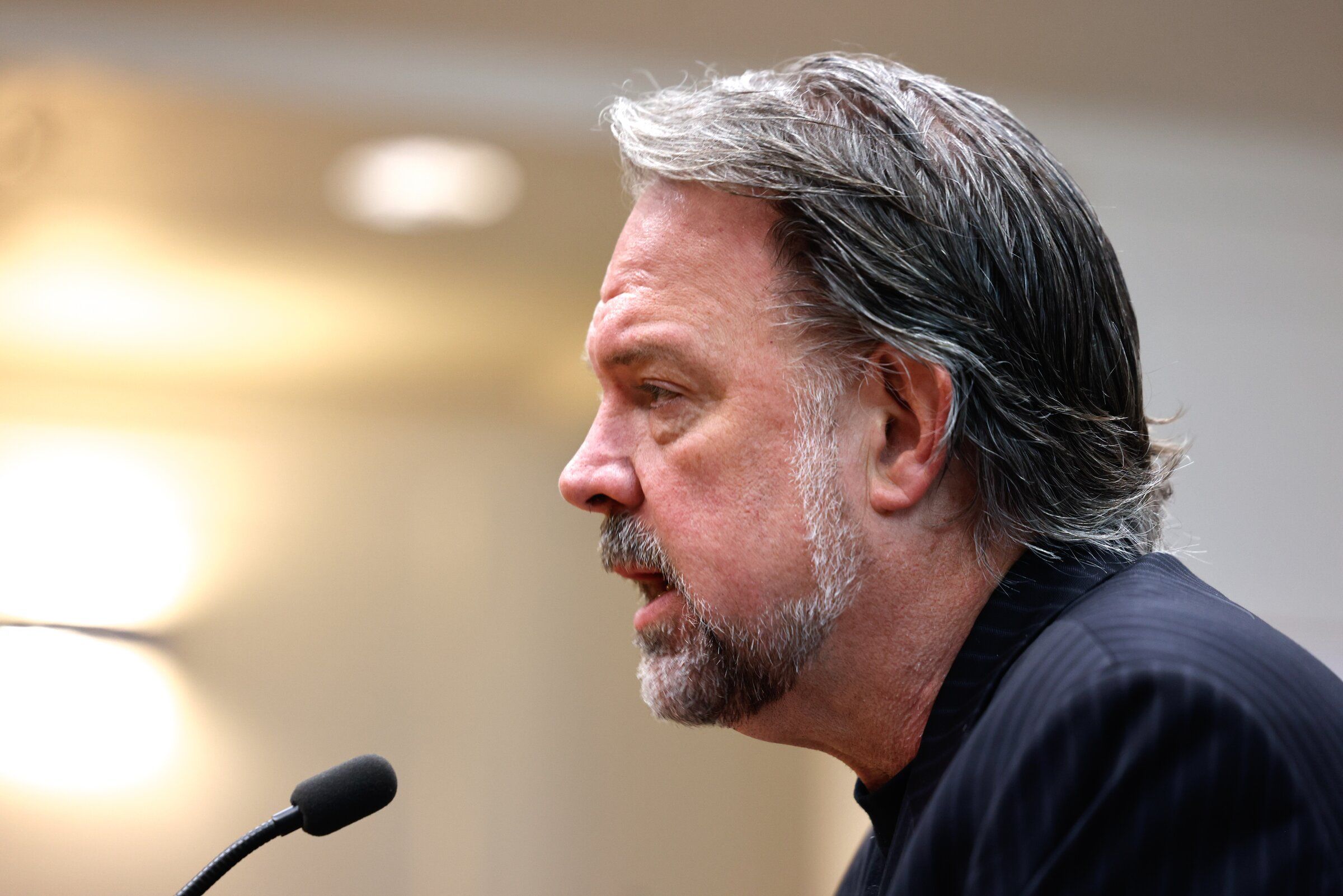
Based on: Campaign finance complaint against Let’s Go Washington dismissed
Seattle Sports and Culture: Injuries, Donuts and Shattered Hopes
Day in review: the Seahawks await Darnold’s return but lose defensive players, the Mariners were officially eliminated from playoff contention after a disastrous September, and an unusual donut tour is taking visitors around Seattle, revealing the city’s history through its local bakeries.
Seahawks: Good News on Darnold and a Warning Sign on Defense
The Seattle Seahawks’ injury report on Thursday gave fans two sharply contrasting reasons for concern and optimism. On the one hand, the team appears likely to get its starting quarterback, Sam Darnold, back—and that is exactly the news Seattle has been waiting for since the start of the season. On the other, Julian Love’s unexpected appearance on the injury report was a reminder that the Seahawks’ defensive depth is currently being held together by little more than hope. That is the picture presented in a Seattle Sports report, which truly contains both good and bad news.
Let’s start with the positive. Sam Darnold, who suffered a glute injury on the opening drive of the season, took part fully in practice on Thursday for the first time since the injury. He had been limited the previous day, which was itself the first step toward a return, but full participation means the quarterback is moving in the right direction and could well take the field Sunday against the Washington Commanders. Before practice, Darnold told reporters that he felt good and was “really pushing” to play this weekend. For a team that began the season with questions at quarterback, it is arguably the biggest news of the week.
There is, however, a troubling side to the report. Julian Love, one of the key players in the secondary, unexpectedly appeared on the report with a calf injury and did not participate in practice. Notably, he was not listed at all on Wednesday, suggesting the injury is new and adding to the uncertainty. The situation is made worse by the fact that the Seahawks’ safety position was already in poor shape. Ty Okada, a fourth-year player, is dealing with a hamstring injury and missed his second consecutive practice. Rookie Bud Clark, a second-round pick, was lost for the season during the preseason after suffering an ankle fracture. As a result, the team’s 53-man roster is left with only three nominally healthy safeties: Rayshawn Jenkins, Nick Emmanwori and A.J. Finley. Emmanwori, however, has played more of a hybrid role than that of a traditional safety. Jenkins, signed from the practice squad on Wednesday, has played the last two games in Okada’s place and will apparently make his third straight start against Washington.
As for the other injuries, rookie running back Jaden Shirden was limited for a second straight practice because of a chest injury suffered in the Week 2 victory over the Arizona Cardinals, a 31–7 win. Several other players, along with Darnold, improved their status. George Holani, dealing with a neck injury; fullback Brady Russell, with a chest injury; receiver Cooper Kupp, with a back injury; and linebacker Ernest Jones IV, with a neck injury, all practiced fully after being limited Wednesday. Nose tackle Brandon Pili also took a step forward, moving from “did not participate” to “limited participation” while dealing with a concussion and a neck injury, although the neck issue was a new addition to the report.
The main takeaway is simple: Darnold’s return could stabilize an offense that has shown uneven play even at 2–0—a topic columnist Stacy Rost has already addressed in discussing three major questions facing the Seahawks’ offense. At the same time, Love’s injury and Okada’s lingering absence leave the defense vulnerable, particularly against Washington, which can attack effectively through the air. If Love cannot play, the Seahawks will have to rely on an improvised safety combination, almost inevitably creating additional risks deep down the field.
For those unfamiliar with the terminology, a safety is a defensive back who plays deep in the secondary and helps defend against long passes, so losing several players at the position can seriously undermine a team’s ability to stop the deep ball. “Full participation in practice” means a player worked without restrictions and, in the coaching staff’s assessment, is close to returning, while “limited participation” signals that the medical staff is not yet ready to clear the player for a full workload. A nose tackle is a powerful defensive lineman whose job is to push through the middle of the opposing offensive line.
It is also worth remembering another development mentioned by Sports Illustrated in the context of the club’s latest news: head coach Mike Macdonald has already commented on leaked remarks he made about Denver Broncos coach Sean Payton, while the club placed Anthony Bradford on injured reserve and signed a safety to the active roster. Taken together, all of this shows that the Seahawks are operating amid constant roster reshuffling, with every new injury forcing the coaching staff to improvise. Thursday’s report is therefore more than a list of names—it is an indicator of how fragile the team’s balance remains ahead of an important game.
A Culinary Route Through Seattle: How Donuts Tell the City’s Story
Seattle is known for its coffee boom, music scene and Pike Place Market, but the city has another culinary attraction that many tourists know little about. It is an unusual walking tour that combines two seemingly unrelated pleasures: fresh donuts and an introduction to the city’s history. The Seattle Underground Donut Tour has operated in the city since 2018 and has since become a genuine alternative to traditional sightseeing excursions. The two-hour walk through downtown Seattle includes stops at several local bakeries, each with its own story and loyal customers.
The route begins at the flagship Top Pot Doughnuts store, one of the city’s best-known donut brands. Company founder Mark Klebeck says taking part in the tour gives both tourists and locals a chance to see a familiar product in a new way. Guests come, he says, to try “handcrafted donuts” and house-roasted coffee, and the experience becomes part of a larger outing rather than simply a snack. The group then heads to Doce, stops at the Amazon Spheres—the famous glass spheres on Amazon’s campus, where participants can enjoy their dessert in peace—and continues to Dahlia Bakery, associated with renowned Seattle restaurateur Tom Douglas.
Tour guide and manager Deb Harick emphasizes that the appeal of the format extends far beyond the donuts themselves. “Fried dough has been present in every culture throughout history,” she says, while donuts are the kind of food people deliberately go out to get and therefore are always connected with memories. Harick also speaks directly about the tour’s mission: supporting local businesses, which she calls “the heart and soul of Seattle.” The route ends at Daily Dozen Doughnut Company in Pike Place Market, a location that is itself a symbol of the city and a must-see stop for any traveler.
A review from Lisa Sprague, a tourist from Michigan, is telling. She said the tour took her to places she probably would not have visited on her own, allowed her to try excellent donuts and taught her a great deal about the history of Seattle and Pike Place Market. Her experience illustrates how a local food tour can serve as a cultural guide. More information about the tour is available from KIRO 7 News, which covered one of the excursions.
The key point is that the Seattle Underground Donut Tour is not merely a dessert tasting, but a carefully designed economic and cultural initiative. It supports small businesses, introduces visitors to the city’s history and creates an emotional connection with the place through food. In Seattle, where competition for tourists’ attention is fierce, the format is a winning one: it is less expensive than traditional attractions while still providing a sense of authenticity and local character. The word “Underground” in the tour’s name refers to Seattle’s well-known history: after the Great Fire of 1889, the city was essentially rebuilt above the old street level, creating underground passageways that are now tourist attractions as well. In this way, even the project’s name helps immerse visitors in the city’s history, while the donuts become a universal language understood by every guest.
“The Broken Bat” as an Ominous Sign: How the Mariners Lost Their Way to the Playoffs
The Seattle Mariners’ season ended before the calendar did—and it is all the more painful because the decisive blow did not come in a battle with the league’s powerhouses, but against what appeared to be an ideal schedule. The club, which reached Game 7 of the American League Championship Series last year and won its division for the first time in a quarter-century, was officially eliminated from playoff contention in 2026 after the Texas Rangers defeated the New York Mets 3–1 on Thursday afternoon. The result erased even Seattle’s mathematical chances. To reach the postseason, the Mariners needed to win all four of their remaining games while both Texas and Houston lost all four of theirs. Only that scenario would have produced a three-way tie atop the AL West, with Seattle holding the tiebreaker advantage. But the miracle never came.
The most frustrating part is the context of the failure. Entering September five games back, Seattle received perhaps the softest schedule of any contender: 22 games, including three against the Rangers, two against the Astros and 17 against the Athletics, Angels and Rockies—the three worst teams in the league this season. It was not merely a favorable schedule, but effectively an invitation to the playoffs. Instead, the team went 8–10 through the first 18 of those games. That collapse, rather than any single loss or outside result, sealed its fate.
The contrast with preseason expectations is striking. After last year’s success, the analytical service FanGraphs gave the Mariners a 59.9% chance of winning the AL West, an 80.9% chance of making the playoffs and a 9.5% chance of winning the World Series. Only the Los Angeles Dodgers ranked higher in all three categories. In other words, Seattle entered the season as the division favorite and one of the leading contenders for the title, but will finish 73–85—the team’s first sub-.500 full-season record since 2019, ending the best run in franchise history of five consecutive winning seasons.
The ominous symbolism surrounding the Mariners deserves special attention. The year began with the unveiling of a statue of legendary player Ichiro Suzuki holding a cracked bat. In a season when the club was pursuing its first consecutive playoff appearances since 2000–01, the detail feels almost too revealing. Instead of October baseball, Seattle will watch the postseason from home for the third time in four years. The question is no longer how to defend a title, but how to explain such a rapid decline.
The causes will require serious examination. Seattle Sports also mentions injured players, a special chest protector featuring Rick Rizzs that Cal Raleigh prepared, and whether J.P. Crawford can justify his return to the Mariners in 2027. The last point is particularly revealing: the club is already being forced to think about a long-term rebuild rather than an immediate boost. More can be found in the original Seattle Sports article.
The main conclusions for those following the team are these. First, the Mariners did not squander an abstract opportunity, but a specific and nearly guaranteed path through the league’s weakest opponents. That points to systemic problems with mental resilience and roster depth, rather than bad luck. Second, the September collapse wiped away all the optimism from last season and cast doubt on the club’s strategy, which failed to add the pieces needed for a late-season push. Third, the financial and reputational consequences will be significant: missing the playoffs will affect attendance, broadcast revenue and the team’s appeal to free agents. Finally, the statue with the cracked bat has already become a meme among fans—but behind it lies a real story about how a favorite became a spectator.
For those who find the terminology confusing: the playoffs in MLB are the postseason stage featuring the best teams from the regular season. The AL West is the American League’s Western Division, home to the Mariners, Rangers, Astros, Angels and Athletics. A tiebreaker is an additional criterion used when teams have identical records to determine their position in the standings; in this case, Seattle held the advantage in a three-way tie. FanGraphs is a respected analytical outlet that publishes probability forecasts based on statistical models. A 73–85 record means 73 wins and 85 losses, or a winning percentage below .500. Ichiro Suzuki is a legendary Japanese outfielder and one of the greatest players in Mariners history. Understanding these details helps convey the scale of the collapse: this was not an ordinary disappointing season, but the downfall of a team widely considered the favorite.


News 24-09-2026
Oregon to Spend $2 Million on Recreation Area at Abiqua Falls
The Oregon State Parks Commission has approved the purchase of more than 200 acres surrounding Abiqua Falls. The $2 million deal brings the creation of a new recreation area at the popular Willamette Valley destination, known for its scenic waterfall, one step closer.

Based on: Oregon approves $2M deal for new Abiqua Falls recreation area
Alaska Airlines puts Paine Field on the West Coast map
Alaska Airlines plans to increase the number of seats on flights from Paine Field in Everett by roughly 50 percent beginning in fall 2026 and continuing into summer 2027. The main new development will be a twice-daily nonstop route to San Jose, along with more flights or larger aircraft on existing routes to Los Angeles, Portland, San Diego and San Francisco. For residents of the northern Puget Sound region, this means more than a few new lines on the timetable: It further establishes the small airport near Boeing’s factories as a genuine alternative to the crowded Seattle-Tacoma International Airport.
Paine Field has always had a dual identity. Founded in 1936, the airport is primarily associated with Boeing: Aircraft have been built, tested and serviced there, while passenger service remained little more than a possibility for many years. Regular commercial flights began only on March 4, 2019, and the terminal — with its relatively short walk from the entrance to the gate — quickly became especially convenient for residents of Snohomish and northern King counties.
Now Alaska Airlines, together with its regional subsidiary Horizon Air, is betting on that advantage. The most concrete part of the expansion is this: Beginning April 14, 2027, Horizon is expected to launch Paine Field–San Jose service. Two daily departures will be operated by Embraer 175 regional aircraft, which seat roughly 75 passengers. The route will connect the northern Seattle metropolitan area with San Francisco’s South Bay, where technology companies, business travel and family ties remain concentrated.
The changes will also affect the familiar network. Los Angeles will receive two daily flights, both operated with larger Alaska Boeing 737s. The carrier also plans to fly twice daily to Portland. On routes to San Diego and San Francisco, the company promises to add seats, although the exact combination of frequencies and aircraft types has not yet been disclosed. Importantly, the stated 50 percent increase refers to available seat capacity, not necessarily an equally sharp increase in the number of takeoffs and landings: Some of the growth will come from using larger aircraft.
For Alaska, this is not an attempt to create a second major hub, but a way to fill out the regional map around its main base at Seattle-Tacoma International Airport. Paine Field serves a different, more local traffic pattern: passengers for whom the trip south to Sea-Tac is often longer and more tiring than the security screening itself. In that sense, flights to Portland, Los Angeles and California cities are particularly logical routes, where time, predictability and the ability to depart close to home matter.
The airport also has physical limits that give the announcement particular significance. Paine Field’s passenger terminal was built as a compact facility with several boarding areas, not as a terminal-sized metropolis. In April 2025, before Frontier Airlines arrived, terminal officials said the airport handled nine or 10 flights on a typical day. Frontier later left, and Alaska and Horizon once again became the airport’s only scheduled passenger carriers. That makes Alaska’s expansion not simply an addition to an already competitive market, but a decision that will shape Paine Field’s entire commercial future.
Local plans, however, have long anticipated growth. In its airport master plan, Snohomish County projected more than 1 million passengers in 2025 and about 1.53 million by 2030. The document assumes that regional demand for air travel will continue to grow, while Sea-Tac’s capacity will remain limited even after planned improvements. Alaska’s expansion fits precisely into that logic: not replacing the region’s largest airport, but relieving some of the pressure where possible.
The changes will begin to emerge gradually in fall 2026, and the schedule will take its clearest shape the following spring with the launch of San Jose service. Passengers should expect new options to appear in booking systems well before the first flight, although the final picture will depend on seasonal demand and the airline’s operational schedule. For now, Paine Field has a rare opportunity for a small airport: to grow not through promises of someday building a vast terminal, but through concrete seats, aircraft and destinations.
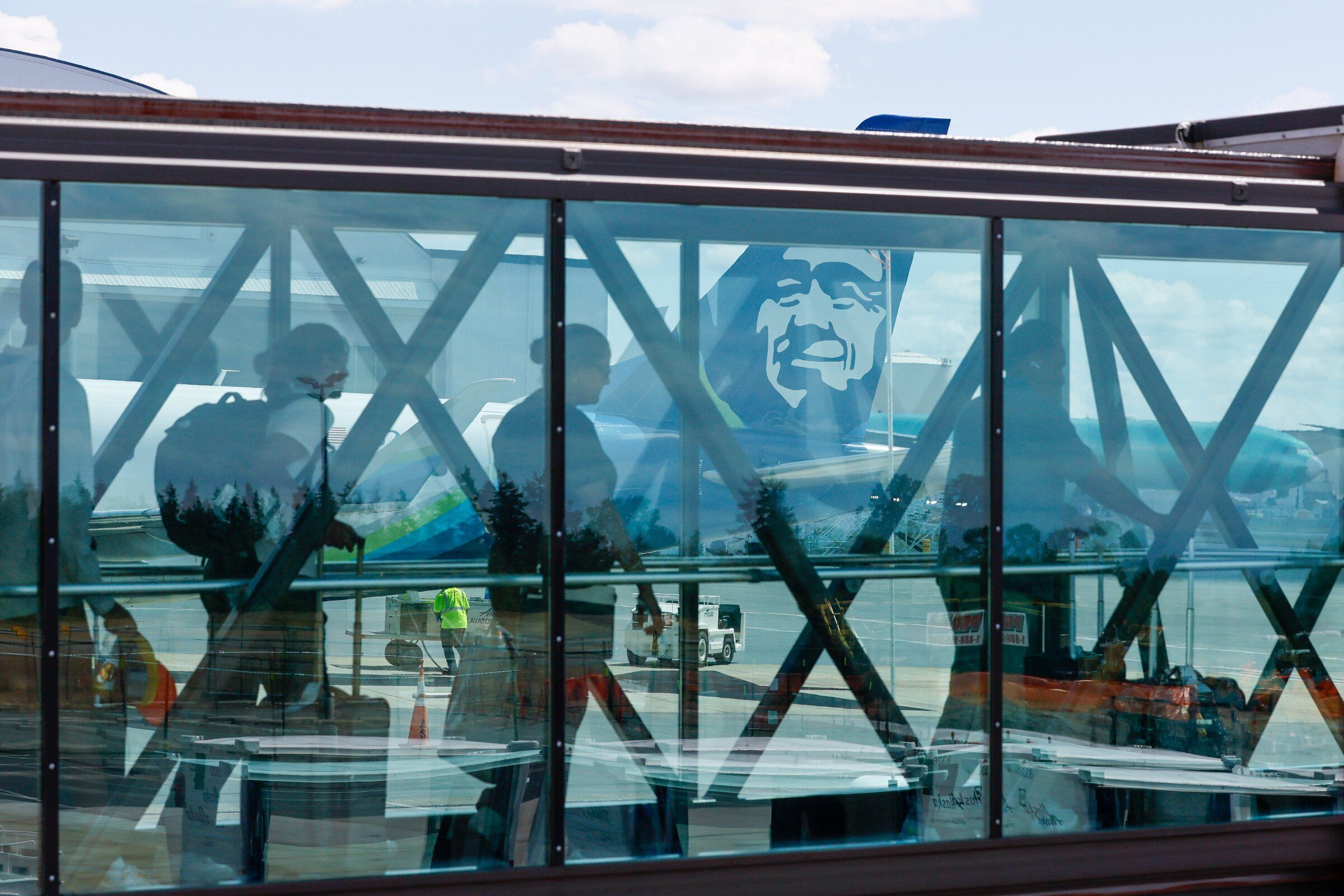
Based on: Alaska Airlines plans to increase Paine Field passenger capacity
Free preschool in Washington: 2,400 new slots this school year
Washington state will open about 2,400 new free slots in the Early Childhood Education and Assistance Program, or ECEAP, for 3- and 4-year-olds from low-income families. The expansion, planned for the 2026–27 school year, will be the first major result of the state’s 10-year partnership with the Ballmer Group. The funding is intended to support not only preschool instruction, but also meals, medical and mental health services, and assistance for parents.
For a family whose preschooler cannot yet read and whose adults are trying to balance work, commuting and child care costs, a preschool slot represents not an abstract education reform but several predictable hours each day. That everyday shortage of time and affordable care is precisely what Washington’s Early Childhood Education and Assistance Program, or ECEAP, aims to reduce. Established in 1985, it was designed as a state preschool program for children who face the greatest obstacles to beginning school on equal footing.
On Sept. 21, Gov. Bob Ferguson and the Washington State Department of Children, Youth, and Families announced that the new slots would be offered at 42 new centers as well as through existing ECEAP providers. In total, the expansion will affect 105 active program sites. For the 2026–27 school year, the state and Ballmer Group will provide early education providers with more than $251 million.
The figure of 2,400 slots became final after a more optimistic summer projection. In June, the department had said it expected about 2,500 slots at 54 new locations; at the time, it also expected the overall expansion — including 250 slots funded by the Legislature — to reach approximately 2,600 slots. Some organizations later returned funds: Some were unable to find staff, while others encountered unforeseen difficulties opening classrooms. The situation is a reminder that money alone does not create educators, licensed facilities or stable teams.
Even so, the current result exceeds the state’s initial goal of enrolling at least 2,000 additional children in the program’s first year. Before the expansion, ECEAP served more than 14,000 children at 463 sites across Washington. The new classrooms may operate in licensed child care centers, family child care homes and schools — places where parents can more easily fit preschool into the familiar routines of their communities.
ECEAP is more than free child care. Classes may last from 2½ to 10 hours a day, four or five days a week. The program combines preparation in reading, math and science with the development of social and emotional skills. Families also receive support related to health, nutrition, children’s mental well-being and family goals. This “whole-child” approach is especially important for families who need preschool not only as a child’s first classroom, but also as a connection to medical and social services.
Children from families with incomes up to 36% of the state median income are eligible first. Previously, that meant an annual income of roughly $50,000 or less for a family of four; the thresholds may change along with annual income calculations. Priority is also given to children experiencing homelessness, children with special educational needs and those who have participated in other early intervention programs. Families apply directly to local ECEAP providers, and enrollment depends both on eligibility and on the availability of slots in a particular community.
The expansion is based on a grant from Ballmer Group, founded by Connie and Steve Ballmer. On Nov. 12, 2025, the organization pledged to provide up to $170 million a year for 10 years — potentially more than $1 billion — to create as many as 10,000 additional slots in the full-day ECEAP model. In March, the governor signed legislation establishing the PreK Promise Account, allowing the state to accept and distribute the private funds through the public system.
The agreement comes with an important condition: The philanthropic money must expand, not replace, public funding. If the state reduces its own ECEAP commitments, Ballmer Group funding could be at risk. During a period of budget difficulties, the new project is both a generous gift and a test of political will: Washington has a rare opportunity to move quickly toward a long-standing goal — guaranteeing free, high-quality preschool to every child who qualifies.

Based on: WA offers 2,400 new free childcare slots for low-income families
Seattle: Economy, Media Projects and Morning Broadcasts
An overview of reports on the fragility of Seattle’s economic ecosystem, the launch of the AI-powered CivicTide platform covering City Hall, and the announcement of the morning show Good Day Seattle.
Seattle’s ecosystem: Why the city’s economy may be stronger than it seems, but more fragile than we think
When a video about Seattle’s business climate began gaining traction on social media last weekend, its author—a journalist and host at KIRO Newsradio—admitted that he had not expected such a strong response. In his view, the surge of interest was not caused by a sudden increase in the public’s enthusiasm for economic policy. The deeper reason is that people are beginning to ask whether we are paying enough attention to what is happening to the city’s economic ecosystem. The video was an excerpt from a conversation with Eduardo Jordan, a two-time James Beard Award winner and Seattle business owner. Jordan warned that if the city does not improve its business climate, it risks following a path we have seen before. The conversation referred to Detroit and its auto industry, as well as Pittsburgh and its steel mills. The author immediately clarified that no one was claiming Seattle is becoming Detroit, while acknowledging that both cities have done a great deal to reinvent themselves. The point was different: the economic engine cannot be taken for granted.
The key idea the author believes is often missed in discussions of major corporations is that the issue is not just the corporations themselves. Seattle is home to Amazon, Microsoft, Boeing, Starbucks, Costco and other giants. We tend to assume that these companies have enough money to withstand any difficulties. But the problem is not them—it is everyone beneath them. Large corporations are the old trees in the forest. Beneath them are midsize companies. And below those are thousands of small businesses: restaurants, caterers, coffee shops, contractors, hotels, retail stores and barbershops. That is the ecosystem. So when 1,000 jobs disappear or move elsewhere, it is not simply a matter of 1,000 paychecks. You have to count the lunches those employees no longer buy, the apartments they no longer rent, the happy hours, haircuts, hotel rooms and cups of coffee. The list could go on indefinitely.
That was the subject of the author’s conversation with Joe Nguyen, president and CEO of the Seattle Metropolitan Chamber of Commerce. Nguyen said that nearly 70% of the city’s tax revenue is tied to economic activity. This matters because Seattle wants to tackle major challenges: affordable housing, public safety, transportation and assistance programs for people in need all require funding. “You can’t fund compassion from an empty treasury,” Nguyen said. And that is not Republican or Democratic math—it is simply math.
The author urges readers to set politics aside for a moment. He recalls a conversation with Ollie Garrett, president of Tabor 100, about business, workers, taxes, social programs and how everything is connected within a single ecosystem. The idea stayed with him, and he believes that is why the Instagram video resonated with so many people. The author is not against Seattle. On the contrary, the attention the video received shows that people want the city to succeed, and that is encouraging.
Seattle has talent, innovation, major employers, universities, culture and one of the most beautiful settings in America. So perhaps the question is not whether Seattle is becoming the next Detroit—the author takes responsibility for that wording. Maybe the better question is whether we are ready to learn from cities that failed for too long to notice that their economies were changing. And can we agree that the best time to protect an ecosystem is not after the trees have disappeared, but while the forest is still standing?
In his article for MyNorthwest, the author emphasizes that Seattle’s economic fragility is underestimated precisely because attention is focused on the major players. The key figures and quotations to remember are these: nearly 70% of the city’s tax revenue depends on economic activity, while Joe Nguyen’s phrase—“You can’t fund compassion from an empty treasury”—serves as a central metaphor for the connection between the business climate and social programs. The forest metaphor and the image of old trees help explain that the resilience of large corporations does not guarantee the resilience of the thousands of small businesses that create the everyday fabric of the city’s economy. The consequences are clear: if small and midsize businesses begin leaving, tax revenue will decline, along with the ability to fund affordable housing, public safety and transportation. The question the author raises at the end is a call for vigilance: the best time to protect the ecosystem is while the forest is still standing.
Former Seattle City Council president launches AI-powered site covering City Hall
Sarah Nelson, who until recently led the Seattle City Council and, before entering politics, helped found Fremont Brewing, has decided to try her hand at an unfamiliar role—as a publisher and political commentator. On Monday, she launched CivicTide, a website that tracks and covers the Seattle City Council’s legislative work from the introduction of a bill through the final vote. She is assisted by a custom AI-powered content management system that uploads city legislative data every hour, creates a ranked queue of stories worth covering for Nelson, and suggests ready-to-publish drafts that she reviews, edits and develops before publication. As Nelson said in a GeekWire interview, her motto is: “Don’t let yourself be outpaced—we have to use every tool in our arsenal to make government more accessible.” At the same time, she emphasizes that she always approves the final version herself: “There’s always a human behind the mechanism.”
The project was technically built by Viet Nguyen, a veteran of Seattle’s technology communications sector who has recently specialized in political and civic websites. He used AI to build everything from scratch: the public-facing site, the back end and the editorial workflow, which he calls a “newsroom.” To understand the scale of the task, his previous project, Culliton2026.org—a guide to how candidates for the Washington Supreme Court might vote on a proposed millionaire’s tax—took only a few hours and about $100 in AI-token costs. CivicTide is a much more serious undertaking. Nelson’s organization has a budget of $163,000 from July through December, with $55,000–$65,000 going toward website development and ongoing AI-token expenses. The rest is allocated to legal costs and a planned independent expenditure campaign. Nelson does not pay herself a salary.
Each political briefing on CivicTide follows a set structure: it summarizes what a particular bill proposes, explains what is at stake, and then contrasts supporters’ “spin” with the site’s own analysis in a section called “spin versus reality.” One example examines Councilmember Dan Strauss’s plan to create parking permits for people living in recreational vehicles. Each briefing links to the original ordinance and committee records. Using built-in tools, readers can quickly write to council members about a specific issue or share their views on social media. Nelson describes this as an effort to “solve the hassle problem of civic participation” and create “more accountable and accessible government.” The site’s launch was deliberately timed to coincide with the beginning of the council’s budget discussions.
Nelson does not hide the site’s editorial position. When asked whether that made CivicTide biased, she replied: “Every media outlet, even purely reportorial pages, has a point of view.” At the same time, she promises to strive for neutrality when describing the substance of legislation, reserving her own opinion for the “spin versus reality” section. The site also publishes opinion pieces, including one calling Mayor Katie Wilson’s decision to freeze bonuses for police hires “blatantly reckless.” Asked whether she would give Mayor Wilson an opportunity to write a guest column, Nelson answered without hesitation: “I’d be delighted.”
Another component is the aggregation of other outlets’ coverage. The “In the Press” section collects and links to articles from other local publications, selected for their connection to active legislation. Sources include The Seattle Times, KUOW, KING 5, KOMO News, The Seattle Medium and the personal blog of Tim Burgess, a former council president and deputy mayor under Bruce Harrell. In Nelson’s backend, articles from The Stranger, Publicola, GeekWire and many others are also suggested for review. The logic is simple: as in many media markets, Seattle now has fewer reporters covering City Hall than it once did, and people receive information from a limited circle of sources. The site is intended to broaden that circle. Nelson is not alone in this effort. In April, GeekWire reported on a similar project called Next30Days, created by former Amazon product manager Julien Clayton. It pulls agendas from the same Legistar system and summarizes them to encourage people to attend meetings. Unlike CivicTide, however, Next30Days does not take positions on legislation.
CivicTide launched at a time when business leaders and elected officials outside Seattle are speaking out more loudly about the city’s economic direction. The site’s announcement includes endorsements from business owners and community leaders, including chef Ethan Stowell, SODO Business Improvement Area director Erin Goodman, Joyale Seafood owner Vincent Zhao, Gary Lee of the Chinatown-International District Public Safety Council and Tina Büche, former head of the Pioneer Square Community Council. Stowell said the restaurant industry “feels completely unrepresented at City Hall,” while small businesses lack the time and staff to monitor constantly changing city initiatives, even though they bear all the consequences. CivicTide, he said, would allow such businesses to track legislation affecting them and speak out “while the issue is still being decided.”
CivicTide’s publisher is SeaFor, a 501(c)(4) organization—a social-welfare nonprofit led by Nelson and registered in Washington state. An important detail is that donors to such organizations are not required to be publicly disclosed in the state, and Nelson declined to name hers in her conversation with GeekWire. The organization also plans to contribute to an independent expenditure campaign in the District 5 race, the only council seat on the ballot this year. If SeaFor becomes one of the campaign’s largest donors, the names of the organization’s three biggest sponsors will appear on campaign materials. Nelson says she supports Julie Kang in the race, although a formal endorsement will come only after interviews with Kang and Nilu Jenks, evaluated against a predetermined list of criteria. In addition to the media project, SeaFor has another stated goal: finding and supporting candidates Nelson describes as pragmatic. She defines the term loosely, ranging from a small-business owner to “a neighbor from Aurora who is tired of seeing disorder every Saturday.”
Nelson’s own political background explains much about the site’s position. She spent four years on the council, including two as president, and was its most consistently business-oriented member, advocating for police hiring, addiction treatment and changes to the permitting process. In November, she lost her election to Dionne Foster and left office in January. Asked whether she planned to run for council again, and whether CivicTide was a step toward doing so, Nelson said no. The key to understanding the project is the contrast between transparency of process and opacity of funding: the site openly cites primary sources and discloses its editorial position, but operates under a structure whose donors remain unknown to the public. That will inevitably raise questions among both professional journalists and readers accustomed to traditional editorial standards.
Review of the Good Day Seattle morning broadcast: What remained behind the scenes
This is not a full news article, but rather an announcement or brief video page published on the FOX 13 Seattle website. The material is titled “Good Day Seattle for Wednesday, 9/23,” referring to the morning program’s episode for Wednesday, September 23. In essence, it is a teaser inviting viewers to watch a recording of the broadcast, not an extended text containing facts, figures or quotations. That is why the material must be analyzed cautiously: it is a media wrapper, not an investigative report.
Even so, the brief description offers several important observations about how modern regional television operates. Good Day Seattle airs on FOX 13 seven days a week and covers Washington state news, politics, weather, traffic, entertainment and sports. It is a classic morning-show format built around rapid transitions between segments: the weather forecast, traffic updates, short reports, studio interviews and sports coverage. This mix helps retain the attention of the broadest possible audience—from people getting ready for work to those eating breakfast in front of the television.
The main value of such announcements lies elsewhere. They serve as guides to the local news agenda. If viewers want to find out what has happened in Seattle and the surrounding area over the previous 24 hours, they can simply open the link to the Good Day Seattle video and receive a condensed digest. This is especially important for Washington residents because regional news often remains outside the focus of national media. Local political decisions, changes to ferry schedules, road construction and weather anomalies in the Pacific Northwest can affect daily life more directly than the federal agenda.
Several terms may need clarification for readers. Good Day Seattle is not a separate news bulletin but the brand of FOX 13 Seattle’s morning broadcast, produced by a local station affiliated with the Fox network. “Seven days a week” means the program airs without weekends off, requiring the newsroom to operate on a continuous cycle. The term “traffic” refers to road reports, which are particularly important in Seattle because of the region’s complex transportation infrastructure and frequent congestion on the bridges across Lake Washington and in the Seattle–Tacoma area. Weather also plays a significant role: the Pacific Northwest is known for rain and fog, making the forecast one of the most in-demand segments of a morning show.
The key conclusions are limited and relate more to the media landscape than to the news itself. First, local television stations continue to serve as a “first line” of information, even as much of their content moves into video formats. Second, the announcement’s brief, detail-free structure shows that the primary product is not the text but the video stream. Third, the absence of specific news items, names, figures and quotations in this excerpt makes it impossible to draw substantive conclusions about events on September 23. This is not an analytical article but an entry point to a page with a video player.
If we evaluated this material as journalism, it would lack reporting substance. In the context of media consumption, however, it fulfills its purpose: it informs viewers that the broadcast took place and invites them to watch it. For those seeking details, the link to FOX 13 Seattle remains a starting point rather than a source of ready-made answers. That is how a significant portion of regional news broadcasting works today: the announcement exists separately from the broadcast, and the audience decides how deeply to engage with the local news agenda.


News 23-09-2026
Ninth Avenue Reopens After Art Gives Way to Traffic
The section of Ninth Avenue between Pine Street and Pike Street, near the Seattle Convention Center, reopened to traffic after an unusually long closure: the temporary mural left over from the August Market at the Marquee turned out to be much harder to remove than organizers had expected. On Wednesday, Sept. 23, workers painted over the artwork to restore the usual road markings and reopen an important approach to the I-5 express lanes.
The story of this block began as an attempt to give downtown a touch of summertime ease. In late July, Ninth Avenue was closed for Market at the Marquee, a series of Thursday events featuring food, music and local vendors. A pedestrian plaza appeared between the convention center buildings, while nearly 40 brightly colored circles and five broad white lines covered the roadway.
The plan was temporary. Under the terms of the permit, the street was supposed to be restored and reopened by Sept. 4. But after the August events ended, it became clear that the paint was holding much more firmly than expected. Attempts to remove it with graffiti-removal products and hot-water pressure washers produced inadequate results; in addition, the work began affecting the road surface itself.
For drivers, this was more than a harmless urban oddity. The short stretch of Ninth Avenue leads to Pike Street and provides a direct approach to the Interstate 5 express lanes. During the prolonged closure, drivers were redirected via Seventh Avenue. The Seattle Department of Transportation acknowledged that traffic could return only after the pavement was once again clear and safe for drivers.
By the end of last week, SDOT and the convention center had chosen a practical solution: rather than continue trying to remove the artwork completely, they would cover it with a new layer of paint, apply road markings over it and reopen the street. In a photograph from Sept. 23, Voltaire Valdez and Vaughn Fasavath are seen doing exactly that — a final, almost theatrical gesture in the brief life of the urban installation.
The decision to paint over the mural does not mean the pavement issue is permanently resolved, however. The long-term plan, previously reported by the transportation department, calls for grinding away the remaining paint, repairing the surface and then repainting the markings. The timing and cost of that work have not been publicly specified.
There is a small Seattle moral to this story: a street can become an open-air living room for a month, but it remains a street — with routes, highway ramps and an obligation to be legible to people moving through it. The bright circles on Ninth Avenue were intended as an invitation to linger; in the end, they had to give way to the white lines that keep the city moving.

Based on: Ninth Avenue in downtown Seattle reopens after street mural is covered up
Washington Apple Harvest Expected to Be Smaller Than Forecast
Washington’s agricultural organization has lowered its apple harvest forecast for this year. The question of exactly how many apples local farmers will produce remains relevant; the published article is accompanied by a photo of harvesting in a Mattawa orchard on Aug. 21, 2026.

Based on: WA fruit group drops apple harvest forecast
Seattle Removes Personal iPads from Early Elementary Grades
Starting January 4, 2027, kindergarten, first-grade and second-grade students in Seattle Public Schools will no longer receive individual iPads assigned to them. The tablets will remain in classrooms as a shared resource, but digital activities for the youngest students will generally last from zero to 30 minutes a day — and not necessarily every day. In doing so, Seattle Public Schools is trying to bring a long-running pandemic-era digital experiment to an end and return reading, writing, conversation and hands-on work to the center of the school day.
Until recently, a personal tablet seemed like an almost inevitable part of a student’s backpack: each child received a device intended for use both in the classroom and at home. The system emerged from the emergency circumstances of remote learning during COVID-19, when schools’ first priority was maintaining the possibility of communication between teachers and students. Now that in-person schooling has long since returned, district Superintendent Ben Shuldiner has described the “one student, one device” model as a relic of a time when it had a clear practical purpose.
The announcement was made September 21 and applies only to grades K–2. About 50,000 children attend schools in the district, but administrators decided not to extend the new practice across Seattle all at once. Older students will continue using district-issued devices, while the possibility of expanding the restrictions to elementary, middle and high schools will be considered later — after the first months of the new model.
This is not a rejection of technology, but an attempt to remove its automatic role. iPads will remain available to teachers for curriculum-based assignments, assessments and accessibility tools for students who need them. A tablet may be necessary, for example, when completing a digital component of an approved curriculum or addressing special educational needs. But teachers will now have to begin with a simpler question: Does the screen genuinely give the child something that a book, a pencil, a conversation with a classmate or an experience with physical objects cannot provide?
In a letter to families, the district particularly emphasized this shift in focus. Some days, the explanation says, an iPad may not be needed at all: a lesson may be better built around reading, writing, discussion, movement, creativity, a science experiment or manipulatives — counting rods, cards, models and other objects through which young children grasp abstract concepts. In a classroom where children are still learning the basic mechanics of communication and working together, this is less about nostalgia for paper than about what deserves their attention.
The decision also responds to pressure from parents and teachers. Seattle Families for Intentional Tech, a group representing families concerned about the role of educational technology in the school day, had pushed for more transparent rules and restrictions. Its representatives welcomed the change but see it as only a beginning: activists want to extend sensible screen-time guidelines to other age groups, restrict recreational games on school devices and suspend the use of generative artificial intelligence until the district develops its own approach to the safety, privacy and educational value of such tools.
For Shuldiner, the move continues a broader effort to protect students’ attention. In May, the district had already introduced uniform rules for mobile phones: students in grades K–8 must keep them turned off and put away throughout the school day, while high school students may not use them during lessons. Tablets, however, are a more complicated case: they can be distracting, but they can also provide access to assignments, assessments and support for students with special needs. The January change will therefore test not whether schools can exist without screens, but whether they can make screens tools again rather than the backdrop to childhood.

Based on: New screen time limits at school for Seattle’s youngest students
Katie Wilson’s First Budget: More Police, Fewer Illusions
Seattle Mayor Katie Wilson’s first proposed budget for 2027–2028 offers a rare combination in city politics: no tax increases, a significant boost in police spending, and continued funding for housing, food assistance and programs for the city’s most vulnerable residents. The $9.1 billion plan for 2027 is intended to close the general fund’s structural deficit, which the administration estimates at $175 million, primarily through spending cuts, the elimination of long-vacant positions and the redistribution of existing funds. The debate over whether the plan is realistic and fair now moves to the City Council.
In her first budget speech, delivered Sept. 22 at the Central Library, Wilson called on the city to abandon its habit of patching annual gaps with one-time transfers and temporary measures. The administration promises nearly $50 million in annual general fund cuts without tapping financial reserves. Of the 128 positions being eliminated, only 15 are filled; the mayor’s office says the rest have remained vacant for years. Still, the cuts will affect current employees as well — in building-permit services, the Police Department’s civilian staff, the city’s IT operations and the Department of Neighborhoods.
The plan’s loudest element is policing. The Seattle Police Department’s budget will increase by about $68 million in 2027 compared with the current year, surpassing $550 million. The proposal allocates $58 million to hiring 66 additional sworn officers, bringing the total number of funded police positions to 1,250. For Wilson, who entered City Hall with a reputation as a progressive activist, this is more than a line item. It is a political statement: public safety concerns voiced by residents, downtown workers and small-business owners will not be pushed aside.
Yet the $68 million figure does not mean the city is simply buying more patrols. A substantial share of the new spending is tied to staffing and the cost of police labor, while the proposal simultaneously cuts spending on recruitment advertising and hiring incentives for new officers. It also leaves eight 911 dispatcher positions and 14 positions in CARE — the city’s unarmed, nonmedical crisis-response service — unfilled. Council Budget Committee Chair Dan Strauss has already questioned that logic. In his view, it is difficult to promise more police officers while cutting the tools used to recruit them and weakening an alternative response to emergency calls at the same time.
Wilson wants to show that her definition of public safety is not limited to the number of badges and patrol cars. The plan preserves more than $100 million annually for violence prevention, victim assistance, community safety programs and alternative response. Contracts with nine community organizations working to prevent gun violence would move from the Human Services Department to CARE, which would also receive a director and coordinator focused on reducing gun violence. The City Attorney’s Office would receive a dedicated position to handle extreme-risk protection orders for people deemed dangerous to themselves or others.
The Police Department also lacks a permanent chief. After a change in leadership over the summer, Wilson launched a nationwide search for a new department head and expects to name a candidate in early 2027. The next chief will inherit not only a substantially larger budget but also demands for immediate results — from residents worried about shootings and open drug use, from a business community for which downtown safety has become a matter of economic survival, and from reform advocates demanding police accountability.
The absence of new taxes also carries both a cost and a political message. Wilson decided not to increase JumpStart, the city’s payroll tax on large companies, although some of its revenue will continue to support general fund needs. More than 30% of projected JumpStart revenue, or $140.2 million, would remain dedicated to affordable housing. For the first time, some of the tax’s funds would also go directly to homelessness assistance programs. The mayor has not abandoned the idea of a local capital-gains tax, but acknowledges that the state’s timeline would not allow it to address the current budget gap.
The proposal also attempts to preserve the city’s social fabric, which can be easily torn during years of austerity: $37 million for nearly 1,000 new shelter beds by the end of 2027, $10 million for food banks, the Fresh Bucks program and meal delivery, and free breakfast and lunch for all Seattle Public Schools students. It preserves $4 million for services for immigrants and refugees, while parks would receive 12 new public restrooms. These relatively small, tangible details help create the image of the city Wilson is trying to defend: more compassionate toward people, but less tolerant of financial uncertainty.
The mayor’s document is now shifting from a program into a subject of negotiation. The City Council’s Budget Committee will begin reviewing departmental budgets Sept. 24, hold public hearings Oct. 6 and is expected to make a final decision Nov. 20. Wilson promises four years of balanced budgets, from 2027 through 2030. The Council will have to decide not only whether the calculations are sound, but also whether the city can hire more police officers, expand its shelter network, avoid raising taxes and prevent today’s savings from becoming tomorrow’s deficit.

Based on: Seattle mayor tries to ‘right the ship’ in her first city budget
Bite of Seattle shooting scandal: Police and mayor’s office trade blame
An internal Seattle Police Department report on the Bite of Seattle festival shooting revealed a conflict between SPD leadership and City Hall: the tactical response was swift, but public communication was delayed by five hours because of official interference. Police blamed elected officials for “distractions,” the chief’s absence and budget constraints, while the acting chief said he was caught between instructions from Dallas and demands from the mayor’s office to postpone the briefing. Barnes’ resignation, new protocols and demands from victims’ families have all turned the tragedy into an indicator of the city’s deeper institutional problems.
Bite of Seattle shooting report found officials distracted police from informing the public
The story of the July 26 shooting at the Bite of Seattle festival is taking on a new dimension—and this dimension concerns not only the tragedy itself, but also how city authorities communicate with residents during a critical moment. Months after the incident, which left three people dead and four others injured, the Seattle Police Department (SPD) published an after-action report on its response. The document’s conclusions were unflattering for the city administration: while officers on the ground acted quickly and professionally, public communication was delayed at the leadership level, apparently because of interference by senior officials.
According to the report, “senior officials and elected officials distracted sworn personnel from timely public information and on-scene decision-making.” The first public briefing took place only five hours after the shooting—a delay for which both SPD and City Hall were criticized. Two internal meetings took place before the first public briefing. As MyNorthwest notes, the report directly points to the need to change the city’s approach to public-safety communications. Proposed measures include assigning an on-scene public information officer in advance, with standing authority to issue alerts, and separating the acting police chief’s tactical role from the responsibility of serving as liaison to the mayor’s office. The document emphasizes that “a strong tactical response does not necessarily result in a rapid informational response—these two tasks require separate planning and resources.” It also recommends approving in advance a drone-use protocol for mass-casualty incidents and active-suspect scenarios, as well as expanding bicycle perimeter patrols beyond the eight officers currently assigned.
At the same time, the report praised the actions of police officers: they ran toward the sound of gunfire and apprehended the shooter within 20 to 30 seconds. Thousands of people were safely evacuated without anyone being injured in the process, while SWAT teams and patrol officers methodically searched the IMAX theater after receiving information that a possible suspect had headed there. Three people died and four were injured in the shooting. A 15-year-old remains in custody, while at least one suspect remains at large. The report also addresses staffing and budget issues: seven supervisors and approximately 25 to 29 officers were assigned to an event attended by thousands of people. Saturday’s staffing was reduced specifically for the city’s Torchlight Parade, demonstrating the limited pool of overtime funding that must be divided among several major events occurring simultaneously.
Mayor Katie Wilson’s spokesperson, Alex Hudson, said that during emergencies the goal is to establish clear communication among the mayor’s office, the police and the public, and that improving these processes is a priority. According to Hudson, the mayor and the acting police chief announced enhanced communication practices last month. The mayor is now focused on preventing similar tragedies and supporting victims’ families, as reflected in a recently released gun-violence prevention plan and investments in prevention and intervention. Acting Police Chief Andre Sayles and Assistant Chief Tyrone Davis will present the report at a meeting of the Public Safety Committee on Tuesday at 9:30 a.m.
Several terms require clarification to understand the context. An after-action report is a formal review conducted after an incident, used by law-enforcement and military organizations to identify strengths and weaknesses. The term “public information officer” refers to an employee responsible for dealing with the media and issuing official statements. The police chief’s “tactical role” involves directing operations at the scene, while the role of liaison to the mayor’s office involves political and administrative coordination. As the report shows, combining these functions can slow public communication. Finally, an “overtime pool” is a limited budget for paying officers for additional shifts, which must be shared among several major events taking place at the same time.
The report’s key insight is that the communication failure was not the result of poor police work on the ground, but of a management structure in which political leadership and tactical command were too closely intertwined. As the document itself put it, “the gaps identified here—the air-support policy and the timing of public information—are downstream from that response.” In other words, the officers’ rapid and disciplined response was not matched by equal speed at the organizational level. This raises the question of structural reform for the city: preassigning an information officer, creating a drone protocol and expanding patrols are not merely technical improvements, but attempts to synchronize the bureaucratic machinery with the speed of people working on the front lines. The report’s statement that “a strong tactical response does not automatically produce a rapid public-information response” sounds like an indictment of the city’s entire communications system. For Seattle, where public safety and trust in government remain contentious issues, these findings could prompt a reassessment of how the mayor’s office and police department work with one another and with residents during crises.
Seattle police blame budget constraints and “distractions” for delay in Bite of Seattle shooting information
The scandal surrounding the July 26 shooting at the Bite of Seattle food festival has taken a new turn. On Monday, the Seattle Police Department (SPD) published a report blaming the shortage of funds and “distractions” created by elected officials for the hours-long delay in publicly reporting the incident. The document, obtained by The Seattle Times, sheds light on the department’s internal problems while also raising questions about transparency and the effectiveness of law enforcement during crises.
SPD’s main argument is that the department did not have sufficient resources to issue official statements promptly. The report emphasizes that budget constraints prevent the city from maintaining a fully staffed public-relations team capable of operating around the clock. With all available personnel focused on finding the shooter and securing the scene, the communications unit became overwhelmed. The report separately identifies so-called “distractions” from elected officials who, according to police, interfered with the operational process by demanding immediate explanations and comments, further intensifying the chaos in the information environment.
For readers unfamiliar with the event, the Bite of Seattle is a major annual food festival that attracts tens of thousands of people. A shooting at such an event automatically creates the risk of mass panic, making the rapid spread of accurate information critical. A delay of several hours meant that visitors and city residents were left without reliable information and had to rely on rumors and social media, potentially triggering additional incidents or disrupting emergency-medical operations. In this context, the term “distractions” is a euphemism for political pressure. Police are effectively suggesting that, rather than allowing the department to focus on apprehending the suspect, city officials demanded updates, scattering the attention of commanders.
Although the report does not provide a verbatim key quotation, its language clearly points to a conflict between the executive branch and law enforcement. If budget constraints are a structural problem that has been known for years, the mention of “distractions” amounts to a direct accusation against specific politicians. It indicates a deep crisis of trust within Seattle’s city administration. Instead of coordinated work to address mistakes, we are seeing an attempt to shift responsibility. For city residents, this means they could once again be left without timely information during the next emergency. Police need to consider not only funding, but also the creation of a clear crisis-communications protocol that would not depend on who called City Hall or how many times they called. For now, the SPD report looks more like a defense than an action plan.
Seattle police blame absent chief and mayor’s office for chaos after Bite of Seattle mass shooting
The incident that took place July 26 at Seattle Center, where the Bite of Seattle food festival was being held, resulted not only in a tragedy that left three people dead and at least four injured, but also in a major internal scandal within city government. Two months after the shooting, Acting Police Chief Tyrone Davis appeared before the City Council’s Public Safety Committee and effectively accused then-Police Chief Sean Barnes, who was on assignment in Dallas, and Mayor Katie Wilson’s staff of interfering with operational management at the scene. Davis said that, as acting chief, he should have had full authority to make decisions on-site, but instead found himself caught between Barnes’ remote instructions and demands from Deputy Mayor Brian Surratt that he postpone a public briefing. “When the acting chief is on scene, it’s his show,” Davis told council members, stressing that he had initially informed Surratt “out of courtesy” that he intended to speak to the press at 7:30 p.m., once the situation had stabilized, but was told to wait for the mayor. His proposed alternative—holding a briefing later that evening or the following morning—was ignored, and the public update ultimately did not take place until close to 11 p.m. “If I had known there would be no update until almost 11 p.m., I probably would have had a different conversation with the deputy mayor,” he acknowledged.
The situation was further complicated, Davis said, by Barnes’ beginning to issue instructions directly to staff, bypassing Davis’ authority—something Davis said had happened before. “This has already been discussed, and here it happened again,” he said. As a result, the mayor demanded Barnes’ resignation that same week and temporarily appointed Andre Sayles in his place. At the same council meeting, Sayles supported the criticism of his predecessor, saying commanders had been “seriously negatively affected by people who were not on scene and who were attempting to give orders.” Sayles also said he had introduced a new protocol under which no more than three members of the senior command staff could be away at the same time, while more than half of the leadership would have to remain within the area of responsibility. The move responded to criticism that too many senior police officials were out of town on the night of the shooting.
The public hearing followed the release of an internal SPD report on the response to the mass shooting. In the section titled “what went well,” police noted that one of the shooters was apprehended within 30 seconds and that the transition from tactical operations to saving lives and securing the scene was “seamless.” The document also listed serious systemic problems: the presence of numerous elected officials at Seattle Center distracted police from managing the chaotic situation and informing the public in a timely manner. Recommendations include assigning an on-scene public information officer in advance with authority to issue emergency alerts, holding public briefings before internal meetings rather than afterward, and separating the roles of commanders responsible for physical security from those responsible for coordinating with officials. The report separately notes the need for “preapproval” of access to drones through mutual-aid partners for mass-casualty scenarios. At the same time, it confirmed that the decision to position officers closer to the crowd, rather than only around the perimeter, was correct. According to the report’s authors, that decision “almost certainly” enabled the shooter’s rapid apprehension. The suspect has been charged with first-degree assault. The document also emphasizes that the number of personnel deployed—seven supervisors and as many as 29 officers—reflected the department’s budget constraints, and recommends that city officials “resource the remainder of the response” ahead of budget negotiations.
Mayor Katie Wilson ordered an independent review of information-sharing that night by Lisa Judge, the city’s inspector general for public safety, saying that her office and SPD had already established new rules for emergency public communications. In response to the police report, mayoral spokesperson Alex Hudson said that during emergencies the goal is to “streamline communication among the mayor’s office, police and the public.” Hudson said strengthening these processes is a priority, while the mayor is focused on preventing similar tragedies and supporting victims’ families, citing a recently released gun-violence prevention plan and investments in prevention, intervention and community support in the proposed 2027 budget. During public comment before the committee, Michelle Whitehead, cousin of Ashley Whitehead, one of the random victims killed while waiting in line for cotton candy, spoke. She demanded that the city create a portal for communicating with victims’ families and explain why Seattle no longer has a separate gang unit. Sayles responded that the structure had been renamed the Gun Violence Reduction Unit before he arrived in 2025, and that the day after the shooting SPD launched a pilot project allowing the unit to operate “very proactively.” “Too many people are sowing chaos in this city,” he said. “I want our police department to be very proactive with individuals who we know are responsible for a disproportionate share of the violence here.”
Several points help explain the context. Bite of Seattle is an annual, multiday food festival that draws tens of thousands of people to Seattle Center, a complex of cultural and entertainment institutions that is also home to the famous Space Needle. A mass shooting at such an event creates a chaotic environment with large numbers of civilians, making the work of police and emergency services more difficult. In the absence of the official chief, the acting police chief is supposed under the city charter to have full responsibility for operational command. In practice, however, political leadership, including the mayor and her staff, can intervene in matters of public communication, which became the subject of the dispute. The nearly four-hour delay in the public briefing after the situation had stabilized raises questions about how transparently city officials acted during the crisis. The reference to “preapproval” for drones also points to existing restrictions in Seattle on police use of unmanned aircraft, which require coordination through mutual-aid partners. Finally, renaming the gang unit as the Gun Violence Reduction Unit reflects a nationwide move away from the term “gang” in favor of broader language, though victims’ relatives view it as a weakening of the fight against organized crime.
The key conclusions from this story are as follows. First, the internal conflict between police leadership and the mayor’s office has become public, undermining trust in city government ahead of budget negotiations. Second, the SPD report acknowledges that the tactical response was fast and effective, but that communication and coordination with politicians failed, delaying public notification. Third, Barnes’ resignation and Sayles’ appointment have been accompanied by structural changes, including a new protocol governing senior-command availability and a pilot project for proactive work with the most dangerous individuals. Fourth, victims’ families are demanding greater transparency and a communication channel, while also asking why the investigation has not yet led to the apprehension of the other shooters. Finally, Mayor Wilson, whose office was criticized by police, is trying to shift the focus toward violence prevention and community investment, which could become a central theme of the 2027 budget process. All of this is taking place against a backdrop of continuing tension in Seattle over gun crime and disputes about whether police have adequate resources, making the Bite of Seattle story not merely a report on a tragedy but an indicator of deeper institutional problems.

News 22-09-2026
Grand Illusion Brings Movies Back to Seattle’s University District
After a year and a half of operating from temporary locations, Grand Illusion Cinema, Seattle’s oldest continuously operating movie theater, has found a new home: the nonprofit has signed a long-term lease for the historic Varsity Theatre on University Way. The main auditorium is expected to open in late fall 2026—tentatively in late November or early December—followed by the gradual reopening of two smaller auditoriums. For the University District, this means more than the return of a familiar marquee: it ends a period in which, for the first time in decades, there were no movie theaters left in the neighborhoods surrounding the University of Washington.
In January, when the Varsity closed after 85 years, its lobby still smelled of popcorn, but the mood was closer to a funeral. The operator, Far Away Entertainment, cited the effects of the pandemic and rising costs. On Jan. 15, 2026, the district’s last three-screen movie theater turned off its projectors. Seven Gables, Grand Illusion’s former location and other theaters that once formed a dense, almost European-style cinema network in the University District had already disappeared.
Now the story has come full circle. The Varsity opened on Oct. 2, 1940, in a remodeled Meister building and originally seated 474 people. By 1947, it had switched to foreign films, becoming one of the city’s first art-house screens. In the mid-1980s, the Seven Gables chain converted it into a three-screen complex. Since then, the theater has weathered ownership changes, the arrival of digital projection and the slow disappearance of independent cinemas from urban life.
Grand Illusion itself grew from a much smaller setting—a former dentist’s office at 50th Street and University Way. In 1970, Randy Finley and his partners opened the 76-seat Movie House, showing foreign films, older movies, silent films and works unlikely to promise box-office returns. In 1979, Paul Doyle renamed the venue Grand Illusion, after Jean Renoir’s film and, as he later explained, the very nature of cinema. Since 2004, the theater has operated as an independent nonprofit supported entirely by volunteers.
Its move was not a voluntary change of scenery. The old theater building was sold in 2023, and in fall 2024 the new landlord declined to renew the lease. The final screenings at the former location took place on Jan. 31, 2025: The New Cinema “Paradiso” and Re-Animator on 35mm film. Grand Illusion then began hosting temporary screenings at Northwest Film Forum, SIFF Film Center and Central Cinema, maintaining its connection with its audience while its leadership searched for a permanent venue.
Choosing the Varsity initially seemed too risky: The space is considerably larger than Grand Illusion’s former auditorium, requiring more money, equipment and audience traffic. But the organization has reasons for cautious optimism. Attendance rose from roughly 9,000 tickets sold in 2022 to more than 20,000 in 2024, its last full year at the former address. The theater plans to invest more than $400,000 of its own funds in the conversion and is raising an additional $200,000 for renovations and its first year of operations.
The lobby and main art deco auditorium will be renovated first, along with the installation of a 4K laser projector and a complete sound recalibration. As soon as the work allows, Grand Illusion plans to bring back 35mm projection, followed by 16mm. In the second phase, the two upstairs auditoriums will open. One will be designed as a tribute to the former cramped, beloved theater, with red velvet curtains and preserved elements of the old interior.
At the landlord’s request, the Varsity sign will remain almost unchanged, but Grand Illusion will program the theaters. The organization promises daily screenings of independent films, classics, genre movies and works from around the world—the same eclectic repertory, but on three screens instead of one. If the plan succeeds, the University District will regain not a museum piece from the city’s past, but an active gathering place: a space where films are still watched not alone in front of a home screen, but in the dark, among strangers who for two hours become one audience.

Based on: Seattle’s Grand Illusion Cinema to take over Varsity Theatre
Forest Near Port Angeles Bought Back from Logging—But Not Forever
On the northern part of the Olympic Peninsula, the public Elwha Legacy Forests Coalition raised funds to protect 29 acres—about 12 hectares—of mature forest in the Doc Holliday timber sale west of Port Angeles. Rather than engage in a lengthy legal battle with state authorities, activists negotiated directly with the logger, Webster Logging: the company agreed not to harvest the selected areas in exchange for compensation for the timber, its work, and mandatory state fees. It is a rare example in Washington of forest preservation achieved not by canceling a sale, but by effectively buying back the right to harvest it.
For the Olympic Peninsula, this is more than a story about several dozen acres. The region’s wet coastal conifer forests exist on a timescale poorly suited to the schedule of timber auctions: trees grow for decades, while a single contract can determine whether they are cut down. Conservationists call the protected parcels “legacy forests”—not old-growth forest in the strict legal sense, but naturally regenerated, structurally complex stands with large trees, multiple layers of vegetation, and signs of developing into future old-growth forest.
The Doc Holliday sale was authorized by the Washington State Department of Natural Resources in 2024. Bruce Webster, owner of Webster Logging, paid the state $620,000 for the right to harvest 74 acres. To the state, such land is not an abstract preserve, but a trust asset: timber revenues must support schools, counties, and local services. That obligation often turns a forest dispute into a conflict not between nature and indifference, but between different public needs—each with a very specific price.
The first test of the new approach involved two acres near Sadie Creek Campground. In May, the coalition raised $32,000 and agreed with Webster Logging that the company would not cut the trees around the campground. Then, in August, activists found roughly $260,000 to preserve another 13 acres. The logger gave them time to raise money for the remaining 14 acres as well, and by mid-September the campaign had reached its goal.
The fundraising effort brought in $563,000 in total; more than 7,500 donors took part over the course of a month. Significant support came from the Holdfast Collective—a nonprofit organization linked to outdoor gear maker Patagonia—which donated $75,000, as well as from an anonymous donor who contributed $72,000. The money was intended to cover not only the value of the timber, but also the logger’s expenses and the fee charged by the Department of Natural Resources to the timber-sale purchaser.
Webster Logging’s role in the deal is also important. The company did not sell the land—it does not own it, and the land remains under state management—but gave up part of the harvesting rights it had already purchased. Webster had previously said he had no objection to the arrangement as long as he received what he would have earned from logging. For activists, it is a practical compromise: rather than asking the timber industry to act charitably, it recognizes that mature forest has a value society can pay for as directly as it pays for logs.
There is, however, a significant caveat to this victory. The Department of Natural Resources was not a party to the agreement, so the current protection is not equivalent to permanent conservation status: theoretically, the state could put these parcels up for sale again someday. Commissioner of Public Lands Dave Upthegrove has called such arrangements uncharted legal territory; the agency is developing a possible system of conservation leases or agreements that would allow the state to participate officially in deals of this kind.
Upthegrove has already ordered 77,000 acres of older, structurally complex state forests to be set aside for protection, while leaving 29,000 acres of similar stands available for harvesting. The dispute over the Olympic Peninsula has not disappeared, but the deal surrounding Doc Holliday demonstrates another way to conduct it. Several dozen acres of forest will not, by themselves, change the state’s economy, but they have changed the language of the debate: between the demand to log and the demand not to log, a third option has emerged—to pay for the forest to remain a forest.

Based on: Trees in WA temperate rainforest spared from chopping block
Seattle prepares to ban “portrait-based pricing”
The Seattle City Council is expected to consider a bill Tuesday, Sept. 22, that would prohibit large grocery chains and delivery services from changing the price of a product for a specific person based on data collected about them. Called the Fair Pricing and Transparency Ordinance, the initiative stems from a simple, almost old-fashioned idea of fairness: a package of pasta on the same shelf should not cost more merely because an algorithm decides that a shopper is in a hurry, dislikes comparing prices or can afford to pay extra.
The measure would not, however, ban sales, coupons or loyalty cards as such. The proposal targets “algorithmic price discrimination” — a practice in which the price of a product or the size of a discount changes after automated analysis of behavior, geolocation, demographic characteristics, purchase history, biometric data or information obtained from data brokers. The authors also want to block a subtler route to the same goal: random price differences for different users that allow a company to test exactly how much a particular person is willing to pay.
The immediate cause of local concern was a Consumer Reports study conducted Sept. 4, 2025. Thirty-nine volunteers assembled the same virtual basket of 20 products through Instacart at a Seattle Safeway without placing an order. The total cost ranged from $114.34 to $123.93. About three-quarters of the products tested were offered to different people at different prices; for some items, researchers saw as many as five price variations. This does not prove that Safeway set the prices itself: the experiment concerned the Instacart platform. But it clearly showed how, in a digital store, the familiar number on a price tag can cease to be the same for everyone.
The U.S. Federal Trade Commission has also concluded that a market for such technologies already exists, although its investigation is still underway. In January 2025, the agency said that intermediaries developing tools for retailers use data on location, demographics, browsing and purchase history, cursor movements, items left in shopping carts and other indicators of a person’s presumed willingness to pay. These companies had worked with at least 250 clients, including grocery stores. The Seattle initiative seeks to draw a city boundary precisely where advertising personalization turns into price personalization.
If the bill is adopted in its current form, it would apply to grocery chains with 20 or more stores worldwide, large general retailers with grocery departments and delivery services with at least 100 employees globally. For chains, the ban would cover any products; for large mixed retailers and warehouse services, it would primarily cover groceries, diapers, hygiene products and over-the-counter medicines. Small neighborhood stores and farmers markets are excluded from the definition of a grocery business.
Ordinary commercial life would not disappear. The bill permits different prices at different physical stores, manufacturer discounts, wholesale offers, publicly available promotions and benefits for students, older adults, military personnel and other clearly defined groups. Loyalty programs could also remain. But a discount would have to be available to all program members on equal terms or be tied to transparent customer groups formed solely on the basis of past purchase history — without attempting to infer an individual’s price sensitivity from that history and without combining it with other personal data.
That distinction lies at the heart of the dispute with Safeway. Sarah Osborne, a representative of the chain, said that if the law passes, the company would be unable to continue offering additional savings and that the average member of its loyalty program saves about $30 a week. Safeway emphasizes that it does not use personal information to charge customers higher prices, but uses it to provide voluntary discounts. However, the bill allows loyalty programs if they meet the listed conditions, so the substantive question is how compatible the chain’s current system of personalized offers is with the requirements of equal access and transparent criteria.
The debate is unfolding against the backdrop of another, already-litigated conflict involving Safeway’s owner. In April, Washington state Attorney General Nick Brown sued Albertsons, Safeway and Haggen, alleging that over five years the chains overcharged shoppers in more than 3 million transactions by artificially raising regular prices before “buy one, get one free” promotions and then lowering them after the campaigns ended. That case concerns not personalized pricing but advertised BOGO promotions. Still, the political significance of the juxtaposition is clear: trust in the word “discount” at the grocery store has become far less automatic.
On Sept. 11, the City Council’s Housing, Human Services, Economic Development and Renters’ Rights Committee unanimously approved the amended bill and sent it to the full council for a vote. If the council adopts the measure, it is expected to take effect Sept. 1, 2027. Stores would have to clearly disclose their discount rules and retain documentation demonstrating compliance for three years, while the city attorney would be able to investigate violations. Customers and customer groups would be allowed to file lawsuits; penalties of up to $3,000 per violation involving an affected person and up to $10,000 for subsequent violations are предусмотрены, with an overall cap of $1 million per case. In a city where the checkout is increasingly becoming a screen, this is an attempt to preserve one nondigital right in the most ordinary grocery trip: knowing the price before the algorithm has sized you up.

Based on: Seattle set to ban grocer use of personal data to set prices
Giant Pasco Crane to Help Build Japanese Nuclear Plants
The orange-and-white Transi-Lift LTL-3000 crane that stood over the industrial hub of Big Pasco, Washington, for about 15 years is being dismantled. Lampson International will spend roughly 10 weeks taking it apart. The components will then be stored at the facility until next year before being shipped to Japan. For local residents, the crane became something of a landmark, although it was originally built not to decorate the local landscape but to construct nuclear power plants.
The order for the crane was placed nearly 20 years ago by the Japanese company Hitachi Transport Systems, now known as Logisteed. The machine was designed for major nuclear projects, including construction of the Higashidori plant. After the 2011 tsunami and the accident at the Fukushima Daiichi nuclear plant, Japan suspended the expansion of nuclear power. Logisteed did not cancel the contract but asked that production be slowed: The crane was completed in 22 months instead of the planned 18 and delivered to its owner in 2014, while remaining in Pasco for storage and maintenance.
Japan did not impose a permanent nationwide ban on nuclear power. After the accident, the country established an independent Nuclear Regulation Authority, while requirements for protecting plants against earthquakes, tsunamis, severe accidents and loss of power were significantly tightened. Projects can resume or continue only after compliance with the new standards has been confirmed, the regulator has approved them and local authorities have given their consent.
That is why construction of the Ohma plant in Aomori Prefecture, which began before the Fukushima Daiichi accident, has continued for years under updated safety requirements. The plant, with a capacity of about 1,400 megawatts, is designed to operate on mixed uranium-plutonium MOX fuel, giving the project strategic importance for Japan’s fuel policy. At the same time, the construction and startup schedules still depend on regulatory inspections and local procedures.
When fully assembled, the crane stands about 500 feet, or 152 meters, tall and can lift up to 3,000 U.S. tons. The machine moves on crawler tracks and rotates 360 degrees. Throughout its storage period, Lampson specialists carried out regular inspections, changed fluids, tested cables and updated the electronics to keep the crane ready for work.
The machine’s first assignment will be a seven-year role in construction of the Ohma plant, after which it will be transported to the Higashidori project. About 140 trucks will be needed for the move. The dismantled components will first be loaded onto four barges at the Port of Pasco and delivered to one of the deepwater ports on the Columbia River — likely Portland or Longview. In May, the components will be shipped by sea to the Japanese port of Muroran and then transported to the construction site.
The use of barges is related to the equipment’s size and weight: Rivers can transport large components of power facilities, turbines and industrial machinery that are difficult to move by road or rail. The Columbia connects the inland areas of the U.S. Northwest with the Pacific Ocean, so river transport is generally less expensive, allows for larger shipments and is less affected by highway congestion.
The Port of Pasco is one of eastern Washington’s key river ports. It handles exports of agricultural products, especially grain, and also receives and ships industrial equipment and other bulk cargo, connecting regional businesses with coastal ports and international markets.
Before beginning work in Japan, the crane will undergo testing and receive a traditional blessing from Shinto priests.
Based on: Workers dismantle monster crane that towered over Tri-Cities for years
“The Seahawks Control the Game as Seattle Searches for a Police Chief and Reshapes CARE”
Seattle is showing its strength in American football, beating Arizona thanks to a 16-play, 10-minute drive and a touchdown that eliminated any chance of a comeback. Meanwhile, the city is searching for a new police chief: Mayor Katie Wilson’s administration is organizing three forums with the involvement of a nonprofit organization, rather than the ten meetings held under previous mayors, raising questions about transparency. At the same time, the mayor’s office is proposing to transfer contracts with nine violence-intervention organizations from the Human Services Department to CARE—a civilian agency that manages 911—in order to create a unified response system for shootings and bridge the gap between emergency services and long-term support for victims.
“That’s Seahawks Football”: How Seattle Went 16 Plays in 10 Minutes to Finish Off Arizona
The Seattle Seahawks’ 31–7 victory over the Arizona Cardinals was memorable not so much for the margin of victory as for the way the team closed out the game. In the fourth quarter, with the outcome no longer in doubt, the Seahawks put together a textbook drive: 16 plays, nearly 10 minutes of game time, and a touchdown that effectively eliminated even the Cardinals’ theoretical chances of a comeback. The sequence symbolically confirmed that Seattle is building its team around physical strength, patience, and the ability to control the ball—not spectacular but risky decisions.
The official team website devoted an article to the key details of the drive (Seahawks Drive of the Game). After starting running back Jadairian Price left the field with a chest injury, Emanuel Wilson took on the entire workload. On the final possession, he carried the ball 10 times on 17 plays, repeatedly pushing through Arizona’s defense. Wilson put so much effort into the drive that head coach Mike Macdonald had to call a timeout to let him catch his breath.
“He was gassed,” Macdonald admitted. “We called the timeout to get him a breather. We had one running back left, but the offensive linemen got the game ball today. JB [John Benton] broke down that sequence himself—it was awesome. That’s how we want to close out games. That’s Seahawks football. That’s how we want to play. I’m really proud of the team: we were pushing piles, playing through the whistle, playing physical, and reading the front correctly. There were a lot of great moments. We played together, and I’m really proud of how we finished the game.”
A few terms should be explained for readers who are not deeply familiar with American football. A “drive” is a series of plays that one team runs from the moment it gains possession until it loses the ball or scores; 16 plays in a single drive is an exceptionally high number and indicates complete control of the game. A “running back” is a player whose main job is to run with the ball, and that player carries much of the burden when a team tries to “eat clock” and protect a lead. A “game ball” is a symbolic award that the coaching staff gives to players or an entire unit for outstanding work. Finally, the “front” is the opponent’s defensive line, which the offense studies to determine where it is most advantageous to direct the run.
The offensive line also deserves special mention. John Benton was hired in 2025, and the unit became noticeably more cohesive after his arrival. Last season’s statistics are telling: the Seahawks allowed just 27 sacks, the fifth-best mark in the league, while the offense scored a franchise-record 483 points. A sack occurs when a defender brings down the quarterback with the ball behind the line of scrimmage; the fewer such plays there are, the more time the quarterback has to make decisions and the more consistently the offense operates. The line’s reliability allowed Seattle to virtually abandon the passing game late in the matchup with Arizona.
Quarterback Drew Lock, who had little to do on that drive beyond handing the ball to Wilson, made no attempt to hide his admiration for his teammates.
“Wow. Playing behind those guys is awesome,” he said. “They’re an incredible group, an incredible unit. They supported me all week and talked through every detail with me. It was really fun to work with them. And that drive they put together, where all I had to do was say, ‘Ready. Go,’ and then hand the ball to E-Man [Emanuel Wilson], who also did a phenomenal job—it was just awesome. Just great football from those guys.”
The practical significance of the sequence extends far beyond one victory. First, Seattle showed that it can win games without relying on a star running back: Price’s injury did not derail the game plan but simply redistributed the roles. Second, the team displayed a rare commitment in the modern league to “ground-and-pound” football. Long, exhausting drives not only produce points but also wear down an opponent physically, keeping its offense off the field and disrupting its rhythm. Third, the public praise for the offensive line from both the coach and the quarterback sends a management signal: Seattle values the work that often goes unnoticed, not just the statistics. If the team maintains this identity, it could become an extremely difficult opponent in the playoffs, where controlling time and possession is often more important than producing isolated highlight plays.
Seattle Searches for a New Police Chief: Three Forums Instead of Ten, With a Nonprofit as Intermediary
The search for Seattle’s next permanent police chief is becoming less a personnel matter than a test of how willing Mayor Katie Wilson’s administration is to listen to the city. On the surface, the process looks democratic: residents are invited to speak, officials promise to consider their views, and the city says it will make an “intentional and informed decision” based on that input. But a closer look raises a series of questions—from the number of meetings to who is conducting them and how their conclusions will reach the mayor.
According to a MyNorthwest report, residents’ first opportunity to speak will come this weekend. However, the meetings are not being organized directly by the mayor’s office, but in partnership with the nonprofit Seattle Neighborhood Group. In a blog post dated August 25, Wilson’s team announced that “the mayor’s office will partner with Seattle Neighborhood Group to host public forums throughout Seattle.” The nonprofit said on its website and social media that it would hold three forums beginning Saturday, then summarize the results and “report back to ensure an intentional and informed decision with valuable feedback from the community.”
This is where the first contradiction emerges. When public hearings are moderated by an outside organization rather than the city, questions inevitably arise about how feedback will be collected, summarized, and reflected in the final report. That does not mean a nonprofit intermediary will necessarily distort the picture—but it does mean that the transparency of the process becomes a separate issue. Previous mayors also used similar arrangements, but they held considerably more meetings, and the difference is striking.
For comparison, in 2018 Mayor Jenny Durkan announced ten workshops in each of Seattle’s police precincts, along with an online survey. In 2022, Mayor Bruce Harrell held five listening sessions with assistance from the Empower Initiative, followed by two additional meetings involving city employees and several community organizations. In 2024, Harrell cited feedback collected during six earlier public-safety forums held as part of the “Safer Seattle” program, as well as online survey data that helped shape the job description. Against that backdrop, Wilson’s three forums represent fewer meetings than any recent search for a police chief.
The timeline outlined by the mayor’s team is as follows: public participation will continue through October, after which an advisory committee will begin reviewing candidates. In November and December, the mayor will interview finalists and is expected to make a final selection in early 2027. The national search was announced in August, and Wilson has already outlined the desired profile: the next leader should be visible in Seattle neighborhoods and focused on public trust, accountability, and department management.
“I’m looking for a leader who understands that public safety begins with public trust. That trust has to be earned every day,” the mayor said. “The next chief will play a critical role in shaping not only the culture of the department, but also the future of public safety in Seattle.”
It is also worth asking exactly who was brought in to organize the forums. Of the 16 employees and board members listed on the Seattle Neighborhood Group’s website, only two biographies mention experience in criminal justice. Tienny Milnor describes herself as a managing assistant attorney general in the criminal-justice division of the attorney general’s office, while Mergitu Argo works as a community-engagement specialist with the Seattle Community Police Commission and previously served as a community service officer with the city’s police department. The other staff members have extensive experience in community engagement and working with underserved and vulnerable populations—important qualifications for organizing public forums, but not a substitute for expertise in law enforcement.
The meetings are scheduled for Saturday, September 26, from noon to 2 p.m. at the Van Asselt Community Center; Monday, September 28, from 6 to 8 p.m. at the University of Seattle; and Wednesday, September 30, from 6 to 8 p.m. at North Seattle College.
The broader context gives the story additional urgency. The search is taking place as Wilson’s administration makes public safety one of its top priorities. Last week, the mayor announced a new strategy to reduce gun violence: more bicycle patrols in several neighborhoods, the transfer of the community-based intervention program to the Department of Community Response and Engagement, additional youth programs and mental-health services, and formal reviews of homicide cases to identify where city systems failed. Wilson also recently signed an executive order intended to improve Seattle’s response to major emergencies, citing lessons from the deadly shooting at the Bite of Seattle festival, including problems with coordination and public communication.
The response to that shooting remains an important part of the leadership transition. Publicly released correspondence revealed confusion within the police leadership about who was responsible for the situation during the shooting, while the mayor’s office and the police department acknowledged the need for faster coordination and clearer communication during major incidents. Wilson accepted former Police Chief Sean Barnes’ resignation in July and appointed Andre Sales as acting chief during the national search.
Several points require clarification. Seattle Neighborhood Group is a nonprofit that works with communities, and its involvement in organizing the hearings means that it—not city officials directly—will collect and summarize residents’ views. This creates a risk that the final report will reflect the nonprofit’s interpretation rather than participants’ raw input. The advisory committee mentioned by the mayor’s team will review candidates before the mayor interviews them, but its membership and authority have not been disclosed in the report, adding another layer of uncertainty. Finally, the timeline—with a selection expected by early 2027—means the city will remain under an acting chief for quite some time. Decisions made during the transition will therefore affect the police department well before a permanent leader takes office.
The key conclusion is simple: Wilson’s administration says it is committed to public trust, but it is offering residents fewer opportunities to participate than her predecessors did and is outsourcing the collection of feedback to an organization with limited law-enforcement expertise. This is not necessarily a failure—three forums could produce meaningful feedback, and a partnership with a nonprofit may reach people who are not heard at official hearings. But after the Bite of Seattle shooting and amid broader demands for transparency, the scale and mechanics of public participation will be the main test of the mayor’s promises.
Seattle Reshapes Its Response to Gun Violence: CARE Becomes the Central Dispatcher
Seattle’s mayoral administration is proposing a fundamentally different model for responding to shootings and gang conflicts—not one centered on police as the sole point of entry, but one built around a civilian agency that already manages the city’s 911 system. The proposal would transfer contracts with nine community-violence-intervention organizations from the Human Services Department to the Department of Community Assistance and Response, or CARE. The goal is to close the gap between emergency response and the long-term work of helping people trapped in cycles of violence. This is not merely a budgetary reshuffle, but an attempt to integrate civilian mediators and crisis counselors into the same operational structure where decisions are made about dispatching police, firefighters, and medical personnel.
Mayor Katie Wilson included the initiative in her 2027 budget plan. The contracts being transferred to CARE are worth more than $5 million annually. According to CARE Director Amy Barden, the purpose is not to take responsibilities away from the police, but to create a unified coordination system in which every participant understands who is responsible for what and how information is shared.
In a KOMO News report, Barden put it directly: “It’s about moving the contracts to CARE so that we can define the metrics that show that the community providers are doing what they need to do and are partnering with public-safety teams, such as law enforcement.” In other words, the city needs more than reports on meetings held. It needs measurable results: lower recidivism, fewer retaliatory attacks, and young people leaving gangs.
CARE already manages the 911 communications center and coordinates the actions of police, firefighters, and medical responders. Expanding its role would directly integrate violence-intervention workers into that operational structure. Dispatchers and responders would be able to contact organizations immediately when they are already working with people involved in or affected by a shooting.
Barden gives the example of a teenager involved in gang activity and facing the threat of retaliation: “Wherever that child is in Seattle, they should be provided with the right support and the opportunity to safely exit that system.” This is the key idea behind the reform: violence is viewed not as a series of isolated incidents, but as a system from which a person needs help escaping—not simply a reason to punish them.
In practice, the model would work like this. When a report of a shooting comes in, police respond if there is an immediate threat to life. But after the gunfire stops and a suspect is arrested, a second layer becomes involved: support for victims and survivors, work with the neighborhood where the shooting occurred, and intensive intervention for those officials identify as being most closely connected to gun violence. The contracted programs already mediate conflicts, support shooting victims and their families through Harborview Medical Center, and work in neighborhoods where shootings have occurred. Until now, however, these efforts have been fragmented.
“We need law enforcement if shots are fired, but who can respond afterward?” Barden said. “There needs to be victim support, survivor support, and a connection to the community. And also what’s known in the records—records management.” This acknowledges that information about people at risk often remains scattered across different databases and is not used to prevent the next crime.
Wilson’s budget proposal also includes positions for a director of gun-violence reduction and a coordinator within CARE who would oversee the strategy. This is an important management signal: the system would have someone personally accountable for results, not merely for process. The plan also calls for more Seattle Police bicycle patrols in Belltown, Little Saigon, Rainier Beach, and along Aurora Avenue. The department’s narcotics unit would work with gun-violence-intervention groups to target drug dealers who, officials say, exploit people in crisis. Funding for the city attorney would continue so the office can seek Extreme Risk Protection Orders—court orders that temporarily remove firearms from people who pose a significant risk to themselves or others.
Prevention is another major component. The mayor is proposing $600,000 for a new after-school program at Rainier Beach High School, along with peer mentoring and support for community groups working with teenagers. The city will continue youth employment, apprenticeship, and mental-health programs. This recognizes that reactive intervention after a shooting cannot replace work done before someone picks up a gun for the first time.
Finally, Wilson wants to bring in the University of Washington’s Center for Firearm Injury Prevention to evaluate existing intervention programs and identify gaps in services. A partnership with the Johns Hopkins Center for Gun Violence Solutions could help Seattle establish violence-reduction councils that review homicide cases and recommend changes to prevent future killings. This is no longer simply a city initiative; it is an attempt to connect Seattle to a national research infrastructure in which every homicide becomes a lesson for the system.
The reform’s context is important. It has been a bloody summer: a mass shooting at the Bite of Seattle festival in July and a series of shootings in Belltown on Labor Day. Those events prompted the mayor’s office to reconsider the existing model. Police could not simultaneously maintain order, investigate crimes, and perform social-work functions. Transferring the contracts to CARE is an acknowledgment that public safety cannot be reduced to arrests.
But an important question remains: Can a civilian agency that manages 911 effectively coordinate nine different organizations without becoming trapped in bureaucracy? Barden says the goal is “to eliminate gaps between city departments and make information about available community services more accessible during an emergency.” The key phrase is “during an emergency.” If the system works, Seattle could eventually have a model in which every shooting generates not only a police report, but also a connection to long-term support. For now, it is only a budget proposal, but it establishes a direction: from fragmented grants to a unified operating system.
News 21-09-2026
Seattle: Childless Neighborhoods, Tragedy and Seahawks Hope
Seattle is facing a paradox: six census tracts have no children at all, reflecting profound demographic shifts. At the same time, a double homicide occurred in South Seattle, while the Seahawks received encouraging news about injuries to key players.
Seattle Without Children: How Six City Neighborhoods Were Left Without a Single Child
Over the past several decades, Seattle has experienced a genuine boom—technological, demographic and construction-related. The city has become a symbol of the new American economy, attracting young professionals from across the country and around the world. But behind this prosperity lies a paradox that strikes at the heart of urban life: almost no children remain in Seattle. According to 2024 census data, 109,500 people under the age of 18 live in the city—almost exactly the same number as in 1950, when Seattle’s population was several times smaller. Children now account for just 14% of the city’s population, and in some neighborhoods their share is not merely low—it is zero. An analysis of census-tract data by The Seattle Times identified six neighborhoods where not a single child was recorded in 2024. This is not a statistical anomaly, but a reflection of profound social and economic shifts that are reshaping American cities.
The six census tracts are located in four neighborhoods: Capitol Hill, South Lake Union, Belltown and the University District. One important caveat is that the U.S. Census Bureau uses five-year averages (2020–2024) to improve the accuracy of its estimates, so a very small number of children could theoretically have gone unrecorded. However, this does not change the overall picture. The epicenter of the trend is the southern part of Capitol Hill, around Pike/Pine. Three of the six “childless” tracts are located there, with a combined population of about 7,400 and not a single resident under 18. The median age is about 30, while the share of married residents ranges from 3% to 28%. This is the quintessential urban environment for young singles: dense development, walkability, bars, restaurants and coffee shops.
Two other tracts are in Belltown and South Lake Union, near Amazon’s campus. The Belltown tract, stretching from Bell Street to Denny Way, is home to about 5,100 people—and no children. In South Lake Union, near the flagship REI store, there are 3,700 residents and zero children. The sixth tract is in the University District, between Roosevelt Way and I-5, where student housing and apartment buildings dominate. The trend is not limited to these six locations: in neighboring parts of Capitol Hill, downtown and the University District, children account for anywhere from a fraction of a percent to 2% of the population. Of Seattle’s 177 census tracts, 29 have fewer than 100 children.
The causes are largely national, but they are especially pronounced in Seattle. U.S. birthrates have reached historic lows, while more adults are delaying—or rejecting altogether—marriage, homeownership and parenthood. Demographers link this to high housing costs, student debt and shifting priorities that favor careers and autonomy. Seattle’s technology-driven economy amplifies the effect: the city attracts young professionals who want precisely these kinds of neighborhoods—dense, well-connected places where studios and micro-apartments are popular. Developers respond accordingly: these areas offer very little housing suitable for families with children. There is not a single public elementary school downtown. And businesses catering to “dog parents” are noticeably more common than those serving human parents. Children do exist in Seattle, however: the Rainier Beach neighborhood in the south leads the city in its share of young residents. The census tract between South Henderson Street and South Norfolk Street is home to about 1,600 children—31% of its 5,200 residents.
The contrast between the “childless core” and isolated family oases points to a fragmented city. Seattle is becoming increasingly segregated not only by income and race, but also by life stage. Young professionals, students and childless couples are concentrating downtown, pushing families toward the outskirts or beyond the city limits. The consequences are wide-ranging. First, there is a demographic imbalance: the city is losing natural population growth and becoming dependent on migration. Second, there is an infrastructure imbalance: schools, day care centers and playgrounds are unnecessary where there are no children, but their absence in turn discourages families who might otherwise move there. A vicious cycle emerges. Third, there is a question of urban identity: what happens to a community with no children? What will the city look like in 20 or 30 years if today’s young residents grow older while new young, childless cohorts take their place?
This case is instructive for Russia and many other countries as well. Moscow, St. Petersburg and other major cities face similar challenges: declining birthrates, a growing share of childless adults and the concentration of young people in city centers. Seattle shows that the issue is not only economic, but also one of the urban environment. If a city offers only micro-apartments and coworking spaces, it will attract only those for whom such an environment works. Families are not simply a demographic category; they are an indicator of how ready a city is to serve everyone, rather than only the young and mobile. The question is whether officials and developers will choose to change course—or whether a “childless core” will become the new norm for megacities around the world.
Double Homicide in South Seattle: Gunfire and Crash Claim Two Lives
Early Saturday morning, South Seattle became the scene of a tragedy that once again raised questions about safety in the area. What began as a report of a traffic accident turned into a double-homicide investigation. Two people died in a shooting after their vehicle jumped the curb. Police have not made any arrests, but they are also not searching for suspects—a detail that raises more questions than it answers.
The events unfolded around 2:40 a.m., when 911 dispatchers began receiving calls about a crash at the intersection of Martin Luther King Jr. Way S. and S. Graham St. Firefighters were the first to arrive, reaching the scene before police. After finding the wrecked vehicle, they quickly realized that this was not an ordinary accident. A man and a woman inside the car had suffered gunshot wounds. Firefighters immediately called police.
According to preliminary information, the vehicle went over the curb. Medics provided first aid to both victims, but the woman died at the scene despite their efforts. The man was taken to Harborview Medical Center in critical condition, where doctors later pronounced him dead as well.
Homicide detectives arrived to determine what led to the shooting. No arrests have been made. However, police said they are not searching for any suspects who remain at large. That wording leaves an open question: Was there a single shooter who died by suicide, or was this a conflict involving people who have already been identified but not yet arrested? In any case, officials are not rushing to draw conclusions.
The Seattle Police Department has appealed to the public for help. Anyone with information about the incident is asked to contact the Violent Crimes Tip Line at (206) 233-5000.
This is not the first act of gun violence in South Seattle in recent months. The area along Martin Luther King Jr. Way S. has repeatedly been the site of high-profile crimes, and local residents have long called for increased patrols and prevention efforts. Officials have not linked this tragedy to any particular crime wave, but the statistics are unforgiving: every such story represents a life cut short in a matter of minutes.
For readers unfamiliar with the American emergency-response system, it is worth explaining that firefighters often arrive first at traffic accidents in the United States because their stations are nearby and they are trained to extricate victims from wrecked vehicles. That is why they discovered the gunshot wounds, which might have gone unnoticed during a routine inspection. It is also worth noting that police statements saying there are no wanted suspects are standard language. They may mean that the suspect is dead or has already been identified, or that investigators are considering self-defense or an accident. In any case, it is too early to draw final conclusions before the investigation is complete.
The original report provides only the bare facts, but behind them lies a human tragedy and another troubling warning for a city struggling to cope with violence.
Seahawks Stay Steady: Price Avoids Serious Injury, Darnold Could Return to Practice
The Seattle Seahawks continue their winning run this NFL season, but as is often the case in American football, a triumphant score on the board is almost always accompanied by worrying news from the injury report. On Sunday, Mike Macdonald’s team routed the Arizona Cardinals 31–7, earning its 12th consecutive victory and setting a franchise record. However, the achievement was tempered somewhat by two injuries suffered by starters.
The biggest concern for the coaching staff was the condition of rookie Jadarian Price, a first-round draft pick who has quickly become one of the key elements of Seattle’s rushing attack. Price left the game with a chest injury, but Macdonald said after the game that X-rays had revealed nothing alarming. The Ringer insider Tom Pelissero added that the running back would undergo further examinations Monday, while emphasizing that “there is optimism that he avoided any significant injury.” The statement from a respected journalist effectively eased much of Seahawks fans’ anxiety, since losing Price for an extended period could seriously complicate matters for a team whose offensive system relies heavily on the versatility of its ground game.
Before the injury, Price had rushed for 52 yards on 13 attempts. His final touch was an eight-yard reception late in the third quarter, after which he was listed as questionable to return. That was when Emanuel Wilson took center stage, finishing with a team-high 92 rushing yards on 21 attempts, including 58 in the fourth quarter, after Price was unable to return. George Holani added 13 yards on four carries, and Seattle finished the game with 162 rushing yards on 40 attempts. The statistics clearly show that even after a forced reshuffling of the depth chart, the Seahawks retained their ability to push through the opponent’s defense—an important signal for the coaching staff, no less than the victory itself.
At the same time, nose tackle Brandon Pili suffered a concussion and had to leave the game early. Injuries of this kind in the NFL always require players to go through a strict medical-evaluation protocol, so the timetable for Pili’s return remains unclear.
Public attention is focused even more closely on the situation involving Sam Darnold, the team’s starting quarterback. He injured his glute muscle during the opening series of the first game against the New England Patriots and has not appeared on the field since. In his absence, Drew Lock has taken the snaps, including in the victory over Arizona. According to Macdonald, Darnold has a “chance” to return to practice this week.
“We’re optimistic,” the head coach said. “We’ll see. I think there’s a possibility that he returns to practice at some point.” Macdonald also made clear that it was too early to discuss Darnold playing in the next game against the Washington Commanders, describing it only as “possible.” That caution is understandable: soft-tissue injuries, including a glute injury, are notoriously difficult to predict, and rushing a quarterback back could lead to a recurrence and a much longer absence.
For the Seahawks, the scenario is nearly ideal: the team is winning without its starting quarterback, backup Lock is playing at an acceptable level, and key contributors are avoiding serious injuries. The 12-game winning streak has already entered franchise history, and if Price truly escapes with only a scare while Darnold returns in the foreseeable future, Seattle could approach the decisive stretch of the season in a much stronger position than many expected just a few weeks ago. Still, as the NFL regularly demonstrates, the injury list is never empty for long. Macdonald’s main task now is to ensure that the euphoria surrounding the record streak does not overshadow the need to protect his players’ health. Updates on the Seahawks can be followed through Seattle Sports coverage, which publishes the latest information on injured players.
A few terms may be unfamiliar to readers who do not follow the NFL. A nose tackle is a defensive lineman positioned directly opposite the offensive center. His responsibilities include disrupting the opponent’s rushing attack and putting interior pressure on the quarterback. A concussion in the NFL requires players to complete a special protocol involving multiple stages and independent medical evaluations, so a player cannot return to the field simply because the coach wants him to. The glute muscle mentioned in connection with Darnold helps provide pelvic stability and power during throwing and running movements. Injuries to it can be especially troublesome for quarterbacks, who need to recover fully before resuming football activities. As for Price being selected in the first round of the draft, that means the club used one of its most valuable picks on him and therefore views him as a potential long-term leader of the offense.
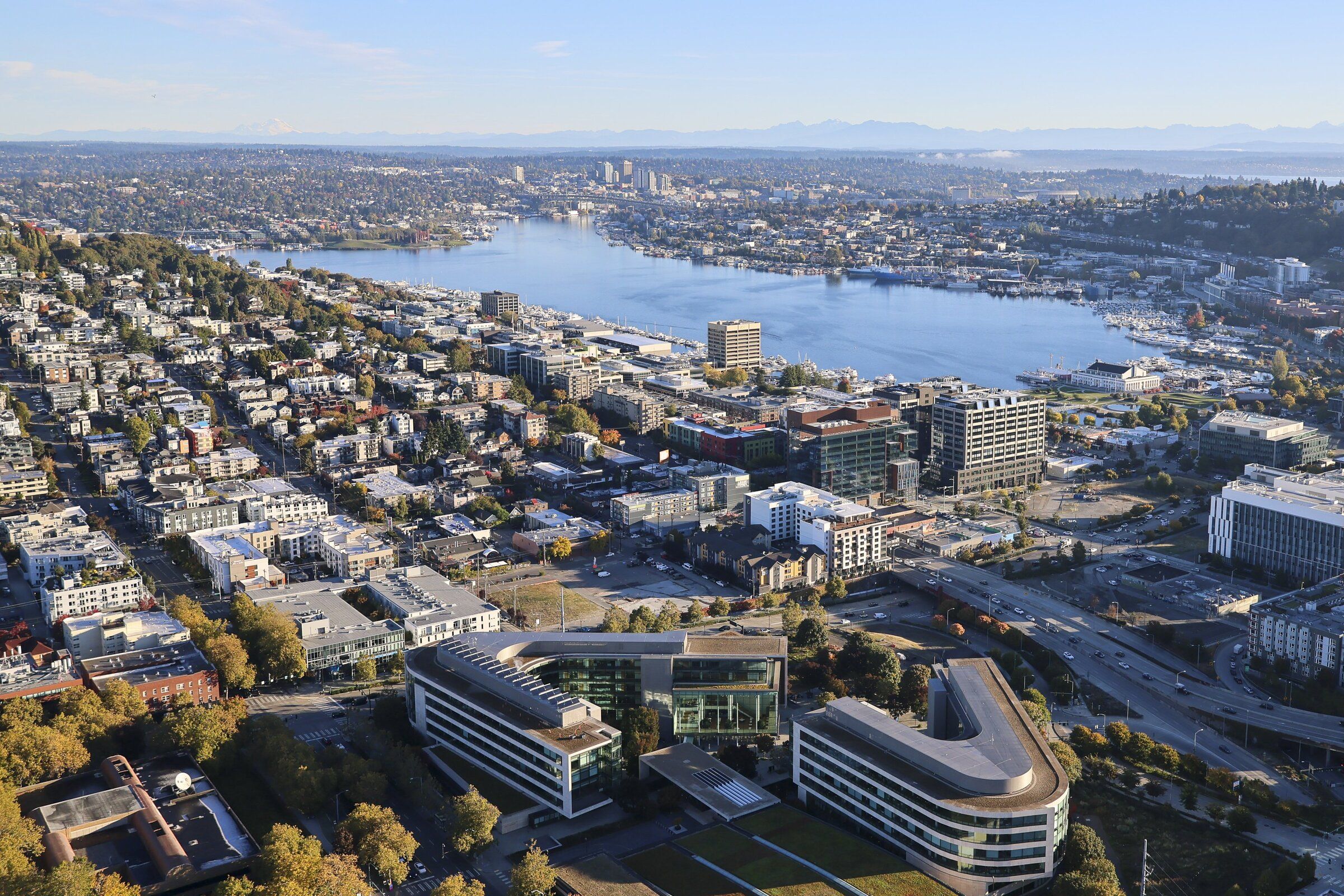

Latino cultural festival takes place amid ICE raids
In Seattle, the Fiestas Patrias festival once again brought together residents eager to celebrate the cultural heritage of Latin American countries. Marching bands, horseback riders, dance groups and owners of elaborately decorated classic cars made their way through the South Park neighborhood. For Daisy Benavides, a Mexican American, her daughter’s performance was an emotional reminder of her childhood and her family roots in the Mexican state of Durango.
The festival is organized by Sea Mar, a nonprofit network of community health centers founded by Latino activists. In addition to health care, the organization provides social and educational services, supports immigrants and helps preserve cultural traditions. Multiple venues make it possible to attract residents from different neighborhoods: the parade began in West Seattle, continued in South Park, and concerts and other performances were held at Seattle Center, a large and accessible location for a citywide celebration.
The program featured Mariachi Wenatchee, Estampas de Guatemala, Reales del Norte and other groups; King County Councilmember Teresa Mosqueda served as grand marshal. Many attendees, including 70-year-old Norma Zavala, have been coming to the festival for decades and value it as a place where different generations can meet and cultural traditions can be preserved.
This year, however, the celebrations took place amid intensified immigration raids and fears of deportation. Local residents reported the alleged detention of three people by Immigration and Customs Enforcement (ICE) agents in West Seattle, about seven miles from where the parade began. Photos and reports circulated online, but ICE did not respond to requests for comment, and The Seattle Times was unable to independently confirm what happened.
That same day, activists held a demonstration against the actions of federal authorities and organized rapid-response groups. These groups include representatives of mutual-aid organizations, lawyers, social workers and volunteers. They report detentions, contact relatives, and arrange legal consultations, help with bail, interpretation, transportation and child care. Their authority is limited to civilian support: they cannot release detainees, overturn deportation decisions or conduct immigration arrests. Those powers belong to ICE, the federal agency that investigates violations of immigration law and initiates deportation proceedings.
Amid the pressure surrounding immigration, participants also spoke about the rising cost of living. According to an April report from the Federal Reserve Bank of New York, Latino families faced inflation above the national average in 2026, partly because of high gasoline prices. These difficulties are also visible at the Benavides family boxing gym in Auburn: some children cannot afford equipment.
But for the parade’s young spectators, the main attractions remained the music, horses, dancers and cars with hydraulic suspensions that participants proudly displayed to the crowd.

Based on: As Seattle festival reveled in Latino culture, ICE swooped in nearby
Seattle Welcomes Fall with Cooler, Rainier Weather
After a warm and sunny weekend, Monday will be the warmest day of the week. Fog and low clouds are expected in the morning, but skies will clear in the afternoon, with temperatures reaching about 21°C. On Tuesday, the day of the autumnal equinox, the season will officially change at 5:05 p.m. A weak convergence zone will bring drizzle and clouds, though the sun may appear after noon; temperatures will reach only 18–19°C.
Cloudy conditions will continue Wednesday and Thursday, while a more organized weather system will approach the region overnight Thursday into Friday. Between 6 and 13 millimeters of rain could fall by Friday, and temperatures will drop to around 18°C. The rain will move out by the weekend, but clouds will remain, with highs reaching only 16–18°C. As fall deepens, average high temperatures will continue to decline: by Oct. 1, they will be around 19°C, so Seattle residents should get used to a cool, damp and gray season.

Based on: Seattle fall equinox weather: ‘Cool start’ as clouds roll in
Famous Pioneer Square garage welcomes cars again
The historic “Sinking Ship” garage in Pioneer Square has partially reopened after a temporary closure prompted by years of safety problems. The new operator, Premium Parking, opened the building’s upper, third level June 17 and plans to open the second level within the next two weeks. The third level will operate at full capacity if demand exceeds the available spaces, while the fourth level is currently reserved for monthly customers.
The garage and its surroundings have been the scene of repeated violence in recent years: Fights near nightclubs have sometimes ended in shootings. In April, the entrances were boarded up following a February attack that killed 27-year-old Mhaniq Wilkerson and wounded three others. To improve safety, Premium Parking installed cameras, provided staff from 6:30 a.m. to 11 p.m. and hired unarmed security guards to monitor the property at night and close it after pedestrians have left. Police had previously requested cameras and limited operating hours during the early morning. In 2024, the garage was also the site of the killing of Javonte Isadore-Danning, another shooting, a stabbing and a prolonged standoff with a man armed with a knife.
The building’s future came into question after the temporary closure, particularly as Isadore-Danning’s widow continues her lawsuit against former operator Diamond Parking and the property’s owners. The garage itself has an unusual wedge-shaped design, resembling the bow of a ship disappearing beneath the concrete. It was built after the 1949 earthquake damaged the Seattle Hotel, which stood on the site. Japanese immigrant Henry Kubota bought the hotel in 1941, and his descendants spent decades fighting to preserve the property, including in a dispute involving a proposed city monorail. The family company still owns the site, which is valued at an estimated $7.7 million.
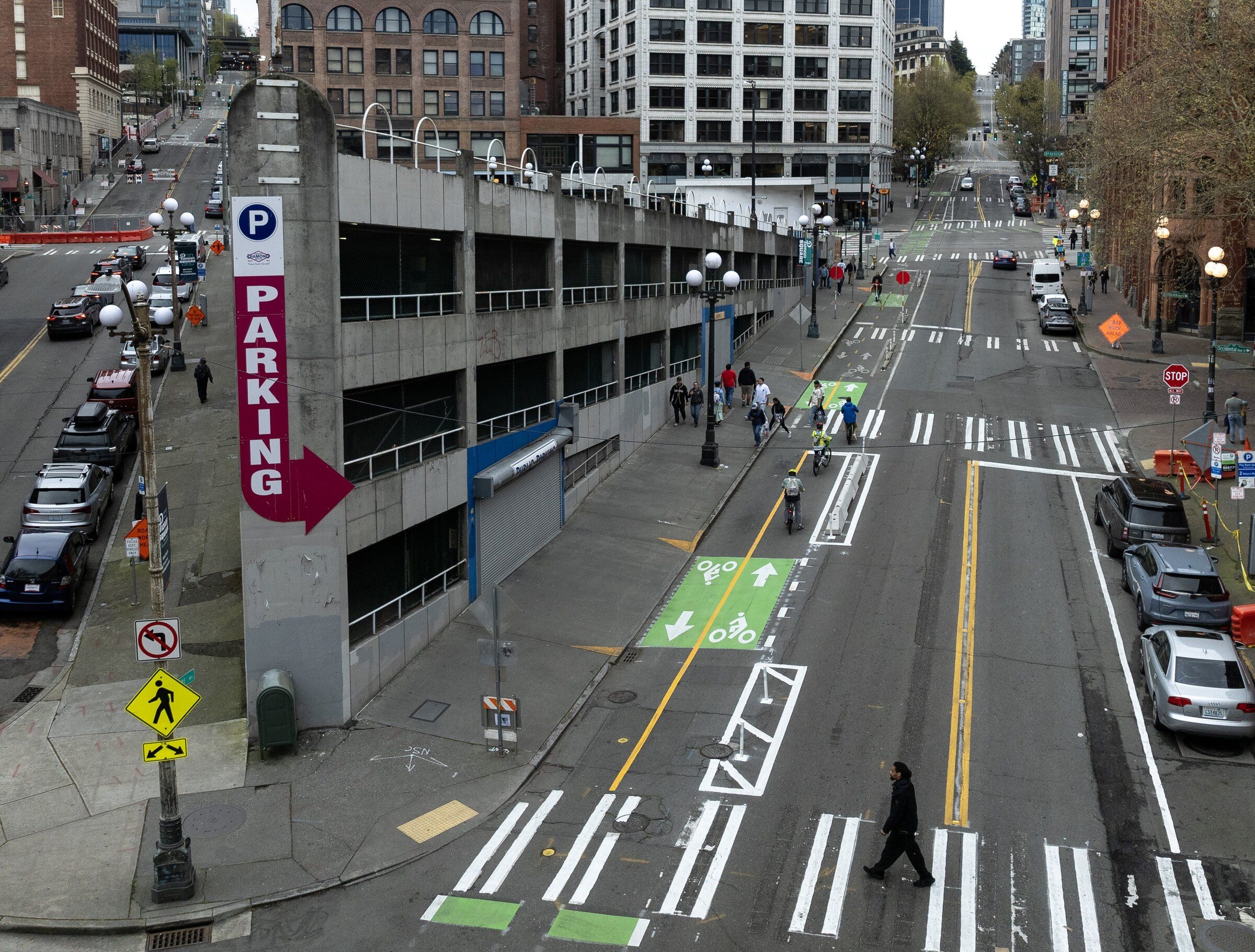
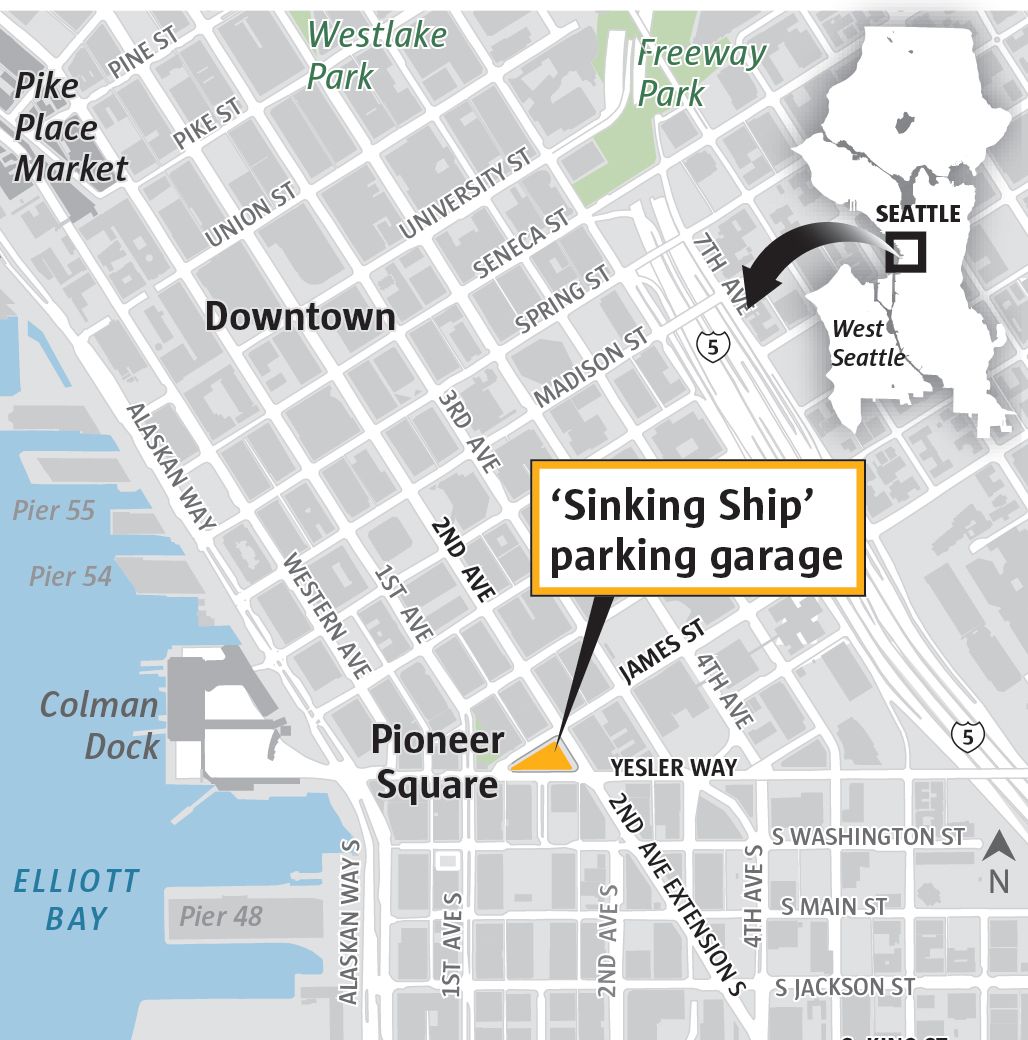
Based on: After years of violence, Seattle’s ‘Sinking Ship’ parking garage reopens
Seattle’s Birds Are Declining: What Long-Term Monitoring Shows
Seattle is experiencing a noticeable decline in both bird diversity and abundance. That is the conclusion reached by Birds Connect Seattle after analyzing data from the long-running Neighborhood Bird Project. Since 1994, volunteers have conducted standardized observations in urban parks every month, recording every bird they see or hear.
The study covered eight green spaces, including Seward, Discovery, Golden Gardens and Magnuson parks. Overall, species diversity declined by 18%, while the average number of birds observed fell by 21%. The steepest decline was recorded at Washington Park Arboretum, at 41%. Bird numbers at Discovery and Magnuson parks fell by approximately 25% and 32%, respectively.
One reason Washington Park Arboretum may be particularly vulnerable is its structure: the area is dominated by carefully maintained ornamental plantings, while the natural environment is more fragmented and contains fewer large, continuous stretches of forest and diverse nesting sites. The arboretum’s location and vegetation may also increase the risk of birds colliding with buildings and other structures.
Seward Park was a rare positive example: bird numbers and species diversity there remained relatively stable. Larger or more diverse natural areas, such as those in Seward, Discovery and Magnuson parks, generally offer a combination of mature forest, shoreline habitat, shrubland and open spaces.
Habitat diversity largely determines the makeup of an urban bird community. Shoreline areas attract waterfowl and migratory birds, forests provide shelter, food and nesting sites for tree-dwelling species, and lawns suit birds that feed in open areas. However, overly manicured lawns, the removal of shrubs and forest fragmentation reduce the number of safe places for birds to breed.
Even at Seward Park, observers have noted the disappearance of individual species and changes in the familiar natural landscape. Experts cite habitat loss, logging and the replacement of mature trees, insecticide use, light pollution and window collisions among the causes of the overall decline.
Birds that catch insects in the air—including swallows, swifts and flycatchers—declined especially rapidly. Their numbers fell by 59%; the number of Cliff Swallows detected has dropped by 96% since 2005, Vaux’s Swifts by 92% and Barn Swallows by 81%. The loss of nesting sites and declining insect populations, partly caused by pesticides, are considered likely reasons for this trend.
Local programs, including the Seattle Bird-Friendly initiative, and requirements for bird-safe windows in new or renovated buildings can help reduce deaths from collisions. Specialized glass, exterior screens, films and bird-visible patterns can make building facades safer. Turning off decorative lighting during migration periods, restoring native plants, preserving shrubs and educating building owners can provide additional benefits. These measures also improve food supplies and nesting conditions.
The authors acknowledge that volunteer observations may contain inaccuracies: participants may have identified species differently over time, and the results depend on the number of observers and their ability to distinguish bird calls. Nevertheless, the trend is consistent with nationwide data: since 1970, North America has lost approximately three billion birds—about 30% of its former bird population.
The project faces another threat as well: a shortage of volunteers. For more than a decade, monthly counts at Seward Park have been conducted by just two people, Michael Witter and John Woodard. The organization has had to reassign participants among routes and may change the observation format in the future to focus on the most important conservation questions.
The project’s history is a reminder that observing nature does not have to be a competition to find rare species or compile a long list of accomplishments. Regular visits to the same place make it possible to notice gradual changes—the disappearance of swallows, the arrival of new flocks, the condition of trees and the effects of human activity. No special skills are required: anyone can learn to identify birds by their calls, including with the help of the Merlin app.











Based on: Why are Seattle’s birds in decline?
Accessibility, Sports, Baseball: The Main Stories of the Day
A review of key stories: why living close to a park does not guarantee accessibility, how the Drew Lock–Jaxon Smith-Njigba connection strengthens the Seahawks’ offense, and Kyle Anderson’s rare achievement at Coors Field.
Seattle Parks: Why “10 Minutes Away” Does Not Equal Accessibility
Seattle is rightfully proud of its park system. According to a widely cited measure, nearly 99% of the city’s residents live within a 10-minute walk or wheelchair trip of a green space. This is a significant achievement and should not be underestimated. However, as the analysis shows, a park’s proximity does not necessarily mean that it is accessible, safe, well equipped, or fairly distributed among neighborhoods. This issue is becoming central to the debate about the future of a city preparing for substantial population growth under its Comprehensive Plan. A published article in The Urbanist raises a question that rarely appears in official reports: Can a park be considered a genuine public good if people can technically walk to it, but must cross dangerous arterial roads, navigate steep terrain, or travel along industrial corridors to get there?
At first glance, the 99% figure looks like a triumph of urban planning. But it conceals an important detail: the measure considers only physical distance, not the quality of the route or the park itself. In the Duwamish Valley, for example, highways, freight routes, rail lines, and industrial areas literally divide neighborhoods, separating residents from nearby open spaces. As a result, a park may be only a few minutes away on foot but effectively inaccessible to a child, an older person, or someone with a disability. The Trust for Public Land has identified parts of Seattle that lack meaningful access to parks—particularly in South Seattle and the far north of the city.
The problem is not limited to geography. Many parks are overcrowded, inaccessible to people with disabilities, unresponsive to the cultural needs of different communities, or simply lacking basic infrastructure: restrooms, sports fields, shade, playgrounds, barbecue areas, benches, and tables. Such parks still count toward the walk score, even when they do not meet the needs of nearby residents. The “10-minute” metric therefore creates an illusion of well-being while concealing real shortages.
The inequality statistics are especially troubling. In neighborhoods where communities of color predominate, there is 32% less park acreage per resident than in predominantly white neighborhoods. In low-income neighborhoods, the gap is even greater—51% compared with more affluent areas. Seattle also ranks near the bottom among the 100 largest U.S. cities in several categories of park amenities, including sports fields, recreation centers, restrooms, and basketball courts. South Park Community Center is a clear example: reaching it requires crossing a highway via one of the few pedestrian routes, while the turf field and playground lack sufficient shade. These details do not appear in distance-based reports.
There is also a quantitative dimension. Seattle currently provides approximately 8.3 acres of parkland for every 1,000 residents. By comparison, Denver has about 9.9 acres, Washington, D.C., 11.8, and Minneapolis, 12.3. As the population grows, existing parks will serve more and more people. That is not necessarily a problem—but only if public spaces expand alongside housing construction. Otherwise, the city’s growth will place additional pressure on green spaces that are already overcrowded.
The authors of the article emphasize that choosing between housing and parks is a false dilemma. The city should pair its existing measure with additional metrics that address other, equally important questions. How much parkland is available to people living nearby? Are parks accessible to people of all ages and abilities? What condition are they in? Do they provide access to natural features such as trees and water? Do they offer amenities that communities actually need? Are they deteriorating or becoming overcrowded as neighborhoods grow? Taken together, these measures would give policymakers a much clearer picture of where investment is most urgently needed.
This is particularly important because Seattle’s Comprehensive Plan calls for substantial housing growth in the coming decades. New housing must be accompanied by investment in parks and public spaces so that growth improves quality of life rather than increasing pressure on places where people already live. Housing and green space should not compete with one another—they should be planned together. Communities deserve both. A growing city needs more homes and more places where children can play, neighbors can gather, older residents can exercise, and families can escape the summer heat or Seattle rain. These are not luxuries but part of the infrastructure that makes urban life healthy, resilient, and equitable.
Seattle can and should be proud that nearly every resident lives within a 10-minute walk or wheelchair trip of a park. But it cannot stop there. The next step is to ensure that every neighborhood has parks that are large enough, welcoming enough, and well equipped enough for the city Seattle is becoming. It is necessary to measure not only how close a park is, but also whether it is truly thriving—for its own sake and for the community it serves. Access to parks is a question of environmental justice, public health, and who is allowed to thrive in Seattle. As the city grows, it has an opportunity not to deepen existing inequality but to help correct it. Every neighborhood deserves not merely a park within a 10-minute walk, but a park that is safe, accessible, welcoming, well maintained, and truly worthy of the community it serves.
Drew Lock and Jaxon Smith-Njigba: A Connection That Could Change Seattle’s Offense
When analyzing another preseason or regular-season play, it is easy to miss the bigger picture—how one isolated play reveals much deeper developments within a team. That is what happened with a moment highlighted by analysts in a link on the league’s official website: Drew Lock, the Seattle Seahawks’ backup quarterback, launched an accurate deep pass to Jaxon Smith-Njigba, who scored his second touchdown of the game against the Arizona Cardinals. At first glance, it is simply a spectacular play of the kind seen hundreds of times during an NFL season. But a closer look reveals a broader story about roster depth, coaching staff trust, and the young receiver’s prospects.
What happened is simple yet revealing. Drew Lock, whose career has resembled a roller coaster—from promising Denver Broncos starter to reliable backup—displayed precisely the quality for which he is valued around the league: a strong arm and a willingness to take risks. The pass was “launched”—that is, thrown with power and full commitment, without hesitation. Smith-Njigba, meanwhile, found himself in the right place on the field and finished the play with points. For Seattle, this was more than six points. It was a signal that even with the starting quarterback healthy, the team has a viable Plan B, while the young receiver is developing chemistry not only with the team’s primary quarterback but also with his replacement.
To understand the value of the moment, it helps to clarify several concepts that may not be obvious to those who follow the NFL only casually. Drew Lock is a classic journeyman quarterback—a player who has moved among several teams without establishing himself as an undisputed starter. His career in Denver was marked by inconsistency, and his move to Seattle was viewed largely as an attempt to find a dependable backup. Jaxon Smith-Njigba is a young receiver whom the Seahawks selected in the first round of the 2023 draft. His surname may sound unfamiliar to American ears: it has Nigerian roots, and the player himself has repeatedly emphasized the importance of his heritage. A touchdown is the offense’s highest-scoring achievement on a single play, when a player carrying the ball crosses the opponent’s goal line, earning the team six points. The Cardinals are a major Seahawks divisional rival in the NFC West, making any success against them twice as valuable.
But the central intrigue lies not in the pass and catch themselves. It lies in how the play fits into the broader picture. First, Seattle has spent several seasons searching for stability at quarterback following Russell Wilson’s departure. Drew Lock is not a cure-all, but his ability to throw deep and aggressively expands the team’s tactical repertoire. If an opposing defense becomes accustomed to the starter’s style, Lock’s appearance can become an unexpected tactical move. Second, Smith-Njigba is gradually developing from a promising rookie into a genuine threat. His ability to find open space and win contested catches downfield makes him an ideal target for quarterbacks with strong arms. Third—and perhaps most importantly—plays like this in games against Arizona tend to accumulate. NFL divisional games are often decided not by one player’s genius but by roster depth and the ability of backups to maintain the team’s level of play.
The broader context is also worth noting. The linked material also mentions a Denver Broncos game against the Jacksonville Jaguars in Week 2 of the 2026 season—a rather strange detail that likely appeared in the description by mistake or as part of the site’s navigation. Nevertheless, it indirectly serves as a reminder that Drew Lock began his career in Denver and that his career has been a constant search for a second chance. Every accurate deep pass is not merely a statistic for him but an argument that he deserves more than the role of a permanent backup.
What does this mean in practice? For Seattle, it means potential flexibility in the playoffs, where quarterback injuries often occur at the worst possible moment. For Smith-Njigba, it means growing trust from the coaching staff and more targets coming his way. For divisional opponents, it means preparing for two different offensive styles, which always complicates preparation. And for fans, it is a reminder that elite sports depend not only on stars but also on the connections formed in their shadow.
The main conclusion is simple: one touchdown does not win a season, but it can become one of the building blocks of confidence. Drew Lock showed that his arm is still capable of launching passes any distance. Jaxon Smith-Njigba showed that he can catch them. And the Seattle Seahawks gained another reason to believe that roster depth is not an abstract concept from analytical reports, but a tangible asset that can produce six points when needed.
Kyle Anderson’s Rare Feat at Coors Field: How the Mariners Shut Out the Rockies
In baseball, some places are known as “pitchers’ graveyards.” Coors Field in Denver, home of the Colorado Rockies, has carried that unofficial title for many years. Located more than 1,580 meters above sea level, it turns the most harmless pitches into home runs and makes even the league’s best pitchers statistical hostages. That is why any starting pitcher who manages to work seven or more scoreless innings at the stadium automatically enters the season’s record book. That is exactly what happened in the September 20, 2026, game between the Seattle Mariners and the Colorado Rockies, when Kyle Anderson became the second starting pitcher of the season to reach that mark.
The event recorded in the official MLB.com report is simple yet remarkable: Anderson did not merely help his team win; he did so under conditions in which the ballpark itself demands a completely different strategy from pitchers. At Coors Field, coaching staffs typically prepare in advance for high scores, frequent pitching changes, and the mental reality that even a perfectly thrown ball may sail over the fence. Thin air reduces resistance, causing fastballs to lose their usual trajectory while curveballs and sliders move differently than they do in any other major-league stadium. In such conditions, lasting seven innings without allowing a single run is not merely a good statistic but a demonstration of adaptability, control, and composure.
The key insight here lies not so much in the number “seven” as in the word “second.” The wording of the report emphasizes just how rare such an achievement was during the season. In an era when pitchers increasingly leave the game after five or six innings and coaching staffs prefer to manage workloads through the bullpen, seven scoreless innings at the league’s most unforgiving ballpark represent a statement worthy of individual honors and a strong argument for Anderson as one of the season’s most underrated starting pitchers. For Seattle, the game was not only a victory in a single matchup but also a signal that its rotation can withstand pressure under the most extreme conditions—particularly important with the playoffs approaching.
The context for Colorado is equally important. The Rockies traditionally build their game around a powerful offense that compensates for pitching weaknesses, and when an opponent takes away that advantage, the team can look helpless. Anderson’s scoreless outing effectively disarmed the home team, forcing it to play in an unfamiliar style—relying on small tactical moves and hoping for defensive mistakes, of which there were apparently very few. In other words, this defeat was not simply a setback for Colorado but a lesson: against a pitcher capable of neutralizing the effects of altitude, its home-field advantage becomes an illusion.
Several points may be helpful for readers unfamiliar with the sport. “Scoreless innings” mean that the pitcher did not allow the opponent to score a single run during the allotted period. A “starting pitcher,” or starter, is the player who begins the game on the mound and typically works the first five to seven innings before being replaced by a reliever from the bullpen. Coors Field is known as the ballpark with the highest home-run rate in the league, making it more difficult than anywhere else to neutralize an opposing offense there. Finally, the “bullpen” is the group of relievers ready to enter the game; in modern baseball, their role is so important that a long outing by a starter is viewed both as a luxury and as a sign of that pitcher’s quality.
The main conclusion from this game is that, in baseball as in any other sport, the value of an achievement is determined not only by the result but also by the conditions in which it was accomplished. Kyle Anderson has written his name into the short list of pitchers who managed to tame Coors Field in 2026, and this achievement, recorded in the official MLB report, will remain a marker of his professional quality regardless of how the season ends. For Seattle, it is also a reminder that in the race for the playoffs, decisive contributions sometimes come not from famous names but from quiet, methodical work on the mound under the league’s most hostile conditions.


News 20-09-2026
Seattle Dispute Could Limit Historic Districts’ Influence on Streets
A Seattle City Council discussion of a moderate package of traffic-safety bills escalated into a sharp conflict over the authority of historic districts. The debate raised a broader question: Can historic preservation block necessary changes, from housing construction to street modernization? Pioneer Square and Pike Place Market were at the center of the dispute.
Councilmember Rob Saka proposed adding the principles of Vision Zero to city law — a policy adopted in 2015 with the goal of eliminating traffic deaths and serious injuries by 2030. The measures include improving visibility at intersections by clearing sight lines and adding lighting, as well as installing side guards on city trucks to reduce the risk of pedestrians and cyclists being pulled under their wheels. Saka expected these measures, which he viewed as broadly accepted, to pass quickly.
However, the bills accumulated numerous amendments. The most contentious was a proposal by Alexis Mercedes Rinck to give the city’s transportation engineer explicit authority to install traffic signs, road markings and signal devices. At present, such changes in Pioneer Square and Pike Place Market often must be reviewed by historic-preservation boards. These city advisory and regulatory bodies assess projects not only for safety and transportation efficiency, but also for compliance with historic standards. Although final decisions typically remain with the city’s transportation and administrative agencies, the boards’ positions can significantly affect the timing and substance of projects.
Rinck said she was uncomfortable seeing historic-preservation bodies given the ability to reject initiatives intended to improve safety. Pioneer Square previously opposed a larger-scale intersection reconstruction before the World Cup, while Pike Place Market has been conducting a controversial experiment limiting vehicle traffic for more than a year.
The experiment is intended to show how the market will function with large pedestrian crowds during major international events, including preparations for the 2026 FIFA World Cup. The city is evaluating safety, access for suppliers, public transit, taxis and emergency services. Officials are not yet ready to close the market completely to vehicles: Regular deliveries, access for residents and businesses, building maintenance and emergency response must be preserved. In addition, they want to collect data first and develop a permanent plan in consultation with merchants and other stakeholders.
Business owners, merchants and residents complain about confusion caused by open entrances and inconsistent rules, while transportation advocates are calling for the market to be completely closed to vehicles. Because of the disagreements, Saka insisted on additional discussions with representatives of Seattle’s eight historic districts, so the vote on the revised package of bills was postponed until late October.
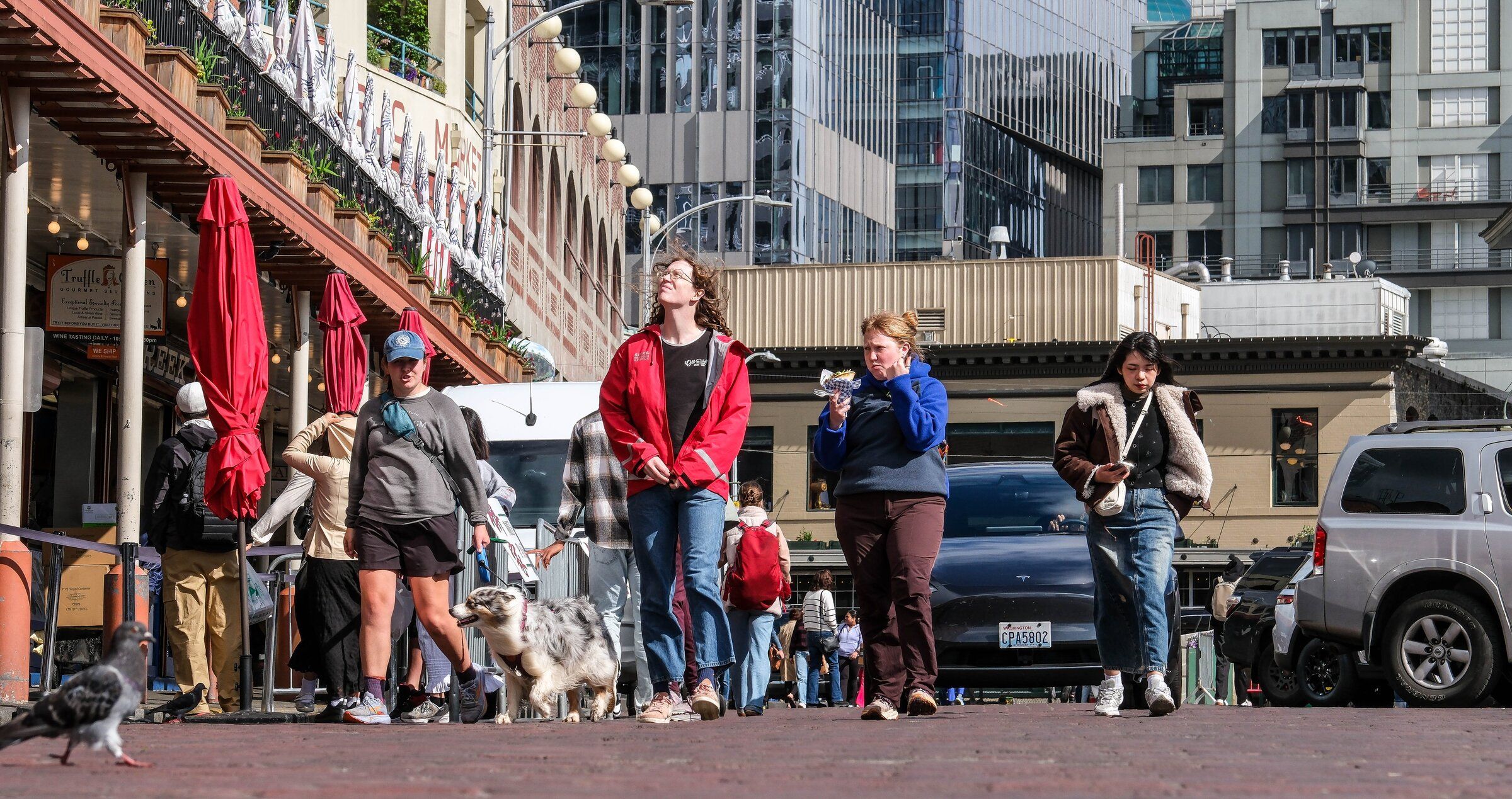
Based on: Vote on Seattle traffic safety bills aims at historic districts
Washington’s Education System: Big Investments, Mixed Results
Washington state looks successful by many measures: it has a highly educated population, a strong economy and thriving industries that need skilled workers. Yet national comparisons show a more complicated picture. Access to public preschool programs remains limited, student performance is only slightly above the national average, and the share of students who continue their education and earn degrees is below the national level. This raises questions about how fully the state is meeting its constitutional duty to educate all children.
Washington’s Constitution calls education “the paramount duty of the state” and has traditionally been interpreted as requiring the state to fund schools from kindergarten through 12th grade, including teacher salaries and textbooks. Preschool education, however, generally does not fall within the most reliably protected funding system.
The state-funded ECEAP program is primarily intended for children ages 3 to 4 from low-income families or families with special needs. It provides instruction, developmental support, medical and dental screenings, meals and help for families accessing social services. Children are eligible for free enrollment if their families meet established income criteria, as well as if they are in foster care, experiencing homelessness, in need of special services or belong to other priority categories.
Washington ranks seventh nationally in per-child preschool spending but only 34th in program access: about 19% of 4-year-olds receive public or federally funded preschool, compared with as many as 70% in some states. ECEAP is supposed to provide places for all eligible children, but the deadlines for fulfilling that guarantee have been postponed repeatedly. An additional 10,000 places planned with support from Ballmer Group could increase coverage by roughly 60%.
At the same time, middle-income families often fall between government eligibility requirements and the high cost of private care. An income only slightly above the established threshold can make a family ineligible for ECEAP, while private preschools and child care centers in the Seattle area are expensive because of high housing and labor costs, as well as the limited number of available places. As a result, many parents do not qualify for a free program but cannot afford private child care without serious financial hardship.
K-12 education received stronger protection after the 2012 McCleary decision. The state Supreme Court ruled that Washington was violating its constitutional duty to provide a full basic education. The state substantially increased its share of funding, directing money primarily toward teacher and other staff salaries, smaller class sizes, transportation, special education programs and instructional materials. School districts became less dependent on local taxes to meet their basic obligations, although local funding remained in place.
Washington had to pay a $100,000-a-day fine for three years until lawmakers increased spending. The changes helped reduce class sizes, raise teacher salaries and bring per-student spending to slightly above the national average. But the funding did not eliminate achievement gaps or make up for pandemic-era losses: students perform slightly above the U.S. average in reading and roughly at the national average in math. Just over 70% of students meet reading standards and about two-thirds meet math standards; among Hispanic fourth graders, only 42% reach the basic reading level.
Experts note that additional funding alone cannot erase the effects of poverty, racial and economic segregation, unequal access to preschool, language barriers, housing instability and unequal access to experienced teachers. In addition, funding is not always distributed in a way that fully offsets the needs of the most vulnerable students.
The state’s constitutional duty ends when students finish high school, even though the modern economy increasingly requires further education or job training. About 40% of Washington graduates earn a postsecondary credential, while an estimated 70% of future jobs will require such a qualification. At colleges, about 75% of students who began in fall 2024 returned for their second year, while the six-year graduation rate is 56.5% — one of the lowest in the country.
Amid budget cuts, a hiring freeze and possible campus consolidations, experts are urging colleges to do more to identify students at risk of dropping out. An upcoming Education Lab series will examine what the state’s major investments have accomplished and whether the constitutional guarantee of education should eventually be extended from early childhood through college graduation.

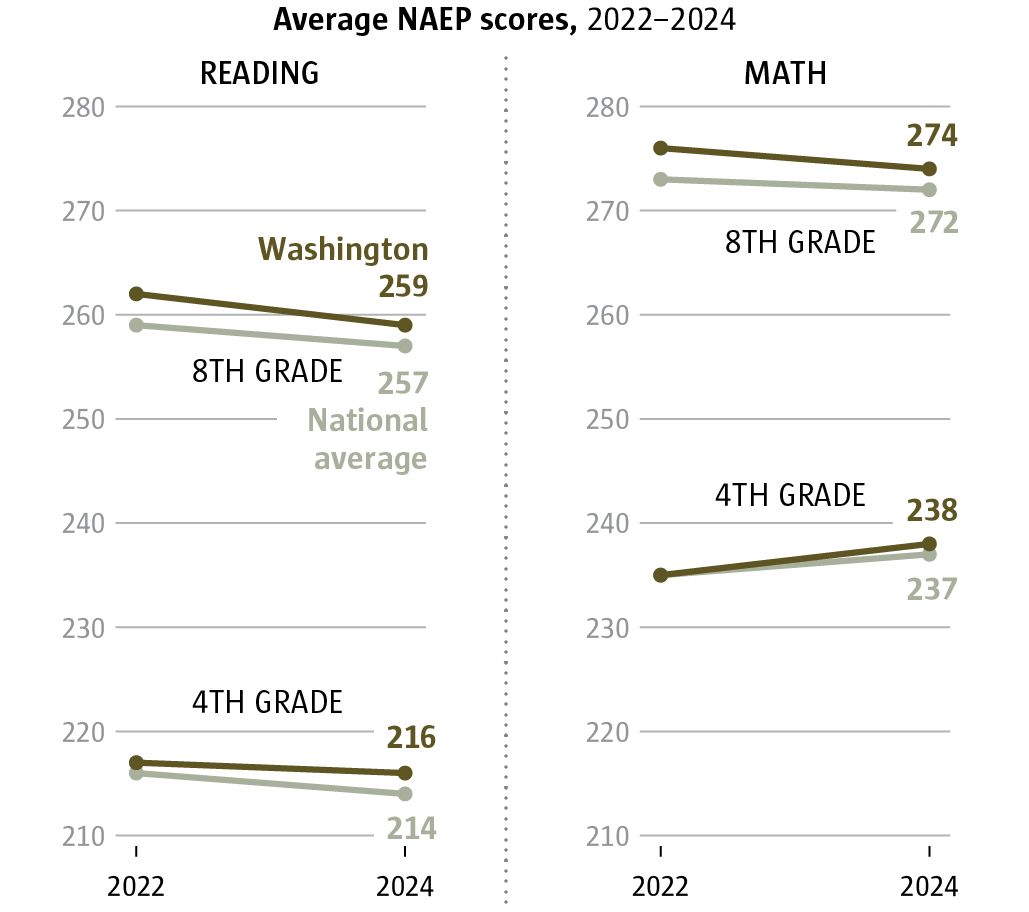
Based on: Is WA meeting its constitutional commitment to education?
Ninth Avenue mural won’t wash off—now it will be redesigned
Bright circles and white stripes left on Ninth Avenue after the August Market at the Marquee turned one downtown Seattle block into an unexpected traffic problem. Attempts to remove the paint with solvents and power washing damaged the asphalt, and the street between Pike Street and Pine Street remained closed far longer than planned. But by the evening of Sept. 19, Seattle Convention Center and the Seattle Department of Transportation, or SDOT, had agreed not merely to paint over the design, but to create an updated version with clear road markings. The work is expected to be completed within two weeks at the convention center’s expense.
On an ordinary day, the short block near the Paramount Theatre could easily be mistaken for one of downtown’s many service arteries. Its importance becomes clear when it is closed: Ninth Avenue leads to the entrance for the Interstate 5 express lanes. Drivers are now being advised to detour via Seventh Avenue and Pike Street, while local transportation officials say the delay adds 10 to 15 minutes to some daily trips.
The story began with a thoroughly urban, almost idyllic idea. Seattle Convention Center closed the street in late July, hoping to extend the downtown revitalization that emerged during the FIFA World Cup matches. On Thursdays—Aug. 6, 13, 20 and 27—the area hosted the evening Market at the Marquee, featuring local vendors, food, music and a pedestrian market from 5 to 8 p.m.
The asphalt was meant to become part of the backdrop. About 40 large red, yellow, green and blue circles appeared on it, along with five thick white lines extending nearly the full length of the block. For organizers, it was a practical experiment: Could the space between the convention center buildings and the surrounding neighborhood be made more welcoming, safer and more useful for small businesses?
The street-closure permit called for the road to reopen Sept. 4. But after the market ended, it became clear that the temporary artwork had remarkable staying power. The convention center tried Taginator graffiti remover and high-pressure hot-water washing. The paint proved difficult to remove, and in some places the road surface itself began peeling away during the process.
According to the convention center, that became the main obstacle to reopening the street. The issue is no longer simply whether people like the colorful circles: Blurred white stripes on the roadway could be mistaken for traffic instructions, while the damaged asphalt requires repairs. Under SDOT rules, street murals must receive departmental approval and be painted with slip-resistant paint. But any artwork on an active roadway must ultimately give way to clear traffic movement.
On Sept. 18, SDOT initially said the design would likely have to be covered with paint in the near term, followed by standard road markings, with the remaining material later ground down and the pavement restored. The next day, the outlook became somewhat less bleak: The parties agreed to modify the design so it could preserve the spirit of public art while adding clear centerlines and other markings needed by drivers.
The convention center said it would pay for the redesigned mural, its installation and the new road markings—with no cost to the city budget or residents. The compromise reflects a distinctly Seattle logic: Rather than dismissing an unsuccessful street experiment as a mistake, officials are trying to reshape it into something more viable. But before Ninth Avenue can once again be both a gathering place and a roadway, it will have to learn how to be a roadway again.

Based on: Colorful art won’t come off a Seattle street, so dull paint will cover it
Seattle and Colorado News Digest: Weather, a Statue and Canoes
In Colorado, the Rapids match was delayed because of severe weather; in Seattle, residents are raising money to repair the Statue of Liberty replica; and tribal canoes arrived for the Salmon Homecoming celebration.
Weather Protocol for the Colorado Rapids–Seattle Sounders Match
The Colorado Rapids issued an official notice to fans regarding unfavorable weather conditions before their home match against the Seattle Sounders. The message emphasized that the club’s official channels are the only reliable source of information about the game’s status—not third-party resources, which may provide outdated or inaccurate data. Fans who had already arrived at DICK'S Sporting Goods Park were advised to remain in their vehicles and await further instructions.
According to the latest updates posted on coloradorapids.com, stadium gates remained closed. At 6:30 p.m. local time, the club announced that access to the stands had been temporarily suspended and that everyone present should take shelter in their vehicles. Fifteen minutes later, at 6:45 p.m., the situation had not changed: the gates were still closed, and the recommendation to remain in vehicles remained in effect. This meant that the start of the match—or at least spectators’ admission to the stadium—could be postponed indefinitely.
A key feature of the protocol is its emphasis on centralized information. The club strongly urged fans not to rely on outside sources, including fan social media accounts, eyewitness comments or news outlets unaffiliated with the Rapids. The official channels listed were the dedicated ColoradoRapids.com/Weather page, the club’s mobile app and social media accounts using the @ColoradoRapids handle. This approach helps prevent panic and the spread of rumors, which is especially important when weather conditions are changing rapidly.
For those unfamiliar with the term “inclement weather protocol,” it refers to a set of procedures developed in advance for the club and stadium staff to follow during thunderstorms, high winds, heavy rain or other dangerous conditions. It may include delaying the start of the match, evacuating spectators to safe areas, temporarily closing the gates and providing mandatory updates through official channels. In this case, the club did not specify whether thunderstorms, hail or a tornado caused the delay, but the publication of the protocol itself indicated that the situation was serious.
From a practical standpoint, fans planning to attend the game should monitor updates in real time. At the time of the latest post, published at 6:45 p.m., the gates remained closed and vehicles were recommended as shelter. If conditions did not improve, the match could be delayed until later or even rescheduled for another date, requiring spectators to remain flexible. Judging by the tone of the announcement, the club intended to provide prompt updates—but only through its own resources.
The main takeaway for Colorado Rapids and Seattle Sounders fans is clear: do not leave your vehicles unless necessary, do not trust unverified sources and keep the club’s official app or website readily available. The situation remains fluid, and any decision to open the gates or postpone the match will be announced separately.
West Seattle Residents Raise Money to Save Alki Beach’s Statue of Liberty Replica
The Statue of Liberty replica at Seattle’s Alki Beach is more than a tourist attraction. It is a place of collective memory, where residents have gathered during times of tragedy and on national holidays. Now the symbol, which has survived vandalism, theft and decades of harsh Pacific storms, needs help again—and this time that help is coming not from the authorities, but from local residents themselves.
The Alki Community Council has launched a fundraising campaign to repair and preserve the miniature Statue of Liberty replica installed at Alki Beach. According to KOMO News, the goal is to raise $5,000 to apply a new protective coating to the statue’s pedestal. Council president Charlotte Stark said cracks at the joints are expanding and horizontal, web-like fractures are appearing; delaying the work would only increase its cost. The contractor recommends sealing the cracks with a reinforcing fabric membrane and waterproofing material, followed by the application of a new layer of microcement.
The statue’s history is notable in its own right. The original was donated in 1952 by the Boy Scouts of America. Over the decades, the “Lady Liberty” replica endured vandalism: its crown was damaged, its torch was stolen and, at one point, one of the statue’s arms disappeared. In 2007, the statue was recast in bronze, and in 2008 it was installed in the surrounding park, Statue of Liberty Plaza. Today, the nearly eight-foot-tall sculpture is a familiar landmark to local residents. In the days following the September 11, 2001, attacks, people spontaneously gathered there to grieve and reflect. A small memorial of flowers and candles left this year for the 25th anniversary of the tragedy can still be seen at the statue’s base.
The situation is complicated by the fact that, under an agreement between the Alki Community Council and the Seattle Department of Parks and Recreation, current repairs to the mortar and cracks are not covered. “The city parks department doesn’t pay for any maintenance of this area; it has to be cared for entirely by the citizens themselves,” KOMO News quoted Stark as saying. Any funds raised beyond $5,000 will go into the statue’s general maintenance fund, managed by Seattle Parks and Recreation. According to Stark, that fund is rapidly being depleted.
Stark emphasized the symbolic importance of the moment: “I think this statue means everything to Seattle. It means everything we stand for as a nation. It’s everything we love about freedom.” In America’s 250th year, caring for the sculpture takes on an added significance. The plan is to raise the money this fall and carry out the repairs in early spring 2027.
Several terms are worth explaining. “King tides” are exceptionally high tides that occur several times a year, usually in winter, and can flood coastal areas while accelerating material deterioration. “Microcement” is a decorative, protective cement-based coating applied in a thin layer to create a durable, water-resistant surface; it is often used to restore concrete and stone elements. A “reinforcing fabric membrane” is a mesh or fabric laid over cracks before the finishing layer is applied, helping prevent them from widening further.
The main conclusion is that preserving one of Seattle’s most recognizable symbols depends entirely on civic initiative and donations. While city authorities do not fund the monument’s routine maintenance, local residents, tourists and everyone who cares about the landmark will determine whether the statue remains for future generations. The $5,000 fundraising goal is modest, but it represents something much larger: memories of national tragedies, a sense of community and an idea of freedom that, as Charlotte Stark puts it, “means everything.”
Tribal Canoes Arrive for Salmon Homecoming After Crossing the Bay from West Seattle
On the final weekend of September, Seattle hosted one of those events that remind residents that the city stands on land with a history far older than its glass skyscrapers and ferries. At dawn, tribal canoes began departing from the Don Armeni Boat Ramp in West Seattle. They crossed the bay toward downtown and Waterfront Park, where the 34th annual Salmon Homecoming celebration was taking place. Held each year by a local nonprofit organization when salmon return to area waters, the event continued until 8 p.m. and included workshops, food and an exchange of cultural traditions.
Among those who took up the paddles that morning was Duwamish Tribal Council member Ken Workman, who could be seen seated near the center front of one of the canoes heading toward the celebration. According to the West Seattle Blog, canoes carrying members of the Duwamish, Puyallup and Snohomish tribes took part in the crossing, while boats from other tribes joined them as they approached Pier 62. Photographs by Clarence Aeger captured the canoes near Duwamish Head, creating a vivid symbol of the connection between the water, the city and the region’s Indigenous peoples.
Salmon Homecoming is not simply a festival; it is an act of cultural and environmental remembrance. The event coincides with the salmon’s return to the streams and rivers that flow into Puget Sound. For local tribes, salmon are not merely fish but the foundation of a traditional way of life, a source of food, a spiritual anchor and a measure of the health of the entire ecosystem. When organizers speak of the “return of the salmon,” they are referring simultaneously to a biological cycle and a cultural renewal. Decades of industrial development, dams and pollution have severely harmed salmon populations, and restoring them remains one of the region’s most important environmental challenges.
The event’s practical significance extends beyond a single day. As the West Seattle Blog noted earlier that week, salmon were expected to appear in local streams soon, making the timing symbolically precise: the canoes crossing the bay were literally accompanying the fish on their journey home. For West Seattle, the event also serves as a reminder of the area’s geography. The neighborhood is separated from downtown by water, and the canoe journey from Don Armeni to Pier 62 retraces a route Indigenous peoples used long before bridges and cars existed.
A key detail is the participation of several tribal communities. The Duwamish, Puyallup and Snohomish are distinct peoples with their own histories and languages, yet Salmon Homecoming brings them together, turning the water crossing into a shared ceremony. This distinguishes the celebration from an ordinary city festival: there is no stage and no audience in the conventional sense. Instead, there are participants who paddle, sing and share their traditions. Ken Workman, a representative of the Duwamish Tribal Council, drew attention not as an official but as a paddler—and that may be the clearest indication that the event remains a living practice rather than a museum reconstruction.
What does this mean for Seattle more broadly? First, Salmon Homecoming raises the visibility of Indigenous peoples in an urban space where their presence often goes unnoticed. Second, it connects environmental concerns with culture: protecting salmon is not an abstract matter of “conservation,” but a condition for preserving the way of life of specific communities. Third, the format itself—canoes crossing the bay—creates an alternative map of the city, one defined not by highways and interchanges but by water, currents and the fish’s seasonal cycles.
If salmon do arrive in the streams in the coming days, it will continue the same story that began that morning at Don Armeni. The canoes returned to Pier 62 and the celebration ended at 8 p.m., but the underlying principle remained: a city that remembers where its fish come from must also remember those who first welcomed them here.

News 19-09-2026
Seattle Clarifies Emergency Alert Procedures After Shooting
Seattle Mayor Katie Wilson has signed an executive order aimed at clearing up confusion surrounding AlertSeattle, the city’s voluntary emergency notification service. The system was not activated after a July 26 shooting at the Bite of Seattle festival that left three people dead and at least four wounded. Police reported the incident about half an hour later, but details did not emerge until a press conference nearly five hours afterward, prompting sharp criticism of city officials and the police.
Correspondence among city officials showed that different agencies did not understand who was responsible for sending an alert. Police, the mayor’s office and emergency response agencies shifted responsibility among themselves. Meanwhile, the Office of Emergency Management said it had offered to help send a notification, but police did not take up the offer. Wilson said AlertSeattle should have been used that evening and will await the results of an independent investigation by Inspector General Lisa Judge to determine what caused the failure.
The new order requires city agencies to develop clear instructions specifying who sends alerts, when they are sent and whom they should reach, as well as to train key employees to use the system. In the event of another mass shooting, the city promises to notify AlertSeattle subscribers and, together with the county, send messages to phones located in the area of the incident. The document also calls for preparations for extreme heat, floods, wildfires and severe storms; expanded public outreach; training for schoolchildren; and the development of plans for individual neighborhoods—particularly amid uncertainty over federal assistance after disasters.

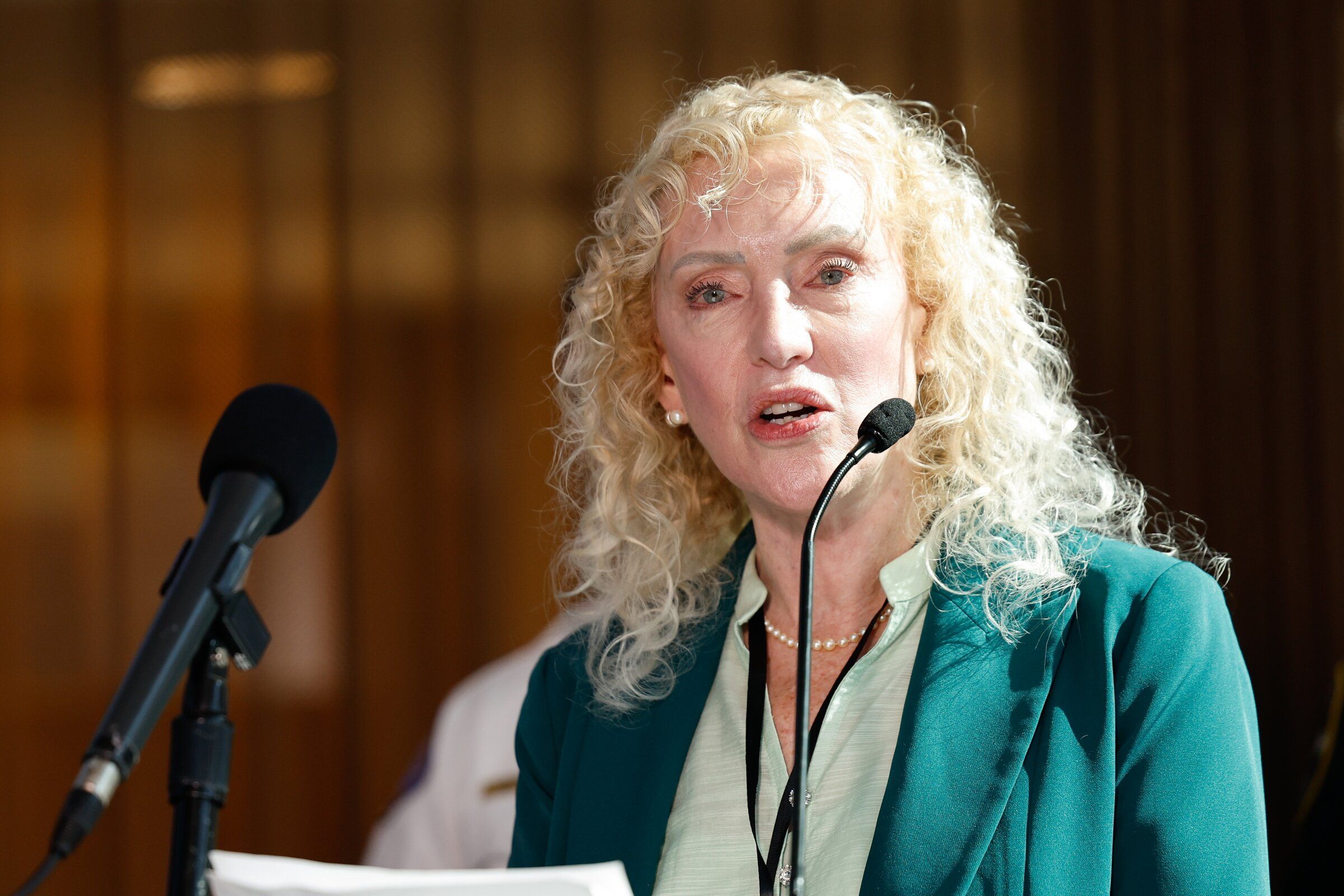
Based on: Seattle mayor orders emergency alerts protocol after delayed mass shooting response
Letters on What the American Dream Means
In 1971, 18-year-old Michael Martin, a University of Kentucky student and the first person in his family to attend college, began wondering what the “American dream” was and how he himself had made it to university. To conduct research—and to spend more time talking with a girl from his sociology class—he decided to write to 50 prominent people, including musicians, writers, politicians, activists and heroes, and ask them to explain what the concept meant.
The responses became a unique archive. Martin heard from Joan Baez, Walter Cronkite, astronaut John Glenn, science-fiction writer Isaac Asimov, Peanuts creator Charles Schulz, activist Stokely Carmichael, FBI Director J. Edgar Hoover, George McGovern, Gloria Steinem, Ronald Reagan, Alfred Hitchcock, Johnny Carson and other well-known figures. His correspondents also included British writers J.R.R. Tolkien and Arthur C. Clarke.
The letters showed how differently people understood the American dream. Baez called it a nightmare, focusing on violence committed by the state and in its name. Glenn spoke of freedom and equality, while noting that those very principles remained major sources of anxiety. For Americans in the 1970s, he was an especially important figure: In 1962, Glenn became the first American to orbit Earth, symbolizing courage, technological progress and U.S. success in the space rivalry with the Soviet Union. His flight was associated with the image of an open future, freedom of exploration and the nation’s belief in its own potential.
Schulz connected the dream with the ability to live wherever one chooses, have enough food and cross borders freely—privileges many people take for granted.
Carmichael, a leader of the Black civil rights movement who was living in Guinea after being targeted by U.S. authorities, offered one of the sharpest responses. In his view, the American dream did exist, but it reflected a capitalist and racist system, including greed, individualism and conflicts between classes and races.
Against this backdrop, Hoover’s response about a fair and benevolent society appears particularly hypocritical. Hoover, who led the FBI and was involved in the campaign against Carmichael, was once regarded by many as an influential defender of national security and the head of a professional law-enforcement agency. Later, however, the FBI’s extensive surveillance and campaigns to discredit civil rights activists, including Martin Luther King Jr., came to light. As a result, his legacy is viewed ambivalently today: Alongside his fight against crime, he is blamed for political persecution and violations of civil liberties.
Decades later, Martin observed that the letter writers had said very little about money. For them, the dream was primarily about ideals and whether society was capable of bringing them to life. Today, it is more often associated with wealth—or, conversely, with the impossibility of achieving success: Some promise that America continues to create millionaires, while others believe that the formula “work hard and you’ll succeed” no longer works for younger generations.
Martin donated his archive to the University of Washington to preserve it for researchers and make it available to the general public. The University of Washington is the region’s largest research university and an important cultural center in Seattle. It supports libraries, museums and academic projects and plays an active role in the city’s public life.
Martin himself earned five college degrees, taught dentistry and epidemiology at the University of Washington, and raised a family. Yet his archive serves as a reminder that the American dream is not an achieved goal but a continuing pursuit of freedom, equality and a better life. As John Glenn wrote, even for a man who became the first American in orbit, it remains a dream.

Based on: This Seattle man has an archive of the American dream
Parents of Deceased Passenger to Receive $40 Million from Uber
The parents of 23-year-old Emily Normandin-Parker of Seattle were awarded $40 million after an arbitrator found Uber and driver Vu Tran responsible for her death. In 2023, Emily was riding with a friend after an evening of drinking. When her friend became ill, Tran pulled over on the shoulder of Route 73 in Orange County, and all three got out of the vehicle. Emily was soon struck by a passing car.
Uber argued that it was merely a technology platform connecting passengers with independent drivers. However, the arbitrator, former judge Richard Stone, rejected that argument and ruled that the company was responsible for the driver’s actions. According to Stone, Tran, in an angry state, illegally stopped in a dangerous area between the exit ramp and the roadway, got into an argument with the passengers, and then left two intoxicated women beside a nighttime highway. GPS data later showed that he stopped at the next exit and contacted Uber to seek compensation for cleaning the vehicle’s interior.
The arbitration award provides $20 million to each parent. The family hopes to draw attention to safety and transparency in the transportation industry and plans to use part of the money for scholarships, mentoring, and support for LGBTQ+ organizations through the Emily Foundation they created. Uber expressed disagreement with the decision, saying it continues to improve its technology and safety policies, including guidance for drivers on choosing safe drop-off locations. The case was heard in arbitration because Uber’s terms require disputes to be resolved through a private proceeding, so the decision does not establish legal precedent.

Based on: Seattle parents awarded $40M after Uber found liable for passenger fatally struck on highway
Wild Waves’ final summer: saying goodbye to a family tradition
Wild Waves amusement and water park in Federal Way, Washington, is wrapping up its 50th season and will close permanently in the fall. The water park stopped operating Sept. 7, while the theme park will remain open through Nov. 1, including the final season of Fright Fest. Owner Premier Parks attributed the closure to the park’s failure to recover from losses during the COVID-19 pandemic, as well as rising operating costs that made continued operation unprofitable. After the closure, the site is slated to be demolished and redeveloped with a warehouse spanning about 1 million square feet.
Opened in 1977 as The Enchanted Village, Wild Waves became Washington state’s largest amusement and water park complex, occupying nearly 70 acres. Over the decades, it became a place filled with family memories for residents throughout the region: many people rode the same attractions here — including the Scrambler, Dodg’em bumper cars and the Ferris wheel — from the park’s earliest years. Despite faded paint and occasional breakdowns involving the aging rides, visitors still see Wild Waves as part of home and are eager to make one more visit.
The closure will affect hundreds of thousands of annual guests, as well as 35 year-round employees and about 800 seasonal workers. Many former visitors are returning with their children and grandchildren to say goodbye to a beloved place; some plan to visit several times before November. For residents of the Puget Sound region, Wild Waves’ disappearance means more than the closure of a park — it marks the end of an entire era of summer recreation that employees say will be difficult to replace.





















Based on: Wild Waves, beloved WA amusement park, savors one last summer
Bright downtown Seattle display delays street reopening
In August, the Seattle Convention Center organized a weekly evening market and pedestrian fair on Ninth Avenue outside the Paramount Theatre, inspired by the atmosphere of the World Cup, when city streets were closed to cars for large-scale celebrations. To decorate the space, organizers painted 35 colored circles and five long white lines on the pavement. But the event ended three weeks ago, and the street is still closed: The paint has proved far more difficult to remove than expected.
The problem affects a section of downtown that is not especially busy, but the closure has cost drivers direct access to the express lanes of Interstate 5. For now, they can reach them from Pike Street, while motorists traveling west on Pine Street or south on Ninth Avenue must detour several blocks. The Seattle Department of Transportation said the street will be reopened only after all of the temporary markings have been completely removed.
Organizers have already erased 14 circles, but most of the designs and all of the white lines remain. The event used Sherwin-Williams Forte and Pro-Park acrylic paints, designed for durable surfaces and parking lots rather than short-term urban events. Workers have used graffiti remover and heated pressure washing, but without a final result so far. SDOT does not plan to fine the Convention Center, noting that it is cooperating with the department and making a good-faith effort to resolve the problem; no exact reopening date has been announced.
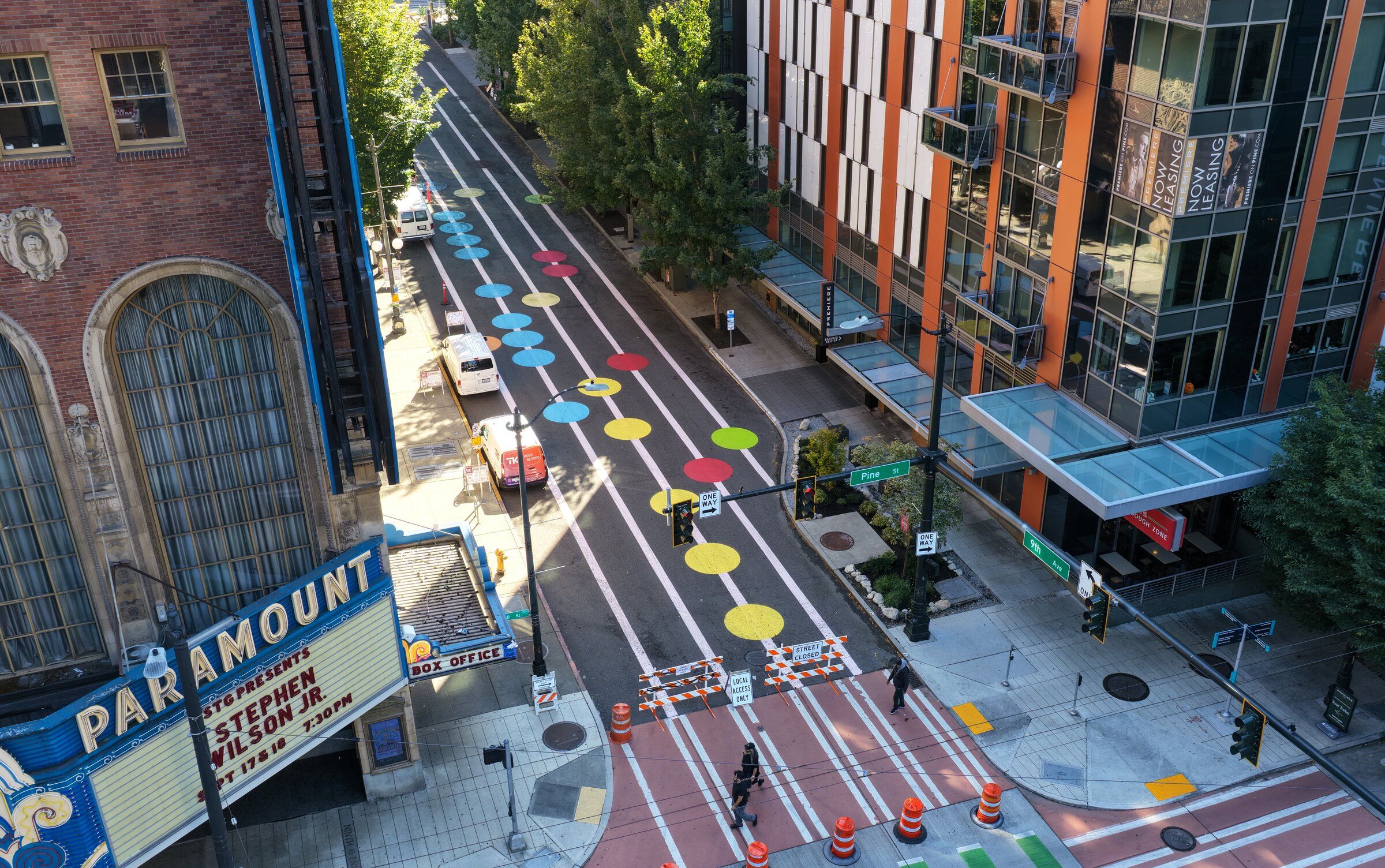

Based on: Seattle Convention Center painted the street. The paint won’t come off
Tragedy in Seattle, Housing Discounts and the Crawford Dilemma
Seattle has issued a verdict in the case of a newborn’s death at a shelter, the City Council is proposing temporary developer discounts to accelerate construction, and the Mariners are discussing veteran J.P. Crawford’s future.
Seattle woman sentenced to prison for newborn daughter’s death at homeless shelter
A story that unfolded in Seattle is horrifying in its brutality while also exposing tragic gaps in the social-support system. Thirty-five-year-old Ashley “Montana” Creighton pleaded guilty to first-degree manslaughter after her newborn daughter died from starvation and drug exposure inside a former motel converted into a homeless shelter. Judge William Dixon sentenced her to 78 months in prison followed by three years of supervision. Taking time already served into account, Creighton could be released in three to four years. The tragedy raises questions about the limits of responsibility held by the state, society and the individual trapped by addiction.
According to court documents, Creighton gave birth to a girl identified in records as A.S. in May 2024 while living at the Civic Hotel in the South Lake Union neighborhood. The former motel was used by the city and King County from 2020 to 2024 as a low-barrier shelter for homeless people operated by CoLEAD. Creighton, who was addicted to fentanyl, not only used drugs during her pregnancy but also concealed the child from social workers after giving birth, fearing that hospitalization would cut off her access to drugs. For five days, she continued her normal life—eating, socializing, keeping a journal and obtaining drugs—while her premature daughter, suffering from withdrawal, starved to death. Prosecutor Christopher Anderson argued for an eight-year sentence, emphasizing that Creighton had opportunities to seek help at any time: social workers were on duty around the clock at the shelter, and she had a working cellphone. Instead, she kept a calendar in which she wrote “baby girl born” on May 18 and, on May 23, “Baby, rest in peace,” followed by extensive lines about a “beautiful bright full flower moon,” a “starry virgin goddess of purity” and the planets. Police arrived at the hotel only on May 25 in response to a call about a stillborn child, but by then the room smelled of decomposition, while the calendar and videos on Creighton’s phone left no doubt that the baby had lived for several days.
In court, Creighton delivered a remorseful statement, calling addiction a “horrible disease” and saying she hated herself for becoming a “human wreck.” “My daughter gave me sobriety. I am a good person. I am not perfect, but I have committed to becoming better every day. My baby continues to teach me faith, love, kindness and hope,” she said. Her attorney, Margaret McGuinty, asked that her client be released after completing her sentence, acknowledging her “horrible, horrible decisions” but arguing that additional incarceration would serve no purpose. “The elephant in the room is that being a drug-addicted parent in this state is not, in itself, a crime. There is no actual evidence that the child suffered, only an inference,” McGuinty said. The prosecution presented a different picture: during the five days the infant was fading, Creighton “cared for herself, ate, socialized, kept a journal, monitored her drug supply” and did nothing for the child. Creighton’s mother, Malia Zebrowski, told the court that her daughter had “disappeared into the life of fentanyl”; she did not even know about the pregnancy and never saw her granddaughter.
The internet searches recovered from Creighton’s phone add particular weight to the case. She searched: “What are my legal obligations if I give birth at home,” “How to get the placenta to detach,” “Can you put fentanyl in a Yocan Evolve,” “I gave birth to a dead baby at home, what do I do,” “Breastfeeding a baby born with addiction,” and “Washington state law on mandatory CPS reporting upon hospitalization.” These searches, along with the fact that Creighton had given birth before, undermine the defense’s argument that she was unaware of what to do. Judge Dixon was brief when imposing the sentence: “A child depends on you for everything; the responsibility is yours.” That statement draws a line under the debate about personal responsibility, but in this case it does not erase the broader context. A year earlier, KOMO News reported that the owners of the Civic Hotel were suing the city, accusing officials of allowing drug contamination of the building and failing to control residents. The low-barrier shelter, conceived as a humane solution, became a place where a newborn’s fragile life remained invisible despite the presence of social workers on duty. A.S.’s tragedy is not only the story of one person’s addiction, but also an indictment of a system that allows people like Creighton to remain invisible until it is too late.
Seattle seeks to accelerate construction: A temporary compromise instead of endless deadlock
The Seattle City Council, through Councilmember Dionne Foster of Position 9, chair of the Housing, Arts and Civil Rights Committee, has introduced a plan intended to revive stalled housing projects. The proposal would temporarily reduce payments under the Mandatory Housing Affordability (MHA) program, along with a related resolution declaring the council’s intention to introduce inclusive-housing requirements in Neighborhood Residential zones in the future. In other words, the city is trying both to accelerate construction and to preserve its long-term commitments to low-income residents.
The situation itself appears paradoxical: in a city where demand for housing remains consistently high and builders say applications have fallen by nearly 95 percent since 2020, thousands of apartments are “shovel-ready” but remain unbuilt. The problem is not a lack of money among buyers, but development economics: tariffs, interest rates and fees, including MHA payments, make projects unprofitable. Foster is proposing not to eliminate MHA, but to accelerate it through temporary discounts.
The ordinance works as follows. For projects that have already reached vested status—that is, obtained certain development rights under earlier rules—the proposal would reduce the MHA in-lieu payment by 80 percent. This would not be a permanent gift: to receive the discount, a developer would have to begin construction within two years. For new projects that are not yet vested but submit a complete permit application by January 1, 2028, the discount would be 60 percent, provided that at least 25 percent of the units are family-sized, with two or more bedrooms. An exception applies to areas at high risk of displacement: there, the 60 percent discount would not be available unless the land belongs to a “legacy homeowner.” Finally, there is an accountability provision: if a discounted project does not receive its first foundation inspection within the deadline—two years for vested projects and three years for the others—the developer must pay the full MHA amount.
The accompanying resolution goes further, but more cautiously. The council says it intends to consider applying inclusive requirements to market-rate housing in Neighborhood Residential zones, where MHA currently does not apply. This would mean that new market-rate projects there would have to either include affordable units or pay an in-lieu fee. The resolution expressly states that the policy should be structured so that it “does not substantially slow development” in NR, remain unchanged for five years, encourage density through a lower per-unit fee when a site is fully utilized, and direct some future revenue toward building permanently affordable housing for households.
Support has come from unexpected quarters. Teresa Mosqueda, a King County councilmember, called MHA “a very effective tool” and pointed to “a significant national downturn in the construction market caused by factors beyond our control, such as tariffs and interest rates.” Monty Anderson of the Seattle Building & Construction Trades Council thanked Foster for “breaking the logjam” and supporting “critically needed, shovel-ready housing projects, good jobs and economic opportunity.” City Council President Joy Hollingsworth stressed the need to “accelerate both family and affordable housing.” Ben Maritz of Great Expectations SPC acknowledged “real trade-offs” and the need for resources for all types of housing. Bill Hetherington of LiUNA Local 242 spoke about “pathways to opportunity” for young people and working families. Alex Lofton of For Seattle recalled that “housing construction fell off a cliff.” Raymond Connell of Holland Partner Group cited the nearly 95 percent decline in applications since 2020 and called the discount a way to “mitigate the effects of war, tariffs and higher interest rates.”
Several key figures and terms merit explanation. An MHA in-lieu fee is a cash payment a developer makes instead of including affordable apartments in a project; the money goes into the city’s affordable-housing fund. Vested is a legal status indicating that a project has already secured development rights under the rules in effect at the time, meaning newer restrictions do not apply to it. Neighborhood Residential (NR) zones are primarily low-rise residential areas where multifamily buildings have historically been prohibited and where MHA has not applied. An inclusionary requirement mandates that affordable units be included in market-rate projects. A legacy homeowner is a homeowner whose family has owned property in a high-displacement-risk neighborhood for a long time, giving the owner protection from losing the discount.
The initiative’s central paradox is that it simultaneously reduces revenue for the affordable-housing fund and attempts to preserve that same revenue stream. The 80 percent discount for vested projects means the city will collect substantially less in payments, but it will gain the housing units themselves. The resolution, meanwhile, promises that some future revenue from inclusive requirements will go toward permanently affordable housing. The result is a temporary trade-off: construction speed today, affordability tomorrow. Critics may call it a deferred problem; supporters may argue that without construction there will be neither a functioning market nor a well-funded housing program.
Politically, the move appears to be Foster’s attempt to occupy the center. She is not eliminating MHA, which progressives support, but is giving developers something they have requested for years. The accompanying resolution is aimed at the left flank, promising to revisit inclusive requirements in NR. It is a classic political balance: a stick for some, a carrot for others, all in one package.
The next steps are already mapped out. The Housing, Arts and Civil Rights Committee has given the package its first review, Foster will continue community consultations as part of the budget process, and more detailed consideration is expected in committee later this year. If the ordinance passes, developers will have a window through 2028 to claim the discount and begin digging the foundation. If it fails, stalled projects may remain on paper, while the city risks losing housing, jobs and tax revenue. The only question is whether Seattle can build enough before the window closes.
J.P. Crawford’s return to the Mariners: Nostalgia or necessity?
The Seattle Mariners’ season is unfolding far from what fans had hoped, and against the backdrop of widespread disappointment, veteran J.P. Crawford’s play has unexpectedly emerged as a bright spot. After three separate stints on the injured list this season, the Mariners’ shortstop finally began to regain his form in September—just as the team had virtually lost its playoff chances. That coincidence—his personal resurgence and impending free agency—raises difficult questions about Crawford’s future in Seattle.
According to a Seattle Sports report, Crawford has posted numbers in September that few would have expected from a player who spent much of the season on the injured list. His slash line is .309/.426/.436, with two home runs, one double and, particularly notably, 10 walks against just six strikeouts over 15 games. Among American League players, he ranks seventh in on-base percentage and 19th in wRC+ (154) during that span. For a 30-year-old whose career has been clouded by injuries in recent years, the surge is a timely reminder of his value.
However, the analysts and hosts of the Wyman and Bob podcast are reluctant to overrate the month. Bob Stelton said plainly that Crawford is not the kind of player who can produce such numbers month after month: “He’s dealing with injuries, he’s getting older, he doesn’t have the range he used to. But he’s always had good at-bats—you rarely see him swing at the first pitch and pop it up, and he sees five, six, seven, eight pitches in every at-bat.” That description portrays a player whose value has shifted from physical ability to discipline and experience.
The key question is whether there is a place for Crawford in the Mariners’ infield for the 2027 season, particularly given that the club appears to be emphasizing young players. Dave Wyman suggested that Crawford could return as a fifth infielder, backing up Josh Naylor at first base, Cole Young at second, Colt Emerson at shortstop and Brendan Donovan at third. Crawford’s leadership qualities—he has repeatedly said he wants to finish his career in a Mariners uniform—are a significant argument in his favor. “J.P. is such a great teammate. We constantly admire him and hear stories about his leadership and how much he means to the clubhouse,” Wyman said. But, as he added, everything comes down to money and a clear understanding of how the coaching staff plans to use him.
Stelton sees the situation differently. He believes the Mariners should look for a power-hitting third baseman in the offseason and use Donovan as a utility player capable of covering both the infield and outfield. “I’d really like to see someone who is a natural third baseman with power, and Donovan isn’t that. That effectively rules out J.P. Crawford, because I really don’t know what to do with him,” the host acknowledged. The only scenario in which he sees Crawford returning is if Colt Emerson—who the club appears to have already committed significant money to—is not ready to open the season as the starter after wrist surgery. In that case, Crawford could serve as a temporary bridge until Emerson returns. But Stelton himself considers that unlikely: “I assume that by investing that kind of money in Colt Emerson, they expect him to be the starter next year.”
What do the terms that may be unfamiliar to readers mean? wRC+ is a statistic that evaluates a hitter’s performance while accounting for ballpark and era: 100 represents league average, while 154 means Crawford was 54 percent better than the average hitter in September. The slash line .309/.426/.436 refers to batting average, on-base percentage—including walks and hit-by-pitches—and slugging percentage. A walk is a way to reach base without a hit, when a pitcher throws four pitches outside the strike zone. Taken together, the numbers show that Crawford is less a power hitter than a batter who wears down pitchers and reaches base consistently.
Crawford’s situation is a classic dilemma for a club at a crossroads. On one hand, there is a respected veteran with unquestioned clubhouse authority who wants to stay and has just demonstrated that he can still contribute. On the other is a team that has invested resources in young players in recent years, and Crawford’s return could block one of their paths. His injury history this season is also a serious red flag for any long-term contract. As Stelton aptly put it, “If he comes back, I don’t think you’re breaking the bank for him. It’s not a move you’d call major.” That may be the answer: the Mariners are unlikely to offer Crawford more than a low-paid backup role, while the player, who values his place in the club’s history, might accept those terms for the chance to finish his career where it began. But if the club chooses an uncompromising path toward youth, saying goodbye to Crawford will become inevitable, and his September surge will remain only a beautiful but solitary episode at the end of a long story.
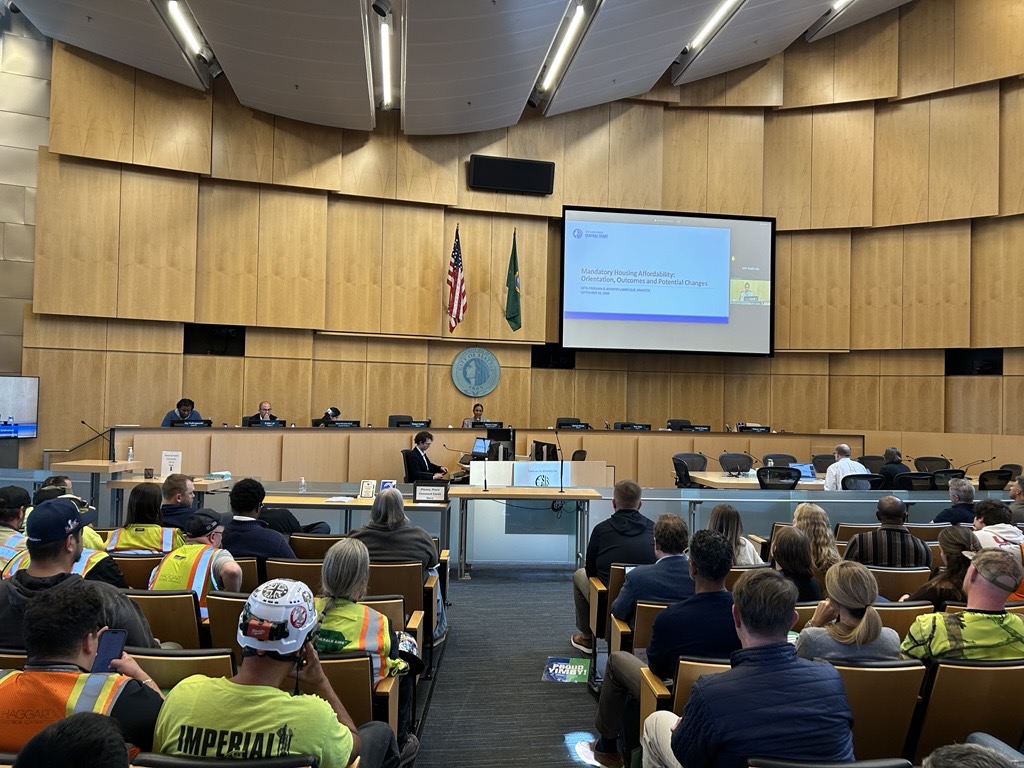
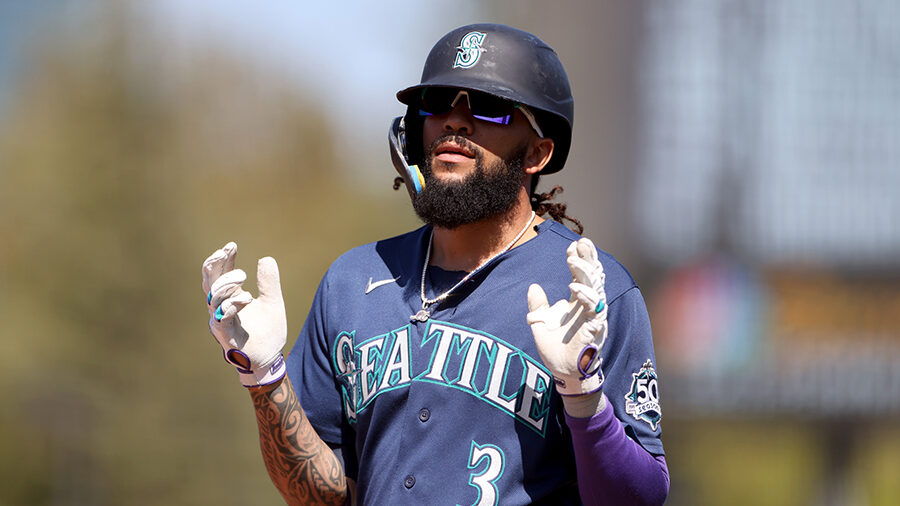
News 18-09-2026
Washington’s Millionaires’ Tax Heads Toward a Decisive Showdown
On October 8, former congresswoman Jaime Herrera Beutler and April Sims, president of the Washington State Labor Council, AFL-CIO, will meet in a televised debate over Initiative 645 — a proposal to repeal the state’s new 9.9% tax on annual income above $1 million. The vote will take place Nov. 3, but the debate is already about more than the tax rate: voters will decide whether the state can make the income of its wealthiest residents part of its tax base for the first time in decades — and what will happen to promised tax breaks and public programs if the experiment is halted before it begins.
Gov. Bob Ferguson signed ESSB 6346 into law on March 30, 2026. It takes effect Jan. 1, 2028, and applies to income earned during that same calendar year; the first returns and payments will be due in April 2029. The tax does not apply to the first $1 million, but to income above that amount: the 9.9% rate applies to what is known as Washington adjusted taxable income. Lawmakers estimate that roughly half a percent of the state’s households will be affected.
The label “millionaires tax” is convenient for political campaigns, but it somewhat obscures the legal structure. This is not a tax on the value of a home, an investment portfolio or accumulated wealth. The law targets annual income; the tax base excludes, among other things, sales of residential real estate and certain legally defined sales of qualifying family-owned small businesses. In a state that has never imposed a broad personal income tax, that distinction carries almost symbolic significance.
The figures in the Department of Revenue’s financial projections are substantial: gross revenue from the tax is estimated at about $3.7 billion in fiscal year 2030. But that does not mean all of the money will immediately go toward new spending in Olympia. The law also expands the Working Families Tax Credit for low-income workers, increases B&O tax relief for small businesses, and repeals or reduces certain sales taxes, including taxes on a range of essential goods. Under Ferguson administration estimates, a significant share of the new revenue is expected to flow back to families and small businesses through those measures.
Initiative 645, promoted by the Let’s Go Washington group, frames the question more simply: repeal the new tax before a single dollar is collected. Supporters point to the risk to business owners, investors and highly paid professionals who, they argue, could shift their income — and sometimes their residence — to other states. The campaign is backed by the Let’s Go Washington political network, which has previously placed initiatives on the ballot targeting the state’s climate program, capital-gains tax and WA Cares long-term-care program.
Opponents of the initiative respond that Washington relies especially heavily on consumption taxes, which take a comparatively larger share of income from poor and middle-class residents than from the wealthy. Sims will argue from that perspective: a tax affecting a small group of the most affluent residents should support schools, health and social programs, colleges and tax refunds for working families. In the official statement voters will see, the consequences of repeal are spelled out plainly: it would reduce funding for public K-12 education, higher education and social services, particularly health care.
There is, however, an important legislative detail. The 2026 package was written as a unified reform: if the key section imposing the new tax is repealed or ultimately struck down by a court, many of the related tax credits and exemptions will also expire. So the November vote is not quite a choice between a new tax and keeping all the promised relief measures already in place. Rather, it is a decision about whether to preserve the entire mechanism, in which revenue from affluent taxpayers and benefits for other groups were designed as interdependent components.
The law also remains under a constitutional cloud. A lawsuit filed in Klickitat County Superior Court relies on the Washington Supreme Court’s 1933 decision in Culliton v. Chase: the court then classified income as property, while Washington’s constitution requires property to be taxed uniformly. Supporters of the new law hope the current Supreme Court will reconsider that nearly century-old approach; opponents view it as an insurmountable barrier to a progressive income tax. A separate lawsuit concerned the wording of the fiscal explanation in the voters’ pamphlet: activist Arthur West sought to remove it, but the state Supreme Court split evenly in early September — four votes to four — and did not issue an emergency injunction.
The Oct. 8 debate, moderated by Jim Brunner of The Seattle Times and Joyce Taylor of KING 5, will take place without an audience in the studio and will air at 8 p.m. on KONG-TV, as well as in the organizers’ digital broadcasts. There is little time left before Election Day, but Initiative 645 already has a rare quality: it presents Washington residents with an economic, legal and moral question all at once — who should pay for a state that wants to be both wealthier and fairer.
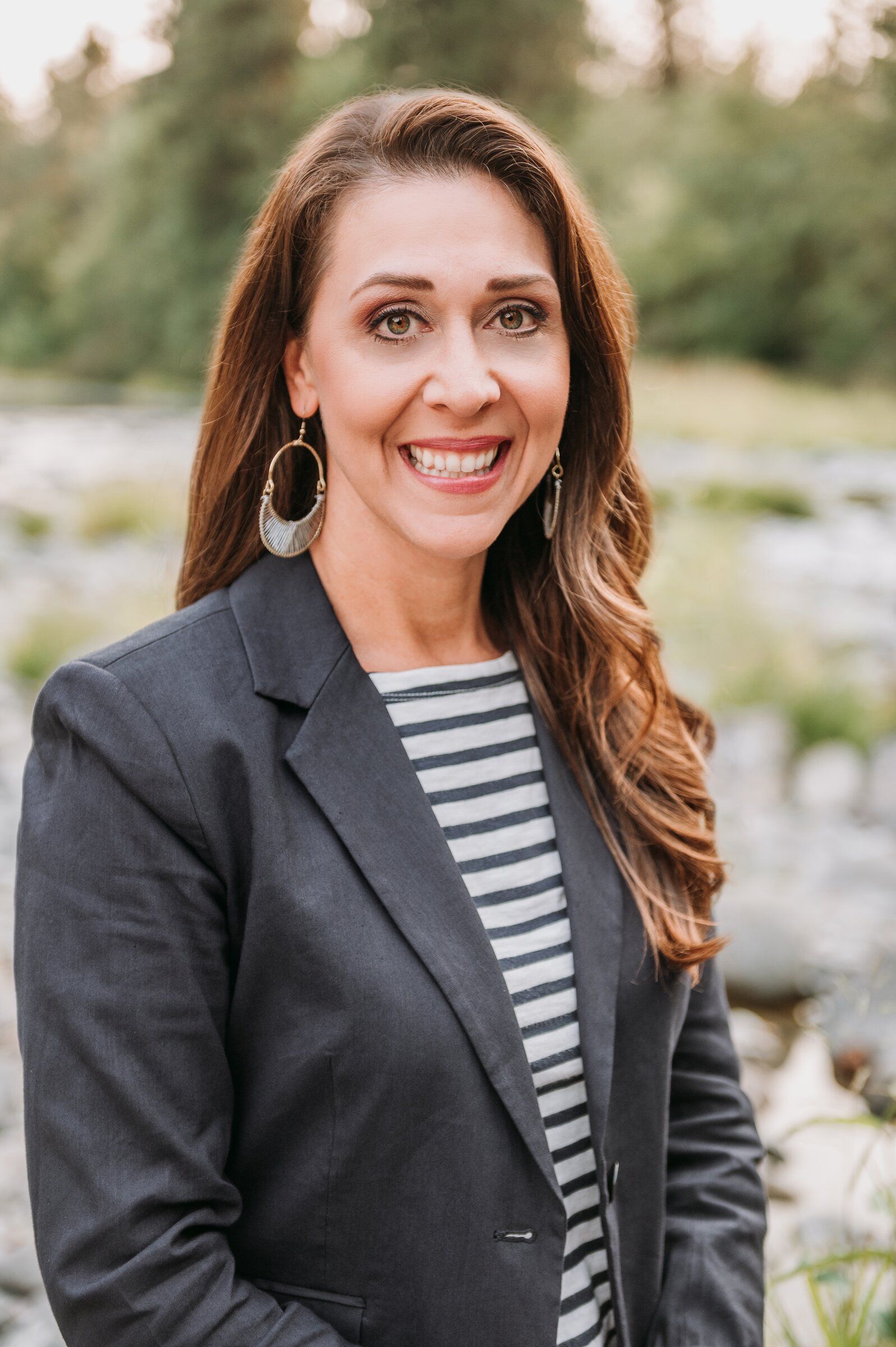
Based on: WA ‘millionaires tax’ is on the line: Here’s how to watch the debate
Richland Begins Dismantling Tire Mountain Left by Failed Startup
On September 15, the Richland City Council approved a contract with Liberty Tire Recycling to clear the state of Washington’s largest accumulation of old tires from an unpermitted site. By June 30, 2027, the contractor must remove roughly 1.5 million tires—both loose and compressed into bales—from 2990 Twin Bridges Road. The agreement will cost no more than $3.112 million. The state Legislature provided funding for the project, and the Washington Department of Ecology will reimburse the city for its expenses.
For those entering northern Richland on Highway 240, the mountain has long been part of the landscape—a bizarre and unsettling wall of black rubber near the turnoff to the city landfill. About 280,000 cubic feet of tires cover the roughly five-acre site. As is often the case with abandoned waste, their exact number remains an estimate: the city counted as many as 1.471 million, while Liberty Tire Recycling estimated about 1.5 million, with a combined weight of roughly 15,600 tons.
The pile poses a very practical danger. Tire stockpiles can become the site of extremely difficult fires, while water collecting inside the tires creates a breeding ground for mosquitoes. The city classifies the dump as a threat to public health, safety and the environment. Under the new agreement, Liberty Tire Recycling must provide the equipment, loading, transportation and oversight, then document exactly where the tires were taken and whether they were recycled or disposed of at permitted facilities.
The city did not immediately gain the right to enter the private property. In 2023, Richland sued the site’s owner, Beneficial Reuse Solutions LLC, previously registered in Alaska. In 2024, a court authorized the municipality to correct the violation itself. But the ruling did not resolve the central question: where would the money come from? In 2023, the initial cleanup estimate ranged from $1.1 million to $1.6 million. After further planning and an expansion in the scope of work, the cost rose substantially. In spring 2026, state lawmakers reserved $3.2 million for Twin Bridges Road.
The dump’s story began as a tale of entrepreneurial optimism, at a time when Washington was searching for ways to dispose of millions of discarded tires. On October 31, 2000, Jim Pinor, who managed the Richland landfill, his wife, Sherry Hankins, and her sister, Shelley Hankins, leased land from the Port of Benton for Northwest Tire Recycling Products. The idea was simple and appealing on the surface: charge a fee to accept old tires, cut and compress them into heavy cubes called EcoBlocks, and sell them to builders.
The rubber blocks were intended for use in road construction, shooting ranges, dairy farms and retaining walls. But the market for the product proved far narrower than the idea suggested. The company began operating on Stevens Drive and moved around 2005 to a site near the landfill, at the current Twin Bridges Road location. Compressed bales were stacked around the perimeter like fortress walls; inside, new loads of tires accumulated without buyers. The business faced questions about licenses and permits, clashed with the city and health authorities, and closed in 2007.
The business failure soon became a political scandal as well. Sherry and Shelley’s mother, Republican Shirley Hankins, was a powerful Richland representative in the state House. An investigation by the Legislative Ethics Board found that she had used her position to promote the family company’s interests with state and local officials and had attempted to steer tire-cleanup work to the company. In November 2007, Hankins agreed to settle the case and pay $4,174.62—the largest fine the board had imposed on a lawmaker at the time. She disagreed with the commission’s findings.
Now the city that did not create the dump is taking responsibility for its final chapter. The site remains privately owned, but Richland intends to seek reimbursement from those responsible to the extent possible. First, however, comes the less symbolic and far more arduous task: dismantling bales that have sat for decades, loading millions of tires onto trucks, and removing from the city’s entrance a monument to a recycling idea that never became a business.

Based on: WA’s largest tire pile could soon disappear
First Airo trains reshape the Amtrak Cascades route
On September 30, Amtrak will begin passenger service with two new Airo trainsets on the Cascades line connecting Vancouver, Seattle, Portland and Eugene. For the Pacific Northwest, this will be more than an upgrade to seats and windows: it marks the beginning of a fleet replacement after the painful crisis caused by the withdrawal of the aging Horizon cars in spring 2025. Airo trains will operate four trips on their first day; all eight trainsets ordered for the corridor are expected to enter service gradually by early 2027.
Mornings at King Street Station usually begin with rolling suitcases, the smell of coffee and the familiar low rumble of a diesel engine. Starting September 30, another silhouette will join that ritual: a green, cream and coffee-colored Airo train, whose livery evokes the conifer-covered slopes and snowy ridges of the Cascade Mountains. The Amtrak Cascades route will be the first in the country where Amtrak’s new American-built fleet carries passengers rather than undergoing testing.
Two trainsets will operate four daily trips. From Seattle, Airo will head north as train No. 516 at 8:30 a.m., arriving in Vancouver, British Columbia, at 12:30 p.m.; southbound, train No. 503 will depart at 7:10 a.m. and reach Eugene at 1:48 p.m. In the opposite direction, the new trains will operate evening services: No. 519 from Vancouver to Seattle, departing at 4:45 p.m., and No. 508 from Eugene to Seattle, departing at 4:30 p.m. For passengers, this means the familiar schedule will remain unchanged, but some of the most visible trips will feature an entirely different interior.
Each trainset has more than 300 seats, ergonomic seats with adjustable headrests, panoramic windows, individual power outlets and USB ports, free Wi-Fi, and digital displays with trip information. The café will offer food and drinks inspired by the Pacific Northwest. The trains include six spacious restrooms with touchless controls, automatic steps, clearer wayfinding and accessible seating throughout the train. For people with limited mobility, particularly important features include lifts, enlarged boarding areas and easier access to café services.
The novelty also comes with a more prosaic cost. On March 26, 2025, Amtrak removed the Horizon cars from service after inspections found corrosion in several cars, along with additional problem areas. On Cascades, Amfleet cars temporarily replaced them, but the fleet could not be restored to its previous size: many trains began operating with three cars instead of four. According to the Oregon Department of Transportation, this reduced the number of seats by about 30 percent and made sold-out trips—especially north of Portland—an everyday occurrence.
Airo will not, by itself, add new service frequencies: the corridor’s bottlenecks involve more than rolling stock. They also include track capacity, since freight and passenger trains share the same tracks. However, the new trainsets should restore more reliable capacity to the line and reduce its dependence on temporarily reassigned cars. They will operate as integrated trainsets rather than as collections of individual cars, changing the day-to-day work of the maintenance facilities as well.
In Seattle, King Street Yard is preparing for the transition. Amtrak is building an almost 100,000-square-foot maintenance facility there. By the time construction is completed in 2027, the site is expected to have two tracks for inspections and repairs, plus a separate track for cleaning and supplying the trains. Such infrastructure is rarely visible to passengers looking out toward Elliott Bay or the Willamette Valley, but it determines whether a modern train reaches the platform on time each morning.
Eight Airo trainsets are designated for Cascades; Amtrak also ordered two new locomotives and a spare cab car. Siemens Mobility is manufacturing the trainsets in California, with components supplied by nearly 100 vendors in 31 states. In total, Amtrak plans to introduce 83 Airo trainsets on more than a dozen routes. The next is expected to be Northeast Regional, where passenger service with the new trains is scheduled to begin in late 2027. But the first experience of this major national transformation will begin in Seattle—on an ordinary September weekday, with a train departing south at 7:10 a.m.

Based on: Amtrak to introduce upgraded, sleek Airo train sets on Cascades route
Lake Quinault Lodge Celebrates a Century with a Party
This weekend, Lake Quinault Lodge, a historic hotel on the western edge of Olympic National Park, will celebrate its 100th anniversary with a free program for guests. The celebration will take place Saturday from 9 a.m. to 9 p.m. and will focus on the hotel’s history, its connection to the Quinault forests and the surrounding landscape. Throughout the day, the Grand Ballroom will host a historical exhibit prepared in collaboration with the museums of Taholah, Quinault and Polson. The program will also include canoe races, a parade featuring the Hoquiam High School band, a salmon barbecue and a classic-car display.
Guests can attend talks about the Valley of Giants natural area and mushrooms, a celebratory champagne sabering toast, and performances by Indigenous representatives featuring songs, dances and an evening campfire story. The hotel’s history began in the 1880s with a small inn called the Log Hotel, which was destroyed by fire in 1924. The new building was designed by architect Robert Reamer, also known for designing the Old Faithful Inn in Yellowstone National Park; it was built in just 53 days and opened to guests in August 1926. Over the past century, Lake Quinault Lodge has evolved from a place for travelers to spend the night into a major attraction and a destination for those who want to see one of the wettest corners of the Pacific Northwest, where about 4.6 meters of precipitation falls each year.

Based on: Lake Quinault Lodge to celebrate 100 years with parade, canoe races
Orlando Unexpectedly Named the New Coffee Capital of the U.S.
According to a new study, Orlando may overtake Seattle and Portland as the leading coffee hubs in the United States. These cities have long been considered symbols of American coffee culture, but the study’s authors concluded that Orlando now deserves the title of “coffee capital.”

Based on: New study says Orlando, not Seattle, is new coffee capital of U.S.
Statistics, Defense and Seattle’s Crisis Management
Seattle is in the spotlight: disputed crime statistics, the Cardinals’ defense preparing for a game against the Seahawks, and an emergency response overhaul following a shooting at a festival.
Seattle’s Crime “Plummet”: When Statistics Say One Thing and the Streets Say Another
Last Sunday, the Seattle Times published a major investigative analysis that appeared to offer good news for the city: crime in downtown Seattle had fallen sharply. Headlines were filled with figures—larceny in the commercial core was down 60% since 2018, robberies had fallen 55%, aggravated assaults 16%, and pedestrian traffic had returned to more than 380,000 people a day. Yet, as is often the case with good news, the devil is in the details. A closer look at the same article reveals not a triumph but a troubling symptom. Seattle Red conducted its own analysis and concluded that the “collapse” in crime is primarily a reporting issue, not a reflection of actual conditions.
Let’s start with the fact that the figures cited in the project contradict one another. If all recorded offenses across Seattle are added together, there were 37,134 during the first half of 2025 and 37,379 during the first half of 2026. A difference of just over 200 cases against a backdrop of tens of thousands is not a decline; it is statistical noise. The honest word for such a chart is “flat.” At the same time, the Seattle Times article’s chart showing a citywide decline ends a year before the study period concludes—something that, in itself, suggests the authors were reluctant to show the full picture. Thus, the claim of a citywide “decline” does not withstand even a superficial examination.
Yes, downtown has genuinely improved. That is a fact that should not be denied. After the city abandoned many policies associated with the movement to defund the police, more patrol officers appeared on the streets, and more cleanup crews were deployed on several blocks. The result was immediate: larceny in the commercial core fell 60% from 2018, robberies declined 55%, and aggravated assaults dropped 16%. These figures are real, and they were bought at the cost of returning police to the streets—exactly what critics of the current city administration had demanded for a decade. But this is where the main trap lies: 2018 is not a neutral baseline. It was the year downtown Seattle recorded more crime than any other neighborhood in the city, when the intersection of Third and Pike was known nationwide as an open-air drug market, and when 175 businesses, residents, and community leaders wrote to City Hall pleading for the streets to be returned to the public. Cutting a catastrophe in half still leaves you with half a catastrophe. That is why there is little to celebrate here: even after all the improvements, retail vacancies downtown remain well above pre-pandemic levels, the drug market continues to operate, and Third Avenue has hosted an open-air flea market for months, where stolen goods are sold.
And this brings us to the most important question: what are these figures actually measuring? Recorded offenses measure police activity, not criminal activity. Last week, 38 of the region’s largest employers—including the CEOs of Nordstrom, Costco, Starbucks, and Alaska Air Group—sent Mayor Katie Wilson a letter demanding a 100-day public-safety plan and calling for open-air drug markets to be shut down as a priority. People celebrating a turning point do not write letters like that. The same letter cited Nordstrom statistics showing that its downtown flagship received a police response to only 29% of its 911 calls, while stores in Southcenter and Bellevue received responses to 100% of theirs. As of August 21, Seattle had 854 fully trained patrol officers, although former Police Chief Sean Barnes had promised 1,250 by the end of the year, while resignations among officers continued to rise. No one reports a stolen jacket if they know no one will come. Few people call 911 when they see homeless drug users smoking fentanyl and methamphetamine. The author admits that the only time he has ever called 911 was when someone was shot. This morning, he saw four people smoking fentanyl and did nothing because the police would not respond anyway.
That is the central paradox: the worse the police perform, the better the statistics look. People stop reporting crimes because they have lost faith in the system. The Seattle Times analysis also covered only violent and property crimes, meaning open fentanyl use and the black market for stolen goods on Third Avenue were entirely outside the researchers’ scope. But even the crimes that were counted largely just moved elsewhere. Downtown recorded 1,928 fewer offenses than in 2018, but Capitol Hill added 780, First Hill 567, and South Lake Union 457. Violent crime in Belltown rose 85%. This is not a solution to the problem; it is a redistribution of the problem across the city map.
The term “plummet” in the Seattle Times headline sounds like mockery when it conceals such methodological sleight of hand. If you measure crime in a place where people have stopped calling the police and compare it with a year when the neighborhood was at the peak of its crisis, you will inevitably produce a pleasing curve. But behind that curve are empty streets that residents avoid, stores that are closing, and employers writing desperate letters to the mayor. The true measure of safety is not the number of recorded crimes but people’s willingness to go outside, call 911, and believe they will be heard. As long as that willingness continues to decline, any talk of a “crime drop” remains a statistical exercise far removed from reality. That is why Seattle’s “crime collapse” is not a success story but a story about how data can conceal the truth when viewed from the right angle.
Nick Rallis Press Conference: Cardinals’ Defense Prepares for Seahawks After Winning Start
The Arizona Cardinals’ defense, led by coordinator Nick Rallis, began the season with a strong statement, and the coaching staff’s attention is now turning to its next opponent—the Seattle Seahawks. The team’s media department published a recording of Rallis’s press conference ahead of Week 2 of the NFL regular season. The defensive coordinator is expected to review his unit’s performance, answer questions from reporters, and outline its objectives for the upcoming game. The full video is available in the article on the team’s official website.
Rallis certainly has reason for optimism. In the opening week, his defense helped the team defeat the Los Angeles Chargers 26–14, and the defense was the foundation of that victory: it limited the opponent in key situations, prevented a high-scoring performance, and set the tone for the entire game. The team’s official release emphasizes that all the most important moments from the contest can be revisited in a condensed highlight video lasting less than six minutes—another indication that the game was packed with standout plays by the defenders. Rallis now faces a more difficult task: preparing a scheme against Seattle, a team historically known for an aggressive offense and an ability to punish the slightest defensive mistakes.
For those who are not deeply familiar with American football, several terms are worth explaining. The NFL is the National Football League, the highest level of American football in the United States. A defensive coordinator is the coach responsible specifically for the defensive unit and its schemes when the team does not have the ball. Unlike the head coach, the coordinator does not manage the entire team, but his decisions determine how the defense will pressure the opponent’s offense. The regular season is the main part of the championship, during which each team plays 17 games before the playoffs begin. A “week” is a game week, or round, during which a team plays one game. The Seahawks are Seattle’s nickname, and the opponent is a division rival, making the game particularly significant.
The central intrigue of the press conference is that Rallis will most likely emphasize discipline and adaptability. The victory over the Chargers showed that the defense can execute its scheme, but Seattle will offer a different style—more movement, more vertical passing, and an emphasis on quarterback mobility. Any conclusions Rallis shares on camera will have a direct bearing on fantasy football and betting lines, since coaching comments often reveal how prepared a team is for specific tactical scenarios. For now, one thing is clear: Arizona’s season has begun well, and Rallis enters Week 2 with a reputation as a coordinator whose defense is already producing results.
Seattle Mayor Changes Emergency Response System After Festival Shooting
Seattle Mayor Katie Wilson has signed an executive order that fundamentally restructures coordination among the city’s emergency services. The move follows questions left unanswered after a shooting at the Bite of Seattle food festival—an incident that showed the current emergency-management system breaking down precisely when the city needed maximum coordination.
According to a FOX 13 Seattle report, the order takes the form of an “emergency management order”—a document that gives City Hall the authority to rapidly redistribute responsibilities among departments, change notification and communications protocols, and establish a unified command center for responding to major incidents. In essence, it is an attempt to move crisis management from an “every department for itself” model to a single operational center.
The key point is that the Bite of Seattle is a major city event attended by tens of thousands of people. When the shooting occurred on its grounds, the questions were directed not so much at the police or firefighters individually as at how those services coordinated with one another during the first few minutes. Who was responsible for the evacuation? How was information relayed? Why did emergency alerts not operate in sync? These gaps, apparently, became the trigger for the mayoral order. FOX 13’s brief report does not say whether there were victims or arrests, but the fact that City Hall is moving to an emergency management posture indicates the seriousness of the concerns surrounding the system.
The term “emergency management order” may sound technical, but its meaning is simple: the mayor is effectively assuming the role of chief crisis manager and gaining tools to act more quickly than ordinary bureaucratic procedures allow. This is not a curfew or a mobilization of the National Guard, but an administrative restructuring—and such restructuring can prove decisive when the next incident is already approaching.
It is too early to judge how effective the reform will be, but one conclusion is already apparent. Cities that have experienced major emergencies at mass events usually reach the same conclusion: the problem is almost never a lack of resources, but the absence of a single decision-making point. Katie Wilson’s order is an acknowledgment that Seattle has not had such a point until now.

News 17-09-2026
Agency Completes Cleanup of Homes After Spokane Wildfires
The U.S. Environmental Protection Agency (EPA) has completed cleanup work at homes damaged by the Spokane Complex fires. In particular, the Old Trails fire on Aug. 4 destroyed homes and other structures in Spokane’s Rifle Club neighborhood, leaving behind charred and ruined remains, including a staircase leading nowhere.
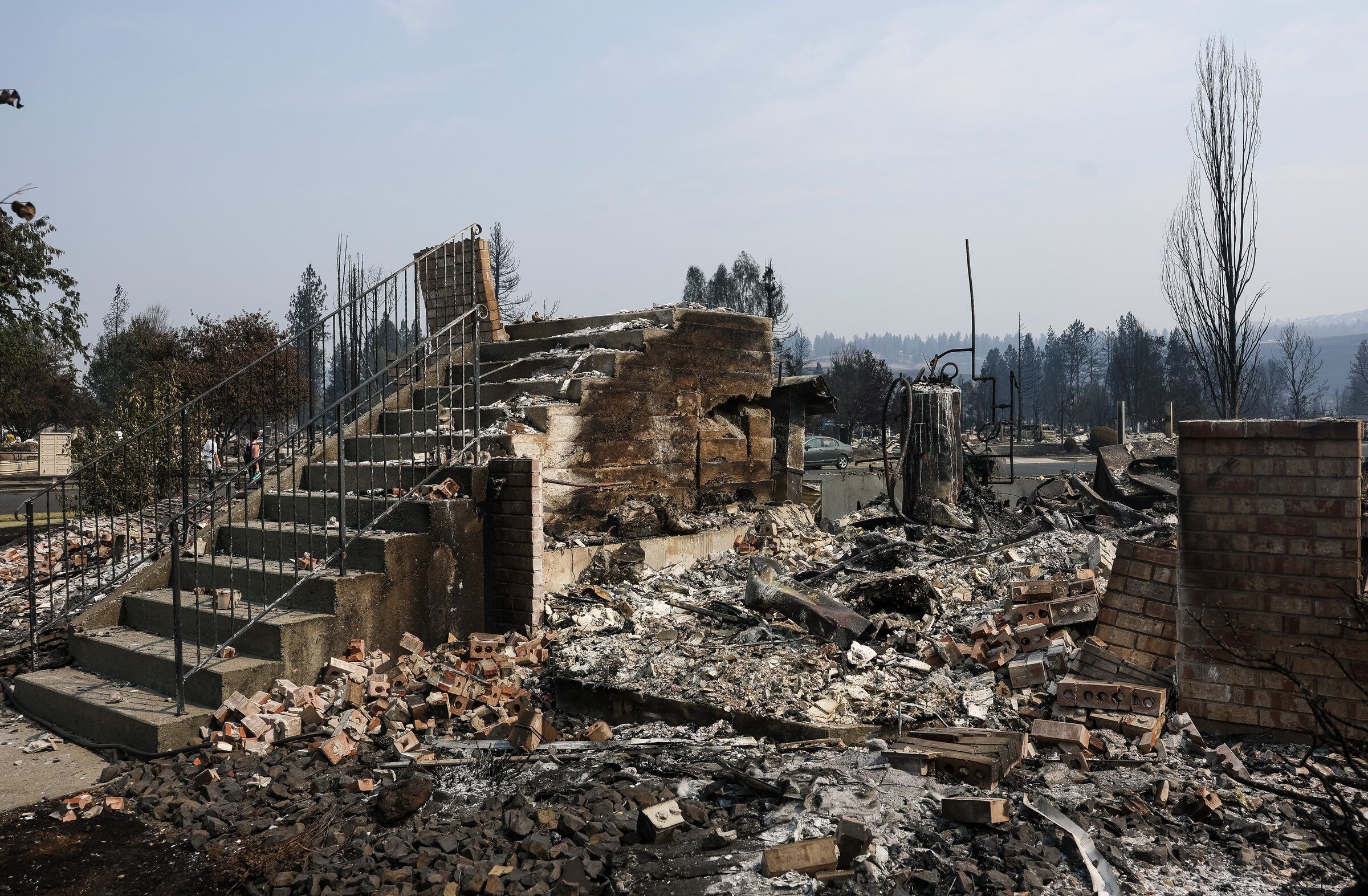
Based on: EPA finishes cleanup of homes burned in Spokane Complex fires
Seattle Airport Named Most Improved in New Survey
A recent renovation of Concourse C at Seattle-Tacoma International Airport significantly expanded its footprint, from 81,000 to more than 225,000 square feet. The updated terminal features artwork, a multilevel amphitheater, new restaurants and shops, a nursing room and other passenger amenities. Thanks to these changes, the airport was recognized as the most improved in a new survey.
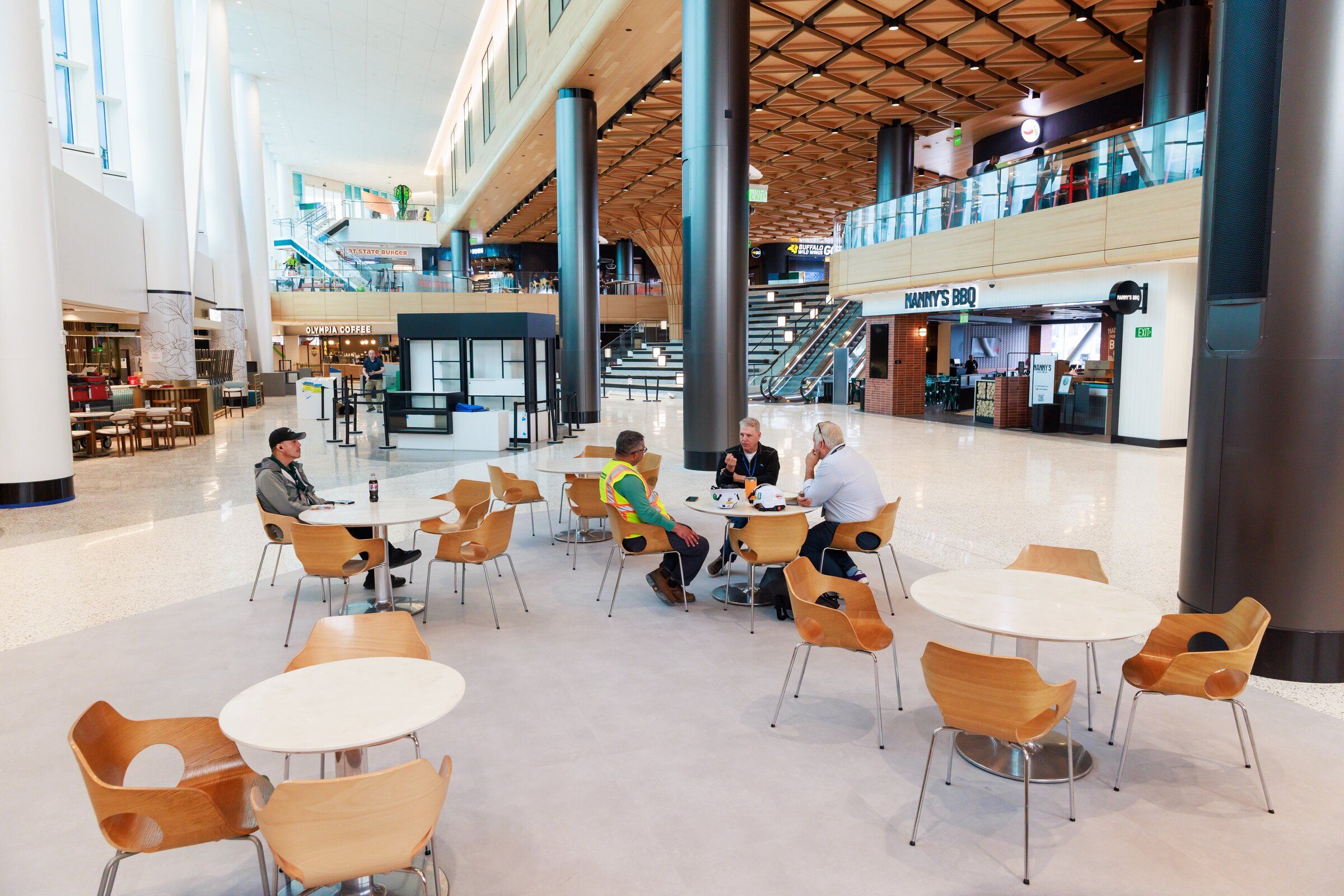
Based on: Seattle-Tacoma International Airport ‘most improved’ in new survey
Seattle Weighs Giving Developers a Break on Housing Fees
On September 18, the Seattle City Council will discuss a proposal to temporarily reduce Mandatory Housing Affordability (MHA) fees, which help fund affordable housing construction. The initiative, introduced by land-use committee chair Dionne Foster, would cut fees by 80 percent for two years for projects that have already been approved but are stalled, and by 60 percent for new 2027 projects if they include enough family-sized apartments. The goal is to revive a nearly frozen construction market without abandoning the city’s affordable-housing program altogether.
Seattle residents have long been accustomed to seeing tower cranes as part of the landscape, almost as constant as the rain over Elliott Bay. But the city is now facing a more troubling scene: permits for new apartment buildings are becoming less common, while projects that have made it through lengthy approval processes cannot secure financing. High interest rates, expensive labor and materials, and uncertainty in the rental market have turned many developers’ calculations into an unsolvable equation.
At the center of the dispute is the MHA program, introduced citywide in 2019 as part of Seattle’s previous housing strategy. In exchange for permission to build more densely or higher, a developer must either set aside some apartments at regulated prices or pay into the city’s affordable-housing fund. When the construction market was booming, the system generated significant revenue: fees reached $74 million in 2021. But the decline in new construction has reduced the flow of money. The city collected $47 million in 2025 and, according to industry estimates, about $7 million in the first eight months of 2026.
Foster’s proposal is called the Housing Accelerator. For roughly 35 projects with approved permits but no finalized financing, it would provide an 80 percent reduction in MHA fees for two years. In return, developers would have to reach foundation inspection within that period. The city is trying not merely to make paper projects cheaper, but to ensure that work actually begins at the sites. According to the Seattle Housing Roundtable, a developer coalition, more than 6,000 apartments fall into this category.
The terms are stricter for projects that have not yet received final permits. They would qualify for a 60 percent fee reduction only in 2027 and only if at least one-quarter of the apartments have two or more bedrooms. The requirement reflects Seattle’s longstanding problem: the market readily produces studios and one-bedroom apartments, but far fewer homes suitable for families with children. Such projects would have three years after receiving a permit to begin construction.
The compromise also has geographic limits. The incentive would not apply to new projects in the Central District, Chinatown–International District, or much of southeast Seattle—areas where the risk of displacing longtime residents is particularly high. MHA fees have historically been higher there because the program is based on the idea that new market-rate housing can accelerate change in vulnerable neighborhoods. Two of the stalled projects covered by the proposal are in those areas, but both are planned for vacant sites.
A similar effort nearly became official in the spring, but collapsed after nonprofit affordable-housing developers and their allies declined to support it. For them, MHA remains an important, albeit unstable, source of funding at a time when federal financing also looks uncertain. Critics ask whether the discount could become a giveaway to the private market without any guarantee that new homes will be built. Supporters counter that an unbuilt home creates no apartments, jobs, or affordable-housing revenue.
Mayor Katie Wilson has not opposed the current proposal, but has indicated that she will focus on the work of her housing-construction task force, which is expected to recommend a longer-term reform of MHA and other measures to prevent displacement. With the budget season beginning, a final vote on the accelerator will likely not take place before January. Until then, Seattle will have to decide what poses the greater risk: temporarily collecting fewer affordable-housing fees or allowing the construction slowdown to become the new normal.
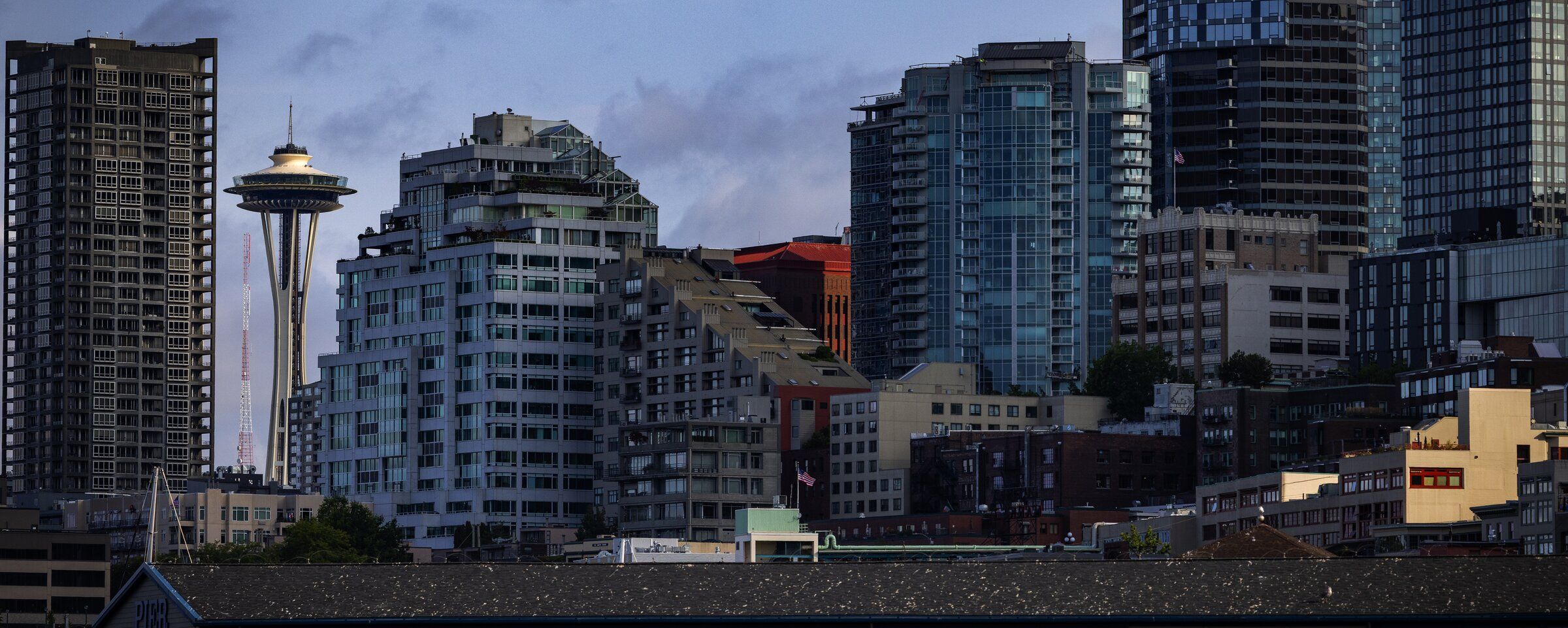
Based on: Seattle revisits plan to spur housing construction by slashing fees
In Washington, Defenders Fight to Protect Head Start From Quiet Restructuring
Senator Patty Murray joined parents, activists and lawmakers in Washington on Tuesday, September 15, to protest the Donald Trump administration’s proposed restructuring of Head Start, the federal early-development program for low-income families. The proposal does not formally involve a direct cut to the budget approved by Congress. Instead, it would eliminate most uniform federal rules. Critics say those rules are what make Head Start a program for education, health care and social support—not simply affordable child care.
The dispute centers on a proposal from the U.S. Department of Health and Human Services, published on August 7. The department wants to replace more than 100 pages of existing standards with a short set of rules, giving states and local operators more authority over class sizes, adult-to-child ratios, staff qualifications, transportation and a range of health services. The administration calls the move a reduction in excessive bureaucracy and promises to use the savings to create new slots for children.
But to Murray, one of the program’s most prominent defenders in Congress, the formula represents not freedom but the government’s abandonment of its responsibility. At a news conference, she recalled that Head Start was created as a comprehensive system: preschool classes are paired with vision, hearing and developmental screenings, dental care, nutrition, parent support and connections to social services. Eliminating federal requirements, she said, would make it possible to save money precisely on the elements that are hardest for a family living paycheck to paycheck to replace.
Head Start was established in 1965 as part of President Lyndon Johnson’s War on Poverty. Today, it serves about 700,000 children nationwide, including children without stable housing, children in foster care and children with disabilities. In Washington state, according to an estimate cited by Murray, about 15,000 children use the program. In Seattle itself, Head Start is operated by public schools. It serves 3- and 4-year-olds from low-income families, as well as families experiencing homelessness, receiving public assistance or raising foster children.
For parents, the value of the program is often measured not in regulatory language but in moments that do not fit into budget tables. Lori Pittman, an activist from Washington state, said she turned to Head Start during a severe family crisis. Program staff encouraged her to return to school and later helped her find a job. She now says that support enabled her family to escape poverty. Stories like hers have become the main argument against the proposed changes: Children do not come to class as isolated students, but as members of families that often need education, food, health care and a stable daily routine at the same time.
Critics are particularly concerned that the proposal would allow federal standards limiting class sizes and teacher workloads to be dropped, while removing several detailed requirements governing the timing of medical, dental and developmental screenings. The department itself acknowledges that the new rules could change staffing and allow some centers to shorten class hours or reduce the volume of services. Supporters of the changes respond that operators would not be required to weaken their current practices and that states could establish their own rules. Opponents, however, fear that amid chronic funding shortages, “flexibility” would quickly become another word for cuts.
Washington has another recent reason to distrust promises of a seamless transition. In April 2025, the administration closed five of Head Start’s 10 regional offices, including the Seattle office that served the entire state. Earlier, delays in federal payments had already forced service providers in central Washington to lay off employees and close classrooms while families scrambled to find care for their children. These episodes have transformed the current dispute over rules into a broader question about how fragile the system is—and how much parents’ ability to work each day depends on it.
The proposal has not yet become law: the public-comment period is scheduled to end October 6. After that, the department may revise the document, adopt it in final form or face legal and political obstacles. Murray is urging parents and educators to submit comments to the federal government. In her remarks, it sounded like a simple reminder of Head Start’s nature: The program has existed for six decades not because Washington once wrote a successful set of regulations, but because families have repeatedly shown that early help for a child can change the trajectory of an entire family.

Based on: WA parents, lawmakers rally in D.C. against Head Start cuts
Seattle: Housing, Economy and Downtown
Seattle is facing delays in low-income social housing, losing ground as a technology hub, and at the same time recording a record 9.2 million visits to downtown.
Seattle’s Social Housing Project Stalls: Those Who Need It Most Are Left Outside
Seattle’s social housing program, conceived as a radically new approach to the problem of affordable housing, has encountered an unexpected obstacle at the outset. Seattle Social Housing Developer, the organization created to manage the project, failed to move tenants into its first building on schedule. As reported by The Seattle Times, the delay is particularly frustrating for applicants with the lowest incomes—the very people the initiative was created to serve.
The issue is that Seattle’s social housing is presented not as traditional subsidized apartments, but as a model in which rent is tied to a tenant’s income and does not exceed 30% of it. Access to these apartments is also supposed to be broader than in conventional low-income housing programs, while management is handled by a nonprofit accountable to the city. The first building became a kind of test: could the new developer launch the screening and move-in process quickly and without problems? The answer so far is discouraging—bureaucratic and organizational delays have slowed the move-in process for precisely those applicants whose incomes are at the lowest end of the eligibility range.
Seattle Social Housing Developer has not disclosed all the details of the breakdown, but it has confirmed that it intends to move forward and expand its portfolio of buildings. This suggests that investors and city officials still believe in the model, although the first attempt has not gone smoothly. For people with minimal incomes who have spent years on housing waiting lists, the delay is not merely a technical glitch but a loss of time and hope. Many applied precisely because social housing promised more transparent and less discriminatory selection rules than the private market and even some government programs.
The term “social housing” is important to understand precisely in this context: these are not municipal apartments in the Soviet-era sense, nor shelters for people experiencing homelessness. Rather, they are buildings constructed or acquired by a nonprofit operator, with apartments rented according to a fixed formula and management carried out with the participation of future residents. The key difference from the housing vouchers common in the United States is that social housing is tied to a specific building rather than to an individual, and does not depend on the whims of private landlords. That is why the move-in failure is so painful: it affects the most vulnerable group, for whom there are few alternatives.
The main lesson is that even the most progressive housing policy can be undermined by the routine of approvals and a lack of operational experience. If Seattle Social Housing Developer cannot quickly resolve the situation and demonstrate that the model works, not only the organization’s reputation but also political support for the entire program will be at risk. The question now is not whether the program will expand, but whether the first building will be able to accept residents at all—and when that will happen.
“The Warning Lights Are Already Flashing”: Why Seattle Risks Losing Its Status as a Technology Capital
At the beginning of 2026, Seattle hosted an event that organizers deliberately described as a warning signal rather than another showcase of achievements. Against a skyline dotted with the offices of the world’s largest technology companies, roughly 50 elected officials from four counties—King, Kitsap, Pierce and Snohomish—gathered, including two county executives, around 20 mayors, port commissioners and a dozen state legislators, as well as labor leaders and business executives. The occasion was the launch of the “Partnership for a Competitive Puget Sound,” an initiative of Challenge Seattle that presented a 20-point plan to rescue the regional economy.
Brad Smith, Microsoft’s vice chair and president, speaking to those assembled, drew a direct parallel with Detroit, Cleveland and Pittsburgh. Each experienced its moment of glory a century ago, followed by inexorable decline because its leaders failed to notice the warning signs in time. “Well, here we are. It’s 2026,” Smith said. “And the warning lights are already flashing on our economy.”
His words sounded less like a metaphor than a statement of fact. According to the group’s report, the region lost nearly 7,000 jobs in 2025. For the first time in 20 years, excluding recessions and the pandemic, employment growth in the Seattle area lagged behind the national rate. Washington fell from 32nd to 47th in CNBC’s business-cost ranking between 2017 and today. More than one-third of the office space in the city’s central business district is vacant.
These figures provided the backdrop for the report’s central argument: although the technology sector accounts for nearly one in 10 jobs in the region and roughly one-quarter of its total payroll, it still lacks the kind of coordinated regional strategy that exists in the aerospace industry. As the document notes, aerospace knows what it is working toward—the next generation of aircraft, the space industry, sustainable fuel and supplier diversification—whereas technology, “despite being one of Puget Sound’s defining economic anchors, does not yet have an equally deliberate regional strategy.”
Without one, the region risks losing “jobs, technology investment, headquarters, talent and company growth” to the Bay Area, New York, Boston and Austin. The goal is framed not as simply stimulating growth, but as “protecting and strengthening the region’s position as a leading technology hub.”
It is important to understand that Challenge Seattle plans to develop this strategy jointly with the Puget Sound Regional Council, focusing on two priorities: persuading major technology companies to keep their investments in the region and making it easier for startups to scale. Related recommendations concern industrial sites for AI hardware startups, commercial real estate and a regional fusion-technology cluster.
The report contains no budget, measurable success criteria for the technology strategy or deadline beyond a general call for progress within three years. Many of the recommendations, however, involve not new spending but changes in how local governments operate: setting deadlines for permit decisions, appointing a business liaison in every city and county, and developing an approach to taxation at the state, county and city levels.
“This is a wake-up call for us,” said former Washington Gov. Chris Gregoire, who leads Challenge Seattle. “We cannot afford to rely on yesterday’s successes while tomorrow’s jobs are going somewhere else.” April Sims, president of the Washington State Labor Council, added that businesses need predictability and sufficient margins to invest, innovate and take risks—but “working people need margins, too.”
King County Executive Girmay Zahilay said his office had already hired an economic development team and begun an internal audit of permitting procedures, calling the loss of 7,000 jobs “deeply concerning” at a time when “AI is transforming our economy seemingly overnight.”
However, the central moment of the press conference came when GeekWire asked what it would take to bring Microsoft back to Seattle and expand its presence there, given that the company previously had offices in South Lake Union. Brad Smith first gestured toward Redmond Mayor Angela Birney, who was standing in front of him, and, to the laughter of the officials present, said: “We have a wonderful mayor, and every day we get up and happily go to work in Redmond, Washington.”
He then challenged the premise of the question, recalling that Microsoft had moved to the Eastside from Albuquerque in 1979 and had never maintained a large presence in Seattle, so he would not use the city as a point of comparison.
He then turned to taxes—specifically Seattle’s JumpStart payroll tax, adopted in 2021. Under its current structure, he said, the tax “is really a tax on technology jobs, and that’s why you see more and more technology jobs move from Seattle to places like Bellevue and the Eastside.” Smith noted that San Francisco repealed its payroll tax in the same year Seattle introduced its own.
“You should tax what you want to discourage—cigarettes, for example—not jobs,” he said. He linked the issue to AI’s broader impact on employment: “We need people to thrive, to some degree, in an AI world. And you don’t want to make the cost of hiring people higher at a time when AI is adding its own new form of competition.”
In his view, “nothing will lead to job losses in this state faster than replicating the JumpStart tax.” If Seattle wanted to do one thing to increase the number of jobs, he said, it should reconsider whether a payroll tax made sense at all. He added a caveat: “It would probably affect other companies more than Microsoft.”
Amazon, which is reportedly the largest payer of the tax, did not have a speaker at the event, although several company executives are listed in the acknowledgments of the Challenge Seattle report, with a note that participation does not imply endorsement.
The view from Olympia, the state capital, added a political dimension to the picture. State Senate Majority Leader Jamie Pedersen, a Seattle Democrat, was asked whether Washington risked becoming an outlier among states on taxes. He replied that the Legislature was adjusting course, citing two examples from the current session.
The first was the estate tax. Lawmakers raised the top rate to 35% in 2025, the highest in the country, then repealed that decision in March 2026, restoring the rate to 20% effective in July.
The second was the “millionaires’ tax,” a 9.9% rate on household income above $1 million, signed by Gov. Bob Ferguson and expected to generate approximately $3 billion a year. It will not take effect until 2028, and Seattle technology leaders have warned that it will drive founders and investors out of the state.
Pedersen presented the tax as correcting another form of outlier status: Washington’s business and sales taxes are high because it is one of the few states with no personal income tax at all. The new tax, he said, would allow Washington to “join the 41 other states that have a personal income tax.”
The final word will belong to voters in November. Initiative 645, backed by the Let’s Go Washington group, qualified for the ballot in July and would repeal the tax. If the initiative survives, Pedersen said, introducing a statewide payroll tax in the next legislative session would be “extremely unlikely.”
Seattle Mayor Katie Wilson, who helped design the JumpStart tax before running for office, did not speak at the press conference but opened the regional session that followed. She said the region needed to tell its own story better: “We
Downtown Seattle Comes Back to Life: Record 9.2 Million Visits in August
After several years in which downtown Seattle was associated more with troubling news about vacant offices and shuttered storefronts, a new report from the Downtown Seattle Association (DSA) paints a very different picture. According to data published this week, 9.2 million people visited downtown in August this year—12% more than in August 2019, the pre-pandemic period that was long considered an unreachable benchmark. It was also the busiest month in more than seven years, since July 2019.
The figure of 3.8 million unique visitors is impressive as well, although, as the DSA notes in its report, it includes only domestic, or U.S., travelers; international visitors are not included in the statistics.
John Scholes, DSA’s president and CEO, makes no secret of his optimism. “The number of people coming downtown remains one of our strongest indicators of progress,” he said. “August was our busiest month in more than seven years.”
The traffic data supports his assessment: compared with August last year, visitation rose by 24%. This is more than a recovery—it is solid growth, suggesting that residents and visitors once again see downtown Seattle as a place for leisure, not just work.
The hotel sector is particularly revealing. Downtown hotels sold nearly 429,000 room nights in August—6% more than in August 2019 and 3% more than a year earlier. Such occupancy typically indicates that people are staying overnight rather than merely visiting the city for an hour, in order to see the waterfront, theaters, restaurants and cultural events.
Scholes directly attributes this to the fact that “people are choosing downtown Seattle for its waterfront, arts and culture, restaurants, events and other experiences.” Consumer spending is also rising: according to Datafy, $164,958,003 was spent downtown in July, 5% more than the previous month.
Not all indicators have returned to their previous levels, however, and this is an important nuance in understanding the overall picture. Office workers still represent only 62% of the 2019 level—an average of about 150,000 people per day. That figure has remained roughly stable for several months, reflecting a lasting shift toward remote and hybrid work.
In other words, downtown is recovering not because corporate employees have returned, but because of tourists, local residents and cultural-event visitors. This is fundamentally different from the pre-pandemic model.
It is also worth noting that during the first eight months of 2026, the DSA/MID Clean Team collected 731,054 gallons of trash—more than an Olympic-sized swimming pool, as the association itself put it. The detail is a reminder that rising visitation also creates additional pressure on the city’s infrastructure and services.
A March State of Downtown 2026 report showed that downtown visitation exceeded pre-pandemic levels for the second consecutive year: more than 15 million people visited in 2025.
What does it all mean? Downtown Seattle is gradually transforming from a business district into a round-the-clock space for living and leisure. The sustainability of this shift, however, depends on whether the city can maintain a balance between a growing flow of visitors and the continuing problem of half-empty office towers. For now, August’s figures suggest that the chosen strategy is working—but time will provide the final test.
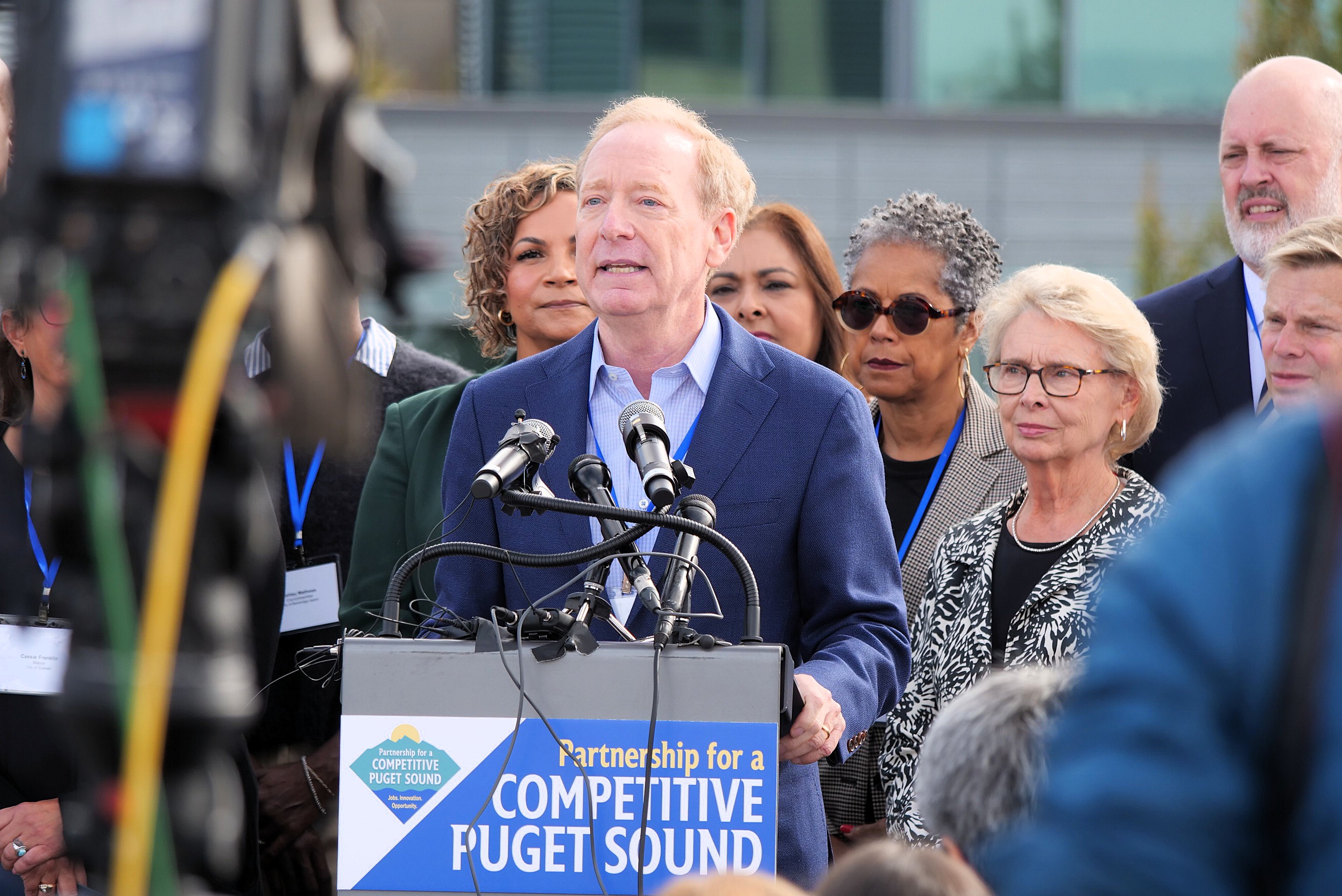


News 16-09-2026
Seattle Adds Nonmonogamous Relationships to Civil Rights Protections
The Seattle City Council unanimously voted to amend the municipal code to explicitly prohibit discrimination based on consensual nonmonogamous relationships, including polyamory. The legislation, introduced by Councilmember Alexis Mercedes Rinck, also clarifies protections for pansexual, asexual and nonbinary residents, while affirming that existing provisions apply to multigenerational families. The new provisions will take effect on June 1, 2027.
On Tuesday, discussion in the City Council chamber on Fourth Avenue focused less on the form of private life than on the price people sometimes pay for being open about it. One speaker, Richard Gilmore, said he would soon mark 26 years in a polyamorous relationship involving two men and two women. Over the years, he said, members of their family had repeatedly feared prejudice, especially at work. The council responded with a unanimous vote — a rare instance of procedural clarity on an issue that can easily become a flashpoint in the culture wars outside the chamber.
The measure does not establish polygamy, alter state family law or create a new form of marriage. It incorporates the protection into the existing definition of sexual orientation in the city code. That definition now explicitly includes consensual relationships with multiple partners, including nonmonogamous relationships. Pansexuality and asexuality were added to the same section, while language previously tied to male and female sex was replaced with broader wording.
The practical effect of the changes will be felt wherever private life becomes visible to others: in hiring, housing, access to public places and city services. The law also applies to rules governing municipal employees, licensed businesses, parks and certain interactions with city government. Complaints about discrimination within Seattle are handled by the city’s Office for Civil Rights.
At the same time, the council preserved an important boundary. Employers are not required to extend health insurance, leave or other benefits to an employee’s multiple partners; the text specifically states that the new provisions do not expand existing benefit packages. The measure is not about legally recognizing every relationship, but about prohibiting people from being denied housing, employment or services because of the structure of their consensual relationships.
More broadly than polyamory, the law reflects how the language of family has changed. Its preamble lists families with multiple parents or partners, blended and multigenerational families, single parents, adults who co-parent children and chosen families. For households where grandparents, parents and children live together, the council clarified that the already protected status of shared living arrangements should be interpreted broadly. This is especially significant in a city where housing is expensive and day-to-day solidarity often requires people to live outside the familiar “two adults and children” model.
The initiative grew out of a campaign by the Seattle Coalition for Family & Relationship Equity and support from the Seattle Human Rights Commission. Activists argued that fear of exposure forces people to hide their partners from colleagues, landlords and even social services. According to studies cited by supporters of the law, between 10% and 20% of North American residents have been in consensually nonmonogamous relationships at some point, while about 5% are currently in one. These figures do not turn every unconventional family into a distinct political group, but they help explain why the issue has moved beyond small communities.
Seattle became the 10th U.S. city with such protections and the largest among them. Similar measures were previously adopted in Olympia, Portland, Oakland, Berkeley, West Hollywood, Cambridge and Somerville. For the city, the move continues its own legal tradition: in the 1970s, Seattle was among the first cities in the country to establish local protections for LGBTQ residents, and in 2023 it became the first in the United States to explicitly prohibit discrimination based on caste.
Before next June, city departments will have to prepare for the new rules, while the Office for Civil Rights will explain to residents and employers how they will work in practice. The law’s most important test will not be high-profile statements, but the first ordinary cases: a conversation with a landlord, a job interview or a service denial in which someone must show that their private life cannot be used as grounds for exclusion from public life.
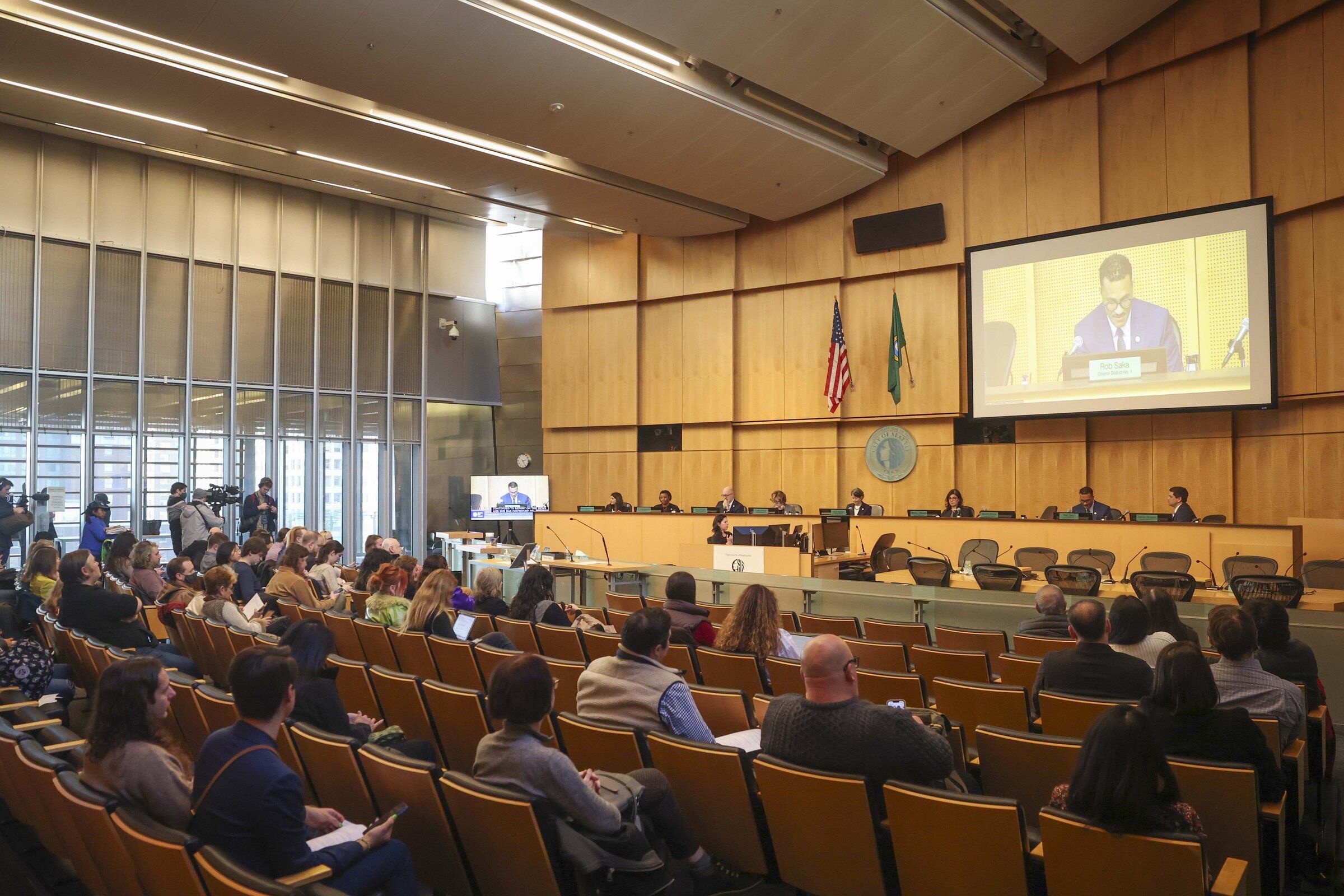
Based on: Seattle bans discrimination against polyamorous, nonmonogamous people
Seattle Teachers Approve Contract That Averted a Strike
After weeks of anxious waiting, Seattle’s education workers’ union approved a three-year agreement with Seattle Public Schools, formalizing the compromise that allowed the school year to begin without a strike on the night of Sept. 2. About 89% of teachers and paraprofessionals voted in favor, while support among clerical employees reached 96%. The agreement must now be approved by the district’s school board.
In the first days of September, the fate of classes for tens of thousands of families was decided almost by the hour. The previous contract expired Aug. 31, and negotiations that had begun in June continued until the evening before the first day of school. On Aug. 27, 91% of Seattle Education Association members — the state’s largest school workers’ organization — authorized a possible strike. That did not automatically halt work, but it gave union negotiators the authority to call one if an agreement could not be reached.
The agreement was reached late on Sept. 1. The next morning, school buses followed their usual routes, and children arrived at more than 100 schools across the district. In Seattle, where memories of the five school days canceled during the 2022 strike have not yet become history, the ordinary start to September was itself the main and most tangible result of the negotiations.
Voting began Friday, Sept. 11, and concluded Tuesday evening. The full text of the new contract and the final pay schedule have not yet been released. However, a union member told KUOW that the agreement provides a 9.8% raise over three years for all employee groups. The district had previously said publicly that pay would increase by 8.8% — 2.6% in the first and third years and 3.6% in the second — in addition to annual experience-based increases for those eligible to receive them.
Money was only one part of the dispute, although an important one. Superintendent Ben Shuldiner repeatedly emphasized during negotiations that the district faces difficult financial conditions and will need to close a deficit of about $87 million. According to the district, the agreement also includes future contributions to VEBA medical savings accounts, higher stipends for teacher mentors in schools and a reduction in the number of required all-school meetings, from weekly to three per month. The last detail may sound technical, but for teachers it restores time that is usually swallowed up by lesson preparation, grading and conversations with parents.
The most sensitive issue was special education. About 16% of Seattle Public Schools students receive special education services, and the district sought a more flexible model in which support would more often be provided at students’ neighborhood schools rather than tied to a separate program or location. The compromise calls for a pilot project in the third year of the contract, new school psychologist positions and additional roles for specialists and paraprofessionals working with students’ behavioral, social and academic challenges. For families, this means the most controversial proposal has not disappeared, but neither will it be implemented citywide immediately.
The tense negotiating season now moves into a less dramatic but no less important phase: implementation. The school board could consider the agreement as early as Sept. 16. If it approves the contract, Seattle will gain not merely three years of labor peace, but also a test of whether it can retain teachers in the profession, improve support for students with special needs and avoid deepening the financial hole the district has been warning about for years.

Based on: Seattle teachers approve contract that narrowly avoided a strike
Washington Preserves Mail Voting, but the Election Dispute Is Not Over
In June, the U.S. Supreme Court upheld states’ right to count ballots postmarked by Election Day even if they arrive later. On September 14, it also left in place a court injunction blocking new federal restrictions on mail-in ballots. For Washington, where voting has long been organized around mail and designated drop boxes, this preserved the familiar system for the November 3 election. But the victory proved to be more of a reprieve: the Donald Trump administration continues to pursue broader federal intervention in election procedures, while the greatest danger in the current campaign may emerge after the polls close—in prolonged and politicized disputes over the vote count.
Inside King County Elections in Renton, ballot counting looks almost deliberately mundane. Envelopes are opened, signatures are checked against registration records, ballots are scanned, and results are updated gradually—not during the single television night the country has grown accustomed to, but as election officials receive and verify votes. In Washington, this is not an emergency measure adopted during the pandemic years, but a long-established civic routine: the state has conducted all elections by mail in every county since 2011.
That very deliberateness became the subject of a federal dispute. In Watson v. Republican National Committee, the Supreme Court ruled by a five-to-four vote on June 29 that federal law does not prohibit states from accepting ballots mailed on Election Day and received later. For Washington, the ruling preserved the existing rule: what matters is a postmark no later than Election Day, not the moment the envelope physically reaches the county elections office.
The stakes were tangible. According to the secretary of state’s office, about 120,000 Washington ballots in the 2024 presidential election—approximately 3 percent of all ballots cast in the state—arrived after Election Day but had been mailed on time. A ruling against the state would have meant that a system designed around mail delivery and subsequent verification would have had to reorganize around a stricter deadline within a matter of weeks.
The next round followed Trump’s March 31 executive order and subsequent Postal Service rules. They established uniform envelope requirements, special barcodes and the transfer to a federal system of lists of recipients of mail ballots; the service could refuse to forward mailings that did not meet those conditions. Election officials objected that envelopes and logistics are ordered months before voting, and that a rushed redesign could leave people without ballots or confuse local election offices.
On September 14, the Supreme Court declined to lift the existing injunction blocking those rules before the current midterm elections. In Washington, that means ballots will be sent and returned under the previous system. Secretary of State Steve Hobbs said his office would be able to continue preparing “without having to break election processes” to comply with requirements that could not be implemented in such a short time.
The ruling, however, did not eliminate an older problem—the vulnerability of public trust. Even when the system functions properly, results in a vote-by-mail state can change over several days, especially in close races. This is not evidence of misconduct, but a consequence of verifying signatures, mailing deadlines and the ballots themselves. After every election, Washington counties conduct risk-limiting audits: randomly selected paper ballots are compared with the digital count, and the narrower the candidates’ margin, the broader the audit.
The paradox of this election season is that the most likely attack on the system may be rhetorical rather than technical. The slow count typical of mail voting can easily be portrayed as suspicious; a lawsuit, even one weak on the merits, can prolong the sense of uncertainty. In 2020, the country already saw how unsubstantiated claims of fraud could turn the counting process into a political crisis.
After the election, the dispute will return to the courts: the injunction against the Postal Service rules applies to the 2026 election, but litigation on the merits is continuing. In addition, the SAVE America Act remains pending in Congress. If enacted, it would require documentary proof of citizenship when registering and a copy of identification when voting by mail. So far, it has not passed the Senate and is not law. But Washington has already learned the lesson: the right to mail a ballot and the right to see it counted are only the beginning of the struggle; just as important is the public’s ability to trust the result once the count is complete.
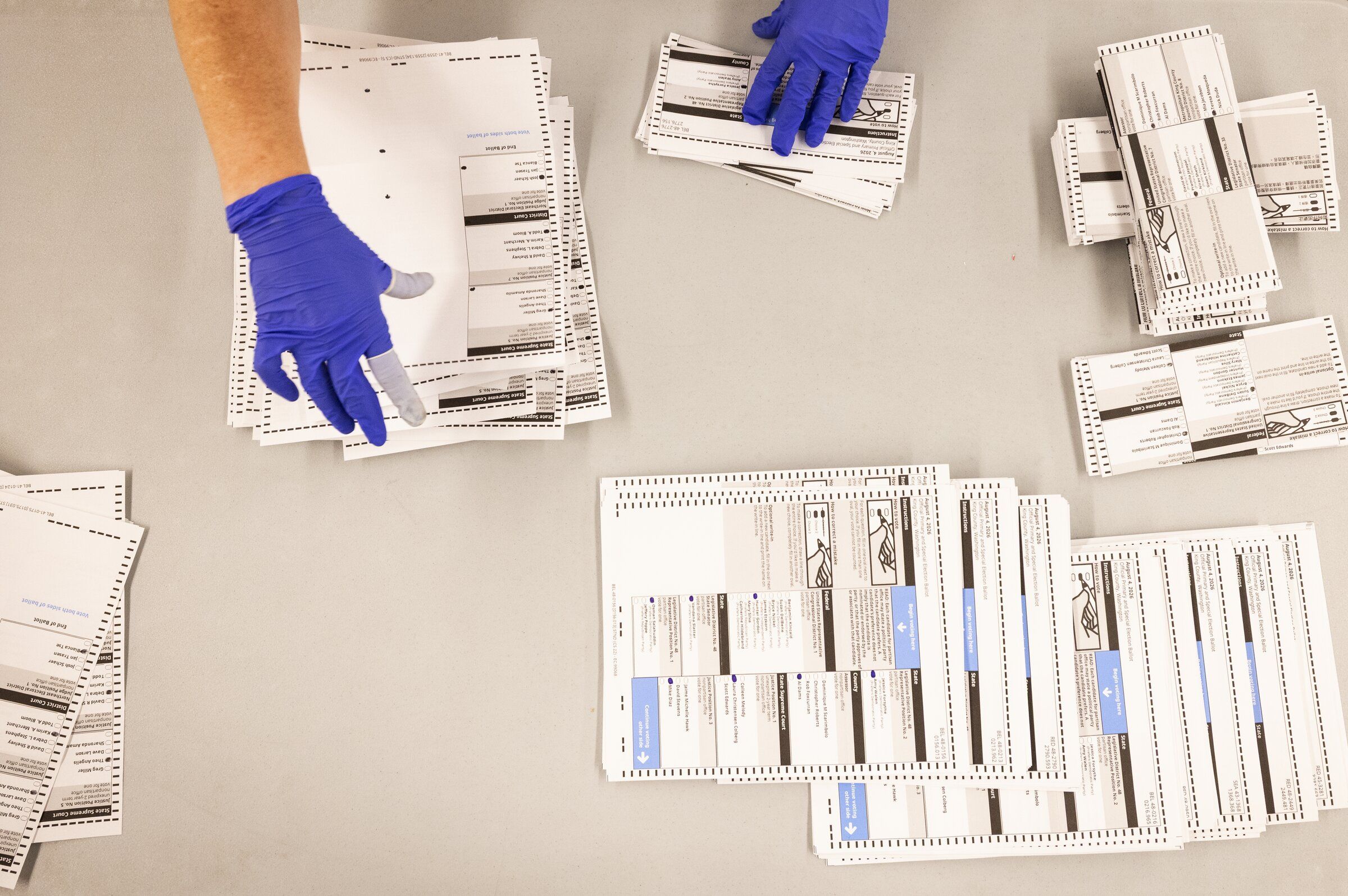
Based on: WA wins one for democracy, but more threats are on tap
Seattle Mayor Scales Back Shelter Promise
Katie Wilson’s promise to ensure that every homeless Seattle resident could spend the night indoors has given way to a more modest and specific plan: By the end of 2027, the city intends to add 960 shelter beds. The new program, announced Sept. 14, envisions more than just beds—a network of small, specialized shelters offering medical, psychiatric and social support. Its cost is estimated at roughly $37 million. But the shift also shows how quickly campaign arithmetic collides at City Hall with budget shortfalls, permitting, site searches and the cost of operating shelters over the long term.
During her 2025 campaign, Wilson made expanding shelters a central part of her platform. She spoke of adding 4,000 beds during a single four-year term—an average of 1,000 per year. In March, after taking office as mayor, she gave the promise an especially compressed timeline: 1,000 new beds in 2026, including 500 by June 1, ahead of the FIFA World Cup matches. At the time, her administration proposed treating the emergency as an emergency: speeding up site leases, lifting some restrictions on shelter size and directing unused city funds toward the first projects.
The current document is written in a different tone. It describes 960 beds as a “substantial and realistic” expansion for 2026–27, rather than the beginning of an annual pace of 1,000. Of that total, 540 beds are already in development: 344 made possible through city funding and another 196 resulting from the acceleration of projects paid for by regional partners or other sources. The remaining 420 beds are currently an additional component of the plan. The administration expects the new shelters to open by the end of 2027 and to serve about 1,750 people annually, provided residents move into permanent housing quickly enough.
The change matters for more than just its numbers. For someone living in a tent, the word “bed” can mean very different things: an overnight shelter, a tiny home, a safe parking space, a room with round-the-clock staff or a facility where the key to the door comes with medication, laundry, showers, a case manager and help finding housing. Wilson is betting on that last, more expensive form of assistance. About 60% of the new beds are expected to use enhanced or intensive-support models for people with the most serious needs.
That choice reflects data from the King County Regional Homelessness Authority. In January 2026, 18,365 homeless people were counted in the county on a single night, including 11,829 who were unsheltered. The survey also found that 27% of homeless adults reported a serious mental illness and 33% reported a substance-use disorder; those shares were even higher among people living outdoors. The region’s shelters were more than 93% full on the night of the count, while the number of emergency and transitional shelter beds fell by 689 over the previous year, largely because of the loss of family programs.
Over the past year, the city has already opened or advanced several facilities: Bayside Enhanced Shelter in Interbay, the Brighton and Belmont villages, and projects in South Park, where a village of 90 tiny homes is planned. In the spring, the City Council allowed successful temporary shelters to serve up to 150 people instead of the previous limit of 100. It also allowed each council district, under certain conditions, to host one facility with capacity for up to 250 people. But it is faster to pass legislation than to prepare land, install utilities, find an operator and negotiate with neighbors. That slow, often invisible side of city government became the limit of the original rhetoric.
Money remains a second limit. City officials say they previously created a $17.8 million shelter fund jointly with the council. Of the program’s roughly $37 million total cost, about $18 million is expected to come from new funding for the Department of Human Services, while another $19 million is expected from existing and reallocated funds. At the same time, the city is preparing its 2027–28 budget against an inherited $175 million shortfall. Wilson promised to present financing details Sept. 22, when she submits her budget proposal to the City Council.
By early 2027, the crisis’s administrative map will also change. Seattle and King County plan to move administration of many homeless-services contracts from the regional authority back to city and county departments. Supporters say the change will bring clearer accountability and a faster response; the risk is that the transition could disrupt service providers just as the system is expanding. Wilson’s new plan does not close the gap between the number of people living outdoors and the number of available beds. But it at least acknowledges what Seattle has avoided saying aloud for too long: A shelter is more than a roof, and promising a roof is far easier than paying for everything that turns it into a path off the street.

Based on: Seattle mayor walks back shelter promise, details smaller plan
A Sunny Break Before Fall Returns to Seattle
After brief rain and cloudy skies on Tuesday, sunny weather will settle over Seattle. Fog is possible Wednesday morning because of the previous day’s rain, but temperatures will then rise to around 73 degrees Fahrenheit (about 23°C), with skies clearing. The average temperature for this time of year is about 72 degrees (22°C).
Thursday will be the warmest day of the week, with temperatures climbing to around 75 degrees (24°C). Friday is expected to reach about 73 degrees with plenty of sunshine, while similar weather will continue through the weekend and Monday, with temperatures just above 21°C. More typical fall chill, cloud cover and shorter days will return next week, giving residents one last chance to finish their summer plans.

Based on: Seattle weather: Sunshine for the last full week of summer
Seattle: Fighting Violence and Hoping for the NBA
Seattle’s mayor has unveiled a plan to combat gun violence, while the NBA is once again discussing the return of the Sonics.
Seattle Mayor Katie Wilson Unveils Gun Violence Plan: More Patrols, New Laws and Community Partnerships
Seattle Mayor Katie Wilson unveiled her plan to combat gun violence in the city Tuesday morning, following a series of deadly shootings in Belltown, the mass shooting at the Bite of Seattle festival that has been linked to gang disputes, and the long-standing crime problems along Aurora Avenue. The document, distributed by the mayor’s office, emphasizes increased police presence in the hardest-hit neighborhoods, expanded crisis services, new state-level legislative initiatives, additional youth programs, and partnerships with the University of Washington and Johns Hopkins University to assess the effectiveness of prevention measures.
“Seattle will not accept gun violence as inevitable, and neither will I,” Wilson said. “We have a responsibility to ensure that the people of this city feel safe, and today I am acting on that responsibility: This coordinated, data-driven plan will use every tool available to us to address this problem. We are acting together and acting now to respond to gun violence and prevent it before it happens.”
The policing component of the plan calls for increased law-enforcement presence in the neighborhoods most affected by gun violence. This includes expanded bicycle patrols along North Aurora Avenue, in Belltown, Rainier Beach and Little Saigon. The plan also calls for coordination among the Seattle Police Department’s (SPD) narcotics unit, its gun violence reduction unit and the Community Service Officers team. Their joint work will focus on identifying illegal gun and drug dealers. The city will also continue funding a dedicated prosecutor in the City Attorney’s Office to handle petitions for Extreme Risk Protection Orders. Such orders can restrict a person’s access to firearms when substantial evidence shows that they pose a significant danger.
“The City Attorney’s Office will have a dedicated prosecutor focused on removing weapons from dangerous people through Extreme Risk Protection Orders,” Seattle City Attorney Erika Evans said. “That is just one piece of a much larger mosaic — from providing young people with meaningful opportunities to strict accountability measures.”
The mayor’s office noted that in 2024, SPD began reversing a trend in which departures outnumbered new hires. In 2026, SPD is expected to hire more than 140 officers. “In 2027, there will be more police officers on Seattle’s streets than there were in 2026,” the mayor’s office said in a statement.
Five million dollars is slated for community violence intervention contracts involving nine organizations, including the Department of Human Services and the Community Assisted Response and Engagement Department (CARE). Wilson’s 2027 budget proposal would more closely connect each organization with 911 dispatchers, SPD and the fire department. CARE would also become the command center for the city’s gun violence reduction strategy. Under the proposed budget, community crisis response operations would increase by 85 percent — from 10 hours a day to more than 18 hours. The expanded schedule would provide services from 6:30 p.m. to 1 a.m.
To investigate homicides, Wilson’s plan calls for creating Seattle’s first Violence Reduction Council, which would closely examine every homicide committed in the city. The council would establish the Johns Hopkins Center for Gun Violence Solutions. Its members would include public health specialists, social-service providers and criminal justice partners, who would identify areas where gun violence prevention needs improvement. Seattle also plans to create shared data and performance indicators to analyze the effectiveness of the city’s gun violence programs.
Wilson also intends to expand youth programs aimed at preventing violence. Her proposed 2027–28 budget includes more than $600,000 for a new extended-day program at Rainier Beach High School and additional peer-mentoring opportunities at the Rainier Beach Community Center. Seattle also plans to launch a Teen Late Night program at the High Point Community Center, which would become the ninth location offering the program in the city. The city will also expand free mental-health services for young people ages 13 to 24, in an effort to prevent them from “reaching a crisis point.” The plan calls for expanding the Community Safety Network, which connects community organizations, schools and emergency-response services with people at elevated risk of gun violence. Two representatives from the Department of Human Services will oversee the work.
Mayor Wilson is urging state lawmakers to reconsider gun legislation. Seattle plans to support laws that would strengthen community gun-violence prevention programs and tighten firearm regulations — for example, by restricting the carrying of weapons in certain parks, public spaces and large public events where children are likely to be present. The Wilson administration intends to work with lawmakers on laws governing firearm possession by minors and sentencing, as well as with state Rep. Liz Berry on possible rules governing firearms at Seattle Center. The plan also includes a broader public-safety strategy for North Aurora Avenue, combining gun violence prevention with efforts to combat human trafficking, support victims, improve transportation infrastructure and work with the community.
Seattle plans to coordinate its efforts with the University of Washington’s Center for Firearm Injury Prevention to map existing gun violence prevention programs, study their success and establish a baseline for measuring effectiveness. The plan will also help identify the people most affected by gun violence and gaps in available services. The partnership with Johns Hopkins University will focus on the work of the Violence Reduction Council and the review of homicide cases.
However, Seattle City Councilmember Maritza Rivera, who represents District 4, said she was “disappointed” by the mayor’s new gun violence plan, calling it short on new ideas and lacking the focused-deterrence strategy she has promoted for nearly a year. “I don’t see anything new here. And I certainly don’t see a focused-deterrence plan. Let’s be honest: The mayor is facing pushback from activists who oppose any involvement by police, but we know that making real progress on public safety requires working with law enforcement,” Rivera said. “For nearly a year, I have been working to bring Seattle a proven, evidence-based and successful strategy for reducing gun violence. The National Network for Safe Communities (NNSC) has significantly reduced gun violence in other cities using a focused-deterrence model that concentrates on the small number of people responsible for more than half of all gun violence.”
However, Rivera said, the NNSC warns that without proper training and oversight, “a poorly designed effort could cause harm and deepen distrust in public institutions.” “We need real action in this city, and Seattle cannot afford to wait any longer,” Rivera said.
Among the more difficult concepts in the article is an “Extreme Risk Protection Order,” a court order that can temporarily remove firearms from someone deemed dangerous to themselves or others, even if they have not committed a crime. “Focused deterrence” is a strategy in which law enforcement and community organizations work directly with a small group of people most likely to commit violence, offering assistance while warning them of serious consequences. “Community violence intervention” is an approach in which trained people from affected communities, rather than police, work on the streets to prevent conflicts and stop violence from escalating. “CARE” (Community Assisted Response and Engagement) is Seattle’s civilian response service, which
Seattle Tries a New Approach: Mayor Katie Wilson Brings Police and Violence Interrupters Together to Fight Shootings
After a series of high-profile tragedies shook the city, Seattle Mayor Katie Wilson unveiled a long-awaited plan to reduce gun violence. The document did not emerge in a vacuum: It followed a shooting at the Bite of Seattle food festival in July that killed three people and wounded at least four others, followed by a series of shootings in Belltown over Labor Day weekend that killed three more people and wounded three. Against this backdrop, the mayor’s proposals look less like routine administration and more like an attempt to hold together a fragmented system for responding to gun-related emergencies.
In an interview Monday, Wilson, joined by interim Police Chief André Sails and Amy Barden, head of the Community Assisted Response and Engagement Department (CARE), emphasized that the plan is intended to unite the disparate services that currently respond to shootings and strengthen prevention efforts focused primarily on young people. “We are seeing a real, measurable decline in deaths and shootings,” the mayor said. “But at the same time, there is no acceptable level of gun violence in Seattle. Any violence is too much violence.”
A central element of the plan is increasing the number of police bicycle patrols in so-called hot spots: Belltown, Little Saigon, Rainier Beach and along Aurora Avenue North. Sails said those measures are already being implemented. At the same time, CARE, which serves as an alternative to police and responds to 911 calls that do not require armed officers, will become the new “command center” for the violence-reduction strategy. Nine community violence-intervention programs — staffed by “violence interrupters,” people who intervene in conflicts before they turn into shootings — will be located directly within the CARE dispatch center. A director and a gun violence reduction coordinator will be hired to coordinate the work.
Sails said the foundation for staffing the plan “is already in place”: Patrol officers are increasing their presence at public events, and in the future, response teams and neighborhood officers will serve targeted areas, providing a more visible police presence. Amid a chronic shortage of officers, the department is focusing on hiring new employees, directing resources to high-crime areas, and combining the operations of the narcotics unit with the violence-reduction unit and community responders.
Amy Barden, who leads CARE, explained that the strategy focuses on “high utilizers” of the system — a small group of people responsible for a disproportionate number of crimes and who continually cycle between jail and the courts. 911 dispatchers will be able to notify community violence interrupters about incidents. She said the approach resembles the Law Enforcement Assisted Diversion (LEAD) program, in which staff can become involved with a client if CARE responds to a related call. The interrupter would create a “circle of support around a young person,” building a coordinated support environment. “When it comes to neighborhood gun violence, we know who was affected, we know where the calls came from, but right now there is very little we can do with that knowledge in the dispatch center,” Barden said.
Interestingly, Barden said, the violence-interrupter initiative will not directly affect the work of CARE responders themselves, apart from referring cases. This is significant in light of a report issued last month by Seattle’s Office of the Inspector General, which said that the collective bargaining agreement with the Seattle Police Officers Guild limits CARE’s options, meaning that most 911 calls are still redirected to police. Barden, however, remains optimistic: “The contract limitations don’t matter much as long as we work closely with police and the fire department.”
Meanwhile, another violence-prevention initiative is moving through the City Council. Councilmember Maritza Rivera has proposed allocating $418,000 in the next budget for a two-year pilot program with a consultant from the National Network for Safe Communities, a research center at the John Jay College of Criminal Justice in New York City. The pilot would deploy “focused deterrence,” an evidence-based approach aimed at the small group of people responsible for most shootings and homicides in the city. Rivera said Wilson had indicated that she might not sign the resolution. The mayor confirmed Monday that focused deterrence remains part of her plan, but added: “I still have concerns about a very large contract with one organization. We don’t need to wait and spend half a million dollars to develop a plan.”
Citing concerns about youth crime, Wilson intends to expand programs for teenagers through the Seattle Parks and Recreation Department and create a new after-school program at Rainier Beach High School. The city will also assess the effectiveness of the road closures introduced this spring along Aurora Avenue North.
The plan’s scientific component also deserves attention. It includes a partnership with the Johns Hopkins Center for Gun Violence Solutions to create a council that will review every homicide in the city and identify what can be improved. In addition, the city will work with the University of Washington’s Center for Firearm Injury Prevention to map prevention efforts and data on what actually works.
“Tightly integrating the work we are all doing will be the key to success,” Wilson said in summary. Sails added: “We all share the same goal — the guiding star the mayor talked about: a city free of crime, built on trust and unity, and moving toward zero homicides within a year.”
In this report, published by The Seattle Times, several terms are important to understand. “Violence interrupters” are generally people with criminal backgrounds or deep knowledge of the streets who are trusted in their communities and try to prevent conflicts before shots are fired. CARE is a civilian department that serves as an alternative to police, sending mental-health and social-work specialists to calls that do not require an armed response. “Focused deterrence” is a strategy in which law enforcement and community organizations openly tell a small group of the most dangerous individuals that they will receive help if they stop using violence, but face maximum sanctions if they continue. Finally, “high utilizers” are people who come to the attention of police, emergency medical services and the courts more often than others, placing a significant burden on the system. The key insight of Wilson’s plan is that it attempts to combine enforcement with prevention and scientific evaluation, without relying on a single large contract or waiting for the council to approve Rivera’s alternative program. It remains unclear whether the city will have enough officers and money to make all these elements work at the same time, but the effort to embed community mediators directly in the 911 dispatch center looks like an unusual step for an American city.
The NBA Is Looking at Seattle Again: Climate Pledge Is Ready, but Expansion Decision Still Ahead
Talk of bringing the Seattle SuperSonics back to the NBA has been going on for nearly two decades, and over that time it has become a kind of ritual: Every year, Seattle fans receive a dose of cautious optimism, only to return to waiting mode. This time, however, the situation looks different. After a two-day meeting of team owners in New York, league Commissioner Adam Silver spoke an unusual amount about Seattle and Las Vegas, rather than focusing solely on the controversy surrounding Clippers owner Steve Ballmer. That alone is a signal: Expansion is no longer theoretical and has entered the operational-preparation stage.
Silver’s key statement, reported by KOMO News, concerned the arena. He said the league had already sent operational teams to Seattle to inspect Climate Pledge Arena. “You clearly have a world-class arena there,” Silver said. “There may need to be some modifications for NBA basketball, but if we were opening the season in five weeks, we could be ready in Seattle.” This is not formal approval, but it is the clearest assessment yet of the city’s readiness during discussions about bringing back the Sonics. The reference to “five weeks” sounds almost like a promise, although the commissioner immediately qualified it by saying the league cannot decide everything at once, which is why much of the meeting’s discussion focused on Las Vegas.
That contrast is where the main intrigue lies. Las Vegas has traditionally been considered the favorite in the expansion race: It hosts the NBA Summer League, preseason games and early rounds of the NBA Cup, and the market has a huge pool of potential owners. Yet Silver made it unexpectedly clear that Las Vegas is behind Seattle when it comes to an arena. “In Las Vegas, it’s not even clear where the site will be, much less the arena,” he said. “So the timeline there is much longer than in Seattle before we can tip off NBA basketball.” This is an important shift. Analysts had previously assumed that the league would first establish the highest possible franchise price in Las Vegas and then turn to Seattle. Now the commissioner himself is effectively placing Seattle ahead in terms of operational readiness. Las Vegas, he said, can offer either a renovated T-Mobile Arena, which still requires “significant improvements,” or plans for a “modern entertainment palace” that exist only in presentations for now.
For Seattle, this movement is part of a process that gained momentum this year. In March, the NBA Board of Governors approved a formal study of potential teams in Seattle and Las Vegas and hired the investment bank PJT Partners to assess the markets, ownership groups, arena infrastructure and the overall economics of expansion. It was the league’s clearest move toward bringing back the Sonics since 2008, when the franchise moved to Oklahoma City and became the Thunder. In July, Silver said the league office had begun detailed work on both markets and that a decision would be made by the end of the year, one way or another. The process is being overseen by the Audit, Compensation and Strategy Committee and the Advisory and Finance Committee, rather than a separate expansion committee.
The questions facing the NBA are not only athletic but financial. Silver has repeatedly emphasized that the league could add zero, one or two teams, and that current owners must decide whether potential expansion fees justify diluting their share of league revenue. That calculation became even more expensive after the Los Angeles Lakers were sold at a record valuation of $12.5 billion. Sports business analysts say an expansion franchise could cost several billion dollars, and Las Vegas would likely set the market’s upper limit because of its deeper pool of potential buyers.
Against this backdrop, the picture in Seattle looks quieter but no less serious. The leading candidate for ownership appears to remain Samantha Holloway, majority owner of the Seattle Kraken. She controls Climate Pledge Arena through One Roof Sports and Entertainment and has already hired JPMorgan Chase and Moelis & Co. to advise on a potential NBA bid. Billionaire philanthropist Melinda French Gates recently announced her investment in One Roof, prompting speculation that her financial participation could become part of a group seeking the franchise. Meanwhile, a second initiative emerged publicly in August: Black Sun Private Equity and Native World Sports. The group said it had submitted a proposal to bring back the SuperSonics and was working with a local tribe on a possible arena and entertainment district outside Seattle. Details of the proposal, including the exact location and the NBA’s view of it, have not been publicly confirmed.
Seattle officials enthusiastically welcomed the prospect after the March vote. Gov. Bob Ferguson called bringing back the Sonics a state priority, while Seattle Mayor Katie Wilson said the city, its fans and the arena were ready for the franchise’s return. The Sonics played in Seattle from 1967 to 2008, winning the NBA championship in 1979 and giving the league an era of stars that included Gary Payton, Shawn Kemp, Ray Allen and a young Kevin Durant. Howard Schultz, the former Starbucks CEO, sold the team to Clay Bennett’s group for $350 million in 2006. Two years later, the franchise moved to Oklahoma City and became the Thunder, which has flourished and won a championship in recent years. Seattle’s loss remains one of the most painful relocation stories in league history, and Silver has acknowledged that the NBA did not handle the situation as well as it could have. The SuperSonics name, colors and legacy, which are preserved in Seattle, would become part of any future franchise.
If the NBA ultimately approves teams in both Seattle and Las Vegas, the league will have to address competitive balance. Both cities are geographically part of the Western Conference, forcing the NBA to consider moving an existing Western team to the East. Minnesota, Memphis and New Orleans have been mentioned as logical candidates. Another variable is the future of the Portland Trail Blazers. Silver expressed hope that the team could remain in Portland and that owner Tom Dundon would reach an agreement with city and state officials on conditions that would make operating in Portland viable over the long term. “We have an excellent track record in Portland,” he said. “And I have no doubt that it would be a failure if we couldn’t achieve an outcome that made NBA and WNBA basketball viable in Portland for the long term.”
As the process continues, it remains an open question whether most owners are ready to move forward. For Seattle fans, that leaves the familiar mixture of optimism and caution. But after nearly 18 years without the Sonics, the question is no longer whether the NBA is studying a return. The question is whether this latest study will end with a team and a date for the opening tip.
What to understand in this article. Climate Pledge Arena is home to the NHL’s Seattle Kraken and opened in 2021 after a major renovation. It is one of the most modern arenas in the United States, but it was built primarily for hockey, so changes may be required for NBA basketball — such as adjustments to the seating and locker-room configurations. An “expansion fee” is the payment new owners make to the league when joining it; the money is distributed among existing teams, but it also dilutes their share of future league revenue. “Dilution” means that when new teams are added, the overall revenue pie is divided among more participants.
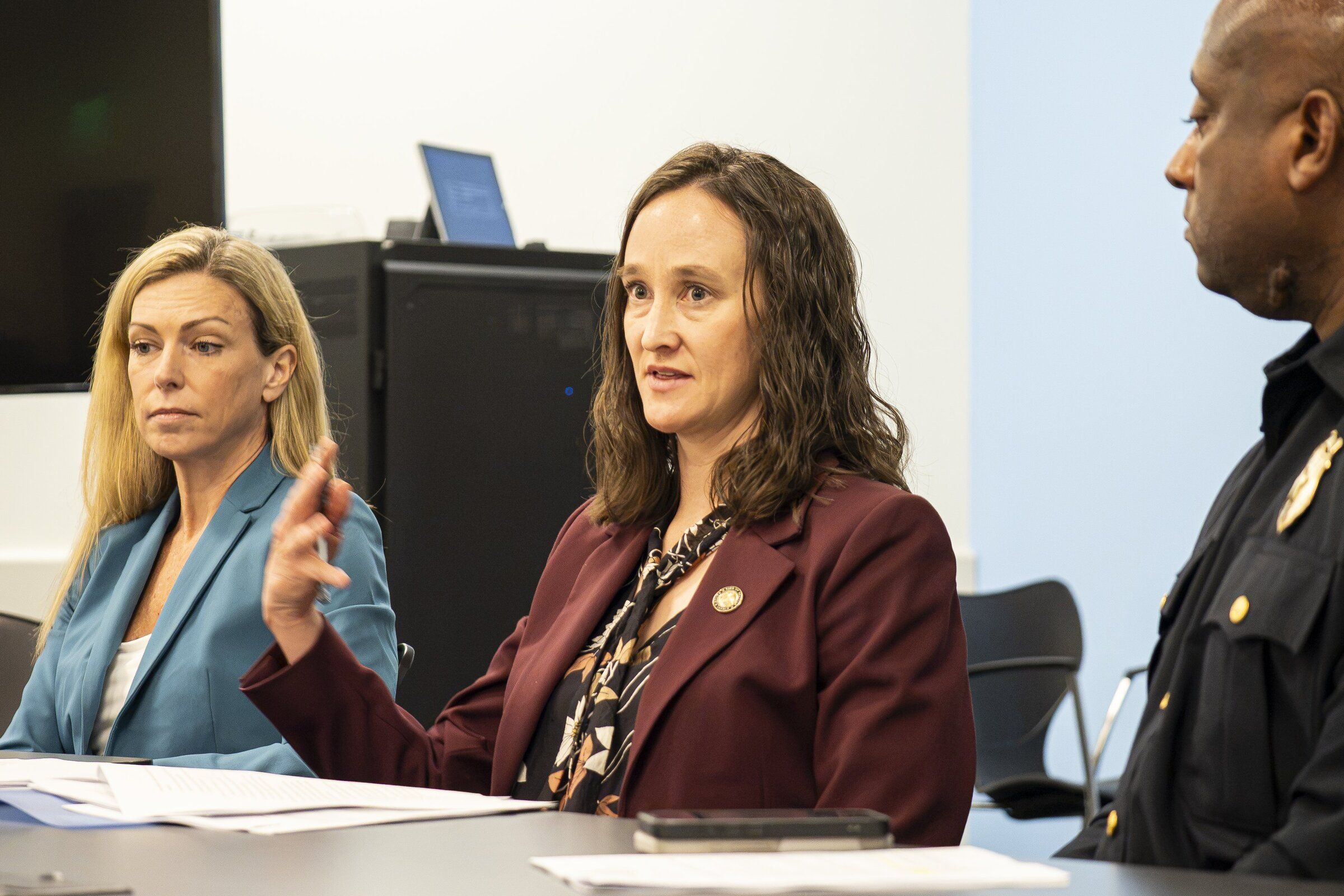

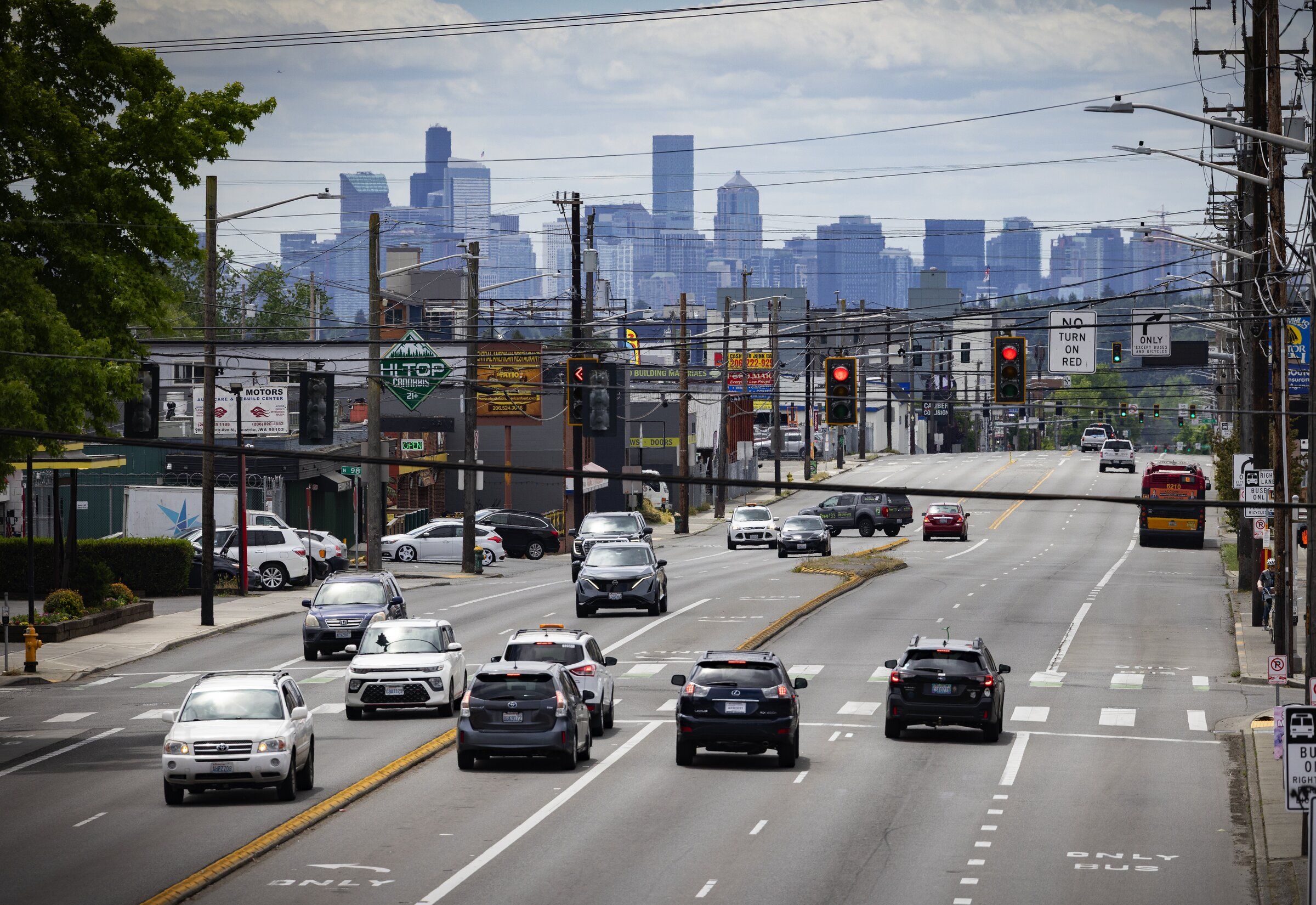

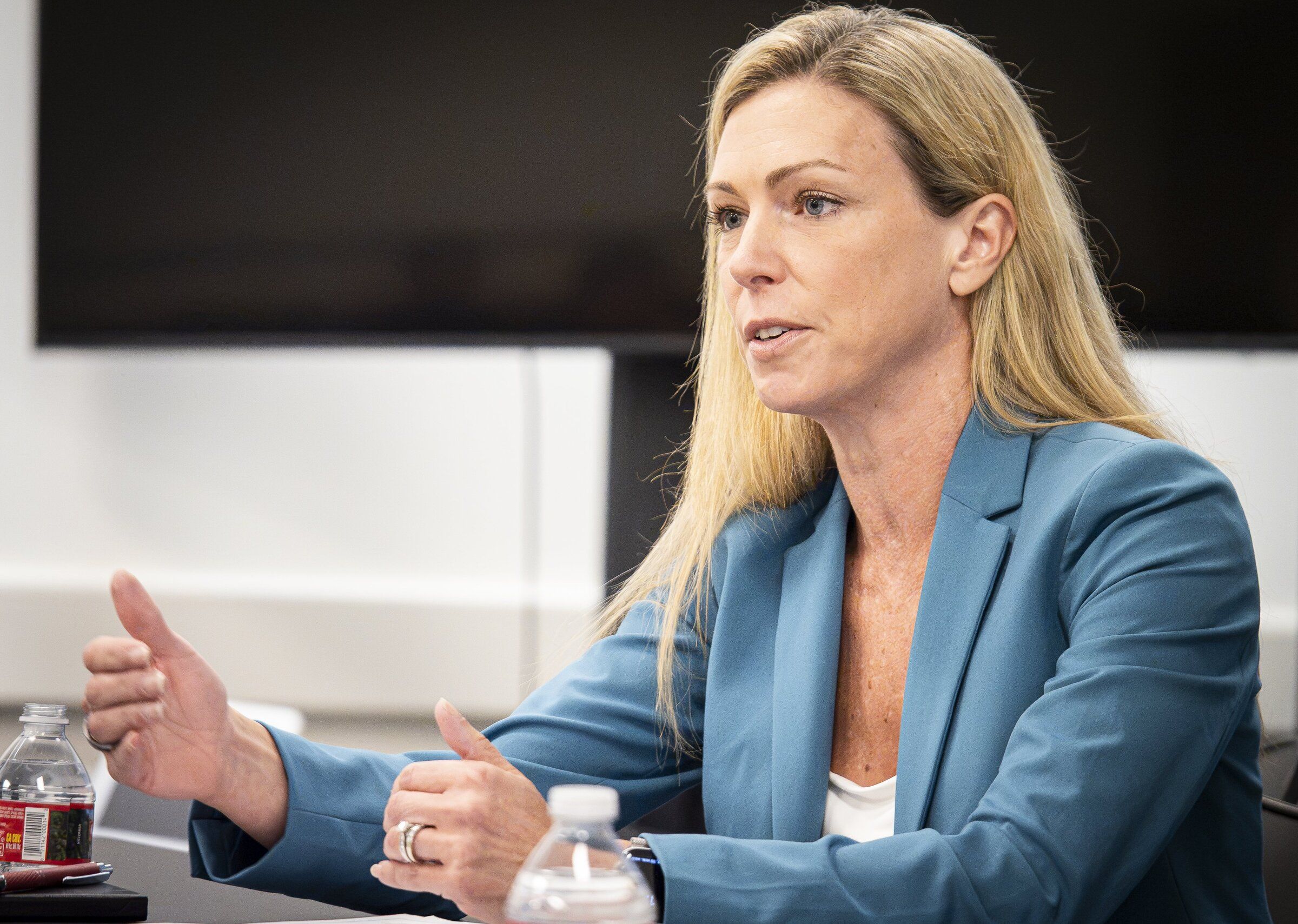
News 15-09-2026
Part of Seattle University collection to be auctioned for $90 million
Beginning in November, 50 works from the collection of Richard “Dick” and Elizabeth “Betty” Hedreen will be sold at Sotheby’s auctions in New York; another round of sales will take place in February. The works selected have a combined estimated value of about $90 million. They include Roy Lichtenstein’s Reflections on “Artist and Model,” valued at $20 million to $30 million; a portrait by Georg Pencz; a work by Cecily Brown; and Titian’s Mater Dolorosa.
In 2024, Richard Hedreen announced that he would give the couple’s entire collection to Seattle University, where Betty, who died in 2022, studied. He also pledged $25 million to establish the Seattle University Art Museum. However, to turn the promise into a gift that could be realized in the near term, the family decided to sell part of the collection. According to Sotheby’s, the collection grew from more than 200 works valued at about $300 million to more than 400 pieces spanning the period from the 15th century to the present day.
After the auctions, the university is expected to receive more than 350 works selected in consultation with the school to preserve the collection’s artistic, geographic and historical diversity. They will include works by Agnolo Bronzino, Jacopo Pontormo, Willem de Kooning, Rashid Johnson and Amy Sherald. The Hedreens began collecting art after Richard founded the real estate development company R.C. Hedreen Co.; the couple also supported university projects and museum initiatives. Construction of the new museum, estimated to cost about $60 million and scheduled to begin in August, has not yet started; the university said it would announce further plans later.
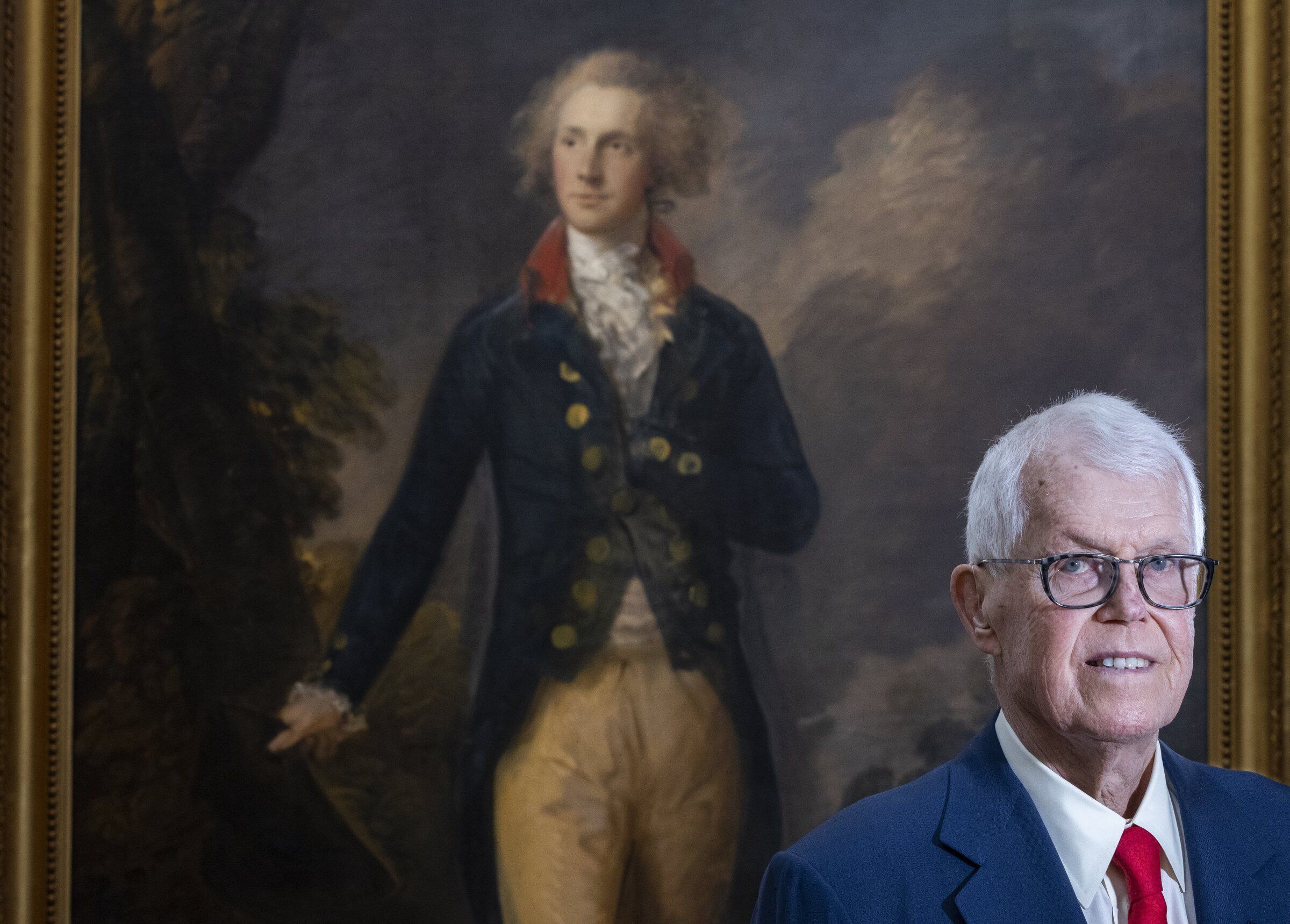
Based on: Art worth $90M, part of gift pledged to Seattle U, going up for auction
Two Washington public-sector unions reach tentative contract deals
The largest union representing Washington state government workers — the Washington Federation of State Employees — has tentatively agreed to a new two-year contract after several weeks of tense negotiations and a statewide strike. The agreement covers the period from July 1, 2027, through June 30, 2029, and affects about 42,000 employees. Its terms have not yet been disclosed: Union members will review them first and then vote to approve or reject the contract.
The Washington State Employees Association reached a similar tentative agreement Thursday. The union represents roughly 2,500 workers across nine agencies, including the departments of Natural Resources, Revenue and Agriculture. The agreement does not provide for across-the-board pay raises, but it allows the parties to reopen wage negotiations during the contract term. Association President Amanda Hacker said the lack of a raise would mean further erosion of employees’ purchasing power, as many are already struggling to afford housing, groceries and other basic expenses.
The negotiations took place amid warnings from state officials about another budget shortfall. Gov. Bob Ferguson’s administration insisted on zero wage increases, citing a lack of funding, while contract talks with other unions continue. All agreements must be ratified by Oct. 1 so they can be included in the next two-year budget, which the governor will present in December. A separate agreement will preserve the existing health insurance cost-sharing structure: The state will cover 85% of monthly premiums, while employees will pay 15%. The cost to the state budget is estimated at $348.5 million.
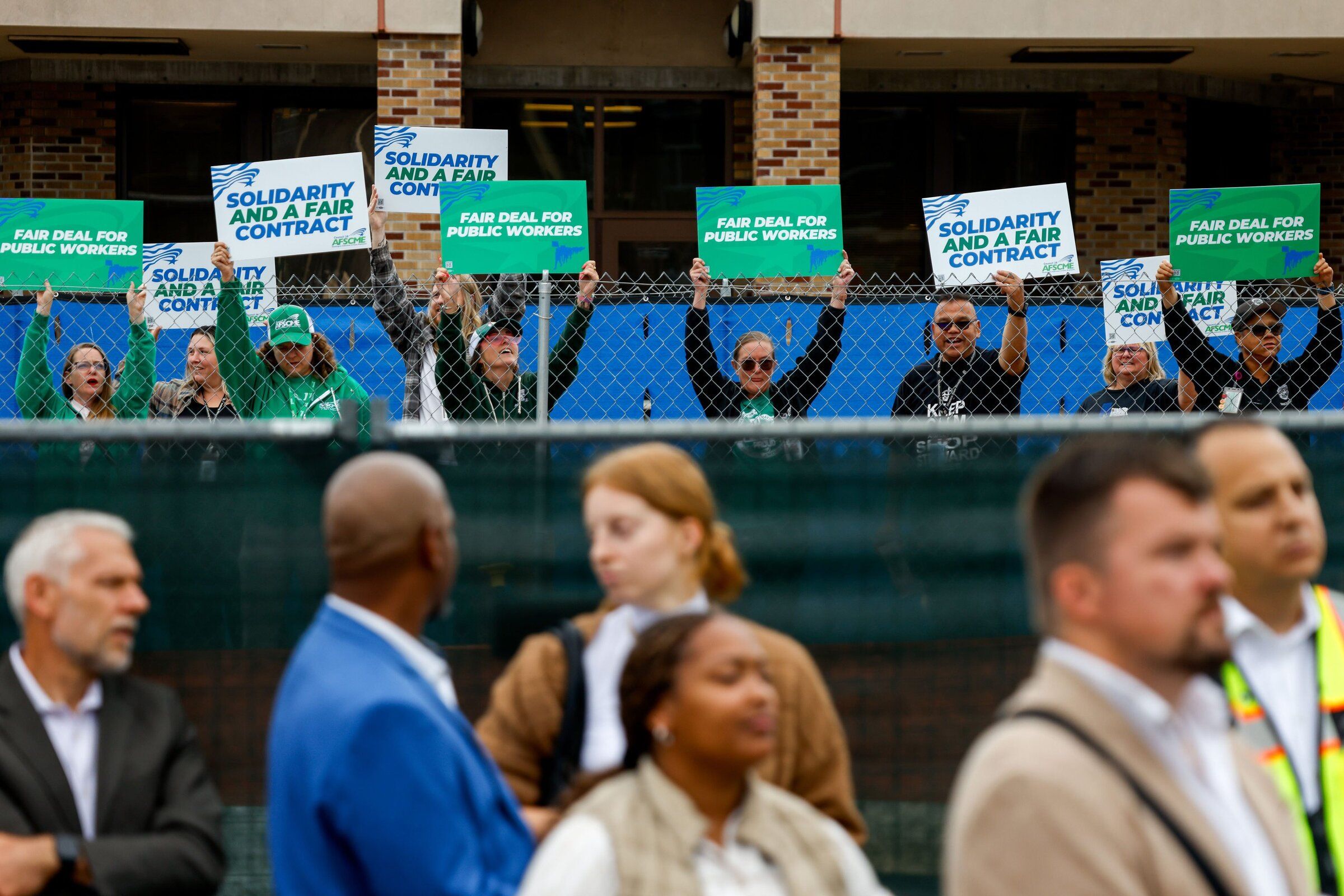
Based on: Two WA public-sector unions reach tentative deals on new contracts
UW Transplant Celebration Brings Hundreds of Patients Together
Twenty-eight-year-old Taylor Shander had lived with progressive liver disease for about a decade and knew she might eventually need a transplant. In December, while studying nursing at Everett Community College, her nausea worsened and she developed jaundice. Tests showed that the time for a transplant had arrived. Her older sister proved to be a suitable donor, and in March, UW Medicine specialists transplanted part of her liver into Shander. She documented her treatment in detail on CaringBridge.
On Sunday, Shander spoke at the University of Washington’s second annual transplant celebration, which brought together more than 1,000 organ-transplant recipients, their relatives and medical professionals. She said the community’s support had helped her cope with the challenges and reminded her that simply being present for someone can make an enormous difference. Despite having been discharged recently, Shander was still receiving treatment for a mild liver-rejection reaction and was scheduled to return to the medical center the following day.
UW Medicine accepts patients not only from Washington, but also from Alaska, Idaho, Montana and Wyoming — regions without transplant centers. The institution is part of the U.S. federal transplant system and works with the regional organ-donation organization LifeCenter Northwest. Organs are allocated under the uniform rules of the national UNOS/OPTN network, which considers compatibility, urgency, time spent waiting and the distance between donor and recipient.
Patients from remote areas typically first receive care at local centers, such as those in Anchorage or Fairbanks, and are then referred to Seattle for evaluation, surgery and follow-up care. Medical teams coordinate scheduled or charter flights, urgent organ transport and continued monitoring near patients’ homes. The specific process depends on the patient’s condition and the type of transplant. Residents of remote parts of Alaska sometimes first travel to Anchorage or Fairbanks and then fly more than four hours to Seattle.
In 2025, UW Medicine doctors performed 443 transplants, and they have already performed more than 300 this year. According to Ryutaro Hirose, the institute’s surgical director, mortality among patients waiting for transplants has declined because priority is given to those who are most seriously ill. However, the overall shortage of organs means that many others still face long waits.
Medical professionals also urged people to talk more often about organ donation and discuss recovery-related issues in advance. Living donors receive preoperative evaluations, medical monitoring and psychological support. Transplant coordinators and social workers help arrange housing, transportation, food, sick leave and communication with doctors in patients’ home communities. When appropriate, the National Living Donor Assistance Center reimburses travel, lodging, lost income and expenses for caring for children or other dependents. Eligibility for this support depends on household income, insurance coverage, the type of transplant and the requirements of the specific program.
Living donors can donate a kidney or part of a liver, while organs from deceased donors are often the result of a difficult decision by a family that has lost a loved one. Meeting participant Nicholas Armitage described donating part of his liver to his father; on the last day of his hospital stay, his partner brought him a positive pregnancy test. For Shander, her sister’s sacrifice — and for Armitage, his help to his father — served as reminders of the power of human support despite the physical, financial and emotional difficulties of recovery.


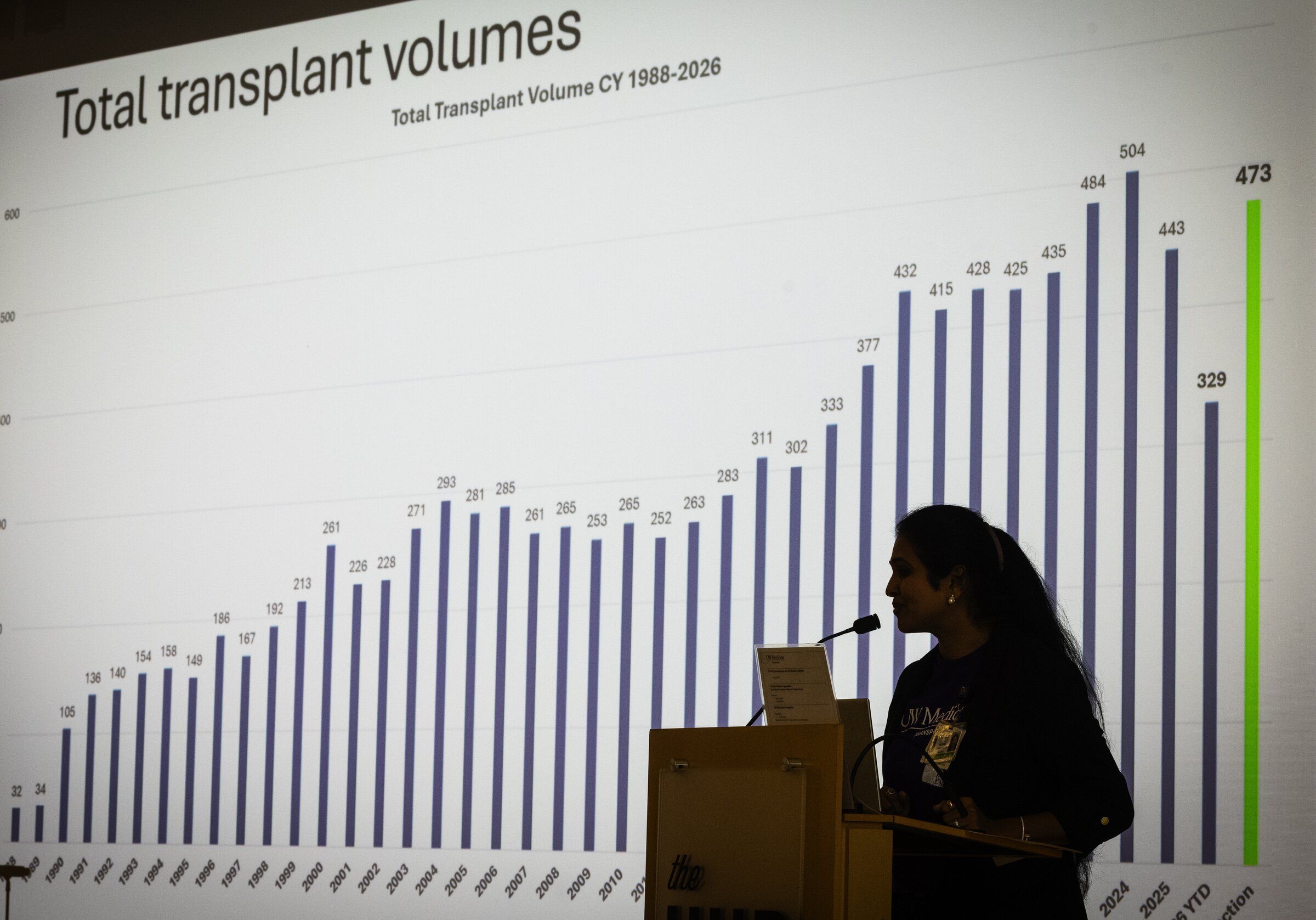

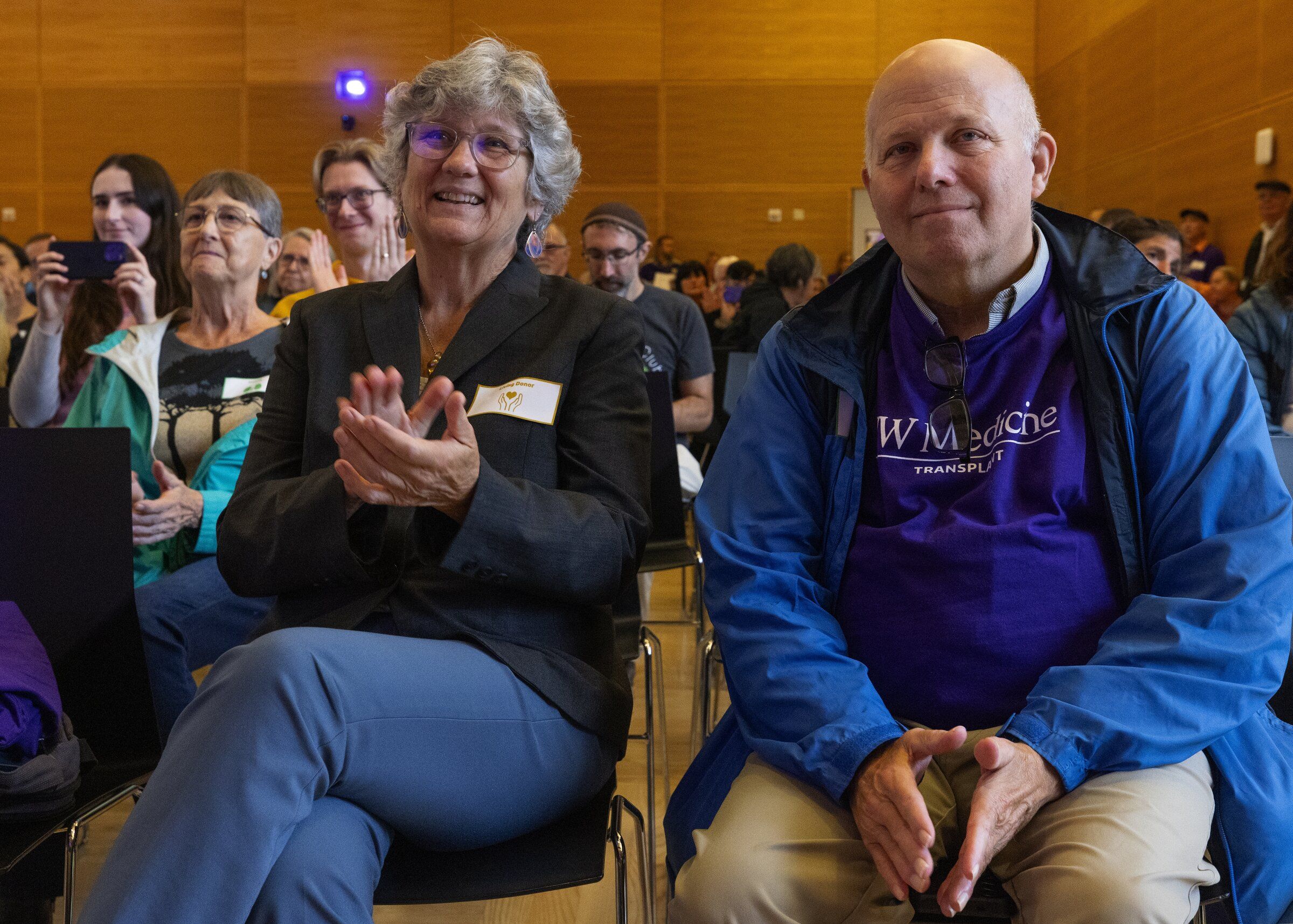

Based on: Hundreds of UW organ transplant patients celebrate gift of life
Nine-Year-Old Girl Airlifted After Falling on Trail
A nine-year-old girl suffered a serious injury during a family hike on the trail to Red Top Lookout in Kittitas County, Washington. After falling in an area known as the agate beds, she sustained a deep wound to her right leg. In response to a call from her parents at 1:24 p.m., about 30 rescuers were dispatched. Firefighters and other emergency personnel had to travel approximately 2 miles along the remote trail to reach her. The girl was later airlifted to Harborview Medical Center in Seattle. The agate beds are popular with rock enthusiasts searching for “thunder eggs” and other glittering minerals, but rescuers urged visitors to exercise caution and prepare for emergencies in advance: help may take time to arrive in remote areas.
Based on: Girl, 9, airlifted after fall from WA trail - The Seattle Times
Jean Smart Wins Another Emmy for Her Role in “Hacks”
Jean Smart won the Emmy for Outstanding Lead Actress in a Comedy Series for the fifth and final season of “Hacks.” This marks her victory for every season of the show — a rare achievement fitting the status of her character, legendary stand-up comedian Deborah Vance. The actress now has eight Primetime Emmy Awards for acting, tying Cloris Leachman and Julia Louis-Dreyfus. In the final round of voting, Smart prevailed over Quinta Brunson, Ayo Edebiri, Elle Fanning and Lisa Kudrow.
The HBO Max series concluded in May and followed Deborah’s complicated relationship with young writer Ava Daniels, played by Hannah Einbinder. In the final season, Deborah tried to rebuild her career after leaving her own late-night show and sought to perform a solo show at Madison Square Garden, but the performance ultimately took place in Central Park. Smart previously said the role had allowed her to combine traits from many of her favorite characters from her stage and screen career. She won her other Emmys for roles in “Frasier” and “Samantha Who?”

Based on: Jean Smart wins Emmy for lead actress in a comedy for ‘Hacks’ final season, tying record
Seattle: Price Collapse, Business Demands Change, Darnold Injury
Seattle’s housing market is experiencing plunging prices and record inventory, business leaders are calling for tax cuts as Washington’s economy deteriorates, and uncertainty surrounding Seahawks quarterback Sam Darnold’s injury is unsettling the team ahead of its game against Arizona.
Seattle’s housing market is cracking: prices fall as inventory hits 15-year records
The Greater Seattle housing market is undergoing a tectonic shift that can no longer be dismissed as a seasonal lull or a fluctuation in mortgage rates. According to fresh data published in an article by seattlered.com, the median home price in Seattle plunged by nearly $100,000 in a single month, while the number of active listings reached its highest level since 2011. This is not merely a correction, but a paradigm shift in which buyers have gained real leverage for the first time in years, while sellers are facing harsh reality alone.
The focus is on figures tracked weekly by broker Matt Goyer in his Urban Living newsletter. Just three months ago, his data painted a strange picture: Seattle prices were climbing toward record levels even as inventory reached a 14-year peak. That contradiction, which Goyer called “weird” at the time, was resolved in August in the most painful way possible for sellers. The median sale price in Seattle ended at $891,500, down 9% from a year earlier. Active listings jumped to 1,611 properties—40% more than last year. New listings rose 34%, while closed sales fell 17%. Months of supply reached 3.4, the highest level in 15 years.
“With inventory near 15-year highs, buyers have significantly more leverage than they have had in recent years,” Goyer wrote in his newsletter.
On the east side of Lake Washington, in the Eastside region, the situation looks even more dramatic. The median price fell to $1.5 million, down $225,000 in one month and 8% year over year. Active inventory stands at 1,461 homes, representing nearly five months of supply. “With supply approaching five months, conditions have firmly moved out of seller-dominated territory,” Goyer observes. His recommendation to sellers sounds like a sentence: “As fall approaches, sellers need to be brutally realistic about pricing; this is no longer 2022 or early 2025.”
However, reducing everything to mortgage rates approaching 7% would be an oversimplification. As the article’s author correctly notes, interest rates are a national factor, while the disappearance of the buyer pool in King County is a distinctly local story—and one created by local Democrats. On March 30, Gov. Bob Ferguson signed Senate Bill 6346, introducing a 9.9% tax on household income above $1 million. The measure affects pass-through businesses and takes effect January 1. It adds to taxpayers’ burden on top of the capital-gains tax and a record $9.4 billion in new taxes approved by Washington Democrats in 2025.
At the same time, technology giants began cutting jobs. Amazon eliminated more than 2,300 positions in Washington, Microsoft laid off hundreds of employees, and Google cut 52 jobs in Kirkland, Redmond and Seattle within a single week. These were precisely the households buying $1.5 million listings on the Eastside and million-dollar Craftsman homes in Seattle. When they face higher taxes, layoffs or both at once, their appetite for expensive housing disappears. For buyers, this is relatively good news; for sellers—who in some cases are forced to list their homes below what they paid for them—it is a catastrophe.
Inventory is rising not because builders are actively constructing new housing, but because people are trying to exit the market. According to the Northwest Multiple Listing Service, active listings in Washington rose 28.4% to 18,563 homes this spring. The clearest signal is coming from downtown Seattle: condominium prices per square foot have returned to 2016 levels, while comparable properties in Bellevue retain values roughly 40% higher. According to the author, the difference lies in the tax environment, crime levels, homelessness and the overall quality of governance on opposite sides of Lake Washington.
Still, the weekly data contain a glimmer of hope. Seattle recorded 157 pending sales—purchase agreements in the process of being completed—up 16.3% from the previous week. Goyer called the increase “notable.” Buyers do exist, but they now expect a discount. After four years of believing Seattle real estate could move in only one direction, they are finally getting one.
In short, this is a market where inventory is growing not because of an excess of new construction, but because capital and jobs are leaving; where state tax policy is directly hitting the wealthiest residents; and where mortgage rates are merely worsening the picture. For buyers, this is a once-in-a-decade window of opportunity. For sellers, it is a painful moment of reassessing reality, in which nostalgia for 2022 prices no longer works as a negotiating argument.
Seattle business leaders demand change as Washington’s economy loses ground
Business and civic leaders across the Puget Sound region are sounding the alarm: Washington state, until recently considered one of the most attractive places for business and innovation, is rapidly losing its economic advantage. Against the backdrop of Seattle’s growing budget deficit, public-safety problems and the first loss of jobs in decades in 2025, representatives of major corporations and former Gov. Chris Gregoire have launched a regional initiative intended to change course. Their central message is simple: without tax simplification, faster permitting and a restoration of the partnership between government and business, the region risks losing not only jobs but also its status as a global center of innovation.
The new organization, called Partnership for a Competitive Puget Sound, was created with support from the Challenge Seattle coalition and former Gov. Chris Gregoire and has already received more than $1 million in funding. Its central tool is the so-called “Mayor’s Playbook,” a set of recommendations for city governments on building constructive relationships with the private sector. A FOX 13 Seattle report emphasizes that the initiative’s launch coincided with troubling statistics: between 2017 and 2026, the state fell from 32nd to 47th in the cost of doing business and from 31st to 40th in overall business-climate attractiveness. The share of vacant office space in downtown Seattle has exceeded 35%, one of the highest rates in the country.
At the same time, the region retains seven unique structural advantages that, according to the report’s authors, could serve as the foundation for a turnaround. They include a highly educated workforce and strong talent pipelines, a dense innovation cluster, access to inexpensive and clean energy, robust international trade ties, substantial federal investment in research and development, extensive federal defense infrastructure, and a natural environment that attracts talent from across the country. To realize this potential, the initiative sets out seven goals: competing collectively to become one of the world’s most attractive regions, creating customer-focused services for businesses, establishing simple and predictable taxes, achieving meaningful regulatory goals, reducing the time and complexity of permitting, connecting talent pipelines with employers, and ensuring conditions for key industries to thrive.
The tax issue gives the debate particular urgency. Seattle Mayor Katie Wilson, speaking on the waterfront alongside business leaders, acknowledged a “very challenging situation” and a “very large budget deficit,” but did not say whether her budget proposal would include new taxes. Microsoft Vice Chair and President Brad Smith warned that nothing would drive jobs out of the region faster than extending Seattle’s JumpStart payroll tax to other cities. His statement reflects deep concern in the corporate sector over the city’s tax policy. JumpStart is a progressive tax on large companies introduced in Seattle several years ago to fund social programs; businesses fear that expanding it to neighboring jurisdictions would make the entire region less competitive.
The second issue inseparably linked to the economy is public safety. Regional leaders insist that prosperity is impossible without reducing crime and street disorder. Last week, Brad Smith and dozens of business executives signed a letter urging Mayor Wilson to present a public-safety action plan within 100 days. They cited measures adopted during the FIFA World Cup as an example of successful coordination. Wilson, for her part, defended her administration’s record, saying overall crime is at a 10-year low, but acknowledged residents’ impatience: “There is too much crime and disorder on our streets. People are frustrated, and they are right to feel frustrated. And I, like everyone else, want to see faster and more consistent progress.”
Puget Sound has therefore reached a crossroads: preserve the model that attracted talent and capital for decades, or move toward a heavier tax burden and more bureaucracy, risking an irreversible exodus of jobs. Key players—from Microsoft to city governments—have so far merely outlined their positions, but concrete decisions, particularly regarding Seattle’s budget and possible new taxes, will be decisive. If a compromise is not found, business leaders warn, the first decline in employment in decades in 2025 may prove not to be a one-time event, but the beginning of a long-term trend.
Uncertainty over Sam Darnold’s injury unsettles Seattle: what really happened to the Seahawks quarterback’s knee, hip and glute
The injury situation involving Seattle Seahawks starting quarterback Sam Darnold has turned in five days from a local news story into a genuine detective case involving conflicting insider reports, a changed diagnosis and growing concern within the team and among its fans. Immediately after the Week 1 victory over the New England Patriots, everyone was talking about a hip injury. Now the discussion centers on a glute injury, while estimates of the quarterback’s return range from one week to a month and a half. That uncertainty prompted Seattle Sports host Mike Salk to admit that he was feeling “a little nervous.”
According to Ian Rapoport, who discussed the matter on Sunday’s NFL Network program NFL Gameday, his understanding is that Darnold will miss at least the upcoming game and possibly a couple of games, after which it will become clear whether he can return for Week 3 against the Washington Commanders. Rapoport clarified that the injury is not to the hip, as previously reported, but specifically to the glute, and characterized it as a muscular injury that is not considered serious. Mike Florio of Pro Football Talk, however, is offering a far more pessimistic scenario, saying Darnold could miss four to six weeks. That discrepancy prompted Salk’s concern. On Brock and Salk on Seattle Sports, he noted that no one can reach a consensus, which is itself troubling because injuries of this kind are “very difficult to diagnose.”
Former NFL quarterback and longtime FOX broadcaster Brock Huard, Salk’s co-host, agreed that the diagnosis is genuinely difficult but offered a concrete way to determine who is right. He said the issue involves a tendon, ligament or something around the transition from the hip to the glute area, and that two reliable indicators should emerge in the coming days. The first is whether the Seahawks begin bringing in other quarterbacks for workouts. The second is whether they place Darnold on injured reserve. Huard considers the second point crucial: if Florio is right and the injury will keep Darnold out for four to six weeks, the team will place him on IR this week to open a roster spot and sign someone from outside the organization. If that does not happen, the situation is likely closer to the week-to-week estimate offered by other sources.
For now, all signs point to backup quarterback Drew Lock starting in Week 2 against the Arizona Cardinals. The matchup carries additional significance because Arizona is an NFC West rival that, like the Seahawks, opened the season with a victory. For Seattle, this means not only solving a personnel problem at the most important position, but also testing the depth of its roster at a time when any slip within the division could prove costly in the playoff race.
The key insight is that two fundamentally different approaches to the injury have collided: Rapoport’s cautiously optimistic assessment and Florio’s alarming long-term projection. For the Seahawks, this is not merely a medical issue, but a question of roster management and strategy for the coming month. If Darnold is indeed out for four to six weeks, the team will have to either quickly seek an experienced veteran on the market or entrust Drew Lock with the job for an extended period, changing the entire trajectory of the season. If the injury proves minor, Seattle will have escaped with a scare and can keep its plans intact. As Huard accurately noted, the telling marker will be the injured-reserve decision—it will show in the coming days how seriously the club’s leadership views the situation.
It is worth clarifying that injured reserve in the NFL is a list for injured players that allows a team to free a spot on its 53-man active roster, but the player must miss at least four games, unless special short-term rules apply. Placing Darnold on IR would therefore automatically mean the team expects him to be unavailable for several weeks, not several days. The glute muscles now being discussed are a group of large muscles responsible for hip movement and pelvic stability. An injury to them can be particularly problematic for a quarterback because they are engaged while running, changing direction and throwing on the move—all elements that are critical to Darnold.
News 14-09-2026
Cigarette Butt Leads Investigators to Tacoma Murder Suspect
Nearly five years into the investigation of the killing of 30-year-old Kalyn P. Smith, whose body was found in a roadside ditch in Tacoma in fall 2021, investigators made a breakthrough thanks to a cigarette butt tossed from a pickup truck window. According to investigators, DNA from the filter linked 59-year-old Edwin Lee Newlander not only to Smith’s death but also to biological evidence in two rape investigations. Newlander has been charged with second-degree murder. He is being held on $1 million bail and has not yet entered a plea.
On the morning of Oct. 12, 2021, passersby spotted a woman’s body in a ditch near the 3100 block of East M Street, not far from McKinley Park and the Interstate 5 interchange. One witness saw a man near the body and a dark SUV that soon drove away, but the predawn darkness prevented a reliable description of the driver. The Pierce County medical examiner determined that Smith died of asphyxia caused by neck compression. Her body showed abrasions and bruises.
The most important piece of evidence had been within investigators’ reach from the beginning: samples taken from beneath Smith’s fingernails contained a mixed male DNA profile. The profile was entered into CODIS, the federal database that allows laboratories to compare genetic data nationwide, but no matches were found at the time. The case remained among those in which the circumstances of death were known but the suspected killer’s identity was not.
A new lead emerged through another investigation. In December 2025, a woman identified in court documents as J.H. told police that she had been raped twice over a two-day period and underwent a medical examination. In spring 2026, testing showed that her samples were linked to the DNA found beneath Smith’s fingernails, as well as to evidence from a rape investigation first reported on Oct. 21, 2019.
In a follow-up interview with detectives, J.H. described one of the attackers as a man named Ed: white, about 50 years old, short and heavily built, with a receding hairline and long hair on the sides. Police say the description pointed to Newlander. On June 9, 2026, J.H. was found dead at a CFN gas station in Tacoma; her cause of death was an overdose. According to court documents, surveillance cameras captured his distinctive pickup truck in the parking lot within an hour of that time.
On June 16, police stopped Newlander, who reportedly was driving with a suspended license. During the stop, he threw a cigarette out the window. Officers retrieved the butt, packaged it and sent it to the Washington State Patrol crime laboratory. In August, the laboratory reported that DNA from the filter was linked to profiles from the Smith case and two alleged rape cases.
During an interview on Sept. 2, Newlander acknowledged that he knew Smith and had given her a ride from the intersection of Puyallup Avenue and Portland Avenue. According to the account he gave investigators, the woman suddenly attacked him, scratched his face and arms, and bit his thumb, while he merely held her arms before driving away. Details of his account, including his mention of the clothing Smith was wearing, became part of the material presented to the court, but the prosecution’s case rests primarily on the combination of genetic matches and investigative circumstances.
Newlander was arrested on Sept. 3, and at his initial hearing in Pierce County Superior Court, bail was set at $1 million. Second-degree murder carries a sentence of up to life in prison. No separate charges have yet been filed in the alleged rape cases; the investigation continues. For the Smith case, which had spent years as an unnamed file containing a DNA profile, the cigarette butt does not conclude the story, but it has given prosecutors a person whose account of events will have to be tested in open court.
Based on: DNA from cigarette leads to arrest in unsolved Tacoma murder
Seattle’s Live Aloha Festival Supports the Hawaiian Community
Despite the nearly 4,300-kilometer distance between Washington state and Hawaii, recent hurricanes Lala and Lowell severely affected Native Hawaiians living on the mainland. Homes were destroyed, and floods and landslides occurred on the islands of Hawaii, Kauai and Niihau. Many residents are still unable to return to normal life. The tragedy cast a shadow over Seattle’s annual Live Aloha Hawaiian cultural festival, which nevertheless preserved its celebratory atmosphere of music, dance and community unity.
The festival has been held at Seattle Center since 2009, except for a hiatus during the COVID-19 pandemic. Seattle Center is a major cultural and civic complex in the heart of the city, built on the site of the 1962 World’s Fair. It includes concert venues, museums, parks and the famous Space Needle. Thanks to its convenient location, spacious grounds and multifunctional halls, the complex regularly hosts ethnic festivals, concerts, fairs and other events that reflect Seattle’s cultural diversity.
This year, Live Aloha visitors watched music and dance performances, took part in a musubi-style Spam-eating contest, and attended workshops on making leis, weaving with hala leaves and traditional Hawaiian featherwork. Organizers reminded attendees that “aloha” means not only a greeting, but also love, compassion and respect. According to organizing committee member Kamalei Brandon, land and family are inseparable for Native Hawaiians, so disasters on their home islands are experienced as a personal tragedy.
Washington state is home to nearly 5% of all Native Hawaiians in the United States—the third-largest community after Hawaii and California. Many live in King and Pierce counties. Hawaiian diaspora organizations in the region typically help disaster victims in several ways at once: collecting donations, sending funds to vetted charitable organizations on the islands, assembling shipments of essential goods and sharing information about available assistance. They also support evacuees and relatives of victims in the Seattle area, helping with housing, transportation, documents and contact with social services.
The festival also took place against the backdrop of a July shooting at Seattle Center that left three people dead and four others injured. Organizers increased security measures and police presence, emphasizing that visitor safety remains the top priority.
Event participants looked for additional ways to help the affected islands. The organization Hawaiian Diaspora used the festival to inform the public about the hurricanes’ consequences, since many visitors may not have known the extent of the destruction. For Dana Lastimado of Seattle Poi Company, the issue is especially personal: the farmer who supplies the company with taro lives on Kauai, and her grandmother’s home on the island was destroyed.
Her family business, which offered poi, taro dishes, mochi and other treats, got its start at Live Aloha. According to Lastimado, the festival remains an important local gathering where the spirit of aloha is felt especially strongly.

Based on: Seattle’s Live Aloha Festival unites WA islanders in challenging times
WinCo Tries to Come to Seattle Again — via Vacant Sam’s Club on Aurora
The former Sam’s Club building on Aurora Avenue North, vacant since 2018, has once again become the site of a major—but still unfinished—plan: WinCo Foods has filed new permit applications and intends to open its first Seattle store there within a year. The project promises to bring new life to the nearly 145,000-square-foot retail building and give the neighborhood a low-cost grocery option. But its earlier environmental review was overturned because the city compared the proposed store not with the currently vacant property, but with its long-closed predecessor.
On Seattle’s northern edge, the empty shell of the former Sam’s Club has long looked like a strange pause in the urban fabric: a huge parking lot, broad Aurora Avenue North, neighboring businesses and residential neighborhoods to the east. Sam’s Club closed there in 2018, and since then the roughly 145,000-square-foot building has never found a permanent new tenant. Along the Aurora corridor, where everyday grocery trips often require a car, the vacancy has been especially conspicuous.
WinCo is a Boise-based discount chain owned by its employees through an employee stock ownership program. It already has stores across Washington, but none in Seattle itself. The company has built its reputation on low prices, large packages and bulk goods; shoppers do not need a membership. That format helps explain the interest in the project: in a city where the cost of groceries has long been a distinct household-budget concern, the arrival of another budget supermarket is seen as more than just another commercial lease.
WinCo’s original plan was relatively modest by large-scale retail standards. The company intended to demolish about 17,000 square feet of the existing structure, reduce the building’s footprint, create a new south-facing façade and entrance, and redo the sidewalks, parking surface and landscaping. The project called for excavation, upgrades to underground stormwater infrastructure and 11 additional parking spaces, bringing the total to 558. Most of the nearly 512,000-square-foot site was otherwise expected to remain largely unchanged.
In October 2025, the Seattle Department of Construction and Inspections issued a determination of nonsignificance. The city acknowledged that construction and store operations would add vehicle trips, noise, emissions and runoff from paved surfaces, but concluded that existing regulations—including stormwater-management and traffic requirements—were sufficient to mitigate those effects. The permit also included separate measures to follow if archaeological materials were discovered during excavation.
Two weeks later, the Lake Washington Working Families group appealed the decision. During hearings, its representatives raised concerns about traffic, stormwater pollution and the chemical compound 6PPD-quinone, which forms from additives in vehicle tires and can enter waterways through roadway runoff. Seattle hearing examiner Ryan Vancil did not conclude that the project’s opponents had proved that significant environmental harm was inevitable. But he found a more fundamental problem with the city’s methodology: the city had used the former Sam’s Club’s operations as its baseline, even though the property had been vacant for years.
In a decision dated April 9, Vancil overturned the city’s determination. In his assessment, the environmental effects should have been compared with the site’s actual condition at the time of review—with a vacant building and an inactive retail space—not with what had once been permitted and operating there. This was not a final ban on WinCo, nor did it mean the store would necessarily cause significant environmental damage. The decision simply required the city to conduct the review again using the correct baseline.
WinCo and its project partner, JSA Civil, then attempted to challenge the decision in King County Superior Court. At the same time, the company returned to the permitting process: new applications show that it has not abandoned the Aurora address. A company representative said WinCo expects to move forward at full speed and open the store within a year, although that timeline depends on how quickly the new approvals are completed.
What matters most in this story, perhaps, is not the legal dispute but the gap between the site’s past and its present. Formally, a store in the same category as the former Sam’s Club could once again appear on Aurora. But more than seven years of vacancy have changed both the neighborhood and the significance of the future tenant. WinCo must now show the city that its return to this asphalt island can be reconciled with requirements concerning water, traffic and surrounding neighborhoods. If it succeeds, the abandoned big-box store may finally stop being a monument to the previous retailer’s sudden departure.
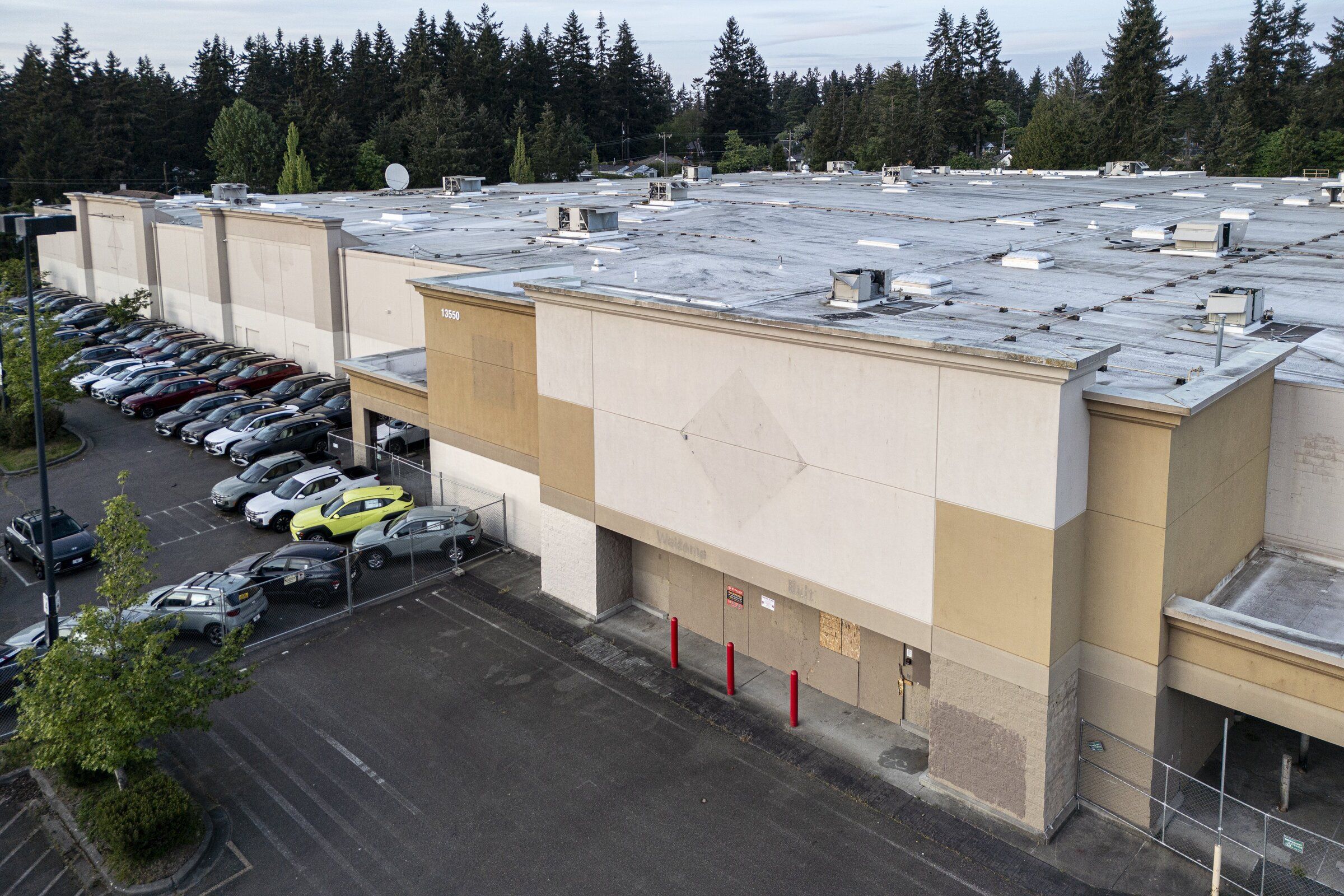
Based on: WinCo resumes planning for first Seattle store after legal challenge
***.
Seattle union and schools reach agreement on new contract
A new three-year contract for Seattle Public Schools employees is nearly approved. The tentative agreement was reached just hours before the start of the school year, as about 50,000 students returned to classrooms following tense negotiations. The document must be approved by members of the Seattle Education Association, which represents roughly 6,000 teachers, instructional assistants, secretaries, counselors and other workers, and then by the school board.
The agreement provides for salary increases of about 10% over three years. Certificated employees, including teachers, school counselors, psychologists and special education specialists, will receive a combined increase of approximately 9.8%, while classified staff will receive about 10.55%. The first category generally includes employees who need a state professional license, while the second includes teacher assistants and paraeducators, secretaries, cafeteria workers, custodians, bus drivers and other support staff. This is a legal and personnel classification, not a measure of the importance of the jobs.
In the first year, all employees will receive a 2.6% raise, matching the state-mandated cost-of-living adjustment. In subsequent years, salary increases will vary slightly by employee category. Classified staff will also receive additional raises based on seniority and special tax benefits.
One of the union’s main achievements was securing staffing guarantees. Elementary schools with more than 350 students must have a full-time social worker or counselor. In addition, the district plans to increase the number of nurses and psychologists serving multiple schools. The contract limits mandatory staff meetings to three one-hour meetings per month and protects teachers’ preparation and grading time on early-release days.
However, the agreement does not reduce class sizes — a demand that was especially important to some teachers. The union plans to seek additional state funding. Washington’s public schools receive most of their funding from the state budget, as well as from local property taxes and federal sources. Following the state Supreme Court’s ruling in the McCleary case, the government is required to provide “full and sufficient” funding for education, including salaries and basic staffing needs. The state determines funding formulas, student-teacher ratios and the amount of required funding. As a result, the district can redistribute its own resources, but it can generally hire more teachers and reduce class sizes on a sustained basis only if state funding increases under those formulas.
The agreement preserves additional pay for employees who replace absent colleagues or take additional students into their classrooms. It also strengthens protections for immigrant and LGBTQ+ employees, regulates the placement of surveillance cameras and governs the use of artificial intelligence.
Special education remained a separate point of contention. Students with special educational needs currently receive services under an individualized education program developed by the school, specialists and parents. Depending on their needs, students may learn in a mainstream classroom, a small separate group or a specialized program. The district currently has four program tracks, but administrators wanted to reduce that number to two so that more schools could offer the full range of services.
Such a consolidation could formally simplify the system while also creating broader student categories. As a result, some children might have more difficulty accessing the right program, receiving the necessary level of support or maintaining their familiar learning environment. Much will depend on placement criteria, staffing and the content of the new programs.
Instead of implementing an immediate overhaul, the parties agreed to an 18-month joint study involving the union and the local community. Final recommendations are expected by January 2028, after which a new model will be piloted in about one-third of the district’s 106 schools.
District leaders believe the pilot will make it possible to match staffing resources to students’ individual needs rather than relying solely on predetermined standards. Some employees worry that the district will retain too much influence and could impose a new system on schools without sufficient teacher involvement. However, the contract provides for equal participation by the union and administration in decision-making, as well as the option for employees to transfer out of schools participating in the experiment. Overall, both sides described the agreement as a significant compromise that will help retain workers while gradually revisiting the most difficult issues.
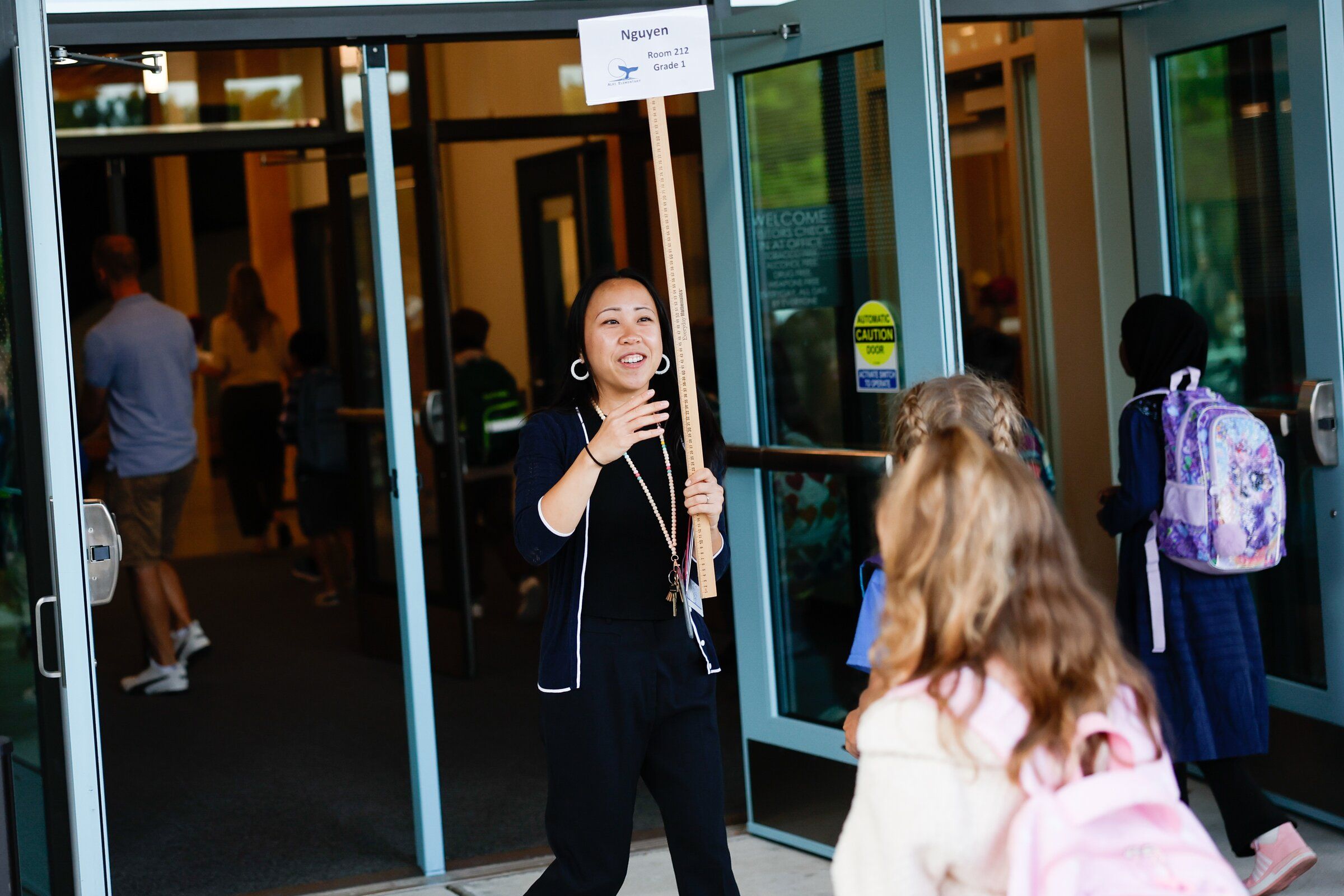
Based on: What Seattle teachers won — and compromised on — in their new contract
King County volunteers turn search-and-rescue work into a calling
At the foot of Mount Teneriffe, volunteers from the King County Search and Rescue Association held a training exercise. A 14-year-old participant portrayed an injured hiker: rescuers carried her in a folding litter to the command post, where medics treated injuries to her wrist and ankle. At the same time, teams practiced lowering and raising people on a 70-meter cliff, working with litters, using radios and coordinating groups.
The association brings together seven specialized units and 556 active volunteers, ranging from teenagers to retirees. They search for missing people, rescue injured hikers, recover human remains, assist police in examining crime scenes, and transport people and equipment during natural disasters. King County, the busiest county in Washington state by the number of such operations, saw volunteers participate in 164 callouts last year.
During operations, volunteers typically carry out the main practical work in the field: navigating with maps, conducting ground and water searches, providing first aid and using specialized equipment. Full-time sheriff’s office employees coordinate the response and are responsible for official command, safety, communication with other agencies and legally significant decisions. In this way, the association works in partnership with the sheriff rather than replacing the sheriff’s office.
The units perform different tasks: ground teams work in forests, mountain rescuers operate on challenging terrain, canine teams track people and search for remains, and specialists using all-terrain vehicles, snowmobiles, motorcycles and drones provide access to remote areas. Separate teams provide medical assistance in the mountains and manage the incident command post. The volunteers’ assistance is free to the public, although members often pay for their own gear and specialized equipment.
The organization, which has existed for more than 60 years, has an annual budget of about $650,000. Since 2020, approximately $200,000 per year has come from a special voter-approved local parks levy in King County. These restricted funds cannot be freely redirected to other budget categories; they are used, among other things, to purchase equipment, provide training, maintain vehicles and cover the operating costs of search-and-rescue work. The rest of the funding comes from grants and donations.
Association leader Carrie Lee Gagnon is working to secure stable funding and establish a permanent base. Sheriff’s representatives emphasize that volunteers are ready to respond immediately at any time. Modern phones and GPS have sped up searches, although route information available online sometimes encourages unprepared people to venture into dangerous places.
The volunteers are brought together not only by a sense of duty, but also by camaraderie, physical challenges and the desire to bring people home safely. For many, the work becomes a second job—and a habit that is difficult to give up.

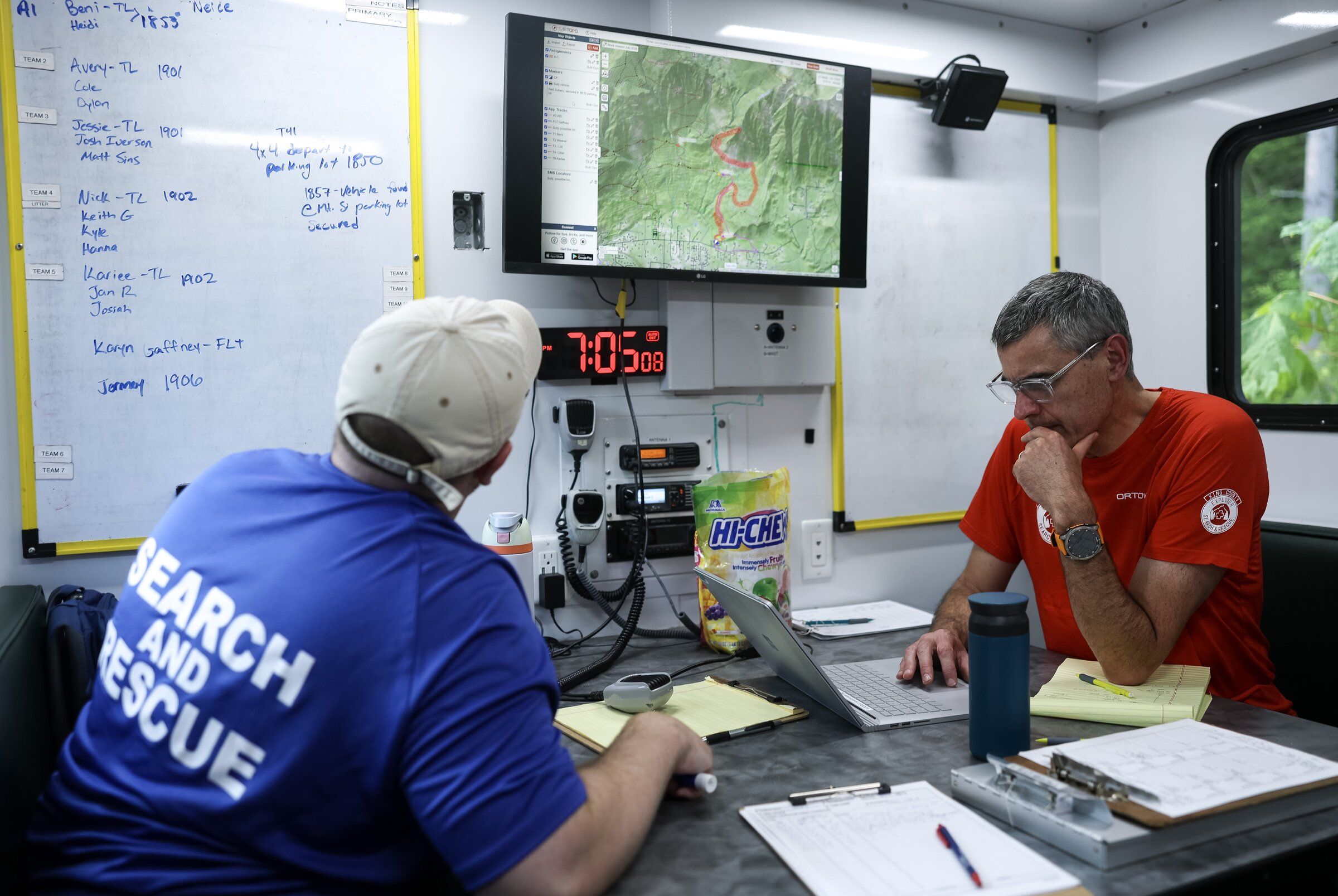







Based on: For King County search-and-rescue volunteers, saving lives is an addiction
Seattle Incidents: Trail Injury and Transit Violence
Three incidents involving injuries occurred in and around Seattle: a girl was hurt on a trail, a man was stabbed on a train, and a cyclist collided with a light-rail vehicle.
Girl Seriously Injured on Popular Washington Trail as Rescuers Took Two Hours to Reach Her
The incident occurred Saturday afternoon on the Red Top Lookout Trail in Kittitas County, about a two-hour drive east of Seattle. A 9-year-old girl who was hiking with her family fell from an agate deposit—a rocky outcrop popular with rock collectors—and suffered a deep wound to her right leg. Erin Meador, acting lieutenant with Kittitas County Fire District No. 7, said the girl’s parents called at 1:24 p.m. The incident was also reported by The Seattle Times.
About 30 rescuers from several agencies were dispatched to the scene. According to County Fire Chief Aaron Lowe, crews had to hike approximately two miles to reach the patient. Later that afternoon, the girl was airlifted to Harborview Medical Center in Seattle, the region’s largest trauma center.
The agate deposits near Red Top are well known among “rockhounds,” who search the area for thunder eggs and other glittering minerals. The trail leads to an old fire lookout and is considered relatively accessible for family outings, but the terrain remains rocky and dangerous in places. The combination of an apparently easy route and the area’s remote location makes incidents like this especially serious: even when rescuers are called quickly, it takes time to reach an injured person.
Lowe used the opportunity to remind visitors of basic wilderness-safety rules. He said people traveling in remote areas should be prepared for emergencies because help can be significantly delayed in such places. In practical terms, that means carrying extra water, a first-aid kit, warm clothing and communication equipment, as well as making an honest assessment of one’s abilities and the difficulty of the route—especially when children are part of the group.
This case is a typical example of how quickly an uneventful family outing can turn into a rescue operation involving dozens of people and a helicopter. It also serves as a reminder that the popularity of natural attractions such as agate fields is growing, along with the demands placed on emergency services that must work in mountainous and forested terrain. The girl’s condition was not reported as of publication; it was known only that her injury was serious.
Stabbing on Seattle Light Rail: Suspect at Large
Another incident in downtown Seattle has raised fresh questions about public-transit safety. A man was stabbed aboard a northbound Link light-rail train Sunday afternoon. The victim was taken to a hospital, while the attacker fled and had not been arrested when police released their initial reports. The case adds to concerns about how well passengers are protected in a system used by thousands of people every day.
According to information published by KOMO News, the call came in at 4:23 p.m. local time. The Seattle Fire Department responded to a report of a stabbing near the 1300 block of Third Avenue. Medics treated a man believed to be about 30 years old. His condition was described as stable, and he was transported to Harborview Medical Center. Seattle police confirmed that the incident occurred on the train but noted an important jurisdictional detail: the area falls under the jurisdiction of the King County Sheriff’s Office, so KCSO personnel responded. This division of responsibility is more than a formality. It can affect the speed and coordination of the response—especially when a suspect remains at large.
The stabbing occurred on a weekend, when downtown ridership is often higher than during work hours because of events, sightseeing and restaurant visits. Link light rail is not merely a transit service; it is a key artery connecting Seattle neighborhoods with the airport and surrounding communities. When a weapons-related crime occurs within such a system, it inevitably alarms passengers—particularly when the suspect is not immediately caught. For people who ride the trains every day, news that someone carrying a knife may be nearby and still free can feel like a direct warning of their vulnerability.
Several points may not be obvious from the brief report. Link light rail is a light-metro system operated by Sound Transit, but safety at stations and on trains may involve different agencies depending on the location. In downtown Seattle, the city police department and the King County Sheriff’s Office may have overlapping areas of responsibility, creating a complex response structure. When a report says an incident occurred within KCSO jurisdiction, it means that agency will likely lead the investigation rather than Seattle police, although city services may have provided the initial response. It is also important to understand that “stable condition” is a medical term that does not guarantee the absence of serious consequences; it indicates that the patient’s condition was not considered immediately life-threatening at the time of hospitalization.
It remains unknown what prompted the attack—whether it stemmed from a confrontation between passengers or was a random act of violence. Police did not release a description of the suspect, say whether anyone else was threatened with a weapon, or disclose how many people were in the train car at the time. That uncertainty is itself a source of stress for the community. In recent years, Seattle Link light rail has repeatedly become the focus of debates about safety, as passengers and transit employees have reported growing numbers of incidents involving drugs, aggression and mental-health crises. Each such attack fuels calls for increased patrols, more cameras and faster responses to alerts.
The central problem is not only the individual crime but also the systemic gap between passengers’ expectations and the actual capabilities of security services. When an attack takes place on a moving train, victims and witnesses have little time to summon help before the train reaches a station. If a perpetrator exits at one of the downtown stops, the person can quickly disappear into the crowd. That is why an immediate arrest is often impossible, leaving the suspect at large—as happened in this case.
The incident is a reminder that public-transit safety depends not only on cameras and fare gates but also on coordination between agencies, the speed of information-sharing and passengers’ willingness to report suspicious behavior. While police continue searching, Link light-rail riders must rely on vigilance and hope their next trip does not become the subject of another incident report.
Cyclist Injured in Collision with Light-Rail Train in Seattle
A cyclist was injured in a traffic incident in Seattle on Sunday afternoon. The collision occurred at the intersection of Martin Luther King Jr. Way and South Dawson Street, where a cyclist struck a light-rail train, known locally as Link light rail. According to a KIRO 7 News report, the injuries were not life-threatening, and train service resumed in less than an hour.
According to the Seattle Police Department, the victim received medical treatment. The train involved continued along its route within an hour of the incident, suggesting that neither the infrastructure nor the vehicle sustained significant damage. For readers unfamiliar with the local system, Seattle’s Link light rail operates partly on street-level tracks, creating potential intersections with other road users, including cyclists and pedestrians. The intersection of Martin Luther King Jr. Way and South Dawson Street is one such location, where tracks run directly along a city street and require heightened attention from everyone traveling through the area.
The incident once again raises questions about safety in mixed-traffic areas where light-rail tracks share space with cyclists and pedestrians. Although officials have not released details about how the collision occurred, the fact that the train resumed service so quickly suggests that the incident was relatively localized. For a city where light rail is expanding and becoming increasingly popular, incidents like this may signal a need for additional precautions, whether through improved road markings, warning signals or educational campaigns for cyclists and drivers. For now, the most important point is that the injured person received the necessary care and was not in life-threatening condition.


News 13-09-2026
WSU Student Discovers Apple Variety Thought to Be Extinct
Washington State University graduate student Taettin Brodzinski, who does not particularly like apples herself, has helped bring back the Walbridge variety, long thought to be extinct. In the fall, while studying the genetics of agricultural crops, she needed to find an apple leaf for DNA analysis. At Lawson Gardens near campus, Brodzinski discovered a tree bearing green fruit. Genetic testing found no match with known varieties, so she and Professor Cameron Peace continued their research. About a month later, they learned that the tree was a Walbridge apple—the “main lost variety” that specialists across the country had been searching for.
Historical descriptions characterize Walbridge as a bright red, striped apple, but that color appears only in direct sunlight. Fruit hidden beneath the leaves remains green, so the apples Brodzinski found reminded her of Golden Delicious or Granny Smith. Walbridge was once popular in Pacific Northwest orchards because of its ability to store well: it ripens in November, gradually becomes sweeter over the winter, bruises very little and retains its crisp texture when cooked. Its flavor combines the tartness of Granny Smith with the milder notes of Cosmic Crisp.
Brodzinski believes the variety disappeared from commercial orchards because it grew too quickly and vigorously. Older farmers found it difficult to maintain such trees and harvest their fruit without modern equipment. After the news was published, the WSU My Fruit Tree laboratory began receiving DNA samples from across the country, and Walbridge trees were also found in Colorado, Utah and New Mexico. The researcher is now grafting and cloning the apple tree she found, as well as crossbreeding it with other heirloom varieties. Her goal is to develop a commercially viable plant with controlled growth and consistent fruit size, flavor and quality.
Based on: WSU student finds apple variety thought to be extinct
Trump directs millions toward Washington state congressional race
The political action committee No Going Back PAC, associated with President Donald Trump, has reserved $1.7 million worth of advertising time in Washington’s 3rd Congressional District. In the election, Republican John Braun, the state Senate Republican leader and a Trump-endorsed candidate, is challenging two-term Democratic Rep. Marie Gluesenkamp Perez. The advertising campaign is part of a nationwide, $68 million effort targeting 14 competitive House districts and six Senate races.
The district is considered one of the key contests for control of the House next year, so spending by outside groups will likely rise into the tens of millions of dollars. No Going Back is linked to Trump’s leading super PAC, MAGA Inc., which has roughly $400 million, but it has not yet disclosed its donors to the Federal Election Commission. Elon Musk may reportedly finance an additional campaign against Democrats, with plans to spend at least $100 million supporting Republicans.
The surge of outside support could complicate Braun’s efforts to portray himself as an independent politician. Both candidates are trying to focus on local issues, including trade jobs and salmon protection, while Gluesenkamp Perez has sought to distance herself from the national Democratic Party leadership. She first won the district in 2022, defeating MAGA-aligned candidate Joe Kent, and repeated her victory two years later. She now holds a significant fundraising advantage, with more than $6 million compared with Braun’s approximately $2 million. Democratic supporters have spent about $110,000 on advertising, while super PACs can raise and spend unlimited sums.


Based on: Trump’s PAC starts spending in key WA congressional race
Rain in Seattle to Give Way to Sun and Warmth
After a cloudy and rainy week in the Seattle area, the weather will gradually begin to improve. According to National Weather Service meteorologist Logan Howard, the region is experiencing a transition between summer and fall, so sunny and rainy days are still alternating. By Sunday morning, the storm had brought about 6 millimeters of rain to Seattle, while the Olympic Peninsula and southern Cascades received up to 19–25 millimeters. The rain was moderate and is not expected to cause flooding; instead, it will likely benefit the environment. Cool weather will continue Monday and Tuesday, but temperatures will rise to about 24–29°C starting Wednesday, with Wednesday and Thursday likely to be sunny.

Based on: Seattle weather: Rain to give way to sunshine, warmer days
Digest: Seattle’s economy and the Mariners’ hopes
Seattle depends on ten corporations, but city officials are creating yet another task force; the Mariners crushed the Athletics 19–1 thanks to Michael Arroyo’s first home run, but their playoff hopes are fading.
Seattle in a trap: City launches another task force while economy relies on ten corporations
A new independent economic audit of Seattle’s finances, prepared by consulting firm Formation at the request of the city’s economic development department, has exposed an uncomfortable truth: the city budget critically depends on a handful of major technology employers. The response from city officials was predictable—Mayor Katie Wilson signed an executive order creating the “Seattle Sustainable Economy Task Force.” That move immediately drew sarcasm from KIRO Newsradio interim host Mike Lewis, who compared his hometown on The John Curley Show to a spaceport from which an endless succession of committees and initiatives is constantly launching.
The heart of the problem, as Lewis notes in his KIRO Newsradio broadcast, is that Seattle depends on roughly ten companies that generate most of the revenue from the JumpStart payroll tax. The tax applies to companies with payrolls of more than approximately $9 million and is projected to bring in about $500 million this year. Unlike San Francisco, Boston and Minneapolis, where tax revenue is distributed more evenly among midsize businesses, Seattle is “disproportionately dependent on a company that once employed 50,000 people downtown,” the host says, alluding to Amazon. A 5,000-employee reduction at such a corporation, he argues, translates into millions of dollars in lost tax revenue.
Lewis also singled out City Councilmember Dan Strauss, who supported directing JumpStart revenue into the general fund rather than keeping it earmarked for affordable housing. “We’re calling you out specifically,” the host said, emphasizing that decisions like these increase the budget’s vulnerability. The concept of an “earmarked fund” is important here: it means that a particular tax is collected for a specific spending category and cannot freely be shifted to other needs. Moving JumpStart revenue into the general pot means money promised for housing programs can now be used to plug holes anywhere in the budget—making the city even more dependent on volatile revenue from big business.
However, the picture is not entirely straightforward, and Lewis and co-host Spike O’Neil highlighted a paradox that politicians prefer not to discuss. A slowing economy, falling revenue and threats to public-safety funding are the standard warnings. But there is another side: when “first month free” banners begin appearing on rental properties—something Seattle has not seen in a long time—that signals tenants have more options. “You know what makes rent go down? When you have choices. Your landlord knows that you have options now,” Lewis said. No mayor can publicly celebrate an economic downturn, but for middle-income residents it means more affordable housing.
Another paradox concerns small businesses, which the mayor says she wants to promote. Spike O’Neil pointed to vacant retail and office space as an opportunity. Lewis was skeptical: in his view, Seattle’s measures to preserve small businesses are “poorly thought out.” Property costs are so high that only chain operators and well-capitalized restaurants can afford ground-floor spaces. “You’re not replacing them with the same kinds of small businesses. You’re replacing them with Subway, maybe Domino’s Pizza, some trendy restaurant or another Pilates studio,” he said. Even a business-tax reduction implemented by former Mayor Bruce Harrell saved his own company about $300 a year—“I’ll take the $300, that’s great, but it’s not a game changer.”
The conversation concluded by turning to public safety: more than 30 major Seattle employers sent an open letter to Mayor Wilson and the City Council demanding a 100-day action plan. The letter calls for activating surveillance cameras, increasing foot and bicycle patrols, speeding up response times to 911 calls and holding people accountable for public drug use. “Part of what makes Seattle financially and economically viable is creating a city where not only businesses can thrive, but citizens can live, thrive and feel safe,” Spike O’Neil emphasized. Lewis added that the intersection of a fragile economy and a deteriorating public-safety infrastructure is the city government’s greatest challenge—and ideally, it should be addressed without another task force. After all, as he put it, “Seattle is a city of task forces,” and launching another initiative with virtually no public demand only confirms that reputation.
Mariners deliver historic rout of Athletics: Michael Arroyo’s first home run and a record 19 runs
On a night when clouds gathered over Seattle, the Mariners reminded everyone that baseball is unpredictable and that sometimes one game can change the way an entire season is perceived. In West Sacramento, at Sutter Health Park—packed by local standards—Seattle routed the Athletics 19–1. It was the largest victory in franchise history, and the evening became a showcase for youth, patience and one last desperate attempt to preserve the team’s mathematical playoff chances. As The Seattle Times writes, the Mariners entered the game ranked last in MLB in scoring average, at just 3.96 runs per game. But everything changed Saturday: five home runs, 23 hits and 19 runs—numbers that demand a reassessment of this team.
The star of the evening was 21-year-old Michael Arroyo, playing just his second major-league game. In the fourth inning, he hit a double—his first MLB hit—and in the seventh he launched a monumental 418-foot shot, sending the ball onto the roof of a club building beyond left field. According to analysts, the home run would have been out in any of the league’s 30 parks. “It’s not 100 percent. It’s like 500,” Arroyo tried to explain through translator Freddy Llanos. Later, in the clubhouse, his teammates gave him the traditional “beer shower,” generously adding every sauce and seasoning they could find in the kitchen. “I felt a kind of identity,” the rookie admitted. “As soon as that first hit happened, I told myself, ‘Okay, now I’m a major-league player.’”
The evening stood in contrast to Friday’s loss, when former Mariners player Donovan Walton hit a walk-off home run in the 10th inning, burying Seattle’s hopes of a comeback. Many saw that moment as the death knell for the team’s playoff ambitions. Mathematically, however, the Mariners (70–79) were still alive. What is more, Houston (75–74) lost to Tampa Bay that same night, cutting Seattle’s deficit in the American League West to five games. “We’re continuing to push,” manager Dan Wilson said before the game. “The goal is to cut into that deficit as much as possible before we get home and face Houston. Yesterday was tough, no question. But we had to respond today.”
The response was crushing. Dominic Canzone and Randy Arozarena hit home runs in the second inning, making it 5–0. Cole Young, Arroyo and J.P. Crawford then added more. Weston Wilson went five-for-six, while Julio Rodríguez, Arroyo, Young and Josh Naylor each recorded three hits. “Incredible effort offensively,” Dan Wilson said admiringly. “The guys just came out and started hitting.” The result was partly helped by an injury to Athletics rookie Gage Jump, who left after two innings with shoulder discomfort, as well as Sutter Health Park’s reputation as the most hitter-friendly stadium in the league. “It can definitely be tough to pitch in Seattle sometimes,” starting pitcher Bryan Woo observed. “But it’s good for the confidence of the guys in the lineup.”
Woo, a Bay Area native, continued his dominance over the Athletics, allowing just one unearned run over six innings on three hits, two walks and five strikeouts. In his three September starts, he has allowed just one earned run over 20 innings, lowering his ERA to 3.88. In 12 career starts against the Athletics, his ERA is 1.78. “We’re just trying to fight and hang on,” Woo said. “We’re doing everything we can to win today’s game. We’ll worry about tomorrow tomorrow. Then we’ll see what happens at the end.”
By the end of the game, the Athletics had been forced to send position player Carlos Cortes to the mound to record the final four outs. It was a situation familiar to the Mariners: over the past month, they had been blown out twice—22–0 in Milwaukee and 19–2 at home by the Cubs. They were due for a game like this. And they got it. The victory was not merely a statistical anomaly, but a symbol that even in a seemingly hopeless season there can be a reason for pride—especially when a 21-year-old rookie sends the ball onto a club building’s roof for the first time in his life, and his teammates douse him with beer and ketchup. The Mariners have lost 79 games, but on this Saturday they looked like a team that still had something to say.
Mariners’ playoff hopes fade, but the math leaves room for hope
The Seattle Mariners’ season is approaching its conclusion, and the situation is not developing favorably for the team. Not long ago, it seemed that the final 22-game stretch of the regular season—against opponents who were mostly unimpressive—would provide the M’s with a springboard into the postseason. Reality proved harsher: Scott Servais’ team stumbled out of the gate, losing three of four games to the lowly Athletics, and then managed to win two of three against the Texas Rangers. The result was just five wins in the last 14 games and an overall record of 69–78 before a nine-game road trip. Technically, the chances of October baseball are still alive, but, frankly, they are barely breathing. Much of this is not due to the team’s own performance, but to the dismal state of the American League as a whole, where even a team with a losing record can theoretically remain in the wild-card race.
The Mariners’ main storyline is unfolding on two fronts: the race for the AL West title and the battle for the third wild-card berth. In the division, the Houston Astros (75–72) lead the Texas Rangers by three games and Seattle by six. Even if the M’s win all 15 of their remaining games and finish 84–78, the Astros would need only ten wins, combined with Seattle losses, to reach the elimination number for securing the division title. If Houston maintains its current .510 winning percentage, it will finish with 83 wins, meaning the Mariners would need an extraordinary 14–1 run to catch them and win the tiebreaker. This detail is worth noting: Seattle holds the head-to-head advantage over the Astros, 9–2 this season, and has dominated the matchup since 2023. If the records are tied, that could work in Seattle’s favor.
The third wild-card race is no less complicated. Four teams sit between Seattle and the Cleveland Guardians (74–73), who currently occupy the coveted spot. Cleveland could mathematically eliminate the M’s from contention by reaching 84 wins, which would require a 10–5 finish. Given that the Guardians still have games against Minnesota (69–77, just half a game behind Seattle), Central Division leaders the Chicago White Sox, the surging Athletics, the Boston Red Sox and the Kansas City Royals, that will be extremely difficult. If Cleveland maintains its current .503 winning percentage, it will finish 82–80, and the Mariners would again need a 14–1 run to pass them.
What genuinely gives Seattle at least some hope is the schedule. The Mariners have the easiest remaining schedule in MLB: their opponents’ combined winning percentage is just .403. First comes a series against the Athletics, who, despite their recent success in Seattle, have played terribly at their temporary home in Sacramento, going 27–45. Then comes a road trip to face the Los Angeles Angels (59–90), whom the M’s have already beaten four times in six meetings, and the Colorado Rockies (55–91), the only MLB team with a worse record than the Angels. The only remaining opponent with a winning record is Houston, which will visit T-Mobile Park for two games on September 22–23. If the Astros begin to falter by then, that series could suddenly become the decisive point of the season.
Next weekend, Seattle will open a road series against the Athletics in Sacramento. George Kirby (9–11, 4.18 ERA) will take the mound Friday, Bryan Woo (11–9, 4.03 ERA) on Saturday, and Bryce Miller (4–9, 4.22 ERA) on Sunday. As always, all broadcasts will be available on Seattle Sports 710 AM and through the Seattle Sports app. Even the easiest schedule, however, will not help if the team does not start winning right now. According to Seattle Sports, the Mariners are in a situation where every game is effectively an elimination game, and any slip could prove fatal.

Suspect Arrested in Mississippi in Tasia Fortune’s Death
Jackson, Mississippi, police arrested 51-year-old Jarkes Ratliff in connection with the death of 29-year-old Tasia Fortune. The woman was found hanging from a tree on Aug. 3 in the yard of an abandoned house. Jackson Police Chief Rashaall Brackney said the suspect had some connection to Fortune but did not specify the nature of their relationship. After medical examiners ruled the death a homicide, police were able to execute previously prepared search and arrest warrants. The case remains open, and additional arrests are possible.
Fortune’s mother, Kristi Spivey, said she cried and thanked police after learning of the arrest, but the family still does not know the motive or other important details. It is also unclear whether DNA analysis played a role in the investigation or whether Ratliff has an attorney. Spivey firmly rejects the theory that Fortune died by suicide, saying that despite her daughter’s struggles, she would never have taken such a step.
Fortune was the mother of four children and had faced homelessness and other serious difficulties in recent years. She was removed from her family as a child, then lived in several social-service facilities before eventually moving to Mississippi. Her mother said Fortune once endured physical and verbal abuse from the father of one of her children, but before her death she was trying to rebuild her life and planning to start a cleaning business. Spivey urges people not to forget her daughter and continues to demand a full investigation: “Say her name. Keep talking about her.”

Based on: Mississippi police arrest a man in the death of Tasia Fortune
Reign Experiments, Wildcats Rout and GM Office
In Seattle, the Reign coach changed the lineup again, a high school team suffered a 55–0 defeat, and General Motors announced plans to open an office in 2027.
Reign’s “Lineup Revolution”: How a Goalkeeper’s Injury and Harvey’s Rotation Turned the Bay Match into Another Experiment
A short news item on the Seattle Reign’s official website before the match against Bay FC looks like a routine starting-lineup announcement. Behind the dry wording, however, lies a much more intriguing story. Head coach Laura Harvey shuffled the deck again, and this has become a defining feature of the 2026 season. While some National Women’s Soccer League (NWSL) clubs are trying to find stability through familiarity, the Reign are deliberately pursuing constant change—and the match against Bay is yet another example.
According to the official announcement on the club’s website, there were two changes to the starting lineup compared with Sunday’s 1–0 victory over San Diego Wave. Cassie Miller will start in goal, replacing Claudia Dickey, who is unavailable because of a head injury. In attack, Nerilia Mondesir will come in for Mia Fishel. These changes may appear limited, but they best illustrate the season’s main statistical anomaly: since the start of the 2026 campaign, Laura Harvey has named 18 unique starting lineups in 23 matches. In other words, the coach has not used the same starting combination even once—and a significant portion of the season still remains.
To understand the scale of this, it is worth explaining what a “unique starting lineup” means in football analytics. It means that the combination of 11 players starting a match has not appeared in any other game that season. In professional football, such turnover is considered extreme. Even at clubs with deep rotations, coaches usually try to preserve a core of seven or eight players while varying the remaining positions. Harvey, by contrast, is effectively rebuilding the team from match to match. That may reflect flexibility in her tactical system, or it may be a forced response to a crowded schedule, injuries and fatigue.
The goalkeeper situation deserves particular attention. Claudia Dickey’s head injury is not simply the loss of one player. In the NWSL, as in football worldwide, concussion protocols are becoming increasingly strict, and a goalkeeper who has taken a blow to the head must undergo a multistage evaluation before returning. Cassie Miller’s appearance is not a tactical choice but a direct result of medical restrictions. Still, such emergencies are precisely what shape the statistic of 18 unique lineups: some rotation comes from design, and some from necessity.
The attacking change is also revealing. Mia Fishel is replaced by Nerilia Mondesir, which could signal a shift in emphasis up front—from a more traditional target forward to a player capable of attacking space and operating at speed. Against Bay, a team that traditionally builds its play from a defensive foundation and a compact mid-block, this change could prove troublesome if Mondesir finds room behind the defenders.
The key insight is simple: the 2026 Reign are a team without a settled core. On the one hand, this level of variation makes them unpredictable for opponents, who cannot prepare for one specific pattern of play. On the other, a lack of cohesion inevitably affects the automaticity of their combinations, particularly during transitions and set pieces. The match against Bay will be another test of whether Harvey’s improvisation can compensate for the lack of stability. If it can, it will be a coaching masterpiece. If not, questions about the rotation will only grow.
Road Rout: West Seattle Wildcats Continue Searching for Their First Win
Sometimes in sports, there are games one wants to forget as quickly as possible. That was the kind of game the West Seattle high school football team, known as the Wildcats, played last Saturday. Their road game against Rainier Beach ended in a crushing 55–0 defeat, and the team now returns home empty-handed, still without a win this season.
The game was played at the Southeast Athletic Complex, and by the final whistle it was clear that the Wildcats had been unable to offer their opponents any meaningful resistance. Fifty-five unanswered points is not merely a defeat but a complete rout—one that will likely prompt the coaching staff to reconsider both its tactical schemes and the players’ mental approach.
The zero on the scoreboard is a separate source of concern for the team. In American football, where scores are often measured in the dozens, being shut out means the offense failed to reach the end zone even once or kick a field goal. That points to systemic problems on offense that cannot be solved simply by changing the team’s attitude.
Nevertheless, the season continues, and the Wildcats will have an opportunity to redeem themselves in front of their fans. Their next game is scheduled for Friday, September 18, at 7 p.m. local time. This time, the team will play at home, at Nino Cantu Southwest Athletic Complex, located in the southwestern part of the city at 2801 SW Thistle. The opponent will be Lincoln High School. A home game offers not only the advantage of support from the stands but also a chance to show that the team can regroup after such a painful defeat.
For those unfamiliar with American football, a few points are worth explaining. Unlike association football, where scores are usually modest, American football awards points for different achievements: a touchdown is worth six points, followed by an opportunity to add one or two more, while a field goal is worth three. A score of 55–0 is therefore not entirely unusual at the high school level, where the difference in ability between teams can be substantial. Judging by the result, Rainier Beach appears to have a much stronger roster and a more polished system.
This is not the Wildcats’ first loss of the season, and it leaves the team in a difficult position. However, school sports differ from professional sports in that player development—not just the result—is the top priority. The coaches will surely use this game as a lesson, painful but necessary for growth.
Fans can only hope that the next game, reported by the West Seattle Blog, will bring the team its first win. After all, every losing streak eventually comes to an end, and there is no better place to end one than at home, in front of your own supporters.
General Motors to Open New Seattle Office: Bet on Talent and the Future of Mobility
General Motors, one of the largest automakers in the United States, has announced plans to open a new workspace in Seattle. The office will be located in the West8 building in the Denny Triangle neighborhood and is expected to begin operating in early 2027. The decision marks another step in GM’s expansion beyond the country’s traditional automotive center, Detroit, where the corporation is headquartered. The new location is expected to accommodate “a couple hundred” employees from divisions including digital products, autonomous vehicles, information technology and marketing. Although the final headcount and the office’s total capacity have not yet been disclosed, the decision to open a site in Seattle signals GM’s strategic interest in a region known for its technology talent.
Seattle has long established itself as one of the leading technology hubs in the United States. Giants such as Amazon and Microsoft are based there, while Boeing and Costco also maintain operations in the area. The arrival of another Fortune 500 company will intensify competition for engineering and technical talent, while also creating new opportunities for local professionals. General Motors says the new office is intended to serve as a space for collaboration and the exchange of ideas. “This investment expands GM’s presence in a region rich in technical talent and creates new opportunities for people to come together, collaborate and help shape the future of mobility,” the company said. According to the automaker, the office will have enough workstations, meeting rooms and collaboration areas to support both focused individual work and teamwork. The West8 building also offers a fitness center, an on-site café, electric-vehicle charging stations and other amenities.
In GM’s context, “autonomous vehicles” refers to the company’s work on self-driving technology, which it pursues actively through subsidiaries including Cruise. “Digital products” covers a broad range of software solutions, from in-car multimedia systems to data-based services. “Information technology” includes internal infrastructure and cybersecurity, while “marketing” involves promoting the Buick, Cadillac, Chevrolet and GMC brands that GM manufactures and sells primarily in the American market. The corporation is headquartered in Detroit and has 25 offices across the country, including locations in Los Angeles, Pasadena, Austin and Concord, as well as international sites in Melbourne, Bogotá and other cities.
The key question is how many employees will ultimately work in Seattle and how quickly GM plans to expand its presence there. The company has not yet disclosed either the office’s final capacity or its definitive staffing plan. Nevertheless, the announcement, published on the General Motors website and confirmed by Fortune 500 data, can already be viewed as a signal: the automaker is betting on software, autonomy and digital services—not only traditional manufacturing. For Seattle, this means a stronger position as the technology capital of the Pacific Northwest and another indication that the future of the automotive industry will be shaped not only in Detroit but also in cities where IT expertise is concentrated. The news, first reported by FOX 13 Seattle, highlights a broader trend: major industrial corporations are increasingly opening engineering centers in regions with strong technology ecosystems to compete for talent and accelerate the development of digital products.
News 12-09-2026
Boeing, Police, and Seattle Safety
Boeing is offering engineers an improved contract to avoid a strike, while Seattle businesses complain about slow police response and a police operation involving arrests takes place in Crown Hill.
Boeing offers engineers a 10 percent raise to avoid a Washington strike
Boeing has made its unionized engineers and technical workers, represented by SPEEA, a final contract offer intended to prevent a large-scale strike. The group includes more than 16,000 employees, concentrated mainly in the Puget Sound region, as well as in Oregon, California, and Utah. These are the first full negotiations between Boeing and SPEEA in 14 years, and their outcome could significantly affect both the aircraft manufacturer and the broader high-tech and engineering labor market.
The offer, presented Friday, provides for an immediate 10 percent pay increase once the contract is approved, another guaranteed 4 percent increase in March 2027, and a guaranteed minimum annual increase of 4 percent through 2030. In addition, “salary pools” of 6 percent are planned for 2028, 2029, and 2030. At least 4 percent of each pool would be guaranteed, while the remainder could be distributed depending on the outcome of negotiations and the needs of individual divisions. The contract also revises language concerning remote work and overtime restrictions for certain categories of employees.
The union leadership, which represents more than 12,600 engineers and scientists as well as nearly 4,000 technical workers, recommends that members vote yes. In a joint statement, the SPEEA negotiating committee emphasized that these results were made possible by the unity and solidarity shown in recent weeks. The union called the proposal “a real step forward toward improving pay and working conditions, as well as rebuilding the relationship between Boeing management and union members.” An official ratification vote date has not yet been announced; the union will set it.
On the company’s side, Boeing Vice President and Chief Engineer of Manufacturing Design Ben Nimmergut said the final offer addresses the key priorities of employees and SPEEA’s negotiating teams, including an immediate pay increase and larger guaranteed salary pools. “We are optimistic that this will allow all of us to focus on the important work ahead,” he said, according to FOX 13 Seattle.
The context of the negotiations makes the situation especially tense. The current labor agreement between Boeing and SPEEA, last extended in 2020, expires October 6. On August 21, engineers and technical workers rejected the company’s previous offer and overwhelmingly authorized a possible strike: about 64 percent of members voted against the contract, demanding more substantial improvements, while nearly 88 percent voted in favor of a strike. Experts offered mixed assessments of that rejection. Mike Dunlop, who has 40 years of experience working directly and indirectly with Boeing, said the company’s new leadership appeared willing to compromise, but that a strike would ultimately benefit no one. “This is the wrong time for industrial action, when Boeing has an order book representing nearly eight years of production, including increased output and the opening of a new 737 line,” he said. Nevertheless, the threat of a strike appears to have prompted the company to offer more generous terms than in the previous round.
If accepted, the proposal will send an important signal throughout the sector. Boeing, still dealing with the effects of the pandemic and production problems, is trying to stabilize relations with the key engineering personnel on whom the safety and timely delivery of aircraft depend. If the contract is rejected and a strike begins, the company could face further delivery delays and rising costs. Amid fierce competition with Airbus and a growing order book, that could prove extremely painful. For now, the union and Boeing management are at a point where a single vote will determine whether they compromise or enter into an open labor confrontation.
Even Nordstrom complains: Seattle police are not responding to calls
Seattle has long faced a problem residents have discussed for years: when you call 911, police often simply do not show up. The issue has been reported repeatedly, but major corporations are now saying the same thing. Last week, 35 executives from leading companies — including Microsoft, Costco, and Alaska Airlines — appealed to city officials to improve public safety. Among the signatories was Nordstrom CEO Erik Nordstrom, who cited startling statistics: at the company’s flagship store in downtown Seattle, only 29 percent of 911 calls result in a police response. By comparison, at the Southcenter mall in the suburb of Tukwila, the figure is 100 percent. The downtown store made 70 calls between January and July of this year, and only 20 resulted in a police visit. In Southcenter, officers responded to all 47 calls. Meanwhile, Tukwila’s police budget is about $22 million, compared with $488 million for Seattle’s police department. The disparity has left businesses and residents baffled.
The problem is not that Seattle police are inactive in every situation. On Thursday morning, for example, officers arrived within minutes at a fight in Westlake Park, near the Nordstrom store, and arrested a murder suspect at the scene. But such cases are more the exception than the rule. According to analyst Jeff Asher of AH Datalytics, Seattle ranks last among 14 major U.S. cities for response times. In New York, police arrive twice as fast on average. Seattle’s target for the most serious calls, Priority 1, is seven minutes or less; for calls involving a threat of violence or property damage, Priority 2, the target is 15 minutes. In practice, however, the average response time this year is 9.6 minutes for Priority 1 calls, with a median of seven minutes — meaning half met the standard and half did not — while Priority 2 calls take a full 56 minutes on average. That is better than several years ago, when staffing shortages forced the department to stop responding to some lower-priority calls altogether. But it is still far from ideal.
The reason is a staffing shortage. Despite recent recruitment efforts, the Seattle Police Department has shrunk by 25 percent over six years. In 2020, there were 694 patrol officers; now there are 489. The total number of employees has fallen from 1,339 to 985, according to a June report to the City Council. At the same time, the police budget has increased by roughly 20 percent, from $409 million to $488 million, reflecting higher salaries and other costs. This situation is common among local governments, much like Seattle schools, which speak of “bankruptcy” despite record revenues. The paradox is that crime in the city is generally declining, with serious offenses down year over year despite high-profile shootings. This has led some to argue that police refusal to respond to property crimes is not such a major problem. But the author asks: What if the perpetrator is still at the scene? Or what if the issue is illegal street racing that could be dispersed by a couple of patrol cars? In the author’s view, Seattle has simply “lowered the bar” because failing to meet standards has become normal. Possible solutions include hiring civilian investigators for property crimes, using AI agents, or submitting evidence through an online portal instead of making pointless 911 calls. But falling behind Tukwila, where police respond to every call, seems unacceptable. In their letter to city officials, business leaders ask the city to “return to the current seven-minute response standard for Priority 1 calls” and “redirect spending and resources toward achieving it.” Fulfilling that request will be difficult, however, given the scale of the staffing crisis and the system’s inertia.
For context, Priority 1 calls involve threats to life, such as fights involving weapons or murders. Priority 2 calls involve threats of violence or property damage but no immediate danger to life. “Defund the police” is a movement advocating reduced police funding that gained strength after George Floyd’s murder in 2020, leading many officers to leave the profession. The term “defining deviancy down” was coined by Sen. Daniel Patrick Moynihan to describe a process in which society stops treating a problem as a problem because it has become too widespread. According to the author, that is precisely what is happening with police response times in Seattle.
Police standoff in a quiet Seattle neighborhood: three detained and questions unanswered
Last Friday afternoon, residents of Seattle’s Crown Hill neighborhood, known for its quiet streets and family homes, witnessed a scene more reminiscent of a crime drama: police vehicles, blocked roads, and a battering ram breaking through a front door. According to Fox 13 Seattle, the incident began when a man wanted on multiple warrants fled into a home near the intersection of Northwest 90th Street and 14th Avenue.
According to official information, officers attempted to arrest the suspect at about 2:30 p.m., but he fled into the residence. This began an almost hourlong standoff. Officers first cordoned off the block and urged residents to avoid the area, then used a battering ram to enter the house. By the time they went inside, the man had been taken into custody, while two other people inside were detained. Police later said the scene had been cleared and the threat to the public had ended.
Yet behind the apparent clarity of the official reports lies a series of unanswered questions. The most important is what exactly the main suspect was wanted for. Police referred to “multiple warrants” but did not specify the nature or seriousness of the allegations. Were they minor offenses, such as unpaid fines, or something far more serious that would explain such an aggressive arrest operation? The fate of the other two detainees is equally unclear. Were they arrested as a result of the incident, or merely held temporarily while officers investigated? Official statements do not answer that question.
The use of a battering ram is notable in itself. Such a tool is used when there is reason to believe a suspect will not open the door voluntarily, and it indicates that police assessed the risk as elevated. Yet the report says nothing about whether weapons were used during the arrest, whether anyone was injured, or whether anyone threatened police. That leaves room for interpretation, ranging from a standard warrant operation to a potentially more troubling context that law enforcement chose not to disclose.
The local context is also worth noting. Fox 13 Seattle’s report appeared alongside other regional crime stories, from a fatal shooting in Belltown to an attack on police officers involving a stolen truck in Everett. This is not accidental: media outlets place the Crown Hill incident within a broader frame, suggesting that even Seattle’s more affluent neighborhoods are not immune to bursts of violence and police operations. For local residents, it may prompt a reassessment of their assumptions about the safety of their own neighborhood.
So what do we know? We know that arrests were made, force was used, and details were withheld. Police did their job: a wanted suspect was taken into custody and the scene was cleared. But without answers about who these people were and what exactly happened behind the closed door, the story remains incomplete, and it is too early to draw conclusions. Further official statements may shed light on the circumstances, but for now we know only as much as police deemed necessary to report — and that may be the main lesson of the day for anyone following news from Seattle.
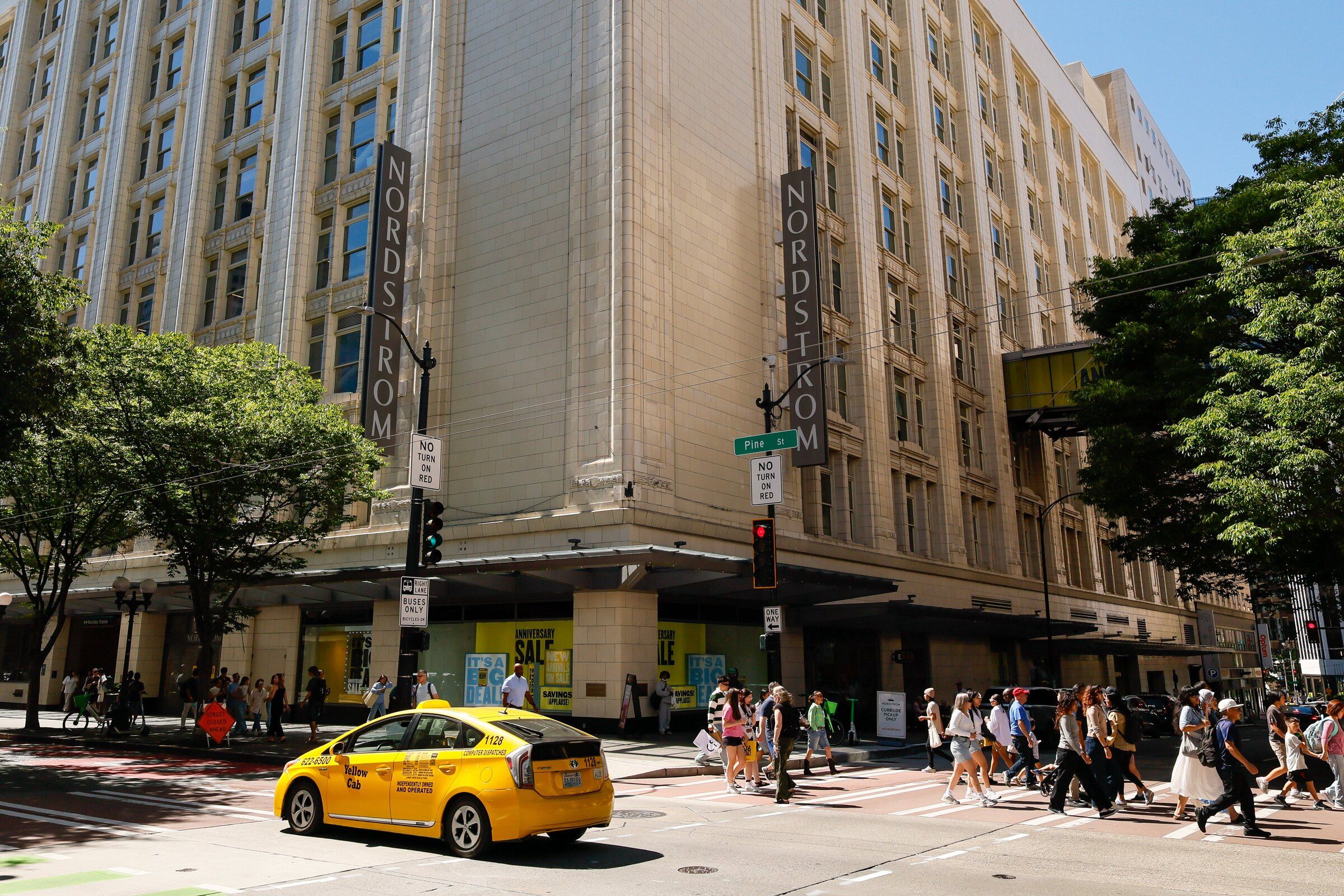
Nearly 350 Washington students named scholarship semifinalists
The National Merit Scholarship Corporation has named nearly 350 students from Washington state semifinalists in the 2027 National Merit Scholarship Program. They are among more than 16,000 students nationwide who earned the highest scores on the 2026 PSAT. The standardized test is typically taken by high school juniors. Organizers estimate that about 95% of semifinalists will become finalists, and approximately half of those finalists will receive scholarships.
Finalists will be eligible for three types of financial support: 2,500 National Merit Scholarships worth $2,500 each; approximately 700 corporate-sponsored scholarships of varying amounts; and 3,500 scholarships funded by about 140 colleges and universities. To become finalists, students and a school representative must submit an application detailing academic performance, extracurricular and community activities, leadership, honors and employment; write an essay; and provide a confirming SAT or ACT score. Finalists must also have an outstanding academic record throughout high school. Their names will be announced in four stages from April through August next year.
Based on: WA semifinalists for 2027 National Merit Scholarships announced
Drew Lock, a Weather Mix-Up and a Bolt Record
In this roundup: Drew Lock led the Seattle Seahawks to a win over the New England Patriots after replacing the injured Darnold; an amusing incident at FOX 13 Seattle mixed a weather forecast with U.S.-Iran geopolitics; and Athletics rookie Henry Bolte matched a 1977 achievement by recording 10 home runs and 20 stolen bases in a season.
Drew Lock and His Biggest Strength: How Seattle Won Without Darnold
The Seattle Seahawks’ season opener got off to a disjointed start: during the very first possession, starting quarterback Sam Darnold suffered a hip injury and left the game. Drew Lock came on in relief, and although his appearance did not immediately spark the offense, he guided the team to a 13–10 victory over the New England Patriots in a Super Bowl rematch. Lock threw no interceptions and was sacked just once. In the second half, he orchestrated three consecutive scoring drives that allowed the Seahawks to come back and secure the win. Lock will now start at least one more game, on the road against Arizona.
On Seattle Sports, Seahawks radio analyst and former NFL receiver Brian Walters explained Lock’s greatest strength. In his view, Drew’s key quality is his ability to get the ball to his playmakers by choosing quick, simple throws. “He really does a good job of trusting his teammates and making sure they’re in the right position,” Walters said. Against the Patriots, Lock passed for 187 yards, completing 16 of 22 attempts. That principle—not forcing the issue, but using the players around him—helped him avoid mistakes in a difficult situation.
The clearest example of this approach was his 45-yard touchdown pass to Jaxon Smith-Njigba. According to Walters, most of the work on the play was done by the receiver. On fourth-and-one, Lock was supposed to throw to the running back in the flat, while JSN was merely serving as a distraction. However, the New England defense made a serious mistake: no one covered Smith-Njigba in the middle of the field. Walters noted that Jackson himself was surprised to find himself open, while Lock spotted it immediately and delivered the pass. “Cornerback Christian Gonzalez went with the running back, and the linebacker ran right past JSN and immediately regretted it. Great find by Drew Lock,” the analyst added. Officially, the 45 yards and touchdown go down as Lock’s achievement, but in reality, the receiver did most of the work.
Several football terms require clarification here. A “sack” is when a quarterback is brought down with the ball behind the line of scrimmage before he can throw a pass; being sacked only once in a game is a sign of composure and quick decision-making. The “flat” is the area near the sideline where running backs are often sent for short passes. It is a relatively safe, lightly occupied part of the field, making such throws among the least risky. “Fourth-and-one” is a critical play in which a team must gain the required distance or surrender the ball to its opponent. Because the cost of a mistake is greatest in these situations, choosing a short pass instead of a risky deep throw reflects a quarterback’s maturity.
The main lessons from this play are revealing. First, the Seahawks showed that they have a dependable backup quarterback capable of keeping the game from falling apart while Darnold recovers. Second, Lock’s style—“don’t try to be a hero; use the weapons around you”—is an ideal fit for a team with strong playmakers such as Smith-Njigba. Third, even in a winning game, Seattle calmly identified and exploited a weakness in its opponent. If Lock maintains this trait—trusting his teammates and minimizing risky decisions—the Seahawks may be able to withstand their starter’s absence without losing ground in the title race. Walters’ comment that Lock “just trusts the guys around him” is essentially the formula for his value: he does not try to win alone; he enables the team to win.
When the Weather Matters More Than Geopolitics: A Strange Seattle Forecast
Even in a world where news of diplomatic confrontations between Washington and Tehran dominates the headlines, there is still room for ordinary human concerns. That was the case at FOX 13 Seattle, where viewers were offered a weather forecast in a Saturday edition dated September 12, titled “Saturday Morning Weather Forecast, 9/12.” However, instead of a routine meteorological update, the video’s brief description contained a phrase that instantly transported viewers from rainy Seattle to the center of global politics: “Major diplomatic push to stop fighting between the U.S. and Iran.”
This amusing incident is a vivid example of how automated systems or a human formatting error can create nearly surreal combinations. At first glance, it was an ordinary morning weather report for residents of the U.S. Pacific Northwest. But on closer inspection, the headline and the news content created a striking disconnect—one that says a great deal about overloaded news feeds, the rush to publish, and the way even local television stations must balance the trivial with the existential. A reader who clicked the FOX 13 Seattle video expected to see the temperature, the chance of precipitation, and the wind direction. Instead, they were reminded that the world was on the brink of a major conflict.
The context is important. The mention of a “major diplomatic push” between the United States and Iran was not fiction or a joke. In recent years, relations between Washington and Tehran have repeatedly come close to military confrontation—from the U.S. withdrawal from the nuclear deal in 2018 to a series of attacks on tankers in the Strait of Hormuz and the 2020 U.S. drone strike that killed Iranian General Qassem Soleimani. Each time, the international community, including European mediators, sought to prevent a full-scale war. The phrase “stop fighting” implies that active clashes were already taking place—something that has happened only rarely in reality, but has always been a frightening possibility. Diplomatic pressure in such situations typically includes sanctions, back-channel negotiations, urgent visits by envoys, and public statements by foreign-policy officials.
But back to the Seattle forecast. Why was a weather story linked to Iran at all? Most likely, it was a technical glitch: two different video segments became mixed together on one page or in one player. Alternatively, an editor may have accidentally inserted the headline and description from another piece, perhaps a news report focused on foreign policy. Such mix-ups can happen at FOX 13 Seattle, a local station, but they usually go unnoticed. Here, the combination was so absurd that it attracted attention. It resembles a classic example of selection bias in the information stream: we notice what stands out, while hundreds of accurate weather forecasts pass without comment.
What can we learn from the incident? First, it highlights the fragility of modern digital journalism. Automation, haste, and multitasking can cause content to lose its coherence. Second, it shows how strongly the global agenda can penetrate even local formats: if the forecast description had simply listed the temperature, no one would have thought twice. But mentioning Iran and the United States forces us into a more serious frame of mind. Third, it reminds us that every media product is created by people who can make mistakes—and that even trusted sources should not be accepted blindly.
The key takeaway is simple: do not let headlines confuse you. If you are looking for a weather forecast and find geopolitics instead, an error has probably occurred. But if you are looking for news about diplomatic pressure between the United States and Iran and find a weather report, that is a reason to reflect on how news algorithms work. Ultimately, this incident at FOX 13 Seattle will remain merely an amusing curiosity, but it neatly illustrates how Seattle rain and the threat of war in the Middle East can end up mixed together. Both matter, but each has its own time and place.
Henry Bolte Enters Athletics History by Matching a 1977 Achievement
In baseball, where statistics often serve as the language of legend, a single number can sometimes tell the story of an entire season. That happened Friday night, when Athletics rookie Henry Bolte became the club’s first rookie in nearly half a century to reach 10 home runs and 20 stolen bases in a single season. The last player to accomplish the feat was Mitchell Page in 1977—and that comparison alone is powerful evidence of how exceptional this young player could become.
According to the official report of the game between the Seattle Mariners and the Athletics, published on MLB.com, Bolte reached the milestone in a game that may not have been a turning point in the standings, but certainly entered franchise history. The combination of power and speed is a rare and highly valuable asset in modern baseball. Players who can both hit the ball out of the park and threaten on the basepaths place constant pressure on opposing pitchers and defenses. That is what is known as five-tool talent, and Bolte appears to be moving confidently toward becoming that kind of player.
For those unfamiliar with baseball statistics, a home run is a hit that sends the ball beyond the boundaries of the playing field, allowing the batter and all runners on base to complete their circuits and score. A stolen base is a successful attempt by a runner to advance to the next base during the pitcher’s delivery. It requires not only speed, but also instant reactions and the ability to read the game. Reaching 10 home runs and 20 stolen bases is a kind of entry ticket to the club of elite all-around players who can change a game in many different ways.
Mitchell Page, whose achievement Bolte has now matched, was a prominent figure in the late 1970s, and his 1977 season remained a benchmark for Athletics rookies for many years. The fact that the mark stood for 49 years shows how difficult it is to combine power and speed at such a high level from the very beginning of a major-league career. Bolte has not merely matched Page’s achievement—he has placed his name alongside it, which is itself a defining moment in his young career.
Looking at the bigger picture, this milestone could have major implications for the Athletics’ future. A team that has spent recent years rebuilding and searching for a new identity urgently needs young stars around whom it can build a roster. With his unique combination of skills, Bolte looks like exactly that kind of player. His progress is more than a statistical milestone; it is a signal to fans and the organization that the foundation for future success may already be in place.
Of course, one season does not define a career, and Bolte still has a long road ahead. But moments like his performance against the Mariners matter for more than the statistics. They build confidence, establish a reputation, and give a young player the inner foundation that separates good players from great ones. The Athletics have not simply acquired a promising rookie—they have acquired a player who is already capable of making history. And perhaps, decades from now, someone else will be trying to match his achievement.
Court orders UW employee released after health worsens in ICE detention
Federal Judge Tiffany Cartwright ordered Robert Sidhe released from the Northwest Detention Center, a private immigration detention facility in Tacoma used by the federal agency ICE. The court ruled that the 43-year-old Kenyan citizen had to be released within six hours because of his elevated risk of a stroke. By Friday evening, his fiancée confirmed that he had returned home. Authorities have not yet officially begun deportation proceedings, although that is expected to happen.
While in custody, Sidhe’s blood pressure rose sharply and he developed stroke-like symptoms. He was taken by ambulance to St. Joseph Medical Center in Tacoma. Tests did not confirm that he had suffered a stroke, but his attorney said the risk of another episode remains and that access to emergency care at the detention center could be difficult.
People detained at the Northwest Detention Center rely on the facility’s internal medical service and established procedures: They generally must report their symptoms, undergo an initial triage and receive authorization for an examination. Limited staffing, delays in transportation to an outside hospital, language barriers, telephone access problems and fear of staff can delay requests for help. Emergency medical care, however, must be provided regardless of immigration status.
The judge described the possible consequences of Sidhe’s deteriorating condition as “catastrophic.” She also took into account that he cares for his partner, a U.S. citizen with a disability who uses a wheelchair.
Sidhe has worked as a patient care technician at UW Medicine since 2025. He legally entered the United States several times on visas, and in February 2023 he applied for asylum, which is still pending. ICE detained him Aug. 26 in Lynnwood, saying that he had overstayed his visa. The agency emphasized that a pending asylum application by itself does not confer legal status or prevent detention.
At the same time, people whose asylum applications are pending retain the right to an attorney at their own expense, an interpreter, participation in hearings and the presentation of evidence. They may also request release on bond or under specific conditions. After the legally established waiting period, they are generally allowed to apply for work authorization, but filing an application does not guarantee release, the right to remain in the United States or asylum approval.
Sidhe was previously a doctor in Kenya and founded the Hawi Global Foundation, a charity that helps people obtain medical care. He treated people injured in a 2011 pipeline explosion and testified in a compensation case for survivors. He said that after the victims prevailed in court, he was threatened and his brother was killed, which formed the basis of his asylum claim. The foundation also established a branch in Washington state that provides local families with food and medical assistance.
The release order was issued as part of a temporary restraining order pending full consideration of his petition for protection against unlawful detention. The judge noted that Sidhe’s case likely has strong prospects: Earlier rulings required authorities to notify people with expired visas and pending asylum applications in advance before changing their previous practice and detaining them.
The state employees’ union and Sidhe’s colleagues supported him. In situations like this, the union may provide employees with legal advice, representatives, assistance for their families and help communicating with attorneys or a consulate. The extent of support depends on the collective bargaining agreement and the circumstances of the case. UW Medicine, for its part, generally provides medical care based on clinical need and follows patient confidentiality rules; medical facilities typically do not participate in immigration enforcement without an appropriate legal basis. The university agreed to preserve Sidhe’s job and use his accrued leave while he was detained.

Based on: UW Medical Center staffer ordered released from ICE detention
Shoreline School Staff Reach Agreement With District, Cancel Strike
The Shoreline Education Support Professionals Association (SESPA) union reached a tentative agreement with the school district on Friday, averting a strike that could have forced schools to close beginning Monday, September 14. Following the agreement, classes will continue as usual, and more than 300 paraprofessionals, technical and health-care workers, security guards and secretaries will return to work. Negotiations had been ongoing since April. On Wednesday, union members voted to strike if the district did not respond to their demands, and they were prepared to continue negotiating through Sunday evening to avoid a work stoppage that would have closed schools.
On Friday evening, September 11, parents of Shoreline schoolchildren got the notice they had been waiting for all week, and it turned out to be short. The Shoreline School District and the union representing its support staff had reached a tentative agreement; school would be in session on Monday, September 14. The announcement posted on the schools' websites even carried a typo in the word "tentative" - a small thing, but one that suggests the text was typed quickly and probably late.
To understand why that single sentence mattered to several thousand families in Shoreline and Lake Forest Park, you have to picture exactly whom it concerns. The union is SESPA, the Shoreline Educational Support Professionals Association. Its collective bargaining agreement covers secretaries, office managers, technical employees, student supervisors, paraeducators, nurses, health assistants, security staff, crossing guards and substitutes. More than three hundred people in all. A paraeducator is neither a teacher nor a babysitter: it is the adult who sits beside the child who is struggling and makes the lesson happen for that child. Most often this means students with disabilities. In an American school, that person is load-bearing structure, the kind you notice only when it is removed.
A support staff strike closes the school entirely. This seems illogical: the teachers, after all, are there. But without a nurse, no one administers medication on schedule; without a paraeducator, an individualized education program cannot be carried out, and the district is answerable for that under federal law; without a secretary, no one picks up the call reporting that a child never got off the bus; and without a crossing guard at 155th, the children simply do not cross the street. So the announcement of a possible work stoppage beginning Monday meant exactly what it said: no school on Monday.
Negotiations had been going on since April. Midweek, union members voted overwhelmingly to authorize their bargaining team to call a strike beginning Monday, September 14, if the two sides failed to reach an agreement by eight o'clock Sunday evening. The union was seeking overall wage increases that would bring its members in line with neighboring districts, with particular emphasis on paraeducator pay. The bargaining team said it was available to meet through Saturday and Sunday.
The business of neighboring districts deserves a closer look, because it is the nerve running through the whole story. According to the Washington State Office of Superintendent of Public Instruction, paraeducators in the state earn on average between 22 and 27 dollars an hour. In King County, where the median rent on a one-bedroom apartment passed fifteen hundred dollars a month long ago, that is a wage you don't live on so much as manage on. And the work is seasonal by nature: a school year runs roughly 180 to 190 days, which means no earnings at all over the summer. Rebecca Winters, a paraeducator in Port Angeles for twenty years and the president of her union during the 2024 strike there, described it without any grandeur: many of her colleagues take second and third jobs to make ends meet, and that time comes out of family dinners and weekends. She also described the other side of the profession, the one that doesn't appear in job postings: over her career she has been kicked and spat on, and a substantial part of the day goes to absorbing other people's aggression, sadness and anger and then finding a way to get a child back to learning.
The district has its own arithmetic, and it is not invented either. Shoreline is a small district, about nine and a half thousand students across sixteen schools, wedged between the northern edge of Seattle and Lynnwood. For the past three years it has lived in a permanent state of cutting. For the 2025-26 school year the district estimated a budget deficit of 6.5 to 8.5 million dollars and commissioned an independent financial review, which confirmed the need to reduce spending by roughly six and a half million. By spring the projected shortfall had improved from 4.12 million to 2.43 million, partly because enrollment came in higher than budgeted, but the district's own reports state it plainly: the gap between state revenue and what programs actually cost will require further reductions. In August 2025, more than 75 percent of voters in Shoreline and Lake Forest Park approved a one-year supplemental levy for educational programs and operations, and in February 2026 the district put two replacement levies on the ballot to succeed the ones expiring in December.
The reason for this chronic deficit is not local. Washington funds its schools through what is called the prototypical model: the state pays not for the staff who actually work in a building, but for the staff a hypothetical school with a given number of students is presumed to need. Everything beyond that, districts must raise through local levies, which have to be re-approved by voters every few years. Seattle superintendent Ben Shuldiner explained the mechanics this summer with an accountant's bluntness: the state's inflation adjustment is 2.6 percent, but Seattle receives roughly two-thirds of that, because the state pays by model rather than by actual staffing - meaning that any employee who receives the full adjustment is receiving more than the state provided. Translated out of administrative language: when a union demands a cost-of-living increase, it is demanding it not from Olympia but from a district that does not physically have the money. Hence the tone of negotiations in which both sides are right and both are cornered.
The fall of 2026 has been a crowded one in this region. Ten days before Shoreline, the same script played out in Seattle, only at twenty times the scale. The union representing some six thousand teachers, paraeducators, counselors and support staff voted to authorize a strike with 91 percent in favor, after 24 bargaining sessions. An agreement was reached late on Tuesday evening, September 1, and schools opened Wednesday morning as planned. The deal was a three-year contract; according to the union, 52 issues were on the table and all 52 were resolved - from guidelines on the use of artificial intelligence in schools to support for educational ASL interpreters and voluntary transfers for paraprofessionals.
A year earlier, in the southwest corner of the state, it went worse. In the Evergreen district near Vancouver, 1,400 classified employees - paraeducators, bus drivers, security officers, mechanics - walked out for the first time in their union's 57-year history, leaving 22,000 students without school. The year started nearly three weeks late there, and the twelve lost days had to be made up from the day before Thanksgiving, one day of winter break and two January holidays. That calendar, rather than any rhetoric about solidarity, best explains why both sides in Shoreline exhaled on Friday. A September strike does not cancel school days; it moves them to June, to holidays, to vacation weeks, and in the end families pay for it.
The week leading up to the agreement in Shoreline followed a familiar script with an aesthetic all its own. Red shirts - "Red for Ed," the color teachers' unions claimed during the strike wave of the late 2010s; in Shoreline people wore red during the previous conflict, in 2023, as well. The district's teachers, who belong to a separate union, SEA, voted Wednesday to support their colleagues in the event of a strike, and SESPA members set Saturday at eleven in the morning for a gathering at Shoreline Park to make picket signs. That Saturday meeting, like all of them, was half preparation for conflict and half a way to feel that there are three hundred of you and not one. In an American school strike the sign is a genre unto itself: poster board, markers, participants' children on the grass nearby, an obligatory dose of self-mockery in the text, because earnestness on cardboard reads badly and a joke about the pay of the secretary who "just holds the whole building together" reads well. This year the signs will apparently stay in the garage. That is the best possible outcome and, at the same time, a small loss: the energy that has been gathered doesn't disappear, it simply carries over to the next item on the agenda.
Running alongside all week was a second, invisible infrastructure: the parents'. Notices on ParentSquare, the platform the district uses to reach families, were read with the particular attention people reserve for a snow forecast. In neighborhood Facebook groups and PTA chats the usual exchange unfolded: who has a seat in the car, who can take two kids until noon, does the extended-care program run when the school is closed, will employers count the day as child-care leave. A September strike in a suburb is first of all a child-care crisis, and it lands very unevenly: a household with two remote jobs gets through the week grumbling; a household where the mother works shifts at a hospital or a store does not. Public discussion in such days splits predictably as well: one set of neighbors writes "we're with you, you deserve more," another writes "they signed up for this job and the kids are the ones suffering," and on the whole both are sincere.
It matters to be clear about what was actually achieved on Friday. The word "tentative" is not a formality. An agreement stays tentative until it is approved by a vote of union members and by the district's school board. The details are usually withheld until ratification, and Shoreline has a fresh memory of this step being anything but automatic. In the fall of 2023, the SESPA bargaining team brought an already negotiated contract to a membership meeting, and the members rejected it. The union president at the time spoke of accumulated resentment: people were being asked to accept cuts in a contract that protects some of the district's lowest-paid employees. The district's offer, according to the union, would have cut 1.3 million dollars in salaries and about thirty jobs. "I'm frustrated, I'm hurt, and I feel like I've been disrespected," said Nancy Warfield, the office manager at Kellogg Middle School, who had been with the district twenty-five years. That sentence is enough to explain why, three years later, negotiations went as far as a strike vote: conflicts of this kind don't end with a signature, they go dormant until the next contract.
There is a longer memory, too. In 2010, SESPA and the district likewise failed to settle over the summer, likewise entered the school year without a contract, likewise brought in a state mediator - and likewise finished with a tentative agreement that members ratified at the end of October. The school board president of that era stated the district's position in terms that have barely changed since: the contract met the mutual interests of both parties where possible while allowing the district to sustain financial stability, keeping compensation packages at or near the midpoint of the surrounding thirty districts in King and Snohomish counties. The whole of the present dispute is an argument over where that midpoint lies and why Shoreline keeps landing below it.
So on Monday, September 14, the school doors in Shoreline will open, the phones will ring in the front offices, someone in an orange vest will step into the crosswalk by Parkwood, a nurse will sort the morning medications into their slots, and a paraeducator will sit down at a low table beside a child who wouldn't make it to the end of the lesson without her. On this week's calendar: a health curriculum night at Echo Lake, and the start of Hispanic Heritage Month on September 15. All the things a school exists for, and which become visible only at the moment there is a risk they won't happen.
And the ratification vote is still ahead. If the history of this district teaches anything, it is that the real news is not in a Friday email with a typo, but in how three hundred people vote once they have read the numbers.
Based on: Strike averted as Shoreline school staff reach agreement with district
Digest: Water Chase, 9/11 Memories and Brown’s Injury
In Seattle, a boat owner pursued a suspected thief on the water, former White House press secretary Scott McClellan shared his memories of September 11, and A.J. Brown’s injury exposed the fragility of the Patriots’ hopes.
West Seattle boat owner pursues suspected thief on the water
A West Seattle boat owner named Garrett, who asked that his last name not be published, experienced something this week that fell somewhere between a nautical mystery and an action-movie chase. His vessel was docked in Fauntleroy Cove around noon Tuesday when a neighbor messaged him: someone unfamiliar was aboard. When Garrett arrived, he found a stranger inside the cabin of his boat.
Asked, reasonably enough, what he was doing on someone else’s vessel, the man offered the sort of excuse one might expect from a bad alibi: a friend had supposedly told him the boat had been abandoned, and he “had the right to be there.” Garrett immediately noticed more troubling details, however. The uninvited guest’s inflatable boat contained items that were clearly not his—folded inflatable paddleboards, bags of equipment and “a beautiful stainless-steel navigation spotlight taken from someone’s yacht.” Garrett managed to record part of the confrontation. When asked directly whether he had taken anything from the boat, the stranger snapped, “I didn’t take a damn thing from your boat.”
Then the chase began. The suspect headed north, while Garrett followed in a smaller boat and simultaneously called the Coast Guard. The Coast Guard joined the pursuit. According to Garrett, once they were in open water in the middle of the bay, the man pulled out a knife and displayed it to those chasing him. Near the entrance to Elliott Bay Marina, just before reaching it, the man suddenly veered away, ran his inflatable boat onto the rocks, jumped out and disappeared into the woods.
Garrett believes he saw the same person in the same inflatable vessel the previous night, circling the bay. At the time, he paid no attention and even assumed the stranger was a neighbor checking on other boats. He recognized him only the next day, when he found him above his own cabin. After photos were posted on social media, the owner began receiving messages from other boaters who said they had encountered the man in various areas as well. The Seattle Police Department’s harbor patrol unit is now investigating.
Several layers are important in this story. Inflatable SUPs—short for stand-up paddleboards—are inflatable boards used for paddleboarding while standing, popular and relatively expensive equipment that is easy to transport and easy to steal. The U.S. Coast Guard is a federal agency responsible, among other things, for safety on the water and law enforcement in coastal areas, but local harbor police generally investigate individual thefts on the water. Elliott Bay Marina is a large facility for privately owned vessels in Seattle, while Fauntleroy Cove is a quiet residential area on the city’s western shore where many people keep boats at docks.
The key issue here is not only the thief’s boldness but also the environment in which everything happened. Docks and marinas are essentially private homes on the water, lining areas accessible to the public. A neighbor spotted the stranger and alerted the owner—that informal network of mutual vigilance is what worked. Garrett did not wait for police; he pursued the suspect, producing both a result—the suspect was driven out of the area—and a serious risk. Chasing an armed person on the water could have ended much worse. The quote “His boat was loaded with gear” and the knife incident suggest that the man was not a random drifter but an experienced waterborne thief who had been collecting property from several vessels during a single outing.
It is also significant that messages from other victims began arriving after the photos were posted online. This is a typical pattern in serial thefts on the water: crimes are scattered, police become involved later, and informal networks of boat owners often piece the picture together. The incident reported by KIRO 7 News Seattle is not simply a crime story. It is a reminder that the waters of Puget Sound remain an area where private property is protected largely by neighbors’ vigilance rather than patrols.
Scott McClellan and his memories of 9/11: An inside view of the White House
When people discuss the tragedy of September 11, 2001, they usually hear the voices of politicians, survivors or relatives of those who died. But there is another category of witness: people who were near the nation’s leaders and saw how decisions were made that changed the course of history. Scott McClellan, a former White House press secretary under George W. Bush who now lives in the Seattle area, is one of them. His memories, published in a KOMO News report, offer a unique account of how the tragedy was experienced at the center of power.
McClellan was in the very room where President George W. Bush learned about the attacks while reading to children at a Florida school. The moment became one of the most widely reproduced and symbolic images in modern history: the president smiling at children, then suddenly growing solemn when chief of staff Andrew Card whispered in his ear, “A second plane has hit the World Trade Center. America is under attack.” McClellan, standing only a few yards from Bush, later described how the president tried to maintain his composure in front of the children and teachers for several minutes, even as determination was already visible in his eyes. The detail matters because it shows that decisions about the war on terror began not in Washington but in that classroom, where children’s voices were still being heard.
For those who do not remember or did not live through those events, several key terms often found in coverage of them are worth explaining. “Flight 93” was the fourth plane hijacked by terrorists. According to the 9/11 Commission, it crashed in Pennsylvania after passengers attempted to retake it from the hijackers. It never reached its likely target, possibly the Capitol or the White House. The Pentagon is the headquarters of the U.S. Department of Defense, which was struck by the third plane. The World Trade Center was the complex of skyscrapers in New York where thousands of people died. These three locations—New York, Pennsylvania and Washington—became focal points of national trauma, and mentioning them still evokes a mixture of grief, anger and unity among Americans.
McClellan’s memories are important not only as a historical document but also as political testimony. He was one of the youngest and most loyal press secretaries in White House history, but after leaving office he wrote a book criticizing the Bush administration for using the tragedy to justify the war in Iraq. This creates an interesting paradox: someone who was part of the president’s inner circle during the attacks and supported his course later became one of his most outspoken critics. In interviews like the one cited by KOMO, however, he generally avoids harsh judgments and focuses on human details—how White House staff evacuated, tried to contact their families and spent hours unable to grasp the scale of what was happening.
The central insight of the report is that, even more than two decades later, September 11 cannot be viewed solely through the lens of politics or geopolitics. It is also the personal memory of thousands of people, each of whom experienced that day differently. McClellan, a native of Texas who now lives in Seattle, embodies an “American arc”: from the conservative South to the liberal Northwest, from White House service to private life. His account is valuable because it reminds us that behind every historic decision are real people who, in the midst of a catastrophe, do not know how events will end and act on the basis of limited information and their own understanding of duty.
Thus, even a brief item about Scott McClellan’s appearance or interview is more than an anniversary publication. It is a reminder that the tragedy of September 11 continues to shape American society, the politics of remembrance and the personal lives of those caught at the center of events. The voices of witnesses like McClellan matter because they allow us to see, behind official reports and news footage, the living fabric of history—with its doubts, fears and unexpected turns.
A.J. Brown’s injury exposes the fragility of Patriots’ hopes
The New England Patriots opened the season with a 13–10 loss to the Seattle Seahawks, but more painful than the result itself was the loss of their biggest offseason acquisition, wide receiver A.J. Brown. According to the Associated Press report published by sports.mynorthwest.com, the 29-year-old receiver was placed on injured reserve because of a right ankle injury and will miss at least four weeks. This is not simply the loss of one player—it is a blow to the entire offensive structure the Patriots built around Brown after Stefon Diggs’ departure.
The nature of the injury makes the situation even more concerning for New England. According to an AP source, an MRI confirmed a high ankle sprain, meaning damage to the ligaments in the upper part of the ankle. This type of injury is notoriously difficult: it takes longer to heal than a standard sprain, often requires more recovery time and increases the risk of reinjury if a player returns too quickly. The mechanism of the injury is also revealing. Brown fell to the turf while attempting to catch an inaccurate pass from Drake Maye, and Seahawks cornerback Nehemiah Pritchett’s knee pinned his ankle to the ground. This was not a purely contact-related injury but the result of an unfortunate chain of events, underscoring how random a season-ending blow can be.
Before getting hurt, Brown had made three catches for 26 yards—modest numbers that do not reflect his actual role in the scheme. The Patriots gave up assets for him in June, expecting the three-time Pro Bowler to become Maye’s primary option and a safety net for the young quarterback. Now offensive coordinator Josh McDaniels must improvise. His comment on WEEI radio captured the problem precisely: “There’s nobody on our roster that can replace somebody like A.J. in the middle of a game or over the course of a season.” This was not routine politeness but an acknowledgment of a shortage of personnel.
The lack of depth at the position is particularly troubling. The Patriots signed Romeo Doubs as a free agent, but against Seattle he had no catches on three targets and dropped a critical pass on second down from the 14-yard line that could have produced a first down. The trade that sent Kayshon Boutte to Houston during training camp removed another potential option. McDaniels must now find production from Doubs, Mack Hollins, DeMario Douglas and Kyle Williams—players who collectively cannot replace Brown.
It is important to understand what a high ankle sprain means in practice. Unlike a standard sprain, which affects the ligaments on the outside of the ankle, this injury involves the syndesmosis, a group of ligaments connecting the tibia and fibula. The syndesmosis helps stabilize the lower leg during running and sudden changes of direction. For a receiver whose job depends on speed, sharp cuts and the ability to create separation from defenders, the injury is especially dangerous. Returning too early risks not only reduced effectiveness but also chronic instability and repeat injuries, which could have long-term career consequences.
It is telling that the Patriots have not rushed to issue an official statement—both AP sources spoke on condition of anonymity. That creates an information vacuum, which in the NFL usually means the team is weighing its options and does not want to show its hand before facing Pittsburgh on September 20 in its home opener. This is not Brown’s first warning sign. After playing 17 games in each of his two seasons with Philadelphia, he missed four games during the 2024 championship season and two more in 2025. His legendary durability is beginning to show cracks, a worrying signal at age 29 for a player whose contract and reputation are built on being a reliable No. 1 option.
The context is also significant. Brown’s injury is not an isolated case. After only two games, the NFL was already dealing with a wave of high-profile injuries, and the Patriots were among the first teams caught in it. Right tackle Morgan Moses offered a phrase after the game that became a locker-room mantra: “We don’t blink. It’s always the next-man-up mentality.” It sounds convincing, but the reality is that none of the receivers currently on the roster can truly be the “next man” at the No. 1 position—and even McDaniels acknowledges that.
Practically speaking, the next four weeks will be a stress test for Drake Maye. The young quarterback is losing his most reliable target in critical situations, and opposing defenses no longer need to devote extra resources to double-covering Brown. That will create more opportunities for Hollins and Douglas, while also increasing the pressure on Maye, who will have to develop faster than planned. If the Patriots’ offense falters in the coming games, talk that the team moved too quickly to acquire Brown will flare up again—even though the injury has nothing to do with the front office’s decision.
The main conclusion is simple: the Patriots built their offense around one player, and that player is out indefinitely with an injury prone to recurrence. Four weeks is a minimum, not a guaranteed return date. In the NFL, where every game can determine a season’s fate, losing Brown is not merely a personnel problem but an existential challenge for a team trying to move beyond the post-Brady era. The answer will have to come not in training camp but in real games, beginning with Pittsburgh on September 20.

News 11-09-2026
Washington state allocates $7.45 million for fire and flood recovery
The Washington State Public Works Board approved $7.45 million in grants and loans for emergency infrastructure repairs in Chelan, Franklin, Grays Harbor, King, Lewis, Spokane and Walla Walla counties. The funds will support the restoration of public facilities, roads, sewer systems and bridges damaged by fires and extensive flooding. Board Chair Vince McGowan said public infrastructure is the foundation of every community and that rapid assistance should speed recovery.
In Spokane, a $1 million loan will go toward repairing the Northside Landfill, where the Old Trails fire damaged the electrical system and about three-quarters of the vegetation cover. Connell will receive a $612,000 loan and a $108,000 grant to restore its wastewater treatment facility, while Waitsburg will receive a $255,000 loan and a $45,000 grant to replace a failed sewer pipe essential to the city’s entire system.
Another $5.45 million will go to four communities affected by a powerful atmospheric river in December. Kent and Hoquiam will each receive $2 million to repair flooded sections of roads; Chelan County will receive $750,000 to restore a 120-meter section of Company Creek Road destroyed by the Stehekin River; and Chehalis will receive $700,000 to repair and reopen the Exhibitor Avenue bridge, which was closed because of safety concerns. The funds for the eastern counties came from the board’s emergency reserve, while aid for the communities affected by flooding came from a $10 million special appropriation by the state Legislature.

Based on: WA doles out millions of dollars for flood- and fire-related repairs
Seattle’s Benaroya Hall Opens Renovated Spaces
Benaroya Hall in downtown Seattle is completing its largest renovation since opening in 1998. The $20 million project, carried out as part of the Amplify campaign, is intended to transform the building from a venue primarily for Seattle Symphony performances into a public space open throughout the day.
Located near Pike Place Market, the central business district, public transit stops and major pedestrian routes, Benaroya Hall is accessible not only to concertgoers. The renovated areas will be available to nearby office workers, tourists, local residents and people waiting for transportation. The hall is thus intended to become part of the city’s everyday life rather than an isolated cultural institution.
After the renovation, visitors will be able to work and meet in the Boeing Company Gallery, buy coffee, breakfast and lunch at the modernized café, and explore exhibitions by local artists. The Overlook Lounge, offering views of downtown, has been added on the promenade level, along with more than 480 new seats throughout the building. The gallery will be open on weekdays from morning through evening, regardless of the concert schedule.
The renovation covered approximately 42,500 square feet and was funded largely by foundations and private donors, including the Gates Foundation, Norcliffe Foundation, Friday Foundation, and the family of artists Dale and Leslie Jackson Chihuly. Architecture firm Mithun and contractor Sellen Construction redesigned the entrances, main lobby and wayfinding system to make it easier for visitors to navigate the building and linger there after performances.
The design is inspired by the “geometry of music”: interiors feature flowing lines reminiscent of melodic phrases, rhythmic geometric elements and warm wood tones associated with classical instruments. The former box office has been converted into a multifunctional community room for educational programs and more comfortable viewing for people with heightened sensory sensitivities.
The menu, created with chef Ethan Stowell and Sodexo Live!, features dishes from the U.S. Northwest, including a Dungeness crab salad, Beecher’s grilled cheese and focaccia pizza. These offerings highlight the region’s culinary culture: Dungeness crab is harvested along the Pacific coast, while Beecher’s cheese is made in Seattle, near Pike Place Market. Seafood, local dairy products, apples and berries reflect the cuisine’s connection to the natural resources of the Pacific Northwest, its temperate climate and its tradition of farmers markets.
The public will get its first look at the renovated spaces during the season opening on Sept. 19, when conductor Xian Zhang, the Seattle Symphony and pianist Yuja Wang will perform works by Sergei Prokofiev. In addition, Benaroya Hall will host a free, all-day open house on Oct. 18 featuring an exhibition by Arte Noir, a performance by the Seattle Repertory Jazz Orchestra, a National Geographic Live presentation and a concert by orchestra musicians with the band The Head and the Heart. Hall leaders hope the renovated venue will attract new listeners and become a regular gathering place for city residents.

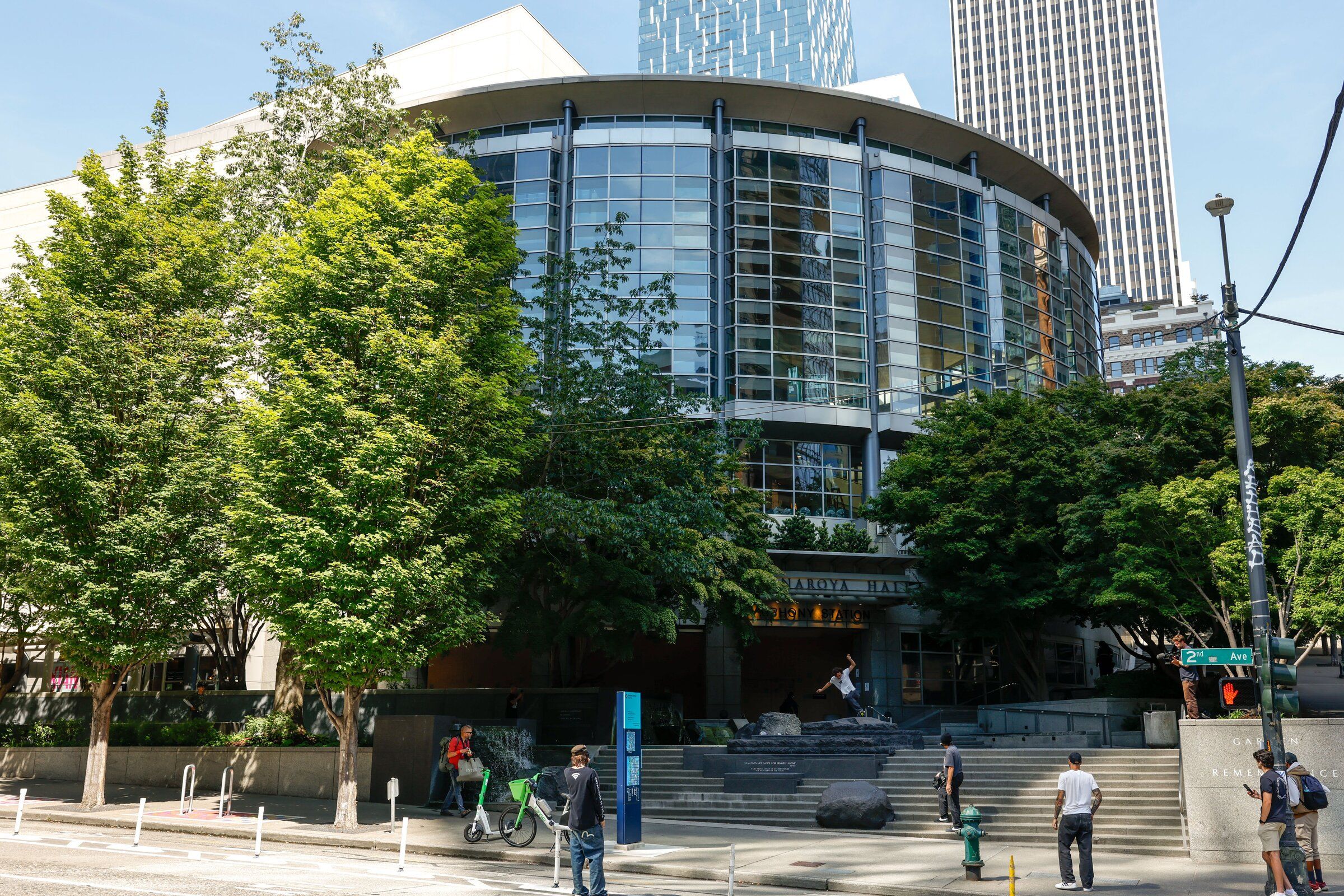




Based on: Seattle’s Benaroya Hall to debut $20M in renovations with season opener
Seattle Mayor Proposes Reducing the City’s Dependence on the Tech Industry
After the pandemic, Seattle has experienced a noticeable decline in its former appeal. More than a third of downtown office buildings are vacant, while companies are moving some operations to nearby Bellevue and other cities, including Nashville, where the tax and regulatory environment is seen as more favorable. City officials are also facing criticism over tax policy, public-safety problems and strained relations with business.
A 129-page report released by Mayor Katie Wilson warns that Seattle’s heavy reliance on the technology sector could have serious consequences. Artificial intelligence and other changes are already transforming the tech labor market, while a potential loss of workers, companies and professional expertise would be extremely difficult to offset.
The concentration of tax revenue is a particular concern. About three-quarters of the JumpStart tax, which applies to large employers with highly paid employees, is paid by just 10 companies. This city payroll tax applies to businesses with high gross revenue, with the rate determined by average pay: the higher the wages, the greater the tax. The revenue is used in part for affordable housing, homelessness assistance and economic recovery.
The main burden falls on tech giants because they combine high revenues, thousands of highly paid workers and substantial payrolls. As a result, layoffs, the relocation of jobs or weaker financial performance at one or two companies could have a significant impact on the city budget.
In response, Wilson announced measures to diversify the economy. The city plans to create a task force made up of representatives from business, labor unions and other organizations, as well as a strategic initiatives fund to support innovation in fields such as clean energy and advanced manufacturing. The mayor’s office intends to streamline permitting so companies can open and expand more easily. However, the task force’s membership, the size of the fund and its sources of financing have not yet been determined.
The report says Seattle’s economy is 42% more exposed than the national average to risks associated with the adoption of AI. High local taxes could make it even harder to attract employers, professionals and entrepreneurs, particularly amid competition from Bellevue.
Bellevue is located in the same Puget Sound technology region, has well-developed infrastructure, access to skilled workers and is close to Seattle. At the same time, the city has no full equivalent of Seattle’s JumpStart payroll tax. Instead, it relies on the statewide business and occupation, or B&O, tax, while local fees and regulations are viewed in some cases as more moderate and predictable. Bellevue is also actively expanding office and residential construction. Its advantage does not lie in lower costs — real estate and labor remain expensive there — but in the combination of proximity to the talent pool, infrastructure and a more stable business environment.
Amazon offers a telling example: from 2020 to 2024, the company increased its Bellevue workforce by nearly 12,000 employees, while its Seattle headcount fell by roughly 10,000.
The mayor’s initiatives face political tensions. Business groups are calling for lower taxes and improved public safety, while Wilson’s progressive supporters consider tax revenue essential to funding housing and social programs. More than 30 employers, including Costco and Starbucks, have already urged the mayor to take stronger action on safety problems.
Wilson acknowledges that the tax burden can encourage companies to move jobs elsewhere, but she has not yet promised to reduce it. Business representatives will be watching the city budget closely: new or higher taxes could undermine confidence in the economic recovery plan and intensify competition from Bellevue.
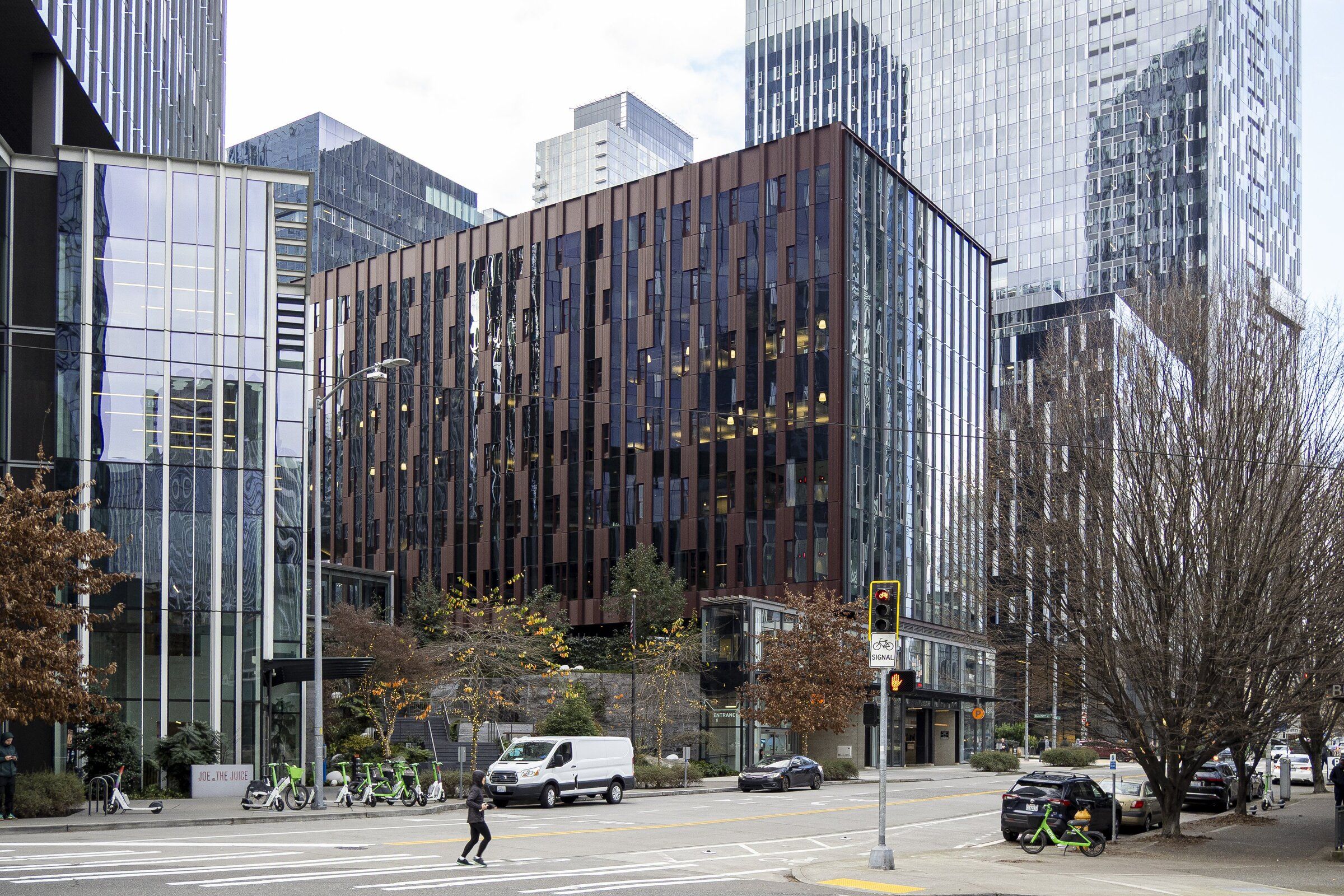
Based on: Seattle mayor wants to diversify the city’s tech-dependent economy
Major road restrictions ahead for Seattle drivers
Five highway locations in the Seattle area will have reduced capacity this weekend because of construction. The biggest source of congestion will be the closure of the express lanes on the lower deck of the I-5 Ship Canal Bridge, with traffic restricted from 11 p.m. Friday until 5 a.m. Monday. Crews will install drainage pipes and utility vaults, and drivers will be unable to use the express lanes to bypass work on the two northbound lanes of the upper deck, which will continue through December as part of the Revive I-5 project. Congestion is expected to begin as far south as Beacon Hill. Planned restrictions on I-90 in Bellevue and overnight slowdowns on I-405 in Bothell have been postponed because of rain. Meanwhile, the eastbound Highway 520 exit to Montlake Boulevard will close for about a week to prepare for demolition of the old ramp, while in Kirkland, Northeast 85th Street and the I-405 ramps will be closed for the weekend. On the First Avenue South Bridge, the northbound direction and the high-occupancy vehicle lane will be restricted in alternating periods Saturday and Sunday.
In addition, westbound I-90 between Mercer Island and Seattle will be fully closed from 10 p.m. Friday until 6 a.m. Saturday for scheduled maintenance in the Mount Baker Tunnel. On Sunday, a new two-mile section of Highway 167 in Fife, between Highway 509 and I-5, will open; tolls will begin in December. Public transit will continue operating as usual, including Sound Transit light-rail trains across Lake Washington and between downtown Seattle and Lynnwood. The transit agency is also preparing for an influx of fans attending the Washington Huskies’ game against Utah State and is working to prevent a repeat of the recent train stoppage after the Apple Cup, which preliminary assessments attributed to a mechanical failure.
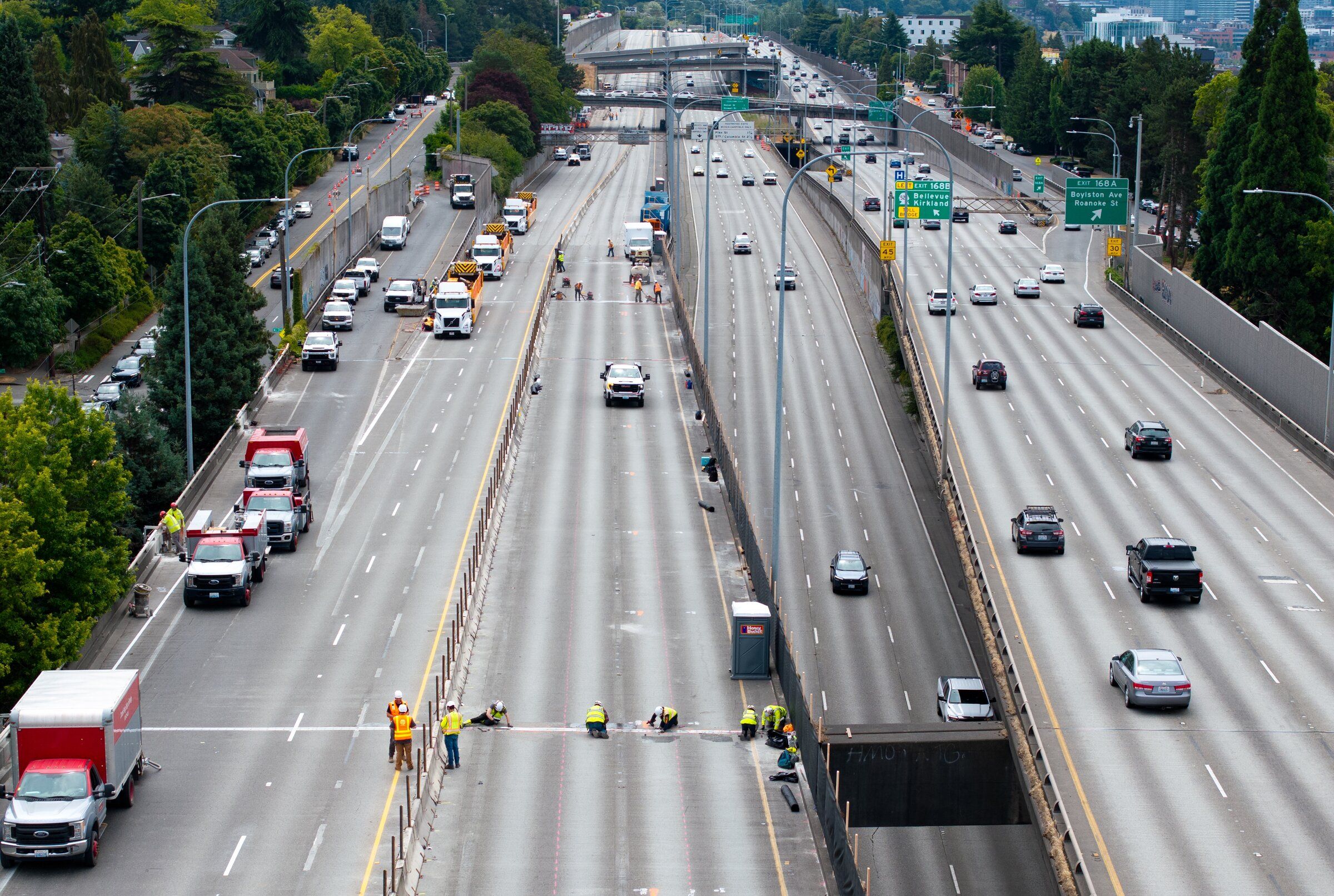
Based on: Seattle losing highway lanes this weekend; Bellevue gets reprieve
Seattle Council Demands Mayor Explain Police Chief’s Dismissal
As Seattle Mayor Katie Wilson tries to move past the political scandal that erupted after the deadly shooting at the Bite of Seattle festival, some City Council members are bringing the issue into the public spotlight and continuing to demand answers about the police chief’s firing.
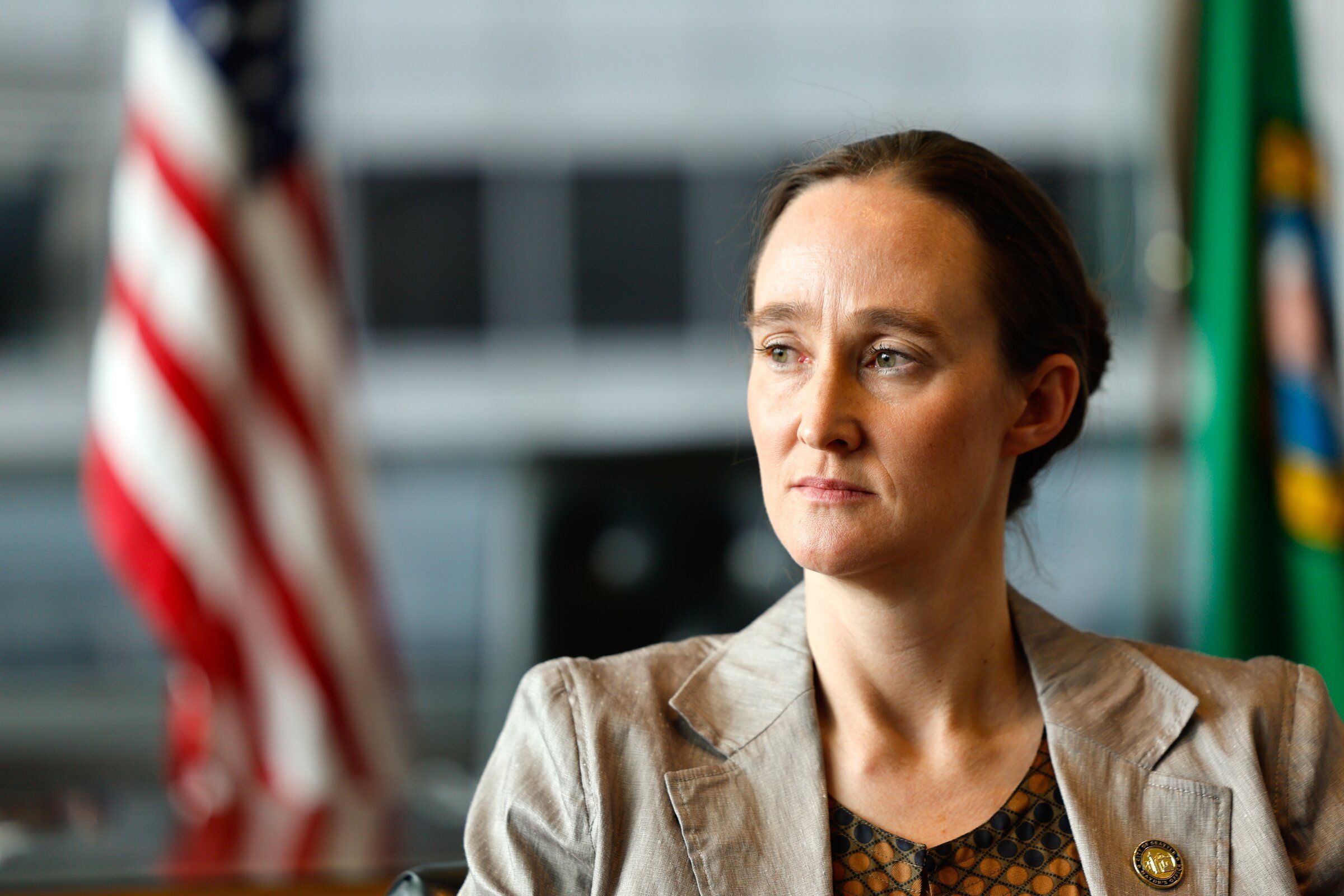
Based on: Seattle council member still wants Wilson to explain police chief’s dismissal
Seattle Safety: Businesses Demand Action as City Responds to Tragedy
Seattle’s business elite is demanding decisive safety measures from the mayor as polls show residents’ distrust—and a downtown fight claims the life of an elderly man.
Seattle Between Reports and Anxiety: Mayor Wilson Responds to Business, but Poll Numbers Speak for Themselves
When more than 30 executives from the region’s largest companies—from Microsoft and Costco to the Seattle Mariners and Alaska Air Group—sign a joint letter to the mayor and City Council, it is no ordinary petition. It signals that the city’s business elite is running out of patience. That is what happened in Seattle, where the business community demanded decisive action on public safety from Mayor Katie Wilson and council members. The letter, published on the Seattle Chamber of Commerce website, amounted to an ultimatum: either the city moves from planning to concrete steps, or the business community will stop believing that municipal authorities are capable of restoring order to the streets.
The mayor’s response was swift. On Thursday afternoon, Wilson issued a statement thanking the business community for its concern while making clear that many of its demands were already being addressed. She said that over the past nine months, the city had increased police presence in several neighborhoods—Rainier Beach, Chinatown–International District, Little Saigon, North Aurora, and Belltown. The city had also made “street-level” investments in Chinatown and allocated resources to Little Saigon. The mayor emphasized that officials were working with residents and business owners to change the built environment and reduce gun violence, had installed barriers along Aurora Avenue, were revising the parking configuration in Belltown, and had more than doubled the operating hours of crisis-response services. Regarding the shortage of officers, Wilson said that 3,500 police applicants were in the hiring pipeline and that the city was actively searching for a new police chief.
“Seattle is moving forward, step by step,” she wrote. “While any violence is too much violence, it is important to understand that police data show shootings and homicides are at their lowest levels in a decade. And yet there is still too much crime and disorder, and people have every right to be disappointed.” The mayor added that she wanted to see progress “faster and more consistently” and called for joint, transparent work toward a “comfortable, safe, and prosperous Seattle.”
Behind that optimistic facade, however, lies a far more troubling picture revealed by a poll conducted August 17 among registered Seattle voters. According to data cited in the business leaders’ letter, only 34% of respondents were confident that the city had an effective public-safety plan. At the same time, an overwhelming majority supported specific measures but remained skeptical about City Hall’s ability to implement them. “Voters are demanding action, with timelines and measurable results,” the letter states. The gap between residents’ expectations and their lack of faith in the government’s effectiveness is perhaps the clearest indicator of the current state of city administration.
What exactly are the signatories demanding? The list is extensive: increased investment in public safety, the launch of a closed-circuit television (CCTV) system, development of a clear action plan, reduced response times for 911 calls, arrests of illegal-drug users who repeatedly refuse treatment and shelter, and a ban on homeless encampments within 250 feet of parks and playgrounds. The business community insists that the mayor and council incorporate these priorities into the city budget. “A credible public-safety plan and a budget that protects the investments behind it are inseparable,” the letter emphasizes. “Seattle voters have made clear that they expect both. We are ready to be partners.”
The letter was signed not only by Microsoft, Costco, the Mariners, and Alaska Air, but also by Zillow Group, Puget Sound Energy, Weyerhaeuser, Starbucks, Nordstrom, T-Mobile, Vulcan Real Estate, Russell Investments, Fred Hutchinson Cancer Center, Kaiser Permanente, as well as the Seattle Chamber of Commerce, Challenge Seattle, Washington Roundtable, and dozens of other organizations. This broad coalition—from technology giants to hospitals, venture capital firms, and restaurants—shows that safety is no longer an industry-specific concern but has become a citywide issue.
Particularly revealing was the comment from Anthony Anton, president and CEO of the Washington Hospitality Association. In an interview with KIRO Newsradio, he said the city had performed exceptionally well during the World Cup but had since begun to lose ground. “We set ourselves at such a high global level, and it seems like we’re starting to slip backward again,” he said. “The safety of our employees and guests truly affects the people we care about and the city’s economic condition.” His words are not an abstract complaint but a reflection of a very specific fear: Seattle risks losing a reputation it worked so hard to build.
Against this backdrop, a political conflict is also unfolding between the mayor and City Council. Next week, the council plans to vote on a resolution to reduce gun violence, which Wilson called “grandstanding and political theater” in an interview with KUOW. The resolution’s author, Councilmember Maritza Rivera, responded to KIRO Newsradio: “I’m disappointed that it took her this long to say what her response will be and what she intends to do about all the shootings we’ve seen in the city.” Her measure calls on the city to work with national experts who have helped reduce violence in other cities. Wilson, for her part, has promised to present her own strategy for combating gun violence and an update on shelter expansion next week.
Several points require clarification. By “changes to the built environment,” the mayor does not mean merely cosmetic improvements, but urban-planning measures that criminologists believe can reduce crime: better lighting, transparent storefronts, and the removal of secluded corners and abandoned spaces. The concept of “crisis-care responders” refers to civilian mental-health and crisis specialists who respond to calls instead of, or alongside, police; increasing their hours is an attempt to relieve officers of duties outside their core role. As for the 3,500 police applications, the number may sound impressive, but it does not guarantee that all applicants will pass the screening and training process—or, more importantly, that the city will be able to retain them.
The central paradox in Seattle is that both sides—the mayor and the business community—cite data but interpret it differently. Wilson points to homicides and shootings falling to their lowest levels in a decade, and that is probably true. But the poll shows that 66% of voters do not believe the city’s plan is effective, while business leaders are calling for faster action. This is a classic gap between statistics and perception: people may feel unsafe even when serious crime is formally declining, particularly when everyday experience is shaped by minor offenses, open drug use, and homeless encampments.
Another important factor is the budget. The business community directly links the safety plan to funding, implying that without money, any strategy will remain on paper. This raises the question: is the council prepared to reallocate funds, and is the mayor willing to support the measures the business community considers priorities, even if they conflict with her own agenda? For now, with Wilson calling the council resolution “political theater” and Rivera accusing the mayor of moving too slowly, it appears that city leaders are spending more energy on internal disputes than on solving the problem.
In the final analysis, Seattle’s largest employers—whose taxes and jobs are essential to the city’s prosperity—have publicly expressed a lack of confidence in the municipal government. The mayor has responded in a conciliatory tone, listing what has already been done, but the public-opinion poll weakens her argument. Next week, Wilson will present her strategy for combating gun violence, and it will be a moment of truth: either she will offer a concrete, funded, and measurable plan acceptable to both businesses and voters, or the conflict with the council and business community will deepen. Like many American cities, Seattle finds itself caught between progressive reforms and demands for order. How it escapes that trap will be closely watched far beyond Washington State.
Downtown Seattle Tragedy: Westlake Park Fight Ends in the Death of an Elderly Man
At the heart of Seattle, a tragedy in Westlake Park has once again raised questions about safety in public spaces and how quickly a chance argument can lead to irreversible consequences. A 67-year-old man died Thursday morning after a fight with a younger opponent. The incident, captured by a surveillance camera, is under investigation, and its circumstances are causing concern among local residents and law-enforcement officials.
According to information published in a KIRO 7 news report, a witness called 911 at about 6:45 a.m. to report a fight between two men. The caller said that one of the participants was shouting and calling for help. While officers were on their way, the same witness noticed that one of the men had stopped moving. When police arrived at the park, they found the 67-year-old man without a pulse. Despite immediate resuscitation efforts, Seattle Fire Department medics pronounced him dead. The second participant, a 39-year-old man, was quickly located and taken into custody.
A surveillance-camera recording from nearby has become a key element of the investigation. Detectives say the footage will be crucial to establishing exactly what happened. It remains unclear what caused the confrontation and which actions led to the fatal outcome, but the existence of video could significantly affect the course of the case. Seattle police are asking anyone with additional information to contact them at (206) 233-5000.
This case is more than a crime report. It highlights several important aspects of urban life. First, violence in public spaces can occur at any time of day, even early in the morning. Westlake Park is a popular downtown location, making the incident there particularly concerning. Second, the age difference between the participants—67 and 39—may point to an imbalance of strength, making questions about self-defense and the limits of permissible force especially pressing. Third, the suspect’s quick arrest demonstrates the police response, but also underscores the fact that the tragedy had already occurred.
For the local community, the event is a reminder of the fragility of human life and the need to remain attentive to what is happening around us. For law enforcement, it is another test of the ability to investigate quickly and objectively when witness accounts and video footage may conflict. Finally, for the city as a whole, it is an opportunity to consider which violence-prevention measures are working and which need to be reconsidered.
As the investigation continues, many details remain unknown: what exactly happened between the men, whether they had a history of conflicts, and what injuries the victim sustained. Answers will emerge after investigators review camera footage and the results of the medical examiner’s examination. But it is already clear that this incident will not become merely another line in a statistical report—it touches on the real fears and expectations of residents who want to feel safe in public spaces.
Death in Downtown Seattle: What Lies Behind the Westlake Park Tragedy
Early one morning in the heart of Seattle, a tragedy in Westlake Park once again prompted residents to discuss safety downtown. A 67-year-old man died after a fight with another person, and police are now trying to reconstruct what happened using witness accounts and camera footage. This incident is more than a crime brief; it is another signal that the atmosphere in Seattle’s central neighborhoods remains tense and that authorities are being forced to respond to public concerns.
According to the Seattle Police Department, at about 6:45 a.m., a witness near the park called 911 and reported that two men were fighting and that one of them was screaming for help. While officers were en route, the caller noticed that the 67-year-old man had stopped moving. Responding officers found him without a pulse and began resuscitation efforts, but arriving medics pronounced him dead. The second participant, a 39-year-old man, was located and detained. Cameras operated by the Real Time Crime Center nearby captured the incident; SPD considers the footage “key” to the investigation. Homicide detectives and crime-scene specialists worked at the scene and must now establish all the circumstances leading up to the man’s death.
The incident is particularly troubling against the backdrop of a recent wave of violence in the city. Police have openly acknowledged the community’s concerns and promised an increased presence: uniformed officers will patrol the West Precinct, including downtown and Belltown, in cars and on bicycles. This “high visibility” is intended not only to reassure residents but also to prevent further incidents. Anyone with information is asked to call (206) 233-5000. For readers unfamiliar with the American system, the West Precinct is one of Seattle’s five police precincts and is responsible for the central part of the city. The Real Time Crime Center is a monitoring hub that analyzes camera data in real time and helps detectives respond to crimes more quickly. Westlake Park, where the incident occurred, is a small green space in the business district, near shopping areas and transit stops; it is usually busy in the morning, which is why the fight and cries for help were noticed almost immediately.
The key point is that the death did not result from a knife or firearm, but from a fight—underscoring the vulnerability of older people and the unpredictability of street confrontations. The detained man is 39, and investigators must now determine his motives and degree of responsibility. It is also significant that cameras captured the incident: in an era when the public demands transparency, such footage can become decisive evidence. Finally, SPD’s response—increased patrols—shows that the city views what happened as part of a broader problem rather than an isolated episode. For Seattle residents, this means there will be more police downtown in the near future, but it remains an open question whether the overall crime situation will change. For now, one thing is clear: a morning argument in a park claimed a man’s life and once again reminded the city of the fragility of urban safety.


News 10-09-2026
26th District House race will test the area’s political shift
The upcoming contest for a vacant Washington state House seat representing the 26th Legislative District could affect Democrats’ ability to expand their already substantial majority in Olympia. At the same time, the election will show how much the political preferences of this historically competitive district have changed.

Based on: WA’s 26th Legislative District House race tests its political shift
Seattle at a Crossroads: Scandals and Economic Challenges
Seattle is facing a crisis of trust and economic uncertainty: a scandal involving the head of the Office for Civil Rights exposes the complexities of understanding workplace harassment, while Mayor Katie Wilson is launching a task force to support businesses amid a “fragile moment” and the city’s dependence on tech giants vulnerable to AI-driven transformation.
When a Work Outing Becomes a Battleground: What Lies Behind the Scandal Involving Seattle’s Civil Rights Chief
A story that may initially seem almost anecdotal actually exposes deep and painful questions about how we understand workplace harassment and where the line lies between a poor managerial decision and a crime. The case involves Derrick Wheeler-Smith, director of Seattle’s Office for Civil Rights, who was placed on paid administrative leave after an investigation found that he had sexually harassed a subordinate. The allegation is that during a city business trip to Alabama in 2023, Wheeler-Smith accompanied his subordinate to a strip club. The employee told investigators that he did not feel able to refuse because Wheeler-Smith was his supervisor. Wheeler-Smith, in turn, says he went only because the employee allegedly said he would not go without him. That detail—who actually persuaded whom—became the starting point for a heated discussion on KIRO Newsradio, where hosts Gee Scott and Angela Poe Russell tried to examine the story not only from a legal perspective but also from a human one.
Gee Scott, co-host of The Gee and Ursula Show, made it clear from the outset that he had serious doubts about this version of events. In his analysis for MyNorthwest, he stated directly that sexual harassment is unacceptable in any setting, regardless of the participants’ gender, especially when the workplace is involved. But he then added what became the refrain of the entire discussion: “It doesn’t smell right. This story just doesn’t smell right.” He said that in fifty years of life, he had never seen anyone forced to go to a strip club. He agreed that a supervisor going to a strip club with a subordinate was wrong and unprofessional, but in his view, inappropriate behavior was not automatically sexual harassment. Gee also pointed to what he saw as a troubling pattern: too many disputes involving Seattle city departments ended with talk of lawsuits. “Is it just me, or is everybody begging for a damn lawsuit?” he asked rhetorically, suggesting that some complaints might be motivated less by a desire to protect one’s rights than by the pursuit of financial gain.
His colleague, Angela Poe Russell, initially supported that line of reasoning, observing that the situation looked as though someone had been caught on a technicality. She emphasized that she took sexual harassment seriously and disliked seeing a tool created to protect people used for personal or political purposes. But then she asked a question that shifted the course of the discussion: “If a woman said she felt pressured and had to go, would that change anything for you?” Gee Scott did not evade the question and admitted that she had caught him in a double standard. He honestly said that even if the story still seemed suspicious to him, he would not have admitted that on the air, but he had to agree that his judgment was based solely on personal experience. The fact that he had never seen a man forced to go to a strip club did not mean that such a thing never happened. This became a crucial moment because it showed how easily personal experience can become bias when gender roles and power dynamics are involved.
The hosts then moved from the specific case to a broader topic: workplace communication culture and the risks associated with informal events, office parties, and business trips. Angela offered unequivocal advice: do not drink alcohol with colleagues, because intoxicated people say things they later regret. Gee went even further, arguing that in light of endless lawsuits and complaints, after-work happy hours should perhaps be banned altogether, and that conversations about acceptable boundaries needed to be reconsidered from the ground up. He recalled advice from his late father, who had warned him even before the #MeToo movement: “Never try to date a woman at work.” Gee did not understand the meaning of those words at the time, but now considers them prophetic. He warned that the illusion of confidentiality in informal settings was dangerous: alcohol creates a false sense that something said outside the office will not return to the workplace, but people love gossip—both those who listen to it and those who spread it.
To clarify the issue, several points are worth explaining. In U.S. employment law, the term “sexual harassment” covers not only direct sexual advances but also the creation of a hostile work environment and situations in which a subordinate feels unable to refuse an unwanted activity because of fear of losing their job or damaging their relationship with management. That is the basis of the allegation against Wheeler-Smith: no one physically forced the employee to go to the club, but the power imbalance made refusal practically impossible. “Paid administrative leave” means that a person has been temporarily removed from their position while continuing to receive a salary during the investigation. Seattle officials promised an update in October, so the story is far from over.
The main conclusion from the scandal and its discussion on the air is that the line between inappropriate behavior and a legal violation is often determined not only by the action itself but also by the power dynamics, intentions, and subjective experience of the person in a vulnerable position. Gee Scott, who began by doubting the credibility of the allegation, ultimately acknowledged the limitations of his own perspective. That admission was perhaps the most honest moment of the entire discussion. It serves as a reminder that even experienced people who are confident in their own judgment may fail to notice when their personal ideas about what is normal quietly replace an objective assessment. Behind the catchy phrase about the story not “smelling right” lies a much more complicated question: who gets to decide what constitutes harassment, and why—and what is merely a bad decision made by adults after a couple of drinks?
Seattle Searches for a New Economic Foundation: Mayor Launches Task Force Amid a “Fragile Moment”
Seattle Mayor Katie Wilson has announced the creation of a special task force intended to help businesses “open, stay and grow” in the city. The move comes amid troubling economic conditions: technology companies are cutting staff, offices sit empty, storefronts are boarded up, and business activity is gradually shifting to Bellevue and other suburbs. Wilson has directly described the current situation as a “fragile moment” and signed an executive order launching a yearlong process to develop recommendations. Yet questions are already mounting around the initiative, from its funding sources to the possibility of higher taxes on businesses.
The order directs the task force to propose measures to strengthen the city’s economy and build what the mayor calls “a resilient Seattle economy.” According to Wilson, the city can no longer take rapid growth for granted and must seek new paths through collective effort. The plan is expected to take roughly a year, but its cost and funding sources remain unclear. It is also possible that businesses themselves will have to bear part of the expense. When a KOMO News reporter tried to ask the mayor about possible new or higher taxes on businesses, staff members led her away, citing a lack of time. That detail speaks volumes about how sensitive the tax issue is under current conditions.
The context is genuinely difficult. An independent economic assessment conducted by the consulting organization Formation called Seattle a “superstar innovation hub” while simultaneously expressing doubts about the city’s readiness to take advantage of its strengths. Ryan Donahue of Formation put it this way: Seattle is “economically much better positioned for the medium term than I think most people realize, and institutionally less well equipped to take advantage of this moment.” In his view, growth cannot rely solely on attracting highly paid workers from elsewhere, as that only drives housing costs higher. “But the math ultimately only works if this is accompanied by real efforts to include Seattle’s workers and entrepreneurs in the industries driving the next wave of growth,” Donahue emphasized. This point is essential to understanding the problem: it is not enough for the city to remain attractive to outside talent; it must also create pathways for its own residents.
The initiative includes several specific areas of focus. City departments are expected to coordinate more closely to help businesses by speeding up permits, reducing barriers for startups, filling vacant commercial spaces, expanding housing construction, and improving access to child care. Wilson also directed the Office of Economic Development (OED) to develop a plan for a strategic investment fund that would provide flexible capital to support businesses in key industries. “This part of the order directs OED to plan a strategic initiatives fund. It will be intended to deploy flexible capital in support of businesses in key industries,” the mayor said. However, with the city facing a projected budget shortfall of $175 million by 2027, any discussion of new funds inevitably raises the question: where will the money come from?
John Schoales, head of the Downtown Seattle Association, which represents more than 600 businesses and nonprofit organizations, attempted to answer that question. He offered a more critical assessment, calling the city’s economy sluggish. Asked about possible new taxes, Schoales was direct: “I think more taxes means fewer jobs in Seattle, and that’s what we’ve seen over the last six or seven years. That’s why we’re losing to Bellevue in many respects.” At the same time, he thanked the mayor for her leadership and called the initiative a good beginning: “I think this is a positive first step. There’s a lot of work ahead, but we seem to have recognized the reality we’re facing in Seattle today, which is that we’ve plateaued in terms of job growth. And we have a city government saying it wants to do something about it, so we have to take them at their word and engage with them.”
The task force will begin meeting next month. Its first recommendations are due to the mayor in February, with final recommendations expected a year later. Beto Yarce, director of the Office of Economic Development and head of the task force, conveyed the mayor’s message: “Seattle is truly open for business.” Wilson added that broader efforts would include reducing homelessness and drug use, as well as improving public safety. These issues are closely intertwined with the economy: without addressing safety and quality-of-life problems downtown, it will be difficult to bring office workers back and revive commercial streets.
Several concepts in this material may require explanation. The term “superstar innovation hub” refers to a city that attracts talent, capital, and companies through the concentration of technology industries and research centers. “Institutionally less well equipped” means in this context that city government, regulation, and infrastructure are not keeping pace with the economy’s potential—for example, permitting bureaucracy or a lack of affordable housing may be slowing growth. A “strategic initiatives fund” is a mechanism through which a city pools resources and distributes them as flexible capital—not strictly according to budget categories, but for specific projects in priority industries. A “$175 million shortfall by 2027” means that city spending will exceed revenue by that amount if nothing changes, meaning any new program will require either cuts elsewhere or new sources of income.
The key insight is that Seattle has become trapped by its own success: growth that seemed unstoppable for decades is now stalling, while the city’s institutions are not prepared to adapt quickly. Technology layoffs, empty offices, and the flow of business to Bellevue are not temporary phenomena but signs of a structural shift. It is telling that even a representative of the business community, while supporting the mayor’s initiative, warns that new taxes will accelerate the loss of jobs. This leaves Wilson with a difficult choice: find money amid a budget shortfall or persuade businesses that investments in resilience will pay off.
Another important theme is the emphasis on inclusive growth. Donahue explicitly says the economy will not hold up if the city relies only on highly paid newcomers. That means the task force will have to think not only about attracting companies but also about training local workers, supporting small businesses, and expanding affordable housing. For now, however, the specifics are limited to broad formulations: speeding up permits, reducing barriers, and filling vacant spaces. How effective these measures will be—and who will pay for them—will not become clear until February, when the first recommendations appear. One thing is already clear: Seattle is entering a period in which its traditional growth model no longer works, and the city must find a new balance among the interests of businesses, residents, and fiscal reality.
Seattle Trapped by Big Tech: What Mayor Katie Wilson Is Proposing
Seattle, a city widely regarded as one of America’s major technology centers, is facing a problem that it once preferred not to discuss openly. A new study of the business climate, commissioned by the administration of former Mayor Bruce Harrell and published Wednesday, depicts an economy that looks successful only at first glance. The report published and covered by KUOW prompted current Mayor Katie Wilson to sign an executive order aimed at reversing the troubling trends. Wilson, who succeeded Harrell, now has to respond to the findings of a document prepared under her predecessor.
The study’s main conclusion sounds like a warning: Seattle is dangerously dependent on a small handful of large companies. This makes the city vulnerable to systemic shocks, and the clearest example of such a shock today is artificial intelligence. The report states that “Seattle is 42% more exposed to AI transformation than the national average.” The concern is that automation and new generative AI tools could displace a significant number of jobs, particularly in software development. Nationally, the number of openings for young developers has already fallen by 20%, while employment among workers aged 22 to 25 in positions the report identifies as “AI-exposed” has dropped by 18%. For Seattle, where software engineering is the backbone of the economy, these figures represent not an abstract threat but a concrete risk.
The concentration of the market makes the problem even more acute. According to the report, just four large firms account for a quarter of all software engineering jobs in Seattle. By comparison, San Francisco has 39 such companies, while San Jose has 18. This structure means the city’s tax base is extremely undiversified. If even one of these companies decides to reduce its workforce or move some operations elsewhere, the consequences for Seattle’s budget could be severe. As the report puts it, “giants fall hard”: the loss of jobs at major technology firms would bring both rising unemployment and a sharp decline in tax revenue.
At the same time, Seattle’s startup culture remains healthy, according to the study’s authors. The problem begins at the next stage. When promising companies reach medium size, they leave the city. The high cost of living contributes to this, although life is even more expensive in San Francisco and San Jose. The real reason is different: venture capital that should be fueling Seattle’s AI startups is flowing to the San Francisco Bay Area, where similar companies are concentrated. According to a recent Redfin study, this helps explain a curious divergence: housing prices are rising in San Francisco while falling in Seattle.
The fiscal side of the issue makes the picture worse. Seattle relies heavily on the JumpStart tax, introduced several years ago specifically for large employers, as well as the business and occupation tax, or B&O tax. This creates a vicious circle: the more the city depends on these revenues, the more closely it is tied to its technology giants—and the more vulnerable it becomes to changes in their hiring policies. The report emphasizes that “Seattle is very heavily dependent, financially and economically, on a few firms,” adding an important nuance: “business taxes in Seattle are not high compared with peer cities, but they have grown quickly, and their structure discourages tech hiring.” In other words, the tax system itself is working against the economic base it is supposed to support.
Mayor Katie Wilson’s response was Executive Order 2026-06, signed immediately after the report was published. Its goal is to retain companies that grew out of local incubators and are ready to move to the next stage. The order directs the Office of Economic Development to propose the creation of a “Financial Development Institution” called the “Seattle Strategic Initiatives Fund.” The fund’s operating mechanisms have not yet been detailed, but it is intended to have the ability to invest directly in startups. The report cites Chicago and New York as models, where public resources have been used to develop priority economic sectors. Wilson and her team are particularly highlighting clean technology as the most promising area for expansion—the study does identify that sector as having significant growth potential.
The mayor’s second strategic priority is lowering the cost of child care. This is not a secondary issue but one of the main factors driving the city’s high cost of living. For growing startups that need to hire more employees, the availability and cost of child care have become real obstacles to expansion. Wilson appears to view this measure as part of economic policy, not merely social policy.
The business community’s response was cautiously positive. John Schoales, CEO of the Downtown Seattle Association, said he was encouraged by the mayor’s attention to the problems facing the city’s businesses. “The current economic performance of Seattle is best described as sluggish,” he said. “Seattle is losing jobs while other cities are experiencing double-digit employment growth.” Schoales stressed the need for regional and national competitiveness and stated his view of fiscal policy in unequivocal terms: “One thing is certain: Seattle does not need new business taxes; we need more businesses in Seattle paying taxes.”
Seattle’s situation is a classic trap of success taken to an extreme. The city built its economy around several giants and has now become hostage to their decisions, technological shifts, and global competition for venture capital. Wilson’s plan, which calls for creating an investment fund and reducing the cost of child care, is an attempt to diversify the economy and retain midsize companies. But the scale of the problem may be too great for executive orders alone. Focusing on clean technology is reasonable, but for Seattle to stop being a city that grows companies for San Francisco, it will need not only financial infrastructure but also a rethink of tax policy, a lower cost of living, and perhaps a change in the mindset of city government itself. For now, the report records a discouraging reality: a city accustomed to seeing itself as an engine of innovation risks running out of fuel.
Seahawks Win NFL Opener as Murder Reported Downtown
The new NFL season began in Seattle with the Seahawks defeating the Patriots 13–10. Drew Lock replaced the injured Sam Darnold and became the hero of the game, while the Seahawks’ defense recorded three interceptions. That same morning, a fight in Westlake Park downtown ended with the death of a 67-year-old man. Police detained a 39-year-old suspect, and the investigation is ongoing.
Seahawks Defeat Patriots After Losing Darnold: How Drew Lock Saved Seattle in the Season Opener
The new NFL season began in Seattle with a game many had anticipated as a rematch of Super Bowl LX. Although it officially ended with the home team defeating the New England Patriots 13–10, the real drama centered not on the score but on the bench. The game, covered in detail by ESPN, began much as last season ended: the Seahawks’ defense made Drake Maye’s night miserable. This time, however, Sam Darnold suffered a hip injury on the opening possession, Drew Lock took over, and he became the hero of the evening.
Sam Darnold left the field after the very first drive with an injury to his right hip, and the situation initially looked concerning. After the game, head coach Mike Macdonald said the team had received “good news” and that a fracture had apparently been ruled out. According to ESPN’s Adam Schefter, Darnold was taken to Seattle’s Harborview Medical Center for a CT scan. The initial test was encouraging but inconclusive, and an MRI was scheduled for Thursday. While doctors determine the severity of the injury, the Seahawks can at least breathe a sigh of relief because their backup was ready for such a sudden change.
Drew Lock completed 16 of 22 passes for 187 yards and one touchdown, which was probably the best outcome Seattle could have hoped for after he was thrust into the game so unexpectedly. He avoided turnovers, made big throws and was especially effective in the second half. The key play was a 45-yard touchdown pass to Jaxon Smith-Njigba in the fourth quarter, which tied the game. Jason Myers then kicked a field goal to put Seattle ahead, and Mike Macdonald’s defense slammed the door shut: cornerback Josh Jobe intercepted Maye in the end zone while the Patriots were in position for a potential game-tying field goal. It was the Seahawks’ third interception of the evening.
Interestingly, new offensive coordinator Brian Fleury clearly trusted his backup quarterback. On fourth-and-one, he passed on a tush push with tight end A.J. Barner and instead gave Lock the opportunity to throw a touchdown pass to Smith-Njigba. The only thing hurting Seattle was three false-start penalties, which repeatedly put the offense in difficult situations. In the running game, the Seahawks used the expected committee approach. First-round rookie Jadarian Price rushed for 52 yards on 10 attempts and looked explosive, George Holani added 29 yards on eight carries, and Emanuel Wilson gained three yards on two attempts. That workload distribution will likely remain in place for at least the first four games while Zach Charbonnet begins the season on the physically unable to perform list.
The defense’s most unexpected hero was cornerback Nehemiah Pritchett. His fourth-quarter interception off a deflected pass gave the Seahawks possession, which ended with the game-tying touchdown. He also broke up an earlier pass. The third-year player serves as the team’s third cornerback, a position that was considered the defense’s biggest question mark entering the season after Seattle allowed the fewest points in the league last year. Trevon Diggs and potentially Terrion Arnold, who is on the commissioner’s exempt list, will compete with him, but performances like this one will help Pritchett hold on to his place in the lineup.
If the evening went well for Seattle, it became a nightmare for New England. In the third quarter, top receiver A.J. Brown left the game with a right ankle injury, depriving Drake Maye of his primary option and creating uncertainty over how long the team might be without him. Maye felt the loss acutely. The Patriots led 10–0 but squandered that advantage and eventually lost, largely because of his two second-half interceptions and a third that sealed the game.
The first interception came when Maye threw deep to Romeo Doubs, giving the receiver a chance to win a contested catch — a skill he had shown during training camp. Doubs then suffered an expensive drop on a pass that could have produced a first down, and immediately afterward Maye threw his second interception while looking for Pop Douglas over the middle on third-and-14. The Seahawks scored on both ensuing possessions — a touchdown and a field goal — before ending the game with the final interception. This was an unusual setback for Maye. Throughout last season, including the playoffs, he had only one game with two interceptions: the Super Bowl against the Seahawks. Notably, the Patriots played conservatively in the first half. According to ESPN analytics, only one of Maye’s passes traveled more than 10 air yards, while his other 11 throws totaled just 15 air yards. That approach may have been intended partly to protect the offensive line. However, both second-half interceptions came on deep throws.
The evening’s most disappointing player was Romeo Doubs. The Patriots signed the former Green Bay receiver to a four-year, $68 million contract in free agency during the offseason, and he became involved in two critical moments that hurt the team: Maye’s first interception and the drop that preceded the second. Doubs was expected to provide reliability, particularly after Brown left with an ankle injury early in the third quarter, but he did not deliver it. One interesting statistic: rookie tight end Eli Raridon, who opened the scoring with a two-yard touchdown reception from Maye, did not score a touchdown in 12 games for Notre Dame last season.
The Seahawks will travel to face the Arizona Cardinals on Sunday, September 20, while the Patriots will host the Pittsburgh Steelers on the same day. Seattle’s main questions concern Darnold’s health and how consistently Lock can perform if the starting quarterback’s injury proves serious. New England’s biggest questions are how quickly A.J. Brown will return and whether Maye can handle the pressure without his primary offensive target. Perhaps the evening’s biggest lesson was this: in the NFL, a season can be turned upside down in a single drive, and the team best prepared for the unexpected is usually the one that wins games like this.
Morning Fight Downtown Ends in Death as Police Investigate Westlake Park Homicide
A tragedy occurred in downtown Seattle, in one of the city’s busiest and most tourist-heavy areas, once again raising questions about street safety in the metropolis. On Thursday morning, two men got into a confrontation in Westlake Park, at the intersection of Fourth Avenue and Pine Street, that ended with one of them dead. Police classified the incident as a homicide and have already detained a suspect, but the motive and circumstances remain under investigation. For a city that has repeatedly found itself at the center of debates over rising street crime and the public-safety crisis, the incident was another troubling signal — particularly because it happened early in the morning just steps from the main shopping and business districts.
According to an official Seattle Police Department statement, a 911 call came in at approximately 6:45 a.m. A passerby reported that two men were fighting and that one of them was screaming for help. While officers were heading to the scene, the same witness said that one of the participants had stopped moving. Responding officers found a 67-year-old man without a pulse. Seattle Fire Department medics who arrived at the scene pronounced him dead. The suspect, a 39-year-old man, was detained by officers at the scene and taken into custody. Detectives are now determining what led to the fatal outcome. Possibilities range from a sudden argument to the potential use of a weapon, although that detail has not been officially confirmed.
According to police, a key element of the investigation will be footage from a camera installed as part of the Real Time Crime Center program — a video-surveillance system that allows operators to monitor activity in troubled areas of the city in real time and relay information to patrol officers and detectives. The department’s official statement emphasized that a nearby camera captured the incident and would “play a crucial role” in establishing what happened. This detail is important for two reasons. First, it demonstrates how extensively downtown Seattle is covered by cameras, which in theory should accelerate the clearance of crimes. Second, it raises the question of why tragedies cannot be prevented even when such surveillance is available: cameras record violence, but they do not stop it.
Several points may not be obvious to readers unfamiliar with the local context. The Real Time Crime Center is not simply a collection of cameras, but an analytical center where operators monitor video feeds around the clock and can immediately direct police to an incident. Westlake Park is one of Seattle’s principal public plazas, next to department stores, a monorail station and the Westlake Center transit hub. It is both a tourist attraction and a traditional gathering place for unhoused people and street vendors, making it a focal point in the city’s debates over order and safety. The mention of Mayor Katie Wilson in the original metadata is not incidental: since taking office, her administration has emphasized combating street crime and expanding the surveillance system, and the current incident will inevitably become an argument in that political debate. Finally, the age difference between the participants — 67 and 39 — may indicate an imbalance in physical ability, making the legal question of whether this was a fight between equal participants or an assault especially significant.
Officials have so far declined to comment on the cause of the confrontation, and the victim’s name has not been released pending notification of relatives. Police are asking anyone with information to call 206-233-5000. It is worth adding that incidents like this in downtown Seattle occur amid continuing debates over police reform, cuts to law-enforcement funding and rising rates of crimes against people. Each case becomes not only a criminal matter but also a political one. As a result, the answer to what exactly happened in Westlake Park early Thursday morning will matter far beyond the individual court proceeding.
Elderly Man Dies After Downtown Seattle Fight: What We Know So Far
The tragic incident occurred in the heart of Seattle, in Westlake Park, which has long been considered one of the city’s busiest and most troubled areas. An argument broke out there Thursday morning between two men, ending in the death of the 67-year-old participant. Police have not yet released details about the cause of the fight, the identities of those involved or whether the second participant was detained. Nevertheless, the location itself — Westlake Park — has been at the center of public debate for years over safety, homelessness and drug dealing downtown.
According to The Seattle Times, a 67-year-old man died Thursday morning after getting into a fight with another man. That brief description is virtually all that is known from official sources at this point. Police confirmed the death but did not say whether anyone had been arrested, whether a weapon was used or what exactly caused the confrontation. For readers unfamiliar with the area, Westlake Park is a small but extremely busy public space in downtown Seattle, surrounded by shopping centers, monorail stations and bus stops. In recent years, the park has gained a reputation as a place where altercations, thefts and public drug use frequently occur, making incidents like this, unfortunately, less unusual.
The key detail here is the victim’s age. At 67, he was of retirement age, and the possibility that he was a passerby or an older man who did not expect to be attacked increases the public impact of the case. At the same time, the lack of information about the other participant leaves important questions unanswered: Was the conflict domestic, criminal or triggered by outside circumstances? Until police release a report, any conclusions would be premature.
Nevertheless, the fact that a person died in the city center during the morning hours underscores a broader problem: perceptions of safety in downtown Seattle. After the pandemic, the city faced rising street crime and open-air drug dealing, and Westlake Park has repeatedly become the focus of criticism from businesses and residents. This case will likely revive questions about how effective current public-order measures are and how city officials plan to respond to tragedies like this. For the victim’s family, it is a personal loss; for the city, it is another signal that downtown safety requires close attention.
New Allegation Against Foundations Tied to Cesar Chavez
A former longtime volunteer with the United Farm Workers union has filed a lawsuit against foundations linked to the late civil rights and labor leader Cesar Chavez. In the complaint, the woman alleges that Chavez raped her one night in the 1970s at the union’s headquarters. The case is the latest public accusation against a prominent figure whose legacy is associated with the fight for farmworkers’ rights and the Latino community in the United States.

Based on: New Accuser Sues Foundations With Ties to Cesar Chavez
Murray condemns idea of subsidizing stay-at-home parents’ childcare
Democratic Sen. Patty Murray criticized the Donald Trump administration’s plans to allow married couples with one nonworking parent to receive federal childcare subsidies. The proposal would expand the existing Child Care and Development Fund, a program that has helped parents pay for daycare and nannies for decades so they can work or attend school. If adopted, the federal government would for the first time directly support married parents’ decision to stay home and raise their children.
Murray and other critics say that, with the program’s budget unchanged, new recipients would receive funding at the expense of working parents, particularly single mothers and other families who currently make up most participants. The senator called the initiative illegal and “a return to the past,” saying the government should not penalize people for being single parents or choosing not to marry. In her view, using scarce funds to advance a “culture war” is not family policy but merely reduces assistance for those who truly need it.
The $12 billion federal program helps approximately 1.3 million children nationwide. Washington state receives about $316 million, but support is available to only a small share of eligible families. According to an advocacy organization, about 87% of children eligible for subsidies in the state receive no assistance because of insufficient funding. At the same time, the average cost of care for a child under age 5 in Washington is approximately $18,700 a year, while infant care in King County, including the Seattle area, can cost more than $30,000. For a family of three, a subsidy can reduce the monthly copayment to about $165.
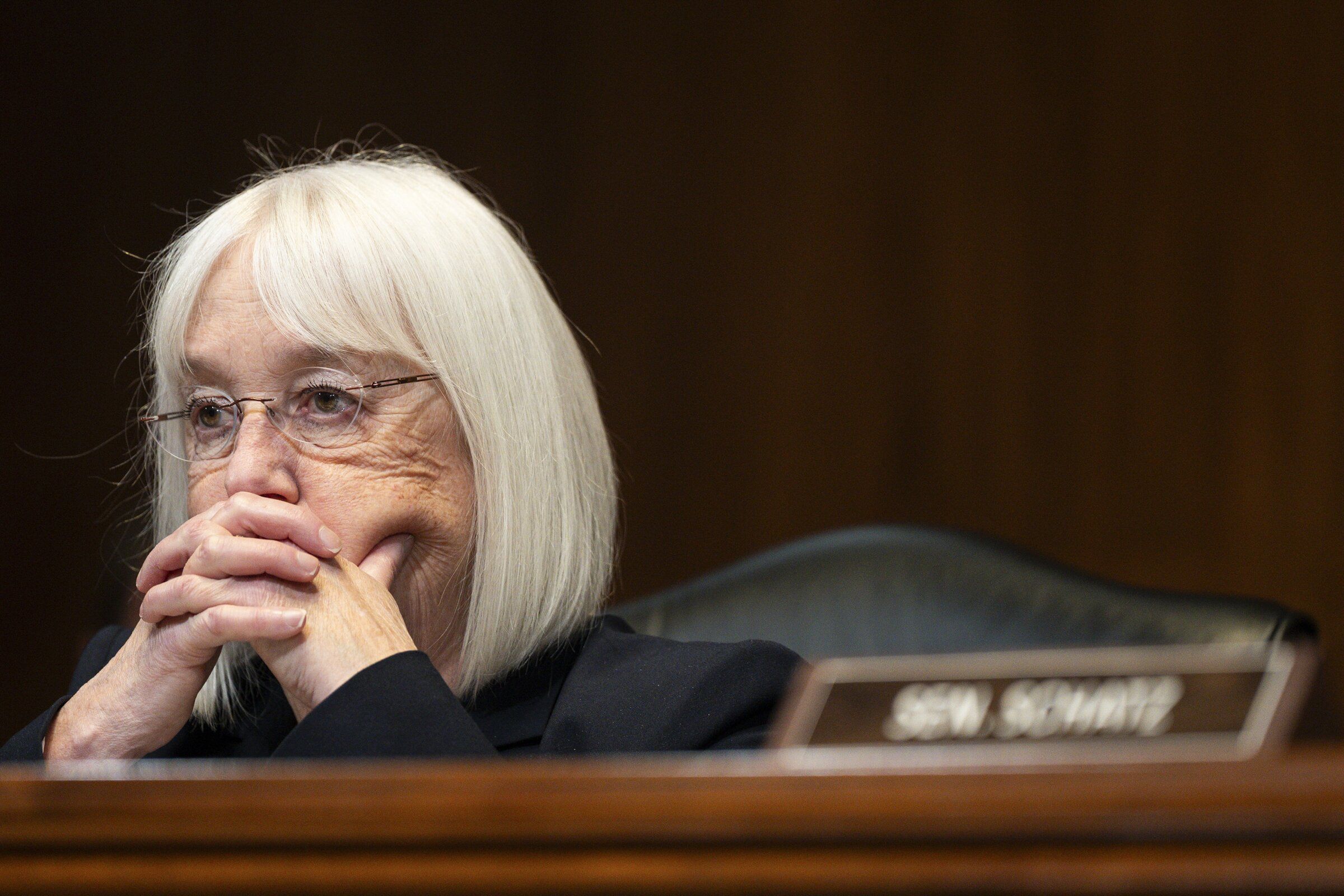
Based on: Murray slams Trump plan to pay stay-at-home parents childcare subsidies
Seattle: How Technology Is Changing the City
Seattle, a center of technology and innovation, is facing challenges ranging from impostor syndrome and a vacant downtown pit to economic instability requiring new strategies.
Seattle Is Tired of Being Modest: Why the City Needs to Believe in Itself
Seattle is not merely a city in the U.S. Pacific Northwest; it is one of the world’s centers of technology, science, and innovation. Amazon and Starbucks are headquartered here, Boeing builds airplanes here, and Blue Origin builds rockets here. The city is also home to some of the world’s leading research institutions and medical centers. Yet, as Jacob Kolker argues in his column for GeekWire, Seattle has a serious problem—not with its achievements, but with its self-esteem. A city accustomed to modesty and the “Seattle Freeze” has spent years allowing others to tell its story, even though it could be a powerful voice in the global competition for talent, investment, and attention. Kolker, co-founder and co-leader of AI House, urges the region’s residents and leaders to stop being pathologically modest and start openly taking pride in what is happening here. His argument is simple: reputations are built from stories, and stories are built from the everyday choices of everyone who lives and works in Seattle.
In his column for GeekWire, Kolker compares Seattle to his mother, who grew up in Tarnów, Poland, emigrated to the United States in 1978 to escape communism, but nearly half a century later remains “very, very Polish.” She regularly sends her son messages about any Polish achievement—whether it involves an athlete, a scientist, or someone with a Polish grandmother who finished third in a chess tournament in Nebraska. “I love this because my mom has an absolutely indestructible pride in where she comes from,” the author writes. In his view, that same instinct—not superiority, but a sense of significance—is vital to Seattle. The city, he says, suffers from “pathological modesty” and a collective impostor syndrome, even though evidence of its greatness is everywhere. Kolker cites the numbers: more than 200,000 people work in technology, science, aerospace, health care, and startups; nearly 40% of the world’s commercial aircraft fleet flies on planes built in this region; Blue Origin and SpaceX rockets are developed here, and Seattle’s medical breakthroughs have saved tens of millions of lives. He also notes that the city has just won the Super Bowl.
Despite all this, Seattle remains a city with a “branding problem.” Kolker insists that cities have reputations whether or not they deliberately manage them. Silicon Valley is where ambitious people build companies. Nashville is music. Los Angeles is film and television. Seattle, relying on cultural modesty, mistakenly assumes that its achievements speak for themselves. “They don’t,” the author emphasizes. In his view, reputations are built one story at a time: one story is interesting, ten create a pattern, and fifty change beliefs. Those beliefs determine where people move, where companies open offices, and where investors put their money. That is why Kolker proposes a concrete five-step plan. The first is to formulate one simple idea: “Seattle’s talent pool is absurdly strong.” The city does not need 50 slogans or another consulting-led rebrand—it needs a memorable phrase explaining to the outside world why people should come here. The second step is to use the megaphones it already has: local publications, podcasts, and social channels that document startups, breakthroughs, and product launches every day. Readers are urged not to scroll past the news, but to share it, send it to people outside the region, and amplify local stories.
The third step is to treat every local success as a victory for all of Seattle. When a robotics company releases something outstanding, a maritime startup reimagines how ports operate, Amazon or Microsoft research labs achieve a breakthrough, a biotech company succeeds, or a game studio releases a global hit—that is all part of Seattle’s story. Companies, universities, hospitals, laboratories, investors, and civic organizations should become a unified amplification network rather than treating someone else’s success as someone else’s news. The fourth step is to “put Seattle on the label.” Founders should say where they are building their businesses. “Made with ❤️ in Seattle” should appear at the bottom of every website, in press releases, LinkedIn posts, onstage, in interviews, and in communications with investors and customers. Silicon Valley has tied its success to geography for decades; it is time for Seattle to do the same. The fifth step is to sell the city better. Every venture capitalist, founder, executive, and civic leader should be able to explain in 60 seconds why a company should be built here. Do not defend Seattle or apologize for it—sell it. And remember: it is about talent. Also, the author adds with a touch of irony, cream cheese on hot dogs.
Kolker emphasizes that there is no “giant Seattle marketing department” that will come along and save the city’s reputation. Nor is there a national arbiter who will one day examine the evidence and declare that Seattle deserves respect. It is up to the residents themselves. When someone here does something exceptional, people need to act accordingly: read the article, share the post, send the link to the team, write to a friend in New York, discuss it over dinner, and tell their children. “In short, become my Polish mother,” the author urges. His mother does not need clickbait lists to know that Poland matters. She simply believes it. Seattle must build its own reputation in the same way. The good news is that the city already has everything it needs: outstanding companies, world-class institutions, ambitious people, groundbreaking science, and media outlets documenting it all. What is missing is the confidence to start speaking more loudly. Stories become patterns, patterns become reputations, and reputations become gravity. That gravity creates influence and respect. Pride is not something someone gives you. You decide that your home matters—and then act accordingly. “Let’s get to work,” Kolker concludes.
A few points should be clarified to help explain the text. The “Seattle Freeze” is a widespread stereotype about the social reserve of the region’s residents, their reluctance to make new acquaintances, and their discomfort with casual conversation. A “unicorn” is a startup with a market valuation exceeding $1 billion. AWS and Azure are Amazon’s and Microsoft’s cloud platforms, respectively, and have become the foundation of modern digital infrastructure. Fred Hutch is the Fred Hutchinson Cancer Center in Seattle, one of the world’s leading cancer research institutions. The Super Bowl is the championship game of the National Football League, and winning it is a major sporting and cultural event for a city. Ted Lasso is a popular series about a coach who urges people to believe in themselves and their team—an ironic reference to the column’s central theme. Kolker’s key point is simple: Seattle has already achieved everything, but it lacks the loud, confident pride needed for the world to recognize it. And the process should begin not with consulting reports, but with each resident’s personal choice to share stories of success and say: “This was made here.”
The Empty Pit in Downtown Seattle: 21 Years of Waiting and a Deadlock at the Site of a Future Skyscraper
Directly across from Seattle City Hall, in the heart of the business district, a huge hole gapes open. The last building to stand there—the former public-safety building—was demolished in 2005. The site has remained undeveloped ever since. Over the years, the pit has become an inseparable part of the cityscape, while the offices of senior officials, including the mayor and several City Council members, look out over the abandoned construction site. The story of this property is not merely the chronicle of one delayed project; it reflects the complex economic, political, and legal problems confronting modern American cities.
Formally, city officials concluded earlier this year that developer Bosa, which owns the property, was in default under the 2017 agreement signed when the land was transferred. Seattle’s Department of Finance and Administrative Services notified the company that it could face fines of up to $5,000 per day, depending on the length of the delay. However, a City Hall representative said the city is not rushing to impose the penalties. Bosa strongly disputes the allegations. In its response to the city and in a statement to KUOW, the company attributed the missed deadlines to “the extreme deterioration of market conditions that began with COVID, followed by a dramatic increase in construction costs and a profound impact on the neighborhood that continues to this day, making the original development plan impossible to execute.”
The history of the site is full of drama. Bosa received the project after the previous developer, Triad, became embroiled in a scandal involving an alleged campaign-finance corruption scheme connected to the City Council. Council candidate John Grant, who represented tenants in an active lawsuit against Triad, claimed that a company representative offered to have him drop the lawsuit in exchange for ending a negative advertising campaign against him. When the information became public, the city terminated its contract with Triad, and the project went to Bosa. More than two decades have passed since then, yet the pit remains a pit.
Developing the project in the current economic environment is extremely difficult. The office vacancy rate in Seattle’s central business district has approached 35%. Residential high-rises—both apartments and condominiums—face problems of their own: high interest rates, rising construction costs, and relatively stable rents that are not increasing. “If I were a developer, I would be hesitant unless costs could be reduced, because rents are not rising right now,” said City Council member Eddie Lin, who chairs the Land Use Committee.
Even if the city fines Bosa the maximum amount, it is unclear whether that would move the roughly $300 million project forward. “We should find out,” said former Deputy Mayor Tim Burgess, who once sponsored the legislation transferring the land to Bosa. In his view, “the city should apply more pressure.” It remains unclear when, or whether, the fines will be imposed, but Council member Eddie Lin insists that all options should remain on the table: “We need to take a serious look at what we actually want to see there and how to achieve it.”
The situation is a vivid example of how bureaucratic delays, litigation, political scandals, and market shocks can freeze an entire block in the center of a major city for decades. The empty pit across from City Hall has become not only a symbol of unrealized plans, but also a constant reminder that even the best intentions and legal tools cannot always overcome inertia and economic realities.
Seattle at a Crossroads: Mayor Wilson Creates Economic Task Force to Save a “Fragile” Moment
Barely into her term, Seattle Mayor Katie Wilson is facing a difficult challenge: a city once considered a locomotive of the American economy thanks to its technology giants must now think about survival. According to a report published by KOMO News, the new mayor signed an order creating a special task force to develop recommendations for strengthening the city’s economy and building what Wilson calls “a resilient Seattle economy.” The move signals a troubling trend: even the most prosperous technology hubs in the United States can no longer rely on growth continuing automatically.
The context is far more serious than another bureaucratic initiative. Seattle, associated for decades with Amazon, Microsoft, and an endless flow of venture capital, has encountered what economists call a “fragile moment.” This is not a recession in the traditional sense, but rather a structural vulnerability: mass layoffs in the technology sector, cuts to office real-estate budgets, and the gradual departure of skilled workers to more affordable regions have created a domino effect. When corporations such as Amazon scale back their expansion, the damage affects not only their employees but also small businesses—coffee shops, restaurants, and cleaning companies that served office centers. That is why Wilson is focusing not on large corporations but on diversification: the task force is expected to find ways to support small and midsize businesses, startups, and industries less dependent on fluctuations in the technology market.
The reference to a “Bellevue consulting organization” and an assessment of the city’s economic condition deserves particular attention. Although the available excerpt provides few details, the decision to bring in outside consultants from a neighboring city is revealing. Bellevue has long competed with Seattle for corporate headquarters, and the fact that the mayor of Washington State’s largest city is seeking help from organizations based in the suburbs may indicate that the city recognizes the limits of its own analytical resources. The article also mentions a figure of $175 million—likely referring to a projected budget shortfall or the amount of tax revenue the city risks losing by 2027. This figure requires context: in relation to Seattle’s city budget, which exceeds $7 billion, $175 million is not catastrophic, but it is a significant hole that could lead to cuts in public services, including policing and programs addressing gun violence.
It is telling that gun violence is mentioned alongside economic problems in both the headline and the article. This is not accidental: in American cities, economic instability and rising crime often go hand in hand. Job losses, business closures, and a shrinking tax base mean fewer resources for law enforcement and social programs, which in turn can fuel further increases in crime. Wilson appears to understand this and is trying to develop a comprehensive approach in which economic revival is inseparable from public safety. However, creating a task force is only the first step. The central question is whether the advisory body can propose real mechanisms rather than merely a collection of well-intentioned ideas—and whether the city will have the political will to implement them.
The “fragile economic moment” described by the mayor is not merely a rhetorical phrase. It is an acknowledgment that the growth model based on the technology industry has run its course in its previous form. Seattle faces a choice: either transform itself into a diversified urban ecosystem where biotechnology, green energy, creative industries, and manufacturing develop alongside the tech sector, or continue depending on the whims of the stock market and the decisions of a handful of corporate boards. Creating the task force is an attempt to buy time and find a third path. Whether Wilson will succeed remains to be seen, but it is already clear that Seattle can no longer afford to be merely “the city of Amazon.” Economic resilience requires sacrifices, compromises, and, above all, a willingness to acknowledge that the era of effortless prosperity is over.
Several terms may not be immediately clear. “Tech layoffs” refers to the wave of job cuts at IT companies that began in 2022 after the market overheated during the pandemic; it affected hundreds of thousands of employees across the country. A “resilient economy” in this context means a city’s ability to withstand external shocks without a sharp rise in unemployment and bankruptcies. A “task force” is a temporary collective body typically made up of experts, businesspeople, and government officials that prepares recommendations for the executive branch but does not have the authority to pass laws. Finally, the “Bellevue consulting organization” is presumably a firm specializing in economic analysis and strategic planning that was hired to conduct an independent assessment of the situation.
The article’s key insight is that Seattle, once a symbol of America’s innovation boom, is now forced to fight for economic stability. This is not a local crisis, but a reflection of broader tectonic shifts in the U.S. economy: a reassessment of the value of office real estate, the regionalization of the labor market, and growing competition among cities for human capital. The $175 million projected for 2027 is not merely a budgetary gap; it is a marker that the city administration is preparing for a prolonged period of austerity. Wilson’s initiative is more an acknowledgment of the problem than a solution to it. Meaningful conclusions can be drawn only after the task force presents its recommendations and it becomes clear whether the city’s leaders—from major corporations to labor unions—are prepared to accept unpopular measures. For now, Seattle is entering an era in which “fragility” is becoming the new normal, and survival requires not so much innovation as adaptation.

News 09-09-2026
The Moon’s Planetary Tour: What Seattle Residents Will See
In recent days, the Moon has successively drawn close to bright planets: on Sunday, it passed within just a few degrees of reddish Mars, and on Tuesday, it appeared near Jupiter. Those who missed these encounters need not be disappointed: new celestial conjunctions are expected on Saturday and Monday, when the Moon will appear beside Mercury and Venus. According to Chris Laws, a University of Washington professor specializing in astronomy, January has turned the Moon into a participant in a kind of “planetary ball.” Before this busy period, it also caused a partial lunar eclipse on Aug. 27, and from Friday into Saturday, it will enter the new moon phase.
On Saturday, a very thin crescent Moon will approach Mercury low above the western horizon. The best place to look will be toward Puget Sound, if rainy and cloudy conditions allow observers to find a break in the sky. On Monday, after sunset, the Moon will move toward Venus. The two will also need to be sought low in the west, as Venus and Mercury are close to each other. Astronomy enthusiasts have other spectacular events to look forward to this year as well: on Dec. 14, the Geminid meteor shower will bring hundreds of “shooting stars.” These flashes are caused by dust particles shed by asteroid 3200 Phaethon.

Based on: How to see the moon dance with planets over Seattle this week
Last Warm Days Before Fall Chill Arrives in Seattle
Summer is making a brief return to Seattle: following the recent overcast weather, the beginning of the week is expected to bring sunny skies, no rain and temperatures around 75–81°F. On Wednesday, temperatures will climb to nearly 81°F, so residents are encouraged to take advantage of one last opportunity for summer activities — swimming in the lake, playing tennis or taking a short hike. However, an atmospheric front will move into the region on Thursday, bringing more clouds and cooler temperatures of around 70°F. Any precipitation will mainly affect the Cascade Mountains, where dry conditions are increasing the risk of wildfires. Light rain is possible in Seattle on Friday and Saturday, totaling about 0.1 inches, while cool, cloudy weather will persist over the weekend, with temperatures around 64–68°F, signaling the approach of fall.

Based on: Seattle weather: Summer hanging on, but clouds are on the way
Free meals now available to all children in Seattle schools
The new school year has begun in Seattle Public Schools with the introduction of universal free meals: every student is entitled to one breakfast and one lunch each day, without any verification of family income. Previously, students at more than half of the district’s 106 schools already received free meals. Now, however, the program extends to all children at schools that meet the requirements of the federal Community Eligibility Provision.
School meals in Washington state are typically funded through the federal National School Lunch Program, state funding and family payments. Federal benefits depend largely on income, and parents often have to apply and document their financial circumstances. In Seattle, eligibility for free meals is based on the economic need of the entire school rather than the income of each individual family. As a result, children do not have to prove that they qualify for assistance or pay for lunch, even if their families do not receive federal aid.
Seattle Mayor Katie Wilson said the program would help ensure that students do not go hungry and would reduce the financial burden on parents. Eliminating meal charges should also lessen the social stigma associated with free lunches.
At the same time, the school district is holding tastings of new dishes to take students’ opinions into account. At Montlake Elementary School, children sampled teriyaki with salmon, chicken and beef; vegetable yakisoba; plant-based “al pastor” soup; pickled blueberries; Hawaiian-style beef stew; quesadillas and other dishes. Nine-year-old Neil Meyer liked the stew best, while the pickled berries seemed merely “fine” to him. Another student chose a quesadilla but did not even dare try the blueberries, which looked suspicious to him.
District Superintendent Ben Shuldiner said the unified system would simplify cafeteria operations: staff would no longer have to collect money or determine who qualified for subsidized meals. However, the district expects demand to increase, so it will likely need to purchase more food and hire additional workers.
The City Council allocated about $8.3 million to launch the program, using revenue from a voter-approved education levy and a surplus from the affordable-housing budget. The funding is expected to last through 2029, after which the program is planned to be financed through the city’s capital-gains tax. Seattle imposes a 2.25% tax on certain gains from the sale of long-term investments, such as stocks, when annual capital gains exceed $250,000. Revenue from the tax is intended for education, transportation and other city programs.
However, the tax is being challenged in court. The plaintiffs argue that it is effectively an income tax and therefore must comply with the Washington State Constitution, which has traditionally required such a tax to be uniform and to remain within established rate limits. The city maintains that it is an excise tax on a specific financial transaction, not an income tax. In addition, voters may repeal the tax in the November election.
Wilson said that, even if the measure fails, the city would still try to preserve free meals, although she hopes the program will eventually become a statewide benefit.

Based on: Pickled blueberries and yakisoba: Free school meals launch in Seattle
Where immigrant populations are growing fastest in King County
International immigration became the main source of population growth in King County after Seattle’s technology boom in the 2010s. From 2010 to 2020, it added about 159,000 residents to the county, while domestic migration added fewer than 44,000. From 2020 to 2025, approximately 132,000 more people moved in from abroad, while the number of people relocating from other parts of the United States declined by 95,000.
Growth is concentrated mainly in two areas: the suburban technology corridor on the Eastside and densely populated central Seattle. The most significant increase occurred in Issaquah Highlands, where the number of foreign-born residents rose from fewer than 500 in 2015 to nearly 3,600 in 2024. More than 70% were born in Asia, and immigrants make up over 40% of the neighborhood’s population. It is an affluent area, with a median household income of about $170,000; more than one-fifth of full-time workers are employed in the technology industry.
Next are downtown Redmond and the Overlake neighborhood on the border between Bellevue and Redmond, home to major Microsoft facilities. They gained approximately 2,500 and 2,300 immigrants, respectively. Two more top areas are in central Seattle — Belltown and Denny Triangle, near Amazon’s campus. In all five neighborhoods, people from Asian countries make up a significant share of new residents, and the proportion of technology-sector workers is particularly high. These figures reflect conditions through the end of 2024, so the potential impact of the Donald Trump administration’s tougher immigration policies cannot yet be assessed. The figures are based on five-year averages from the U.S. Census Bureau.
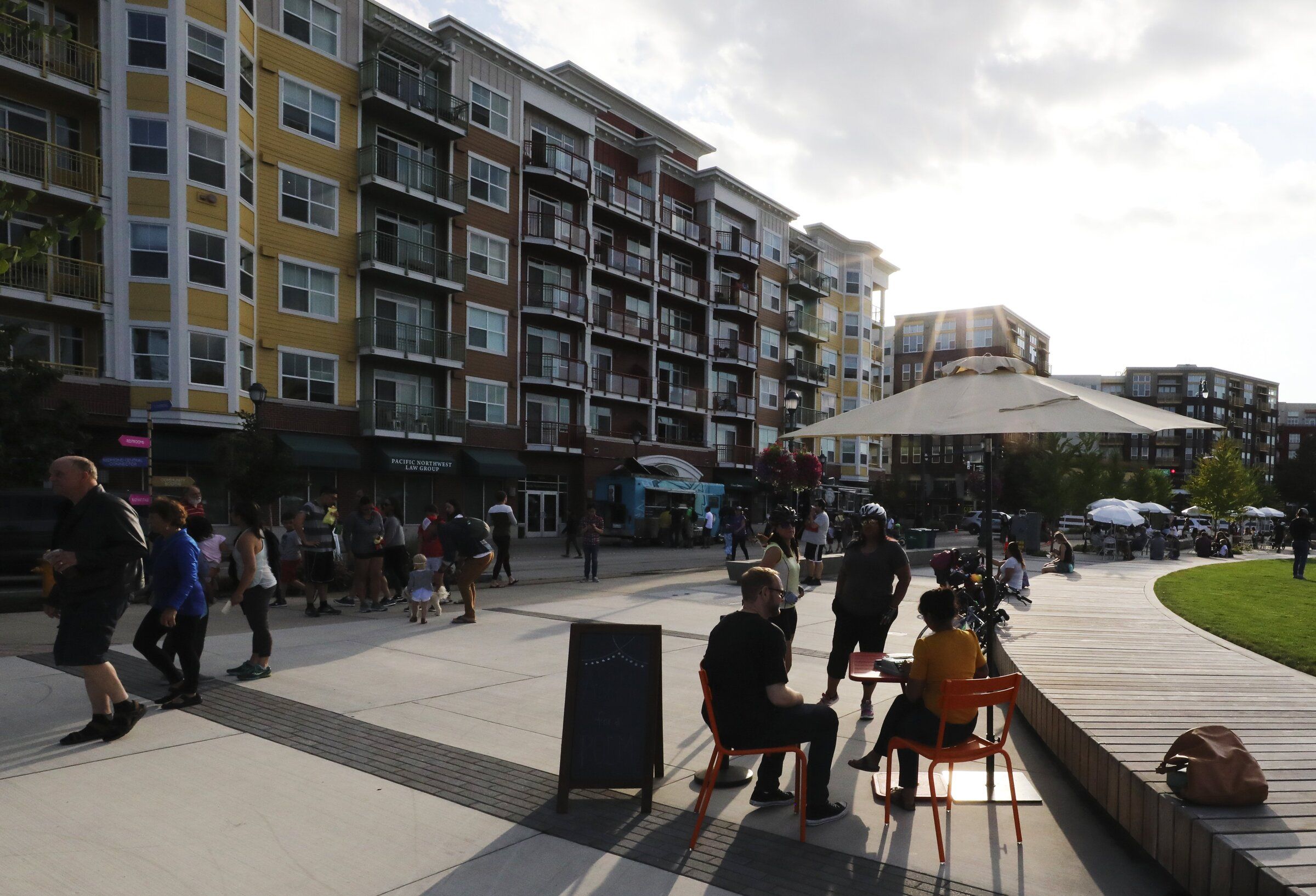
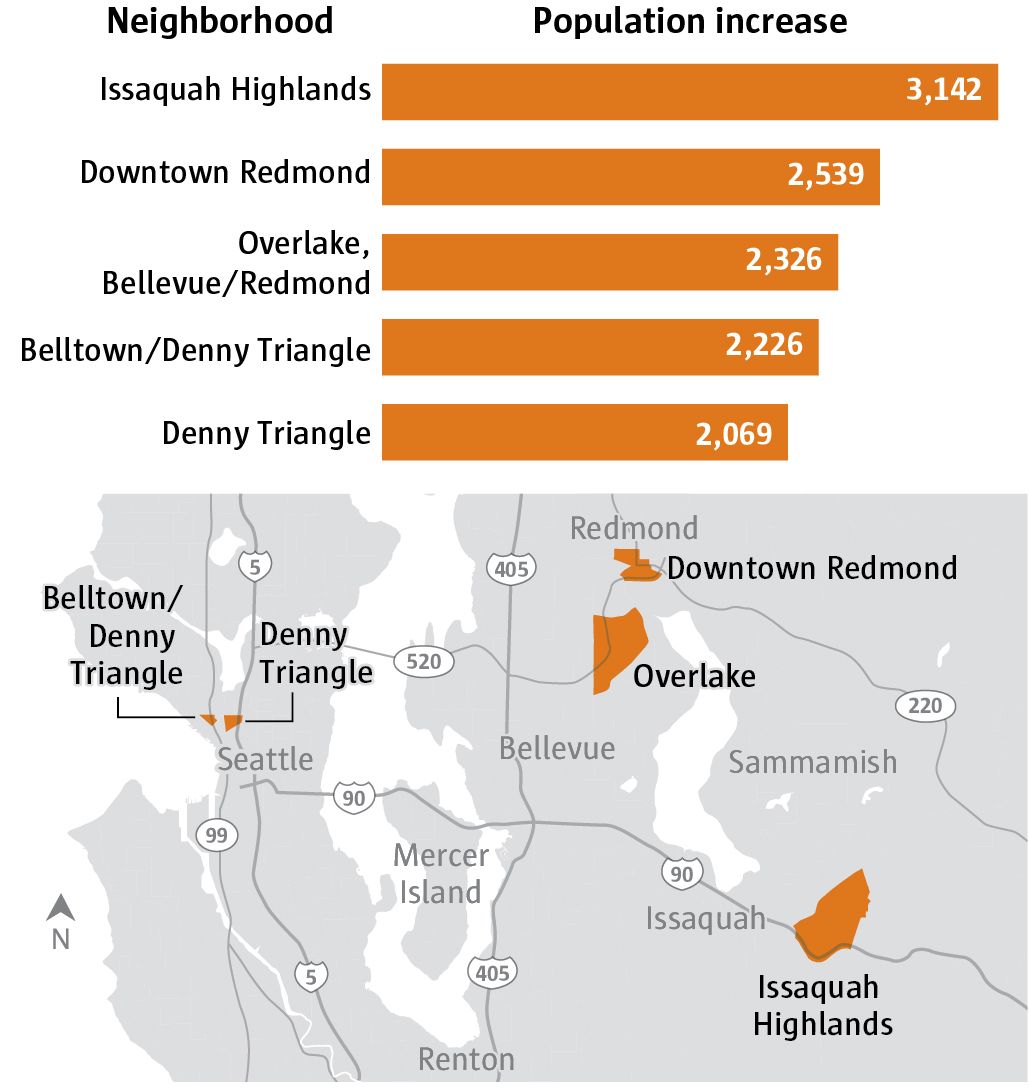
Based on: King County’s immigration boom is concentrated in these neighborhoods
Seattle: Demographics, the Gig Economy and Urban Violence—New Challenges
Seattle is facing a range of new challenges: from an unusual demographic surge driven by Amazon’s growth to conflicts in the gig economy and rising street violence. Research shows how the technology boom affected birth rates; Walmart is compensating delivery drivers for violating transparency rules; and the story of a 21-year-old man wounded in Belltown raises questions about human indifference.
How Amazon’s Rise Affected Seattle’s Demographics
For years, major U.S. cities have been engaged in an unofficial competition to be named the country’s most “childless,” with Seattle and Portland traditionally near the top of the list. However, analysts have found that the situation in Washington state’s largest city has begun to change in an unexpected way—not because of natural population growth or an influx of families with children. The roots of this phenomenon lie in the rapid expansion of technology giant Amazon, which radically transformed the city’s appearance and demographic structure in the early 2000s.
According to data published in a new study by The Wall Street Journal, the share of Seattle’s population under the age of 18 has risen by 10% over the past decade. This is particularly notable given the national trend: in most other major U.S. cities, the figure was falling, while the country’s overall birth rate continued to decline. Seattle was effectively moving against the current, and the phenomenon has a clear explanation linked to the corporation that reshaped the region’s economic landscape.
Experts, including Sarah Curran, director of the University of Washington’s Center for Studies in Demography and Ecology, believe that the observed “mini baby boom” was a direct result of the influx of young professionals who came to the city during Amazon’s heyday. She said that between 2000 and 2010, the city welcomed a huge number of people in their 20s and 30s who came to work in the technology industry. These young people, who were at their prime reproductive age, later began having children, ultimately increasing the absolute number of underage residents.
However, there is another side to the story. Although the total number of children increased, Seattle’s birth rate—that is, the number of births per 1,000 women of childbearing age—began falling as early as the mid-2000s. In 2010, for example, the figure was 55 births per 1,000 women; by 2024, it had fallen to 31. That was the second-lowest rate among all major U.S. cities. The paradox is easy to explain: because the total number of young women in the city grew sharply, even a small number of births produced a noticeable absolute increase in the number of children, while the relative frequency of births declined.
This demographic surge appears to have been a temporary phenomenon linked to a specific stage in Amazon’s development. The company expanded its Seattle workforce from 7,500 employees in 2000 to 60,000 by 2020, deliberately attracting young people who valued an urban lifestyle. Unlike their parents’ generation, many preferred to remain in the city center even after having children rather than move to the suburbs. But times have changed: growth in the technology sector has slowed sharply, and Amazon itself has carried out a series of mass layoffs.
Seattle is now facing a new reality in which the rise and fall of a single corporation directly affects how many children will be born in the city in the coming years. According to Curran, the current effect will probably be short-lived—perhaps lasting another five or ten years. People who moved to the city during the boom are gradually leaving their reproductive years, and there is no guarantee that their own children will remain in Seattle. The main question now occupying demographers is whether the city can remain attractive to young families as high housing costs and changing labor-market conditions make it increasingly unaffordable. More details can be found in the original KUOW article.
Walmart to Compensate Seattle Delivery Drivers: Transparency Prevails Over a Giant
U.S. retail giant Walmart has agreed to pay nearly $120,000 to 413 workers on the Spark Delivery platform after Seattle officials uncovered systematic violations involving compensation. The decision resulted from an investigation by the Office of Labor Standards (OLS) and marks an important precedent for the entire gig economy.
The allegations centered on the company’s failure to provide drivers with minimum pay for offered deliveries, complete information about trips and earnings, and the required electronic receipts and notices of workers’ rights. Seattle’s local minimum-pay law for workers using mobile applications has been in effect since 2020 and requires companies to provide complete transparency: every contractor must clearly understand how much they will earn before accepting an order and be able to verify the accuracy of the payment after completing the work. The investigation found that Walmart had ignored these requirements, resulting in an accumulated debt to more than 400 people.
OLS Director Steven Marchese emphasized that complaints from the drivers themselves were the starting point for the investigation. He said Walmart’s decision to settle the dispute shows that the city continues to hold corporations accountable for violating local laws. Notably, the fine paid to the city was relatively modest—just $2,455—while the bulk of the money will go directly to affected workers. This reflects a priority on compensating people for harm rather than replenishing city coffers.
The reaction from workers’ rights advocates deserves particular attention. Danielle Alvarado of the Fair Work Center called the settlement a victory for transparency, not merely for compensation. She recalled that Seattle drivers had actively lobbied several years ago for legislation requiring delivery apps to disclose complete payment information. The Walmart case, she said, proves that without the right to verify their pay, workers remain at the mercy of corporate algorithms. The payment structures used by such services are often opaque—bonuses and mileage- and time-based premiums can change arbitrarily—and only mandatory reporting allows workers to challenge unfair treatment.
The story of Bridgett Smallbeck-Pöhler, one of the affected workers, adds a human dimension to the case. A single mother who has to cover fuel, vehicle depreciation and all related expenses herself, she decided to testify and has no regrets. Her statement that “every dollar matters” accurately reflects the reality of life for most gig workers, for whom this kind of work is often their main or only source of income. By taking on a corporate giant, she discovered that the city administration was willing to listen and act on behalf of people like her.
It is important to understand that Spark Delivery is the platform Walmart uses to engage independent contractors to deliver goods from its stores. Technically, these drivers are not considered company employees, but Seattle officials apply local minimum-pay ordinances to them. This approach has repeatedly become the subject of legal disputes: companies argue that the laws themselves violate federal rules governing independent contractors, but courts have so far sided with the municipality. For other cities, the case could serve as an example of how to regulate digital platforms effectively without waiting for federal legislation.
According to the company itself, more than 400 active drivers were working in Seattle during the investigation, although the total number of such workers worldwide runs into the thousands. This underscores the potential scale of claims if similar investigations begin in other jurisdictions. Experts note that for Walmart, $120,000 is a drop in the bucket compared with its annual revenue, but the significance of the move extends far beyond financial compensation. The settlement establishes a legal precedent and sends a clear message to all platform operators: saving money by withholding information from workers may cost more than playing fair.
Under the payment process, OLS will distribute the funds among the 413 workers in proportion to the harm they suffered. Each will receive notice of the amount, which is also part of restoring a sense of justice. For drivers accustomed to feeling unprotected in the face of large corporations, this is also a psychological victory—a demonstration that collective complaints and a willingness to speak about problems can make a difference. The hope is that the case will encourage other workers across the country to pay closer attention to their labor rights and not be afraid to contact regulators, as the Seattle single mother did.
Surviving Despite Indifference: The Story of a 21-Year-Old Seattle Resident Wounded in Belltown
An incident in Seattle’s Belltown neighborhood has prompted reflection on human indifference and the value of life. A 21-year-old man was shot in broad daylight, and according to his family, he survived thanks only to his own determination and the prompt response of medical personnel—not because of help from passersby. As reported by FOX 13 Seattle, the tragedy unfolded in front of dozens of people, but no one came to the wounded man’s aid, leaving him alone with his pain and fear.
The young man’s story is not merely a crime report but a bitter reminder of how easily society passes by someone else’s suffering. The victim’s relatives emphasize that their son and brother was not an accidental victim of a random street shootout—he was caught in the midst of violence that is increasingly heard in the city’s busy neighborhoods. Yet for the family, the most horrifying part was not the shooting itself but what followed. Dozens of witnesses, surveillance cameras and people hurrying about their business—and not a single person who even tried to stop the bleeding or call for help. The man lay on the pavement, bleeding heavily, until someone finally called emergency services, but according to his loved ones, that did not happen immediately.
The doctors who arrived at the scene did everything they could. The operation lasted several hours, and the young man miraculously survived. He is now in stable condition, but his recovery will be long, both physically and psychologically. His family has already said it will not remain silent about what happened: they want the case to spark a conversation about the importance of not walking past someone else’s suffering. In an interview with local journalists, the victim’s mother said that even while semi-conscious, her son fought desperately to stay alive because he knew that his family was waiting for him at home. That, perhaps, is the only comforting element in this story.
Belltown is one of Seattle’s busiest neighborhoods, filled with bars, offices and residential buildings, and it is always crowded during the day. But population density, as this case shows, does not guarantee safety—if anything, it can create the illusion that someone else will inevitably help. Psychologists call this the “bystander effect”: the more people there are, the less likely it is that anyone will assume responsibility. Everyone thinks helping is someone else’s job, and ultimately no one helps.
For Seattle, the case is another troubling warning sign. A city once considered one of the safest metropolitan areas on the West Coast, Seattle has faced rising street violence in recent years. In 2024 alone, the number of shootings downtown increased by one-third compared with the previous year, and most incidents occurred in crowded areas. Officials say the city needs more patrols and stronger community engagement, but so far these measures have produced no tangible results. The victim’s neighbors admit that they are increasingly afraid to go outside after dark, and some are already considering moving to the suburbs.
This story is not only about a bullet and pain but also about the moral choice each of us faces. When we see someone in trouble, we can turn away, convincing ourselves that it is none of our business. Or we can take a step toward them—even if that step seems insignificant. The 21-year-old’s family hopes their tragedy will teach others a lesson: do not be indifferent, because tomorrow you could be in his place. Meanwhile, the young man is learning to live again with the consequences of someone else’s gunshot and someone else’s inaction, while the city continues to hum and no one knows where the next shot will ring out.
News 08-09-2026
Vashon Island Expands Mobile Urgent Care
On Vashon Island in Washington state, a mobile medical team provides free urgent care to patients in their homes, helping fill gaps in access to health care. Nurse practitioner Katie Burke and registered nurse Ashley Soares visit residents who have difficulty getting to a clinic or need prompt medical advice. The program is considered unusual for the state and is especially important for the island community, where health care options are limited.

Based on: Facing healthcare gaps, Vashon Island expands mobile urgent care
Colorful Lorikeet Exhibit Opens at Seattle Zoo
At Seattle’s Woodland Park Zoo, visitors can get an up-close look at colorful lorikeets—small parrots that move freely through a new aviary and perch on people and their phones. The unusual exhibit allows guests to observe the birds from virtually arm’s length and take striking photographs. In a photo taken Monday, lorikeets perched on Jersey Weaver and her husband Joseph’s phone as he tried to photograph his wife.

Based on: Lorikeets are colorful highlight of a new Woodland Park Zoo exhibit
Former “Bikini Baristas” Win Nearly $2 Million from Coffee Shop Owner
A group of 70 former baristas who worked at coffee shops in the Puget Sound region have won a yearslong legal battle against the establishments’ owner over labor law and wage violations. The court ordered the company to pay the employees nearly $2 million. The case has become an important example of protecting workers’ rights in an industry where staff often face unconventional employment conditions and inadequate pay.
Based on: Group of bikini baristas win nearly $2M in legal battle
PAX West, Warm Weather and the NFL: Seattle News Digest
A recap of Saturday at PAX West 2026, featuring cosplay and indie games; the weather outlook through the end of September, including the last warm days; and the Seahawks’ preparations for a Super Bowl rematch without key running back Charbonnet—all in this latest overview of the region’s top stories.
PAX West 2026 in Seattle: How Labor Day Weekend Turned the Convention Center into Geek Culture’s Capital
The second day of PAX West 2026, held at the Seattle Convention Center, once again proved that the festival is more than a video game exhibition—it is a true carnival for everyone who lives and breathes pop culture. If Friday was merely a warm-up, Saturday reached an absolute peak: Tens of thousands of people filled the corridors, while cosplayers turned ordinary staircases and lobbies into stages for improvised performances. The level of creativity was astonishing—from instantly recognizable AAA blockbuster characters to figures known only to the most devoted fans. That, perhaps, is the true magic of PAX.
Organizers clearly made diversity of interests a priority. While some attendees stormed booths showcasing new indie games, others spent hours absorbed in tabletop prototypes, and still others enthusiastically discussed classics that once defined their genres. This eclecticism is PAX’s trademark, setting it apart from more “intimate,” specialized exhibitions. Esports players, visitors seeking nothing more than nostalgia for 8-bit consoles, and anime fans whose highlight of the day was a photo session with a favorite character all feel equally at home here. The boundaries between generations of gamers disappear surprisingly easily, creating the unique sense of unity that makes people willing to stand in line.
The cosplay scene deserves special attention, having reached a new level of craftsmanship this year. It is not just about elaborate armor or flamboyant wigs—judging by the audience’s reaction, accurate portrayals of a character’s personality and Easter eggs woven into costume details are valued just as highly. Judging by the mood in the halls, Saturday was the day when even the shyest newcomers, inspired by veteran cosplayers, dared to attempt their first transformations. For many attendees, PAX West is less about games than about having the freedom to be themselves among like-minded people, and the festival’s second day demonstrated that with remarkable clarity.
For those unfamiliar with the PAX format, it is worth explaining that this is one of the world’s largest series of gaming festivals, founded in 2004 by the editors of the popular webcomic Penny Arcade. The word “West” in the name refers to its regional connection to the U.S. West Coast, while the event itself has historically been held in Seattle. Labor Day Weekend, mentioned in this context, is an American holiday observed on the first Monday of September and symbolizing the end of summer. PAX West draws its thousands-strong audience during this long weekend. This calendar placement has become one of the festival’s signatures: it is North America’s geek community’s final summer chord.
The main takeaway from Saturday’s program is that the industry is sustained not only by strong sales and technological innovation, but also by a living community. While major studios continue competing for attention in the digital space, PAX West remains a place where face-to-face interaction between fans and creators still has tremendous value. More about how the second day unfolded and which costumes stood out to the audience can be found in the original Seattle Refined report. With Sunday and Monday still ahead, organizers should expect the level of madness to rise even further—and that will undoubtedly benefit everyone involved.
Seattle’s Last Warm Days: What to Expect from the Weather Through the End of September
Summer in Seattle is in no hurry to surrender, although the days have already grown noticeably shorter. The city can still enjoy plenty of sunshine: Today’s daylight lasts just over 13 hours, a full three hours less than on the summer solstice. At the end of June, residents of the region enjoyed nearly 16 hours of daylight, but nature is now moving inexorably toward the autumnal equinox and then toward winter’s minimum.
There is no need to panic just yet, however. The December gloom, when daylight will shrink to a little more than eight hours, is still far away. The current period can be described as a golden middle ground—not the long summer evenings of the past, but not yet the early twilight that lies ahead. Meteorologists at MyNorthwest.com note that this transitional season often brings some of the most pleasant days of the year, and this week will be no exception.
Tuesday morning began cool and calm, with fog and low clouds expected in some areas, particularly across southern inland districts and near the coast. By noon, however, high atmospheric pressure will disperse the morning haze, and the sun will take over. Temperatures in Seattle will rise to a comfortable 22–24 degrees Celsius, fully in line with the climate norm for this time of year. It is an excellent opportunity to spend time outdoors while the weather remains favorable.
Wednesday will be a genuine gift: Forecasters promise it will be the warmest day of the workweek. Thermometers in Seattle could reach 25–26 degrees, while southern parts of the metropolitan area may warm to 27–28 degrees. Clouds will begin increasing toward evening, but that will not spoil the impression of a beautiful day. Essentially, this is the last chance to enjoy truly summery weather before atmospheric fronts take over.
By Thursday and Friday, the sky will become more overcast as upper-level cyclonic activity approaches the region. According to current forecasts, rain will begin no earlier than late Friday and will be intermittent in most areas. Unfortunately, the weekend will bring cooler temperatures and brief showers, with readings falling to 16–21 degrees—already below the usual values for this period. Meteorologists are candid about the uncertainty, however: Some computer models suggest the region could avoid significant rainfall, so it is worth following forecast updates right up to the weekend.
For those unfamiliar with meteorological terminology, an upper-level cyclone is an area of low pressure in the higher layers of the atmosphere that often triggers cloud cover and precipitation even when pressure at the surface remains relatively high. These systems are what often bring prolonged cool weather to Seattle in the fall. A solstice, meanwhile, is an astronomical event when the Sun reaches its highest or lowest point above the horizon, determining the longest or shortest day of the year.
In short, Seattle residents and visitors have a couple of days to enjoy the last truly warm rays of sunshine. The advice is simple: Do not put off walks, picnics, and trips into nature until the weekend. Make use of the next 48 hours while the weather continues to offer summer warmth. A long and, apparently, rainy fall lies ahead, so every sunny hour is worth its weight in gold right now.
Charbonnet’s Return: Seattle Prepares for a Super Bowl Rematch Without Its Key Running Back
The NFL season begins Wednesday, and the Seattle Seahawks are approaching their opening game with cautious optimism. The matchup is a Super Bowl rematch taking place in Week 1, adding intrigue to every piece of news from the team’s camp. The team’s second injury report gave fans reason for restrained optimism: Some players’ conditions have improved, although the main question—who will take the field in the starting lineup—remains open.
The greatest attention is focused on Zach Charbonnet, who will miss at least the first month of the season with a torn ligament. Head coach Mike Macdonald did not hide his optimism when speaking with reporters. According to him, the 25-year-old running back looks incredible and is ahead of even the most ambitious recovery schedule. The fact that Charbonnet is recovering so quickly from an injury suffered in the playoffs in January is already something of a miracle. If the coach is to be believed, he could return even earlier than expected.
Last season was a breakout year for Charbonnet: He rushed for 730 yards and scored 12 touchdowns while serving as the No. 2 back behind Kenneth Walker. Now, however, the situation has changed dramatically. Walker, who was named Super Bowl MVP, signed with Kansas City as a free agent, and Charbonnet was supposed to become the offense’s primary option. Instead, the Seahawks will begin the season with rookie Jdaryan Price, selected in the first round of the draft, and Emanuel Wilson. The good news is that Wilson practiced fully on Monday despite dealing with a hamstring issue.
Seattle’s offensive line is also gradually returning to form. The most encouraging development was the return of Anthony Bradford. The offensive guard, who was limited by a knee issue on Sunday, participated fully in Monday’s practice. That is important because the offensive line is a key factor in games against strong defensive fronts—and it will be especially important against last season’s champions.
The only player who did not take the field at all on Monday was safety Ty Okada, who is dealing with a hamstring injury. Meanwhile, Nick Emmanwori, the other safety recovering from ankle surgery, increased his workload. Macdonald noted that over the past couple of days, Emmanwori had completed nearly his largest volume of work since beginning his recovery—another positive signal ahead of the opener.
Among the other injured players, tight end A.J. Barner, dealing with an abdominal injury, and cornerback Julian Neal, who has a quadriceps issue, both practiced without restrictions. Wide receiver Tory Horton and offensive lineman Josh Jones remain limited, but their participation in the opening game has not been ruled out.
For those who are not deeply familiar with NFL terminology, a few points are worth explaining. The PUP list—Physically Unable to Perform—means that a player cannot practice with the team and automatically misses at least the first four games of the season. It serves as a type of insurance for the club, allowing a player time to recover without occupying a spot on the active roster. A torn knee ligament is one of the most serious injuries in football and usually requires nine to 12 months of rehabilitation, making Charbonnet’s return by the middle of the regular season a genuinely ambitious goal.
The main conclusion from all this information is simple: The Seahawks are deliberately avoiding rushing key players back. The team, which reached the playoffs last season and came close to eliminating San Francisco, is taking a long-term approach. A rivalry rematch in Week 1 is a challenge, but the coaching staff appears willing to risk an early-season result in order to reach the decisive games at full strength. Judging by how carefully Macdonald discusses each player’s recovery, Seattle understands that the main battle will not take place in September, but in January and February.
As reported by sports.mynorthwest.com, the Seahawks still have their customary preseason routine ahead. The final injury report will be released Tuesday, after which it will become clear who will definitely take the field Wednesday evening. Although the roster situation remains intriguing, one thing is already clear: This Seattle team will fight for every game, and it has every reason to do so.
Small Plane Crashes in Yard Near Lake Stevens
A single-engine plane crashed in a residential neighborhood north of Lake Stevens, Washington, on Sunday evening, seriously injuring the pilot. The crash occurred around 6:05 p.m. near Frontier Air Park, where the plane went down in the yard of a home on Northeast 127th Avenue. The pilot was the only person aboard. Neighbors provided first aid, and responding rescuers freed the pilot from the wreckage and took him to a hospital. Snohomish County sheriff’s deputies also responded to the scene. The cause of the crash will likely be investigated by the National Transportation Safety Board. Frontier Air Park is a residential aviation community with its own runway surrounded by homes.

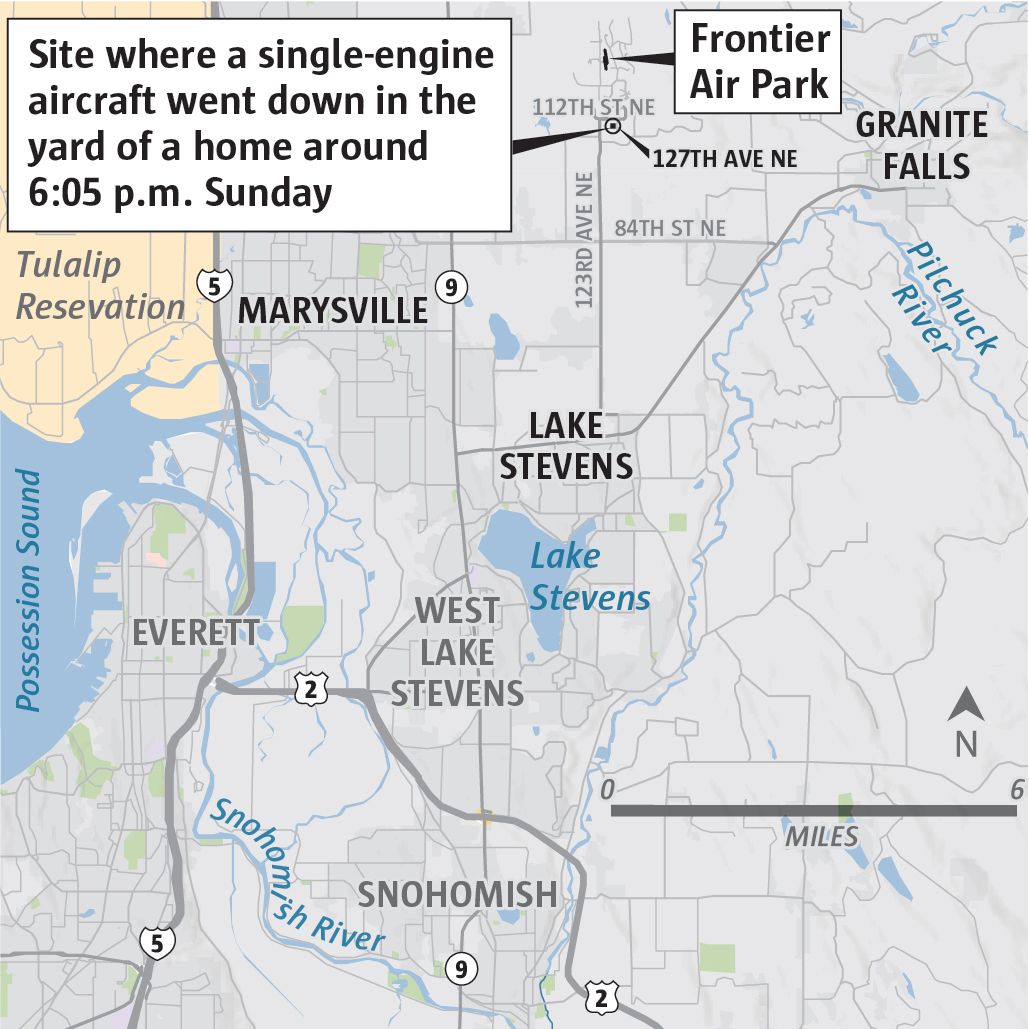
Based on: Small plane crashes in yard north of Lake Stevens; pilot injured
“Seahawks Before Kickoff: Roster Questions and a Special-Teams Bet”
Ahead of the season opener against the Patriots, the Seattle Seahawks are dealing with defensive personnel concerns because of injuries at safety while relying on a cohesive special-teams unit that became one of the team’s main weapons last season.
Rodney Thomas II: Is the Seahawks’ Backup Safety Ready for a Big Role in the Season Opener?
As the new NFL season approaches, the Seattle Seahawks are facing a defensive roster headache. Two safeties — Ty Okada and Nick Emmanwori — are at risk of missing the opening-week game against the New England Patriots because of injuries. If that happens, the full responsibility in the secondary will fall on veteran Rodney Thomas II, who was not even sure he would remain with the team just a few weeks ago. Judging by his comments, however, he is more prepared for this turn of events than anyone.
The situation is a difficult one for the Seahawks. Okada, who spent the entire training camp paired with Julian Love in the starting lineup, unexpectedly appeared on the injury list Sunday and has not returned to the field since. Emmanwori, meanwhile, is still recovering from ankle surgery following an injury suffered in late July. Coach Mike Macdonald’s staff has noted Emmanwori’s progress but acknowledges that he is unlikely to be in optimal shape by Wednesday. With only three true safeties on the active roster, any absence becomes critical.
That is where Rodney Thomas enters the picture. The 28-year-old has four seasons with the Indianapolis Colts under his belt, appearing in 68 games and making 26 starts. He signed with Seattle during the offseason but failed to make the active roster and was released during the final roster cuts, only to return to the club 24 hours later as a practice-squad player. Thomas says he never seriously considered other options: the culture created in the Seahawks’ locker room after last season’s Super Bowl run was too appealing. He describes extraordinary chemistry within the team, saying that all the players “breathe as one” and are ready to “fly around the field” for one another.
Head coach Mike Macdonald has strongly supported Thomas, highlighting his “range, ball skills and physicality.” The coach called signing him a stroke of good fortune and said Thomas performed very well both in the preseason and at practice. It is worth noting, however, that Rodney himself had minor health issues: during camp, he underwent a minor procedure on his right hand after suffering a fracture in the game against Dallas. The player says he is fine now — doctors secured the bone with a small screw, and he simply wears a protective pad.
If Okada cannot play, the club will face a difficult decision. League rules allow roster changes until game day. The Seahawks could officially sign Thomas from the practice squad, while two other players — such as A.J. Finley or D’Anthony Bell — could be temporarily elevated for the specific game. Another option would be placing Okada on injured reserve, which would open an additional spot on the active roster. Either way, Seattle will have to show flexibility in managing its roster to fill the gap.
Situations like this are common in the NFL, where roster depth and the readiness of backup players often become decisive factors. Although the news is likely concerning for Seattle fans ahead of an important game, Thomas himself projects confidence. He points out that during training camp, the coaches deliberately rotated defensive players, giving everyone experience in different combinations with Love. So even if he has to start against the Patriots, he does not feel like an outsider in the scheme. For Thomas, this is a chance to remind the league about himself after two seasons as a backup in Indianapolis — and he intends to make the most of it. More details are available in this FOX 13 Seattle report.
“Special Teams as a Weapon”: Why Key Players’ Return Makes the Seahawks a Favorite
An hour before the Super Bowl, when Jason Myers, Michael Dickson and Chris Stoll took the field at Levi’s Stadium to warm up, the Seahawks kicker noticed something strange: he did not feel the nervous shaking he had expected before the biggest game of his career. Instead of panic, there was a calmness that was almost unsettling in its normality. “I was sitting with Dickson and said, ‘It worries me that I’m this calm,’” Myers recalls. His teammate replied that he felt exactly the same way. That shared confidence, forged through years of working together, helped explain what happened next: Myers made five field goals, a Super Bowl record, and the Seahawks defeated New England 29–13. According to coaches and players, the chemistry among the kicker, punter and long snapper — along with the depth of the special-teams unit — gives Seattle a chance to once again field the league’s best special teams this season.
Last season was a triumph for the Seahawks’ third phase. The team scored five touchdowns during the regular season through special-teams plays, the best mark in the NFL. Returner Rashid Shaheed deserves special mention. Signed in early November, he helped the team overcome a 16-point deficit with a 58-yard punt return against the Rams in December, ultimately securing home-field advantage in the playoffs. In the conference championship game, Dickson became the hero by placing all five of his punts inside the opponent’s 20-yard line. One was recovered by the Seahawks after a Rams fumble, leading to a touchdown and a decisive advantage. “We treated our roles with the same seriousness as the roles on offense and defense,” says fullback Brady Russell, the special teams’ unofficial captain.
Now the key question is whether the team can repeat that success. On paper, everything points to yes. The front office retained its core group: Myers, Dickson and Stoll are entering their fourth season together. Special-teams coordinator Jay Harbaugh says keeping the trio was a crucial factor. “When there is chemistry and trust, it takes less time to get synchronized than it does with a newcomer,” he explains. Shaheed has also re-signed for three years, while Tori Horton is returning from injury. Before getting hurt in Week 8, Horton set a franchise record with a 95-yard punt return for a touchdown. Russell signed a two-year, $4.8 million extension, helping preserve the core of the blocking and coverage units.
The only significant departure is Derick Young, who served as one of the outside defenders on returns and was remembered for a spectacular recovery in the conference championship game. He left for the Raiders as a free agent. Myers, however, reminds everyone that nothing can be taken for granted in the NFL. His own career is proof: after playing Division II college football at Marist, he went undrafted, worked as a parking attendant in San Diego and played in the Arena League before making an NFL roster. Following an unsuccessful stint in Jacksonville and his release by Seattle in 2018, he joined the Jets with what was virtually his final opportunity, earning only $705,000 that season. After taking advantage of that chance, Myers returned to Seattle and has since set franchise records for field goals and points. His numbers last year were remarkable: 171 points in the regular season, third-most in league history, and a record 206 including the playoffs. His major contribution in the win over Indianapolis, when he made six field goals — including the game-winner from 56 yards with 22 seconds remaining — was one of the season’s brightest moments.
The secret to success lies not only in the individual players’ skill but also in mental preparation. Myers admits that his calmness before the Super Bowl sounds like a cliché, but it allowed him to perform in his usual rhythm. During the offseason, he allows himself rare moments of reflection, spending time with the family and friends who supported him through his long journey from parking cars to the top of the NFL. Nevertheless, as two missed attempts in the first preseason games showed, the process of correcting mistakes never ends. For the Seahawks, the main challenge is not losing the synergy that turned special teams into a genuine offensive weapon capable of changing the course of any game.
For clarity, here are some key terms: a “punt” is a kick used to give the ball to the opponent far from one’s own end zone; a “long snapper” delivers the precise snap between his legs to the kicker or punter; a “return” is a play in which a player catches an opponent’s punt or kickoff and tries to advance the ball as far as possible toward the opponent’s end zone; a “field goal” is a kick worth three points. A “gunner” is a specialist who races downfield toward the returner, attempting to prevent him from gaining yardage and tackle him as quickly as possible.
As reported by The Seattle Times, the Seahawks have every chance this season not only to match but surpass last year’s results if the retained core continues to operate with the same cohesion it displayed on the way to the title.
Surprises in the Seahawks’ First Injury Report: Emmanwori Questionable Against the Patriots
The Seattle Seahawks’ first injury report of the season contained a surprise that could significantly affect the balance of power in the opening game against the New England Patriots. Safety Nick Emmanwori unexpectedly appeared as a limited participant, even though he had not taken part in any on-field work earlier in the offseason. This is the first official confirmation that the player has returned to practice with the team, but his availability for Wednesday’s game remains highly uncertain, and the coaching staff appears to be preparing backup plans in case he cannot play.
The situation is complicated by health issues affecting another projected starting safety, Ty Okada, who missed Sunday’s practice entirely because of a hamstring strain. With only three safeties on the active roster, including Julian Love, the position’s depth has become a critical concern. The practice squad does include experienced players who can provide cover, and the club has already taken steps to strengthen the group by bringing back D’Anthony Bell on Saturday. Bell successfully replaced Emmanwori in the starting lineup during games last season.
Emmanwori’s injury is part of a long-running issue dating back to the first game of 2025 against San Francisco. He injured his right ankle then and aggravated it several days before the Super Bowl. Notably, he played nearly every snap in the championship game against the Patriots and was heavily involved in blitz packages that disrupted quarterback Drake Maye from the opening moments. After the season, however, he required arthroscopic surgery, and his recovery lasted throughout the summer.
The coaching staff now faces a difficult dilemma. On one hand, it would be hard to leave such a versatile player out of the rematch against a major rival, especially because his aggressive style helped Seattle in the Super Bowl. On the other, putting him on the field without full preparation — with a long week before the September 20 game against Arizona — could be an unnecessary risk. Linebacker Ernest Jones IV suggested in his comments that the team is mentally prepared to play without Emmanwori. He called him an “alien” with unlimited abilities but emphasized that the priority now is to focus on the players who are available.
If Emmanwori does not play and Okada also fails to recover, the coaches will have to improvise. One option would be defensive reshuffling involving a third linebacker. That could bring Tyrice Knight to the forefront. Knight had an excellent training camp and was named the game’s top player in the preseason matchup against Dallas. Last season, he began as the starting weakside linebacker before losing the job to Drake Thomas. His versatility and aggressive approach could prove useful now, when the team needs to compensate for the absence of a safety in the deep secondary. During camp, head coach Mike Macdonald said he was considering how to use all three of his quality linebackers at the same time, and Emmanwori’s injury could provide the catalyst for that experiment.
For those less familiar with the details of American football, safeties are deep defenders who serve as the final line of defense against passing attacks. In the Seahawks’ scheme, the third safety functions as a versatile hybrid who can help in coverage or rush the quarterback. That was Emmanwori’s role, which is why replacing him requires tactical flexibility. Linebackers are second-level defenders who primarily defend against the run and short passes but can also join the pass rush in certain schemes.
It is noteworthy that the club did not rush to bring Bell back to the practice squad, giving him time to consider other offers around the league. That suggests the original plan was based on Emmanwori returning quickly, but the situation has now changed. The team does have other experienced insurance options, and Rodney Thomas II — who has 26 career starts with Indianapolis — appears to be the most logical candidate to replace Okada in the deep secondary.
In any case, the intrigue will continue until kickoff, as the coaching staff will make its final roster decisions on game day. For Seahawks fans, that will add to the tension: playing the reigning champion on the road is a serious test, and much will depend on how smoothly the defense performs without key players. As Jones noted, the defenders are eager to take the field alongside Knight, and this game could mark the beginning of a new chapter in the young linebacker’s career. He has already said he is ready to “stack days” and wait for his opportunity.
Source: The Seattle Times
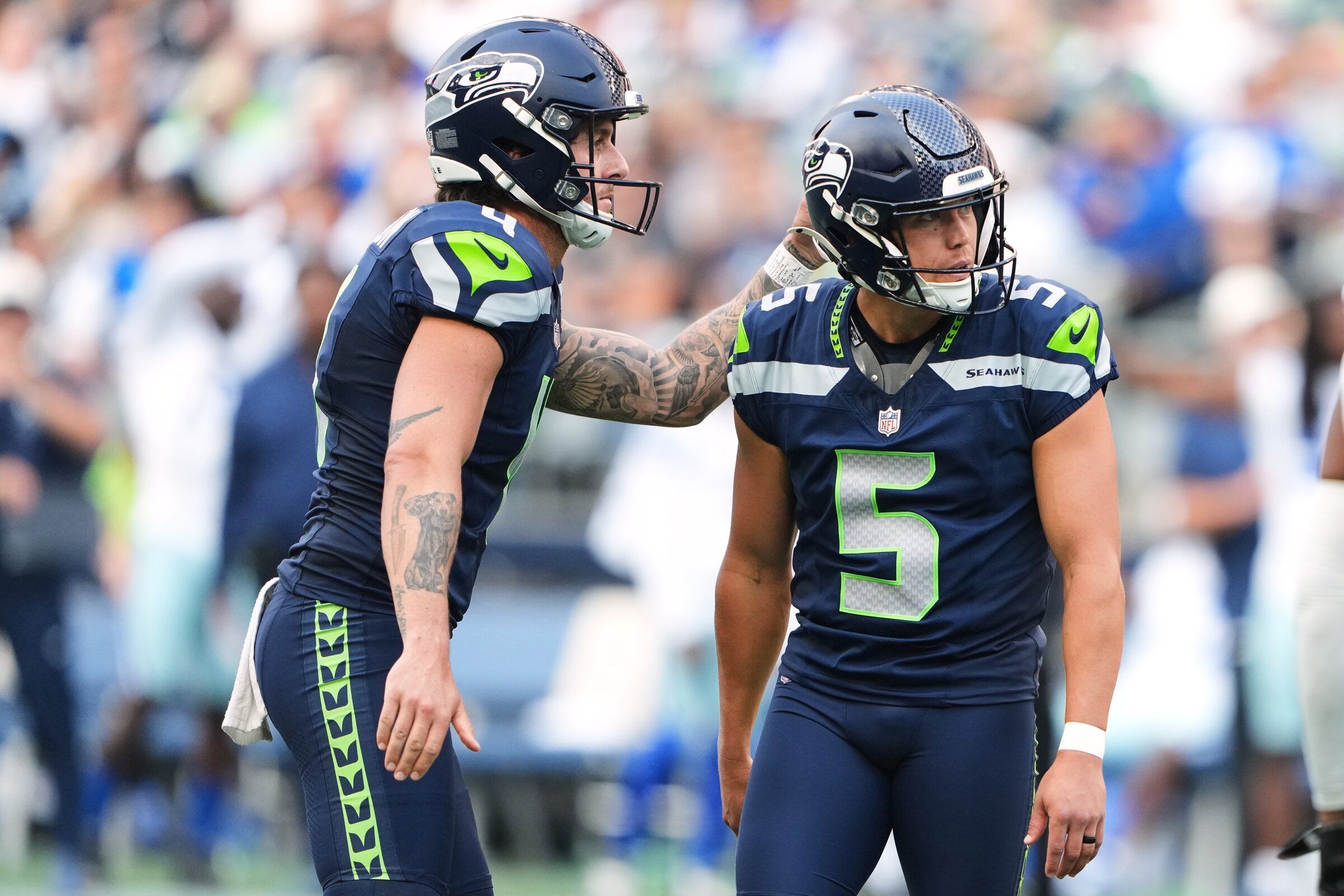
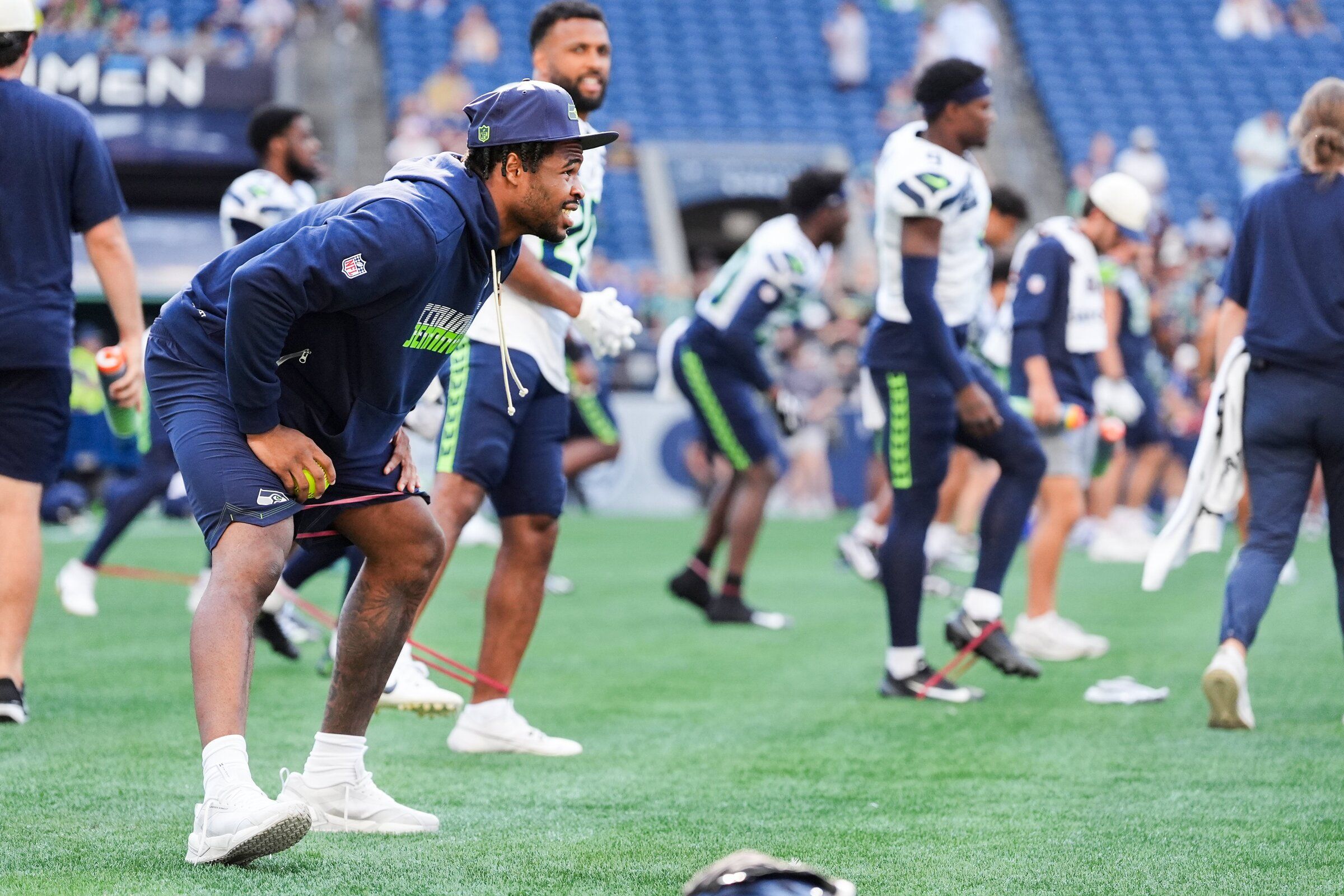
News 07-09-2026
Why Sound Transit Will Install Fare Gates in Four Years
Sound Transit plans to install fare gates at 14 light-rail stations, but passengers will not be able to use them until at least late 2029 — and more likely in 2030. The agency’s board has already allocated $6 million for design and preparation, while the total cost of the work is estimated at $87 million. Before the system launches, fare evaders could avoid paying an additional $120 million, according to estimates, even as local residents continue funding transit through taxes.
The four-year timeline is explained by the large number of sequential steps involved. Sound Transit must prepare bidding documents, select a contractor, order and manufacture the equipment, deliver it and install it. In addition, software must be developed and tested for paper tickets and the regional ORCA system.
ORCA allows passengers to pay for trips by card or phone, verifies eligibility to ride and calculates fares, taking transfers and discounts into account. The fare gates must exchange data with the central system, monitor entries and exits, operate during temporary communication outages and work properly with different fare structures. As a result, the project involves not only installing equipment but also developing, testing and certifying software. The agency must also ensure accessibility for people with disabilities and determine what will happen to employees who currently assist passengers and check fares.
For decades, the agency has relied on an honor system without fare gates. After the first line opened in 2009, inspectors periodically checked passengers, but inspections were largely suspended in 2020 and 2021 because of social tensions. Enforcement is now gradually returning, but fines are rarely issued. As a result, the share of passengers who pay their fares has fallen from roughly 90% in the early 2010s to 63% today.
Fare gates are planned for the busiest stations — from Northgate to International District/Chinatown, as well as in Lynnwood, at SeaTac Airport, in Federal Way, Bellevue and Redmond. These 14 stations handle about 85% of all trips. Seven surface stations, including stops in Rainier Valley, SoDo and some Bellevue stations, will remain ungated for now.
Their exclusion is related to the stations’ physical layouts. These stations may have limited space, multiple entrances, open platforms and complicated pedestrian flows. In Rainier Valley and SoDo, fare gates could interfere with the movement of pedestrians, buses, cars and emergency vehicles. In Bellevue, the agency must account for bus transfers and the stations’ connections to private and municipal facilities. These factors complicate design and approvals and increase costs, but they do not mean the stations have been permanently excluded from the program.
The most difficult and expensive reconstruction will involve Lynnwood City Center Station. Its narrow concourses will have to be adapted for fare gates, ticket machines will be moved outside, and canopies, fencing and overnight security grilles will be added.
Experience in other cities shows that similar projects can indeed take years. Vancouver TransLink took five years to equip 53 stations, while BART in the San Francisco Bay Area spent six years replacing fare gates at 50 stations. The installation of 715 new devices across the BART system itself took only 11 months. Much of the time was spent securing funding, developing the design and conducting testing. BART ultimately chose seven-foot gates with transparent panels and initially activated them at just two stations to test how the system worked.
The impact of fare gates is mixed. BART reported a decline in crime and less time spent on minor repairs and vandalism cleanup. Los Angeles also considers fare gates useful for protecting low-income passengers from disorder. However, studies have found no convincing evidence that stricter enforcement consistently reduces crime in cities such as Boston, Vancouver and Toronto. The outcome depends on local conditions and the quality of enforcement.
For Sound Transit, the financial incentive is weaker than it is for BART: fare revenue accounts for less than 3% of the overall budget, while tax revenue remains substantial. Political disputes could therefore slow the project. Sound Transit is responsible for the Link system, its stations, equipment and access control, while bus operators, including King County Metro and Community Transit, manage their own routes and receive revenue from the corresponding trips. Local governments are responsible for city streets, permits and some transportation infrastructure.
ORCA revenue is distributed under regional rules based on trips and transfers, while capital projects are funded through the budgets and programs of individual agencies. Disagreements over expenses, technical standards, revenue distribution and required approvals could affect both the budget and the installation schedule.
Passengers who pay an average of about $700 per person each year in transportation taxes are becoming increasingly frustrated with fare evaders. Sound Transit leaders believe the system has grown large enough that fare gates are now necessary, while experts note that Seattle is better suited to installing them than some other cities because of its large number of underground stations.
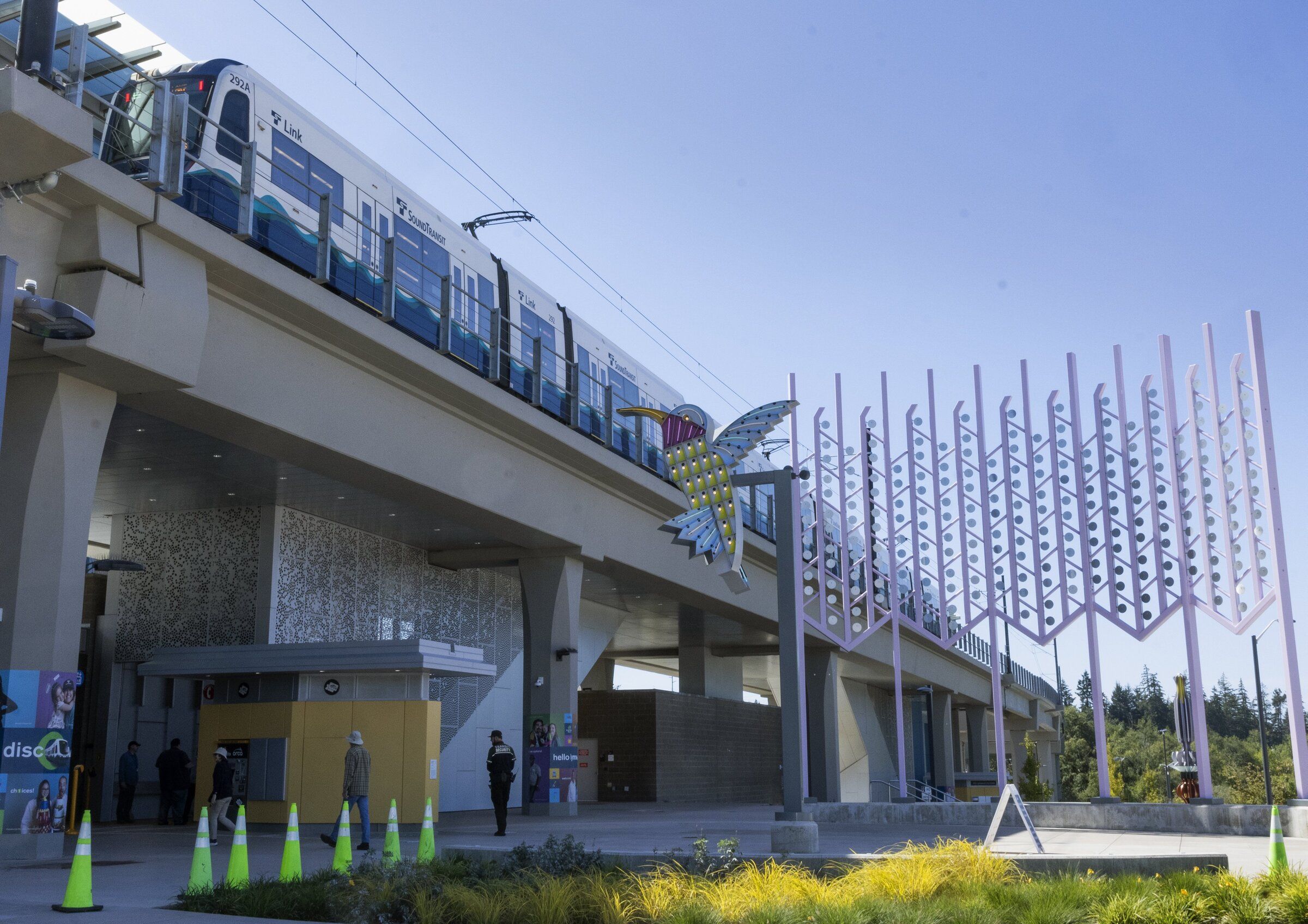
Based on: Why does Sound Transit need 4 years to install light rail fare gates?
Washington State Workers Protest Wage Talks Again
On Saturday, at least 300 Washington state employees gathered outside the Capitol in Olympia, calling on Gov. Bob Ferguson’s administration to reach fair collective bargaining agreements with their unions. Among them was Jeanette Obelcz, a child-protection worker who said the state must respect the employees who keep it running. The action was the second protest in a week and focused on difficult working conditions in services for people with disabilities and the protection of vulnerable children.
The union says negotiations remain far from complete. Workers are seeking not only raises but also improved workplace standards and clear rules governing the use of artificial intelligence. Mike Yestramski, president of the Washington Federation of State Employees, said the union was not seeking major additional costs for the state budget and was proposing solutions that would not require significant funding. The negotiators’ next meeting is scheduled for Thursday.
The governor’s administration attributes the difficult situation to a budget crisis and cuts in federal support under the Donald Trump administration. Ferguson spokesperson Brionna Aho said the governor values the work of state employees and is working to prepare a balanced budget while preserving essential services for the most vulnerable residents. Protesters, however, believe budget problems should not be shifted onto workers. After the speeches, they marched around the Capitol, and one sign carried a direct message to the governor: “Bob, give us back our money.”

Based on: WA state workers walk out again over pay negotiations with governor
Technical Problems and Nighttime Tragedies: Seattle News Digest
An Alaska Airlines plane made a steep descent over California because of a mechanical issue, Belltown was shaken by a wave of shootings that left three people dead, and experts are debating the Seattle Seahawks’ key player for the upcoming season.
Alaska Airlines flight makes emergency landing in Fresno after mechanical issue
On Sunday evening, passengers on Alaska Airlines Flight 671 from Santa Ana, California, to Seattle ended up in Fresno instead of following the scheduled route. The plane, which departed John Wayne Airport at 9:08 p.m. local time, was forced to make an unscheduled landing after the crew detected signs of a mechanical problem. The most alarming aspect of the incident was the aircraft’s rapid descent: according to tracking data, it lost about 30,000 feet, descending from a cruising altitude of 40,000 feet to approximately 10,000 feet before diverting to Fresno Yosemite International Airport.
The airline responded promptly, confirming that the flight had been diverted because of an “indication of a mechanical issue,” while emphasizing that the landing was routine and did not require emergency measures. The company said the aircraft landed safely and that passengers would be taken to their destination on another plane Monday. Although the airline did not disclose details about the malfunction, the descent from 40,000 to 10,000 feet is a standard procedure when an aircraft needs to leave its cruising altitude quickly. Even a partial loss of cabin pressure or other technical failure requires an immediate descent to a safe altitude.
For those unfamiliar with aviation procedures, it is worth explaining that a cruising altitude of 40,000 feet is a standard operating level for modern narrow-body airliners, where the air is thin and fuel consumption is minimized. Descending to 10,000 feet means returning to denser layers of the atmosphere, where oxygen deprivation is no longer a threat to passengers and crew even in the event of a loss of cabin pressure. Such a maneuver is typically carried out after pressure sensors are triggered or when other mechanical abnormalities arise and pilots decide not to take risks, instead choosing the nearest suitable airport. In this case, Fresno was the optimal choice, located roughly halfway between Southern California and Seattle.
The incident comes amid heightened scrutiny of Alaska Airlines’ safety record following a high-profile incident in January, when part of the fuselage of one of the carrier’s Boeing 737 Max 9 aircraft blew out in flight. Although Sunday’s flight involved a different type of aircraft and was unrelated to that incident, any mention of the airline in connection with “mechanical problems” is bound to raise questions among travelers. Still, experts noted that the safe completion of the flight and the swift arrangement of a replacement aircraft demonstrate that safety protocols are working: the crew followed procedures precisely, and passengers may not even have realized how serious the situation was until the plane began its descent.
Flight data published by the source indicates that the aircraft took off almost on time, meaning the delay arose during the flight itself. For an airline, incidents like this represent not only a logistical challenge but also a reputational risk, especially in an era when every event reaches social media almost instantly. Nevertheless, Alaska Airlines once again demonstrated its commitment to the principle that it is better to be safe than sorry. That is perhaps the main takeaway for passengers: even when something appears to go wrong, the aviation safety system continues to function. The only remaining question is what exactly caused the malfunction and whether the official investigation will ensure that a similar incident does not happen again.
Tragic weekend in Belltown: wave of violence leaves three dead in 24 hours
The Labor Day weekend turned into a tragedy for Seattle residents. In the heart of the city, the Belltown neighborhood was hit by a series of brazen shootings that injured seven people within 24 hours. Three of them, including a minor, died at the scene or from their injuries. A city usually associated with technological prosperity and a comfortable lifestyle once again confronted the disturbing reality of street violence, leaving police and residents shocked and bewildered.
The latest and most widely reported incident occurred late Sunday evening near the intersection of Elliott Avenue and Bell Street, just one block from the waterfront, when gunshots rang out. Officers arriving at the scene found a 17-year-old boy suffering from gunshot wounds. Despite immediate attempts to resuscitate him, medical personnel pronounced him dead at the scene. A 21-year-old man who had also been shot was nearby and was taken to Harborview Medical Center in critical condition. Investigators said the shooting was preceded by a verbal altercation, but no suspects had been arrested by Monday morning.
The incident was only the final point in a series of violent events that began early Sunday. At about 12:40 a.m., half a mile north of the site of the latest tragedy, unknown assailants opened fire on a group of people near Clay Street and Denny Way. One person was killed and three others were wounded. Just two hours later, shortly before 2 a.m., another killing shocked the city: a woman was shot inside a vehicle at the intersection of Blanchard Street and Third Avenue. Police are investigating all three incidents, but no suspects have been arrested, adding to the tension in the neighborhood.
The statistics are alarming not only because of the number of victims but also because of the geographic concentration of the crimes. Belltown is a relatively affluent and densely populated Seattle neighborhood known for its fashionable restaurants, nightclubs and modern residential complexes. It is difficult to imagine so many shootings occurring in such a short period in the center of the city, where the streets are usually crowded. For experts and criminologists, however, the pattern is not entirely unexpected: they have long pointed to links between the unregulated circulation of firearms, street conflicts—often connected to disputes between groups—and the rising number of fatal outcomes.
The death of the 17-year-old is particularly troubling. Despite Seattle’s strict gun-storage laws, young people continue to become both victims and participants in such incidents. Psychologists and social workers emphasize that tragedies like these destroy the community’s sense of security and require not only a police response but also long-term prevention programs focused on at-risk youth.
While officials urge residents to remain calm and report any information that could assist the investigation, Belltown residents are living in fear. Calls for increased patrols and more surveillance cameras have already appeared on social media. However, experience shows that street crime cannot be eradicated through enforcement measures alone. Every shooting leaves a scar on the urban fabric, and rebuilding trust between police and residents is a process no less difficult than apprehending those responsible.
In light of these events, it is worth recalling details that may have been overlooked amid the rush of the initial reports. First, the timing of all three incidents indicates that the attacks took place at night, when most law-abiding residents were already at home. Second, the crimes occurred in areas known for active nightlife, making them particularly brazen. Finally, the fact that no arrests have been made in any of the cases points to a weak evidentiary foundation at this early stage. As reported by The Seattle Times, police are continuing to interview witnesses and review surveillance footage, but no findings have yet been released. Residents are advised to remain vigilant, avoid walking alone late at night whenever possible, and immediately report suspicious activity to 911.
Who is really the Seattle Seahawks’ most important player in 2026? It’s not so obvious
When discussing a team returning 20 of its 22 starters and boasting one of the strongest defenses in the league, identifying its most important player becomes a genuine puzzle. At first glance, the answer seems obvious: quarterback Sam Darnold, who signed a record contract and is expected to lead the team to the playoffs. But a closer look suggests that the Seahawks’ fortunes this season may depend not only on Darnold’s arm but also on unexpected figures whose names few would have called central a year ago.
Seattle Sports conducted an interesting poll among its experts, and the results showed how unusual the team’s current situation is. While everything in other teams, such as Buffalo, revolves around MVP Josh Allen, Seattle is a rare example of a team with several players who could prove decisive even with a star quarterback on the roster. That speaks to the depth of the squad and shows that the team is not relying on one leader but on a system in which every component matters.
Michael Bumpus, one of the leading analysts, made an unexpected choice in favor of rookie Jadarian Price. The logic is compelling: we have already seen the “film” on Darnold—his highs, lows, interceptions and clutch drives. But what do we know about Price, a first-round draft pick? Almost nothing, and that uncertainty could become either his greatest advantage or his biggest problem. The team lost Kenneth Walker in free agency, Zach Charbonnet is expected to miss at least four weeks with an injury, and the entire running game will rest on the shoulders of an inexperienced rookie and a couple of veterans. Darnold also plays his best football when he can use play-action effectively, and that requires a consistent running game. Last season, he ranked third in the league in yards per pass attempt off play-action—a statistic directly tied to how much respect opposing defenses have for the running game.
Stacy Rost offered an even less obvious choice: defensive end Leonard Williams. At first, it may seem strange to call a 31-year-old veteran the most important player on an offensive team. But a closer look at the Seahawks’ offseason moves along the defensive line makes the reasoning clear. The team has obvious concerns in its cornerback room: it signed players with questionable reputations—one is under investigation, another missed the entire training camp, and a third was acquired in a trade from another club. When a team has problems in the last line of defense, the only solution is to apply constant pressure to the opposing quarterback. That is where Williams becomes the shield protecting all the weak spots. If the pass rush works, the secondary’s shortcomings may never be exposed. If it does not, the Seahawks could face long evenings in which opposing offenses pick their defense apart.
Interestingly, both experts agree on one point: Darnold is the “correct” answer, but also the obvious one. His contribution is apparent, his mistakes are predictable and his strengths are well known. The real intrigue lies in identifying the X-factor who could turn a good team into a championship contender. Will it be a lightning-fast rookie who suddenly emerges as the season’s breakout star, or an experienced veteran who anchors the defense in crucial moments? Time will tell. One thing is certain: unlike many teams whose fate depends on a single player, Seattle is in the enviable position of having several potential keys to success. That range of possibilities may be the biggest storyline of the upcoming season.
Still, it is worth remembering that all predictions are merely theories. As experience shows, the most important player often becomes obvious only after an injury or an unexpected collapse. For now, as experts debate, the team is preparing for the season. One important detail stands out amid all the discussion: the Seahawks’ offense is bringing back all five starters from an offensive line that produced its best performance in a decade last year. So perhaps the most important player is not the one catching or throwing the ball, but the five people who create the conditions for everyone else to succeed. In its report, Seattle Sports notes that the offensive line is the foundation on which the entire structure rests—from the running game to protecting Darnold from sacks. If that mechanism breaks down, all discussions about the most important player become meaningless, because in football, as in life, everything is decided by the details and by the people who make someone else’s job possible.

Seattle: Coffee, Football and Lessons in Loyalty
A digest of Seattle’s main stories: the city’s coffee culture, the Seahawks’ change of ownership and the Patriots’ preparations for the sonic hell of Lumen Field.
Seattle: America’s Coffee Capital, Where the Green Siren Isn’t Everything
Seattle rightly holds the title of coffee capital of the United States, but focusing exclusively on the world-famous green siren means missing the most interesting part. The city that gave the world latte art and the specialty-coffee industry is sustained not only by giants, but also by thousands of independent roasters and cozy cafés that keep locals energized through both endless summer days and drizzly winter evenings. These small coffee shops shape Seattle’s true character, and they are exactly what travelers seeking authentic flavor should look for.
If you arrive in Seattle as a pilgrim hoping to experience the roots of modern coffee culture, your route should begin at the legendary Espresso Vivace. It was here, in the early 1990s, that the art of drawing patterns in milk foam—the same art now seen in every self-respecting café around the world—was born. The owner, David Schomer, an engineer by training, approached espresso preparation with scientific precision, experimenting with temperature, pressure and grind size. The result of his work is still considered a benchmark. Thick, velvety crema, a perfect balance of acidity and sweetness, and a finely crafted rosetta on the surface—everything here has been perfected. Stop by on a weekday morning and you will see a line of locals patiently waiting for their ritual. What better recommendation could there be?
For those who want to stay on the cutting edge, there is Slow Day Coffee. This is not merely a café, but a true flavor laboratory, where roasters work with microlots—tiny batches of beans from specific farms, sometimes even from individual sections of a single plantation. You will not find a conventional menu of cappuccinos and lattes here, at least not in the usual sense. Instead, the barista will offer filter coffee prepared according to special recipes designed to reveal the terroir and distinctive notes of each variety. This is no longer simply a drink for staying awake, but a tasting experience akin to wine. Be prepared to pay more for a cup than the city average, but the flavor journey will be entirely different.
Still, Seattle would not be Seattle without its relaxed atmosphere, and there is room here for establishments where coffee shares space with bicycles and repair stands. A vivid example is Peloton Bicycle Shop & Cafe, where you can drink an excellent Americano and eat an egg sandwich while your two-wheeled companion gets new brake pads. This combination is not merely a marketing gimmick, but a reflection of the local way of life: Seattleites are used to combining pleasure with practicality, and coffee is an inseparable part of everyday life, whether they are out walking, working or pursuing a hobby.
It is worth noting that competition in Seattle is fierce, and only those who truly brew coffee at the highest level survive here. Locals are genuine connoisseurs. They understand the origin of beans, roast levels and extraction methods no less well than professional baristas. So when it comes to choosing a place, they vote with their feet, and the lines at Espresso Vivace and Slow Day Coffee are the best evidence. Travelers should remember that Seattle is not only Pike Place Market and the Space Needle. It is also the city that taught America how to drink proper coffee.
For a fuller immersion in the city’s atmosphere, be sure to explore Capitol Hill, which has the highest concentration of independent coffee shops per square mile, or the industrial neighborhoods of Fremont, where roasters often host public tastings. It is important to understand, however, that this list from Condé Nast Traveler is only a starting point. The truly best coffee can be found in the most unexpected places, simply by following the aroma drifting from an open door. But if you want guaranteed enjoyment and benchmark quality, start with these ten establishments recommended by the authoritative publication. And remember: in Seattle, there is no bad coffee—only good, excellent and outstanding coffee.
One especially noteworthy fact is that Seattle’s coffee culture was shaped over decades. The first café of the future global empire opened here in 1971, but independent players such as Espresso Vivace set the city on its path toward quality. Today, dozens of micro-roasters operate in the city, supplying fresh beans to restaurants and cafés throughout the West Coast. The economic impact of the coffee industry on the region is difficult to overstate: thousands of jobs, a steady flow of tourists and local pride. When you drink coffee in Seattle, you become part of a more-than-half-century history begun by enthusiasts and continued by a new generation of creative entrepreneurs.
The Seahawks’ New Owners: How Seattle Said Goodbye to Its Teams—and What It Says About Change to Come
The upcoming press conference of the Seattle Seahawks’ new owners, the Koh family, is prompting fans to recall uneasily that the first words of new owners often prove prophetic, though not necessarily in the way they would like. Seattle’s sports history is full of examples of attractive promises colliding with harsh reality. Now the city is holding its breath once again, wondering whether this moment will become another painful reminder that, in professional sports, loyalty is merely a business variable. Vinod Khosla, the technology billionaire and co-founder of Sun Microsystems, has already given people something to discuss. In his first public comments after the NFL approved the deal, he admitted that he began following football in 1976, after emigrating from India, and that his heart was captured by the Pittsburgh Steelers. To some, this is an innocent nostalgic recollection. But in an era of hyper-sensitive public opinion, even such a remark can be interpreted as a sign that the new owners may not share the local passion.
As a Seattle Times columnist notes in an article, nearly every change of ownership in Seattle’s history began with optimistic speeches that later gave way to years of disappointment. Consider the Seahawks’ first official owners, the Nordstrom group led by Lloyd Nordstrom, which paid $16 million for the franchise in 1974. At the time, Herman Sarkowsky, the team’s first chief executive, said they were “living proof of the faith that professional football is viable here.” Yet in 1988, that faith was sold to California developer Ken Behring for $80 million, and his words at the introductory press conference—“Winning is paramount; financial considerations are secondary”—now sound bitterly ironic. Behring tried to move the team to Southern California in the mid-1990s, and only NFL intervention and Paul Allen’s arrival in 1997 saved the club from relocation. Allen spoke then of the importance of keeping the team for the city’s “economy, civic pride and national visibility.” Unlike many of his predecessors, he kept his word, although his $194 million investment had turned into $9.6 billion three decades later.
The Mariners’ history is even more instructive. Fans endured a succession of owners who made grand promises and delivered dismal results. George Argyros, who bought the team in 1981, answered a question about his motivation with devastating candor: “A man always wants to know whether he can be successful in more than one field.” His eight years in charge showed that he could not, and in 1989 the team was purchased by Indian businessmen Jeff Smulyan and Michael Browning, who declared that they had “fallen in love with Seattle.” Their love evaporated within three years, and only a deal with Nintendo, which put up $75 million to keep the club in place, prevented the Mariners from moving to another city. The latest owner, John Stanton, promised “a parade celebrating a World Series victory” in 2016. That parade may have come close last season, when the team was one step away from the first championship series in its history. But the lesson remains the same: the new owners’ words are merely an advance payment that may never be honored.
Seattle’s deepest wound is the story of the Sonics, which ended in the most traumatic way. Barry Ackerley, who bought the team in 1983, swore he would preserve “both the team and ownership in Seattle”—and he did, but only until 2001, when he sold the club to Howard Schultz, the founder of Starbucks. Schultz, who said he was buying the Sonics out of a love of basketball and had held season tickets since 1982, promised to learn and support the team. He learned one crucial thing: how to sell an asset profitably. Five years later, he sold the team to Oklahoma City’s Clay Bennett for $350 million—a man who had candidly admitted in an interview with The Seattle Times six months before the deal that he was “keenly interested in bringing the team to Oklahoma City.” Bennett tried to deny the obvious, promising “twelve months of good-faith work” on an agreement for a new arena. But the outcome is well known: the Sonics moved, and the city has never forgiven that betrayal.
Now the Koh family, which reportedly paid around $6 billion for the most expensive club in NFL history, will step before the microphones at Lumen Field. Their words will inevitably be compared with those of their predecessors—from Behring’s empty promises to Schultz’s sincere but unfulfilled statements. Vinod Khosla has already shown that his approach may differ from tradition. He has spoken about football with an engineer’s mind, calling it “the most fascinating technology platform.” But Seattle fans care less about how the new owners view the game in general than about whether the Seahawks will remain a team in which local identity matters more than the franchise’s balance-sheet value. In a city where loyalty is measured in decades of devotion to clubs that have often returned only part of that devotion, every new name on the owner’s plaque inspires both hope and cynical anticipation of a catch. First impressions do matter—but what follows matters even more.
How Boston Is Preparing for the Hell of Lumen Field: Silence as a Weapon
In American football, few challenges compare with the one awaiting the New England Patriots in their season opener against the Seattle Seahawks. It is not only about the opponent’s quality, but also about the “12th Man”—the fans who turn Lumen Field into a genuine sonic trap. For the visiting team, this means one thing: familiar verbal communication at the line of scrimmage stops working, and composure, precise gestures and, of course, the silent count become essential. That is the approach the Patriots’ coaching staff is relying on, understanding that the team’s ability to handle this challenge will largely determine the outcome of the entire game.
Preparation for this acoustic nightmare began long before the flight to Seattle. At the training facility in Foxborough, coach Mike Vrabel, acting like a conductor of an orchestra of chaos, gave the sound engineers their cue, and they turned the music up to maximum volume. At times, vintage Mötley Crüe thundered from the speakers—not merely for atmosphere, but to simulate the inhuman decibel levels that would descend on the players at Seattle’s stadium. New England special teams coordinator Jeremy Springer, who knows the atmosphere firsthand from his time with the Los Angeles Rams and annual visits to face a fierce rival, makes no secret of his respect for the local crowd. He describes the environment in a few concise words: “Loud. Really loud. The fans there are tremendous; they love their team.” Springer clearly remembers how, in 2005, that wall of sound caused the New York Giants to commit 11 false starts—a record that still inspires awe. To him, the upcoming game is not simply a match, but an opportunity to test his young team’s character under extreme conditions. He calls it “an incredible experience,” but behind that optimism lies a harsh reality: taking the crowd out of the game is the top priority.
The key to solving this problem will be the so-called silent count, which quarterback Drake Maye says he used in every road game last season. Maye, radiating confidence, believes the team has “a good handle” on this aspect. He notes that operating in silence has its advantages and disadvantages, but the main thing is consistent repetition in practice. In the quarterback’s view, Vrabel and his staff have done an enormous amount of work to prepare the team. Now the players’ task is to avoid unnecessary penalties and maintain positive momentum on offense. However, it is not as simple as it may initially appear. The problem is compounded by individual battles along the line, especially at tackle. Will Campbell and Morgan Moses are in a particularly difficult position: because of the noise, they must react to the movement of the ball rather than the quarterback’s voice. Maye understands their difficulties. They have to watch a dangerous outside rusher while also trying to catch the precise moment of the snap, without being able to move too early.
If the linemen have a difficult job, the silent count becomes a genuine cognitive test for receivers and running backs. They must line up, memorize their routes, monitor possible shifts and still keep their eyes on the ball. Maye jokes that saying “just watch the ball” is easy, but in practice it requires enormous concentration and the ability to process many inputs at once. Receiver A.J. Brown develops the same point, emphasizing that under these conditions the opponent across the line gains an additional advantage by trying to confuse players and provoke a false start. Still, he notes that the offense has its own weapons to rely on. Ultimately, as quarterbacks coach Ashton Grant summarizes, everything comes down to synchronization and mutual understanding. Normally, a team communicates by voice, but when shouting is swallowed by the roar of the stands, alternative methods of conveying information—gestures, eye contact and coded signals—become many times more important. That silent cohesion will be the Patriots’ main weapon as they try to emerge victorious from the sonic inferno.
You may be interested in learning more about the team’s preparation from this Boston Globe article, which formed the basis of this analysis. Its author, Christopher Price, examines in detail the tactical nuances that could prove decisive in this matchup.
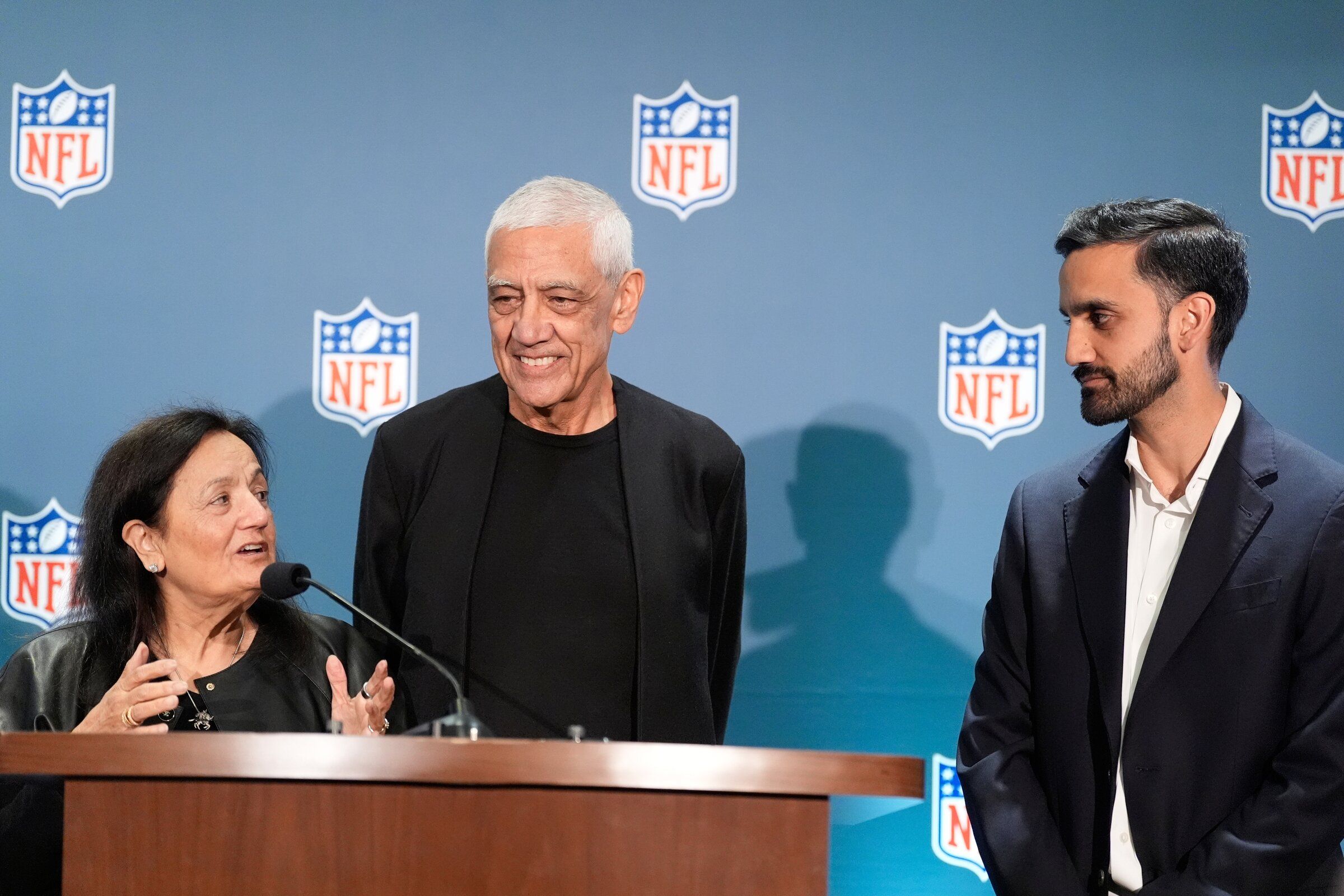
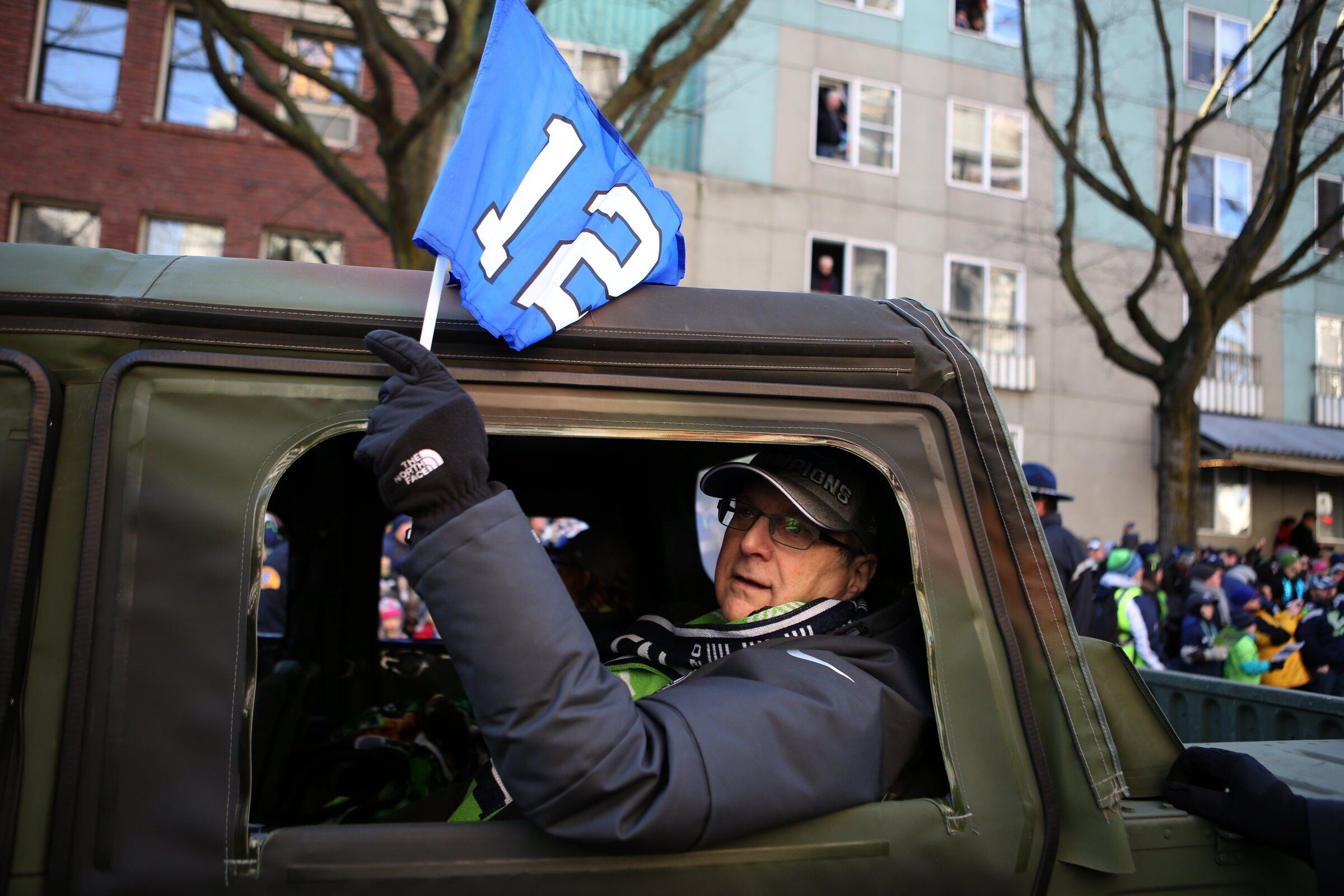



Seahawks’ Defensive Losses and Overnight Shootings in Seattle
Even before the start of the NFL season, the Seattle Seahawks have encountered serious problems on defense. Two key safeties are injured, raising questions about the team’s game against the Patriots. Meanwhile, Belltown experienced two tragic shootings in a single night, claiming the lives of two people. The incidents have once again raised concerns about safety in the city center.
Seahawks Could Open the Season Against the Patriots Without Key Safeties
The Seattle Seahawks are about to begin a new NFL season, but the team has already run into serious personnel problems on defense. According to the first official injury report, published Sunday, the Seahawks could face the New England Patriots with a significant shortage of players at safety. The news comes as a surprise to fans, since the team had been preparing for the game with considerable optimism. Now, however, the coaching staff will have to get creative to fill the gaps in the secondary.
According to available information, defensive back Tai Okada missed Sunday’s practice because of a hamstring issue, while fellow safety Nick Emmanwori, who is recovering from offseason ankle surgery, was limited to only part of the session. The situation is made more difficult by the fact that Julian Love is now the only fully healthy player at safety on the Seahawks’ roster—if “fully healthy” is still the right description. The remaining safeties are either on the injured list or close to joining it. Although several days remain before the game, it is already clear that the team’s depth at the position is far from ideal.
When the Seahawks reduced their roster to the required 53 players last week, they deliberately kept only three true safeties: Love, Okada and Emmanwori. The decision made sense at the time, as all three were considered healthy and ready for the season. Now that two of them have appeared on the injury report, the coaching staff faces a difficult question: where will replacements come from for the season opener, which, it should be noted, takes place Wednesday night? The early schedule adds to the problem, leaving almost no time for the injured players to recover.
Emmanwori’s condition is particularly concerning. Defensive lineman Ernest Jones IV, regarded as a leader of the defense, offered reporters a fairly clear hint that fans should not expect the young safety to start. Jones called Emmanwori an “alien” capable of doing extraordinary things, but emphasized that the team was focused on the players who are available right now. Given that roughly six weeks have passed since the ankle surgery and Emmanwori still is not practicing at full strength, the chances of seeing him on the field Wednesday appear extremely slim. His return is nevertheless eagerly anticipated, as he was considered one of the defense’s most promising rookies.
Okada’s injury came as an unexpected development. Until Sunday, the club had not been required to publish injury reports, and reporters had been unable to fully monitor practices since the last preseason game in Kansas City. As a result, no one knows exactly how long Okada has been dealing with the hamstring problem or how serious it is. That creates additional uncertainty, forcing the Seahawks’ coaches to solve the puzzle at an accelerated pace.
If neither Okada nor Emmanwori can play, the Seahawks will have to turn to players on the practice squad. Fortunately, the team has four safeties there: Rodney Thomas II, AJ Finley, D’Anthony Bell and Maxen Hook. Finley and Bell already have experience playing for Seattle last season, which makes the task somewhat easier because they do not need to be taught the basic principles of the defensive system. Thomas is the most experienced of the group, having played 68 games for the Indianapolis Colts, making him the most likely candidate for a promotion to the active roster.
Defensive coordinator Aden Durde spoke enthusiastically about the players’ readiness to take the field. He said the entire team sees how much work they put into practice and that they are prepared to take advantage of the opportunity. Durde singled out Thomas in particular, praising his athleticism and ability to operate all over the field, especially in the deep zone, where reaction speed is crucial. He also highlighted Bell’s versatility. During training camp, Bell frequently filled Emmanwori’s role and can play not only as a traditional safety but also as an extra defender in the box.
The injury report also included several players at other positions. Guard Anthony Bradford (knee), wide receiver Tory Horton (hamstring) and tackle Josh Jones (knee) were also limited in Sunday’s practice. Bradford was injured in the preseason game in Tennessee and has not completed a full practice since. Jones, meanwhile, has dealt with chronic knee problems since joining Seattle. There was some good news, however: tight end AJ Barner, who serves as a captain, feels physically ready to play. Cornerback Julian Neal and running back Emanuel Wilson also practiced fully, providing a measure of cautious optimism.
The key takeaway is that the Seahawks are entering the new season with a weakened defense, while New England is unlikely to show any mercy. Wednesday’s game will be a major test of both the roster’s depth and the coaching staff, which must find a way to neutralize the opponent’s offensive threats without two of its key safeties. According to FOX 13 Seattle, the final decision on who will take the field will be made in the coming days. For now, however, it is clear that the coaches will have to improvise. This may be an ideal opportunity for young players to prove themselves, but it also represents a serious risk to the team’s chances in the very first game of the regular season.
Woman and Man Killed in Two Overnight Belltown Shootings
Seattle was shaken Sunday by two separate shootings in the Belltown neighborhood, occurring just over an hour apart and claiming the lives of two people. Three others were injured to varying degrees. The first incident occurred around 12:42 a.m. at the intersection of Denny Way and Clay Street, where police found two men suffering from gunshot wounds—one to the chest and the other to the abdomen. Both were rushed to Harborview Medical Center, but the man found on Denny Way died from his injuries. The second victim remains in critical but stable condition.
According to the preliminary investigation, which was assisted by the Real-Time Crime Center, the shooting was preceded by a fight involving three people. Detectives from the homicide unit and the gun-violence division are working to determine what led to the incident. Notably, shortly before the shots were fired, police broke up a street-racing incident at the same intersection. Authorities said the events were unrelated. Local residents, however, remain skeptical. They say similar nighttime street-racing gatherings have become routine, especially during long holiday weekends, and that bullets have struck windows of nearby residential buildings in the past.
The second tragedy occurred shortly before 2 a.m. near Third Avenue and Blanchard Street. A woman was inside a parked vehicle when an unknown assailant opened fire, striking her in the head and torso. She was taken to a hospital in critical condition but could not be saved. The suspect fled the scene and has not been arrested. Police emphasized that the two incidents were unrelated and asked anyone with information to call the tip line.
Many Belltown residents, most of whom requested anonymity, have expressed frustration with the authorities’ response. One resident told KOMO News that he was “disappointed that people are dying and doesn’t feel enough is being done to solve the problem,” adding that he would like to see Seattle become safe again. Another resident compared nighttime outings to “Russian roulette,” saying it is impossible to predict whether the next roar of engines will amount to nothing more than noise or lead to another tragedy.
Acting Police Chief André Sayers issued a written statement promising to “come together with the community to seek justice for the victims and their loved ones” and to “work tirelessly with partners to find long-term solutions.” Observers note, however, that similar promises have been made before, while the level of gun violence in the city continues to cause serious concern. The shootings also occurred amid recent statements from the mayor and police about increased security ahead of the Bumbershoot festival, which will take place just six weeks after a mass shooting downtown. The situation in Belltown, one of Seattle’s busiest neighborhoods, once again raises the need for a comprehensive approach to combating both street violence and its underlying causes—from the lack of accountability for street racers to the social hardship that often fuels criminal activity.
Jeffrey Springs: Seattle’s New Nightmare, or How an “Invisible” Pitcher Is Rewriting MLB History
Baseball is a game in which statistics can sometimes speak louder than any triumph, and a recent note from the game between the Athletics and the Seattle Mariners is a striking example. At first glance, it is simply a dry line in the record book: Oakland pitcher Jeffrey Springs has a career ERA—the average number of earned runs allowed per nine innings—of 2.03 against Seattle. Behind that figure, however, lies a record of dominance that places Springs alongside the legends of the modern era. According to data published on the official MLB.com website, since his debut in 2018, that mark is the second-lowest in Major League Baseball among all pitchers who have thrown at least 50 innings against the Mariners. This is more than a statistic—it is a declaration of complete superiority.
For those unfamiliar with the finer points of baseball, an ERA below 3.00 is considered elite, while a mark near 2.00 represents an almost unattainable level of excellence. A 2.03 ERA means that, over the equivalent of a complete game, Seattle scores only a little more than two runs against Springs on average. Considering that modern baseball is an era of powerful offenses and dangerous hitters, such suppression of an opponent looks almost anomalous. Even more intriguing is the context: who occupies the top spot in the rankings? The note does not reveal that intriguing name, but the fact that Springs has outperformed other recognized “Mariners killers” says a great deal. Analysts say Springs’ success comes not from the speed of his pitches but from their unusual movement and his ability to change speeds, disrupting Seattle hitters’ timing.
Springs’ career is itself a story of almost Hollywood proportions. For a long time, he was a journeyman—a player who moved between clubs and leagues without a guaranteed place in a rotation. His breakthrough came with the Tampa Bay Rays, where he evolved from a versatile swingman into a starting pitcher. Now, with Oakland, he seems to have found his personal “victim” in Seattle. His success against the Mariners is clearly no coincidence: over the years, he has faced them at different stages, both during the regular season and in tense divisional series, and his pitches have remained unreadable to them each time. In today’s game, which ended with an Athletics victory, Springs once again confirmed his status by preventing the opponent from mounting a significant attack at any key moment.
Why does this matter for the current 2026 season? The Seattle Mariners are considered one of the favorites in the American League West, and their offense is built on discipline and the ability to wait for a pitcher’s mistake. Springs, however, appears to have cracked their code. Whenever Oakland faces Seattle, the Mariners’ manager is forced to alter the lineup to minimize the damage caused by Springs’ left-handed pitching, but it rarely helps. The psychological factor may even be more important than the physical one: Seattle hitters step to the plate against Springs already feeling doomed, leading to rushed swings and unnecessary strikeouts.
For the Athletics, a young team in the middle of a rebuild, such “specialists” against specific opponents are a gold mine. They allow the club to steal wins from stronger teams, which is crucial in the wild-card race. As for Springs himself, a 2.03 career mark against one of the league’s best teams is not merely a source of pride but also a significant argument in future contract negotiations. For now, fans can enjoy watching one pitcher turn a major rivalry into his own showcase. In a world where every run is precious and every pitch can prove decisive, players like Springs remind us that baseball is not always won through strength, but often through intelligence and adaptability. His numbers against Seattle are not a fluke but a pattern that no coaching staff has yet managed to decipher.
Gaming Passion and Urban Anxiety: A Seattle News Digest
A review of the day’s top stories: the PAX West gaming festival, roster problems ahead of the NFL opener, a tragedy in Belltown, and the security challenges facing a major city.
PAX West 2026: Seattle Again Becomes the Capital of the Gaming World
This Labor Day weekend, Seattle turned into a true temple for fans of video games, board games, and pop culture. Thousands of visitors filled the Seattle Convention Center, where one of North America’s most significant gaming festivals—PAX West—got underway. From the first day, the festival was filled with a celebratory spirit: the center’s corridors were crowded with colorful cosplayers recreating their favorite anime characters, while the halls buzzed with discussions about new releases and nostalgic memories of gaming classics.
PAX West is more than an exhibition. It is a massive gathering where generations of gamers, developers, artists, and curious spectators come together. This year, organizers emphasized diversity: visitors could find both cutting-edge game demos using the latest technologies and areas devoted to retro consoles, where older attendees nostalgically worked the joysticks of classic systems. Board-game zones—from card decks to complex strategy games—also drew groups of new friends around the tables. Organizers say that a sense of community and the exchange of experience are the festival’s greatest values, and that spirit was especially evident this year.
For those unfamiliar with gaming, PAX, or Penny Arcade Expo, is an annual event that began in 2004 as a small gathering for webcomic fans and has since grown into a large-scale show held in several cities around the world. Seattle’s PAX West is considered one of the most authentic editions because it retains a spirit of independence and accessibility, unlike its more commercialized counterparts. Cosplay, which attracts so much public attention, is the art of transforming oneself into a character. It requires not only sewing skills but also acting ability, and the discipline is represented here at the highest level. In addition to games, the festival features developer panels, lectures on game narrative, and even concerts. The program runs for all four days, promising an intense and packed atmosphere.
The contrast between high-tech innovations and the warm atmosphere of face-to-face interaction gives the event an added appeal. While some visitors lined up to be among the first to try demos of highly anticipated blockbusters, others happily played retro platformers on old televisions, bringing smiles to passersby. Many guests attend PAX West not for new announcements, but for the chance to meet like-minded people, take part in board-game tournaments, or simply wander through the exhibition halls in search of rare collectibles. The region’s character also plays a role: Seattle has always been known for its technological spirit, and PAX West fits naturally into the cultural identity of a city that is home to giants such as Valve and Nintendo of America.
Although the article published by Seattle Refined offers only initial impressions, it is already clear that organizers have made every effort to create an inclusive environment. Separate areas for families with children and quiet rooms for rest all show that PAX West aims to reach as broad an audience as possible. The rest of the festival promises to be just as vibrant, with appearances by creators of popular webcomics and indie games, as well as major surprises developers have saved for the finale. For Seattle, this weekend has already become an excellent reminder that the entertainment industry is not just an assembly line, but also a place for creative expression and live dialogue—something more valuable than ever in the virtual age.
Seattle and New England Approach the Opener With Roster Problems
The first official day of the NFL season brought the release of the opening injury reports, and it is already clear that neither team will enter this major matchup at full strength. The situation is particularly tense for the defending champions from Seattle, where eight players appeared on the injury list, although most were still able to participate in practice.
The most concerning news for the Seahawks involves the safety position. The team lost Ty Okada, who missed the entire practice because of a hamstring injury. There was also an encouraging development: Nick Emmanwori, who missed all of training camp after ankle surgery, finally returned to practice on a limited basis. That is extremely important for roster depth, given the heavy workload these players will face against the opponent’s powerful offense. Seattle’s defense also lost one of its defensive linemen, Josh Jones, who practiced on a limited basis because of a knee issue.
Only A.J. Barner, Julian Neal, and Emanuel Wilson were fully healthy in Seattle and had no restrictions. The others, including guard Anthony Bradford and wide receiver Tory Horton, worked in a limited capacity, but they are expected to play.
New England’s situation is different but no less concerning. All three players on its injury list, including running back TreVeyon Henderson, missed practice in full. Henderson, who rushed for 911 yards and nine touchdowns last season, has not taken the field since August 24, when he suffered an ankle injury. His absence would be a major blow to the Patriots’ offense, especially since the season opener against the defending champions promises to be highly intense.
The psychological dimension also cannot be overlooked. For Seattle, this is not merely the first game of the season; it is an opportunity to avenge last year’s Super Bowl loss to New England. The game will be played Wednesday at Lumen Field in Seattle, where the home team traditionally performs with confidence. Kickoff is scheduled for 5:20 p.m. local time, with pregame shows beginning several hours earlier.
It is important to understand the terminology used in the reports. DNP means that a player missed the entire practice and that his availability for the game is seriously in doubt. “Limited participation” means the athlete worked only part of the session but is likely to take the field. Full participation, meanwhile, indicates that there are no restrictions. In their official reports, the teams emphasized that these lists can change daily and that final roster decisions will be made shortly before kickoff.
Particular attention should be paid to the reaction of fans and analysts to the news about Henderson, who has already become a key figure in the Patriots’ offense. His absence could force the coaching staff to rethink its game plan, emphasizing shorter passes and formations involving tight ends. Seattle, meanwhile, appears to have the edge thanks to home-field advantage and a healthier secondary, although much will depend on whether injured players from both teams recover in time. This duel will be more than a test of physical condition; it will also test the character of two teams beginning their pursuit of a title defense or championship in the new season.
Belltown Tragedy: Overnight Shootings Claim Two Lives
The night from Saturday into Sunday turned into a nightmare for residents of Seattle’s downtown Belltown neighborhood. Two people were killed and three were injured in two separate shootings that occurred about an hour apart. The first incident took place around 12:30 a.m. near an unofficial street party where local enthusiasts were performing dangerous car stunts, leaving burn marks on the pavement. The second occurred around 2 a.m., half a mile from the first scene, when an unknown shooter opened fire on a parked car occupied by a woman.
The Seattle Police Department confirmed that a man and a woman suffered fatal injuries. The man died at Harborview Medical Center after being transported there in critical condition from Denny Way. Initial reports said two people had been injured, but two additional victims—a man and a woman—later sought medical attention on their own. According to the police report, an argument involving three people took place on the street before the first shooting. Authorities have not identified suspects in either case and are asking witnesses to call the violent-crimes investigation hotline.
Local residents describe the events as a frightening return to an atmosphere of lawlessness. Mia Dokes, who lives near the scene, said she watched the street racing from her balcony on both Friday and Saturday. She called 911 twice, and during the second call heard explosions resembling blasts from containers of explosives, followed by gunfire. She said a crowd of roughly 30 spectators cheered on drivers who spun their cars in circles. Some particularly reckless people even tried to touch the moving vehicles or hung out of them while recording the scene on their phones. Another resident, Julie Garner, who moved into the building just three weeks ago, also heard an explosion that sounded like dynamite, followed by a distinctive “pop-pop-pop” that she immediately recognized as gunshots.
Seattle Interim Police Chief Andre Sails issued a statement promising that both investigations were continuing and that his department was working around the clock to find those responsible and secure justice for the victims and their loved ones. He stressed that police would work with the community to find long-term solutions. Residents, however, remain skeptical. David Fry, a 77-year-old retiree who lives at First Avenue and Clay Street, said the unofficial parties and races have become even worse than in previous years. He heard noise, screeching tires, and shouting crowds, while participants used Lime scooters to block the streets. Fry is calling for a stronger police presence and surveillance cameras, adding that the city needs a mayor who genuinely supports law enforcement.
Bob Kettle, chair of the City Council’s Public Safety Committee, said the shootings should remind Seattle of the need to take more aggressive action against gun violence and support “exhausted” neighborhoods. He suggested that police staffing shortages make it difficult to quickly break up such street gatherings, especially at night, when many officers are assigned to other hot spots. Kettle added that these events can arise spontaneously and escalate very quickly, making them difficult to prevent. On Tuesday, his committee is scheduled to consider a resolution establishing a comprehensive, evidence-based strategy to reduce firearm violence. The council passed a law in 2024 increasing penalties for illegal street racing, but that has apparently not been enough. City officials have not yet responded to journalists’ questions about a possible connection between the shootings and the nearby Bumbershoot music festival, or whether the incidents could be considered a continuation of the recent tragedy at Seattle Center during the Bite of Seattle food festival, where a person was killed on July 26 in a targeted attack possibly linked to gangs.
What happened in Belltown on Sunday morning is not simply another statistic. It reflects deeper problems facing modern Seattle: insufficient police funding and staffing, the growing boldness of street groups, and the authorities’ inability to respond quickly when illegal entertainment escalates. Against this backdrop, talk of “long-term solutions” sounds especially cynical when residents are forced to lock themselves inside their apartments in fear after hearing yet another explosion or gunshot outside their windows. Without decisive action from City Hall and the City Council—including not only tougher penalties but also a real increase in police presence on the streets and improved social services—such nights will happen again, claiming the lives of innocent people. The Seattle Times reports that police are asking anyone with information to contact the violent-crimes investigation unit immediately at 206-233-5000.


News 06-09-2026
Why Giant House Spiders Are Returning to Oregon Homes
In late summer and early fall, residents of Oregon and Washington once again begin noticing giant house spiders in their homes. Adult males leave their hiding places and set out in search of females, so they may be seen on walls, ceilings, in closets, bathrooms and showers. The spiders are not hunting people — they are simply looking for a mate, and a human home happens to lie along their route.
For most of the year, these spiders live out of sight in garages, basements, sheds, storage rooms and other dark places. They build flat webs with funnel-shaped retreats and wait for prey to wander into the trap. The seasonal “invasion” does not mean that new spiders have appeared; rather, previously hidden males have begun actively moving through buildings.
The giant house spider is native to Europe and likely reached North America through Pacific Northwest ports. Today, it is especially widespread in coastal areas of British Columbia, Washington and Oregon. The mild, wet climate allows it to survive year-round, while ports, warehouses, freight containers, urban development and transportation corridors provide abundant hiding places and routes for further spread.
Adult males can reach a leg span of about 4 inches, while females have larger bodies. The giant house spider has long, relatively evenly colored legs and a brown body with a faint pattern. Because of its similar coloring, it can easily be mistaken for a hobo spider or other local species. Hobo spiders are usually smaller, have more noticeable dark markings, and also build funnel-shaped webs. However, reliable identification often requires a close-up photograph or help from a specialist. Most spiders in the region pose no danger to people.
Despite their impressive size and high speed, giant house spiders are nonaggressive and usually run away from people. Their record speed of about 20 inches per second is primarily useful for escape, not attack. Bites are extremely rare and generally occur only after accidental, forceful contact — for example, if a spider is pressed against clothing or skin. A study of confirmed bites in Oregon found no serious symptoms or tissue damage.
The state’s potentially dangerous spiders are primarily black widows. An adult female western black widow is noticeably smaller than a giant house spider. It has a shiny black body and a red, sometimes incomplete or orange-colored, hourglass marking on the underside of its abdomen. It prefers secluded, dry locations — woodpiles, garages and outbuildings — and usually bites only when defending itself or accidentally crushed. If a bite is accompanied by severe pain, muscle spasms, nausea or difficulty breathing, seek medical attention immediately.
Giant house spiders feed on insects and sometimes other spiders, effectively serving as free nighttime pest control. Their webs are not sticky: prey lands on the surface and reveals itself through vibrations, after which the spider rapidly rushes toward it. If a spider ends up in a bathtub or sink, it most likely came down the wall in search of moisture, fell inside and was unable to climb out over the smooth sides — the plumbing is not to blame.
It is impossible to completely prevent spiders from entering a home, but the number of encounters can be reduced. Experts recommend sealing cracks, repairing window screens, installing door sweeps and closing gaps around pipes. Firewood, plants and other items should be inspected before being brought indoors, while shoes, clothing and towels should be shaken out. Traps work best when placed on the floor in dark corners, whereas repeated insecticide spraying usually provides only temporary results.
If a large brown spider raced across the floor this summer, there is no need to panic: it most likely did not just enter the house, is not trying to chase anyone and is almost certainly attempting to escape. It is simply a male searching for a mate, poorly navigating a human dwelling and having absolutely no understanding of personal-space boundaries.

Based on: It’s happening again: PNW’s largest spider is seeking love inside people’s homes
Wild Waves Water Park to Close After Labor Day for Warehouse Construction
Wild Waves water park, known for its water slides, lazy river and other attractions, will close after Labor Day, the U.S. holiday observed on the first Monday of September. After the closure, the property is planned to be converted into a warehouse, so visitors are encouraged to take one last ride down a water slide and say goodbye to the park.

Based on: Wild Waves water park closing after Labor Day to make way for warehouse
Holiday Seattle, Autumn Rain and a Crash: Day in Review
Seattle is emerging as a top travel destination for Labor Day, but drivers should prepare for traffic jams and high gas prices. Meanwhile, Professor Cliff Mass is predicting real downpours by the end of next week, dispelling myths about El Niño’s influence. And in West Seattle, a collision between a minivan and a cyclist at California and Genesee ended without serious consequences, although the injured person was taken to the hospital.
Seattle Tops Labor Day Travel Destinations: What Travelers Need to Know
Ahead of the final holiday weekend of summer, AAA analysts released data showing that Seattle has topped the list of the most popular Labor Day travel destinations in the United States. This is hardly surprising, given that more than 100 million Americans plan to travel over the weekend, with the vast majority choosing to drive. At the same time, experts point to encouraging news for those planning to fly or rent accommodations: compared with last year, airfares, hotel rates and car-rental prices have become noticeably more affordable.
Weather conditions in western Washington are expected to be favorable this weekend: dry weather and seasonal temperatures, with cooler conditions along the coast and warmer weather farther from the water. Brief showers are possible on Friday, however, and mountain areas face a slight risk of thunderstorms, particularly toward evening. Tourists traveling east across the Cascade Mountains should be prepared for changeable weather and a chance of thunderstorms, although temperatures there will be quite comfortable, ranging from 18 to 24 degrees Celsius.
Despite recent precipitation, wildfire season is not over yet, and authorities are reminding residents to follow safety precautions strictly: campfires must be completely extinguished, burning objects should not be thrown from car windows, and trailer chains must be securely fastened to prevent sparks on the road. Those planning to spend time on the water should remember that temperatures in Puget Sound remain low—about 10 degrees Celsius. Although the surface of lakes can warm to around 20 degrees, the water remains icy at depth.
According to forecasts from the state transportation department, road conditions will be challenging. The heaviest traffic on Snoqualmie Pass along I-90 is expected Friday and Saturday, particularly eastbound. Westbound traffic will also be difficult on Monday, with peak congestion expected from 10 a.m. to 7 p.m. The good news is that work on the Vantage Bridge will be suspended during the holiday, meaning all lanes will be open. Conditions on US 2 through Stevens Pass are expected to be similar. Those planning a trip to Portland and back should avoid traveling between 9 a.m. and 7 p.m. on any of the holiday days.
Washington State Ferries will also be crowded. Most travelers are expected to leave the mainland on Thursday and Saturday, while the return flow will begin Sunday and continue through Tuesday. Those who want to avoid hours-long lines are advised to consider traveling as pedestrians and leaving their cars on shore. Updated schedules are available on the ferry system’s official website.
Gas prices in the state remain high: a gallon of fuel costs an average of $5.37, 22 percent more than last year. The national average is significantly lower, at $4.14. Drivers may find better prices in individual counties, including Whatcom and Skagit in the west, as well as Yakima, Spokane and other eastern counties, where prices are approaching $5 per gallon.
Seattle-Tacoma International Airport is preparing to handle approximately 180,000 passengers a day throughout the holiday period. Travelers are advised to arrive two hours before departure, or preferably three. Consider using the SEA Spot Saver program, which can speed up the screening process, as well as the new checkpoint at the southern end of the baggage-claim area, which is traditionally less crowded. Another option is the smaller Paine Field airport in Snohomish County, which operates 24 daily flights to destinations across the country, including the San Juan Islands.
For rail travelers, Amtrak reports that trains will be busy this weekend, but there will be enough seats for everyone who wants to travel. The busiest days are expected to be Thursday, Friday, Sunday and Monday.
Overall, despite possible traffic and line-related inconveniences, experts recommend planning routes and travel times in advance to make the most of the last days of summer. As meteorologist Ted Buehner notes in his article for mynorthwest.com, the key to a successful trip is flexibility and a willingness to adapt—especially when traveling to such a popular destination as Seattle.
Seattle’s Rainy Season: When to Expect a Real Downpour—and Why There’s No Need to Panic
Residents of western Washington have already enjoyed warm weather this summer, but, as is typical in the region, autumn is arriving quickly. Forecasters, including University of Washington atmospheric sciences professor Cliff Mass, warn that the light drizzle currently passing over the area is merely a prelude to genuine autumn weather. According to the expert, substantial rains capable of dramatically changing conditions and relieving residents of the need to water their lawns will arrive no earlier than next weekend. Mass himself advises against dramatizing the situation: what lies ahead is a normal seasonal transition for the region, not a climate catastrophe.
Professor Mass, known for his fondness for precise figures, shared a fairly specific forecast during an interview on The Jason Rantz Show on Seattle Red 770 AM. He explained that the weather would remain relatively dry over the next few days, but that a powerful system would reach the region by the end of next week, bringing approximately an inch of rain. That amount of moisture, he said, would be more than enough to end the need for artificial watering: “You can forget about having to water your garden or anything else outside after next weekend. There will be enough rain to keep everything in good shape.” The rain will also bring long-awaited cooler temperatures, with daytime highs barely reaching 19–20 degrees Celsius, finally putting an end to talk of heat waves.
Interestingly, many residents exhausted by the summer heat are trying to find someone to blame for autumn’s early arrival, and El Niño is often the main suspect. Mass categorically rejected that theory, calling what is happening “ordinary and average.” He emphasized that El Niño’s influence on local weather begins to be felt only closer to winter, while the current transition is entirely typical for this time of year. What is more, the expert believes the summer itself was not particularly unusual: a few days above 30 degrees and a warmer, drier June were about the extent of the deviations from normal. The only truly surprising event, in his view, was a series of thunderstorms in mid-July, which he called “exceptional” because they triggered most of this year’s fires in grasslands and pastures. Without those lightning strikes, Mass says, Washington’s wildfire season would have been entirely unremarkable.
The professor’s statement once again raises the issue of his long-running dispute with state officials, who declared a drought emergency in the spring even though reservoirs were full. Mass has repeatedly criticized such measures in public, calling fire warnings “bogus” and attempts to predict the fire season based on mountain snowpack unscientific. More about the expert’s position can be found in the original article on Seattle Red, where he explains why the relationship between drought and wildfires in the region is not as straightforward as officials portray it.
The bottom line is this: the region is on the verge of a typical cool, wet autumn in the Pacific Northwest. Sun lovers will have to be patient—and keep their umbrellas handy—while gardeners can finally take a break from daily watering. As for El Niño, its real influence will be felt in December and January. For now, what is happening is simply a turn in the weather to which local residents have long grown accustomed.
Collision at California and Genesee: Details of the West Seattle Incident
On Wednesday afternoon, at around 4:30 p.m., Seattle emergency services were alerted to a traffic collision at the intersection of California Avenue and Genesee Street. According to local news outlet West Seattle Blog, the crash involved a minivan driver and a cyclist. Firefighters and police units arrived quickly, and the west side of the intersection was partially closed, creating some disruption during rush hour.
Based on the first information published at 4:32 p.m., the situation initially appeared alarming, but more reassuring details emerged by 4:48. Firefighters canceled the request for an ambulance crew—a decision generally made when there is no threat to life or need for immediate resuscitation due to severe injuries. Nevertheless, according to a witness who submitted photos from the scene, one of the people involved was taken to the hospital by ambulance, though not on an emergency basis. This indirectly suggests that the injured person, most likely the cyclist, suffered bruises or abrasions, but that doctors did not consider the condition especially serious.
By 4:55 p.m., the fire department had officially closed the call, indicating that work at the scene was complete and normal traffic had resumed. Police are continuing to investigate the circumstances, although the brief report does not specify who was at fault—the driver who failed to see the cyclist or the cyclist who may have violated intersection rules.
For those unfamiliar with the local area, the California and Genesee intersection is one of the busiest nodes in West Seattle’s Junction neighborhood, where cars, public transportation and cyclists frequently cross paths. Bicycle traffic is fairly heavy because of the dedicated lanes, but, as experience shows, crashes involving two-wheeled vehicles occur in the area with troubling regularity. This has concerned local activists campaigning for improved safety infrastructure.
Although the incident did not result in tragic consequences, it once again raises an important question about how drivers and cyclists interact on public roads. Road-safety experts repeatedly remind the public that even a low-speed collision between a car and a bicycle can cause serious injuries because of the difference in mass and the cyclist’s lack of protection. Such incidents also often occur because of so-called blind spots—areas around a vehicle that the driver cannot see even in the rearview mirrors, particularly when the vehicle is as large as a minivan.
Notably, emergency services responded quickly in this case, and the alert system allowed residents to be informed promptly through social media and local blogs. However, observers note that every such incident should prompt not only an investigation but also preventive work with road users. Drivers should pay closer attention to lateral clearance when passing cyclists, while cyclists should use reflective gear and helmets even during daylight hours. Fortunately, this time the consequences were relatively minor, but the cost of carelessness on the road could have been far higher.
News 05-09-2026
Part of Mount Rainier National Park Reopens
White River Campground in Mount Rainier National Park began welcoming visitors again on Saturday after wildfires swept through the park this summer. The reopening marked the first step toward gradually restoring access to affected areas. Visitors should be aware of possible restrictions and check the latest information before traveling.

Based on: Parts of Mount Rainier National Park reopen after wildfires
Slayyyter Conquers Seattle on Her Way to Stardom
One of the most exciting things in music is watching an artist break through at remarkable speed. That was the feeling at Seattle’s The Showbox on Friday, when Slayyyter performed for a packed audience as part of a completely sold-out North American tour. Following the success of her third album, Wor$t Girl in America, and a series of memorable summer festival appearances, this concert may well have been the singer’s last in such a small venue.
The Showbox is located in the heart of Seattle, near Pike Place Market, restaurants, bars and the city’s tourist attractions. With a capacity of about 1,100, the venue creates an especially intimate atmosphere: concertgoers are close to the stage and the performer. Compared with the WAMU Theater in the Seattle Center area, which holds roughly 4,000 people, and the region’s major arenas, which accommodate tens of thousands, The Showbox’s club setting makes for a more immediate and personal concert experience.
Even so, the crowd welcomed Slayyyter with a volume more typical of the WAMU Theater. The singer, whose real name is Catherine Grace Garner, opened the show with “Cannibalism!,” performing part of it while riding a carousel horse. Midway through the 75-minute concert, she acknowledged that her life and career were changing very quickly and thanked the audience for allowing her to experience the moment with them.
Until recently, Slayyyter had remained a promising up-and-coming artist. She made Wor$t Girl in America almost as a possible final attempt to achieve success, but the result was the opposite. The album’s bold energy, dance-pop and electroclash-inspired sound earned her a deal with a major label and a significant breakthrough into the mainstream.
The Showbox performance also carried a distinctive cultural context. Seattle is known for its historic music scene, associated with grunge, alternative rock and independent music, so a pop concert here feels like more than a commercial show. For Slayyyter, the club venue offered a chance to emphasize her connection to the city’s broader experimental musical tradition.
The singer performed very little of her early material, focusing instead on new songs, select singles and unreleased tracks. Backed by a three-piece band, she delivered energetic performances of “Dance…,” “Broke (Expletive) Free$tyle” and “Crank.” The latter became a viral hit and significantly increased interest in the artist.
Slayyyter’s vocals are not defined by showy power, but her confident delivery works well with the heavy dance rhythms. Some vocal passages sounded more atmospheric than virtuosic, while the band’s rock-oriented approach gave the electronic music added force. “I’m Actually Kinda Famous” and “Gas Station” underscored the show’s defiant character, while “Unknown Loverz” offered listeners a calmer breather.
The encore was the evening’s most explosive moment. During the euphoric “Brand New Chanel$,” Slayyyter finally let her voice open up fully, then closed the night with the brash “Beat Up Chanel$.” The title track from her forthcoming album, Wor$t Man in America, has already appeared on the U.S. Billboard Hot 100 — a first in the singer’s career.
As Slayyyter’s popularity grows, other Seattle venues may open their doors to her, including Showbox SoDo, Neumos, The Crocodile, Paramount Theatre, Moore Theatre and Climate Pledge Arena. The choice among them depends on the scale of the tour and the expected audience, but the WAMU Theater — and especially the arenas — are much better suited to elaborate production designs and large-scale shows.
After saying, “See you next time,” Slayyyter left the stage to thunderous applause. Her performance at The Showbox was a rare opportunity to see the artist in a small club before she moves permanently to larger venues and arenas. Judging by the current excitement surrounding her, that transition may not be far away.

Based on: Slayyyter, breakthrough pop star of the summer, rocks out in Seattle
Current on new light-rail segment may have killed fish in Lake Washington
Sound Transit said electrical current from light-rail operations on the Homer M. Hadley Memorial Bridge, the floating bridge connecting the shores of Lake Washington, is believed to have caused the deaths of some fish. The new rail segment runs alongside the westbound lanes of Interstate 90; specialists are investigating how the current may have entered the water and affected the lake’s inhabitants.
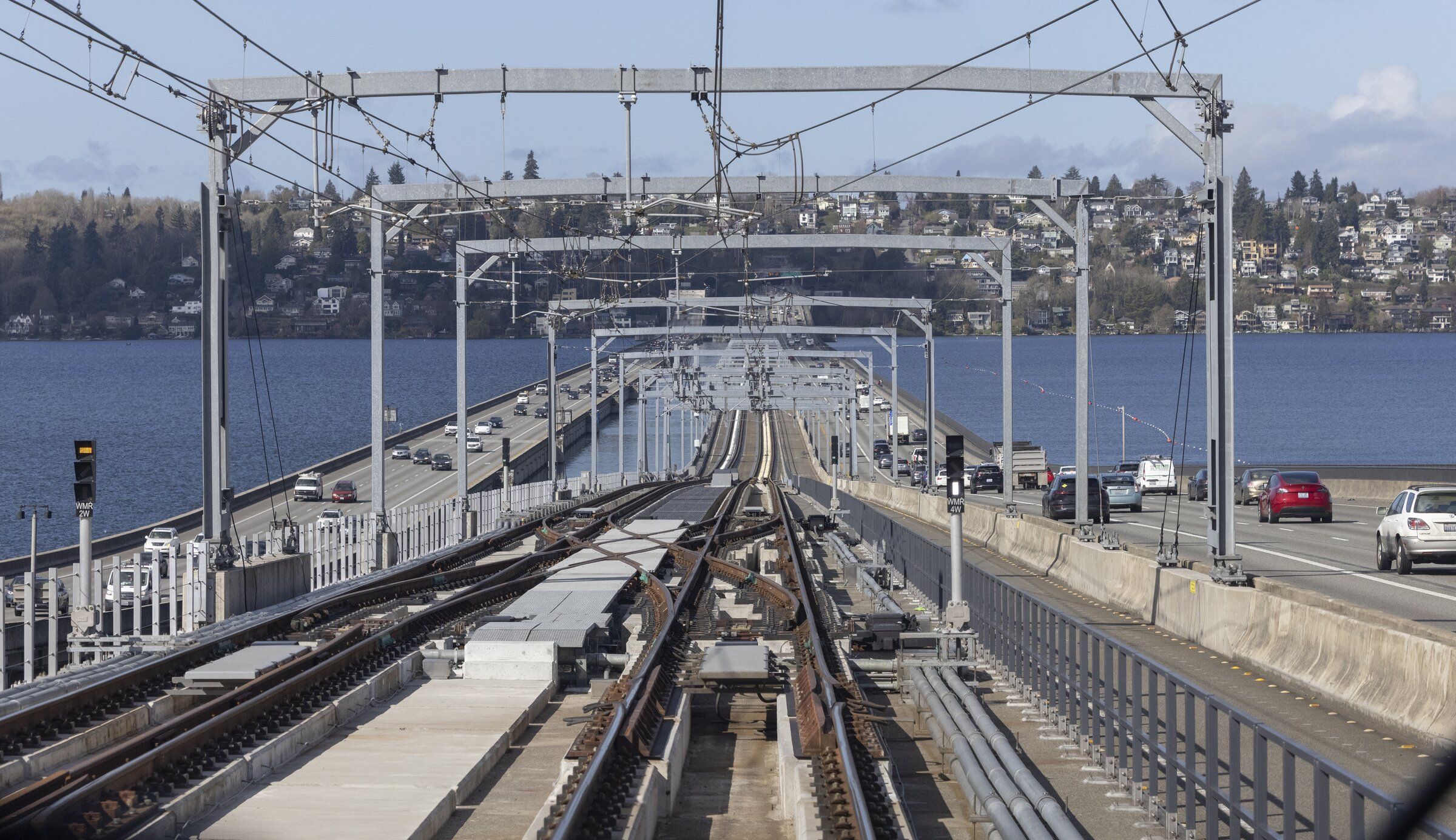
Based on: Seattle light rail’s electrical system zaps some Lake Washington fish
Washington State Lawmaker Fined for Facebook Comments
A Washington state legislator seeking reelection has been fined for violating the state’s ethics law. On Facebook, he posted comments suggesting that he could access confidential information about one of his constituents, which was deemed an impermissible use or display of official capabilities.
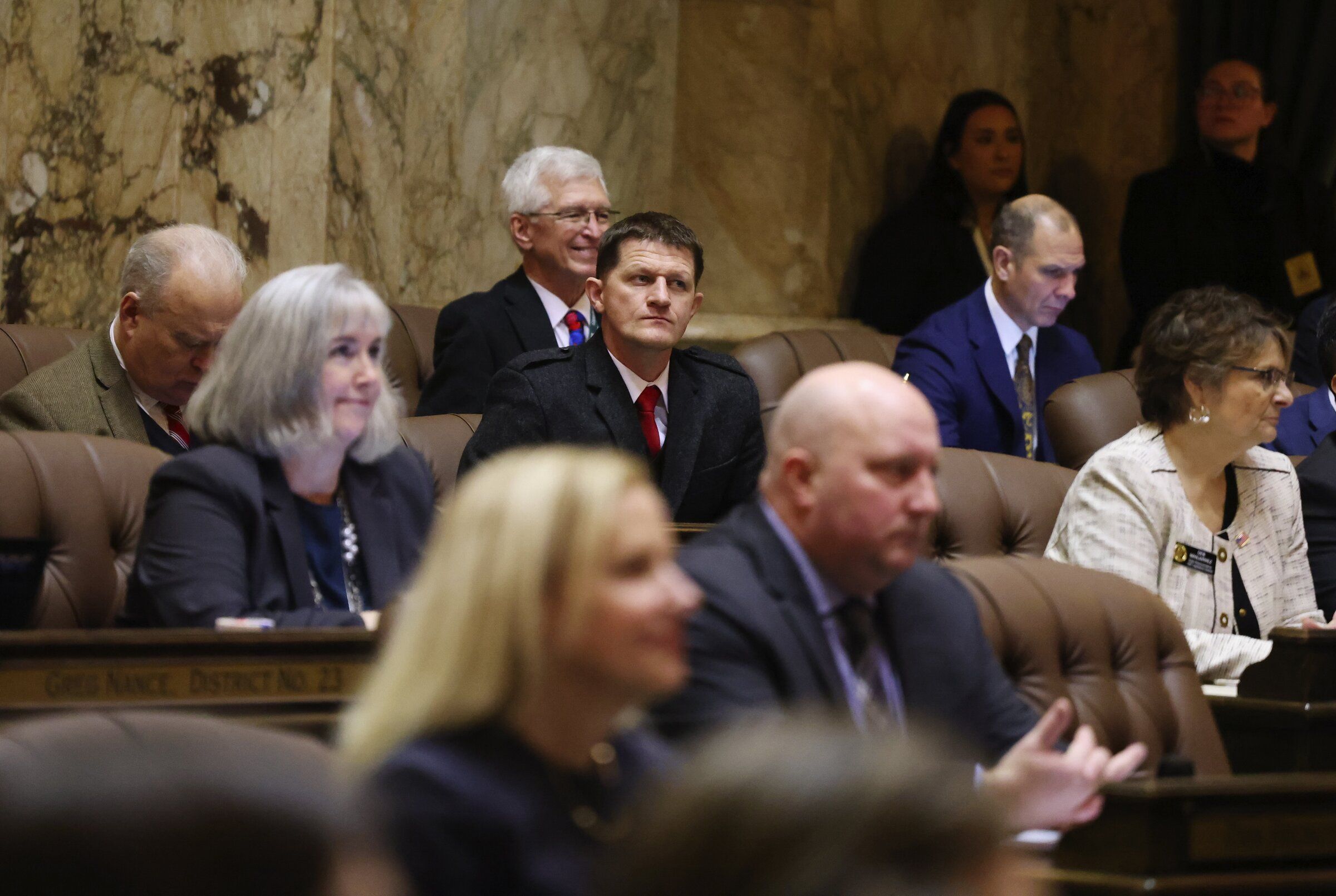
Based on: WA lawmaker fined for Facebook comments
Washington Officials Prepare for Medicaid Changes
Sweeping changes to Medicaid coverage, the U.S. government health care program for low-income people, could take effect in Washington state as early as next month. In response, the state’s top officials and health care system leaders have announced a plan intended to soften the impact of expected reductions in available medical services and the number of people receiving coverage.

Based on: Ferguson moves to prepare WA for looming Medicaid changes
Seattle: Housing Market in Turmoil as Mariners Lose Hope
Seattle is experiencing a painful reversal in its housing market: homeowners are being forced to sell properties at a loss, while the baseball team’s loss of key pitcher Matt Brash for the rest of the season has effectively ended its slim playoff hopes. Meanwhile, experts are advising the club’s leadership not to rush into personnel decisions after a disastrous season.
Seattle Residents Sell Property to “Stop the Bleeding” as Market Turns
The era when selling a home in the Seattle area almost guaranteed enormous profits is fading into the past. More and more homeowners across the region are facing a harsh reality: housing prices, which until recently were rising rapidly, have now stagnated and, in some cases, begun to fall. For those who bought property at the market’s peak and are now forced to sell because of financial difficulties or relocation, the situation has become a genuine ordeal. These sellers often describe their decision as “stopping the bleeding,” acknowledging that the transaction will not bring them a profit but will merely help them avoid even greater losses. They are people who counted on their equity continuing to rise but are now forced to accept losses or sell at break-even simply to free themselves from the burden of mortgage payments and taxes.
Journalists at The Seattle Times examine this painful trend in detail. Seattle’s real estate market, which for years was among the hottest in the United States thanks to the technology boom, is now cooling much faster than analysts expected. High mortgage rates, which reached multiyear highs in 2023 and 2024, made buying a home unaffordable for many families. Demand fell sharply, buyers became extremely selective and demanding, and supply, by contrast, began to grow. In this environment, sellers who just yesterday could spark bidding wars for their homes are now being forced to cut prices, offer discounts and make concessions simply to attract anyone. For many, this has come as a shock, because it is psychologically difficult to realize that an asset long considered a reliable investment is losing value before their eyes.
The imbalance is especially acute among homes purchased in 2021 and 2022, at the height of the frenzy. Mortgage rates were relatively low then, while prices were sky-high. Now that rates have doubled and prices have slipped somewhat, these homeowners find themselves trapped. If they try to sell now, the proceeds are often insufficient even to repay the remaining balance on the loan, let alone recover their down payment. In some cases, banks value the homes below the total mortgage debt, making a sale virtually impossible without using additional personal savings. One story described by the authors is particularly telling: local real estate agents say they are increasingly hearing clients say, “I just want to get out of this,” meaning they want to escape an unaffordable financial burden even if it means losing tens of thousands of dollars.
Observers note that the current situation is a classic example of how the Federal Reserve’s monetary policy is hurting the market’s most vulnerable participants. The rate hikes intended to fight inflation have made mortgage borrowing more expensive nationwide, and Seattle, where the median home price still exceeds $800,000, has been hit especially hard. Buyers who can still afford mortgages at 6%–7% have enormous negotiating power and are demanding substantial discounts, citing the high cost of borrowing. Sellers, meanwhile, are caught between the desire to receive a fair price and the need to complete a transaction quickly, before their financial situation deteriorates further.
Analysts stress that the “bleeding” in Seattle’s housing market is not merely a temporary phenomenon but a structural shift. The relocation of many technology companies to states with lower taxes, along with the move toward remote work, has reduced the influx of highly paid professionals who once drove housing demand. A city that embodied the American dream of getting rich quickly through real estate is now learning to live with a new reality, in which a home is primarily a place to live rather than an endless source of income. Those who can afford to wait are choosing to rent out their properties in hopes of a future market recovery, but those without that option are being forced to sell at a loss and swallow the bitter pill. Experts believe this trend will intensify in the coming months, forcing more families to reconsider their view of real estate investment as a completely safe way to preserve capital.
Former General Manager Advises Mariners Not to Change Manager or Front Office
The season has turned into a catastrophe for the Seattle Mariners. After making the American League Championship Series last year, when the team came within seven wins of the World Series, fans expected a repeat performance—and perhaps even more. But reality has been harsh: with 66 wins and 75 losses, the Mariners are stuck near the bottom of the standings, and even their theoretical wild-card hopes are fading by the day. Naturally, talk of personnel changes has begun, with manager Dan Wilson and president of baseball operations Jerry Dipoto viewed as the leading candidates to lose their jobs. However, former New York Mets general manager Steve Phillips, now an analyst for MLB Network, believes such decisions would be premature and shortsighted.
In an interview with Seattle Sports, Phillips emphasized that the root of the problem is not the coaching staff or management but simply a team failing to meet expectations. He pointed out that just a year ago, Wilson led the club to 90 wins and a playoff berth, where the Mariners came within reach of the top. “You can’t be a great manager one year and become a terrible manager the next,” he said, adding that if there are no clubhouse problems or conflicts with players, it is unwise to draw such abrupt conclusions. In his view, a 15-win drop in one year is not a matter of tactics or strategy but the result of key players simply failing to perform at their level.
Phillips paid particular attention to the pitching staff, which was the team’s greatest strength last season. Now, however, the club’s 4.16 ERA ranks only 16th in the league, making it the season’s biggest disappointment. He noted that Dipoto had always been reluctant to part with young pitchers in exchange for offensive reinforcements, but that strategy has begun to crack: the development of talented arms has stalled at the major-league level. “They don’t hit, but they’re not pitching the way they should, either. The pitching has regressed from what we all expected,” Phillips said. In his view, if the Mariners are to have any hope late in the season, they must first outpitch every opponent and then score enough runs, because they are doomed in a shootout with any team—their offense ranks last, averaging 3.96 runs per game.
Phillips, who led the Mets to the 2000 World Series, believes the problem goes deeper than simply changing the people in charge. He urged the organization to conduct a comprehensive review of its processes: Why are pitchers not progressing? Why are hitters failing to adjust to opposing pitchers? Where exactly is the player-development system breaking down? “You have to evaluate the training process and understand why adjustments aren’t working at the major-league level,” he added. Only after such an audit should personnel decisions be made. Even then, he said, firing people who took the team to the league championship series and brought it within one step of the ultimate prize would be a mistake. He acknowledges that the season has been a failure but argues that coaching ability cannot disappear in a single year, and if there are no obvious problems within the group, changing managers will solve nothing.
Phillips’ advice to the club’s leadership boils down to one simple point: do not act rashly in a moment of emotion. The season is undoubtedly disappointing, and fans have every right to demand answers, but those answers should come from analyzing mistakes rather than finding scapegoats. It is unlikely that the Mariners will pull off a miracle in the remaining games, and the futures of Wilson and Dipoto will be among the major offseason questions. Still, history shows that decisions made amid disappointment rarely pay dividends. Perhaps the organization should listen to someone who has endured the playoff gauntlet himself and understands the value of stability in baseball. The full interview with Steve Phillips is available on the Seattle Sports website, where he examines the situation within the club in detail.
Brash Out for Season as Mariners Lose Their Last Hope for Bullpen Rescue
The Seattle Mariners have suffered another painful blow in the middle of their playoff push: right-hander Matt Brash, who was expected to provide a key reinforcement for the decisive stretch of the season, will not pitch again this year. According to Seattle Sports, an MRI performed Thursday revealed inflammation in the right lat muscle—the same muscle that had already caused the pitcher problems in June. Doctors said there is no structural damage and that his recovery is proceeding as planned, but Brash has been prohibited from even picking up a baseball for the next eight weeks.
The news came as a cold shower for a team clinging desperately to its slim postseason hopes. Before Friday’s games, the Mariners trailed the division leader by six games and the final wild-card spot by four and a half, with only 21 games remaining. Brash’s return, after an almost flawless season, had seemed capable of becoming the catalyst that could turn the race around. Unfortunately, fate had other plans: the inflammation resurfaced after another training session in Boston, and general manager Justin Hollander acknowledged that discomfort in Brash’s lat had become a “recurring theme” over the previous two weeks.
Brash’s injury history has been a roller coaster. This is his second major setback in three seasons: in 2024, he underwent Tommy John surgery and missed the entire year. That means he has appeared in just 73 games over the past three seasons—fewer than he played in 2023 alone. The irony is that this season, before his June injury, Brash had performed like an elite setup man: in 20 appearances, he allowed just one run, posting a phenomenal 0.54 ERA and a 0.84 WHIP. He was the “lock” who shut down the seventh and eighth innings and allowed the team to carry games through to victory.
But since Brash and teammate Cooper Criswell went down on the same day—June 8—the Seattle bullpen has become the team’s weakest link. Before their injuries, Mariners relievers had the fourth-best ERA in the league at 3.18, providing the foundation for the team’s success. Since then, that figure has collapsed to a disastrous 5.77, the second-worst mark in baseball. The numbers are particularly alarming in the innings Brash traditionally handled: since his injury, Seattle’s bullpen ERA in the seventh and eighth innings is a dreadful 7.26, the worst in the league by nearly a full run over the next-worst team.
For Mariners fans, it is a bitter pill to swallow, because losing Brash is not merely a statistical blow but the collapse of the hope that the team had a Plan B at all. Still, Matt himself is an extraordinary fighter, and his return next season now appears more realistic because the MRI showed no tears or ligament damage. Eight weeks of rest should allow him to recover without surgery and begin preparing for spring training as usual.
The current reality, however, is that the Mariners have lost their biggest weapon in the middle of the battle for October. Without Brash, manager Scott Servais will have to improvise, sending whoever is available into the fray and hoping for a miracle. With the division rivals showing no signs of slowing down and the schedule offering no relief, Seattle’s playoff chances are fading by the day. All that remains is to wonder whether the Mariners can weather this storm without their bullpen’s main anchor—or whether this season will become another chapter in the book of bitter disappointments that already fills this franchise’s history.


News 04-09-2026
Cancer-stricken green card holder released from Washington ICE facility
Seventy-six-year-old Loreto Javar, a U.S. permanent resident with stage 4 prostate cancer, was released from ICE’s Northwest Detention Center in Tacoma on a personal recognizance bond. After his release, he was met by relatives and activists from the Tanggol Migrante Movement Washington.
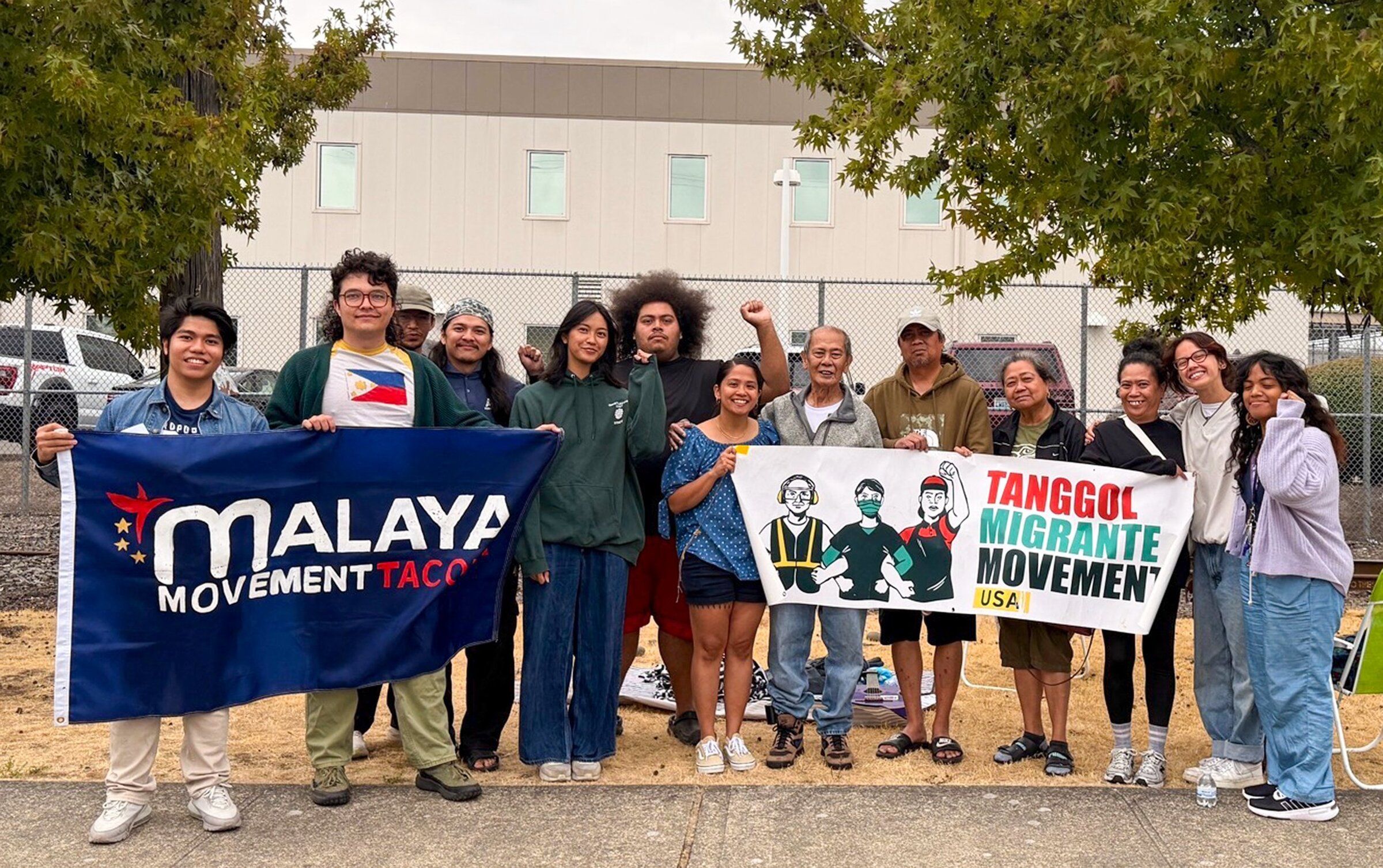
Based on: Green card holder with Stage 4 cancer released from WA ICE facility
Washington state approves sites for land conservation program
The Washington State Board of Natural Resources approved a list of six land parcels proposed for funding through the Trust Land Transfer program. The issue was considered at Tuesday’s meeting; the parcels must now receive approval from the Legislature before they can be preserved.
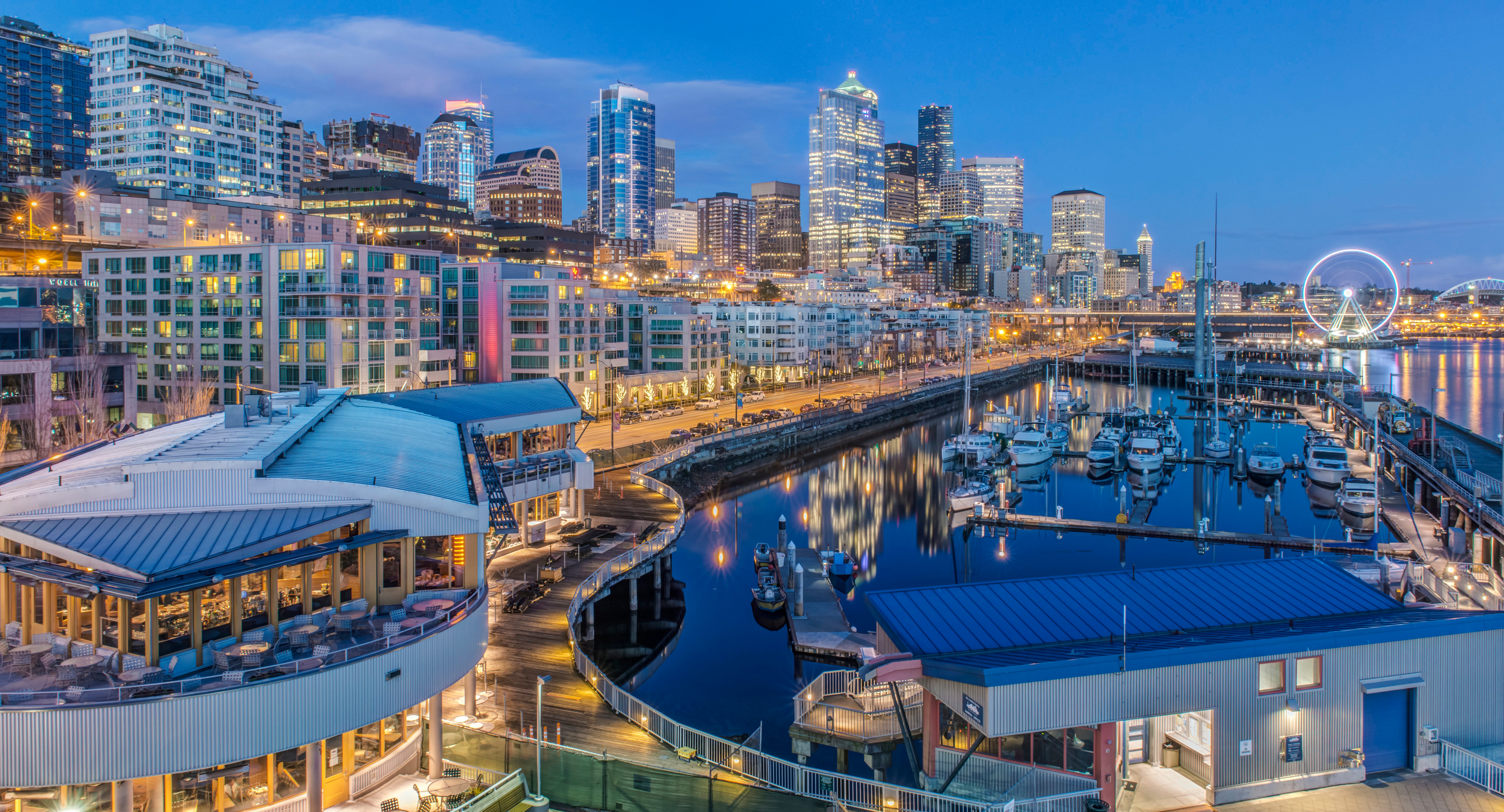
Based on: Trust land transfer proposals approved by WA Natural Resources board
Rain and Thunderstorms Expected in Seattle This Weekend
Residents of Seattle and surrounding areas will likely want to prepare for the return of cooler and unsettled weather during the Labor Day holiday weekend, as forecasters are predicting rain and possible thunderstorms. After the warmer days, cool-weather clothing — jackets and hats — may be needed again.

Based on: Labor Day weekend weather in Seattle may include rain, thunderstorms
After Four Months in Detention, Man Returns to His Family in Washington
Rudy Villeda Mejia, a 47-year-old native of Honduras, spent more than four months in the custody of U.S. Immigration and Customs Enforcement (ICE) in Aurora, Colorado. He was released in August and is now living with his family in northern Washington again, trying to rebuild his roofing business.
His release resulted from a federal judge’s decision. Villeda Mejia applied for a T visa — a special immigration status for victims of severe forms of human trafficking. Applications are filed with U.S. Citizenship and Immigration Services using Form I-914 and are generally accompanied by a personal account of events, police or court documents, medical and psychological evaluations, correspondence, financial records and statements from other people. In most cases, applicants must also provide proof of cooperation with law enforcement using Form I-914, Supplement B, although exceptions exist for minors and some people who are unable to cooperate because of trauma.
Submitting a T visa application by itself does not guarantee approval or protection from detention. Experts recommend consulting a licensed immigration attorney or accredited representative. Under a court order in California, ICE is not supposed to detain people with pending T visa applications and certain other visas for crime victims.
The man was arrested on March 30 at Denver International Airport. In early August, he was transferred first to Louisiana, to what is known as an ICE transit facility, where detainees are registered and undergo medical and administrative processing before being sent to other facilities or prepared for deportation. Transfers between states may be related to bed shortages, security requirements, the location of immigration court, medical needs or transportation schedules. However, the system often makes it difficult for detainees to communicate with attorneys and relatives. A person’s detention location can be checked through ICE’s online locator or with the help of an attorney.
Soon after the transfer, a Colorado judge ordered Villeda Mejia’s release and prohibited authorities from detaining him again without evidence that he might flee or pose a danger to the public.
After his release, a new problem emerged: the family had difficulty determining exactly where the man was. Relatives received conflicting information — Aurora was named first, followed by various cities in Louisiana. According to attorney Henry Hollitron, the confusion illustrates the difficulties faced by families of people held in ICE custody.
It was eventually determined that Villeda Mejia had been flown through Arizona and Texas and then driven to Louisiana. His wife flew there, after which the couple rented a car and began the long drive back to Washington.
The return was complicated by the fact that the man’s passport and work permit remained in Colorado. Without the documents, he could not fly, and the family also feared that ICE might detain him again at the airport. The office of Rep. Rick Larsen, who represents the district where the family lives, helped secure the return of the documents.
A member of Congress can send inquiries to ICE, USCIS, the Border Patrol and other federal agencies, check on the status of a case and seek responses to constituents’ requests. This usually requires written authorization to release information. However, Larsen’s office cannot order an agency to release someone, cancel a deportation order, issue a visa or replace an attorney or judge, and it generally does not provide legal representation.
Villeda Mejia has lived in the United States since 2010, when, according to his visa application, a Mexican cartel kidnapped him and smuggled him across the border. Before his arrest, he regularly reported for required check-ins at the ICE office in Seattle and, according to his family, had no criminal convictions. Such check-ins are a condition of release or immigration supervision: a person reports, provides documents and sometimes undergoes additional procedures. They are not equivalent to detention and do not guarantee protection from arrest, because ICE may act on the basis of an immigration order, a final deportation decision or changing law-enforcement priorities.
Before reporting for a check-in, experts advise consulting an immigration attorney and carrying copies of documents confirming one’s status and the date of the next hearing. Villeda Mejia’s case comes amid a broad deportation campaign that began after Donald Trump returned to the presidency in January 2025.
During his detention, the man’s health deteriorated: his back pain worsened, and symptoms of Bell’s palsy flared because he lacked necessary medication. His stepson, Genaro Shaffer, also noticed that his stepfather’s hair had turned gray. The family describes the detention conditions as extremely harsh, citing poor sleep and nutrition as well as threats of violence.
Villeda Mejia is now working again, trying to make up for the company’s financial losses and pay off equipment-related debts. Shaffer believes his stepfather’s story could happen to anyone without permanent immigration status, even if that person has not broken the law and has complied with government requirements. He says that in such situations, help from an experienced attorney and contacting members of Congress are especially important, because their powers are limited, while ICE typically changes course only after a direct court order.
Based on: ICE releases WA man detained in Colorado for months
Seattle Park Gets a New Name: Parque Libertad
A park in the South Park neighborhood that previously bore the name of labor activist César Chávez is now called Parque Libertad — “Freedom Park.” The Seattle Parks and Recreation Department approved the name after the public submitted suggestions. The property belongs to King County but is managed by the city; it officially opened in 2008.
Chávez’s name was removed in March after The New York Times published an investigation containing allegations that he raped Dolores Huerta, co-founder of the United Farm Workers union, as well as allegations of sexual abuse involving minors. Chávez died in 1993. Within a week of the investigation’s publication, King County and Seattle abandoned the former name and announced they were seeking a new one.
According to interim department director Michelle Finnegan, the word “freedom” reflects a commitment to civil rights, equality and opportunity for all. The new name is intended to honor the people and communities that fought for justice throughout Seattle’s history, while emphasizing openness, a sense of belonging and residents’ participation in city life. Dolores Huerta, whose role in the labor movement became especially prominent after the allegations against Chávez, was honored in Washington state in 2019: April 10 was declared Dolores Huerta Day.
Based on: Seattle’s César Chávez Park gets a new name
Allen’s Legacy and a New Seahawks Era: Technology, Gunfire and Loyalty
Seattle found itself at the center of three stories: the sale of the Seahawks to the Haslam family with the involvement of technology investors, defensive tackle Leonard Williams’ contract extension and belief in “legendary defenses,” and a disturbing shooting in a residential neighborhood where police are searching for those responsible amid dozens of shell casings.
Seattle Seahawks Sale Completed: Unexpected Technology Figures Join Ownership Group
The sale of the Seattle Seahawks to the Haslam family has finally closed, marking not merely a change in ownership but a genuine passing of the baton from one technology era to another. When news emerged last year that the heirs of Microsoft co-founder Paul Allen were putting the team up for sale, numerous names were circulating—from Jeff Bezos to Steve Ballmer. However, the winning bid came from the family of Silicon Valley venture capitalist Vinod Khosla. Although many of Seattle’s wealthiest technology figures, including Bill Gates and Melinda French Gates, chose not to enter the race for the nearly $10 billion asset, the final list of co-owners includes two familiar faces who will preserve the franchise’s ties to the local innovation ecosystem.
They are former Apptio CEO Sunny Gupta and Nader Naini, managing partner at Frazier Healthcare Partners. At first glance, these names may not be associated with sports, but their presence on the investor list is more than a nod to local roots. Gupta, who also served as executive chairman of Smartsheet and recently launched an enterprise AI startup, embodies the region’s software strength, comparable to Paul Allen’s own legacy. Naini, meanwhile, represents the financial and healthcare sectors, adding depth to the ownership portfolio beyond straightforward sports investments. Notably, Naini is already familiar with regional sports management, serving on the board of the Tacoma Rainiers baseball team—possibly indicating a long-term interest in developing sports assets in Washington state.
The list of co-owners looks like a cross-section of the global financial elite. In addition to Gupta and Naini, it includes Sequoia Capital’s Mark Stevens, known for early investments in Nvidia and Google; former U.S. Commerce Secretary Penny Pritzker; and major investment firms such as Sixth Street and Carlyle. International dynasties add further color, including Mexico’s Aramburuzabala family and British investor Len Blavatnik. This combination suggests that the Haslam family sought not merely to find wealthy partners, but to build a strategic alliance capable of providing the club with financial stability and global connections. Given that the Seahawks are defending their Super Bowl title in the 2026 season, such support will be critical to keeping the team at the top. The new ownership group will be formally introduced next Wednesday at Lumen Field, and fans should expect not only welcoming speeches but also announcements about future investments in the team’s infrastructure and roster.
To understand the significance of the deal, it is worth remembering that Paul Allen bought the Seahawks in 1997, when the team was going through difficult times, and transformed it into one of the NFL’s most valuable brands. His name became synonymous with stability, and the Allen family’s departure from the role of managing owners represents a symbolic break with the past. Khosla’s arrival, however, is no accident: Vinod Khosla, a pioneer in solar energy and co-founder of Sun Microsystems, represents a new wave of technology capital increasingly entering traditional sports. Notably, the controlling stake is passing not to Vinod himself but to his wife, Neeru, which is unusual in the NFL and may point to a family-oriented approach to management focused on a long-term social mission, particularly through a charitable foundation. For fans, however, the most important question remains: Can the new ownership group preserve the winning culture established during the Allen era? The early signs are encouraging. With Gupta and Naini, the team gains local entrepreneurs who understand the region firsthand, while partnerships with giants such as Carlyle provide access to the capital needed to build a new stadium in the future. Details about the deal’s structure and each co-owner’s role will emerge gradually, but it is already clear that the next chapter in Seahawks history will be written with the active participation of people for whom technology and innovation are not merely words but a way of life.
Legendary Defense Is Born in Seattle: Leonard Williams on His New Contract and the Road to the Top
Seattle Seahawks defensive tackle Leonard Williams met with reporters to discuss his new agreement with the club. The deal was more than another entry on the player’s résumé; it became a symbol of mutual trust between the athlete, the organization and the city he now calls home. In his address to the media, Williams made no attempt to hide his emotions, calling the contract extension “incredible” and emphasizing that the day might not have arrived without the support of head coach Mike Macdonald.
Williams’ story in Seattle is an example of how professional sports intersect with human values. According to the player, the family culture within the organization, along with the city’s distinctive energy and the fans’ loyalty, helped him find balance both on and off the field. “I feel wanted here,” the defensive lineman said. “It’s not just a job; it’s part of life.” The opportunity to finish his career with this team fills Williams with genuine excitement. Seattle is where he is playing the best football of his career, and the recent Super Bowl victory has only strengthened his desire to stay.
Williams’ recognition as an All-Pro also deserves special attention. For any NFL player, it represents the pinnacle of individual achievement, but Leonard emphasizes that he does not intend to rest on his laurels. His approach remains pragmatic: he prefers to move one step at a time rather than look too far ahead. “A season is made up of individual games, and each one is a new challenge,” the athlete says philosophically. At the same time, he is devoting more time to mentoring young defensive linemen. Williams understands that passing experience on to the next generation is an essential part of building the “legendary defense” people talk about in Seattle.
A key point of the interview lies in terminology that may be unfamiliar to newcomers. A defensive tackle, for example, is an interior defensive lineman whose main responsibilities are disrupting the opponent’s running plays and pressuring the quarterback. All-Pro honors are awarded to the best players of the season, as selected by journalists and coaches, making the recognition a highly prestigious individual award. As for Mike Macdonald, the young coach is known for an innovative defensive scheme that allows players such as Williams to maximize their potential.
Interestingly, Williams’ contract situation reflects a broader NFL trend: teams are increasingly investing in veterans who not only provide consistent performance but also become cultural leaders in the locker room. Extending Williams’ contract signals that the Seahawks are building around character as well as talent. Data from recent seasons confirms that Seattle’s defense improved significantly after Williams’ arrival: pressure on opposing quarterbacks became more aggressive, while run defense became more disciplined.
Williams himself, however, avoids making bold promises. “When I step onto the field, I don’t think about statistics or awards. I think about how to help my team win,” he says. That humility, combined with ambition, is what makes him a unique player. In a city where rain falls almost as often as landmark sporting moments occur, Williams has found his place. And judging by his attitude, the Seahawks have plenty more reasons to be proud, because legendary defenses really are born in Seattle.
Unknown Shooters Riddle South Seattle Neighborhood: Police Search for Suspects
On Wednesday evening, residents of a quiet South Seattle neighborhood heard what they initially took to be the sound of firecrackers. It soon became clear, however, that it was a real gunfight. Officers responding to the 2900 block of South Holly Street found more than 40 shell casings scattered across the roadway and the grounds of a small park nearby. Bullets pierced the bodies of three parked cars and the façades of five homes. Fortunately, no one was injured—the street was nearly empty at the time of the shooting.
According to witnesses, everything happened quickly: two vehicles drove into the intersection at the same time, and people inside opened fire. However, based on the type of casings recovered and witness accounts, shots were not fired only from the vehicles. Someone also fired from the direction of the park, where people may have been present who were either victims or participants in the conflict. By the time police arrived, neither suspects nor injured people were at the scene—all those involved had fled before patrol officers arrived.
Detective Shane Weatherford said it was currently difficult to determine whether the shooters had specific targets or were firing randomly in an attempt to intimidate someone. He also did not rule out the possibility that some participants had left the scene rather than wait to deal with law enforcement. The investigation has been assigned to the Gun Violence Reduction Unit, a specialized division that handles such cases in the city.
This is not the first similar incident in the Seattle area in recent months. Local residents increasingly complain that disputes between groups are taking place directly in residential neighborhoods and are calling on authorities to increase patrols. In practice, however, even after high-profile incidents like this, those responsible are rarely identified. Witnesses are often afraid to come forward, while suspects can disappear within minutes.
South Holly Street is in southeastern Seattle and has historically been considered a mixed-use area, where single-family homes stand alongside small parks and commercial buildings. The shooting occurred in a residential zone, making the incident especially alarming for the local community, since bullets could have struck windows of homes occupied at the time. Seattle police created the Gun Violence Reduction Unit specifically to analyze incidents like these and identify patterns that could help prevent future shootings.
For now, detectives are interviewing residents and reviewing surveillance footage from nearby homes and commercial properties. Police have not ruled out a connection between the shooting and a larger conflict that erupted earlier in other parts of the city, but that remains only a theory. Residents are advised to remain vigilant and report any suspicious vehicles or people in the area.
As The Seattle Times reported, incidents like these are becoming increasingly common in Seattle despite the city’s efforts to combat illegal gun trafficking. The central question remains unanswered: Was this an isolated burst of violence, or is the city on the brink of a new wave of criminal disputes whose consequences could be far more serious than bullet holes in the walls of homes?

News 03-09-2026
Who Will Continue Working During a Seattle Teachers’ Strike
On Tuesday evening, the education workers’ union and Seattle Public Schools reached a tentative agreement, but until then, uncertainty remained about the first day of the school year. About 485 district employees, most of them full-time workers, are not members of the Seattle Education Association. They include school principals, custodians, cafeteria workers and administrators. In the event of a strike, they would have been expected to report to school buildings, although it was unclear how they could carry out their duties without thousands of teachers and students.
The union, which represents roughly 6,000 teachers, instructional assistants, secretaries, counselors and other employees, approved a strike last week. It could have begun Wednesday — the day nearly 50,000 Seattle Public Schools students were due to return to school. The decision came after negotiations over a new collective bargaining agreement, which began about two months ago, reached an impasse.
The main dispute centered on the district’s special education policy; about 7,000 students receive such services. On Sunday, the district released its proposal, saying it would expand support for most children with special educational needs. The union responded that the statement contained “half-truths” and argued that the plan would instead lead to fewer aides and qualified specialists working with these students.

Based on: Who will still work if Seattle teachers strike? Hundreds
Portland Holds a Parallel-Parking Tournament
On Sunday, hundreds of residents gathered on a street in southeast Portland to watch an unusual parallel-parking competition. A line of cars stretched for roughly five blocks as drivers waited for their chance to park between two vehicles already at the curb. Spectators arrived with their families, dogs and folding chairs, while some even wore traffic cones on their heads.
Parallel parking is especially common in Portland and other cities in the Pacific Northwest, where residential streets often have narrow roadways, dense development and little private parking. Curbside spaces make it possible to use limited space more efficiently without blocking traffic.
The tournament took place outside Daniel Lyman’s home near the intersection of Southeast Pine Street and Southeast 29th Avenue. The idea emerged a year earlier during a casual conversation between Lyman and his friend Stephanie Lynch. The first contest, organized in just a few days, unexpectedly attracted attention from local and national media, and its creators even appeared on “Good Morning America.” This year, Portland’s transportation bureau supported the event by providing prizes and vouchers for the Parking Kitty app.
Parking Kitty allows users to pay for and extend parking from a smartphone, check rates and manage their parking session. The app is particularly common in paid curbside parking zones — downtown, in business districts and in popular shopping and tourist areas, where spaces are scarce and time limits apply.
About 80 participants competed for roughly five hours. Backup cameras were prohibited, and the bumpers of the parked cars were protected with soft pool noodles. Touching either vehicle meant disqualification, which happened fairly often. A wide variety of vehicles took part, from old compact pickups to a small British roadster; even a motorcyclist made an attempt. A father who pushed a child in a stroller through the course received a perfect score.
Judges considered not only whether the driver successfully parked, but also the speed, the vehicle’s length, the distance from the curb and the flair of the maneuver. Longer vehicles earned participants more points, while shorter ones earned fewer. Spectators watched one driver with a baby in the car in complete silence so as not to wake the child. The competition was emceed by Portland drag performer Nicole Onoscopi, while the judges included KOIN meteorologist Josh Kozart and a transportation bureau employee.
The five top-scoring participants advanced to the final, known as the “Tournament of Champions.” Kyle Kaufman won after parking in 16 seconds and scoring 85.72 points. He received the grand prize: a miniature Subaru painted gold. Organizer Daniel Lyman said the contest will return next year only if it can be made even more absurd and fun.

Based on: Hundreds pack Portland street to watch people parallel park
How Seattle Avoided a Teachers Strike at the Last Minute
The Seattle Education Association and Seattle Public Schools reached a tentative agreement at the last minute, averting a strike that could have delayed the start of the school year. Teachers and other staff members expressed relief, while parents felt relief mixed with frustration: the decision was announced only around 11 p.m. on the eve of the expected return to school.
Negotiations had continued since June and concluded after weeks of deadlock. Superintendent Ben Shuldiner took part in the discussions personally and said he was proud of the agreement. It must now be finalized, approved by union members and then ratified by the school board.
One of the main sticking points was special education. The district has four types of programs because students require different levels of support — from instruction in a general education classroom with additional services to specialized classrooms for children with more complex needs. Currently, these programs are distributed unevenly among schools: each school typically offers only certain types of support, so some children are assigned to other schools with the appropriate program. This allows specialists and resources to be concentrated, but it can increase students’ travel times.
The district proposed changing how these services are distributed and organized, but the union was concerned about the consequences for students and staff. In the end, the sides agreed not to immediately implement a sweeping reform, but instead to launch an 18-month process involving the school community to develop a new approach.
After that process, the district plans to conduct a large pilot project, possibly as early as the third year of the new contract. It will test whether all four types of special education services can be provided at every school, so children would not have to transfer between schools depending on the programs they need.
The union’s second major achievement was a pay increase. All employees will receive raises reflecting the cost of living, along with additional increases for paraprofessionals, some office workers and other employees without state teaching certificates. Shuldiner said the final increases would be slightly higher than the previously announced 8.8% over three years, but would remain within the limits of the district’s approved budget.
Approximately 6,000 union members — teachers, paraprofessionals, secretaries, counselors and other specialists — must ratify the tentative agreement. The vote is scheduled for Sept. 11 at McCaw Hall. The spacious neutral venue can accommodate a large number of participants and allow for in-person verification of attendance and voting eligibility, while an online format could raise additional questions about the procedure.
After the union vote, the contract must be approved by the school board on Sept. 16 or earlier at a special meeting. The union represents employees and cannot independently require the district to fund the agreement, while the board cannot unilaterally impose it on staff. Therefore, both sides must approve the contract for it to take effect — confirming their agreement on salaries, working conditions and other provisions.
The final agreement was made possible by a compromise on special education and salaries, allowing the school year to begin as scheduled.

Based on: How Seattle Schools got the deal done to avert a teachers strike
Golden Jimothy Card Sells for $20,100 on eBay
The fan appeal of Jimothy — the short-tailed Seattle raccoon who became a local celebrity — has taken on a very tangible monetary value. A unique golden Seattle Mariners card featuring his image sold for $20,100 on eBay Sunday evening.
The card was discovered by Abby, an incoming eighth grader, among 20,000 collectible cards distributed to spectators during the Mariners’ Jimothy-themed game against the Detroit Tigers on Aug. 5 at T-Mobile Park. Buyers offered the family money during the game, but Abby’s mother, Jessie Nino, decided to keep the find. Realizing the card could be worth a great deal, the family put it up for auction, hoping to use the proceeds for their daughter’s future education or to buy a home.
By the time the auction ended, the card had received 100 bids. Other Jimothy cards are also selling on eBay for tens or hundreds of dollars. Abby’s sale set a new record among promotional cards distributed at stadiums; the previous high was held by a Dodgers “One Piece”-themed card that sold for $19,800. For $20,100, you could buy an inexpensive new car, open a mobile coffee shop or purchase about 6,700 large brewed coffees at Starbucks.

Based on: Golden Jimothy Mariners card sells for $20,100 on eBay
Please provide the full text of the article
Based on: Seattle superintendent: Labor deal lets SPS ‘possibly stay solvent’
Fateful Decisions: Seattle Between Openness, Wildlife and Schools
Three significant events are unfolding in Washington state: the state Supreme Court will consider whether lawmakers have the right to withhold public records, potentially changing the balance of power; police discovered a bobcat in the home of a 93-year-old woman who had mistaken it for a cat; and Seattle schools avoided a strike, preserving the scheduled start of the school year. These stories — ranging from legal precedents to odd curiosities — reflect the complex intersections of urban life, where nature, politics and education meet in the most unexpected ways.
Washington Supreme Court to Consider Lawmakers’ Right to Withhold Public Records
An important legal precedent is taking shape in Washington state — one that could fundamentally alter the balance between government transparency and the effectiveness of the legislative process. The state Supreme Court has agreed to hear a case involving so-called “legislative privilege,” the right of lawmakers to withhold some of their working documents and correspondence on the grounds that internal decision-making processes need protection. The decision follows a long series of legal disputes and now places a difficult question before the state’s highest court: Where does the public’s right to know how laws are made end, and lawmakers’ right to work confidentially begin?
The dispute has its roots in ongoing conflicts among journalists, advocates and public officials. Washington residents have repeatedly requested lawmakers’ correspondence, bill drafts and internal analyses, believing that such materials should be available under the state’s Public Records Act. Lawmakers, however, argue that their work requires a certain degree of privacy. If every preliminary discussion, draft or personal opinion became public, they say, the legislative process could be paralyzed, forcing politicians to constantly worry about public reaction and making them afraid to express unpopular but necessary viewpoints. In essence, legislative privilege is intended not to protect secrets for their own sake, but to protect the process of developing compromises and decisions — a process that rarely takes place entirely in public and often requires informal discussions.
The Supreme Court must now determine how applicable this privilege is when state law explicitly establishes a presumption of openness. The justices will have to balance two constitutional values: the public’s right to information and the need to ensure that the legislative branch can function properly. Similar cases have already been heard in other U.S. states, with mixed results. In some instances, courts sided with transparency, noting that modern technology allows politicians to protect their most sensitive discussions from outside scrutiny without concealing all of their records. In others, courts recognized that excessive interference in internal processes could lead lawmakers to stop putting their thoughts on paper altogether — ultimately making their work less transparent, not more.
The principal argument made by supporters of transparency is that voters have the right to know how, and under whose influence, laws governing their lives are created. If the privilege is interpreted too broadly, it could protect not only strategic discussions but also correspondence with lobbyists, major business representatives or even private arrangements among politicians. Although lawyers for the lawmakers insist that the privilege is not unlimited and applies only to internal deliberative processes, critics fear that in practice it could become a convenient tool for concealing information that might be uncomfortable for those in power.
Significantly, the article published in The Seattle Times briefly reports the essence of the case — the high court agreed to consider the issue — but does not provide specific details about which documents lawmakers are trying to withhold. This only underscores that even the description of the dispute itself remains contested. The hearings are expected to attract considerable public attention, since the court’s decision will establish a precedent that could remain in effect for decades and affect how every future legislative session operates.
If the court sides with lawmakers, it will effectively legitimize a practice that citizens have continued to challenge. If it sides with transparency, lawmakers will have to fundamentally revise their methods and be prepared for much of their daily work to become public. The middle ground, as is often the case in law, is the most difficult: The justices may try to draw a fine line that protects genuinely sensitive aspects of lawmaking while preventing officials from hiding information that should truly be public behind an abstract “privilege.”
For ordinary Washington residents, the case deserves close attention because it concerns more than legal technicalities. It addresses the fundamental question of how democratic their society is. If citizens cannot access information about how laws are made, their participation in political life becomes largely symbolic, while real power becomes concentrated in the hands of a small group of professionals operating beyond public oversight. Ultimately, the Supreme Court’s decision will determine whether politics in the state remains transparent and government accountable, or whether closed-door discussions become the accepted norm.
Police Find Bobcat in Home of 93-Year-Old Woman Near Seattle
The story begins as a typical call about a missing pet but quickly turns into something entirely unexpected. An elderly woman in a Seattle suburb reported to police that her cat was missing. When officers arrived, they discovered that the “cat” was actually a real bobcat that apparently felt completely at home. The woman had likely been feeding the wild animal, mistaking it for a large domestic cat, and had no idea who had moved in under her roof.
Police officers, accustomed to all kinds of situations, clearly did not expect to find a bobcat in the living room of a 93-year-old American woman. The predator was calm, but that did not stop law enforcement from calling wildlife specialists. The situation ended well for everyone: The bobcat was turned over to the appropriate authorities and will most likely be released into the wild, away from residential areas. The retiree escaped with little more than a fright and will presumably think twice before inviting unfamiliar “cats” into her home. Details of the incident were described in a police report, which also notes that such encounters are becoming increasingly common in the region as cities expand and human development encroaches on wildlife habitat.
It is worth noting that the original report contains a particularly curious discrepancy. At the top of the material about the bobcat discovery, an entirely different story is mentioned — tragic events in Haiti, where gang attacks in the city of Kenscoff left dozens dead and more than 50 people kidnapped. This was likely an aggregator error, with a fragment from another news story inserted into the article about the furry visitor. Still, setting aside the technical glitch, the main story remains revealing: Even in comfortable American suburbs, wild animals can sometimes be closer than we think, and they are not always willing to settle for the role of a cute household pet. The bobcat incident is a reminder that, despite the apparent domestication of our surroundings, nature occasionally makes its presence known. Elderly people living alone may sometimes fail to recognize danger because of their kindness and trustfulness. Fortunately, no one was injured, the bobcat showed no aggression, and the entire episode ended almost like a joke. But the case offers an excellent opportunity to consider how we coexist with wildlife and why wild cats are increasingly choosing human homes — whether because of a lack of food or simply because they are curious to look through the window at people willing to feed them. Police and wildlife officials have already commented on the incident, urging residents not to approach wild animals and to report them to specialists rather than trying to “tame” predators themselves. The 93-year-old homeowner, meanwhile, appears to have been delighted by the unexpected visitor, although she will probably pay closer attention to the identifying features of feline species before opening her door to them again.
Seattle Strike Averted: New School Year to Begin on Time
Seattle avoided a dramatic scenario that could have left thousands of students without classes on the first day of the school year. Late Tuesday evening, the Seattle Education Association teachers’ union and the city’s school administration reached a tentative agreement, allowing the school year to begin Wednesday morning as scheduled. The news came as a relief to parents, students and teachers, who had anxiously followed the negotiations in recent weeks.
Tensions peaked last week, when teachers voted 91% in favor of authorizing a strike if the two sides could not reach an agreement by the start of the school year. The situation worsened Saturday evening when negotiations reached an impasse. By the following morning, however, a mediator had joined the process, and discussions resumed with renewed intensity. Negotiators even joked that they might have to bring an air mattress so they could meet the deadline — the schedule was that demanding.
Seattle Schools Superintendent Brent Schundler, speaking to reporters Tuesday afternoon, thanked the mediator and emphasized his decisive role in achieving progress. Without the specialist’s involvement, he said, the outcome could have been very different, and he was glad they would not have to consider the possible negative consequences. More than 300 people — teachers, students and parents — also gathered outside the district administration building that day to show support for the union. Some held signs calling for the district to reconsider its proposed staffing levels for special education.
The ratio of specialists to students in special education programs was a major point of contention. District proposals included changes to the structure of those programs, including a reduction in the number of paraprofessionals in classrooms. However, neither the district nor the union has disclosed the details of the proposals or the tentative agreement. Such confidentiality is common during the preliminary agreement stage, but it has raised numerous questions among members of the public, particularly parents of children with special educational needs.
Paraprofessionals are teacher assistants who play a crucial role in supporting students with disabilities. They help adapt instructional materials, accompany students throughout the school day and implement individualized education plans. Reducing their numbers could significantly affect the quality of education for the most vulnerable students, which is why the proposal prompted such strong opposition from the teaching community.
The agreement must now be ratified by union members in a special vote, requiring only a simple majority. Such procedures usually take several days, but given the parties’ desire to avoid a strike, the vote will likely be organized quickly. Even if ratification takes longer, however, the start of the school year will not be disrupted — the key outcome of the agreement.
For Seattle, the dispute served as a reminder of how fragile the balance can be between teachers’ demands and school-budget constraints. Similar conflicts over fair pay and working conditions occur across the country, and each time they threaten to disrupt education. Seattle’s experience shows, however, that even in the most difficult situations, when both sides are willing to compromise and seek help from professional mediators, a solution acceptable to everyone can be found. The hope now is that the compromise will hold and allow Seattle students to begin the new school year calmly, without concerns about their future. More information is available in the KUOW article.


News 02-09-2026
Seattle Officials Aim to Improve Emergency Communications
Seattle Mayor Katie Wilson and Acting Police Chief Andre Sayles discussed communication problems identified after the shooting at the Bite of Seattle festival, as well as Sayles’ plans for his first 100 days in office. The leaders intend to improve information-sharing among emergency services and make the police response to emergencies more effective.

Based on: Wilson, Sayles create plan to improve emergency communications
How Seattle Informed Residents After the Mass Shooting
The provided excerpt says that Seattle officials are comparing their communication with residents after the mass shooting to the actions of other cities. Washington Gov. Bob Ferguson, Seattle Police Deputy Chief Tyrone Davis, Mayor Katie Wilson and U.S. Rep. Pramila Jayapal spoke at a press conference at Seattle Center. However, the full article and details of the comparison are not included in the excerpt.

Based on: How Seattle’s communication during mass shooting compares to other cities’
Seattle teachers’ strike averted
The bargaining committee of the Seattle Education Association reached an agreement, allowing city schools to begin the academic year on Wednesday as planned. The union held a protest outside the Seattle Public Schools headquarters the day before, but a strike was ultimately avoided.
Based on: Teacher strike averted; Seattle schools will start Wednesday
MOHAI Museum Staff Seek to Form a Union
Workers at the Museum of History and Industry (MOHAI) in Seattle have announced a campaign to form a union and asked museum management to voluntarily recognize the new organization. The decision now rests with the museum’s administration: if it agrees, the union will be recognized without a formal vote; otherwise, the employees will likely have to go through the established union-organizing process.
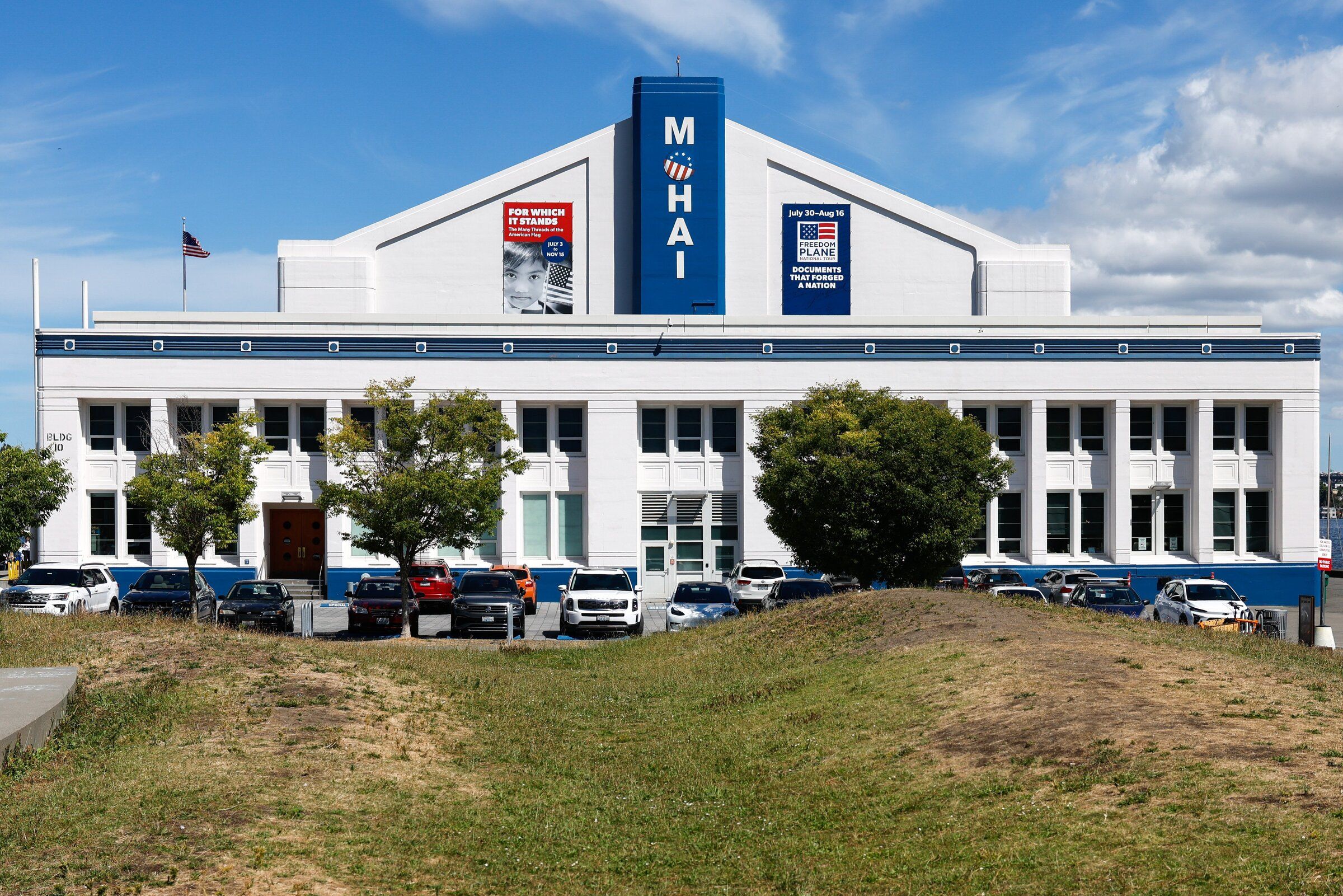
Based on: MOHAI workers launch union effort
Seattle works to avert teachers’ strike
Nearly 50,000 Seattle public school students were due to begin the school year on Wednesday, but prolonged negotiations between the school district and teachers’ union put the first day of classes at risk.
Seattle Public Schools is a unified public school district governed by an elected school board. Decisions about the budget, the operation of the school system, transportation, staffing and school closures are made at the district level, so individual schools cannot independently cancel potential changes. In the event of a strike, the decision would affect all 106 schools.
At a news conference Tuesday, Superintendent Ben Shuldiner said he was “hopeful” because of significant progress in negotiations with the Seattle Education Association (SEA). Talks continued past 1 a.m. and resumed in the morning.
Shuldiner declined to disclose details of the progress, but said the two sides were actively exchanging proposals on special education and pay. He said the rapid exchange of documents showed that both sides genuinely wanted to reach an agreement.
The district promised to post updates on negotiations every two hours on its website and social media. Shuldiner did not provide an exact time for when news of a strike or its cancellation would be announced, comparing the decision to the announcement of a snow day, which is sometimes made early in the morning.
In Washington state, public school employees may strike as part of a collective labor dispute, but the parties must complete legally required bargaining procedures beforehand. During a strike, classes may be canceled or rescheduled, and employees generally do not receive pay for days they do not work. The effects on the academic calendar and any possible compensation depend on the final agreement between the union and the district.
If a strike begins, pickets would be held at all 106 schools during regular school hours: beginning at 7:50 a.m. at elementary schools and at 8:50 a.m. at middle and high schools. At the time of publication, no final agreement had been reached, making a strike appear to be the most likely scenario.
If schools close, the district plans to provide students with packaged breakfasts and lunches from 9 a.m. to 1 p.m. Students’ enrollment status will not be checked: District leaders said they want to remove barriers to accessing food. School buses, however, will not operate, so families will have to travel to the schools on their own. Parents were also advised to contact their school principals for details.
The central dispute involved not only pay but also the district’s plans to change special education programs and staffing schedules. Many students with disabilities need one-on-one support, adapted materials, therapy or assistance with daily activities. Increasing the number of students assigned to each adult could make it harder to carry out individualized education plans, harm safety and access to learning, and increase teachers’ workloads.
The union fears the changes will lead to cuts in aides and weaker support for children with special needs. The district, meanwhile, is facing a budget shortfall caused by rising expenses, declines in some revenues and limited local funding options. District leaders worry that higher labor costs will lead to cuts in programs or staff, while the union is pushing for higher salaries to retain employees.
About 400 teachers and union supporters gathered Tuesday outside the district headquarters in SoDo. SoDo, short for South of Downtown, is an industrial and commercial neighborhood south of downtown Seattle, home to warehouses, stadiums and offices. The picket outside headquarters was intended to draw attention to the officials making decisions about the budget, school system and working conditions. Participants wearing red held signs and chanted demands for a fair collective bargaining agreement.
Educator Chelly Lafayette said she attended the demonstration primarily because of the threat of cuts to special education. She said that under the current program for children with behavioral challenges, one teacher and three aides serve 10 students. She fears the new rules will undermine an effective support system.
Aubrey Frantzen, a staff member in the BRIDGES program at Garfield High School, also opposed increasing the student-to-staff ratio. BRIDGES helps students who struggle to follow standard school rules or cope with behavioral and emotional challenges. The program provides individualized plans, mentoring, specialist support, self-regulation instruction and gradual reentry into the mainstream learning environment, so staff cuts could leave specialists without enough time to work individually with students.
A week before the possible strike, union members voted to strike if an agreement was not reached by the end of Tuesday. Of the 57 items in the prospective contract, the parties had agreed on 12, including provisions on mentoring, hiring procedures and the review of employees without state certification, as well as their representation and arbitration rights.
School Board President Gina Topp urged the district and union to reach an agreement so children could attend classes Wednesday. She emphasized that the contract must address students’ needs, particularly in special education, recognize educators’ professionalism and remain financially responsible amid the district’s budget crisis.

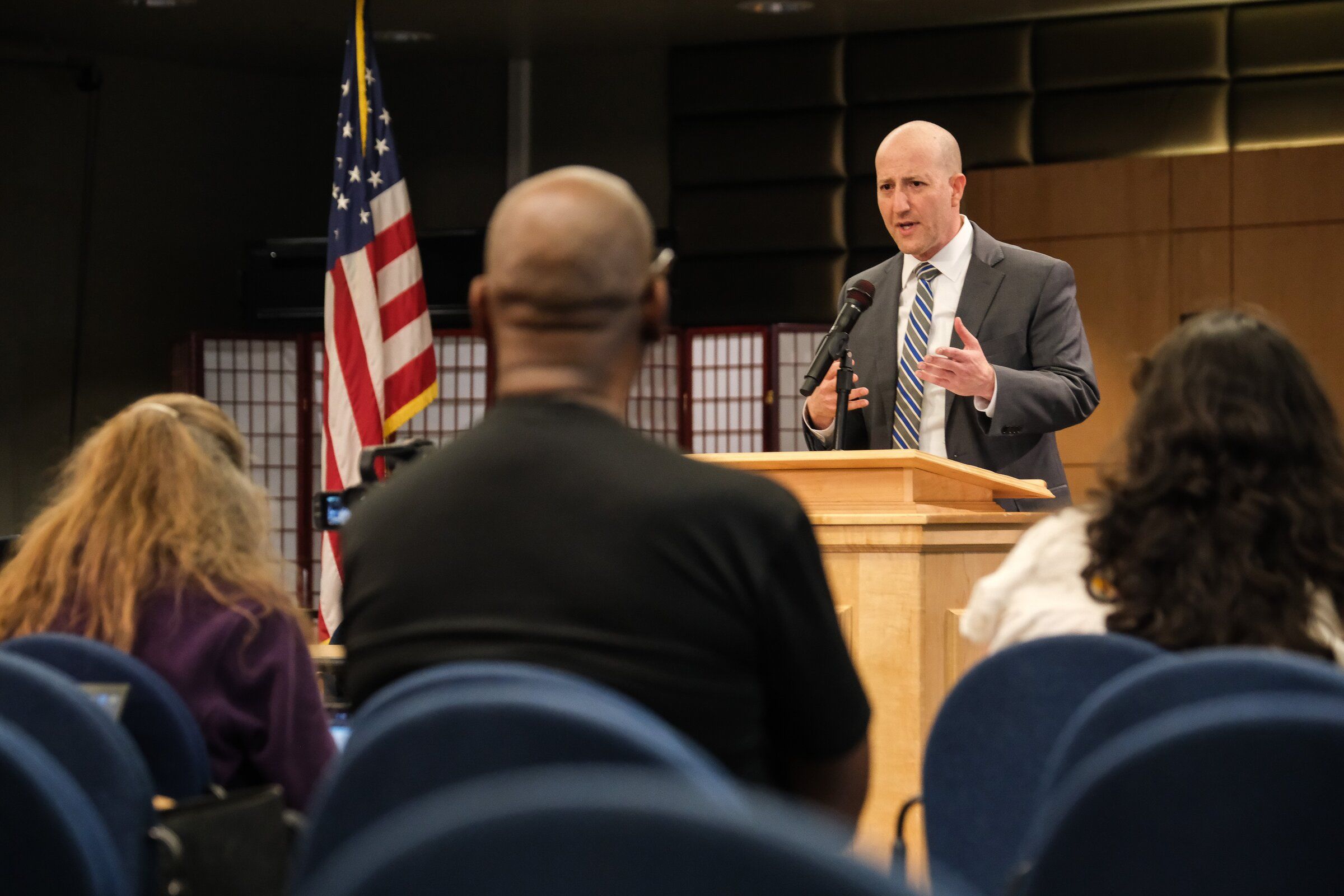
Based on: Seattle superintendent says he’s ‘hopeful’ strike can be avoided
Seattle at a Crossroads: Population Loss, School Crisis and New Promises
Seattle is facing a triple challenge: a record outflow of households seeking affordable housing, the threat of a teachers’ strike over a $100 million budget deficit, and City Hall’s promises to improve emergency communications after a shooting at a festival. Residents are voting with their feet, schools are on the verge of a disrupted academic year, and officials are trying to rebuild trust.
Seattle Has the Second-Largest Household Outflow in the U.S.: Washington Residents Vote With Their Feet
The Washington Policy Center has published data that raise serious questions about the state of affairs in Washington. According to a recent analysis, Seattle ranked second in the United States for the net outflow of prospective homebuyers among the nation’s 100 largest metropolitan areas, trailing only New York City. The figures are based on Redfin data, which track not actual moves but searches by people considering a change of residence. While official population statistics may paint a rosier picture, the real intentions of Americans already living in Washington point to a very different trend: they are actively looking for ways to leave, and this process carries serious economic consequences.
Mark Harmsworth, director of small-business policy at the Washington Policy Center, set out to determine whether Washington really remains the “state of opportunity” that local Democrats in Olympia describe. His verdict is grim: people who already live here are looking for a way out, while official population figures merely conceal this warning signal. The analysis combines several sources, including Redfin search data, state population estimates, federal housing data and IRS tax returns. Taken together, they paint a picture that differs sharply from the one presented in official migration reports.
The Redfin search figures are genuinely striking. During the first quarter of 2026, 26,349 Seattle users searched for housing outside the city, while the reverse flow of people interested in moving to Seattle was significantly smaller. The most popular destination among the “escapees” was Phoenix, where the median home price is roughly half that of Seattle. This trend is not unique to Washington: nationwide, nearly one in five American homebuyers is now considering options outside their metropolitan area, a record level since Redfin began tracking the statistic in 2021. People are deliberately heading toward cheaper Southern states with favorable climates and tax policies.
Notably, the supply of homes for sale within the state itself has already risen sharply, particularly in King, Pierce and Snohomish counties, where the market has been flooded with listings following the adoption of an income tax. This confirms that high-earning professionals are not merely thinking about leaving—they are already putting their homes on the market and departing the state. Interestingly, Washington state’s own data appear to contradict this picture. The state Office of Financial Management estimates a net migration gain of 61,750 people between April 2024 and April 2025. Harmsworth, however, points to an important nuance: over the course of one year, net migration fell by 7,500 people, the weakest figure since 2013 apart from the pandemic year of 2021. Domestic migration—moves from other states—is about 18 percent below its pre-pandemic level, and only international arrivals are keeping the overall figure from collapsing completely.
A more detailed analysis by The Seattle Times, based on census data and included in the study, presents an even more troubling picture. From 2020 to 2024, Washington lost more than 20,000 residents through moves to other states. The annual number of people leaving rose from roughly 198,400 to 233,100. The main flow is headed to Arizona, followed by Texas, while Idaho continues to attract families who can keep remote jobs and afford to buy a home—a trend Seattle Red covered last spring, when Idaho’s population surpassed two million. Federal housing-market analysts reached similar conclusions: a HUD study of the Seattle housing market recorded net domestic outmigration every year beginning in 2017, with the negative trend merely being masked by international arrivals.
IRS data are particularly revealing because they show who is leaving the state and how much they earn. According to Harmsworth’s calculations, between 2021 and 2022 Washington experienced a net loss of nearly 19,000 taxpayers and their dependents, taking approximately $1.66 billion in adjusted gross income with them. More recent data for King County show similarly striking figures: a net outflow of about 13,000 people and nearly $2 billion in income in a single year. Notably, even in a year when the county recorded a net gain of residents from other states, it still lost $446 million in income because departing households earned substantially more than those arriving. The 2025 United Van Lines study, which tracks full-service moves and typically involves older and more affluent people, also classified Washington as a state with net population outmigration: 52.4 percent of moves were planned out of state, compared with 47.6 percent coming in.
It is hardly surprising that warning signs have been sounding for months, and employers are trying to get lawmakers’ attention. A survey by the Washington Business Association found that nearly one in four employers in the state is seriously considering moving its business to another state, and that figure has nearly tripled in 16 months. Harmsworth is right to note that people do not rent a moving truck because someone declares in a press release that Washington is open for business. They leave when housing becomes too expensive, taxes continue to rise, and another state does not treat investment as a problem requiring management. These figures suggest that the official picture of migration in Washington may be misleading and that the state’s actual economic situation requires closer attention from policymakers.
In an article published by Seattle Red, the combination of high housing costs, tax pressure and an overall policy toward investment is described as creating a persistent outmigration trend. For now, international migration is offsetting domestic losses in the overall statistics, but the annual loss of thousands of high-earning taxpayers is more than a change of address—it is a sign that the state’s economic appeal is declining. For those considering moving to or from Washington, these data may serve as an important guide in making that decision.
Quick Promises: How Seattle Plans to Catch Up on Emergency Communications
Seattle Mayor Katie Wilson and local police have publicly acknowledged for the first time that communication during the recent shooting at the Bite of Seattle festival left much to be desired. Rather than making excuses, officials took an unprecedented step: they promised a complete review of the emergency-notification system for major public events. This is not merely a cosmetic overhaul of press releases but an attempt to restore the trust of residents who, at a critical moment, were left without clear information from official sources.
The substance of the new approach, outlined in a statement to FOX 13 Seattle, is the creation of a single, strict protocol: after any high-profile incident, police must provide City Hall and the public as quickly as possible with more than dry updates—full briefings containing verified information. In the past, as events demonstrated, the speed of notifications was sacrificed to bureaucratic approvals, leaving residents to learn about street closures and potential dangers from eyewitnesses’ social-media posts rather than from authorities. Under the new system, Seattle Police Department personnel will appoint a public-information officer at the scene itself, rather than an hour or two after the situation has been resolved.
To an ordinary resident, this promise may sound like another bureaucratic formality, but it actually represents a shift in approach. In an era of instant smartphone notifications, when any passerby can livestream an event, official silence is perceived as a lie or a cover-up. The Bite of Seattle incident became a test case: the shooting occurred in a crowded location, and while police were conducting tactical operations, rumors about the number of victims and shooters were already circulating online. The city now promises to introduce a “rapid-update protocol” that would effectively require law-enforcement officials to issue a public comment within 30 minutes after the threat has been stabilized.
The key issue in this story is not the promise itself but how the mayor’s administration is trying to avoid repeating past mistakes. Rather than issuing a directive to “just post more updates,” SPD is proposing a structured approach: for major events, officials will prepare templates in advance, including evacuation-zone maps and lists of hotlines. This means that the next time something similar happens, authorities will have no excuse that “we did not have time to gather the information,” because teams will operate in a semiautomated mode. Critics, however, already point out that the problem was not the absence of a protocol but a culture of silence and a reluctance to acknowledge uncertainty. If police do not change their mindset, all the new protocols will remain attractive documents on the city council’s website.
The consequences of this decision extend far beyond a single festival. Local journalists and activists have long complained about how difficult it is to obtain a comment from SPD during the first hours after an emergency, and this new policy could set a precedent for other cities across the country. Given that Seattle has struggled in recent years with a controversial reputation because of protests and street crime, demonstrating openness is also an exercise in political public relations. Wilson is clearly betting that voters will remember not the shooting itself but how quickly and clearly the city responded to residents’ demands. All that remains is to hope that these words will be matched by action, because trust takes years to rebuild and can be lost in a single evening.
Seattle on the Brink: Schools Superintendent Pleads With Teachers’ Union to Avoid Disrupting the Start of the School Year
A dramatic situation is unfolding in Seattle that could leave thousands of students without classes on the first day of the school year. Seattle Public Schools Superintendent Ben Shuldiner made an unusual public appeal just hours before the contract with the local teachers’ union was set to expire. It was a rare step underscoring the seriousness of the situation: 91 percent of union members have already voted to strike, and if the parties fail to reach an agreement by midnight Monday, schools may not open Wednesday.
Shuldiner, who said he spent Sunday evening at the district office until 10:30 p.m., stated that negotiations were continuing virtually around the clock. “We’re meeting morning, noon and night,” he said. “My hope, of course, is that on Wednesday we will open with full classrooms and full schools. And we are saying very clearly to the Seattle Education Association: work with us.” A mediator joined the negotiations Sunday and continued assisting both sides on Monday.
According to the superintendent, however, the main problem is not a lack of willingness to reach an agreement but a lack of money. “It’s difficult because we’re broke,” Shuldiner said bluntly. “If we had the money, I would happily give it to everyone, but the problem is that we don’t.” The district’s budget deficit is nearly $100 million. Against that backdrop, the district’s offer of an 8.8 percent pay increase over three years appears generous: the average salary for Seattle’s largest teacher category is already about $142,000, including base pay. That figure is impressive compared with national averages, but in Seattle, where the cost of living is among the highest in the United States, it does not seem excessive.
The main sticking point is the student-teacher ratio in special-education classrooms. Contract negotiations are usually opaque, but members of the union’s bargaining team shared details online: the district’s current proposals would combine different special-education programs and reduce the number of paraeducators in classrooms. This is part of Shuldiner’s broader plan to reorganize special education, under which students with special educational needs who are often sent to specialized schools would attend schools in their neighborhoods with the appropriate services integrated. Teachers do not categorically reject the idea itself, but they question whether it can be implemented under current conditions.
Matt Legaki, a special-education teacher at Laurelhurst Elementary School, expressed support for the new model but with reservations: “Philosophically, we agree that we want to move toward this model. But we also have to make sure that when the real work begins and our students come into the building, we can provide them with services from day one.” It is precisely this gap between good intentions and practical readiness that worries educators most. For now, despite the tension, both sides say they remain committed to starting the school year Wednesday. Legaki mentioned that members of the bargaining team have even joked about setting up air mattresses in the negotiation room—the process has gone on that long. This KUOW article describes the standoff in detail. The situation in Seattle reflects a broader trend among American school districts: after federal pandemic-era aid ended, many found themselves facing major budget shortfalls, making conflict between financial realities and union demands increasingly inevitable. Time will tell whether the parties can reach a compromise by Wednesday, but it is already clear that what is at stake is not only salaries but also the quality of education for the most vulnerable students.

News 01-09-2026
New UW Rules Raise Concerns Over Protests and Discipline
The University of Washington (UW) has proposed changes to its Student Conduct Code. The amendments could broaden the range of people who may be held accountable in connection with protests and would allow outside contractors to conduct appeals hearings in disciplinary cases. The plans have raised concerns among students and faculty.
Under the proposal, a student could be punished for property damage even if they did not cause it themselves but were present at a protest. Concealing one’s identity or wearing a mask could also be considered an aggravating circumstance. Faculty members note that masks help peaceful protesters protect themselves from doxxing — the publication of personal information to intimidate or retaliate against someone.
The proposal calls for outside specialists to participate in appeals involving a broad range of cases, from academic misconduct to allegations of sexual assault and violations of protest rules. Students and employees are asking who exactly would perform this work and why the university decided to transfer such authority to contractors. UW representatives have not yet provided detailed answers.
The amendments were prepared jointly with the law firm Husch Blackwell and submitted to the Washington State Register. The university says the changes are intended to improve transparency, fairness and accountability and are unrelated to protests. Faculty members, however, believe university leaders may be seeking to demonstrate a tougher approach to federal authorities following U.S. Department of Justice investigations, funding cuts and other measures that came after protests over Israel’s war in Gaza.
Federal reviews of compliance with civil rights laws and possible sanctions could have put UW at risk of losing or having federal grants suspended, including substantial research funding. They could also have required reforms to disciplinary rules, increased oversight of anti-discrimination measures and additional legal expenses. The university retains autonomy in academic matters, but as a recipient of federal funds, it must comply with grant conditions and rules prohibiting discrimination and harassment.
In 2024, activists occupied the UW Quad — the historic central plaza of the Seattle campus, surrounded by academic buildings and typically used for gatherings, rallies and ceremonies — for about three weeks. The encampment became a prominent symbol of protests against the war in Gaza and the university’s ties to Israel. Its prolonged presence disrupted normal campus operations, attracted media attention and forced administrators to balance freedom of assembly, safety, access to buildings and compliance with university rules.
Clashes with counterprotesters occurred during the demonstration, and graffiti appeared on buildings. In May, 21 students were suspended after occupying and blocking the interdisciplinary engineering building, where equipment worth more than $100,000 was damaged. UW President Robert Jones later said the current conduct code “was not written for this moment.”
Student leaders fear the new provisions could restrict freedom of speech and assembly, particularly for people who speak anonymously or under pseudonyms. Faculty members have also criticized the rushed process: many faculty senate members learned about the amendments only shortly before the hearings and believe the community had too little time to discuss them.
The university is governed by a board of regents appointed by the governor of Washington, the president and administration, and faculty-governance bodies. The board of regents makes key decisions on university policies and rules. The faculty senate represents professors, participates in developing and discussing academic standards, and may recommend changes; however, final approval of general conduct rules falls under the regents’ authority.
UW says it complied with state law and spent nine months holding meetings and gathering feedback from students, faculty and staff. At a public hearing on Aug. 25, according to faculty senate members who attended, everyone who spoke opposed the proposed changes. The board of regents is scheduled to vote on the proposal on Sept. 9; if approved, the rules will take effect the same day.
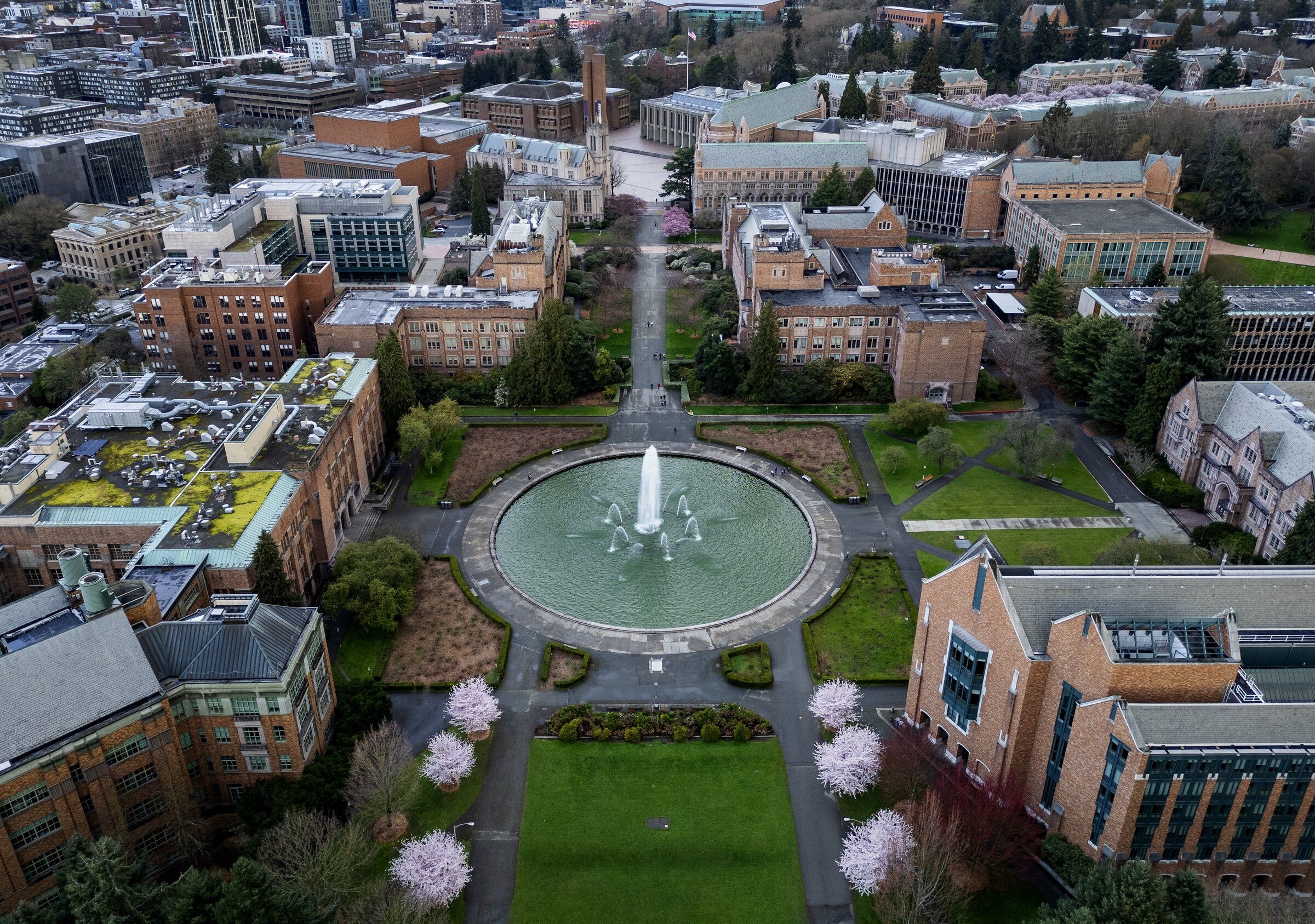

Based on: UW’s proposed changes to misconduct policy spur community concern
Seattle residents are spending noticeably less time commuting
After the pandemic, about a quarter of Seattle’s working residents shifted to remote work. But even those who continued commuting to the office every day benefited: from 2019 to 2024, the average one-way commute fell by 2 minutes and 30 seconds—from 28 minutes, 24 seconds to 25 minutes, 54 seconds.
At first glance, that reduction may seem small, but over the course of a year it amounts to more than 20 hours saved for someone who works five days a week. Remote workers are not counted in the statistics as people with “zero” commute times; they are simply excluded from the calculation. As a result, the decline reflects a real time savings among those who continue commuting to work.
Across the United States, commutes also became shorter, but by only 24 seconds: in 2024, the average one-way trip took 27 minutes, 12 seconds. Among the country’s 50 largest cities, Seattle tied for third with San Francisco and Detroit in the size of the reduction. Commutes improved more significantly only in Oakland and San Jose.
The main reason for the nationwide trend was the growth of remote work, which reduced congestion during rush hour. In Seattle, the widespread shift to hybrid schedules significantly reduced the daily flow of commuters to technology hubs, including South Lake Union and downtown. Road traffic and weekday public transit ridership declined compared with the pre-pandemic period, although congestion did not disappear entirely: some employees returned to offices, trips became less evenly distributed across the week, and population growth, construction and personal travel continue to sustain high traffic levels.
The decline in public transit ridership also played a role. In 2019, 25% of the city’s working residents used public transportation, compared with just 15% in 2024. Seattle’s transportation system is built around the King County Metro bus network, which connects the city with nearby suburbs. Before the pandemic, bus corridors linking downtown, residential neighborhoods and the suburbs were particularly busy, as was the Link light-rail system, which connects Sea-Tac Airport, downtown Seattle and northern neighborhoods. Sounder commuter trains primarily served people traveling to work from the suburbs, while the monorail was used mainly in the central part of the city.
Public transportation generally makes commutes considerably longer. In 2024, people who drove alone had an average commute of about 26 and a half minutes, while bus and train passengers spent nearly 49 and a half minutes traveling. Buses often move through the same traffic as cars, and dedicated lanes and traffic-signal priority are not available on every route. Passengers also have to wait for vehicles, transfer between routes and stop at numerous stations. The rail network is not yet extensive enough to replace car trips for most residents of the metropolitan area.
Remote work replaced some of these lengthy trips, and they were no longer included in Seattle’s overall statistics. A similar situation developed in Oakland and San Francisco.
In San Jose and Detroit, the decline in commute times had different explanations. These cities are more dependent on cars and have historically had a small share of public transit riders. In San Jose, remote and hybrid work in the technology sector was accompanied by a decline of roughly 15,000 jobs. Detroit lost more than 14,000 working residents, along with some of the cars that would otherwise have been on regional highways.
However, the trend was not universal. In rapidly growing cities in the southern United States, roads became more congested instead. In Tulsa, the average commute increased by more than a minute, while in Tampa, Fort Worth and Jacksonville it rose by 48 seconds. The influx of new residents into the Sun Belt, where the share of remote workers is relatively small, is outpacing transportation infrastructure development and leading to longer commutes.
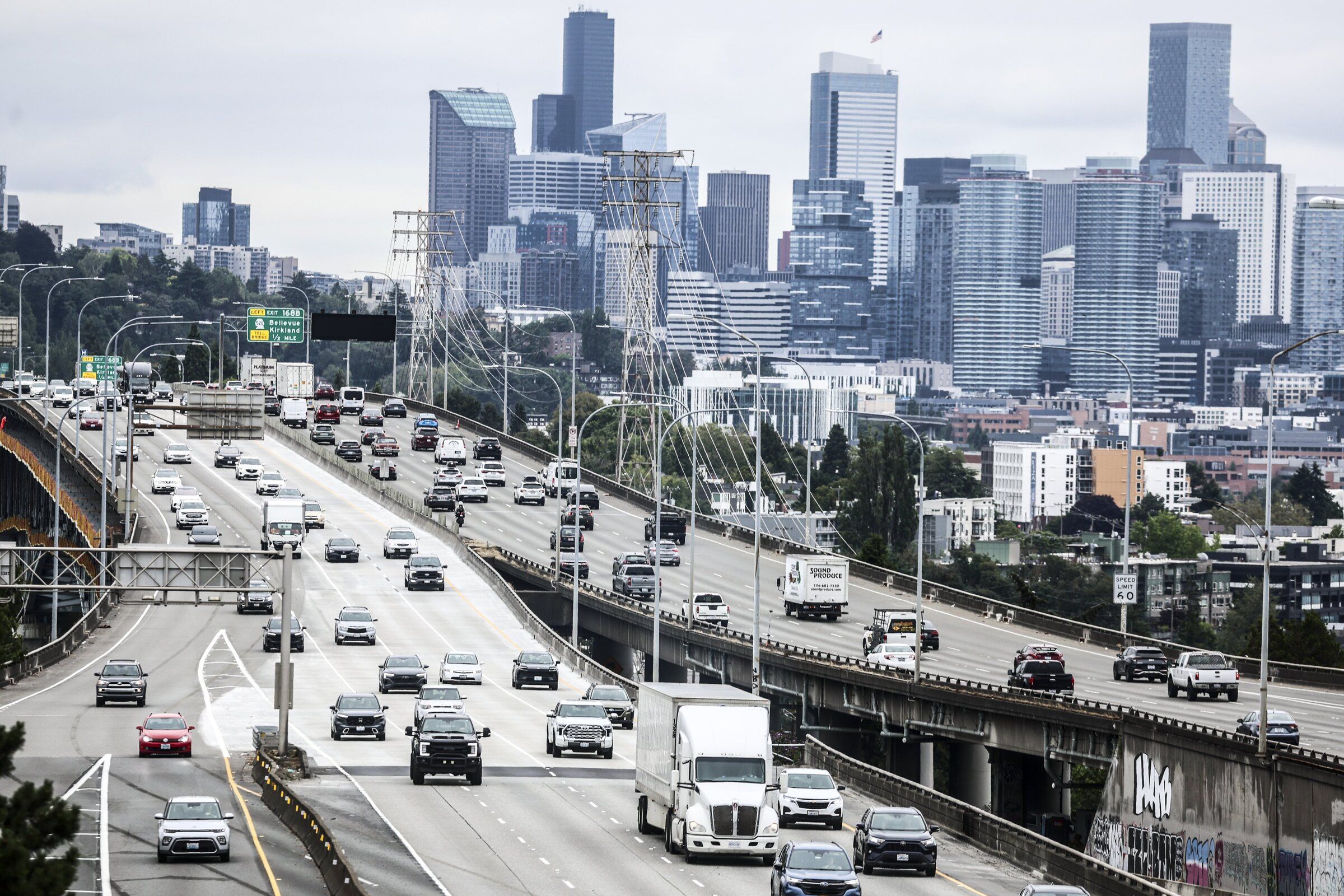
Based on: Seattle ranks 3rd in U.S. for shrinking commutes. Here’s why
Pierce County Sheriff’s Office Reminds Drivers When to Stop for a School Bus
With the start of the school year, school buses have returned to the roads, and the Pierce County Sheriff’s Office in Washington state decided to remind drivers of the rules for stopping. In an informational video, Deputy Carly Cappetto demonstrated a typical situation: A car stopped in front of a bus traveling in the opposite direction, even though there was a center turn lane between the two directions of traffic. In that case, stopping is not required.
Drivers must stop when traveling in the same direction as a school bus and the bus has extended its stop sign — even if there is a median or turn lane nearby. However, when approaching a bus from the opposite direction, drivers do not need to stop if a center turn lane separates the traffic flows. The same rule applies on a four-lane road when the directions are separated by a double yellow line.
The sheriff’s office urged drivers to review these rules in advance to avoid creating dangerous situations and unnecessarily holding up traffic. At the end of the video, motorists were also reminded to yield and clear a lane for emergency vehicles.
Based on: Pierce County sheriff’s office gives tips on when to stop for school bus
Washington State Workers Demand Fair Pay
Thousands of Washington state workers held brief protests at more than 100 worksites Monday. Members of the Washington Federation of State Employees (WFSE) opposed what they called inadequate pay-raise proposals from Gov. Bob Ferguson and demanded a “fair contract.”
Unions and state representatives are currently negotiating wages, benefits, working conditions and staffing levels. However, any agreements require budget funding: They effectively become binding only after the Legislature and governor approve the related spending. If the money is not allocated, raises and other terms could be delayed or renegotiated.
WFSE said employees face unsustainable workloads in critical positions, including protecting vulnerable children and caring for people with disabilities. Union President Mike Yestramski linked the situation to the state’s record payouts in lawsuits, which reached $614 million over the past year, primarily in cases involving child abuse and inadequate care.
Yestramski said state officials would rather spend money dealing in court with the consequences of preventable tragedies than invest in social-service employees beforehand. The union represents more than 50,000 workers at state agencies and other public institutions.
At the University of Washington, about 100 people gathered on Red Square, the central campus plaza in Seattle known for its brick paving and long tradition of public demonstrations. Library technician Natalie Brown held a sign saying that a fair contract should provide stability in unstable times. Workers demanded, at minimum, raises in line with inflation and described the difficulties they face.
Brown, 26, lives with friends in Kirkland and sometimes has to rely on housemates who earn more to pay for groceries and other expenses. She called a possible zero-percent raise insulting and said employees do not feel secure or financially stable.
Another demonstrator, 75-year-old painter Tom Morse, has worked in the university’s facilities and construction department for 30 years. He said he barely made ends meet before beginning to receive Social Security benefits at age 66, so he understands the situation of colleagues who lack an additional source of income.
Employees at the University of Washington, Harborview Medical Center and Western State Hospital took part in the same WFSE action, although the institutions fall under different governing structures. The university has its own governing system, Harborview is a King County hospital affiliated with the university, and Western State Hospital is a state psychiatric facility operated by Washington’s Department of Social and Health Services. The employees share a union and labor demands, while budgetary and legal decisions are made by different authorities.
Ferguson spokesperson Brionna Aho said the governor respects workers but that the state is facing serious budget problems. She said officials have already made billions of dollars in cuts, while Donald Trump’s federal administration has taken additional steps, including ending medical coverage for thousands of Washington residents.
Cuts to federal Medicaid funding and other programs could force the state to increase its own spending, reduce services or change eligibility rules. Hospitals and social-service agencies could see more uninsured residents, delayed payments and increased demand for medical and social assistance. This could further strain public employees and increase pressure in negotiations over wages, hiring and staffing levels.
The negotiations are taking place behind closed doors, so the exact gap between the union’s demands and the state’s proposals is unknown. The action was not a strike: Participants were allowed to use scheduled breaks or available leave. Demonstrations also took place in Olympia, at Harborview Medical Center, Western State Hospital and Fircrest School.
As the state faces an expected budget deficit and rising prices — consumer prices in the Seattle area rose 4.5% over the past year — the parties continue negotiating. Under the previous 2025–27 contract, employees received a 5% cost-of-living increase over two years, along with separate bonuses and additional benefits.



Based on: WA state workers stage walkout to protest pay proposals from Ferguson
Washington real estate service settles dispute with Compass
Washington’s real estate service has reached an agreement with Compass, ending a dispute over transparency in the housing market. The provided material does not disclose details of the settlement’s terms, any potential payments, or changes to the rules. The illustration shows single-family homes in the Mount Baker Ridge neighborhood with downtown Seattle in the background; the photo was taken May 5, 2026.
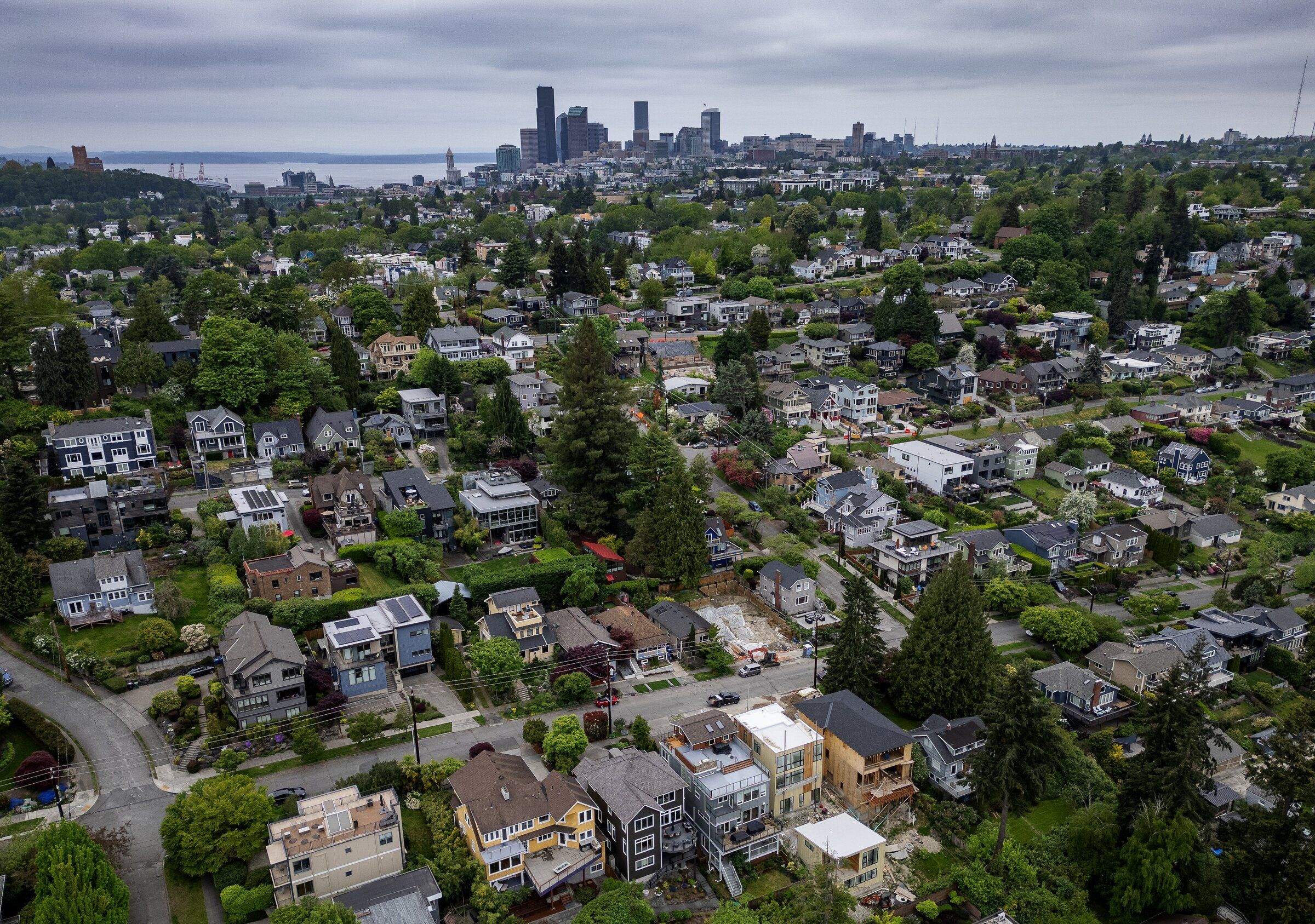
Based on: WA real estate service settles with Compass in transparency fight
Rain, Cocktails and the NFL: Seattle News
Seattle is revealing an unexpected side of itself: Forbes is dispelling the myth of a dull nightlife scene with a guide to the city’s best bars. Meanwhile, the Seahawks have finalized their roster, surprising fans with Montorie Foster’s story, losing a defender on waivers, and strategically retaining veterans for depth.
Seattle: Where Rain Is No Obstacle to Big Cocktail Ambitions
Seattle, with its reputation for perpetually gray skies and coffee culture, is rarely associated with a vibrant nightlife. Yet Forbes recently shattered that stereotype in a guide to the city’s most important bars. Writer Paul Caputo portrays a city where genuine treasures for food and drink enthusiasts lie beneath an outward reserve: from legendary cocktail bars with collections of thousands of bottles to oyster bars just steps from the famous Pike Place Market. The guide is more than a list of establishments; it is a journey through the history, flavors and traditions of a city that, as it turns out, knows how to surprise.
The article’s central idea is that Seattle offers an extraordinary variety of culinary and drinking experiences directly connected to its geography and history. The author emphasizes that local breweries have exclusive access to hops from the Yakima Valley, Woodinville’s wine cellars are only a half-hour drive away, and the cold waters of Puget Sound provide some of the finest oysters. This creates a unique ecosystem in which localism is not merely a fashionable trend but a way of life. In this context, the coffee culture that also originated here blends naturally with the cocktail scene, as at Fonté, where espresso becomes a full-fledged martini ingredient.
Particular attention is given to the iconic Canon bar, which the author calls a must-visit destination for cocktail pilgrims. With more than 4,000 bottles on its shelves, it claims to have the largest collection of spirits in America. It offers a vivid example of how the era of the American cocktail’s “dark ages” was overcome. Meanwhile, Zig Zag Café, tucked beneath the market, is where legendary bartender Murray Stenson revived the classic Last Word cocktail and turned it into a global hit. These establishments are not simply places to have a drink but true museums of bar culture, where every cocktail has a story to tell.
The author also highlights Seattle’s musical heritage. Central Saloon, the city’s oldest bar, is where Nirvana played its first Seattle show in 1988. That fact transforms an ordinary bar into a historic monument to the grunge era. The guide also features newer and unconventional establishments, such as Navy Strength, with its seasonal tropical cocktails that are updated every season, and Damn the Weather, where guests can order a dish based on their mood. This shows that Seattle is not stuck in the past but is actively evolving, offering modern formats and bold experiments.
The practical section of the guide includes accommodation advice, recommending the Four Seasons, which has been named the best hotel in the state, as well as a trip to Woodinville, the center of the local wine industry. The author notes that Seattle’s hospitality industry is adopting the practice of automatically adding gratuity to the bill, such as a 22% charge at some bars, something tourists should keep in mind. Overall, the article offers a comprehensive look at Seattle nightlife, presenting it as a city with a rich history and a vibrant present, where rain is merely an excuse to take shelter in a cozy bar with a glass of excellent wine or a cocktail worthy of admiration.
According to the author, “most of what follows is within walking distance or a short drive from downtown, with one optional excursion to Woodinville.” This makes the guide convenient for planning a full but not exhausting trip, with each evening spent at a new venue while immersing yourself in the atmosphere of Seattle’s bars. The aforementioned Forbes guide emphasizes that the city offers a unique synthesis of coffee and bar culture, along with an extraordinary commitment to local products—together creating the distinctive character of the local scene.
Seahawks Set Their Roster: Charbonnet to Miss the Start, Foster the Biggest Surprise
On Sunday, the Seattle Seahawks finalized their initial 53-man roster for the new season. As usually happens on cutdown day, the announcement brought several surprises and clarified important details about the recovery timelines of key players. The most intriguing decision concerned running back Zach Charbonnet, who underwent knee surgery in February. Contrary to some optimistic projections, he was placed on the physically unable to perform list (PUP), meaning he will miss at least the first four games of the regular season. General manager John Schneider said Sunday that this had been the plan from the beginning, ending fans’ hopes of an early return. More encouraging news arrived regarding other injured players: safety Nick Emmanwori, wide receiver Tory Horton, running back Emanuel Wilson and rookie cornerback Julian Neal all made the active roster rather than landing on injured reserve, indicating that their recoveries are progressing on schedule and that they will not miss a significant portion of the season.
The Seahawks’ biggest preseason storyline was the rapid rise of wide receiver Montorie Foster Jr., who not only earned a spot on the active roster but also received the fifth and final receiver spot after Jake Bobo was injured. Foster’s story is genuinely remarkable. A year ago, he was an undrafted rookie who suffered a knee injury and was released by the team. Rather than give up, he returned home to Cleveland, earned a real-estate license and worked as a substitute teacher at a high school while waiting for his opportunity. That opportunity came in December, when he signed with the Seahawks’ practice squad, accompanied the team on its run to the Super Bowl, and then put together an impressive training camp and preseason. During the preseason, he caught seven passes for 73 yards and a touchdown while also contributing on special teams. Commenting on Foster’s progress, Schneider struggled to find the right words. In his view, it was difficult to remember a receiver who had developed so quickly, and he suggested that Foster had simply “glued himself” to star receiver Jaxon Smith-Njigba and studied his game closely. It is an extraordinary story of resilience and self-belief that became one of the highlights of the Seahawks’ preseason campaign.
Contrary to expectations, the most significant rotation occurred at cornerback, where a vacancy opened up at the No. 3 spot following Riq Woolen’s departure. Nehemiah Pritchett, Noah Igbinoghene and Neal were initially considered the favorites, but Neal’s injury forced Schneider to search actively for reinforcements. The Seahawks signed former first-round pick Terrion Arnold, who is at the center of a scandal involving eight criminal charges and has been placed on the league commissioner’s exempt list, as well as two-time Pro Bowler Trevon Diggs, who is attempting to revive his career after knee problems. The climax came Sunday with the acquisition of undrafted rookie Avery Smith in a trade with the Los Angeles Chargers. Ultimately, Pritchett, Neal and Smith made the active roster, while experienced players Igbinoghene and Diggs were released. As Schneider explained, however, this was purely a strategic move: veterans with four years of experience do not have to pass through waivers, meaning they can return to the practice squad without being claimed and be activated later if needed. This kind of “rotation” allows the club to retain younger players who could be claimed by other teams.
Finalizing the initial roster is only the first step in a long seasonal marathon, and Schneider understands that perfectly. He has repeatedly emphasized that his goal is to assemble the best possible 70-man group, consisting of 53 players on the active roster and 17 on the practice squad. A key part of the strategy is protecting young talent from waivers. Players with fewer than four accrued seasons who are released become available to other teams, while veterans become free agents and can safely wait on the practice squad. That is why players such as Diggs, Igbinoghene, safety D’Anthony Bell and wide receiver Cody White were released—they are not trapped by the system and can soon return. “This is a strategy for the initial cutdown, as well as for what we will look like in mid-October,” Schneider said, hinting that plenty of roster maneuvering remains ahead. On Monday, after the waiver deadline, the active phase of practice-squad signings will begin, so fans certainly will not be bored over the next few days.
For those unfamiliar with the NFL’s roster rules, a few points are worth explaining. The PUP list allows a team to avoid using an active-roster spot on an injured player, but that player must miss at least four regular-season games before the team can activate him. Waivers are a mechanism through which any other club can claim a released player with fewer than four years of league experience. Experienced veterans are therefore generally released without much risk of losing them, which is what Seattle is doing to “hide” younger players from competitors. The current 53-man roster is thus only a snapshot and will likely look very different by early October, when the team begins its 2026 season.
Seahawks Lose a Defender but Keep Hope Alive: Seattle’s Waiver-Period Results
The NFL waiver-claim period has ended, and teams can now either breathe a sigh of relief or begin frantically searching for replacements. For Seattle’s reigning Super Bowl champions, this stage of the offseason had mixed results: the Seahawks did not claim a single player off waivers but did lose a promising rookie. The player in question is defensive lineman Jared Ivey, who spent last season with the team as an undrafted free agent. He was claimed by the Atlanta Falcons, a noticeable though not catastrophic blow for Seattle. Ivey was initially viewed as a powerful edge rusher, but during training camp and the preseason, the team actively moved him closer to the middle of the defensive line in an effort to find him a new role. The Falcons apparently valued his versatility.
An important detail is that the Seahawks held the final spot in this year’s waiver-claim order—the price of winning the championship. That means that even if Seattle had wanted one of the 28 players claimed by other teams, it would have had virtually no chance of getting them, since weaker clubs always receive priority. The lack of additions was therefore more a consequence of the rules than a reluctance to improve the roster. Many analysts expected the team to add depth along the defensive line or at cornerback, but the front office remained faithful to its principle of not disrupting the roster for a questionable benefit.
There is also positive news for Seahawks fans. Four of the team’s draft picks from this year—Michael Dansby, Andre Fuller, Deven Eastern and Emmanuel Henderson Jr.—went unclaimed and successfully cleared waivers. They can now immediately sign contracts with Seattle’s practice squad. This is extremely important because it allows the club to retain control of young players who are already familiar with the coordinator’s system and can be called upon in the event of injuries. At the same time, Ivey’s departure is a reminder that no one in the NFL is safe from unexpected moves. The Falcons clearly saw potential in him as a three-technique defender, where his speed and aggression could create problems for opposing centers and guards. For Ivey himself, this is an opportunity to receive more playing time, as he would have had to compete with more experienced veterans in Seattle’s deep rotation. As the original Field Gulls article correctly emphasizes, the waiver order put the champions at a built-in disadvantage, and that should be taken into account when evaluating the general manager’s decisions—he made the most of the options available.
In practice, NFL waiver claims are a mechanism for distributing players released from other teams’ rosters. Clubs with the worst records from the previous season receive priority. Put simply, it is a “discount marketplace” where the hungriest teams get the best options and the well-fed take what remains. The Seahawks’ main task now is not to panic and to assemble their practice squad intelligently. In addition to the four drafted players, other free agents will join it. Losing Ivey is certainly unfortunate, but it is not critical for a team that has become known in recent years for finding diamonds among underdogs. Interestingly, this is not the first time in recent seasons that Seattle has lost a young defender on waivers, reflecting the intense competition for versatile defensive linemen. Still, fans should remain calm: the offseason continues, and there is still time before the regular season begins to address any gaps selectively.
News 31-08-2026
Ethics commission finds no violations in lawmaker’s efforts to stop challenger
Washington state Democratic Rep. Tarra Simmons actively tried to prevent fellow Democrat Darya Ilgen from running against her this year, but the state ethics commission ruled that Simmons did not violate any rules. The decision means her efforts to thwart the electoral challenge were not found to be improper.
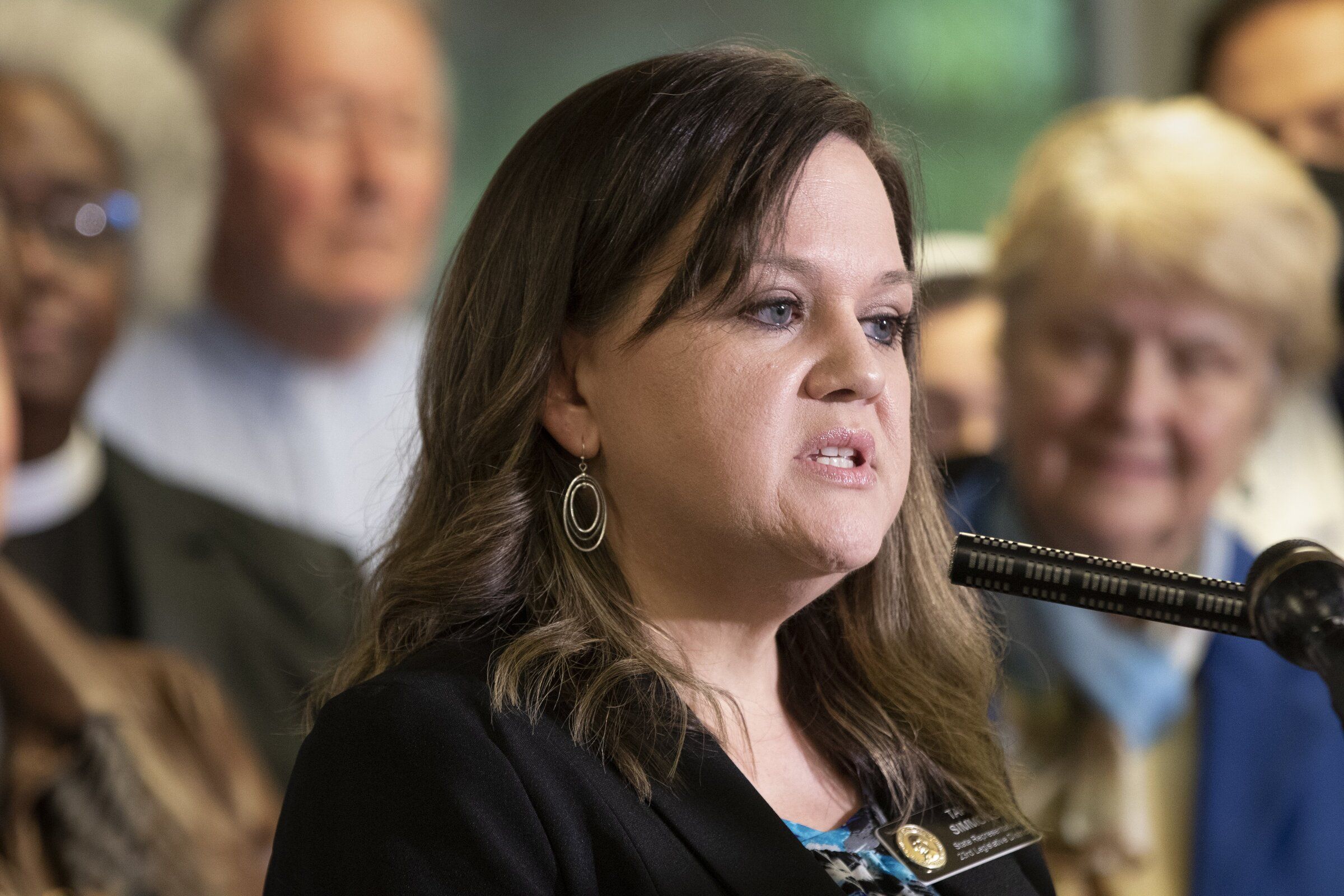
Based on: WA lawmaker broke no rules trying to thwart election challenge, ethics board says
Rain Showers and the First Signs of Fall Expected in Seattle
Seattle is forecast to see changeable weather, with brief rain showers alternating with sunny and cloudy periods — an early hint that fall is approaching. Against the backdrop of a cool atmosphere, city residents and visitors to Golden Gardens Park will be able to take advantage of occasional clear spells to enjoy the outdoors.

Based on: Seattle weather: Rain showers and an ‘early taste of fall’
Airbnb Extends Free Housing for Washington Wildfire Survivors
Airbnb has extended its program providing free temporary housing to Washington residents who lost their homes or were forced to evacuate because of wildfires. The publication also features a photograph of a charred chair on the porch of a home destroyed by the Old Trails Fire in Spokane on Aug. 5; the image underscores the scale of the destruction faced by local residents.
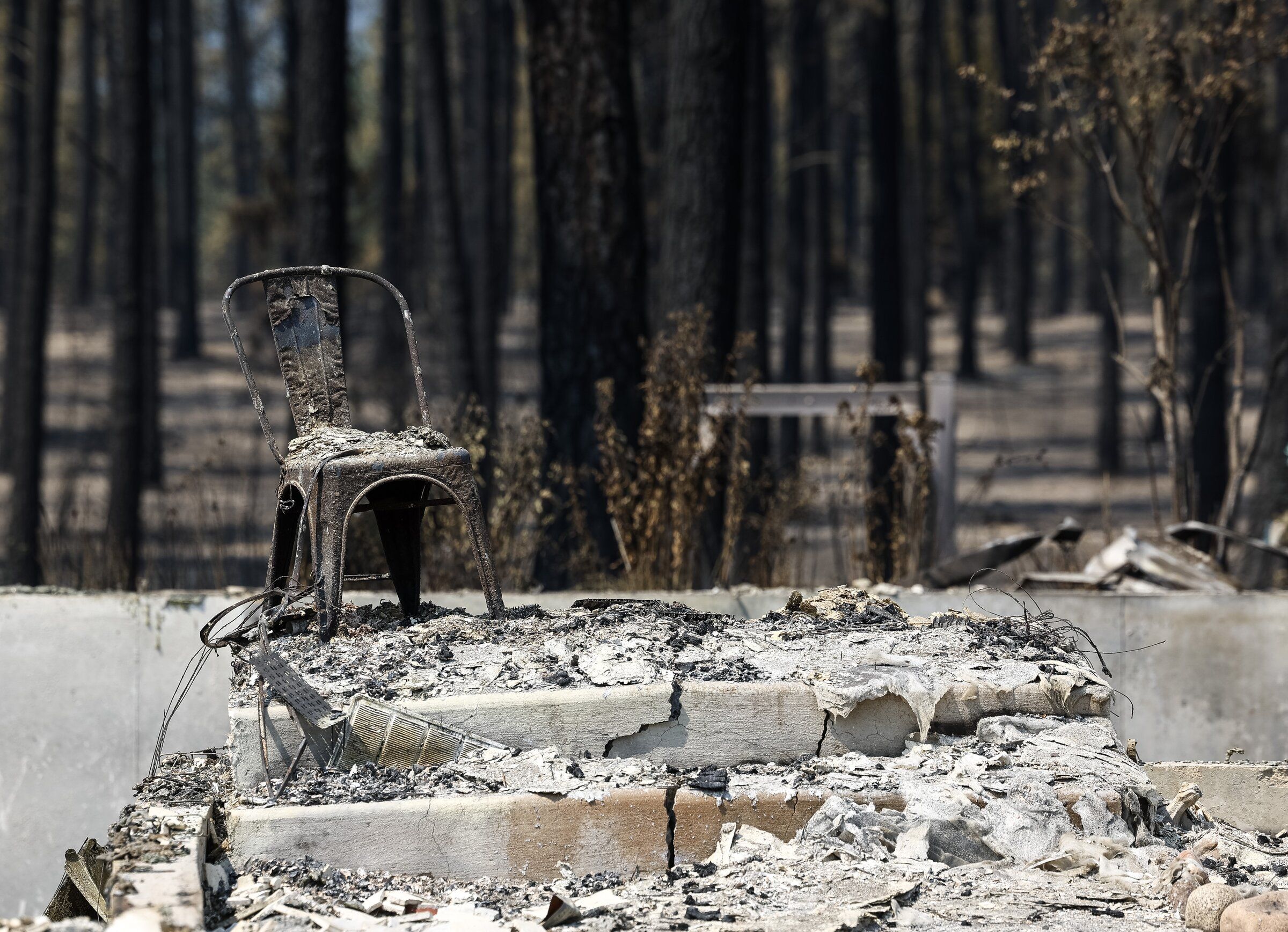
Based on: Airbnb extends free stays to WA wildfire survivors
How Trains Were Put on a Floating Bridge
The new Sound Transit line between Seattle and Bellevue is the only passenger railway in the world built on a floating bridge. To construct it, engineers had to solve three major challenges: strengthening the pontoons supporting Interstate 90, developing special rail joints capable of keeping trains stable as the bridge moved, and creating protection systems against stray electrical currents that could damage the bridge structure and railway infrastructure.

Based on: To make light rail float, 3 big puzzles needed solutions
Legendary Performances and Roster Moves: Seattle Sports Digest
A look at the key news: the Seahawks trim their roster ahead of the season, Scherzer matches a historic achievement from 35 years ago, and the Mariners are forced to reshape their rotation because of injuries.
Seattle Seahawks Finalize Roster: Tracking Preseason Cuts
The NFL preseason is always a time of difficult decisions, and coach Mike Macdonald’s team found itself at the center of a roster shuffle this time around. The Seattle Seahawks, like all 31 other clubs in the league, were required to reduce their expanded 91-player roster to the mandated 53 players by Sunday evening. Every year, this process separates the dreams of promising rookies and veterans who were considered key figures only a day earlier. According to the official Seattle Sports tracker, the club had settled on its final roster by 4:16 p.m. local time, although details continued to be updated in real time.
Roster cuts in the NFL are more than simply removing names from a team’s website. It is a complicated legal procedure that depends on a player’s experience. If an athlete has fewer than four full seasons in the league, he enters the waiver system: any other club may claim him by 10 a.m. Monday, and if there are no claims, he becomes a free agent and can negotiate with any team. Veterans with four or more seasons receive immediate free-agent status, and their futures are decided directly on the market. It is also important to understand that, in addition to the active roster, the Seahawks can form a 16-player practice squad—or a 17-player squad if it includes a participant in the International Player Pathway program. Those who have just been cut often end up there, giving them a chance to remain in the club’s system.
The Seahawks made several notable moves ahead of this year’s deadline. One that stands out was the acquisition of cornerback Avery Smith from the Los Angeles Chargers: despite having no regular-season experience, the young player was considered more promising than some of the other competitors in camp. However, the most discussed development was the official signing of Terrion Arnold, a talented defensive player who has nevertheless faced legal problems. Analysts note that the move carries reputational risks, but the player’s potential apparently outweighed general manager John Schneider’s concerns.
As for the cuts themselves, the list was substantial and largely expected. Among those leaving the team were safeties D’Anthony Bell and Rodney Thomas II, who were released without being subject to waivers. Receivers Emmanuel Henderson Jr., Ricky White III and Julian Hicks, cornerback Michael Danksy, and several defensive and offensive linemen—including Jalen Gaines, Bubba Thomas and Kellen Diesch—were placed on waivers. For most of them, this is not the end of their careers but rather the beginning of a fight for a place on the practice squad or with another club. Significantly, all of these players largely lacked regular-season experience, confirming the Seahawks’ strategy: the team is relying on veterans at key positions while giving younger players an opportunity to prove themselves through the practice-squad system.
The main conclusion from this roster marathon is that Seattle is approaching the start of the season with a clear understanding of its strengths. In the final preseason games, including the matchup against the Kansas City Chiefs, several players demonstrated leadership qualities, while the contract extension for Leonard Williams sent an important message to the locker room. The futures of those who were cut have not yet been settled, and in the coming days we will see which of them return through the practice squad. For Seahawks fans, this waiting period is always a mixture of anxiety and hope, because these decisions determine whether the team can compete for a playoff spot this year.
Injury Forces Mariners to Reshape Starting Rotation: Miller Returns
The situation within the Seattle Mariners organization is developing rapidly and, as is often the case in baseball, unpredictably. The planned experiment of moving pitcher Bryce Miller to the bullpen may never get off the ground, as another pitcher’s injury is forcing the coaching staff to return him to the starting rotation on short notice. The player in question is Emerson Hancock, who apparently will be placed on the injured list, automatically opening a spot in the rotation. All of this is happening on the eve of important games in Toronto, where the team is trying to find its rhythm and stabilize its roster.
According to information published by The Seattle Times, the prospect of seeing Miller work as a reliever—a pitcher who enters the game in relief—is becoming increasingly remote. The club’s management clearly does not want to weaken the starting rotation and would rather return a proven performer to his familiar role. It is a classic situation in which plans drawn up on paper collide with the harsh reality of injuries and the need to produce results immediately.
For those unfamiliar with the sport, baseball has a clear division of labor among pitchers. Starting pitchers are elite athletes who begin games and typically work for five to seven innings, conserving their energy and distributing it over the course of the outing. They set the tone and serve as the team’s primary force on the mound over the grueling 162-game regular season. Relief pitchers, or relievers, enter when the starter is tired or has lost control, and their job is to preserve a lead or prevent the opponent from extending it late in the game. These are very different roles, requiring different psychological and physical preparation, which is why a coaching staff’s moves between them always attract fans’ attention.
Hancock’s injury is a blow to the team’s pitching depth. Every club would like to have as many quality starters in reserve as possible, but there are never as many as teams would want. When one goes down, the next player steps in, but that player is usually of a lower caliber. Miller’s return, after he has already established himself as a reliable performer, should partly compensate for the loss. Still, a natural question arises: how much will this stress test affect his own form and his ability to withstand the demands of a long season? We will have answers in the coming games, when Miller takes the mound as a starter again and the Mariners continue their battle in the difficult AL West.
Max Scherzer Makes History Again: Veteran Delivers a Game Unseen in 35 Years
In baseball, age is not a verdict; sometimes it is even an advantage. That is especially true when discussing a master such as Max Scherzer. In the game between the Seattle Mariners and the Toronto Blue Jays on August 30, 2026, the 42-year-old pitcher delivered a performance that sent statisticians digging through the archives. Scherzer, who was 42 years and 34 days old at the time, became the oldest pitcher in MLB history to record 10 or more strikeouts while allowing no more than one hit. The last player to accomplish something similar was the legendary Nolan Ryan, back in 1991.
This is more than a dry line in the box score—it is a moment that reminds everyone why baseball is called a game in which experience is valued above youth. When Scherzer took the mound in Toronto, few expected him to match an achievement that had stood for more than three decades. Ryan was 44 in May 1991, and his performance was considered the benchmark for veteran dominance. Now Scherzer has joined that giant, proving that age is merely a number on a passport, not in the statistical record.
The game itself was tense, although it may have appeared one-sided to a neutral viewer. Scherzer seized control from his very first pitch: his fastball still traveled at a velocity capable of surprising even the quickest hitters, while his famous slider remained virtually unreadable. The Blue Jays tried everything—from changing their stances to taking aggressive swings at first pitches—but nothing worked. It seemed as if Scherzer were reading his opponents’ minds like an open book. By the seventh inning, when his strikeout total had passed double digits, the Toronto crowd began chanting his name—even opposing fans understood that they were witnessing something special.
The key moment came in the eighth inning, when a Toronto outfielder finally broke up the no-hit bid with the game’s only hit. Scherzer did not flinch. Rather than easing off, he doubled down on his concentration and struck out the next two batters in succession. This was not merely pitching—it was a spectacle in which every move mattered. Now that statisticians have confirmed the achievement’s uniqueness, it is clear that Scherzer is not simply playing baseball at 42—he is rewriting its rules.
To understand the significance of the number, it is worth remembering that recording 10 or more strikeouts while allowing one or zero hits is considered a gold standard of dominance on the mound. It means the pitcher controlled the game almost completely, giving the opposing hitters virtually no chance to build an offense. In modern baseball, where the average age of elite pitchers rarely exceeds 30, Scherzer’s performance looks like an anomaly—especially given that he continues to perform at a level that places him alongside the greatest players of all time. Details of the historic game can be found in the official MLB report, which records all of the game’s key moments.
Interestingly, Scherzer himself was restrained in his postgame comments, saying only that he was “just doing my job.” But fans and analysts understand that this is more than a job—it is a legacy. When Nolan Ryan retired in 1993, few imagined that his record would be matched so soon, much less by a pitcher whom many had written off because of injuries a decade earlier. Scherzer, who has dealt with shoulder and back problems over the years, continues to find ways to adapt his game. He no longer relies solely on power; his arsenal now includes clever changes of pace and pinpoint pitch placement around the corners of the strike zone.
The achievement has far-reaching implications for the league as a whole. First, it once again raises the question of how teams evaluate aging pitchers. If it was once believed that a pitcher inevitably declines after age 35, Scherzer’s example shows that with proper preparation and mental resilience, it is possible to remain elite at 42. Second, it sends a message to young players: it is not how old you are but how you approach your craft. That may be why many experts have already begun saying that Scherzer could serve as a model for a new generation willing to reject stereotypes about an “age ceiling.”
Still, it should not be forgotten that Seattle was not merely watching history unfold in this game—they won, and the victory could prove decisive in the playoff race. Scherzer, who joined the team in midseason, was acquired precisely for games like this: to take the mound at a crucial moment and do what others cannot. He did so with such brilliance that even the most committed skeptics are forced to admit that baseball has room for miracles—especially when they are created by a man with 42 years of life experience and 20 years of experience winning.

News 30-08-2026
Court Blocks Trump Mail-Voting Rule
A federal court has temporarily blocked a Trump administration rule concerning mail-in voting that was challenged by the state of Washington. Washington is one of eight U.S. states where elections are conducted entirely by mail, so such restrictions could directly affect how voting is administered and voters’ access to elections.

Based on: Federal judge blocks Trump mail-in voting rule challenged by WA
Seattle Senior Centers Open Their Doors to Toddlers
Former teacher and school librarian Marlene Peters settled into the familiar lobby of the Bayview center this month and began reading a favorite book to a dozen restless toddlers. The scene was part of a program that brings preschoolers and older adults together in the same space, allowing the older generation to share their experience and attention while giving children the chance to connect with new adult mentors. This “full-circle care” model helps strengthen intergenerational bonds and makes Seattle’s community centers more welcoming to residents of all ages.

Based on: Childcare at Seattle senior centers offers full-circle care
How Seattle’s Metro Train Became the World’s First on a Floating Bridge
A light-rail train heading to the Eastside descends toward the floating pontoons on Lake Washington at nearly highway speed. This was made possible by a unique design for the track supports where the I-90 bridge connects the shore to its floating section. The solution enabled a passenger rail line to run across a floating bridge — the first project of its kind in the world.
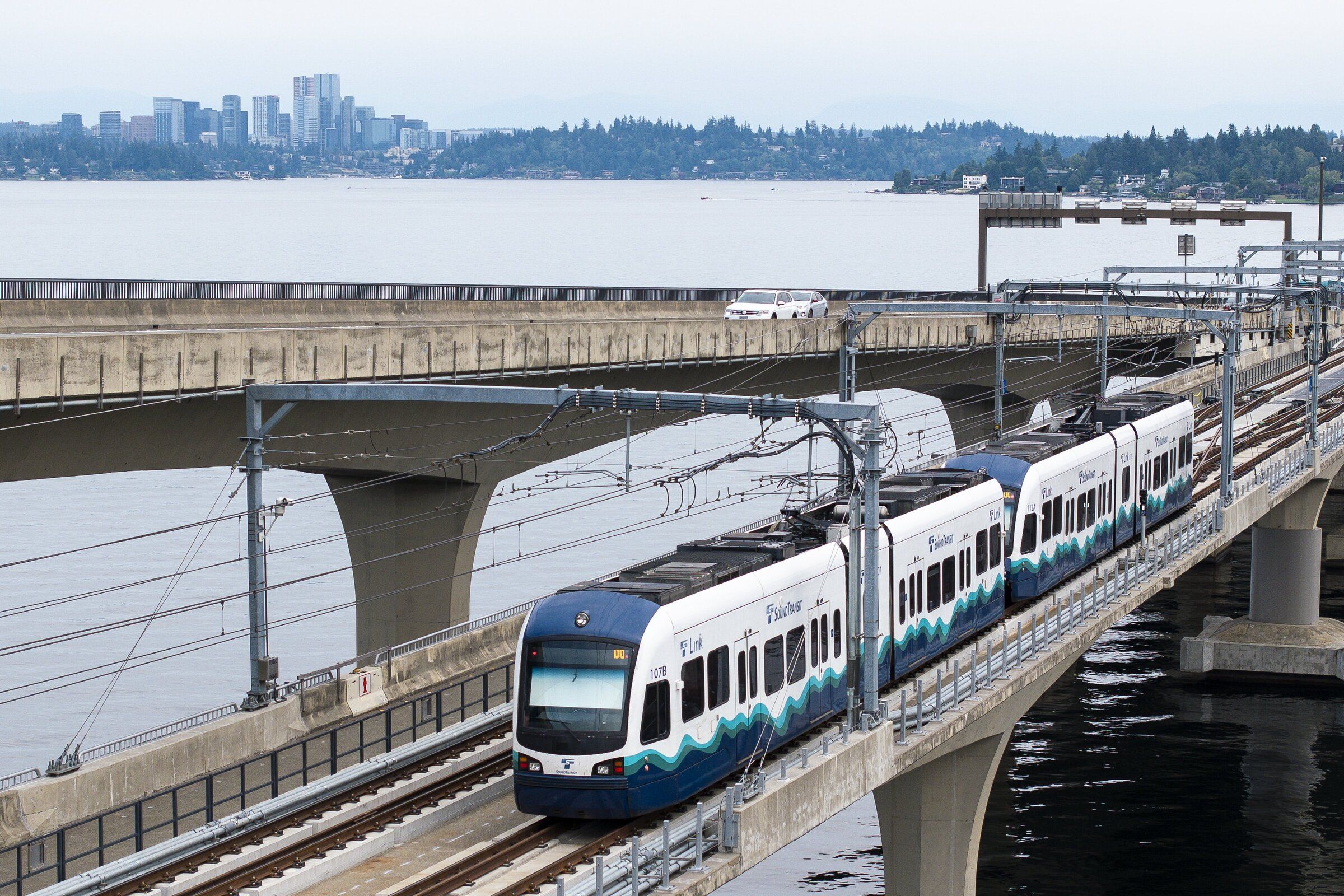
Based on: How Seattle light rail became world’s first floating passenger train
Teacher strikes in Washington state: What’s happening
Teachers picket outside Kent-Meridian High School in Kent in August 2022. Education unions in school districts across the Puget Sound region continue to engage in difficult negotiations with administrators.

Based on: WA teacher strikes outside Seattle? Here’s what we know
Seattle Tragedy and Controversial Signing: News Digest
The fentanyl death of a one-year-old child in Seattle exposed problems in the child-protection system, while the Seahawks took a chance on a talented cornerback facing serious legal troubles, risking little for the potential to strengthen their roster.
Seattle Tragedy: Mother Accused of Fentanyl Death of One-Year-Old Son Had Previously Lost Custody of Another Child
A case that has shocked Seattle has exposed deep problems in the child-protection system and the fight against drug addiction. Thirty-nine-year-old Divayna Tangalan, also known as Nakia Cunningham, appeared in court charged with the manslaughter of her one-year-old son. The tragedy unfolded early on August 23, when the mother awoke on a couch and discovered that the infant, who had been sleeping in her arms, was not breathing. Emergency responders pronounced the child dead at the scene. A subsequent autopsy found fentanyl in his blood and urine—a powerful synthetic opioid hundreds of times stronger than morphine.
According to court documents published by KIRO 7 News Seattle, the woman told police that she was addicted to fentanyl and suggested that the child might have accidentally gotten into her drug supply. When she spoke with law enforcement, Tangalan appeared to be in an altered state, mumbling, “I’m sorry, I messed up. This is all my fault.” Notably, another child—a two-and-a-half-year-old—was also in the apartment, and both children were being supervised solely by their mother; their father was absent.
During a search of the home, police and a dog detected traces of drugs in the bathroom, a trash can and a shared closet—all places easily accessible to young children. Officers also found an unsecured handgun in the bathroom, within reach of the older child. The discovery further worsened Tangalan’s situation: she was charged not only with creating dangerous living conditions for the children, but also with unlawful possession of a firearm, as she had prior convictions that prohibited her from owning a gun.
The family’s history is particularly alarming. Just weeks before the tragedy, in early August, child-welfare authorities—the Department of Children, Youth, and Families—had implemented what is known as a “safety plan” for the children. This measure is generally used when there is an immediate risk to a minor’s life or health. Tangalan and the children’s father had been working with social services for a year, but drug tests taken on August 5 returned positive for opiates. Older incidents also came to light. In 2013, Tangalan was convicted of interfering with custody after abducting her older 11-year-old son, who was in state custody, and keeping him for an extended period. The court noted at the time that she had endangered the child by associating with “dangerous and inappropriate individuals” and had even said she was willing to go to prison rather than return the boy. Her record also includes an assault on her own mother in 2003 and a 2006 conviction for possessing cocaine with the intent to distribute it.
In its argument, the King County Prosecutor’s Office emphasizes that despite a substantial gap in her criminal record, Tangalan’s behavior had not changed, ultimately leading to the death of a helpless infant. In addition to the fentanyl poisoning, the medical examiner did not rule out a so-called “overlay”—the accidental suffocation of a child during sleep, which can occur when parents share a bed with their children, particularly while under the influence of drugs.
The tragedy raises painful questions about how the U.S. child-protection system operates, why a child died despite the existence of a safety plan, and what measures should be taken to prevent similar cases. Experts say the fentanyl crisis affecting the country is disproportionately harming its most vulnerable members—children who cannot protect themselves. The Seattle case is not isolated: according to statistics, the number of child deaths linked to fentanyl has multiplied in recent years. The next hearing is scheduled for August 31, and the charges may be expanded. The woman faces a lengthy prison sentence for manslaughter, particularly given the aggravating circumstances of her previous encounters with the justice system and the presence of a young child in a dangerous environment.
Seattle Bets on Talent Despite Legal Troubles
The Seattle Seahawks have officially signed cornerback Terrion Arnold, a former first-round draft pick whose NFL career was placed in jeopardy by legal problems. The team announced the move on Saturday and also confirmed that offensive tackle Derrick Graham had been waived to make room on the 90-man roster. The move was the logical conclusion of a process Seahawks head coach Mike Macdonald had discussed earlier in the month, when the team first reached an agreement with the player.
Seattle’s decision to bring in Arnold is controversial, given that the Detroit Lions released him earlier this year. Nevertheless, Macdonald explained that the club had acted deliberately after weighing the risks and opportunities. He said the team had known Arnold well since the draft and believed in his potential, while fully recognizing the seriousness of his legal situation. The coach noted that the process would take its course and that the league would make the final decision on whether the player could take the field. The club, he said, was prepared to respect and support that process.
Macdonald also placed particular emphasis on the human element. He said Arnold had people supporting him throughout this difficult period, and that Seattle had listened to their views. The coach stressed that the team has a strong locker room and had a productive meeting with the player. In his view, all these factors together allowed the club to give Arnold an opportunity to prove himself and earn a place on the roster. At the same time, Macdonald admitted that the exact timing of Arnold’s arrival remained unclear, since the player had been communicating with eight or even 10 teams and the sides were still working out the details.
As for Arnold’s football abilities, the coach is optimistic. Macdonald believes the player’s skills would fit well into the Seahawks’ defensive scheme. He highlighted Arnold’s energy, physical strength and ability to play in a pattern-match scheme, which Arnold learned at Alabama. However, the head coach added an important caveat: everything will depend on whether the player can become the best version of himself. Macdonald said the team welcomes anyone willing to work on themselves, and that this applies not only to Arnold but to every player. The message is simple: if everyone gives 100 percent, the team will become stronger.
On the legal side, Terrion Arnold was selected by Detroit with the 24th overall pick in the 2024 draft. His time with the team, however, was brief. The precise details of the charges were not disclosed in the original report, but the fact that the Lions released him and he became a free agent indicates the seriousness of the situation. In the NFL, such cases are generally handled under the league’s personal-conduct policy, with the commissioner deciding on disciplinary measures, including a possible suspension. Until that process is complete, Arnold can practice with the team, but his participation in games remains uncertain.
Seattle’s move can be viewed as a classic example of a team taking a calculated risk. If Arnold’s legal problems are resolved favorably, the team could acquire a talented defensive back who might become an important part of its defense. If not, the club will not lose much, since the contract is unlikely to be fully guaranteed. Such deals are not unusual in the NFL, where teams are often willing to give talented players with troubled histories a second chance. Importantly, the Seahawks are not ignoring the situation; they are acting within established procedures, underscoring their responsible approach.
Overall, Arnold’s signing represents a bet on talent and a belief in personal rehabilitation. For the player, it is a chance to restart his career; for the team, it is an opportunity to strengthen the roster without significant financial expense. It will be interesting to see how the story unfolds and whether the former first-round pick can justify the coaching staff’s trust. As stated in the official announcement, Seattle is prepared to operate within the law and give the player an opportunity to prove himself on the field.
Seattle Bets on a Player Facing Eight Felony Charges: Why the Seahawks Waited for Terrion Arnold
The Seattle Seahawks have officially signed cornerback Terrion Arnold, who became a free agent after the Detroit Lions released him in June amid kidnapping and armed-robbery charges. The deal was agreed to on August 13, but the club deliberately waited nearly three weeks to finalize the paperwork, allowing the preseason games to conclude. The delay was purely pragmatic: had Arnold been on the roster during training camp, he would have occupied a spot on the 91-man roster but would not have been allowed to take the field because of the status the league is expected to impose on him. Now that he has signed, he will almost certainly be placed on the commissioner’s exempt list, effectively barring him from practices and games until his legal situation is resolved. Arnold has three days to appeal the decision, but that is unlikely to change the overall picture given the seriousness of the charges.
The case now being heard in Florida is extremely serious. According to the district attorney’s office, Arnold coordinated the actions of six accomplices who lured three men to an apartment, where they were beaten, robbed and held at gunpoint. The alleged motive was the belief that the men had stolen more than $200,000 worth of personal belongings from an Airbnb Arnold had rented in February. Prosecutors emphasize, however, that no evidence linking the victims to the theft was found. Notably, the attack was organized just hours after Arnold himself reported the property missing to police. The player faces up to eight felony charges—four counts of kidnapping and four counts of armed robbery—each of which could potentially carry a life sentence. Arnold fully denies the allegations. After being charged, he posted $1 million bail, and the court allowed him to continue his career while the case proceeds.
The Seahawks made the move deliberately, and the coaching staff has been open about its reasoning. Mike Macdonald, the team’s head coach, explained that the club had highly valued Arnold during the 2024 draft, when Seattle held the 16th pick but chose defensive lineman Byron Murphy instead, while Arnold was selected by Detroit at No. 24. The team now has an opportunity to acquire a player with first-round potential for a minimal veteran salary—just over $1 million per season. Recommendations from people trusted in Seattle also played an important role: defensive coordinator Karl Scott, who once helped recruit Arnold to Alabama, and backup quarterback Jalen Milroe, who calls Arnold his best friend. Macdonald emphasized that the club respects the opinions of these people and was unwilling to ignore their recommendations despite the seriousness of the criminal case.
The Seahawks’ strategy may look cynical, but from a management perspective it is quite rational. Knowing that Arnold will not be able to play immediately, the club obtains his rights without any immediate return. If he does not play a single game this season, he will become an exclusive rights free agent and remain entirely under Seattle’s control, unable to negotiate with other teams—a nearly guaranteed way to retain him cheaply next year. If he does take the field, his restricted-free-agent status would allow the club either to match another team’s offer or receive compensation in the form of a draft pick. In other words, in the worst-case scenario the Seahawks lose little, while in the best case they acquire a high-level player for virtually nothing in the long term. The club has already replaced Arnold on the roster with offensive tackle Derrick Graham, who was waived, so the organizational details have been resolved.
It remains unknown when Arnold will be able to take the field, if he can do so at all. The league has previously seen players facing serious charges spend years on the exempt list while awaiting trial. Seattle’s cornerback situation is also far from settled: several players are competing for the second and third spots, including rookie Trevon Diggs, who has already recorded an interception in the preseason, and veteran Nehemiah Pritchett. Arnold is viewed as a potential reinforcement for the second half of the 2026 season, by which time his legal problems may have been partially resolved. However, as The Seattle Times fairly points out, it is a major gamble: in the best case, the team gets a talented defensive back; in the worst, it assumes moral responsibility for a player accused of serious crimes. Coach Macdonald says the club respects the legal process and will operate within the rules, but it is clear that the team is betting on pure talent that may never be realized because of problems off the field.

News 29-08-2026
Fall arrives in Seattle with clouds, rain and cooler temperatures ahead
Seattle is in for a typical autumn change in weather: cloudy skies, rain and a noticeable drop in temperatures. In a photo taken in the Shilshole area on Saturday, June 6, 2026, storm clouds obscure the Olympic Mountains while small sailboats with colorful spinnakers practice maneuvers on the water.

Based on: Seattle weather: Fall is coming with clouds, rain and cool temps ahead
King County to Create Park on Former Asphalt Plant Site
King County has purchased the site of a former asphalt plant, where it plans to create a new public park. The project is the result of years of opposition from environmental activists who fought industrial development along the Cedar River. Bob Baker, a member of the Save the Cedar River group, recalls that activists did everything they could to delay construction until officials and the owners eventually abandoned their original plans.

Based on: King County buys asphalt plant site with plans for a new park
“Zero Doubt”: How a Washington Mail-In Election Had No Errors
President Donald Trump and Republicans continue to criticize mail-in voting, calling it careless and vulnerable to corruption. But a local election in the northwestern corner of Washington state demonstrated the opposite: conducted entirely by mail, it achieved a perfect accuracy record.
Based on: ‘Zero doubt’: The story of WA’s 100% accurate mail-in election
Seattle Accelerates Road Safety Reform on the Path to Zero Deaths
Seattle Mayor Katie Wilson has directed the city’s Department of Transportation to accelerate efforts to make streets safer and determine why the Vision Zero program has not yet delivered the expected results. The goal of eliminating traffic deaths entirely by 2030 was adopted in 2015, when 26 people were killed on the city’s roads. Last year, the number of victims rose to 31.
In her fifth executive order, Wilson set tighter deadlines for projects and endorsed legislative measures, including a possible reduction in Washington state’s legal blood alcohol limit for drivers. The current limit is 0.08% for drivers over 21, 0.04% for commercial drivers and nearly zero — 0.02% — for those under 21. Lowering the limit would require the state Legislature to pass a law and the governor to sign it; a decision by Seattle alone would not be sufficient. Police and courts would also have to update enforcement and legal procedures.
The mayor said the city must focus on solutions whose effectiveness is supported by data and experts, especially on streets with the highest numbers of fatalities and serious injuries. Ninety-three percent of fatal crashes occur on major arterials, including Aurora Avenue, Rainier Avenue, South Jackson Street, Fourth Avenue South and Martin Luther King Jr. Way South.
These roads feature wide lanes, long straight stretches, high speeds, numerous intersections and driveways serving private properties. On Aurora Avenue, commercial development and frequent U-turns create additional risks. Rainier Avenue combines complicated intersections, transit stops and heavy traffic involving cars, pedestrians and cyclists. On Martin Luther King Jr. Way South, the long distances between crosswalks and the scale of the street may encourage speeding. This design increases both the likelihood of collisions and the severity of their consequences.
Wilson acknowledged that Seattle is not moving toward its goal quickly enough but rejected the idea that the program has failed. The executive order followed years of reviews of Vision Zero and criticism of its implementation. A 2023 review found that the city needed to invest more in safety and take measures capable of slowing traffic or creating some inconvenience for drivers. City Councilmember Rob Saka has also called for a new audit.
During Wilson’s first year in office, the city expanded dedicated bus lanes on Denny Way, installed speed humps and protective gates on Lake Washington Boulevard, and introduced regular summer weekend closures of the road for cyclists. Gordon Padelford, executive director of Seattle Streets Alliance, called the new order bold and substantive. He noted that it addresses both small steps — such as installing side guards on city trucks — and systemic problems involving the slow approval of projects.
An interagency group will be created to coordinate the work, with representatives from the transportation, police and fire departments, public utilities, legal and budget offices, and the mayor’s office. Chief Safety Officer Wen Nemani will lead the group and be empowered to remove bureaucratic obstacles.
Wilson also endorsed automated speed-enforcement cameras. In Seattle, they record civil rather than criminal violations: the registered owner of a vehicle receives a notice, usually with a photograph and a fine. Cameras may be installed only in locations authorized by state law and city rules, while complying with requirements for warning signs and driver notification. The city may use fine revenue to build and improve crosswalks, sidewalks and bicycle infrastructure; calm traffic; improve lighting; protect transit stops; and fund other projects included in the budget.
A mechanism for quickly implementing improvements is due by January 2027. Several projects have already been moved up, including protected bike lanes, traffic-calming measures, reconstruction of 19 dangerous intersections and additional pedestrian crossing time at 40 crossings. Wilson believes Seattle can still achieve zero traffic deaths by 2030, but doing so will require political will and substantial resources.
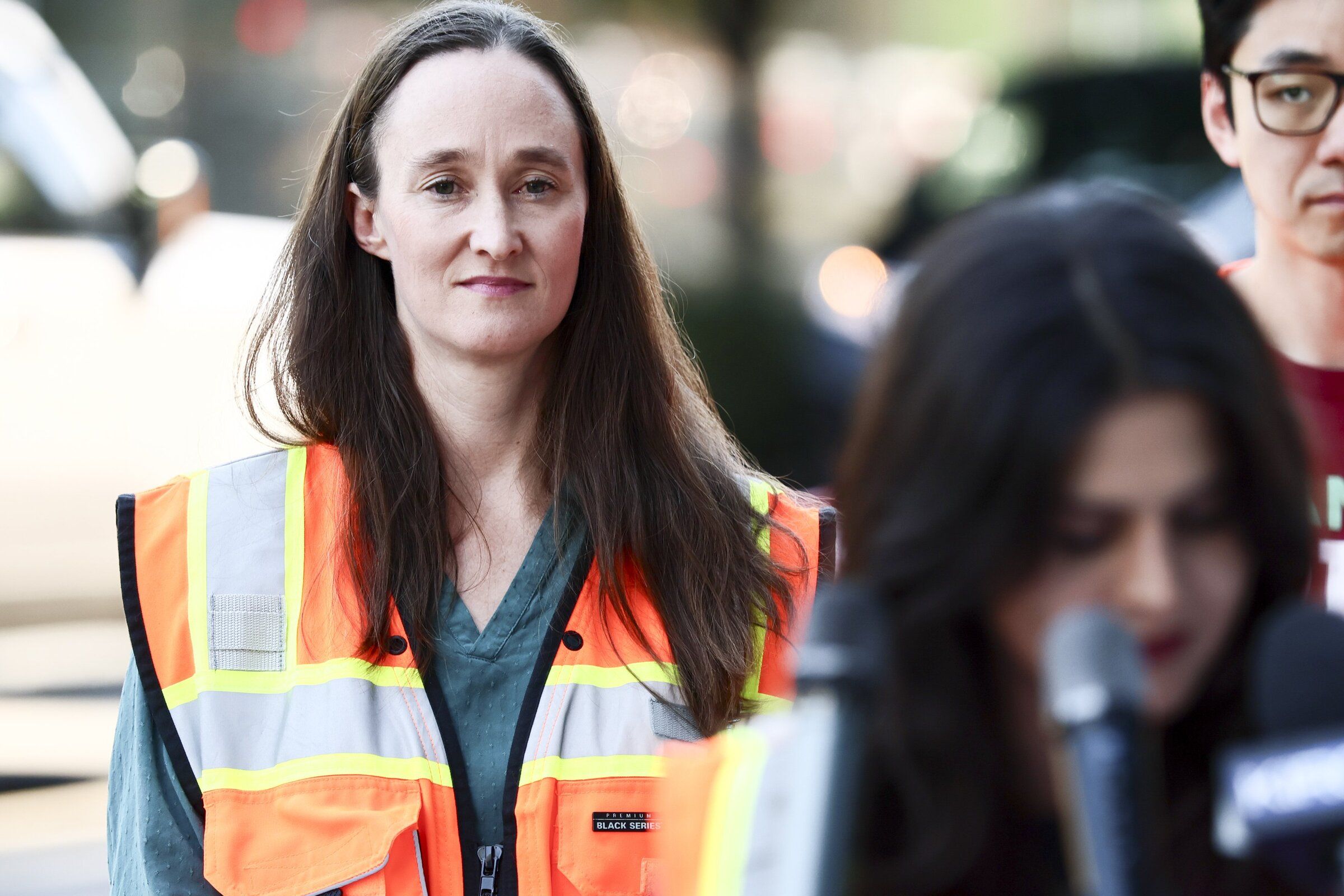
Based on: Seattle mayor orders overhaul of effort to stop road deaths, injuries
New State Psychiatric Hospital Building Reaches Major Milestone
In Lakewood, Pierce County, officials held a ceremony to install the final structural beam atop the main building of the new facility at Western State Hospital. The $947 million project is considered the largest capital investment in Washington state history.
The hospital is located in Lakewood for a reason. It was founded in the 19th century as a large rural psychiatric complex, which required extensive land and relative isolation. The existing campus near Tacoma allows the state to expand the institution without purchasing expensive property and building an entirely new complex in Seattle or Tacoma—projects that would also require addressing security, transportation and coordination with local authorities.
At the ceremony, Gov. Bob Ferguson and other state leaders spoke about the future facility’s importance to Washington residents. Nearby, however, hospital employees were protesting, calling for a fair labor agreement, higher wages and safer working conditions.
The “topping out” ceremony symbolizes the completion of the building’s main structural frame. About two more years of work remain, including outfitting the rooms, completing mechanical and electrical systems, and preparing to transfer patients. Occupancy is scheduled to begin in fall 2028.
The new building will be able to house 350 forensic psychiatric patients. These are people accused of crimes who have been found unable to understand the charges against them or work with their attorneys and therefore need treatment before criminal proceedings can continue. The hospital treats these patients and assesses their progress, but it does not determine guilt; courts make subsequent decisions. The corrections system primarily oversees convicted people serving sentences and does not replace specialized forensic psychiatric treatment.
This patient category is currently the largest among those needing treatment in the state. Over the next six years, Washington is projected to need 1,157 beds for forensic psychiatric patients, not including beds for people ordered into treatment by civil courts.
The project could also help Washington regain federal funding. In 2018, the hospital lost its certification from the Centers for Medicare and Medicaid Services, or CMS, the federal agency that oversees health care facilities’ participation in the programs. The state subsequently lost about $53 million in annual support, while state hospitals faced increased oversight and greater reliance on temporary state funding.
Angela Ramirez, secretary of the Department of Social and Health Services, said regaining CMS certification could potentially reduce the state’s costs. To do so, the hospital will have to demonstrate compliance with federal standards for safe care, adequate staffing and training, proper medication administration, record-keeping, emergency management, infection control and protection of patients’ rights. Once deficiencies are corrected, CMS must confirm compliance, and federal inspectors may conduct unannounced inspections.
Officials emphasize that construction is on schedule and under budget. Even so, the new building will not solve the problem completely. Once it opens, the campus will have about 1,190 beds, but Lakewood’s permit allows only 867 beds to be occupied at one time. This municipal limit applies to the maximum number of occupied beds across the entire campus. Therefore, the physical availability of additional rooms does not mean the hospital can legally fill them without modifying the permit and possibly taking additional measures involving security, transportation, water supply and other infrastructure.
Some older buildings will be preserved, but it will probably not be possible to use all of them. Patients will be transferred in small groups because moving everyone at once is not feasible given safety requirements and the need to prepare staff. The new beds will become genuinely available only when trained employees, stable shift schedules, medical and security infrastructure, the necessary permits and CMS compliance are all in place.
About a dozen hospital workers who belong to the Washington Federation of State Workers union said the celebratory atmosphere did not reflect their reality. Negotiations over a new contract have been underway since April; employees are seeking higher pay to retain specialists and fill vacant positions.
According to the union, understaffing increases the risk of assaults on workers, leads to overburdened shifts and can delay treatment. It could also complicate patient transfers and prevent the safe use of new beds after construction is complete. Employees say state officials are talking about transforming the system while refusing to invest in the people who will work in the new building every day.
Labor disputes could lead to strikes, increased turnover and limits on transfers between hospital units. After similar disagreements in 2024, employees went on strike and are planning another walkout next week.

Based on: Final beam marks construction milestone for Western State Hospital
Seattle in Focus: Baseball, Light Rail and Strategic Shifts
This digest covers key developments in Seattle: the Mariners are preparing to strengthen their roster in September and moving struggling pitcher Bryce Miller to the bullpen, while transit agency Sound Transit is launching a pilot program to install fare gates at 14 light-rail stations in an effort to combat fare evasion.
September Reinforcements: Who Could the Seattle Mariners Call Up?
Every September, Major League Baseball enters a special period: rosters expand from 26 to 28 players. For teams battling for a playoff spot, this is an opportunity not only to rest veterans but also to address specific weaknesses. The Seattle Mariners, locked in a tense fight for the American League West title, approach this moment with several obvious and intriguing options. Under the rules, clubs may carry no more than 14 pitchers, so at least one position player is guaranteed to join the roster—and possibly two. Seattle appears inclined to add one pitcher and one position player, especially if the team decides to move to a six-man rotation, which would leave the bullpen shorthanded.
The most logical candidate to bolster the offense appears to be Michael Arroyo. The 21-year-old right-handed-hitting infielder could help address the Mariners’ chronic problem this season: their consistent struggles against left-handed pitchers. Since being promoted to Triple-A on July 7, he has posted impressive numbers: a .271 batting average with an .810 OPS, seven home runs and nine doubles. His August numbers, however, are less encouraging—just a .208 average and a .693 OPS, suggesting a downturn. The bigger question is not even his statistics but his position: Arroyo is accustomed to playing second base, where Cole Young is firmly established, while he remains raw in left field, where the team has been trying to fit him in. Randy Arozarena, the club’s best defensive outfielder this year, also plays there. One possible scenario would be to use Arroyo as a shortstop and as Young’s replacement against left-handers.
If Seattle’s front office wants to add pure power, the best choice would be Lazaro Montes. His 37 home runs across two levels of the farm system rank second among all minor-league players, and in August he leads the Pacific Coast League in that category. Montes does have an Achilles’ heel: an enormous strikeout rate—30.9% in the minors—and only a 70.5% contact rate on pitches in the zone since his promotion. By comparison, Colt Emerson, who was recently called up to the major-league roster, struck out 27.2% of the time in Triple-A and made contact on 85% of pitches in the zone, and even he has struggled. The roster is already crowded with outfielders: besides Arozarena and Julio Rodríguez, there are Dominic Canzone and newcomer Taylor Ward. Ward has struggled since arriving in the trade, however, leaving a small window of opportunity for Montes at designated hitter and in right field.
Leo Rivas is another particularly interesting name. Last year, he was one of the underrated heroes of the championship season, but he struggled after making the major-league roster this year, hitting just .147 with a .460 OPS in 47 games. Nevertheless, his ability to play anywhere, his speed and his knack for delivering key hits could bring him back. In his most recent stint with the major-league team, he produced a walk-off hit and the following day delivered a two-out RBI single in the ninth inning that set up Arozarena’s walk-off home run. The alternative is Ryan Bliss, who has consistently enjoyed a strong year in Tacoma: a .265 average, seven home runs, 30 doubles and 24 stolen bases in 104 games. His strengths are speed and versatility.
The pitching situation is more defined. The leading candidate is Cooper Criswell, an underrated but critically important bullpen workhorse. He has not played since June 9 because of a shoulder strain, but he has begun a rehabilitation assignment. In his first game, he allowed three runs over one-third of an inning; in his second, on Tuesday, he pitched a clean inning. Before the injury, he had posted excellent numbers: a 3.52 ERA, 23 strikeouts and eight walks over 30⅔ innings. His ability to cover multiple innings is exactly what the Mariners lack. If Criswell is not ready by September 1, there are backup options: Nick Davila, who has a 4.10 ERA this season, or left-hander Josh Simpson, whose major-league numbers are alarming—a 9.82 ERA—but who would give the bullpen a third left-handed option.
The most intriguing, though unlikely, possibility is Ryan Sloan. The 20-year-old prospect began the year struggling in Double-A, but he has shone over the past two months: a 2.35 ERA, 57 strikeouts and just three walks over 46 innings in nine starts. Promoting him would be a bold statement, but Matt Brash’s potential return in September reduces Sloan’s chances. Still, baseball’s decisive month often produces surprises, and if the Mariners decide they need a fresh arm in the bullpen, Sloan could become the unexpected ace up their sleeve.
What does this mean for the team? First, roster expansion is not merely a formality but a strategic tool for creating favorable matchups against specific opponents. With the division race so close, every decision by manager Dan Wilson will be scrutinized. Second, choosing Arroyo or Montes would reveal the team’s priorities: either targeted help against left-handers or a bet on raw power that could pay off—or fail. Third, Criswell’s return would be almost like a trade-deadline acquisition: he could stabilize a bullpen that has looked overworked this season. Finally, the fate of Rivas and Bliss is a question of depth and chemistry. At decisive moments, managers often trust players who have been through the situation before, even when their numbers are unimpressive. As experience shows, September reinforcements can determine not only the outcome of a single game but an entire season, because every September win matters just as much as one in April. Mariners fans should keep a close eye on news from Tacoma this coming weekend—the players headed to conquer the playoffs may be decided there.
Surprise Move by the Mariners: Bryce Miller Sent to the Bullpen
The Seattle Mariners have made a difficult roster decision that undoubtedly surprised many fans and players alike. Rather than experimenting with the preferred “piggyback” strategy—in which two pitchers split a game by taking turns—or introducing a six-day rotation during the remaining five weeks of the regular season, the team chose the most direct option: moving one of its starting pitchers to the bullpen. The decision, made ahead of Friday’s game against the Toronto Blue Jays, was announced by manager Dan Wilson. He quickly sought to reassure everyone, saying that Bryce Miller’s move was temporary and intended to give the pitcher a breather, allow him to reset and help him return to his best form.
The situation itself was delicate. After Wednesday’s loss to Philadelphia, Miller was informed that changes were coming. Friday began with uncertainty for him: he was asked to delay his pregame throwing session and be ready to enter in an emergency if starting pitcher Bryan Woo felt discomfort in his shoulder or lost command early. In the end, the Mariners lost 6–0, and Miller’s help was not needed. After the game, however, having completed his scheduled workout, he was summoned to the manager’s office, where he met with president of baseball operations Jerry Dipoto, general manager Justin Hollander, pitching coach Pete Woodworth and director of pitching Trent Blank. Miller called the day “strange” and the meeting fairly lengthy, adding that the details of the conversation would remain within the club.
Justin Hollander explained that the decision was not spontaneous: “We want Bryce to become the pitcher he is again—the pitcher who attacks the zone aggressively with his four-seam fastball and uses his splitter and other pitches to finish hitters. His last eight to 10 starts have been difficult. We don’t make decisions like this lightly.” The statistics certainly speak for themselves. Miller began the season on the injured list with an oblique strain, returned on May 13 and pitched brilliantly in his first nine games, going 4–2 with a 1.71 ERA. His fastball had more velocity and life, while his splitter was nearly unhittable. His last eight starts, however, have been a nightmare: no wins, six losses and a 7.19 ERA. Over 41⅓ innings, he allowed 47 hits, including 10 home runs, issued 20 walks and recorded just 30 strikeouts. The Mariners lost all eight games in which he started.
Miller, who has not hidden his disappointment, nevertheless acknowledges that the criticism is fair. “I’m not going to pretend I’ve pitched great over the last month. I recognize that my recent outings haven’t been what I wanted. It all comes down to executing pitches and getting outs in big moments. I haven’t handled that this month,” he admitted honestly. At the same time, he remains confident in himself and considers himself a starting pitcher for the long term. “I’ve never doubted myself. When I’m going well, I’m one of the best starters in the league. I told them, ‘Do whatever you want with me. I’ll do whatever you tell me to do.’” Interestingly, some scouts viewed Miller as a reliever in college, and he converted to starting only during his final years there.
Miller’s role in the bullpen has yet to be clearly defined. He will likely be used in long-relief situations, especially on days when rookie Cade Anderson takes the mound with his 85-pitch limit. Hollander hinted that the best version of Bryce could be deployed in the most tense moments of a game. However, the organization insists that this is not the end of his career as a starter. “I don’t know whether he’ll return to the rotation in two weeks or start preparing for next year’s spring training as a starter. I do know one thing: this is not forever,” Hollander concluded.
Meanwhile, injured players are also with the team in Toronto: outfielder Brendan Donovan, recovering from a concussion, and pitcher Matt Brash, who is returning to his home province of Ontario and is already close to beginning a rehabilitation assignment. A Seattle Times report notes that Donovan is wearing earplugs to protect himself from the noise at the stadium, and the team hopes to determine his return timeline in the coming days.
This Mariners move is a vivid example of how professional sports, stripped of sentimentality, demand quick and pragmatic decisions in the middle of a playoff race. Moving a talented pitcher who is going through a slump to the bullpen is not a verdict but rather an attempt to reset his career and save the team’s season. Fans can only hope that this “strange day” becomes a turning point in Miller’s career rather than the beginning of his decline.
New Fare Gates in Seattle: How Fare Evasion Will Be Tackled on Light Rail
Seattle authorities have decided to take the problem of fare evasion on the light-rail system seriously. It sounds like an ordinary transportation-reform story, but behind the decision lies a broader drama involving money, social justice and the future of urban mobility. Regional transit agency Sound Transit has approved a pilot program to install fare gates at 14 of the busiest stations, hoping to address financial problems that threaten the ambitious expansion of the network.
The scale of the problem facing officials is striking: roughly one in three light-rail passengers in the Seattle area simply does not pay the fare. This is more than a statistic—it represents millions of dollars the agency needs to complete the ST3 program, which calls for extending service to areas such as West Seattle and Ballard. In response, Sound Transit leadership has decided to follow the example of other major American cities—New York, Los Angeles and San Francisco—where fare gates have been a familiar feature of subway systems for decades.
According to the published plan, fare gates will be installed at all nine stations between Northgate and Chinatown, as well as stations in Lynnwood, SeaTac Airport, Federal Way, Bellevue and Redmond. The locations were not chosen at random: more than 85% of all system ridership passes through them. Installation will begin no earlier than late 2029, and the pilot period will continue through 2034, when analysts estimate that the investment will begin to pay for itself through increased fare collection. The project carries a significant price tag: $6 million for design and planning has already been approved, while total construction and equipment costs are estimated at $87 million. Additional revenue is expected to reach approximately $30 million per year.
The reform has nevertheless drawn mixed reactions from passengers, and this is perhaps the most interesting part of the story. Take Si Gabriel, for example, who regularly uses the subway and pays for a monthly pass. She clearly expressed a view shared by many: “I understand that some people want everyone to pay, but I’m not one of them. If someone can’t afford the fare, we should let them ride. How can people find jobs and build their lives if they can’t get where they need to go?” King County already has a reduced-fare program for low-income residents—ORCA LIFT—which lowers the fare to $1 per trip. Clearly, however, not everyone who needs it knows about the program or is able to use it.
On the other hand, there are passengers like Charles Berry, who believes fare gates are right and fair. “It’s the right idea—people need to pay. It gives us the trips we need, and paying helps the system develop,” he said. Passenger Susan Stearns, who uses the subway to travel to the ferry, recalls a recent experience with fare inspectors: “A few months ago, we encountered such polite employees checking tickets. But I think fare gates are more cost-effective than hiring staff. I’m fine with it.”
Interestingly, the experience of other cities cited by fare-gate supporters is not as clear-cut as it may seem. John Wallis, who moved from Seattle to New York, is skeptical about the effectiveness of such measures: “I don’t think they help much. If someone wants to ride without a ticket, they’ll find a way. I like it better here in New York.” His observation is supported by studies showing that fare evasion on the New York subway remains high despite all the barriers.
One of the key changes for passengers will be the need to tap their ORCA card when exiting a station, rather than only when entering, as is currently the case. This will require a new habit, but designers believe it will allow the agency to track passenger flows more accurately and collect fares for the entire journey. The agency also promises that the planning process will pay particular attention to ensuring that young people and reduced-fare cardholders can pass through the gates without difficulty. Fare-enforcement staff are expected to be able to open gates for such passengers, while on-site personnel will help people apply for reduced-fare or free passes.
The financial aspect of the story is also significant. Sound Transit finds itself in a difficult position: on one hand, it must complete the network expansion promised to voters; on the other, doing so will be nearly impossible without additional revenue. Installing fare gates is seen as a relatively quick and effective solution that could generate up to $30 million annually. Critics, however, rightly point out that the measure effectively imposes an additional burden on people already close to poverty and could worsen social inequality in access to transportation.
In any case, the decision has been made, and Seattle residents will have to prepare for a new set of rules. The question remains: how successful will this pilot program be, and will fare gates help public transportation grow or instead create additional barriers for those who most need affordable mobility? Time will tell, but it is already clear that Seattle has opted for stricter enforcement—and that choice will generate plenty of debate in the years ahead. More about the decision can be found in the KUOW article.


News 28-08-2026
Seattle school district approves budget amid strike threat
The Seattle School Board unanimously approved a $1.34 billion budget for the city’s public schools for the 2026–27 school year. The decision came after several months of work to reduce the district’s projected $87 million deficit.
The vote took place on the same day that the Seattle Education Association gained the authority to call a strike. That could delay the start of the school year, as happened in 2022, when classes began five days late. In that event, families would have to arrange child care and adjust their work schedules, while the district would have to make up the missed school days. A strike could also disrupt cafeterias, transportation and other school services. Employees would risk losing pay for the days they protest, but they hope to strengthen their negotiating position on wages, class sizes and working conditions.
The union, which represents about 6,000 teachers, instructional assistants, secretaries, counselors and other workers, is seeking raises of 1% to 3% for certificated employees and 3% to 5% for employees without teaching certificates, in addition to the state-mandated 2.6% cost-of-living adjustment. The last strike, in 2022, ended with an agreement providing raises of 7% in the first year, 4% in the second and 3% in the third. Last year’s one-year contract included a 2.5% pay increase.
One of the central disputes remains spending on personnel and instruction, which accounts for about 72% of the budget. The approved plan calls for roughly $50 million in cuts. The budget is technically balanced, but the district will use $21 million from its reserve fund, which is intended to cover unexpected expenses and help maintain stable operations.
About $9.8 million will be saved through a reorganization of the central administration. Under Superintendent Ben Shuldiner’s plan to eliminate “administrative bloat,” the district will eliminate about 69 full-time positions and cut other nonpersonnel expenses.
The district expects to save another $9.6 million by eliminating roughly 57 positions in schools. Staff are still being reassigned among buildings, so the final effects of these changes have not yet been determined.
The changes will also affect school buses. The district combines its own operations with services from private contractors. Zum will add 130 routes and hire 150 drivers, while First Student will reduce its services and operate about 20% of the district’s routes. District officials say shifting a larger share of the routes to Zum will reduce costs through lower prices, route consolidation and more efficient use of buses and drivers. However, the transition could lead to schedule changes and temporary disruptions. Transportation remains one of the district’s most expensive areas because it must operate a large number of routes and transport students with special needs.
To balance the budget, the district will also delay replenishing its reserve fund, use refunds under the federal Inflation Reduction Act and direct interest income from its capital fund toward instructional and capital needs. These measures are considered temporary and do not resolve the underlying problem — a persistent gap between revenue and obligations.
According to Shuldiner, the district remains “structurally insolvent.” That means its recurring revenue is insufficient to cover mandatory expenses even after one-time cuts and the use of reserves. Unlike a temporary deficit, which can be covered with accumulated funds or short-term savings, this situation requires long-term changes — permanently reducing expenses, finding new revenue sources, renegotiating contracts or seeking state intervention.
Special education and transportation are placing particularly heavy pressure on the budget. Students with special needs require individualized programs, small groups, specialized teachers, aides and sometimes costly outside services, while public funding does not always cover the actual costs. Such expenses cannot be cut quickly without violating the law or reducing children’s access to education.
The budget could turn negative as soon as the 2027–28 school year. If that happens, Washington state could require the district to submit a corrective-action plan, increase financial oversight or limit its autonomy. The superintendent prepares the budget and manages the district’s day-to-day operations, while the elected School Board approves it and oversees its implementation. The state establishes funding rules and formulas and does not usually immediately replace a School Board, but it can significantly intervene in district management if the district is unable to balance its budget.
District leaders’ goal is to increase reserves to $100 million by 2031. However, board members acknowledge that the supply of temporary solutions is nearly exhausted. Unexpected expenses are adding to the financial pressure, including a 54% increase in liability insurance costs, as is the continuing gap between the cost of mandated services and available funding.

Based on: Seattle School Board approves SPS budget
How to Gently Reset Your Child’s Sleep Schedule Before School
After summer vacation, trips and late nights, it is important for children to return to their school routine in advance. Sufficient sleep helps them concentrate, learn and cope with everyday demands. Preschoolers may need up to 13 hours of sleep per day, younger adolescents 9 to 12 hours, and teenagers approximately 8–10 hours.
Experts recommend starting preparations one to two weeks before school begins. You can gradually move bedtime 15–30 minutes earlier each night or set an earlier bedtime right away. Before bed, it is best to avoid giving children heavy food and to turn off the television, phone and other screens about two hours beforehand. A shower, quiet reading and other calm activities can help them relax.
Natural light also affects sleep schedules. In the Seattle area, early summer sunrises and late sunsets can make it harder for children to fall asleep on time, so blackout curtains may be useful. In winter, daylight hours are noticeably shorter: sunrise usually occurs after 7:30 a.m., and cloudy weather can make waking up difficult. Consistent bedtimes and wake-up times, along with bright morning light—through a window or outdoors—help the body adjust to a new schedule.
Parents should take their child’s individual needs into account and discuss changes to the routine with them. Sometimes allowing a few extra minutes for reading before bed is reasonable, while a difficult morning after staying up too late can serve as a natural lesson. The important thing is to maintain reasonable consistency without turning back-to-school preparations into constant conflict.
Anxiety about the first day of school can make it difficult to fall asleep even when bedtime is early. Parents are advised to calmly find out what is causing the worry—for example, fear of a new school or meeting classmates—and to practice potentially stressful situations in advance. Washington state schools do not follow a single adjustment process: each school district sets its own schedule. However, many schools hold meetings for parents and new students, tours, orientation days, events for first-graders and children moving on to middle or high school, as well as meetings with teachers and preparatory programs.
Even if it was not possible to establish a perfect routine in advance, children usually adapt gradually. Parents are advised not to demand instant results, but to begin with manageable changes, remain calm and support their child. Adjusting to a school schedule can be difficult for the whole family, but consistency, kindness and attention to living conditions—including seasonal daylight hours—can make the process much easier.

Based on: How to reset your child’s sleep schedule for back-to-school season
Partial lunar eclipse over Seattle delights residents
Despite the forecast for cloudy weather, many residents of the Puget Sound region were able to observe a partial lunar eclipse Thursday evening. The phenomenon was visible from Lake Forest Park near Seattle, among other places; it was photographed by The Seattle Times photographer Dean Rutz.



Based on: Partial lunar eclipse over Seattle: See photos
Wave Energy Testing Site Opens Off Oregon Coast
PacWave South has begun operating off the Oregon coast as the first large-scale site in the continental United States where companies can test technologies for generating electricity from ocean waves. The facility received the necessary federal approval during Donald Trump’s administration, despite the fact that its broader policies have created serious obstacles to the development of clean energy, particularly offshore wind power.
Oregon State University developed the project. After Trump returned to the White House in 2025, PacWave had to undergo a special “continue or close” review by the Department of Energy, and its launch required approval from the energy secretary. The permit was issued last summer, and the connection to the power grid was completed this summer. However, the site is not yet producing electricity: the testing devices have not arrived because of delays in federal funding.
PacWave South’s location on the open Pacific coast makes it possible to test equipment in conditions similar to those of actual operation. The area regularly experiences powerful, persistent waves, as well as winter storms that create extreme loads for energy converters. At the same time, cold water, strong currents, deep water and a rich marine ecosystem make testing more difficult and require additional safety measures.
Since 2016, the Department of Energy has invested nearly $150 million in designing and building the facility. PacWave South is intended to simplify testing and permitting, which have held back the development of tidal, current and wave energy for decades. Unlike electricity generated from coal, oil and gas, marine energy does not produce carbon dioxide emissions.
Connecting to the local grid will allow developers to assess not only the amount of electricity generated, but also the devices’ operational stability, power quality, the effectiveness of safety systems and the compatibility of the equipment with Oregon’s power-grid requirements. The energy produced will be carried to shore through underwater cables and then transmitted to the regional grid. PacWave South, however, is intended primarily for testing rather than commercial electricity production.
According to federal estimates, marine energy could theoretically meet about 57% of U.S. electricity needs. Even partial use of that potential could significantly affect the nation’s power system. The administration also emphasizes the importance of wave technologies for national security: they could supply power to remote sensors, autonomous underwater vehicles and military facilities that require reliable and discreet electricity.
PacWave South will be the first such facility connected to the grid in the continental United States; previously, a similar site operated only in Hawaii, where it was owned by the U.S. Navy. In addition, the facility already has the necessary permits, so developers will not have to obtain them independently for every test. This will save time and money and remove one of the main barriers facing the young global industry.
Future tests must comply with U.S. federal laws and Oregon regulations, including rules protecting marine mammals, endangered species, water quality and fisheries. Projects undergo environmental reviews and consultations with regulators, and they also require discussions with fishermen, tribes and other users of marine resources. Such conditions may restrict the timing of operations, vessel routes, noise levels, and the types of anchors and cables used. Animal monitoring may be required during testing, along with suspending operations when animals are present; if significant harm is detected, regulators may change permit conditions or prohibit certain types of work.
Several types of wave-energy converters can be tested at the site. Point absorbers, resembling buoys, rise and fall with the waves, converting that motion into electricity. Oscillating water columns force air through a turbine, while long, floating attenuator devices generate energy by flexing in response to waves. Underwater cables will carry the electricity produced to shore and into the local grid.

Based on: Wave energy testing site opens off Oregon, a green energy milestone in the Trump administration
Seattle’s Young Performers Reimagine Peter Pan
More than 80 students ages 9 to 18 are preparing to take the stage at Seattle’s McCaw Hall. Beginning Friday, they will sing, dance and act in Peter Pan: Ready to Grow Up — an annual summer musical for teenagers organized by Seattle Parks and Recreation in partnership with the nonprofit theater organization Acts On Stage.
The city department typically supports such programs through the city budget, grants and partnerships with nonprofit organizations. It provides venues, helps coordinate recruitment and scheduling, and professional directors and instructors lead classes. Funding arrangements may vary depending on the specific program and year.
This year, the classic story of a boy who does not want to grow up has taken on a contemporary resonance: The production addresses gun violence among young people. Its creators aim to show that growing up should not be dangerous or hopeless, particularly for Black boys, and that society needs to create safer, more positive paths toward the future for children.
The production’s theme is especially relevant after the shooting at the Bite of Seattle festival on July 26. Three people were killed and four others, including a young child, were injured. After a 15-year-old suspect was arrested, Seattle Mayor Katie Wilson and other city leaders called for significant action to combat gun violence among teenagers.
The Bite of Seattle is one of the city’s largest free festivals, attracting a diverse audience each year, including families and teenagers. As a result, such large public events become venues not only for recreation but also for community campaigns focused on youth safety and violence prevention.
The musical’s participants came from different parts of the region, including Tacoma and Lynnwood. For the past 10 weeks, they have rehearsed from 9 a.m. to 5 p.m. The younger actors will receive scholarships of up to $599 at the end of the summer, while 16-year-old participants work as city employees and earn minimum wage.
Seventeen-year-old Jemarius McClain, an upcoming graduate of Cleveland High School, will play Captain Hook. He has long dreamed of portraying the famous villain and, during rehearsals, sets aside his own arm for several hours to transform into the hook-handed character.
For many teenagers, Acts On Stage has become not only a theater school but also a true community. Seventeen-year-old Jamie Michelle-Charles, who plays Wendy and has participated in the program for five years, says theater helped her become more confident and emerge from her shell after a difficult period during the pandemic. In this production, she will play Wendy for the final time before graduating from high school.
The role of Peter Pan is played by 18-year-old Nikkari Lomax, a recent graduate of Tacoma Online. Before joining Acts On Stage, he performed with a predominantly white theater group and felt like an outsider there. At the new organization, he immediately felt supported and was able to expand his circle of friends and connections within his community.
In recent weeks, the cast rehearsed in the small space of the Langston Hughes Performing Arts Institute, and on Tuesday they rehearsed at McCaw Hall for the first time. The institute plays an important role in Seattle’s Black community: It preserves African American theater and musical traditions, provides artists with space for self-expression, and helps young people develop skills in acting, dance, music and stagecraft.
McCaw Hall, located in the Seattle Center complex, seats 2,900 people and is equipped with professional theatrical infrastructure. For aspiring actors, performing at such a venue offers experience working before a large audience in a real professional theater. Educators believe the experience can change how young performers see themselves: After seeing themselves in such a space, they begin to believe they can achieve more.
Performances will run from Aug. 28 through 30. The schedule and ticket information can be found on the organizers’ website.






Based on: Seattle teens bring Peter Pan to McCaw Hall — with contemporary twist
Seattle: From Housing Affordability to Animal Cruelty
Seattle is facing three problems: a record exodus of homebuyers driven by high prices—83.8% are searching for homes in other regions—the discovery of dangerous lead contamination in the Interbay neighborhood, and the shocking killing of a goose in South Lake Union. The city is trying to address economic, environmental, and social challenges simultaneously.
Seattle Homebuyers Are Leaving the Local Market in Droves: What’s Behind the Record Exodus
Seattle’s real estate market is experiencing a paradoxical situation: local residents are actively looking for homes outside their region, and the scale of this flight is striking. According to a new Realtor.com report published this week, as many as 83.8% of online views of home listings by buyers from the Seattle–Tacoma–Bellevue metropolitan area were directed at properties in other regions. This is the third-highest rate among the 100 largest cities in the United States, pointing to a deep affordability crisis in one of the country’s most technologically advanced states.
The reasons for this buyer behavior are clear and tied to two key economic indicators. First, Seattle’s median listing price reached nearly $780,000 in the second quarter—a staggering amount even for a state with high salaries. Second, the unemployment rate is 5%, above the national average. This combination of high prices and labor-market instability is pushing people to look toward other states, where the same amount of money can buy much more. Tellingly, Portland was the top destination for Seattle’s would-be exiles: housing prices there are 25% lower, while the unemployment rate is identical to Seattle’s. In other words, people are not moving there for jobs, but specifically for more affordable housing.
Realtor.com senior economist Jiayi Xu says the trend reflects a nationwide divide: in cheaper regions, residents stay put and even attract buyers from expensive cities, while areas with inflated prices and weak labor markets experience a mass exodus. Seattle, along with Los Angeles, falls into the second category. Interestingly, both cities are sending many of their buyers to San Francisco, where, despite astronomical housing costs, the labor market is much stronger and can offset housing expenses. The problem is especially acute on the West Coast: nearly two-thirds of all property views from the region are directed elsewhere, and that share continues to rise each year. The Midwest and South are seeing the opposite pattern, with residents largely staying in their cities thanks to more reasonable prices.
Even more concerning, according to Redfin, buyers in the Seattle area now need to earn about $219,000 a year to afford a median-priced home. At the same time, the market is showing a paradox: inventory is rising while sales are falling, creating even more pressure on buyers. For a decade, Washington state officials have tried to address housing affordability through tighter regulations and new fees and taxes on developers. But the result has been the opposite of what was intended: the city has become so unattractive to its own residents that they would rather buy property in other states. According to the Realtor.com report, only 16.2% of views remained within the Seattle market in the second quarter, placing the city alongside some of America’s most expensive metropolitan areas, such as San Jose and Washington, D.C., where the situation is even worse. This flight of buyers is not merely a statistic; it is a sign that the local real estate market has become completely detached from the means of working residents. Without sweeping changes to the state’s housing policy, the trend is unlikely to change anytime soon.
Lead on the Loose: Seattle Battles an Invisible Threat in Interbay
In the heart of Seattle, in the quiet Interbay neighborhood, a situation is unfolding that is prompting residents to reconsider the safety of seemingly ordinary surroundings. City crews have discovered elevated levels of lead in soil and water on public property, and work is now underway: specialized teams are cleaning roads and storm drains, while officials are advising pedestrians to seek alternate routes. The problem did not emerge by chance—it appears to be linked to a local battery manufacturer whose employees may have unintentionally carried the dangerous metal beyond the plant.
The situation began with what initially appeared to be a routine workplace-safety inspection at Dyno Battery, located nearby. In March, the Washington State Department of Labor & Industries fined the company for violations related to workers’ exposure to lead. The Department of Health then took up the issue, raising the alarm in April: employees could be bringing lead dust home on their clothing, shoes, and skin, putting their families at risk. That warning set off a chain reaction that led to the discovery of contamination in public areas.
According to information published in a KOMO article, samples collected in late July and confirmed in August revealed alarming figures. A soil sample from the roadway contained 55.3 parts per million (ppm) of leachable lead, while a storm drain contained as much as 451 ppm. That is more than ten and 90 times, respectively, the state’s hazardous-waste threshold of 5 ppm. Consider the potential scale of the problem: even simply walking along the road on a rainy day could cause lead particles to stick to shoes or stroller wheels.
The most troubling aspect of the story, however, is not just the numbers but their potential impact on the most vulnerable group—children. A private preschool is located near the contaminated area. Health officials tested water and dust there in mid-August. The good news is that lead levels did not exceed the standard in the areas where children spend time. But there is also bad news: three of the 11 samples exceeded Environmental Protection Agency (EPA) limits, even though they were not taken in play areas. Lead is particularly dangerous because it has no color or odor, and its accumulation in children’s bodies can cause irreversible harm to nervous-system development. That is why officials emphasize that dust can “travel” on shoes, stroller wheels, and wheelchair wheels, entering homes and offices.
As city agencies, including Seattle Public Utilities, work with state and federal authorities to conduct additional testing and determine the extent and precise source of the contamination, residents are receiving simple but vital advice. Experts strongly recommend removing shoes before entering the home and wiping stroller wheels with a damp cloth after going outside. This is not panic, but a preventive measure that can help protect people’s health. Authorities are also working with Dyno Battery employees to arrange blood-lead testing, helping the preschool remove potentially dangerous dust and advising parents on how to protect their children.
In essence, this case vividly illustrates how industrial problems can quietly spread beyond a factory and become an environmental headache for an entire neighborhood. One can only wonder how many other hidden threats may be lurking in the soil beneath residents’ feet—and how quickly the system can detect and neutralize them before they cause harm. For now, the main priority is to prevent lead from the soil from reaching children’s bodies, since the consequences could be far too high a price to pay for inattention.
Goose Brutally Killed in South Lake Union: Seattle Animal Shelter Seeks Suspect
An incident in Seattle’s scenic South Lake Union neighborhood has shocked local residents and visitors to the lake. On Monday evening, at around 5:30 p.m., a witness saw a man grab a goose by the neck and repeatedly slam it against the concrete. The Seattle Animal Shelter has begun investigating the disturbing case of animal cruelty. According to the witness, who declined a video interview, they managed to photograph the suspect as he left the scene. The images show a man wearing a red T-shirt bearing the words “No nerds, no birds.” The phrase is reportedly a slogan of the Society of Professional Engineering Employees in Aerospace (SPEEA), a union representing more than 20,000 aerospace workers, many of whom are employed by Boeing. A SPEEA representative declined to comment, and the animal shelter has not yet been able to confirm whether the suspect is affiliated with the union.
The incident provoked a strong reaction among people who regularly visit the lake. Josephine Saltmarsh, who comes there every day during her lunch break, said she found what happened “truly cruel and frightening.” She noted that geese can certainly be annoying, but that does not justify violence against a living creature. Another visitor, Jim Hall, who was walking with his nephew, wryly suggested that the man might have “a problem with birds” and added that “animal-rights activists would probably like to have a word with him.” In conversations with reporters, many people expressed disbelief and shock that something like this could happen in such a peaceful and popular place. The animal shelter has already contacted the nearby Museum of History & Industry (MOHAI) to obtain surveillance footage that may have captured the attack.
The slogan “No nerds, no birds” itself has an interesting origin. SPEEA—the Society of Professional Engineering Employees in Aerospace—is an independent union that advocates for engineers, technicians, and other specialists. The phrase was originally a humorous way of emphasizing that without engineers (“nerds”), there would be no airplanes (“birds”). In this context, however, it takes on a sinister tone, particularly if the man was preoccupied with fighting birds. It remains unknown whether the suspect was a union member or whether his actions were connected to any ideology. Police and shelter staff are asking anyone with information to contact them immediately at (206) 386-7387 and reference case number C0009675633. The incident once again raises questions about the need for tougher penalties for animal cruelty and the importance of reporting such crimes. As the shelter emphasizes, every report not only helps identify the perpetrator but also helps prevent future acts of violence. As Seattle residents continue visiting the lake and hope the person responsible is found, the incident serves as a reminder that inexplicable cruelty can occur even in the most peaceful places. Details of the investigation have not yet been released, but authorities say they are determined to pursue the case, as reported in the original KIRO 7 article.


News 27-08-2026
Washington to Test “Social Prescribing” for Mental Health Support
After 24 years of service, veteran Shanda De Anda struggled to return to civilian life in Tacoma. Public places triggered panic reactions and constant hypervigilance. A therapist suggested that she join a choir — an unexpected but effective form of support that helped her feel connected to the world around her again. This approach is known as social prescribing: Health care professionals recommend activities that promote health and well-being rather than clinical treatment.
In July, the Washington State Arts Commission signed a two-year, $250,000 contract with Atlanta-based organization SocialRx. The organization will help develop a social-prescribing system in the state. The pilot project is funded and coordinated by Seattle nonprofit Path with Art, which is also seeking additional sources of support. ArtsWA says state budget funds will not be used; in the future, services could be paid for by insurance companies, government programs, grants, foundations or other payers.
The project is initially planned for King County, home to Seattle and a large network of hospitals, insurers, social-service agencies and cultural organizations. This concentration of infrastructure makes it easier for doctors to coordinate with organizations that provide activities. If successful, the program is expected to expand to other counties across the state. In rural and remote areas, however, large distances, shortages of doctors and social workers, limited transportation and cultural institutions, weak internet access and restricted funding could pose challenges. The needs of tribal communities will also require special consideration.
The modern model of social prescribing emerged in London in the 1980s, when the Bromley by Bow Centre began referring patients to art classes, gardening and other activities. Similar programs spread across the United Kingdom and Europe. In one English project, visits to general practitioners fell by 37% over eight years, while hospitalizations declined by 27%. In the United States, interest in the idea is growing as loneliness and social isolation increasingly become recognized as health risk factors.
According to the National Alliance on Mental Illness, about 1.6 million Washington residents live with mental health conditions. ArtsWA is building a coalition with SocialRx, Path with Art and other organizations to establish operating guidelines with medical institutions and payers. Developing the system will take time, so the first “social prescriptions” will likely not be issued until the contract’s second year.
Under the proposed model, a medical provider would identify a patient’s needs and issue a referral, a social-service or arts organization would provide the activities, and an insurer or government program would pay for approved services. There is no single funding model yet, so grants, foundations and local programs may play a major role during the early stages. Medical providers would need to share only necessary information with participating organizations, with the patient’s consent, while those organizations would have to restrict access to data and comply with confidentiality requirements, including HIPAA rules when handling protected health information.
SocialRx’s model calls for a doctor or other professional to identify loneliness, depression, anxiety or social isolation and refer the patient to a program. A SocialRx staff member contacts the person, learns about their interests — such as ceramics, concerts or dance classes — and helps with transportation, monitoring outcomes and sharing information with the doctor. Participants complete well-being questionnaires when they enroll and after each activity.
In King County, potential project partners, besides Path with Art, could include Seattle Parks and Recreation, Seattle Public Library, King County Library System, Seattle Art Museum, Northwest African American Museum, Pratt Fine Arts Center, UrbanArtWorks, Frye Art Museum and community centers. Accessible facilities, online classes, transportation assistance and adapted programs will be particularly important for people with limited mobility. For participants with low incomes, free places, discounts, scholarships or access through a social-worker referral will be needed.
SocialRx, formerly known as Art Pharmacy, has operated since 2022 and works with organizations in about a dozen states. In 2024, Massachusetts became the first state to enter into a partnership with the company. A 2023–2025 Johns Hopkins University study found that participants reported improved mental health and reduced symptoms of depression, although the study’s authors were hired by SocialRx. The company’s founder, Chris Appleton, has also faced criticism over his previous work at WonderRoot: An independent investigation confirmed instances of unprofessional conduct and financial misconduct. ArtsWA said it reviewed the company’s reputation and continues to have confidence in its infrastructure.
Path with Art has offered similar services in Washington for nearly 20 years, working with about 60 organizations in health care, housing and social services. Its free, trauma-informed arts classes serve about 2,000 people each year — 188% more than in 2020. According to a Johns Hopkins study published in May, more than 80% of participants felt less lonely after eight weeks, while over 90% reported greater confidence in their ability to cope with challenges.
For De Anda, choir sessions marked the beginning of a long recovery. She later attended various creative courses, taught writing and gardening programs based on working with the five senses, and became an ambassador for the nonprofit organization. At one event, she told her husband about her trauma for the first time. De Anda is now studying family therapy at Pacific Lutheran University. Another veteran, Chris Wisdom, says art classes helped her overcome severe social anxiety, and her vivid paintings were later displayed at Seattle’s McCaw Hall.
ArtsWA already connects veterans with creative programs through the Wellness, Arts, and the Military initiative, which it runs jointly with the Department of Veterans Affairs. The U.S. Department of Veterans Affairs system also uses creative and community activities as supplements to medical and psychological care and may refer veterans to outside organizations, including ArtsWA and Path with Art, when partnerships are formally established, services meet program requirements and are available in the relevant area. Such a referral does not automatically mean the service will be paid for: Funding depends on VA rules, local agreements and the veteran’s eligibility for a particular service.
Air Force veteran Kevin Gaines, who served in Iraq, Afghanistan and Central Africa, has twice received a state grant for art projects. He used it to study airbrushing and draw Dungeons & Dragons characters, which helps him manage post-traumatic stress disorder alongside playing guitar and receiving VA therapy. Gaines says that of all the methods he uses, painting provides the strongest support for his mental health. All three veterans said they would be willing to use a social prescription if doctors offered one. The pilot project will now show whether community-based care can become a practical complement to traditional medicine.



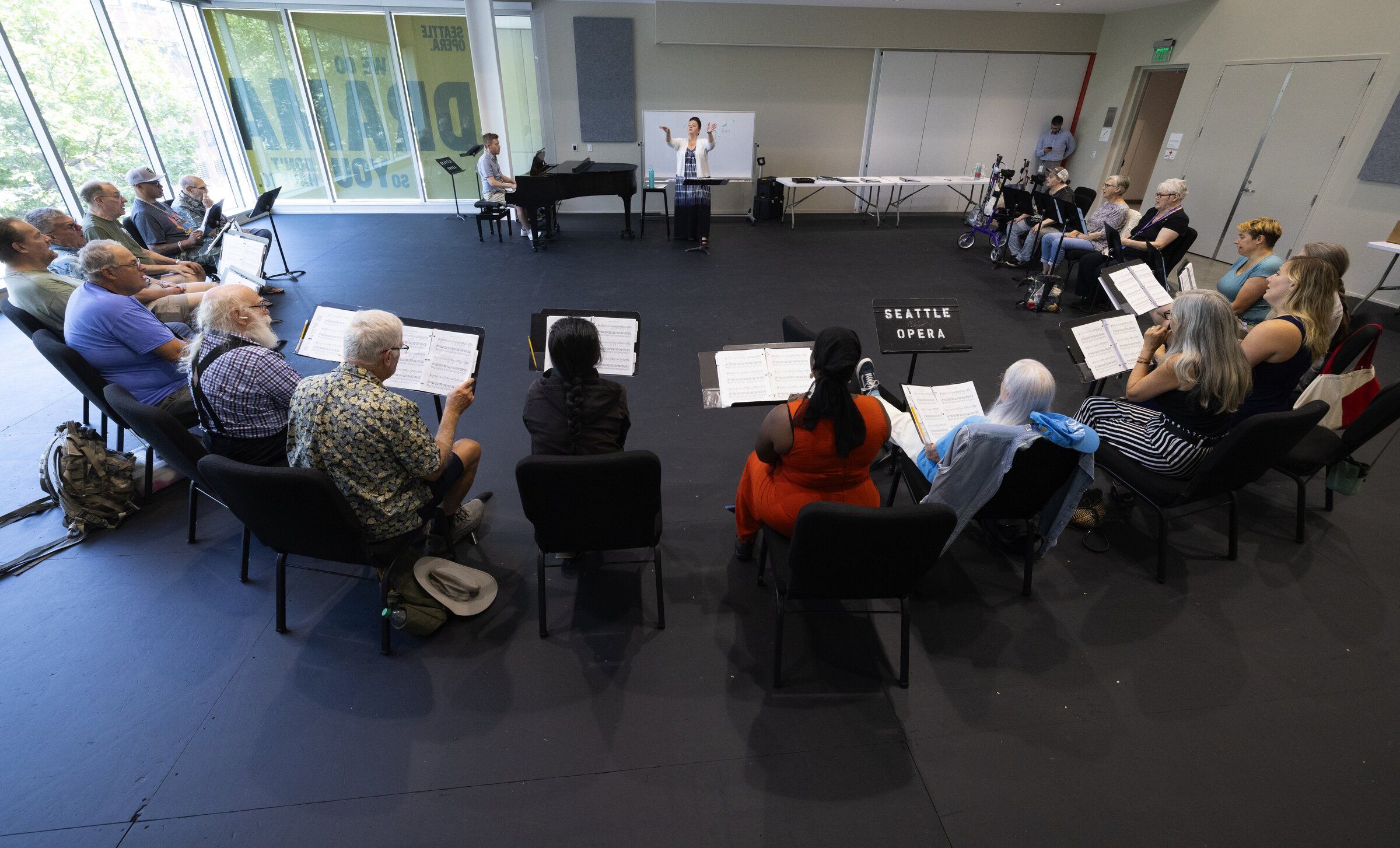
Based on: WA plans social prescribing pilot: Could doctors prescribe art?
Jaye P. Morgan, Singer, TV Host and ‘Gong Show’ Star, Dies
Jaye P. Morgan, one of the most successful American singers of the 1950s and a charismatic television entertainer, died Monday at age 94. According to her longtime friend and attorney, Mark Sendroff, the cause was natural causes. In recent years, Morgan lived in Longview, Washington, with her nephew and niece.
Longview is a small and relatively affordable city in southwestern Washington, about 50 miles north of Portland, Oregon. Unlike the larger and rapidly growing Seattle, it has an industrial heritage, less dense development and a quieter pace of life. There is no precise public information about why Morgan chose Longview; peace and quiet, housing costs and proximity to nature were likely important factors.
In 1955, Morgan had five hits, including “That’s All I Want From You” and “The Longest Walk.” Her songs “Danger! Heartbreak Ahead,” “If You Don’t Want My Love” and “Pepper-Hot Baby” also reached the top 20. She recorded duets with Perry Como, including “Two Lost Souls,” while her collaboration with Eddy Arnold, “Mutual Admiration Society,” reached No. 47 on the Billboard chart.
Morgan later became a regular guest on popular television programs, including “The Tonight Show” and shows hosted by Merv Griffin, Dick Cavett and Mike Douglas. She also appeared in the series “The Love Boat” and “Fantasy Island.” But she became widely known through her participation in the comedy program “The Gong Show,” where beginning in 1976 she judged contestants’ performances alongside Jamie Farr and Rip Taylor.
The program was part of the popular 1970s trend known as “anti-television” — entertainment that parodied serious competitions and traditional variety-show formats. Amateur performers presented the most unusual acts, and a judge could stop a poor performance by striking a gong. The winner received a check for the deliberately strange amount of $516.32. There is no reliable evidence of a specific cultural or historical reference behind the figure; most likely, its precision itself heightened the show’s absurd humor.
In one episode, Morgan unexpectedly opened her shirt, exposing her breasts, during a performance by dancing stagehand Gene Gene the Dancing Machine. The scandalous moment became one of the program’s defining images. NBC canceled the show in 1978 amid declining ratings, audience fatigue with the format and reputational problems following host Chuck Barris’ departure. Another network later revived the program.
“It paid well and gave me tremendous exposure. I loved it,” Morgan told the Los Angeles Times in a 1992 interview. The New York Times noted that her television improvisations made her better known as an entertainer and distinctive personality than as a singer, although her eccentricity was also evident in her musical style. Television greatly expanded her audience and extended her public career, but over time, for many viewers, her image as a colorful participant in comedy shows overshadowed Morgan’s success on the music charts in the 1950s.
Morgan also appeared in films, including “The All-American Boy” with Jon Voight, “The Gong Show Movie,” “Night Patrol,” “Home Alone 2” and George Clooney’s “Confessions of a Dangerous Mind.” She appeared on “The Muppet Show” and “The Odd Couple,” and toured the country in the musical “Sugar Babies.”
Mary Margaret Morgan was born in a log cabin in Mancos, Colorado. At age 3, she began performing in a family vaudeville act with her parents, sister and five brothers. After her father died in 1945, the act disbanded, but Morgan resumed singing professionally at 17. In 1950, she joined the Frank De Vol Orchestra.
Her career included her own television show, several music albums and regular television appearances. Morgan was married and divorced three times. She is survived by her son, Paul Kane.

Based on: Jaye P. Morgan, a jack-of-all-trades entertainer who was a pop and TV star, dies at 94
Washington Releases Whiskey Honoring University Cougars
As the academic year and football season get underway at Washington State University, the official Wazzu Whiskey is going on sale. The project is a collaboration between the university’s athletic program and Spokane-based Dry Fly Distilling. The cinnamon-flavored drink combines smooth whiskey notes with a spicy kick and was created as a tribute to the longstanding tradition of fans supporting the university’s crimson and gray colors. The name Wazzu and the image of a Cougar’s head refer to the university’s unofficial nickname and mascot.
A one-liter bottle costs $22.99, and the flavor was developed as a bolder version of the popular cinnamon liqueur Fireball. Dry Fly Distilling President Patrick Donovan spent about a year negotiating with the university; the companies had previously released a limited-edition collaboration. Preorders can be picked up at the distillery starting Thursday, while customers in other regions can have the whiskey shipped to Washington and California. The list of states is expected to expand later.
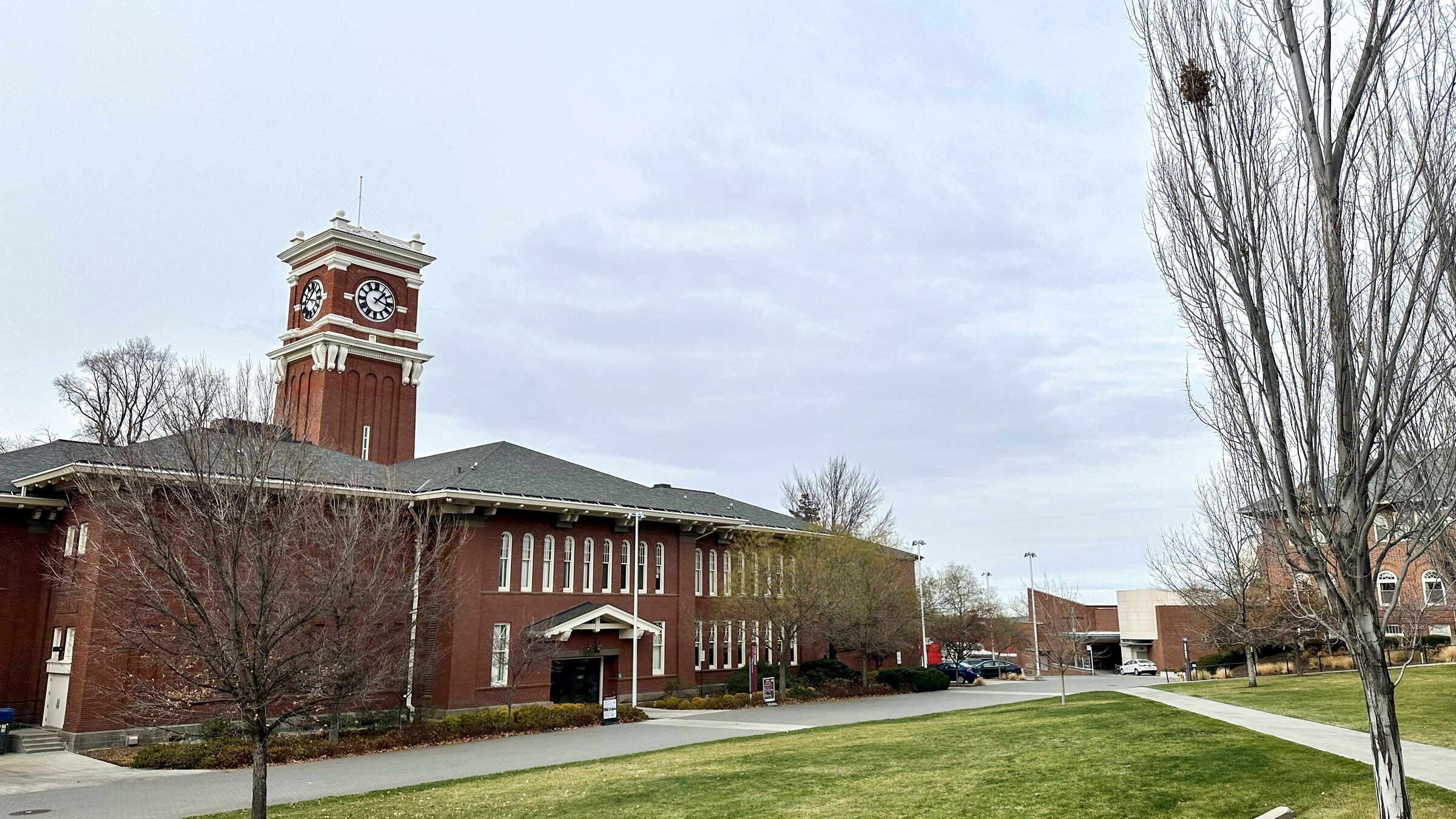
Based on: New WA whiskey release is a tribute to WSU Cougar pride
Seattle Mother Arrested After Her One-Year-Old Son Dies
In Seattle, 39-year-old Divina Tanggalan was arrested after the death of her one-year-old son. Preliminary autopsy results showed fentanyl in the child’s blood and urine. The woman was charged with endangering safety in a domestic-violence incident and first-degree unlawful possession of a firearm; police are also investigating possible manslaughter.
Emergency services arrived at an apartment in the Atlantic neighborhood around 12:30 p.m. Sunday after receiving a report that a baby was not breathing and may have ingested fentanyl. Atlantic is located southeast of downtown Seattle, between the Mount Baker, Leschi and Central District neighborhoods. It is primarily residential, with single-family homes, small apartment buildings and local streets, unlike the city’s more commercial and tourist-oriented areas.
According to court documents, the mother told firefighters that she kept drugs in the home and that the child may have gotten access to them. Resuscitation efforts were unsuccessful. Officers who arrived at the scene noticed that the woman appeared intoxicated; she said, “This is all my fault.”
Tanggalan said she struggled with drug addiction and usually kept fentanyl in a locked container on a high shelf in the bathroom so the children could not reach it. According to her account, she fell asleep on the couch around 11 a.m. while holding her son and woke to find him limp and not breathing. The bathroom door was open, but the woman could not explain how the children might have reached the drugs and did not say where they were. Her two-year-old daughter was placed with relatives.
Police believe the mother was the only adult who could have been responsible for the children’s safety at the time of the incident. A .22-caliber handgun was also found in the bathroom, despite Tanggalan’s criminal record. She is also known as Nakia Cunningham.
The medical examiner noted that the available information could be consistent not only with fentanyl exposure but also with sudden infant death syndrome or accidental suffocation during sleep. In Washington state, law enforcement agencies investigate the circumstances in such cases, while the county medical examiner or coroner conducts an autopsy, toxicology screening and other examinations. Specialists review medical records, inspect the scene of the death and interview parents, guardians and witnesses; child-protection services may join the investigation if necessary.
A final determination may be delayed until all test results are available. The medical examiner then establishes the cause and manner of death—natural, accidental, undetermined or related to violence. A preliminary test alone is generally insufficient for a final conclusion or criminal charge. Toxicology testing must determine the precise amount of fentanyl present, after which prosecutors can decide whether to take additional action.
Based on: Seattle mother arrested after baby dies, tests positive for fentanyl
Blake Lively Awarded $407,000 for Legal Costs
Federal Judge Lewis Liman awarded actress Blake Lively $407,000 to cover legal fees and related expenses in her legal dispute with Justin Baldoni, which arose after the production of the 2024 film It Ends with Us. The amount was significantly less than the $8 million her attorneys had requested.
Lively sought reimbursement for the costs of defending against a defamation lawsuit filed by Baldoni and others associated with him. Although the parties settled their broader dispute in May without any payment to the actress, the agreement preserved her right to seek reimbursement for expenses related to the already-dismissed defamation case.
The case was heard in federal court because there may have been grounds related to the parties’ differing citizenship and the amount in controversy. Federal courts also hear disputes based on federal law and, in some cases, apply state law — in this instance, California law in particular. Most defamation cases and employment disputes are usually handled by state courts, but a case initially filed in state court may be moved to the federal level when appropriate legal grounds exist.
In her original lawsuit, Lively alleged that Baldoni, her co-star and the film’s director, sexually harassed her while they were working on the movie. She said that afterward, an online pressure campaign was organized against her to damage her reputation. Baldoni denied the allegations and said Lively had mischaracterized innocent workplace interactions.
Crisis public relations firms were involved in the dispute, helping the parties shape public perceptions of events, prepare statements for journalists and promote versions favorable to their clients through social media. The judge, however, separated the costs of that work from the expenses of legal defense. Anti-SLAPP laws generally allow reimbursement of reasonable litigation costs — including attorneys’ fees, court costs and expert services — but not expenses related to influencing public opinion. PR expenses could have been included in the award only if they were shown to be directly necessary for the legal defense.
The judge limited the award to expenses related to defending against the defamation lawsuit and associated legal work. He rejected several claims, including charges for time spent dealing with the media. As a result, the award did not include costs that could have substantially increased the final amount.
Lively’s attorneys said that money had never been her objective. According to them, the actress wanted to draw attention to the mechanisms behind online retaliation campaigns and show others facing similar pressure that they could seek accountability. Baldoni’s lead attorney, by contrast, called the original request excessive and described the court’s decision as a significant victory for his clients.
The dispute became one of Hollywood’s most prominent legal battles over the boundaries of publicity and the influence of social media. The judge had previously dismissed Lively’s sexual-harassment claims on procedural grounds but allowed several claims against corporate defendants to proceed.
In awarding the costs, the court applied an amendment to California’s anti-SLAPP law adopted in 2023. These laws are intended to prevent lawsuits from being used to suppress public statements on matters of public concern. They allow defendants to seek the expedited dismissal of defamation claims and reimbursement of legal costs when a case involves public statements about sexual assault or harassment.
Similar anti-SLAPP laws are in effect in other U.S. states, but their scope, procedures and level of protection vary. There is no single nationwide standard: in some states, these laws are broader, while in others they are weaker or nonexistent. In Lively’s case, the law allowed her to recover legal-defense costs but did not provide for damages or punitive payments.

Based on: Blake Lively, who sought $8 million for legal costs, is awarded $400,000
Seattle: Budget Cuts, New Seahawks Owner and Coaching Changes
This article examines how the city is cutting police hiring incentives amid a budget shortfall, the record-breaking sale of the Seattle Seahawks to new owner Vinod Khosla—with uncertainty surrounding plans for Lumen Field—and key points from an interview with team defensive coordinator Aden Durde about his journey from London to the NFL.
Seattle Suspends Police Hiring Incentive Payments as City Cuts Costs Amid Budget Crisis
The Seattle Police Department has announced a temporary suspension of its financial incentive program for new employees beginning September 1. The decision comes amid a worsening city budget outlook, forcing officials to reassess spending even in sensitive areas such as law-enforcement staffing.
Under the changes, new recruits and current officers who bring new people into the department will temporarily lose access to bonuses. Previously, the program offered payments of up to $30,000 for newly hired detectives and patrol officers, as well as rewards for current employees who successfully referred candidates. The department emphasized that the pause is temporary, but has not provided a clear timetable for resuming the payments.
The news is particularly troubling given the staffing shortage facing Seattle police. The city has been struggling with an exodus of officers for several years: over the past four years, the number of officers has fallen by nearly one-third, from roughly 1,400 to fewer than 950. Many leave for neighboring departments that offer higher salaries and better conditions. The incentive program was one of the few tools available to help offset those losses.
According to city council representatives, the budget forecast for 2025–26 is worse than expected, with the deficit potentially reaching $250 million. The main causes include declining sales-tax revenue, rising inflation and the costs of settling numerous lawsuits against the police. Under these conditions, City Hall is being forced to find savings across all departments, and the police department is no exception.
The decision has already drawn criticism from unions and some residents. They argue that without financial incentives, recruiting new personnel will virtually stop, leading to an increased burden on current officers and slower responses to calls. “We’re creating a problem for ourselves,” one department veteran told KOMO News. “Saving a few million now will turn into tens of millions in costs to rebuild the department later.”
The economic context also matters. The region has historically low unemployment, and competition for qualified security personnel is intense. Seattle police have repeatedly lost that competition to private security firms and suburban police departments, which can offer higher pay while spending less time on bureaucracy.
In this context, a “budget forecast” is an estimate of a city’s revenues and expenses several years into the future. If a deficit is expected, it means spending exceeds incoming revenue, requiring officials either to cut costs, raise taxes or draw on reserve funds. A “pause in incentives” is a classic example of budget sequestration, in which departments trim less critical items to make it through the end of the fiscal year.
The long-term consequences of the move could be mixed. On one hand, budget savings are genuinely necessary—the city cannot operate indefinitely on borrowed money. On the other, if the exodus of officers continues, crime could rise, followed by even more lawsuits and social costs. Analysts are already warning that this approach—patching holes without strategic planning—could create far more serious problems for Seattle than a temporary staffing shortage.
“An Iconic Brand”: New Seahawks Owner Vinod Khosla on Lumen Field and the Team’s Future
On Wednesday, NFL club owners unanimously approved the sale of the Seattle Seahawks to an investment group led by prominent venture capitalist Vinod Khosla. Valued at a record $9.612 billion, the deal is the most expensive in league history. Attention is now focused on how the new owner will run a team that has just won the Super Bowl. At his first news conference after the vote in Atlanta, Khosla, who was born in India, sought to reassure fans by saying he did not intend to make radical changes. However, his cautious comments about the team’s home stadium left several questions unanswered.
The main topic of discussion was the future of Lumen Field, which has been home to the Seahawks since 2002. An ESPN report in May raised the possibility that prospective buyers might have to consider replacing the stadium, causing concern among fans. Khosla, however, called the venue “iconic and a very important part of the Seahawks brand,” emphasizing that he wanted to preserve that connection. “Obviously, we’re not owners yet and we have a lot to learn, but we’re going to work with management, with other people and with the Seattle community to hopefully preserve this iconic brand,” he said, according to NFL.com. He did not give a definitive answer about the stadium’s long-term future, leaving room for speculation. The possibilities could include renovations or even a new arena, although the latter seems less likely given his remarks.
Khosla, who also owns a small stake in the San Francisco 49ers—which he must sell before the deal is completed—called the purchase “a gift from the Allen Trust.” “How often do you get a chance to buy a franchise that just won the Super Bowl? We are incredibly fortunate and humbled by this gift,” he said, adding that the task before him was simple: “to continue the winning streak and win another Super Bowl.” He stressed that his approach would be long-term rather than short-term, and that he intended to “learn and listen” both to the team’s management and to other league owners. The statement should reassure those who feared that the new owner, known for his aggressive technology investments, would interfere in sporting decisions.
Khosla also addressed the fans, calling them “the best in the country” and thanking them for their passion and loyalty. He specifically highlighted the phenomenon of the “12th Man”—the Seahawks’ famous fan base, known for its deafening support at the stadium. “It’s a difficult task not to be awed when you inherit a fan base like this,” he said. Interestingly, Khosla acknowledged that he has long been a Pittsburgh Steelers fan and continues to follow their games. Still, he said moving into the Seahawks camp was easy because of his longstanding ties to Seattle’s technology community. His son, Neal, attended 49ers home games from the age of five, so football has long been a family passion—something that will likely help win over skeptics.
Experts note that Khosla’s purchase is more than a change in ownership; it signals a changing era in the NFL, where technology billionaires are gaining increasing influence. The $9.6 billion price tag is more than double the previous record, set by the sale of the Denver Broncos for $4.65 billion in 2022, reflecting the explosive growth in the value of U.S. sports assets. For Khosla, whose fortune is estimated at tens of billions of dollars, the purchase is more likely a strategic investment than an emotional acquisition. His comments about a “long-term approach” could point to plans to develop the team as a global brand, including digital and media ventures. At the same time, his reluctance to discuss specific stadium plans may be because his intentions will not become clear until the deal is completed and an audit is conducted. For now, Seahawks fans can only hope that the new owner will keep his promises and preserve the unique atmosphere that has made Lumen Field one of the most intimidating venues for visiting teams in the league.
From London to the NFL: How Aden Durde Became the Seahawks’ Defensive Coordinator
Aden Durde’s story is not simply the rise of a talented coach. It is an extraordinary journey that began with an ordinary videotape in London and led to a Super Bowl victory. In an interview with Andscape senior writer Jason Reid for the Coaches Conversations series, the Seattle Seahawks’ defensive coordinator described how a chance encounter with footage of the 1985 Chicago Bears changed his life and shaped his future.
Durde admits that football was not initially anything special to him. Like many boys in London, he was interested in soccer. But when he got his hands on a tape featuring the legendary Bears defense led by Mike Singletary and William “The Refrigerator” Perry, something clicked. The atmosphere, power and strategy captured the future coach’s imagination. At the time, however, he could not have imagined that years later he would reach the highest level of American football.
His path to the NFL was neither direct nor easy. After ending his playing career in Europe, Durde stepped away from sports. But, as he explains, the community coaching scene—working with children and young people in London—brought him back to the game. That was where he realized he did not simply want to be involved in football; he wanted to teach, explain and lead others. His experience in NFL Europe, a tournament that once served as a talent pipeline for the major league, gave him not only a coaching foundation but also a unique understanding of how different cultures perceive the game.
This season, Durde oversees the entire Seahawks defense, one of the most aggressive and tactically flexible units in the league. He explains that his role is not limited to calling plays on third down. A coordinator’s job is to create a system in which every player understands his responsibilities and feels trusted by the coaching staff. It is important, he says, to be an intentional leader: not simply giving orders, but constantly explaining why—a particular scheme was chosen, why the team will take a risk in one situation and play more cautiously in another.
The discussion of opportunities for Black coaches was especially important. Andscape, which launched the project, notes that despite all the talk about diversity, there remains a huge gap between the number of Black players—more than 70% of the league—and the representation of Black coaches in key positions. As a British coach, Durde views the issue somewhat differently, but agrees that change must be systemic. He recalls his early years, when he had to prove that a European coach could understand football at the same level as Americans who had come through the college system.
“It’s not about quotas; it’s about opportunities,” Durde said. He stressed the importance of giving young coaches access to internships, opportunities to observe elite coaches and real experience managing games. In his interview with Andscape, he said he learned a great deal while working under Dan Quinn with the Dallas Cowboys. That was where he first saw how relationships between a coordinator and players are built.
Interestingly, Durde’s European perspective has also given him a certain advantage. He is not constrained by stereotypes about how a defense “should” look. Alongside Seahawks head coach Mike Macdonald, who is also regarded as a young and bold coach, he is building a system that blends traditional principles with new ideas, including more simulated pressure and greater unpredictability.
The significance of coaches such as Durde extends far beyond the field. For thousands of young people in Europe, Africa and even the United States, he demonstrates that there is more than one path to the top of the NFL—and that it does not have to begin with a playing career. As Durde himself sums it up, a defensive coordinator must be not only a tactician, but also a mentor, motivator and, above all, someone who sees the people in his care as individuals rather than simply assets for improving statistics.
News 26-08-2026
Seattle to Hold Vigil Honoring Dolly Parton
On Friday, Seattle residents will gather for a community vigil honoring country singer and philanthropist Dolly Parton. The gathering will take place from 8 to 9 p.m. near the AIDS Memorial Pathway, next to the Capitol Hill light rail station. Organizers are inviting fans to sing, grieve and express their love for the artist together. The event will be held rain or shine.
The AIDS Memorial Pathway is a public memorial space dedicated to people affected by the HIV/AIDS epidemic. It features artworks, memorial elements and educational materials about the community’s history and activism. The Capitol Hill neighborhood is considered Seattle’s historic center of LGBTQ+ life, so the location underscores the vigil’s connection to remembering those who died and fighting for LGBTQ+ rights and support.
Parton, who was 80, died Tuesday after being diagnosed with cancer, her publicist said. The Seattle vigil was initiated by Francesca Hayes, who had been a fan of the singer since childhood, thanks to her parents and grandmother. During her school years, Hayes even wrote letters to Parton, telling her that she found her beautiful and talented and loved her work.
After learning of the artist’s death, Hayes wanted to bring fans together and applied to hold the event in partnership with the Cal Anderson Park Alliance. She described Parton as someone who embodied love and acceptance and highlighted her support for the LGBTQ+ community. The singer spoke out against attacks on minorities and criticized North Carolina’s discriminatory law governing transgender people’s access to restrooms.
In addition to her music and public advocacy, Parton became known for her philanthropy. In 2023, her Imagination Library program began operating in Washington state. It sends registered children free, age-appropriate books—usually one per month from birth through age 5. United Way of the Pacific Northwest coordinates the program and recruits local partners, while participating libraries, nonprofits and other community organizations register children. Books are mailed to families, though availability depends on the county or territory and expands as local funding becomes available.
As a tribute to the singer, flags throughout the state will be flown at half-staff through Sept. 1. According to Hayes, people of different ages, cultures and identities are enthusiastically supporting the event: “She was for everyone—and completely openly so.”

Based on: Dolly Parton to be celebrated at Seattle community vigil
Wildfire Smoke Threatens Tourist Season at Lake Chelan
Empty hotel rooms, nearly deserted tennis courts and vacant parking lots show how wildfires have battered businesses around Lake Chelan, one of Washington state’s main tourist destinations. Jaclyn Yeh, co-owner of Harmony Meadows Tennis Resort in Manson, says the company has not made a dime since the fires began and that all local businesses are struggling.
The region has been shrouded in smoke from the roughly 148,000-acre Little Giant Fire. As of Tuesday, the fire was only 21% contained and had destroyed at least 35 structures. The nearby Stormy Mountain Fire added further danger and smoke. Thirteen major fires were burning across the state, and nearly 1,400 fires had been reported since the beginning of the year.
Even after fires are contained or extinguished, smoke can linger in the air when winds are light and a temperature inversion is present. It reduces visibility, leaves a smoky odor and raises concentrations of fine particles, making outdoor recreation unpleasant and potentially hazardous to health. Evacuation orders were in effect west of Lake Chelan, and many tourists canceled their trips.
Chelan Mayor Erin McCardle says the effects of a fire continue even after it is extinguished: Smoke means canceled trips, fewer visitors and serious losses for businesses and workers who depend on tourism.
For local companies, losing summer revenue is particularly dangerous. Eastern Washington receives most of its tourists during the warmer months, and during the short season businesses earn a significant share of their annual income — money needed to cover expenses and retain employees through the winter. The area is still recovering from the Pioneer Fire, which occurred two years ago and required roughly $100 million to suppress.
Lake Chelan Boat Company co-owner Brun Garfoot warns that a weak peak season makes the off-season much more difficult. His company transports tourists, groceries, mail, fuel, medicine and other necessities year-round to remote Stehekin, located in the hard-to-reach northwestern part of the lake and largely disconnected from the road network. But the boats were carrying only about 25% of the usual number of passengers headed there.
Some activity continued on the lake: Boats moved across the water, while visitors sunbathed and floated on inflatable tubes. But on a hot August day, there were noticeably fewer people than expected, and smoke obscured the mountain scenery. Garfoot, who grew up in Stehekin and became an owner of the company in 2019, is hoping for better weather and less smoke in September.
The business is also dealing with other problems, including the large amount of timber left in the lake after destructive floods in December. The company, founded in 1889, has already weathered the COVID-19 pandemic and the Pioneer Fire, but Garfoot calls this season exceptionally difficult.
Other businesses were nearly empty. At Succession Wines, outdoor tables sat vacant even as grapes ripened on the vines. At Harmony Meadows, which typically hosts weddings, tennis camps, classes and private lessons, guests canceled all their bookings and no one signed up for courses. The owners had to close the Love-All Café, lay off employees and end one worker’s internship early.
Jeremy and Jaclyn Yeh bought the former Banjo Creek Farms in 2015 after working in the technology industry in the Seattle area. They created a resort with tennis courts and 13 hotel rooms that operates from May through September, but they are now seeking a buyer and want to spend more time in California. The failed season has made the sale more difficult: Potential owners would find it hard to take on a family business that is not generating revenue.
The Zanika Lache Camp on Lake Wenatchee was also affected, with most of its summer program canceled because of hazardous air quality. In late July, the air quality index reached about 900, compared with a safe range of 0 to 50. Readings above 300 are already considered hazardous for everyone, while a reading of around 900 indicates extremely polluted air capable of causing eye and respiratory irritation, asthma attacks, reduced lung function and cardiovascular complications. In such conditions, campers and outdoor workers need to limit time outside and follow instructions from authorities.
One camp session ended a day early, another was canceled after two days, and two more had to be canceled entirely. This cost the nonprofit organization about $199,000 in revenue. Its leaders are raising money for salaries and expenses, hoping to keep the camp operating through next summer. But across the region, business owners and nonprofit leaders are unsure whether they will be able to make it through the winter after so many cancellations.





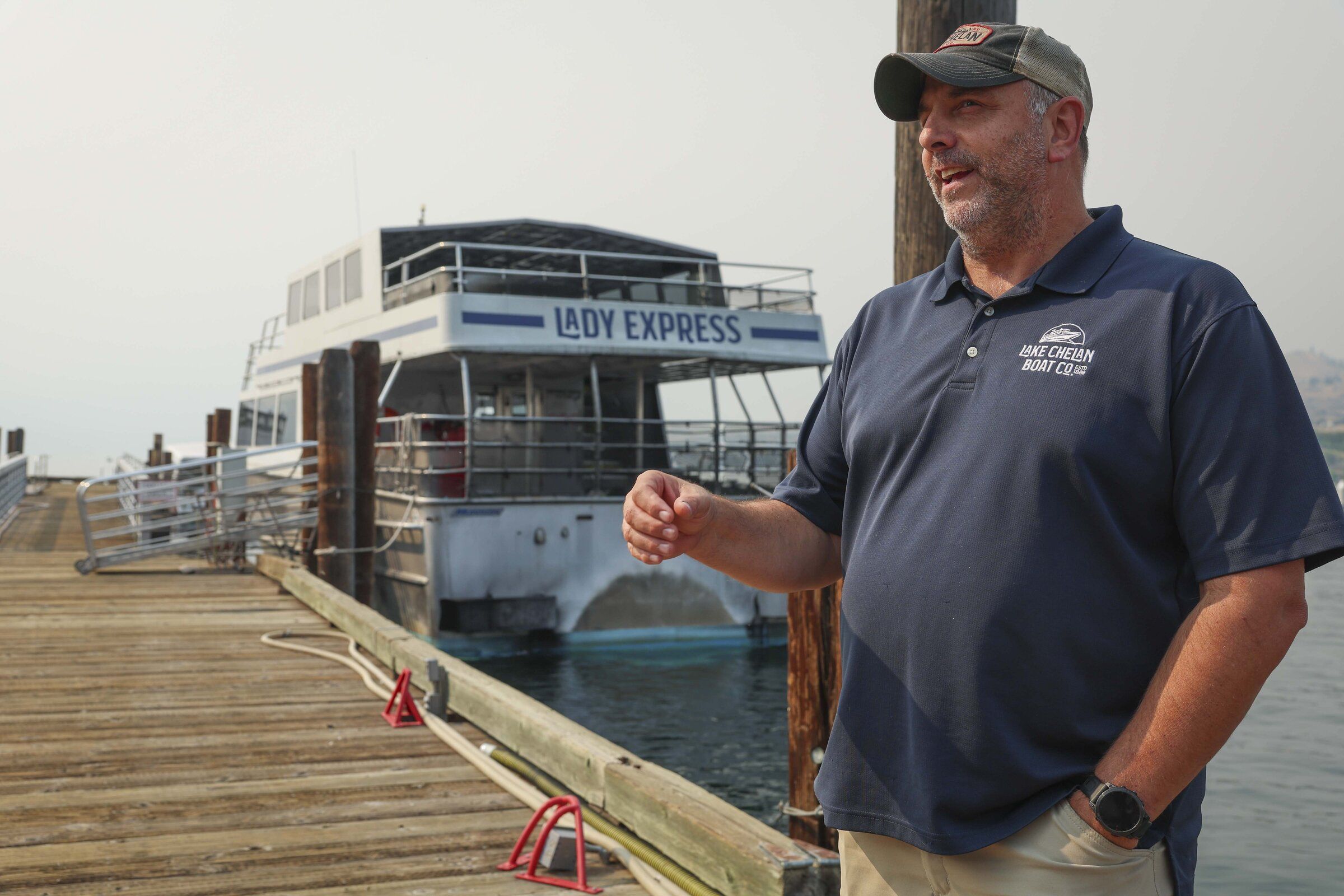




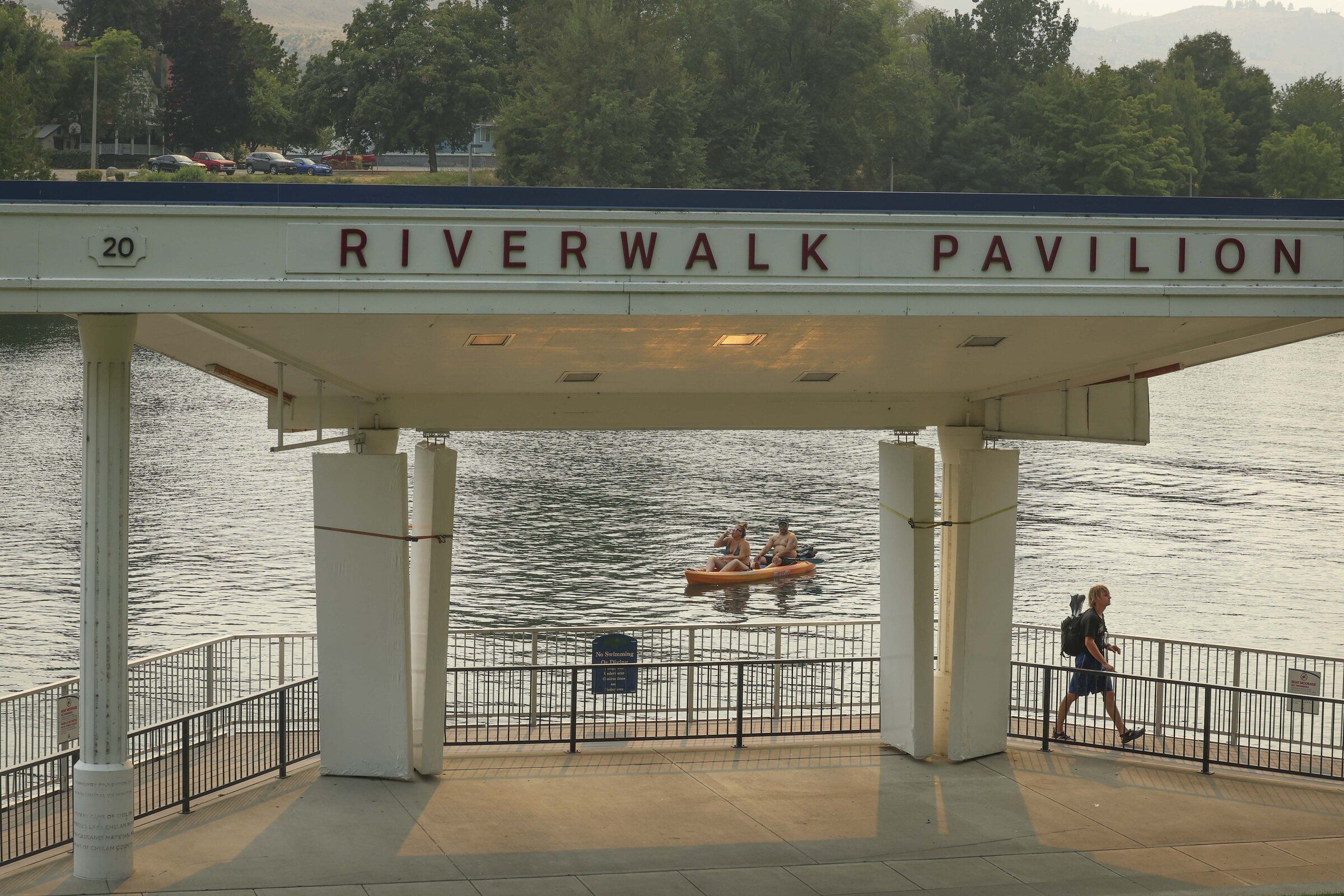
Based on: Some Lake Chelan businesses ‘haven’t made a dime since the fires’
Washington to Honor Dolly Parton by Lowering Flags
Flags across Washington state will be flown at half-staff through Sept. 1 in memory of Dolly Parton, the country music legend and renowned philanthropist. Gov. Bob Ferguson ordered the flags lowered after the announcement of the 80-year-old singer’s death in Nashville. According to her spokesperson, Parton died after battling cancer. President Donald Trump issued a similar order: Flags at the White House and across the country will also be flown at half-staff in honor of the artist.
Parton was remembered not only for her striking image, wit and decades-long music career, but also for her extensive philanthropic work. Her Imagination Library program sends free books each month to children from birth through age 5. In 2023, the singer introduced the program in Washington at a concert at the Pantages Theater in Tacoma, where she performed with a rhinestone-covered black guitar. The Library of Congress called her a “titan of childhood literacy,” while Lt. Gov. Denny Heck proclaimed Aug. 15 “Imagination Library Day in Washington.”
Recently, the program announced that it would resume operations statewide thanks to $3 million in grants from the Roots & Wings Foundation over two years, along with additional funding from the John and Tami Maric Family Foundation. Services had previously been suspended in several regions because of a lack of funds: The state budget did not cover the necessary half of the cost of the books, and local funding had declined. The new grants will stabilize the system and restore free monthly books for roughly 40,000 children, increasing the program’s total enrollment in the state to more than 100,000.

Based on: Dolly Parton honored in WA with flags flying half-staff
Camping May Be Banned in the Ancient Lakes Area
The Washington Department of Fish and Wildlife (WDFW) is considering banning camping in the Ancient Lakes area, also known as Babcock Bench, in the Columbia River Basin. The restriction could take effect Jan. 1 of next year. The agency cites the area’s popularity among tourists, cyclists and hikers, as well as the environmental consequences of visitors’ irresponsible behavior.
Sanitation is a particular concern: popular camping spots are about 1.5 miles from the trailhead and toilets. In addition, visitors often build campfires despite the countywide burn ban and temporary WDFW fire restrictions, using sagebrush as fuel. The public comment period has been extended through Oct. 30; comments can be submitted through the agency’s portal or emailed to BabcockBenchCampingClosure@PublicInput.com.
The Washington Trails Association (WTA) asked for more time for people to submit feedback and proposed alternatives to a complete camping ban: prohibit campfires year-round, install basic toilets in remote areas, allow tents only at designated campsites, and bring in educators during the busiest periods, such as spring. The organization emphasizes that Ancient Lakes is an accessible route for beginner backpackers, offering unique desert-steppe landscapes, and that developing a personal connection with the area may motivate people to protect it more effectively.


Based on: Camping at Central WA’s Ancient Lakes area could be banned
Appeals court blocks Trump effort to cut King County grants
The U.S. Ninth Circuit Court of Appeals on Tuesday upheld a ban on the Donald Trump administration’s imposition of new conditions on federal grants. The rules could have cost King County hundreds of millions of dollars for homelessness programs and transportation infrastructure unless local officials abandoned diversity initiatives and agreed to cooperate with federal immigration authorities, ICE.
King County oversees such programs not only in Seattle but also in neighboring cities and unincorporated areas. Unlike the city government, whose authority is limited to Seattle’s boundaries, the county manages regional social services, homelessness programs and transportation projects connecting different parts of the metropolitan area.
King County filed the lawsuit against the administration with the support of more than 70 local governments. They argued that the president cannot unilaterally change the conditions of grants already approved by Congress. The case concerned executive orders requiring the Department of Housing and Urban Development and the Department of Transportation to attach political requirements to their funding.
Under those requirements, local agencies would have had to abandon equality, diversity and inclusion programs, refrain from supporting what the administration called “gender ideology” and assist ICE. Otherwise, they risked losing federal funds. A lower court had previously blocked the rules, and King County said the ruling had preserved or would provide approximately $364 million.
The appellate panel split 2–1 on the issue, but the majority left the injunction in place. Judge Margaret McKeown said the government had not identified specific legal authority for imposing the new conditions and was effectively relying only on the claim that “the president ordered it.” She also noted that a homeless-services provider could have lost funding merely for using a transgender person’s chosen name and helping that person obtain mental-health counseling.
The case also involves Pierce and Snohomish counties, as well as the Port of Seattle. Their participation reflects the regional scope of the dispute: The port operates the airport, maritime terminals and related freight and tourism activity, while the neighboring counties are closely connected to Seattle through daily commuting, trade and logistics. Together, they form part of the Puget Sound region’s integrated transportation and economic system.
Local leaders welcomed the ruling but emphasized that the dispute is not over: The case will continue in district court, and the administration could appeal to the Supreme Court. King County Executive Girmay Zahilay called the decision confirmation that the president cannot turn federal funding into a political weapon.
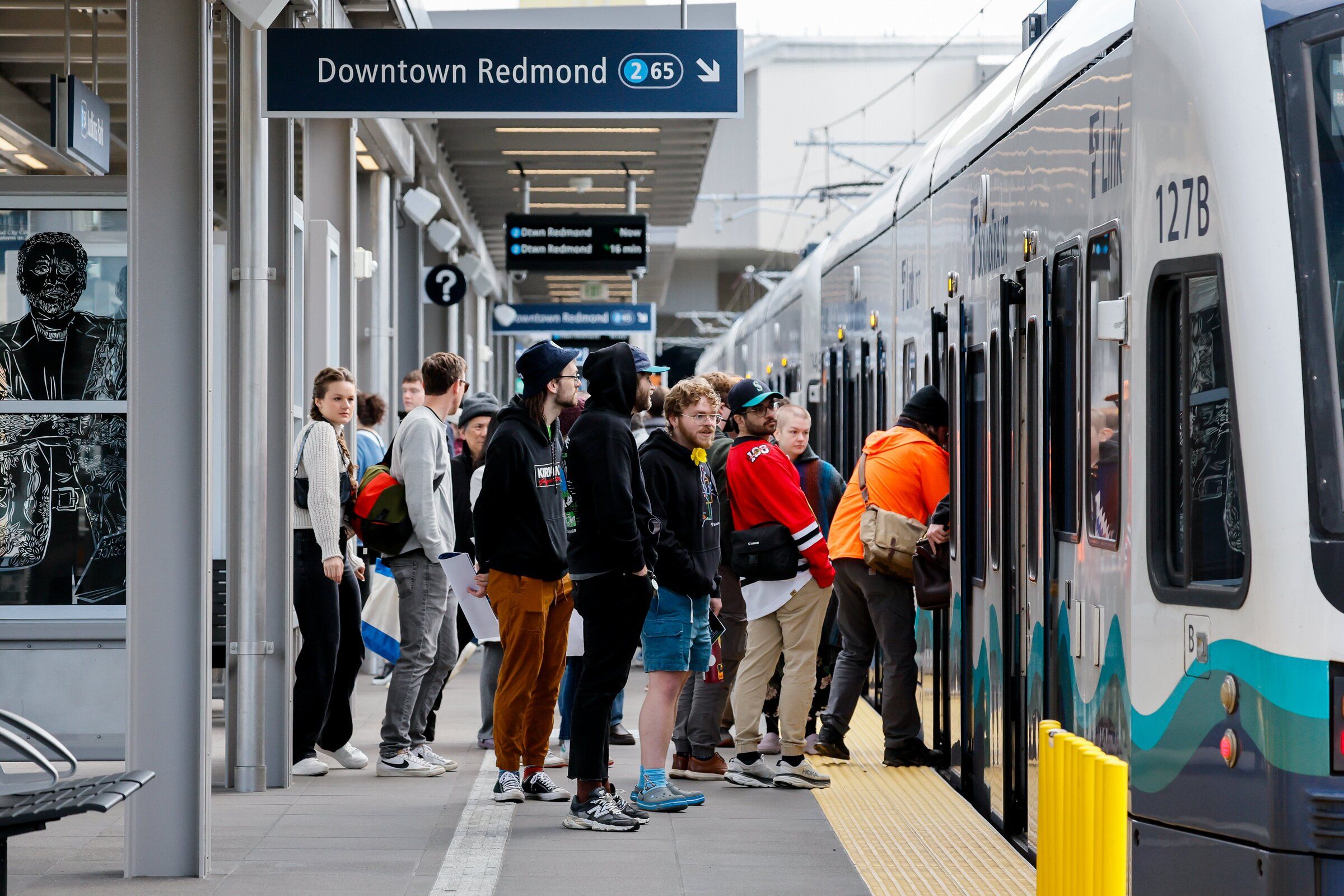
Based on: Court blocks Trump push to strip grant funds from King County
Seattle Teachers on the Brink of a Strike: Education’s Knot of Problems
Tensions are rising in Seattle: the teachers’ union is preparing to vote on authorizing a strike, which could disrupt the start of the school year for 50,000 students. Negotiations have reached an impasse over salaries, class sizes and staffing for special programs, against the backdrop of a $100 million budget shortfall. However, both sides are prepared to continue talks until the last possible moment, and a strike remains a last resort.
Seattle Teachers Prepare to Strike: What It Means for 50,000 Students
Tensions are rising in Seattle: the teachers’ and school employees’ union, which represents about 6,000 workers, says a vote to authorize a strike is highly likely. If that happens, the start of the school year for nearly 50,000 students, scheduled for Sept. 2, could be disrupted. Negotiations between the Seattle Education Association and the school district administration have stalled over key issues — compensation, class sizes and staffing for special-needs programs. At the same time, both sides emphasize that they are prepared to continue talking literally until the last moment, and that a strike remains a last resort rather than an inevitability.
The situation is unfolding amid serious financial pressure: The district must close a $100 million budget gap. That has become the central sticking point. Acknowledging the difficulties, the union is proposing phased raises of 1% to 3% for certified educators and 3% to 5% for support staff, in addition to the annual cost-of-living adjustment set by the state. For comparison, the average Seattle teacher currently earns about $96,000, while technical workers earn roughly $68,000. Union representatives insist that their demands take the district’s financial realities into account, but the administration apparently considers such spending unaffordable under current conditions.
Another particularly sensitive issue is class size and teachers’ workloads. The union uses the term “pressurization” to describe the amount of work educators must perform beyond direct teaching — preparing materials, grading assignments and communicating with parents. The more students there are in a classroom, the greater that burden becomes, which the union says reduces educational quality and contributes to staff burnout. Directly related is the staffing problem in special education: Nurses, psychologists and aides working with children with special needs cannot physically serve everyone who requires support. Katie McDermott, a school nurse and member of the negotiating team, described her colleagues’ mood: “We’re pretty fired up. We are definitely ready to fight for an agreement that will help our students succeed. But I’ll say this: We want to get back to our classrooms and schools, so we’re ready to see this through.”
It is telling that in recent weeks the sides have reached agreement on only seven of more than 50 items. The agreements include school safety issues, including protocols to protect immigrant students; providing sign-language interpreters; employees’ right to return after being transferred to another building; and rules governing work-time tracking and the use of artificial intelligence. However, the union’s three main demands remain unresolved, and they could become the trigger for a strike. There is also an important nuance: Wednesday evening’s vote at the Seattle Convention Center would only authorize the possibility of a strike. If the sides reach an agreement by Aug. 31, when the current contract expires, no strike will take place. Union representative Julie Popper confirmed that negotiators are prepared to work “without weekends and without stopping” until the deadline.
The historical context adds to the tension: The last time Seattle teachers went on strike was in September 2022, delaying the start of classes by five days. That experience showed that a strike is painful for both parents and educators, but the union is prepared to take that step if it sees no movement on fundamental issues. Notably, negotiations this time are taking place with a new superintendent, Ben Shuldiner, who took over the district only in February. His approach to dialogue with the union has yet to be assessed, and the current crisis will be his first major test. Meanwhile, as teachers vote Wednesday evening, the school board will hold its own meeting, where it is expected to approve the proposed budget for the next school year. The timing is symbolic: Seattle’s financial and labor issues in education have become tightly intertwined, and how they are untangled in the coming days will determine whether we see children at their desks on the first day of fall or begin the year with picket lines outside schools. More about the negotiations and their background is covered in The Seattle Times article. In any case, a decision will be made within hours, determining whether Sept. 2 becomes the first day of school or the start of a labor dispute.
The Billings Tragedy: How a Family Dinner Turned Into Murder and Fire
In Billings, Montana, one of the most horrific family tragedies in recent years unfolded when 44-year-old Alan Smith shot and killed eight relatives, including four children, and then set the house on fire, turning an ordinary Sunday dinner into the scene of a mass killing. The crime has already been identified as the 22nd mass killing in the United States this year, once again raising painful questions about how family conflicts and ignored “red flags” can lead to catastrophic consequences.
According to the investigation reported by KIRO 7 News Seattle, Smith had been forced to move out of his parents’ home shortly before the tragedy. Dana and Barbara Smith were among the first victims. Relatives said the man had lived with them in Montana for several years but led an extremely isolated life, rarely leaving his room and spending all his time at the computer. Brad Ireland, the former husband of one of the women killed, described Smith as a “hermit” and said that many family members had noticed troubling signs in his behavior, but no one took decisive action. “There were a lot of red flags, and a lot of people spoke up, but nobody listened,” Ireland said bitterly.
The victims included members of four generations of one blended family — from a 90-year-old great-grandmother who used a wheelchair to a 7-year-old girl. Among those killed were Ireland’s former wife, Megan Gekir; their children, 13-year-old Owen and 7-year-old Chloe; and Megan’s two stepchildren from her second marriage. According to Jennifer Mercer, a neighbor and family friend who organized a fundraiser for the funerals, the real hero of the tragedy was 12-year-old Charlotte Gekir. She managed to call 911 and tried to warn her relatives about the danger before she was killed along with the others. “Charlotte was a hero. She called 911 and tried to save her family,” Mercer said, adding that the family was very close and that the parents had maintained warm relationships after their divorces.
Police arrived after the house was already fully engulfed in flames and heard gunshots coming from the backyard. Smith apparently shot his relatives first, then set the house on fire and attempted to flee. He was detained by law enforcement and later died from a gunshot wound that investigators believe he inflicted on himself. The investigation is complicated by the fact that the fire destroyed the building completely, leaving experts with extremely limited evidence. Firefighters battled the blaze until 1 a.m., and efforts were further hampered because the neighborhood where the house stood had no fire hydrants.
The family had moved to Montana from Seattle several years ago after Ireland and Megan Gekir divorced. The woman soon remarried, and her parents followed her, purchasing a nearby home. Alan Smith lived with them for a long time, but two weeks ago they asked him to move out — an event relatives believe may have triggered the tragedy. Notably, Smith had no criminal record: He had never been charged in either Montana or Washington and had not been known to display physical violence, although family members noted his tendency toward verbal aggression.
According to the mass-killing database maintained by The Associated Press and USA Today in partnership with Northeastern University, this was the 22nd such case in the United States since the beginning of the year. Fifteen of them were connected to family or domestic conflicts — higher than the historical average of about 50%. James Alan Fox, a Northeastern University criminologist who oversees the database, has noted a troubling increase in domestic mass killings. The last incident of comparable scale occurred in April, when a Louisiana resident shot eight children, including seven of his own, and wounded his wife and another woman.
The tragedy in Billings is another grim reminder that mass killings in the United States occur not only in schools, shopping centers or at concerts, but also around the dinner table among the people closest to us. The case of Alan Smith once again demonstrates how an adult’s social isolation, years of dependence on his parents, inability to find work and mounting family tensions can end in an explosion of unimaginable destructive force. Relatives acknowledge that they noticed strange behavior in Smith, but no one could have imagined that someone who had never displayed physical violence could do something like this. Now, shocked residents of Billings are trying to comprehend the scale of the loss. In this small community, the family was known for its closeness and love; now all that remains is a burned-out ruin and the memory of those who tried to fight until the end, like 12-year-old Charlotte, whose call to emergency services became a symbol of desperate hope amid the merciless massacre.
The Battle for the Harvest: How Seattle Startups Turn Weeds Into Digital Targets
While the world discusses artificial intelligence in the context of chatbots and video generation, two Seattle companies are showing that real breakthroughs happen where technology meets the soil. The Pacific Northwest has become the setting for an unusual contest: TerraClear and Carbon Robotics are offering farmers radically different ways to solve the age-old problem of weeds. One startup is betting on ultra-precise maps for existing sprayers; the other is developing autonomous robots with lasers capable of destroying unwanted plants without a single drop of chemicals. Both companies believe the future of agriculture lies in data, not brute force.
TerraClear, based in Issaquah, has introduced Weed Maps, a system that uses 1.5-millimeter-resolution imagery to detect weeds as small as a pencil eraser. Instead of spot-checking fields, as traditional methods do, the company captures images of every acre and creates a georeferenced map that can be uploaded to farmers’ existing sprayers equipped with precise nozzle control. As CEO Devin Lammers explains, the approach “completely bypasses the capital-expenditure problem”: Farmers do not need to purchase expensive new equipment; they only need software that turns existing machinery into a precision-treatment tool. The farmer receives not a machine but a map — a ready-to-use file containing the coordinates of every weed — and the sprayer activates its nozzles only where a problem actually exists.
Carbon Robotics, meanwhile, has taken a more radical approach. Its LaserWeeder is an autonomous machine equipped with computer vision and powerful lasers that physically destroys weeds without herbicides. The company recently introduced its Plant Profiles feature and its foundational Large Plant Model, trained on 150 million labeled plants. This enables the system not only to locate weeds but also to distinguish among crops based on growth stage, soil type and weather conditions. As CEO Paul Mikesell emphasizes, the goal is for robots to identify any plant in any field instantly and adapt their behavior in real time, giving farmers the greatest possible value from the machines.
Interestingly, both companies see each other less as competitors than as representatives of different niches. Lammers calls Carbon Robotics’ technology “impressive” and says it is well suited to specialty crops and organic farming. But for large corn and soybean producers, where margins per acre are lower and fields are enormous, the economics are different. “Modern sprayers already have individual nozzle control and RTK positioning — the actuators are already sitting in the barn,” Lammers says. In his estimation, precision mapping can reduce pesticide and herbicide use by 80% without sacrificing effectiveness. This is especially relevant amid political debates: President Trump previously pledged to allocate $1 billion to modernize agriculture, while Robert F. Kennedy Jr., the current health secretary, praised Carbon Robotics’ laser machines as a solution to the chemical problem on Joe Rogan’s podcast.
Both companies emerged from the Pacific Northwest’s rich ag-tech ecosystem. TerraClear founder Brent Frei grew up on a family farm in Idaho, later studied at Dartmouth and helped create Onyx Software and Smartsheet. Founded in 2017, his startup began by tackling an unglamorous problem: removing rocks from fields. Today, TerraClear has about 50 employees and is approaching 1,000 customers. Its TerraScout robot collects more than 4 billion image samples per acre and can map over 1,000 acres a day. The data also accumulates season after season, making the models more accurate. Carbon Robotics, founded in 2018, has raised $177 million and employs 260 people; its machines are already operating on farms around the world.
But the most interesting aspect is not the weed-control methods themselves, but what lies behind them: Every camera moving across a field collects invaluable information about plants, soil, crop health and growing conditions. This data could benefit not only farmers but also seed producers, agricultural researchers and farm-equipment developers. In effect, the field becomes a giant dataset for training AI, and that data — rather than the robots or lasers — may become both startups’ most important long-term asset. As Lammers notes, the main source of growth is a cycle: More data improve the models, better models create more accurate maps, those maps attract more acreage, and that acreage generates even more data. In this new reality, victory will not go to whoever has the more powerful laser, but to whoever’s algorithm learns fastest from every new field.