Imagine a lake in the middle of a big city. A small plane flies over the water, lands on the waves like a duck, and taxis toward the dock. Nearby, on the shore, stand enormous glass spheres, with real tropical jungles rustling inside them. It sounds like a fairy tale, but it’s true: this is what Seattle’s South Lake Union neighborhood looks like. Let’s find out how planes from a century ago, a streetcar, and the most advanced technology all came together here.
When There Were Neither Towers nor Spheres
More than a hundred years ago, Lake Union looked completely different. Boathouses, workshops, and warehouses stood along its shores. The neighborhood was neither beautiful nor fashionable; it was a working-class outskirt where people repaired boats, transported cargo, and tried to come up with something new.
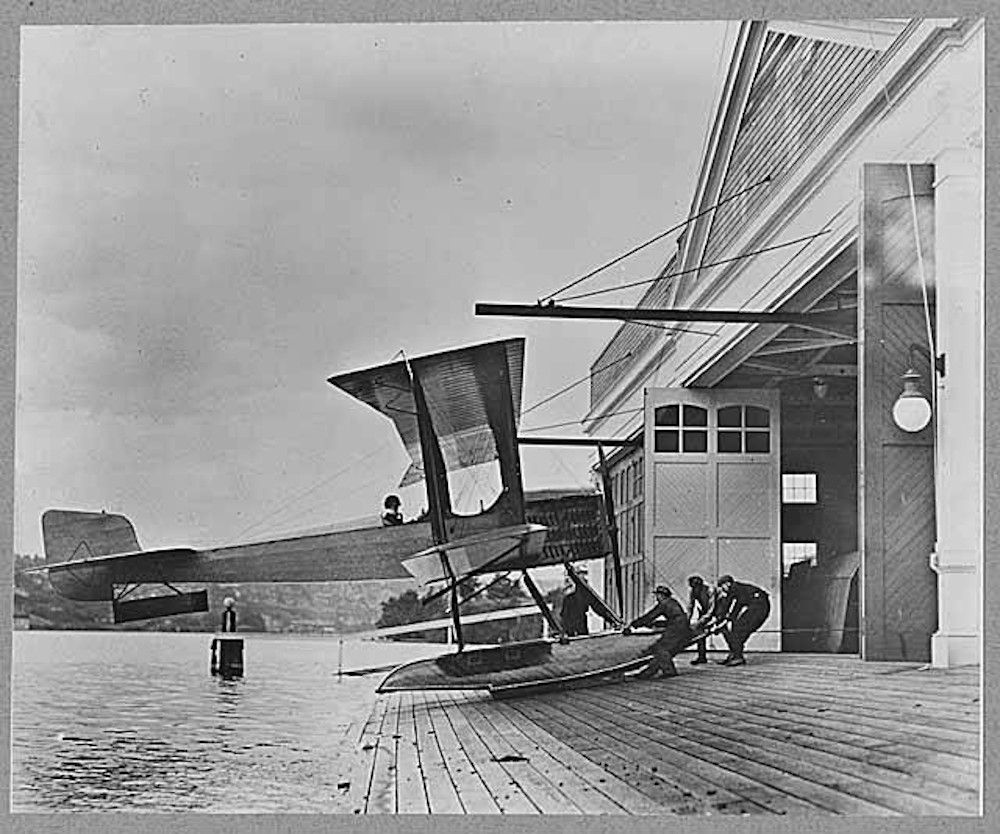
One of these dreamers was William Boeing. In 1916, he and a colleague built their first airplane in Seattle. It was a light seaplane—that is, a plane that takes off from and lands on water. It was built in a boat hangar on the shore of Lake Union. Why on the water? Because there were few good airfields at the time, while a lake was a long, smooth “runway” that did not need to be built.
Think about how bold that was: someone took wood, fabric, and an engine and decided that all of it could fly. Back then, people called it a crazy idea. Today, we call it innovation—a word for a new idea that helps people do something differently.
How Warehouses Became a City of the Future
Many years passed, and the neighborhood became quiet and somewhat forgotten. Then the huge company Amazon began to grow in Seattle. At first, it sold books online; later, it started selling almost everything and developing new technologies, such as the smart Alexa speaker, which answers questions.
Amazon’s employees needed plenty of space, and the company chose South Lake Union. Old warehouses and workshops began to disappear, and large glass buildings rose in their place. The neighborhood’s appearance changed almost completely within a few years.
Notice one important thing: when many people gather in one place, they need a way to get around. That is why the neighborhood has a small streetcar system. It began operating in December 2007. Its original name turned out to be unfortunate: the first letters of the English words formed an inappropriate joke, and local residents began making fun of it. Eventually, city officials changed the name to something more modest and straightforward. Even large projects sometimes have funny mishaps—and that’s normal.
The Spheres: When an Office Looks Like a Forest
The neighborhood’s most unusual buildings are The Spheres. They opened in January 2018. From the outside, they are three enormous glass spheres interwoven with white ribs, as if giant soap bubbles had frozen forever.
Inside, there is a real forest. Thousands of plants from different parts of the world grow there: trees, ferns, and flowers that are usually found only in the tropics. The air is kept warm and humid, while walkways and cozy spaces hang among the green canopies, where people can work or talk.
Why is this necessary? The idea is that people come up with better new ideas when they are surrounded by living nature. If you have ever been solving a difficult problem in a park or at a country house and suddenly had an idea, you already understand what this means. The Spheres are an attempt by adults to create such a place right inside the city.
Here is what the lakefront looks like when the past and present are compared:
| What there was | What there is now |
|---|---|
| Boathouses and workshops | Glass offices and laboratories |
| The first wooden seaplanes | Passenger seaplanes and powerful cloud-computing centers |
| A quiet working-class outskirt | A neighborhood full of people, cafés, and a streetcar |
| Abandoned warehouses | The Spheres, with a tropical forest inside |
What Remains of the Past
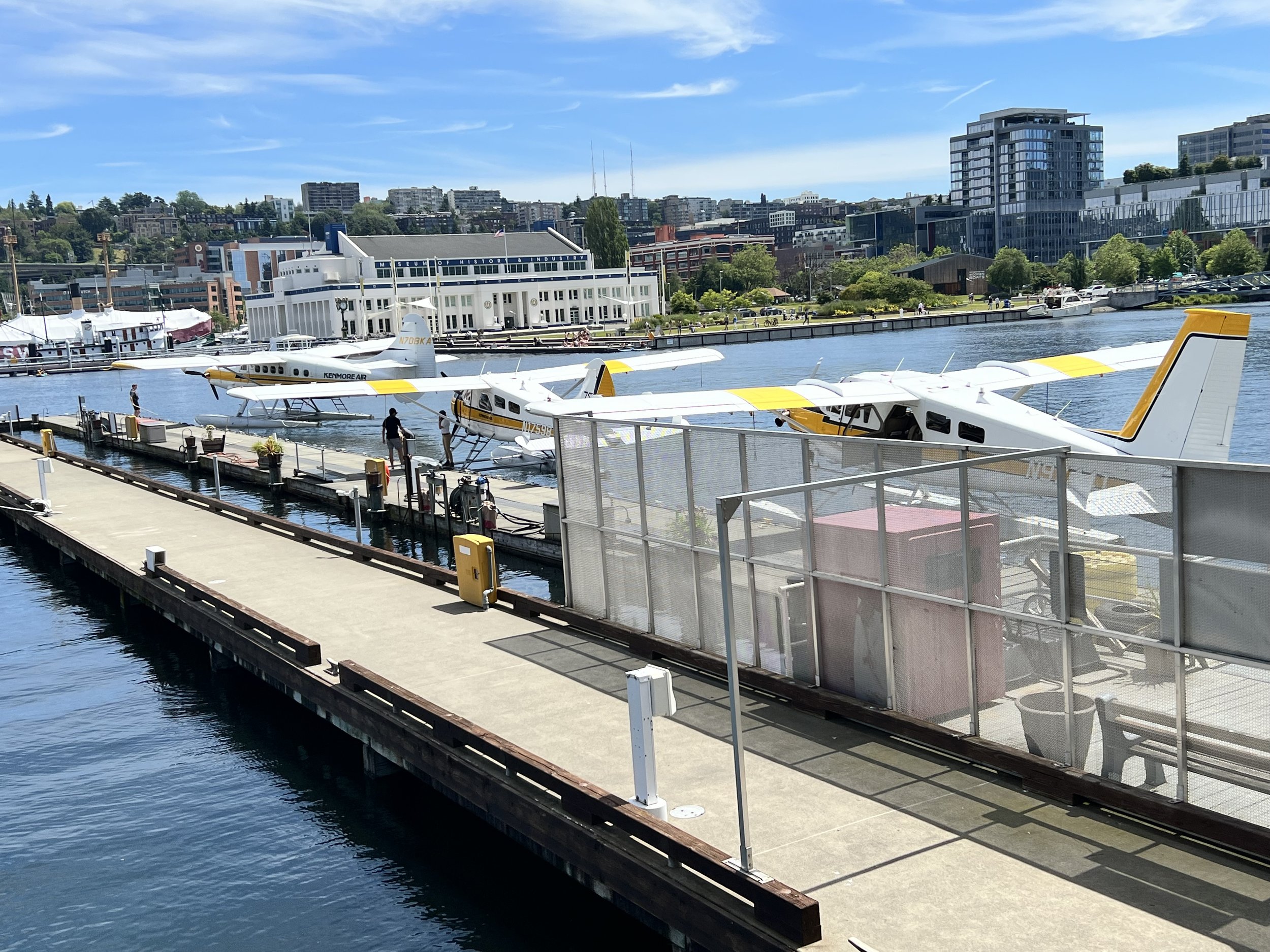
The most interesting part of this story is that the old has not disappeared completely. Seaplanes still take off from and land on Lake Union. Kenmore Air carries passengers by air, departing from the southern end of the lake, much as it did almost a hundred years ago. If you stand on the shore on a sunny day, you may see a small plane gliding across the water, with towers and glass spheres gleaming in the background.
Different eras have come together on one small lake. The person who built a plane in a shed in 1916 and the person developing smart software today are actually doing the same thing: trying to make life more convenient and interesting. The tools have simply changed.
I think that is a beautiful idea. Adults often say that something new “erases” what came before. But here, the old and the new coexist, making the neighborhood even more interesting. If you were building your own city of the future, what would you preserve from the past? Maybe an old pier where it is wonderful to sit with your feet dangling over the water? Or the whistle of a little streetcar?
What This Story Teaches Us
South Lake Union shows that innovations do not appear out of nowhere. They grow in places where someone has already dreamed and experimented. Boeing’s first plane from a boat hangar, the streetcar with its awkward name, and the glass Spheres filled with jungle—all of them are links in one chain, with each new idea building on an older one.
It is also a reminder that the boldest inventions often begin with a simple question: “What if?” What if a plane landed on water? What if a forest grew inside an office? Perhaps you will be the one to ask the next such question.