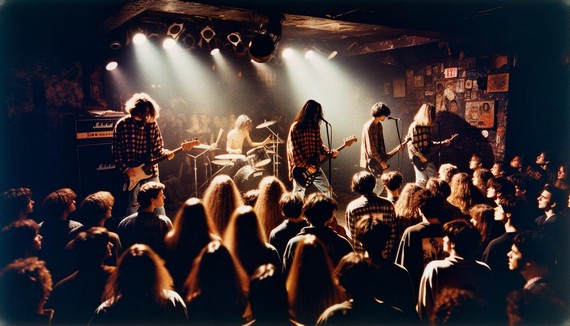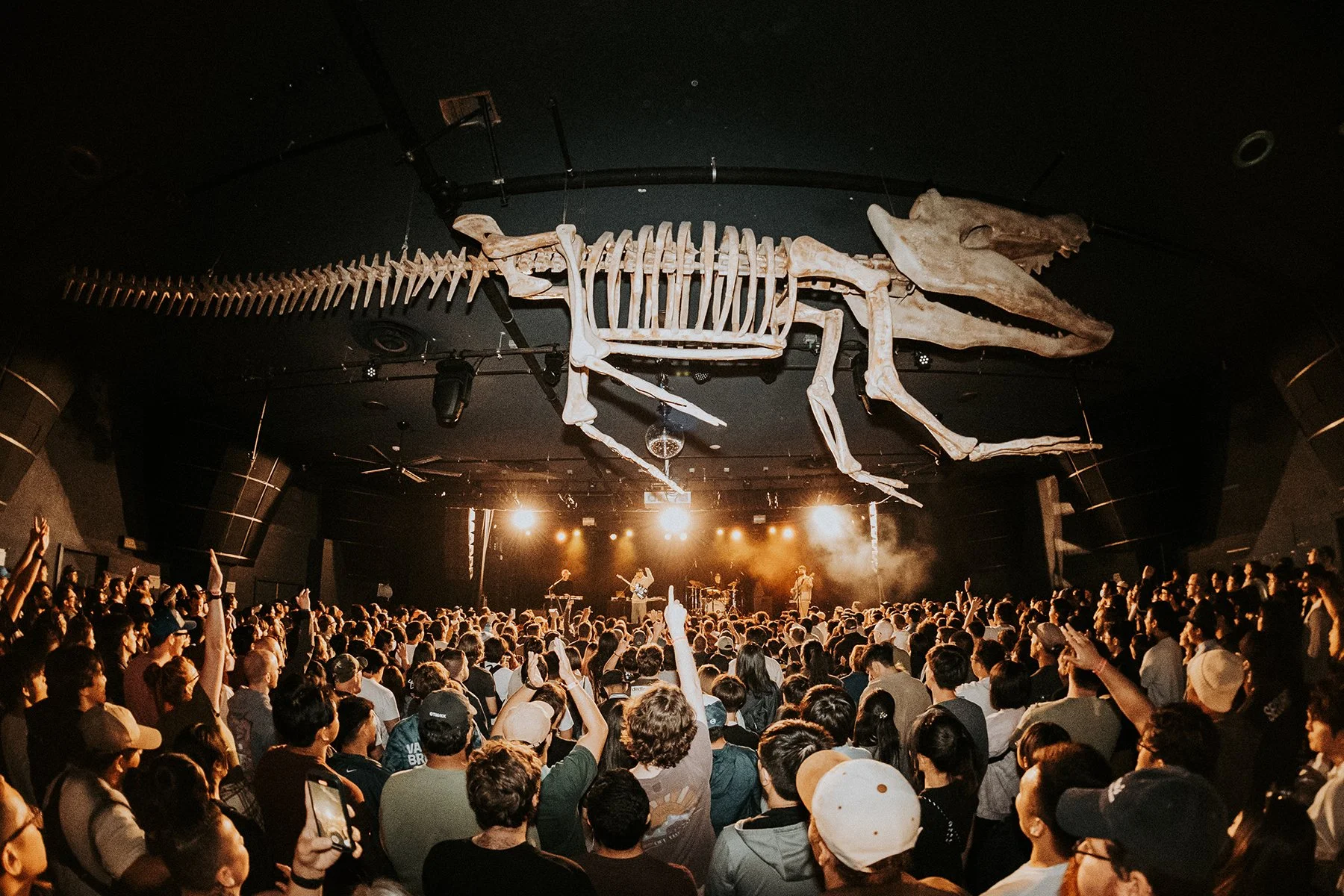
Do you know where great success begins? Not in huge stadiums, but in small, cramped rooms where there’s barely enough space for a drum kit onstage. Seattle was full of places like that. It was in these rooms that bands who would later be heard around the world began playing in the 1990s. But what happened to those venues afterward? Far fewer people know, and the story is much quieter than the music that once filled them.
How it all began: a stage the size of a rug
Imagine an art club at school. No one hangs paintings in gold frames there; people are simply learning and experimenting. Seattle’s music clubs were something like that. They were small venues where friends, neighbors, and curious passersby came together. Tickets were inexpensive, and bands played their own songs for a very small audience.
Grunge emerged from that kind of setting—a distinctive sound: loud, a little rough around the edges, and full of genuine, “unpolished” emotion. Nirvana, Pearl Jam, and Soundgarden all grew out of these clubs. One of the best-known venues of the time was the Crocodile. Many future stars played there back when nobody knew their names.
When grunge became famous around the world, Seattle was hailed as a music capital. Tourists came to see the places where it all began. It seemed as if the clubs would thrive forever.
When the trend fades
But every trend has one thing in common: it doesn’t stand still. By the end of the 1990s, interest in grunge had waned. Audiences started looking for something new, and many famous musicians left to record and tour in other cities.
The small clubs remained. But concert crowds got smaller, while the bills kept coming: rent, lighting, sound equipment, and staff all had to be paid for. Some venues couldn’t stay afloat and closed. That was what happened to the Off Ramp, for example, which shut down in the late 1990s. For those who used to go there, it was like losing a favorite school bench.
The city itself was changing, too. Seattle was growing fast. New large companies were opening there, including the famous online marketplace Amazon. People came to work and needed somewhere to live. As a result, land and rent became more and more expensive.
Imagine playing a board game when, halfway through, the squares suddenly start costing twice as much. It becomes very hard for players with only a few tokens to stay in the game. That’s roughly how owners of small clubs felt: old buildings were sold, and new homes and offices went up in their place.
How the city tried to help
The most interesting part of this story is that Seattle didn’t just watch its venues close. Residents and city officials began to ask themselves: does the city need its music?
The Seattle Music Commission was established back in the 1990s. It is a group of people who help musicians and city officials understand one another better. Later, studies began showing that music brings hundreds of millions of dollars a year into the city’s economy. The exact figures vary across reports, but they all make the same point: music is not just entertainment; it also provides work for many people.
Think about who else benefits from a concert. Besides the musicians, there are sound engineers, door staff, bartenders, and T-shirt sellers. Then there are the nearby cafés where concertgoers have dinner before the show, and the taxi drivers who take them home. It’s like a chain of dominoes: knock one over, and the rest start to fall. That’s why closing a single club affects an entire street.
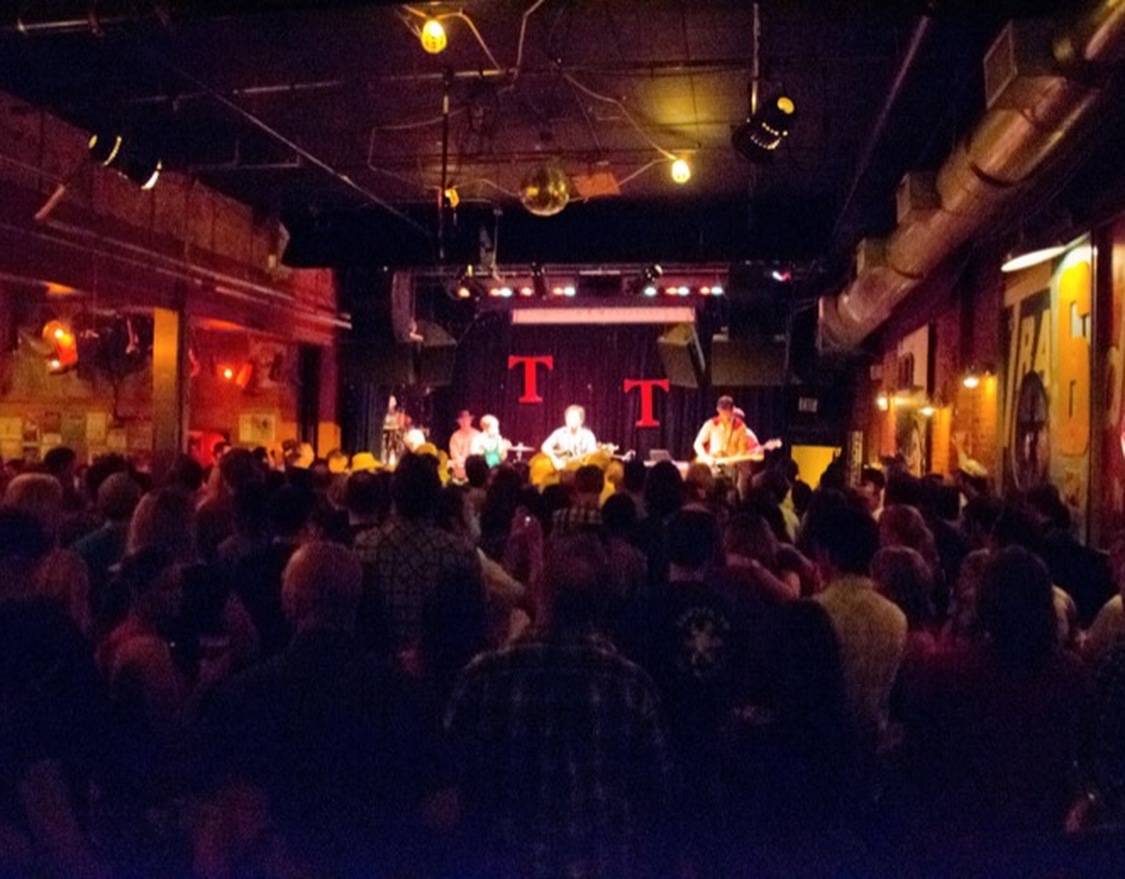
There was a happy turn, too. The Crocodile—the same venue where future stars once played—closed in 2007. But in 2009, it reopened, newly renovated. Other venues, such as Neumos and the Tractor Tavern, still host musicians today. Old doors closed, but someone always opened new ones.
My take: why this matters
I think this story teaches us something simple. We tend to focus on the big, visible peaks: famous bands, huge concerts, gold records. But peaks rest on a foundation. If the foundation is removed, the peak will eventually begin to wobble, too.
Seattle’s small clubs are just that kind of foundation. They give unknown artists a chance. Maybe right now, in some cramped room, a band is playing that the whole world will be listening to twenty years from now.
In closing
The story of Seattle’s clubs shows that a city is more than tall buildings and big companies. It’s also made up of places where dreams take shape, even very small ones. And as long as there are people in the city who understand that, places like these still have a chance.
What do you think—which places in your city deserve to be protected as much as Seattleites protect their small stages?