Imagine loving a band from your hometown but being barred from its concert because the venue sells “adults-only” drinks. In Seattle, this was the reality for children and teenagers for many years. But the city also became a place where people figured out how to build venues open to everyone—and how to keep the music inside from disturbing the neighbors. It took new laws and a little engineering ingenuity.
What Remained After Grunge Lost Its Fame
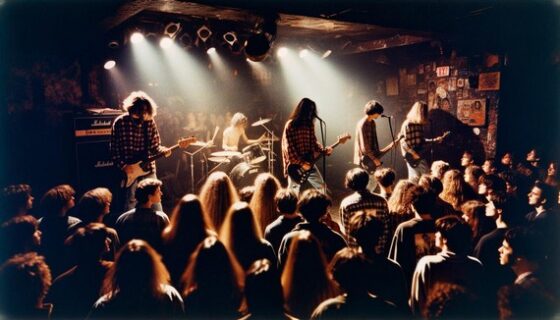
In the early 1990s, Seattle became the world’s most famous music city. Bands such as Nirvana and Pearl Jam played grunge here: loud, slightly rough-edged music performed in ripped sweaters. Then the trend passed, and major companies returned to other cities.
The small venues, however, remained. The Crocodile opened in 1991 in the Belltown neighborhood, closed in 2007, and reopened a few years later. The Showbox, which has been operating since 1939, is older than nearly everyone standing in its line. Music continued to live in basements, old theaters, and small rooms holding only a few hundred people.
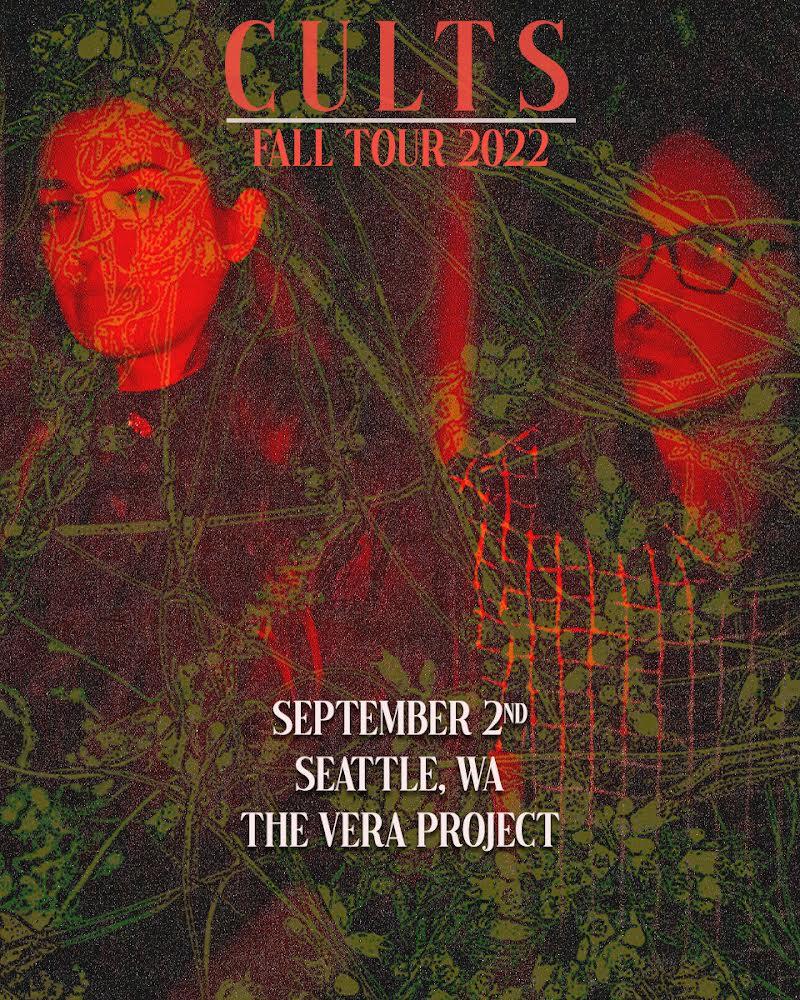
There was also a problem. In 1985, Seattle passed the “Teen Dance Ordinance.” It made organizing events for young people so difficult and expensive that many owners simply refused. Teenagers were left without concerts. In 2000, a group of young people founded the Vera Project, and in 2002 the law was replaced by the “All-Ages Dance Ordinance.” Seattle recognized that young people needed live music too.
How to Pack a Roar into a Box
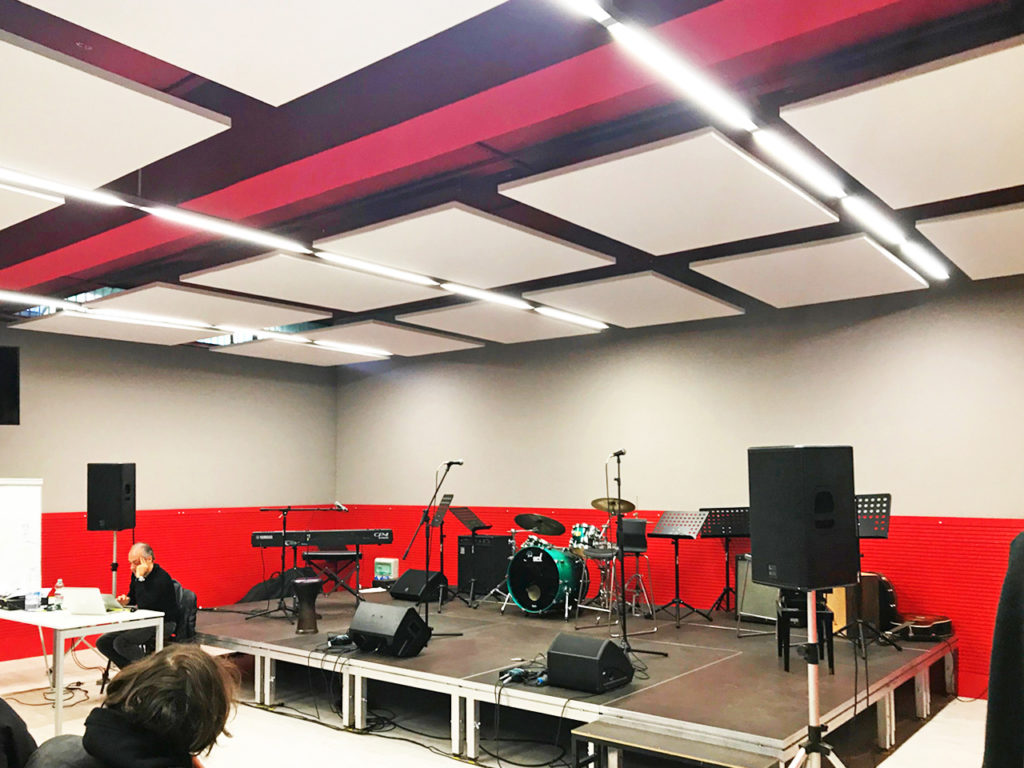
Sound travels in waves, like the ripples on the water when someone heavy jumps into a pool. But sound waves move through the air—and also through walls, floors