Every May, a cheerful parade takes place on the streets of Seattle’s Ballard neighborhood. Children wave flags, wear bright traditional costumes, and follow a marching band through town. It’s a Norwegian celebration—Constitution Day, marked on May 17. But how did this northern tradition take root in an American city? It turns out that behind it was not one major event, but many small groups of ordinary people. Let’s find out who they were and why we know so little about some of them.
How Scandinavians came to Ballard
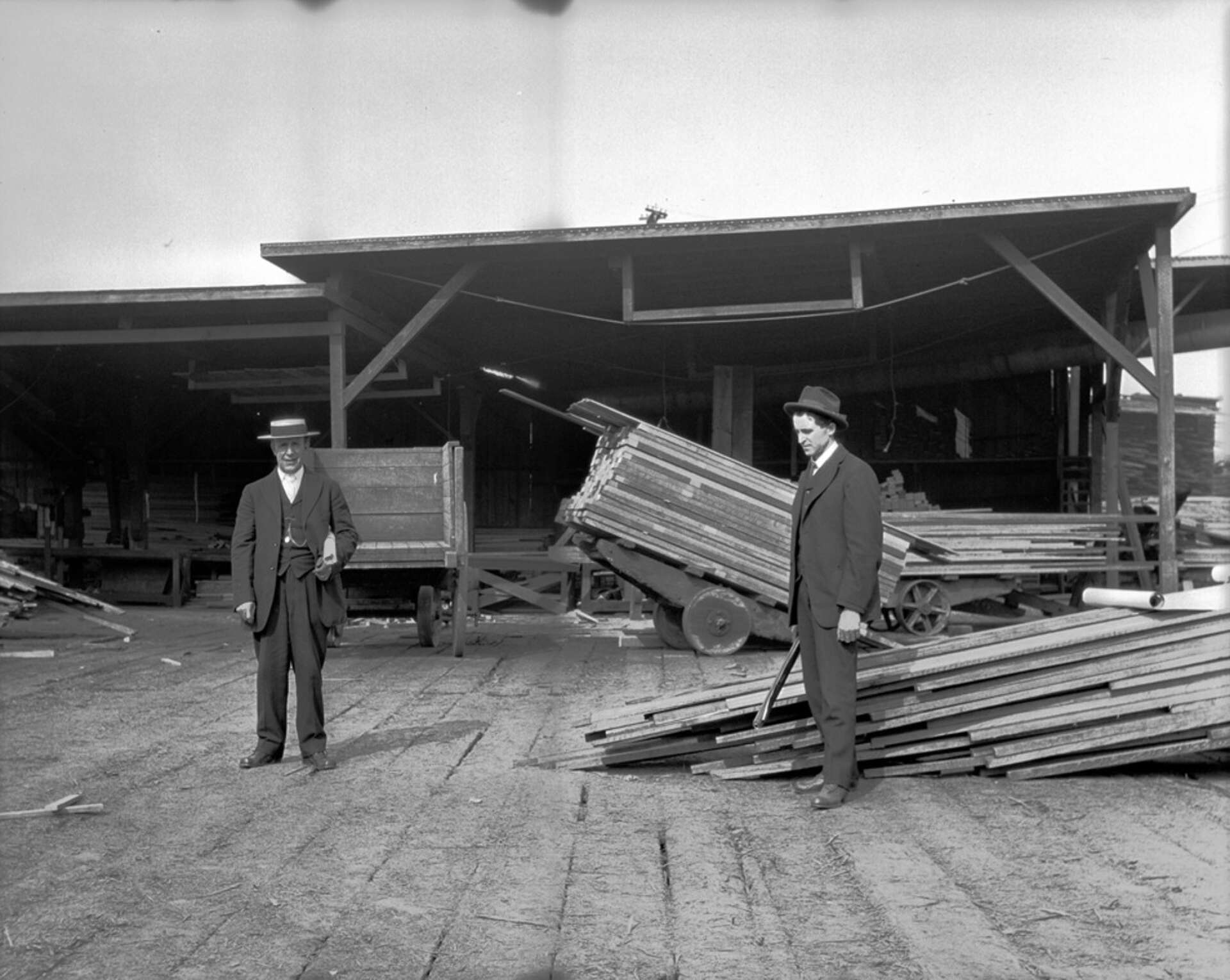
More than a hundred years ago, people came to Ballard from Sweden, Norway, Finland, Denmark, and Iceland. They crossed the ocean, then traveled a long way overland. Why? For work. There was plenty of timber here, which meant a need for sawmills. The sea was nearby, with plenty of fish, which meant a need for fishermen and workers at the plants that processed salmon.
These people knew all about cold, rain, and hard work. So the waterfront neighborhood, where rain was frequent and fog drifted in, felt familiar to them. Many said Ballard reminded them of the fjords back home—the narrow inlets between cliffs.
Societies where everyone helped one another
Imagine that you’ve arrived in a completely new country. You can’t understand the words on the signs, you don’t know where to buy bread, and your mother has a sore throat. What do you do? The Scandinavians came up with an answer: they began forming mutual aid societies.
A society like this is like one big, close-knit family. People paid small dues together, and if someone fell ill or lost a job, the others helped with money and practical support. Churches soon sprang up alongside the societies, holding services in people’s native languages. There were also choirs, sports clubs, and groups where people learned crafts and dancing. In these places, newcomers found friends, learned English, and discovered where to look for work.
Remember, these efforts were led not by kings or the wealthy, but by ordinary workers, fishermen, homemakers, and neighbors. They didn’t know they were creating “culture.” They simply wanted to make life a little easier for the people around them.
Voices that were nearly lost
Now for the most interesting—and somewhat sad—part. When historians write about the past, they usually read books, newspapers, and official documents. But many Ballard residents never wrote books. Women cooked and raised children, workers were tired after their shifts, and children simply grew up and played in the yards. Their voices were left in the shadows.
Think of your grandmother’s pie recipe, which she never wrote down because she “just knows it by heart.” If she passes away without telling anyone, the recipe will be lost. The same thing happened to the stories of many immigrants, especially women and workers from small communities, such as the Finnish community. Some of their songs, folktales, and family traditions may already be impossible to recover.
But some things have survived. Historians and museum staff are piecing together people’s memories: letters, old photographs, and recorded stories from descendants. The Nordic Museum in Ballard displays objects used by immigrants and shares their stories. And at celebrations, people still make traditional foods, such as lefse—thin, soft flatbreads—and sing old songs.
What I think
What amazes me most is that a great culture can grow out of small acts of kindness. No one set out to invent “Ballard’s Scandinavian style.” People simply helped one another, gathered together, sang, cooked, and told stories to their children. And it turned out that was enough for a real parade to wind through the streets a hundred years later.
Conclusion: Everyone has a story
Ballard’s history teaches us an important lesson: history isn’t only about kings, battles, and momentous dates. It’s also about how your great-grandmother salted fish, what song your family sang, and what bedtime story they told. If you ask your relatives about their lives and write down their stories, you’ll become a bit of a historian yourself—and help preserve voices that might otherwise disappear forever.