Imagine being allowed to design an entire avenue and choose what it would face. What would you choose: a fountain, a palace, or a huge snow-covered mountain? More than a hundred years ago, in Seattle, two architect brothers from the Olmsted family made that choice. The exhibition they worked on ended long ago, but their “window” avenue is still there, offering people a view of the mountain every day.
Who Were the Olmsteds, and What Is a “Landscape Architect”?
Frederick Law Olmsted, the father of American landscape architecture, created New York’s famous Central Park. His work was continued by his adopted son, John Charles, and his biological son, Frederick Jr. Their firm was called Olmsted Brothers.
A landscape architect does more than plant trees. Like a film director, they decide where people will stop, which way they will turn their heads, and what they will see first. In 1903, John Charles came to Seattle and proposed a plan for the city’s parks and boulevards. But the most striking “scene” appeared a little later, in 1909.
An Exhibition on the Lakefront
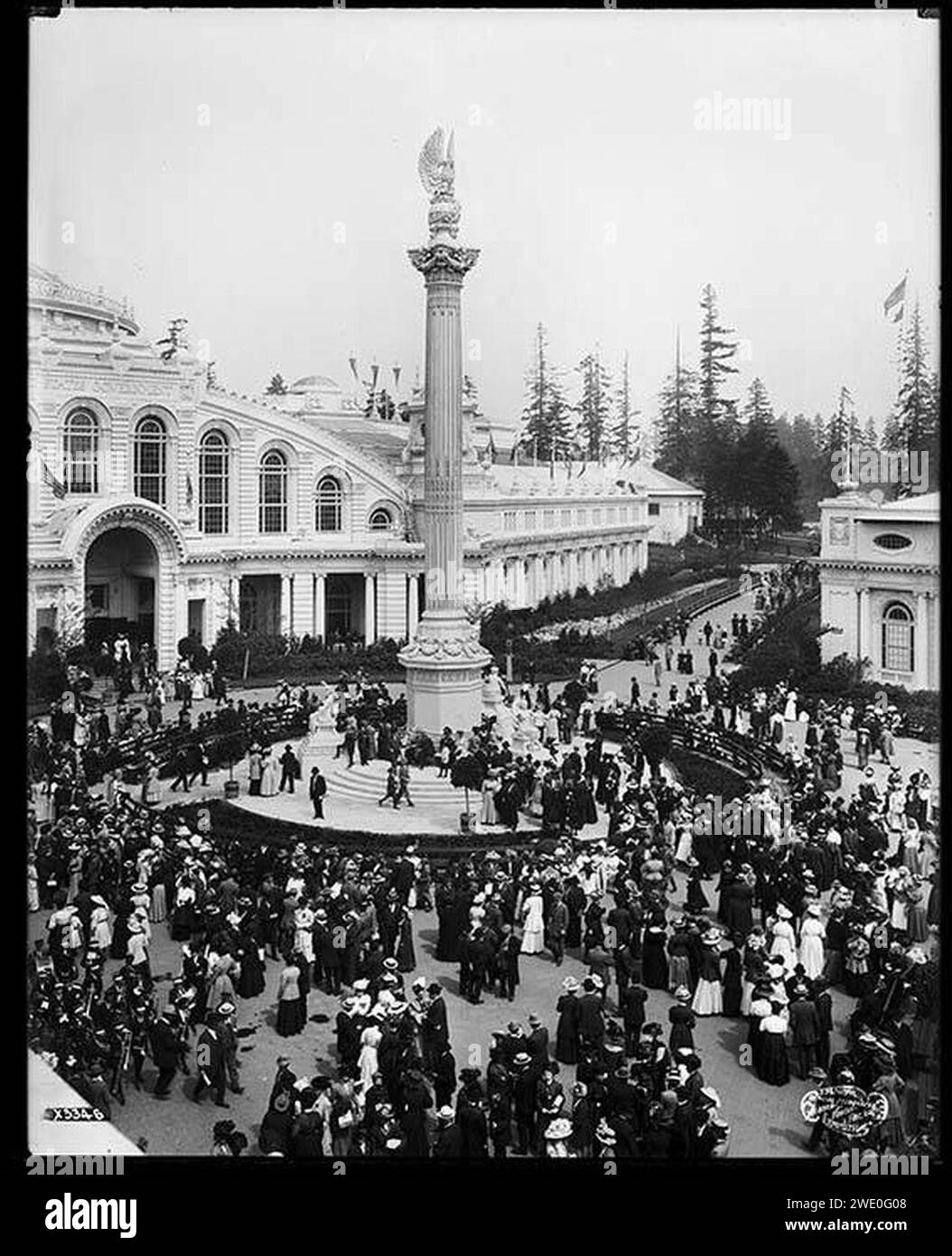
In 1909, Seattle hosted the Alaska-Yukon-Pacific Exposition. It ran from June 1 to October 16, and about 3.7 million people visited it during that time. For comparison, that is like the entire city attending many, many times. The exposition was held on the land where the University of Washington now stands, and the Olmsteds were invited to plan the grounds.
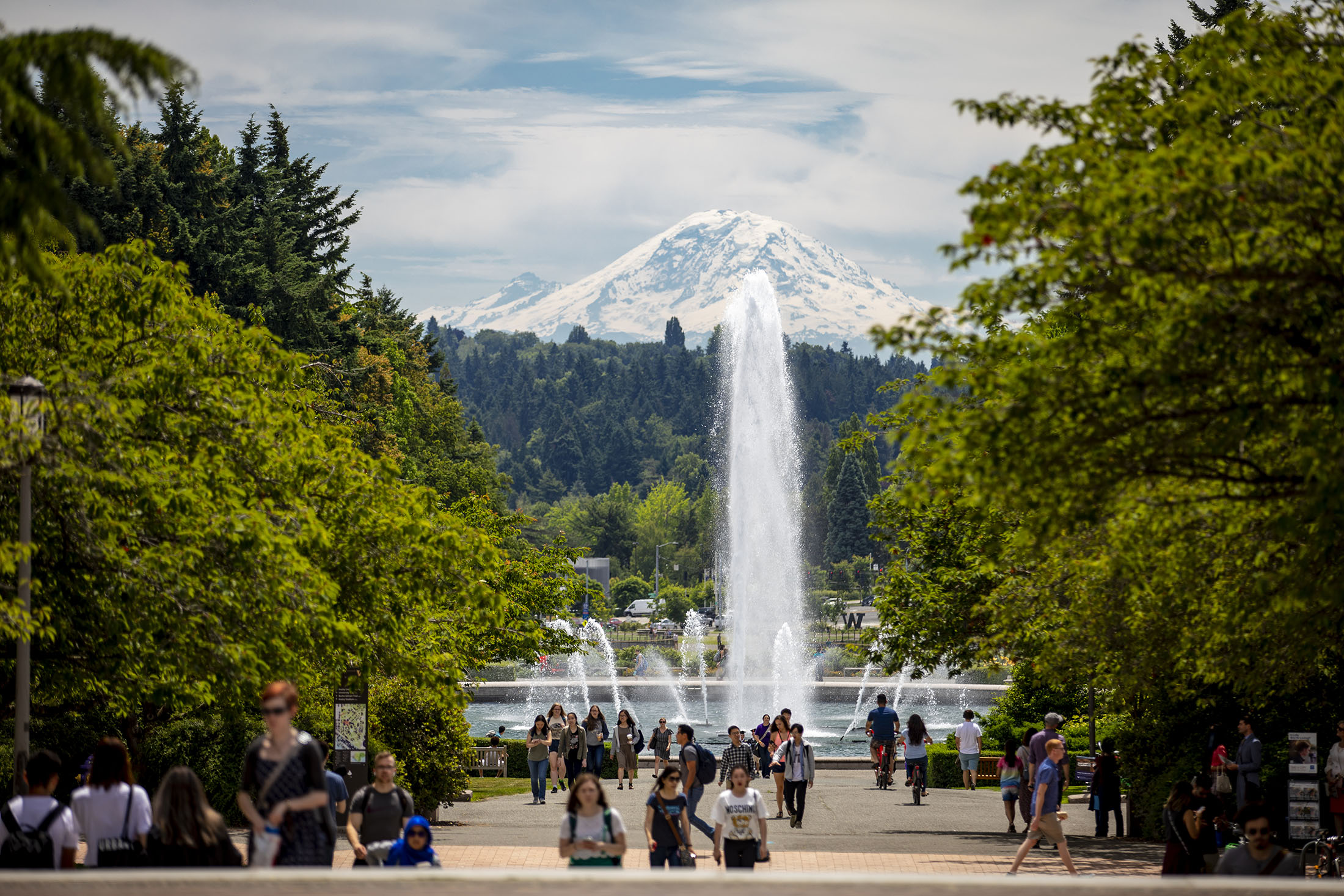
Together with architect John Galen Howard, they created the exposition’s main axis: a long, straight avenue leading from a central square with a fountain pool. Here was the clever part: they aligned the avenue precisely with Mount Rainier. The mountain rises nearly 4,400 meters above sea level and is about 90 kilometers from the campus. The result was a gigantic frame, with the mountain as the “picture.” There was no need to build it. They only had to clear the view and direct people’s gaze.
Landscape architects call this technique a “borrowed landscape”: instead of creating beauty, they borrow it from nature and carefully reveal it to people. It is like opening the curtains in a room so that the sunset can be seen.
The Mountain That “Comes Out”
This is where things get especially interesting. Rainier is not always visible: Seattle is often cloudy and rainy. But when the clouds part, the mountain suddenly appears, and it is always a cause for celebration. Residents say, “The mountain is out.” They speak as if the mountain were alive and had simply gone out for a walk.
I find that very touching. The Olmsteds could not promise that the mountain would be visible every day, but they prepared a “stage” for it. And when the weather is favorable, people drop what they are doing and go to look. The planners cannot make the mountain appear; they simply make an encounter with it possible.
What Remained After the Celebration
Expositions are usually temporary: they are built from lightweight materials and then dismantled. But the university preserved the central idea. The avenue now known as Rainier Vista remained. Today, it is a favorite spot for students: they walk there, relax on the grass, and meet friends. The fountain at the end of the avenue now bears the name Drumheller, while in 1909 the pool was called the Geyser Basin.
The idea of “protecting the view” also influenced the city itself. In Seattle, people still think carefully about how not to block valuable views of the water and mountains. A single beautiful view can become a shared resource that people want to protect.
Conclusion
The Olmsteds’ story shows that a good plan can outlive the event for which it was created by many years. The exposition lasted less than six months, while the “window to the mountain” has delighted people for more than a century. If you ever find yourself in Seattle, look for this avenue, wait for a clear day, and gaze at Rainier. Remember that long ago, someone deliberately turned an entire street for this very purpose.