The United States and Iran are negotiating an end to the conflict while preparing for a possible resumption of military action. Mediators from Qatar and Pakistan are trying to agree on terms for de-escalation, but the future of the Strait of Hormuz, US sanctions and Iran’s nuclear program remain sources of acute confrontation. Sharp statements from Donald Trump and Iranian leaders show that the diplomatic channel is open, but both sides are trying to negotiate from a position of strength. Against this backdrop, the upcoming US elections and uncertainty over whether a new strike will follow take on particular significance.
According to Al Jazeera and The Times of Israel, diplomatic contacts have intensified in recent days. Iranian representatives held consultations with Qatari mediators in Tehran, then continued discussions in Doha. Qatar and Pakistan were also involved in previous efforts to reach an agreement: a memorandum of understanding signed in June did not last through the end of the summer. The mediators are now seeking a way to resume negotiations and reopen the Strait of Hormuz, one of the key routes for global oil trade.
Iranian Foreign Minister Abbas Araghchi said a plan had been discussed to open the strait within two days and move to talks with Washington. Tehran, however, has tied this to a number of conditions. These include lifting recently imposed US sanctions, restoring oil waivers, reducing the US military presence in the region, recognizing new shipping routes designated by Iran and Oman, and ending hostilities on all fronts, including Israeli attacks in Lebanon. Iranian security official Mohsen Rezaei claims that Washington has supposedly agreed to accept these conditions, but the US side has not confirmed any such agreement.
The US position remains ambiguous. Secretary of State Marco Rubio confirmed that Qatar-mediated negotiations are continuing, saying, “The negotiations have, in effect, never stopped.” He also said Washington was open to a diplomatic solution, but gave no timeline and did not say that it had accepted Tehran’s demands. Trump, for his part, described the talks as “going well,” while calling Iran unreliable and saying the US still had targets it needed to “take out.” In particular, he mentioned Pickaxe Mountain, a site that Western intelligence agencies associate with the storage of nuclear materials and which, according to reports, has not been struck.
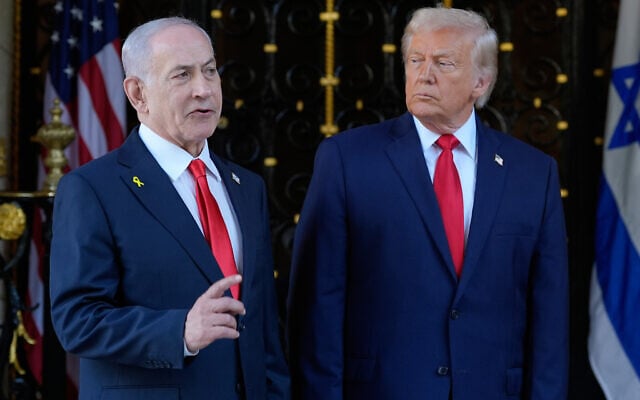
The military threat is not merely a backdrop to the talks; it is one of the main factors shaping them. According to sources cited by The Times of Israel, Trump and Israeli Prime Minister Benjamin Netanyahu held a phone call amid preparations for a possible resumption of strikes. Regional countries have reportedly been warned of a possible short but intense round of attacks after the US midterm elections. According to the report, Washington promised not to launch new strikes before voting ended, and US forces have not attacked Iran since September 1. However, Rubio said, Trump has not yet made a specific decision about resuming the operation.
Tehran has responded to these signals with threats of its own. Supreme Leader Mojtaba Khamenei ordered the armed forces to prepare for a possible attack and expand the list of targets to include “all kinds of material and non-material assets” belonging to the enemy. Araghchi said Iranian forces were better prepared for war than ever before, while Rezaei threatened to use “new weapons.” Iranian officials have also warned that a response could come immediately and would not be limited to one geographic area—in other words, it could affect US and Israeli interests in other countries across the region.
The return of the nuclear issue to the center of the conflict is particularly dangerous. Rezaei said Iran was discussing the possibility of revising its nuclear doctrine, though, he added, no decision had yet been made to abandon the ban on nuclear weapons. Iran officially maintains that its program is peaceful, but the United States and Israel consider it a threat. The Times of Israel article cites allegations that Iran has enriched uranium to levels with no obvious peaceful use, restricted access for international inspectors and developed ballistic missiles. So even a possible agreement on the Strait of Hormuz may not resolve disagreements over the nuclear issue.
The exchange of letters has also indicated a shift in diplomatic tone. US Vice President J. D. Vance sent a message to Rezaei in an effort to gauge the prospects for resuming negotiations. The Iranian official said Washington’s tone had “changed completely,” while Araghchi described the attempt to create space for dialogue as a positive step. At the same time, the Iranian side warned that if the letter was intended to sow divisions within the leadership or pressure Tehran, it would be seen as another mistake. In other words, even a cautious diplomatic gesture is being viewed through the lens of mutual distrust.
Israel’s position further complicates the calculations. Netanyahu, according to Al Jazeera, spoke of a “historic, one-of-a-kind opportunity” to eliminate the Iranian threat. Security expert Andreas Krieg, quoted by the outlet, said Tehran fears that even an agreement with Washington would not guarantee an end to future Israeli attacks. This undermines Iran’s incentive to make concessions: if an agreement cannot ensure long-term security, compromise may look less like a way out of the conflict and more like a temporary pause before another strike.
The US political calendar is also affecting the dynamics of the talks. Analysts suggest that before the midterm elections, Iran may avoid concessions that would allow Trump to present a diplomatic success. After the elections, the US president may face fewer domestic political constraints on using force. This creates the paradox noted by Krieg: Tehran may become more willing to compromise precisely when Washington has greater freedom to choose a military option. But this outcome is not inevitable; both sides’ decisions will be shaped by their assessment of the risks, the state of negotiations and the possible response of regional allies.
In this situation, the Strait of Hormuz is not just a geographic chokepoint but a crucial economic lever. Significant volumes of global energy supplies pass through it, so closing the strait or restricting traffic could drive up prices and disrupt supply far beyond the Middle East. Iran’s demand that new shipping routes be recognized, and its statement that the strait will remain closed until its conditions are met, make maritime security part of a broader dispute over sanctions, military presence and sovereignty.
The most accurate description of what is happening is that diplomacy and preparations for war are proceeding in parallel. As analyst Hamidreza Azizi, quoted by Al Jazeera, puts it, an agreement remains possible, but “the next war would be fought by different rules and across a much broader battlefield.” This does not necessarily mean that either side has already decided to escalate again. Rather, the threat is a way to strengthen negotiating positions and deter the other side from taking action. But this strategy is risky: a show of readiness to strike may be perceived not as deterrence but as direct preparation for an attack, prompting retaliation.
It is important to distinguish these reports from FOX 4 News’s coverage of a shooting in Dallas’s Deep Ellum neighborhood. It describes three separate incidents after Halloween celebrations: four people were killed and about 15 were injured, while police said they had no evidence at the time that the shootings were connected. This tragedy is unrelated to US-Iran negotiations and does not support conclusions about international escalation; it is a separate report on an investigation into domestic violence in the United States.
Taken together, the sources show that diplomatic activity does not yet amount to de-escalation. The main obstacle is not a lack of contact but incompatible starting conditions: Iran wants sanctions lifted, the US military presence reduced and new rules in the strait recognized, while the United States maintains military pressure and insists that Iran must not acquire nuclear weapons. Israel, for its part, doubts that an agreement would be sufficient and has left open the possibility of new strikes. The near-term outlook will therefore depend not only on the substance of the negotiations but also on whether the sides see military threats as credible deterrence or as a sign that a clash is inevitable.
A few terms help explain what is at stake. “Nuclear doctrine” refers to a country’s official principles concerning the role of nuclear weapons and the circumstances under which they might be developed or used. “Oil waivers” are temporary exemptions that allow certain buyers to purchase Iranian oil despite the sanctions regime. “Mediation” means that third countries relay proposals and arrange contacts without necessarily holding direct negotiations between the adversaries. The “Strait of Hormuz” is a narrow sea passage between the Persian Gulf and the Gulf of Oman, through which a significant share of international oil and gas trade passes. These factors explain why even a localized agreement on shipping could become part of a far broader deal—or a new cause of conflict.