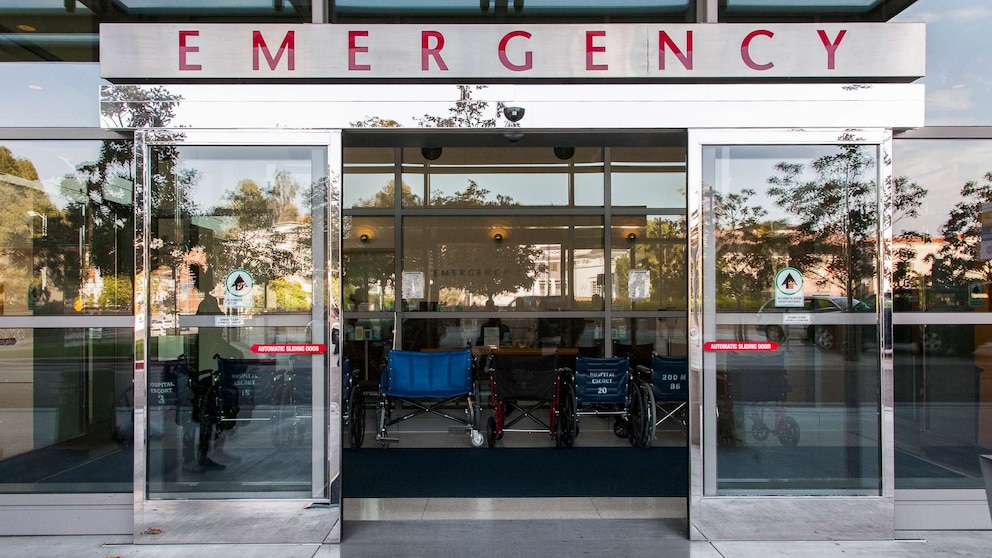
The flu season has started earlier than usual in the United States: positive test results, visits to emergency departments and hospitalizations are all increasing. The hospitalization rate has reached its highest level for this time of year since the 2009–2010 season, although the overall level remains low. With H1N1 spreading, doctors advise people not to wait for the winter peak to get vaccinated, especially older adults, who face a higher risk of severe illness.
Data from the U.S. Centers for Disease Control and Prevention (CDC) and Walgreens indicate that seasonal activity began earlier, but do not yet make it possible to predict how severe the season will be overall. The main practical takeaway is that vaccination remains the most accessible way to reduce the risk of severe illness, hospitalization and death—even while the vaccine’s effectiveness against specific virus variants is still being assessed.
According to the CDC, 4,811 laboratory-confirmed flu hospitalizations were reported nationwide in the week ending October 17. The hospitalization rate was the highest for this period since the 2009–2010 season, when pandemic H1N1 was circulating. At the same time, the CDC emphasizes that overall flu activity remains relatively low. These two assessments do not contradict each other: “the highest level in many years” compares the current rate with the same early period in previous seasons; it does not mean hospitals are already facing the epidemic’s peak.
Other indicators also point to an early rise. ABC News reports that positive tests, emergency visits and hospitalizations have been increasing since late August or early September. Walgreens estimates that seasonal activity is running about four weeks ahead of recent seasons. The company bases this estimate not only on testing and antiviral prescriptions, but also on sales of over-the-counter products: for example, sales of cold and flu remedies rose 17% year over year. Such commercial data can pick up changes in demand earlier than official statistics, but they are not, by themselves, equivalent to confirmed diagnoses.
H1N1 is currently the most commonly detected virus: of the 241 influenza A samples analyzed in the week before October 17, 239 were identified as H1N1. According to Newsweek, it is a descendant of the virus that caused the 2009 swine flu pandemic, not an entirely new strain. The article also notes that the H3N2 variant dubbed “super flu” last season has not been detected in the data cited. However, genetic changes are ongoing, and it is too early to say whether they will affect how well the vaccine matches circulating viruses. The CDC also cautions that it is not yet clear which variants will predominate later or how that will affect vaccine effectiveness.
The geographic picture is uneven so far. In the CDC assessment cited by ABC News and Newsweek, Louisiana and Hawaii had moderate levels of flu-like activity, while levels remained low or minimal in many states. This is not a map of laboratory-confirmed cases: the “influenza-like illness” measure reflects medical visits for symptoms that may be caused by the flu, but not exclusively by it. Walgreens data indicate notable activity in several other states as well. The discrepancy reflects differences in methods and data sources, so regional estimates should be read as indicators rather than a complete picture of the virus’s spread.
The CDC recommends annual vaccination for everyone aged six months and older. September and October are generally considered good times to get vaccinated ahead of the winter rise in cases. In an NPR report, journalist Ayesha Rascoe discusses vaccination for people over 50 with Dr. Anne Folsie of the University of Rochester School of Medicine. The NPR text provided does not include details of their conversation, so no specific recommendations or quotes from the interviewee can be reliably inferred from it. CDC statistics published by ABC News nevertheless show why prevention is particularly important for older age groups: the highest hospitalization rates are among people over 65, followed by adults aged 50–64 and children under five. A higher-dose vaccine is available for people aged 65 and older.
It is important to distinguish protection against infection from protection against severe outcomes. Even if vaccination does not fully prevent infection, or if the vaccine turns out to be an imperfect match for certain virus variants, it is still intended to reduce the risk of severe illness, hospitalization and death. That is the benefit emphasized by infectious disease physician Amesh Adalja in comments to Newsweek: the vaccine’s main value is preventing severe illness, including hospitalization. Uncertainty about the future evolution of H1N1 is therefore no reason to put off vaccination.
If you develop a fever, cough, sore throat, runny nose, headache, body aches or marked fatigue, seek medical advice, especially if you are in a high-risk group. Prescription antiviral medications are available; as ABC News notes, they are most effective when started as early as possible. This complements, but does not replace, prevention: vaccination reduces the risk of a severe outcome in advance, while timely treatment matters once symptoms appear.
The main trend is not a confirmed public health emergency, but an early rise in indicators that warrants attention and does not yet allow a reliable forecast for the winter season. In the coming weeks, the key factors will be hospitalization trends, the virus’s spread across regions and whether H1N1 remains dominant. The practical takeaway is already clear: there is no need to wait for data on a future peak or final assessments of how well the vaccine matches the virus. CDC recommendations apply now, and for older adults, the cost of waiting may be particularly high.