
There are only 211 teams on the planet competing for a spot in the men's World Cup, more than the number of U.N. member states (193). Places like Curaçao, Scotland and Wales are treated as independent in the footballing world, though not in diplomacy. The World Cup final consistently breaks TV-viewing records, surpassing even the Super Bowl, but those numbers only hint at the true scale and deeper meaning of the event.
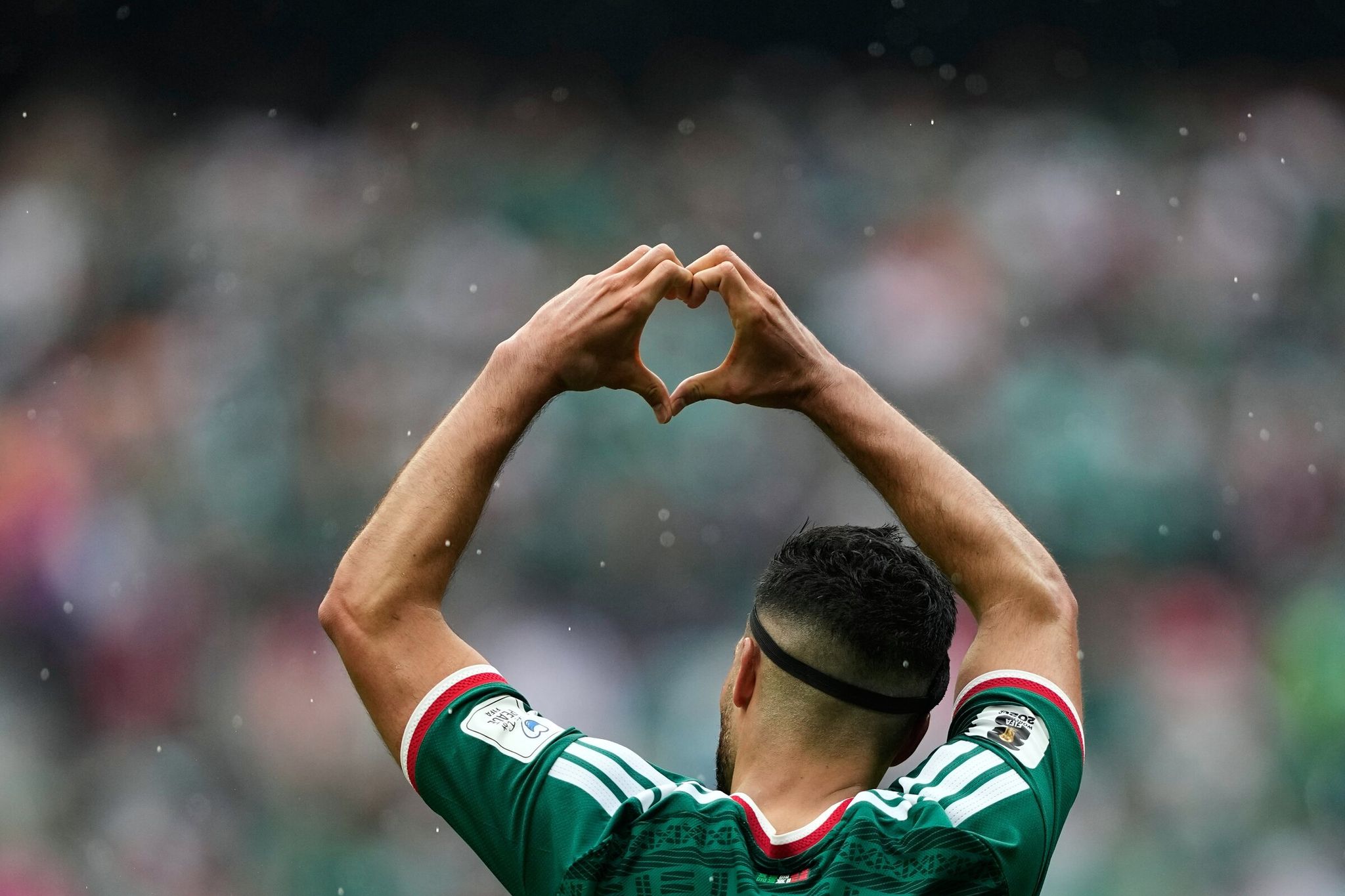
Beginning Monday, Seattle will become part of that greatest mass celebration, hosting World Cup matches. The 2026 World Cup matches will be held at Lumen Field (formerly CenturyLink Field). Built in 2002, the 69,000-seat stadium is home to NFL club the Seattle Seahawks and MLS club the Seattle Sounders, and has hosted NBA games and concerts by global stars. For Seattle, Lumen Field is a symbol of the city’s revival of sports culture and its emergence as an international-caliber venue. The tournament showcases the pinnacle of the world’s most popular and accessible sport, played in every corner of the globe. Soccer is capable of embodying humanity’s best qualities — community, camaraderie and spontaneous joy — while also spotlighting its darker sides: corruption, greed and cynicism.
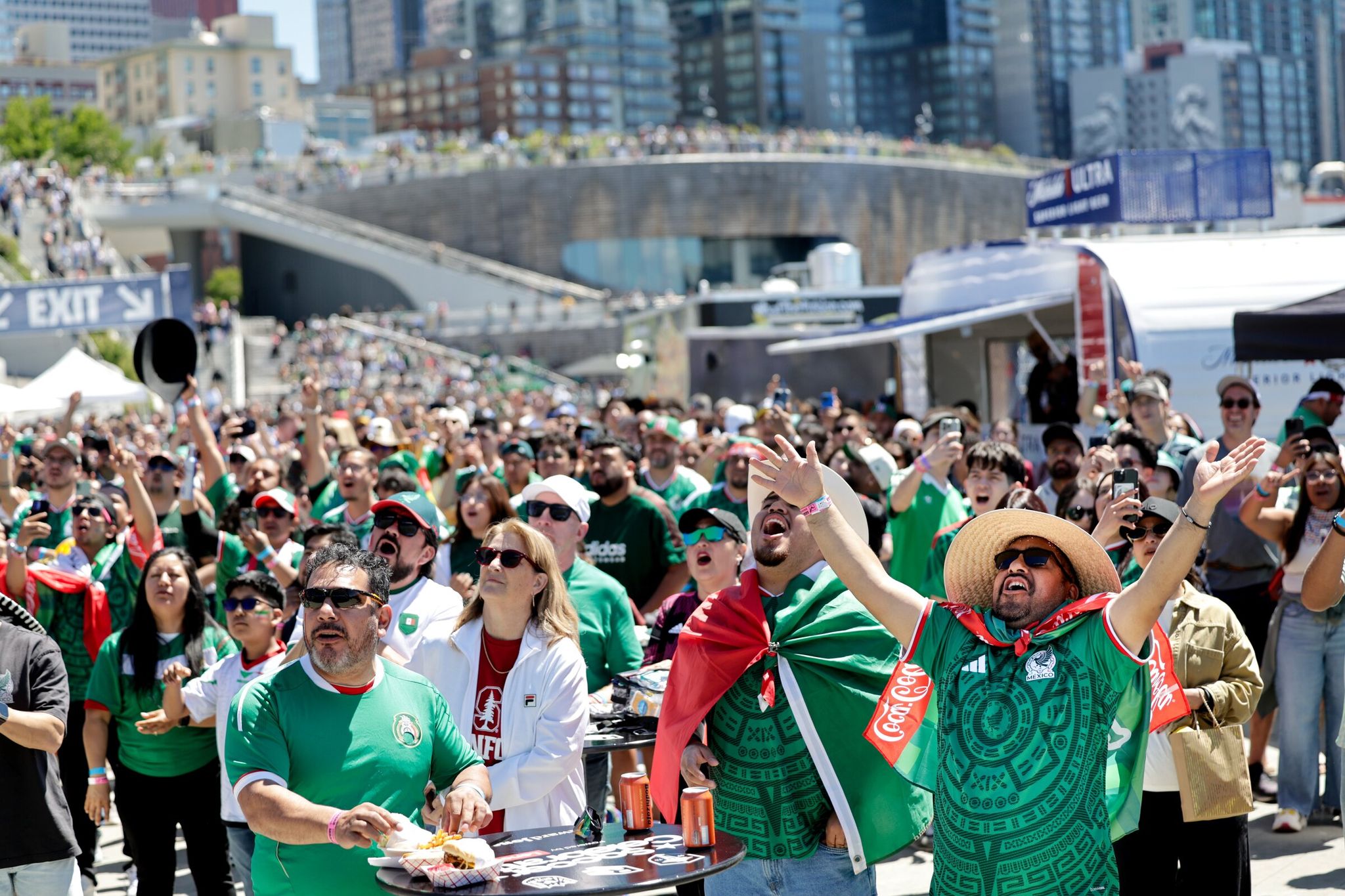
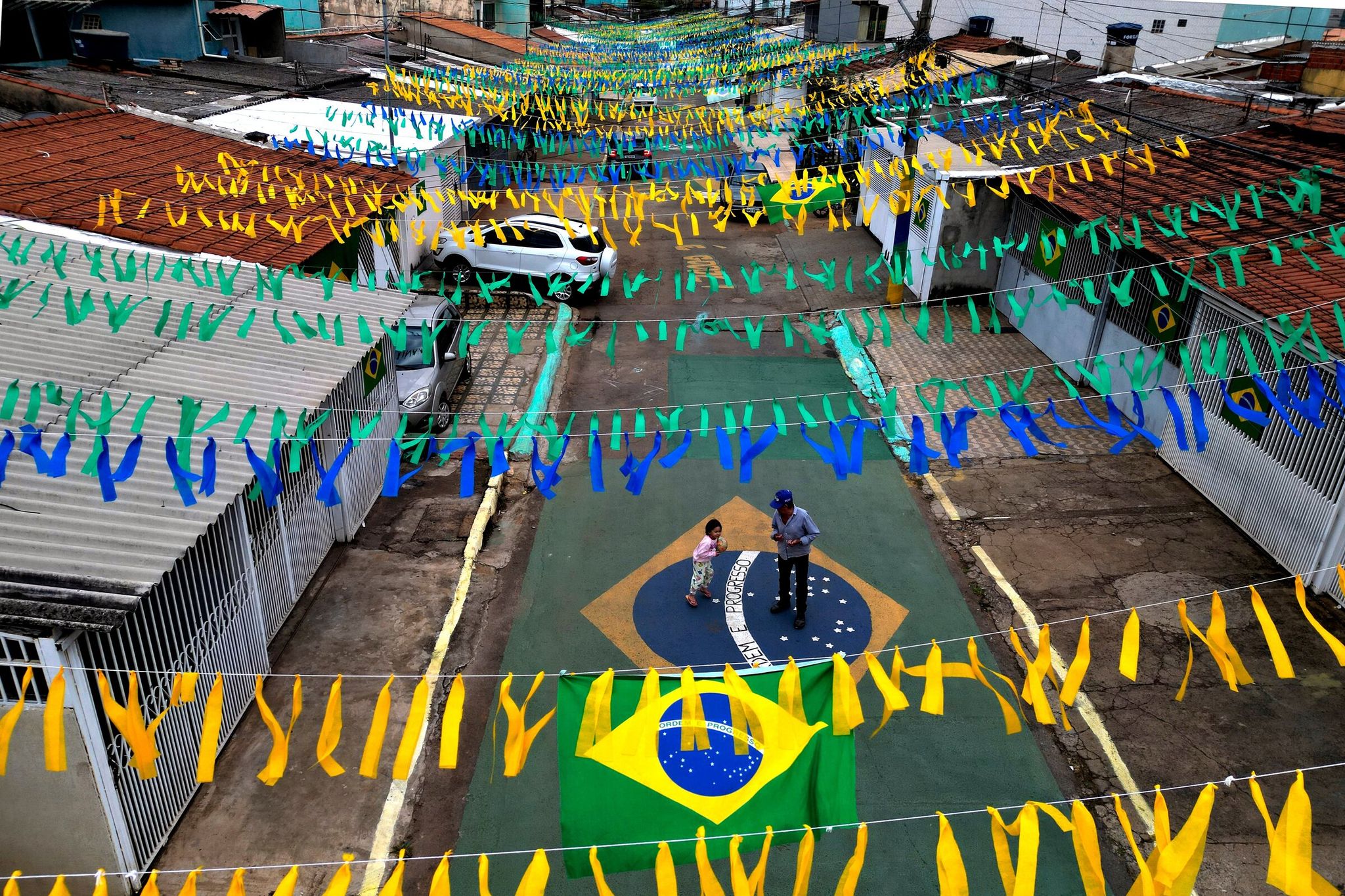
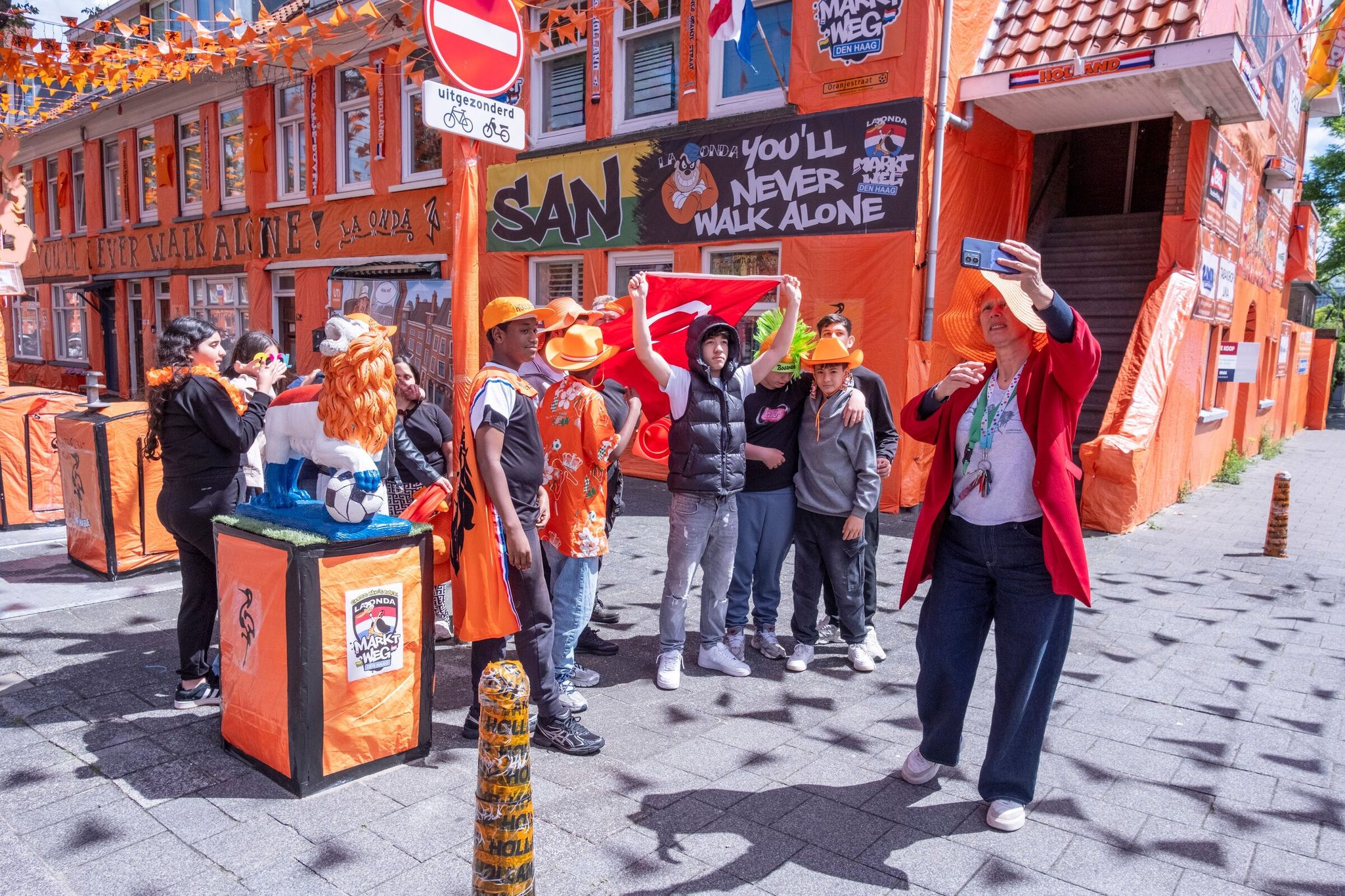
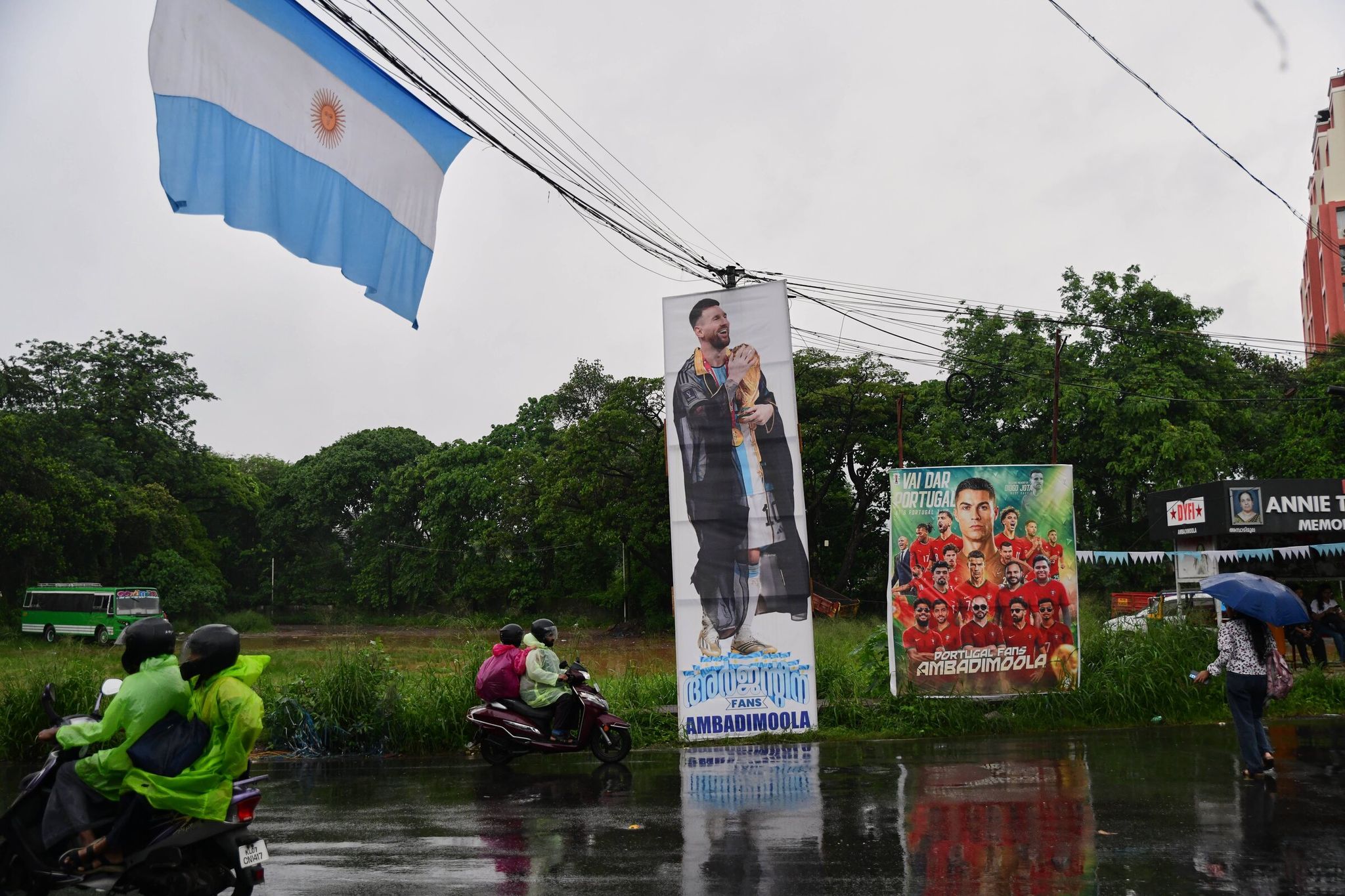
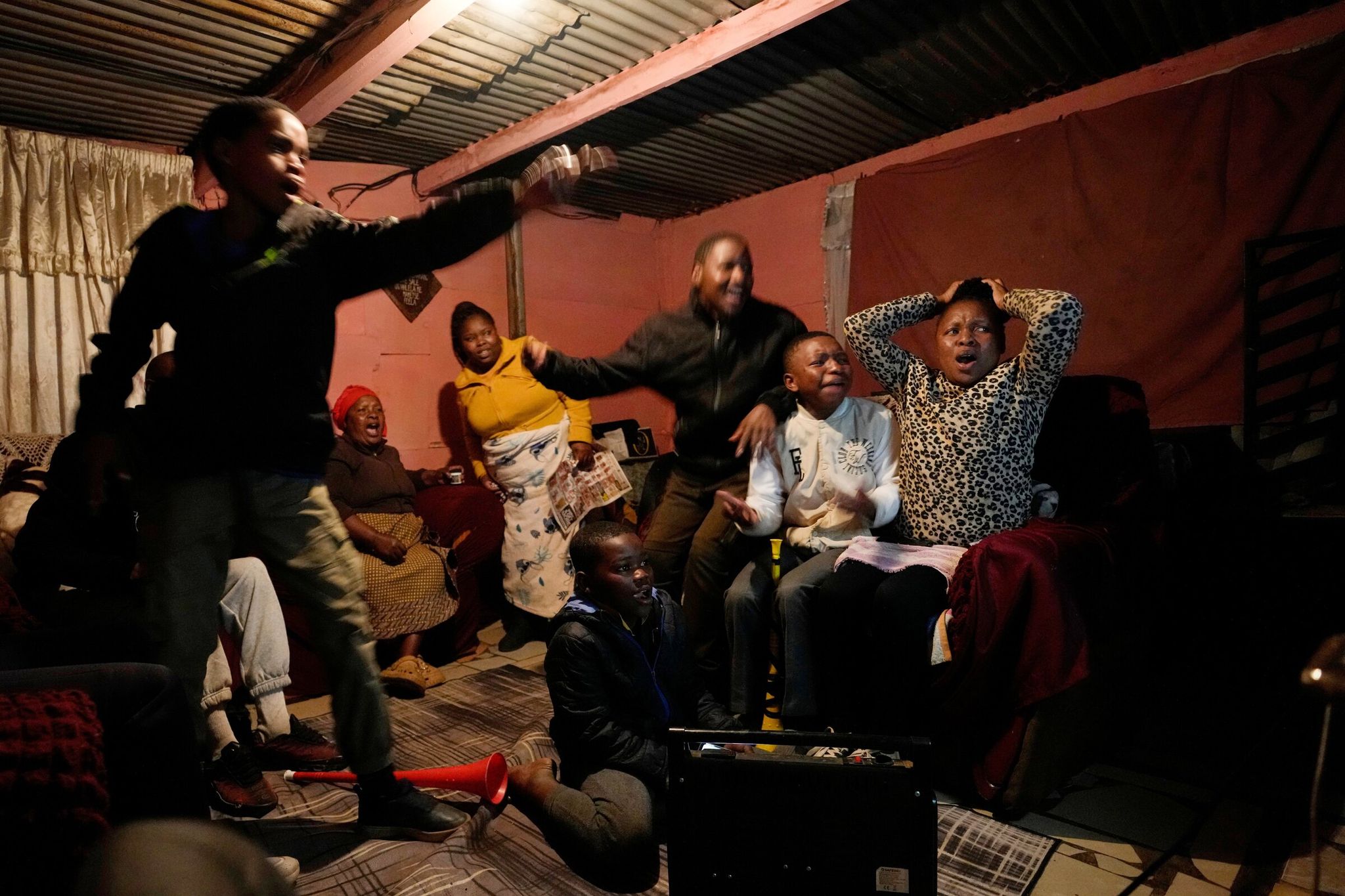
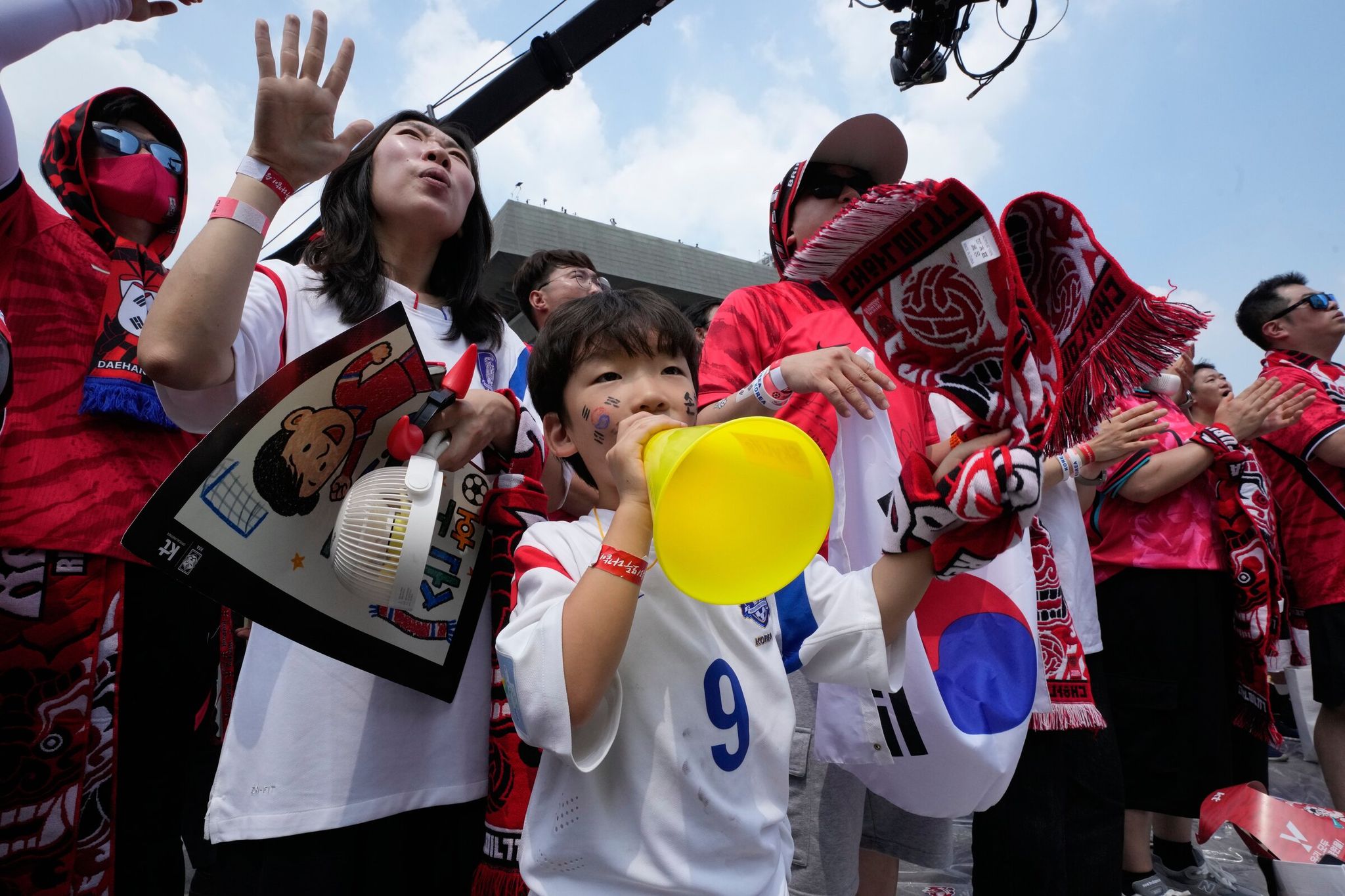
Despite the politics of host countries, fans at World Cups rarely fixate on geopolitical issues or even on the matches themselves. Visitors and locals most vividly remember the fans they met on buses, the food on the way to the stadium and the collective ecstasy of the crowd. As journalist Simon Cooper notes, the World Cup resembles a religious festival, but one rarer and uniting all the countries of the Earth.
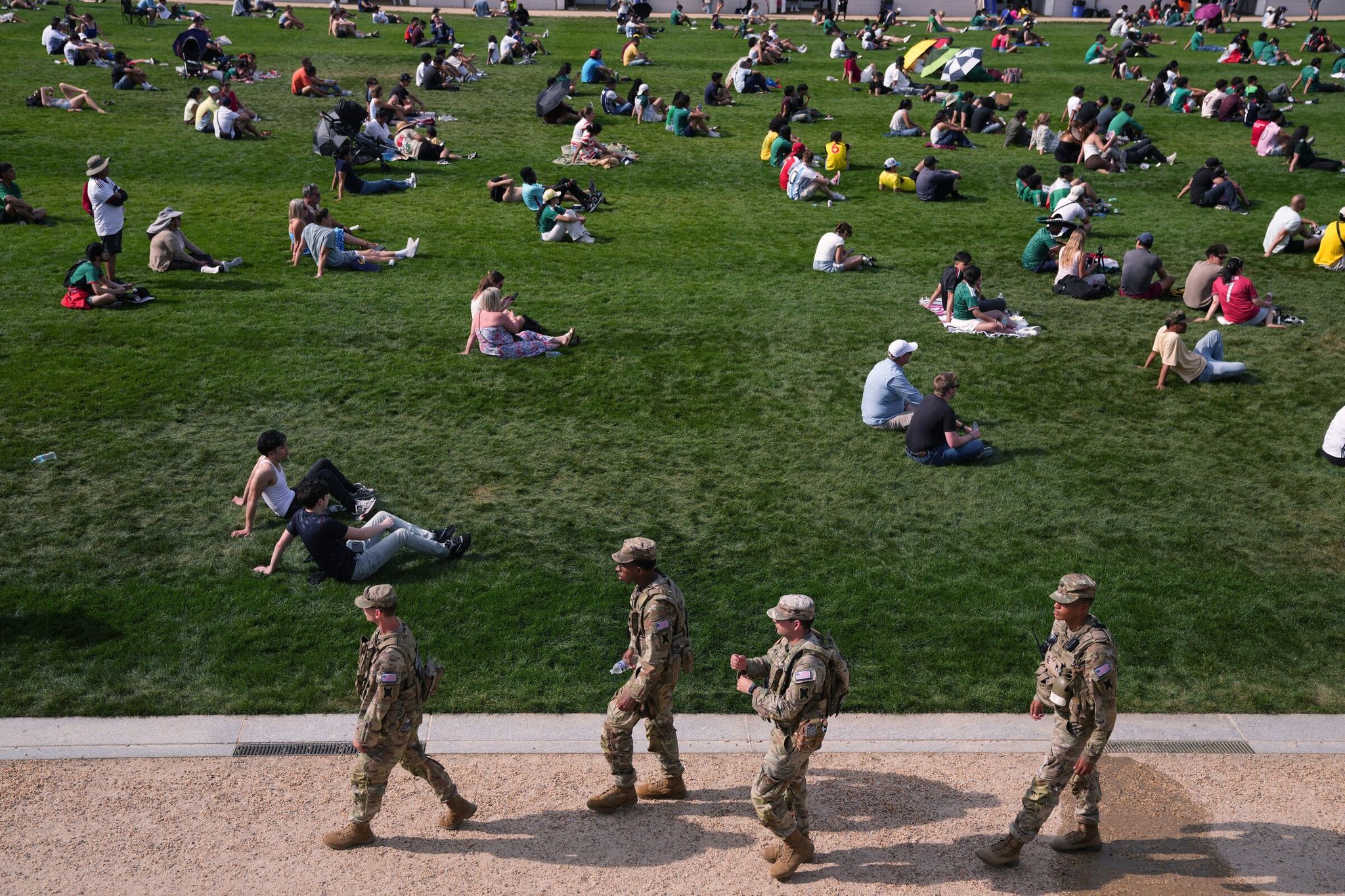
Seattle and other American cities are welcoming the world at a time when the U.S. is growing more hostile to global engagement: humanitarian aid is being cut back, visa regimes tightened and trade barriers introduced. Immigration policy has already directly affected the tournament — applications from more than a third of participating countries were paused, entry was restricted for the Haiti and Iran squads, and a Somali referee recently had his entry denied despite being recognized as the best in Africa.
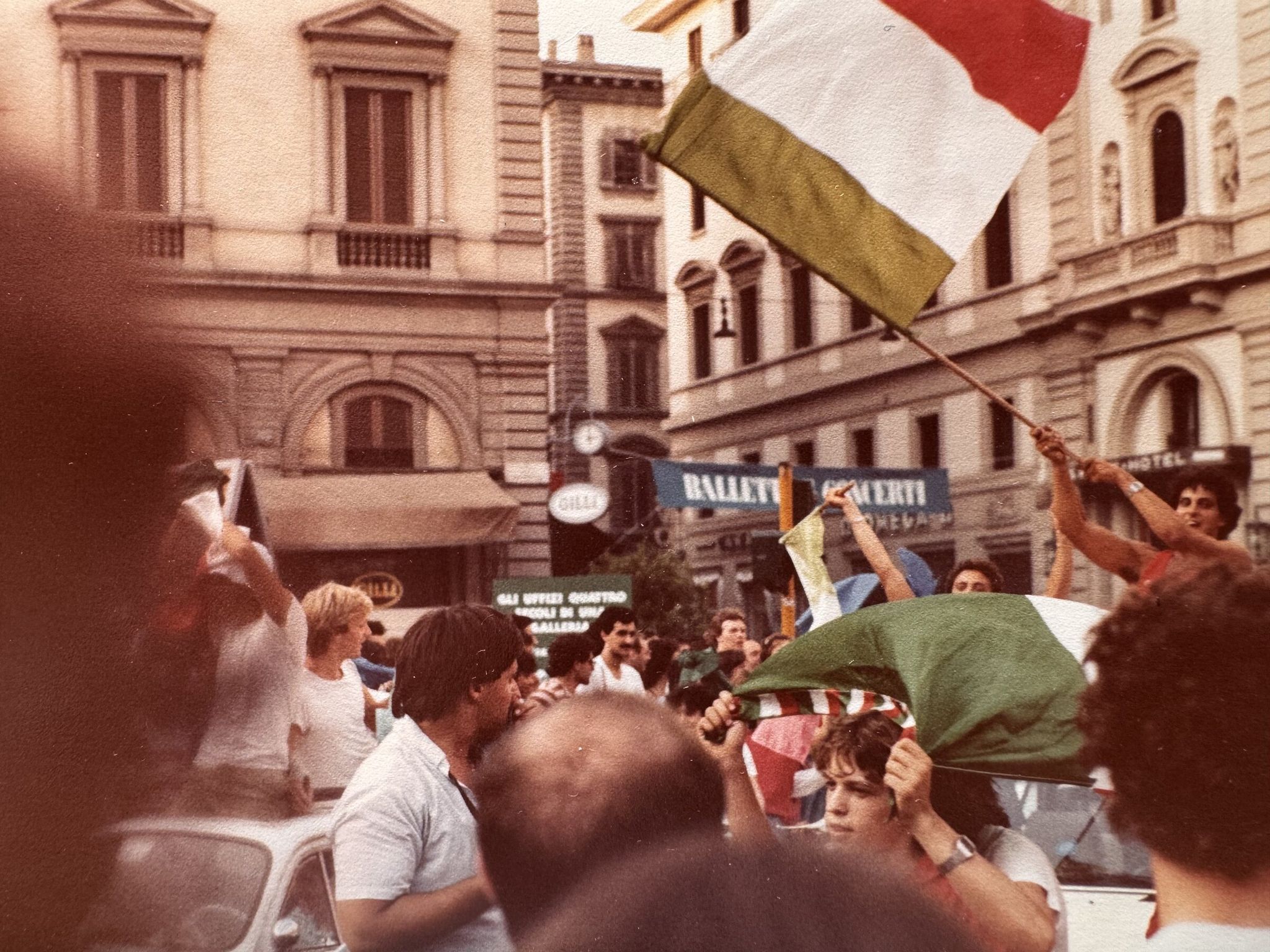
FIFA’s motto “Football unites the world” clashes with the actions of the organization and some host countries. For example, FIFA established a “Peace Award” for President Donald Trump, which does not sit well in predominantly Democratic Seattle, where more than 80% of voters traditionally support the Democratic Party. FIFA’s “Peace Award,” which in 2026 could be given to President Donald Trump (a Republican and an unpopular figure in the region), is seen here as a politically fraught gesture. Locals tend to view this as a contradiction between football’s global image and local values of tolerance, environmentalism and social justice, heightening criticism and protest sentiment. Historically, the World Cup has balanced joy for billions with a tool for political PR — from Uruguay’s triumph in 1930, when a celebratory song played instead of the anthem, to Mussolini’s fascist Italy in 1934.
Recent tournaments in Russia and Qatar have vividly shown how authoritarian regimes use the Cup to craft an image despite human-rights abuses. As sports historian Jonathan Wilson observes, those countries proved that you don’t have to win the tournament for propaganda success. Now the U.S. seeks to present itself as the center of the world community, even as its policies suggest otherwise.
Money remains a constant theme: FIFA shamelessly treats the tournament as a giant revenue source. Ticket prices in Seattle are telling: the cheapest ticket for the opening match cost $530, and admission to a U.S. game was about $1,700. Such sums put attending matches out of reach for many fans, though organizers and local institutions are working to make the festive atmosphere accessible to all.
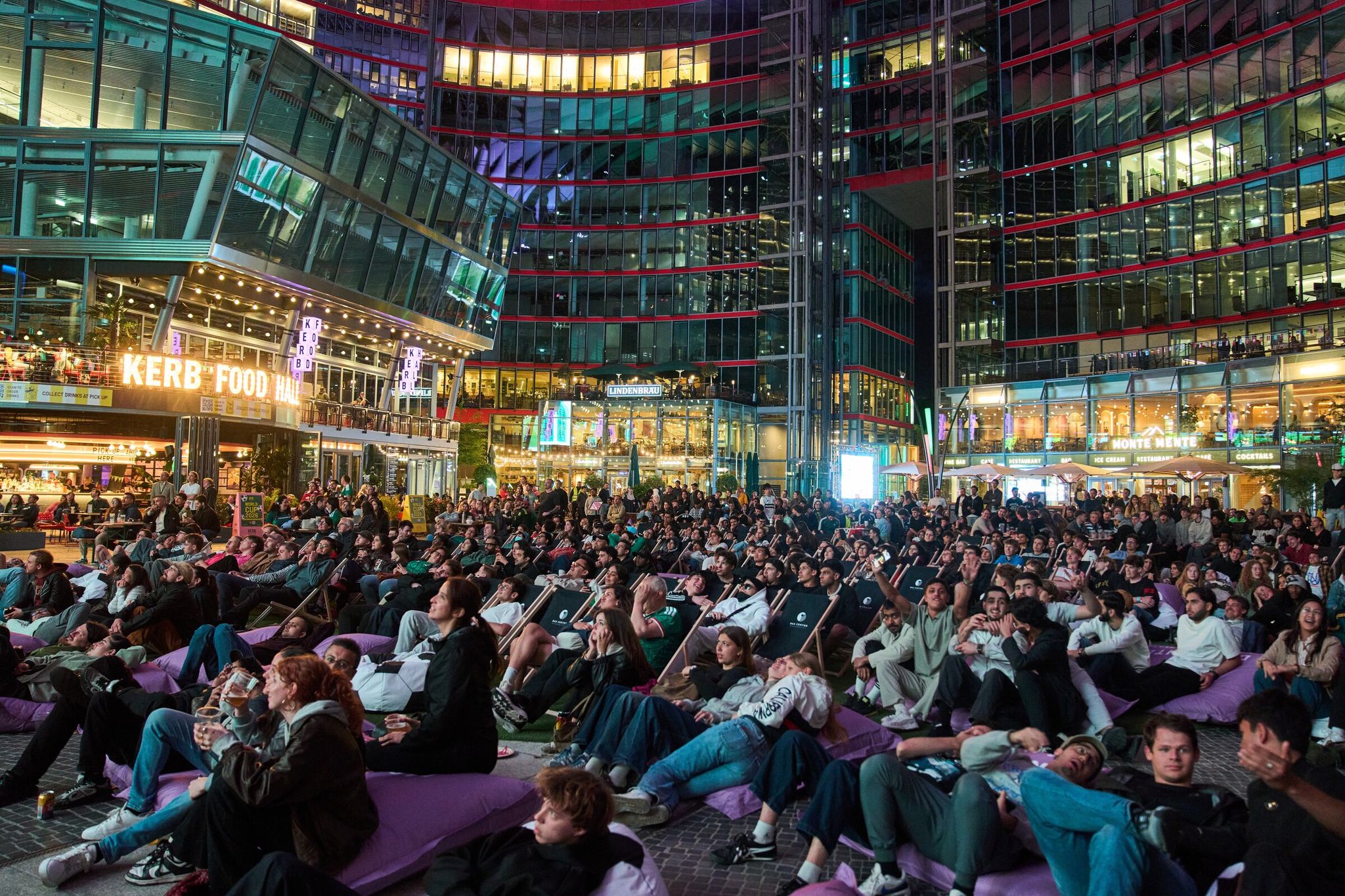
Across Seattle and Washington state there will be public screenings and fan zones. A 70-foot screen at the Pacific Place mall, the Pier 62 plaza, the city library, Seattle Center (the site of the 1962 World’s Fair with its fountain and Space Needle), Gas Works Park (an industrial park on Lake Union with panoramic views), Capitol Hill (a neighborhood with dozens of bars showing broadcasts), Westlake Park (the central square by Macy’s department store) and Bitter Lake (a northern neighborhood with outdoor cinemas) will be gathering places for fans. Pioneer Square, the historic center of Seattle near the stadium — where the first settlers landed in 1851 — with its cobbled streets, 19th-century brick buildings, art galleries and bars, will turn into a hub of free activities with concerts and fan zones. Its compactness and proximity to Lumen Field (just a 10-minute walk) make it an ideal “soccer village,” giving people a chance to soak up the atmosphere without tickets. And the industrial-sports Sodo district (short for South of Downtown), home to three of the city’s main stadiums — Lumen Field, T-Mobile Park (baseball) and Climate Pledge Arena (hockey, basketball) — serves as a transport hub for fans, with panoramic elevators, industrial design and food-truck plazas, blending sports infrastructure with street art and nightlife.
Architect Eric Cranston, who traveled to the 2014 World Cup in Brazil, recalls that the matches themselves blurred in memory, while the scenes around them remained vivid. In Recife there were giant TVs on the beach everywhere, music and dancing, and the city became a continuous festival. Even on the bus to the stadium people kept partying, and impromptu celebrations sprang up in makeshift parking lots.
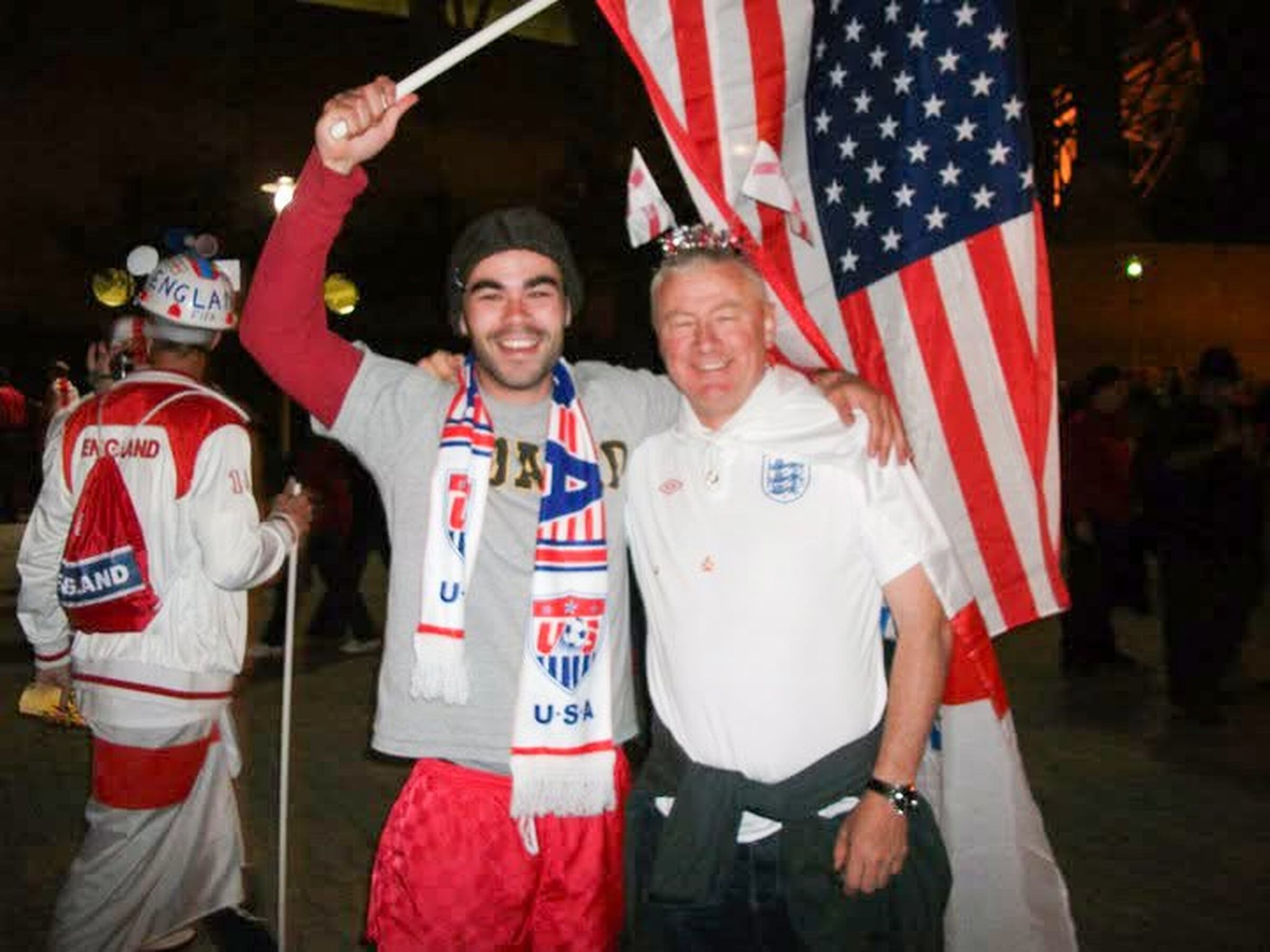
In 2010, Seattle prosecutor Sean Waite found himself in South Africa during the Cup. On the way to a match he wandered into a residential neighborhood and stumbled upon a traditional South African barbecue — a braai — hosted at a private home for fans. For a modest fee there was grilled meat, vegetables and beer, and children ran about. His most vivid memories are not of the football but of spontaneous conversations, including an exchange of songs with an English fan.
Based on: Seattle’s World Cup will be remembered for more than soccer