
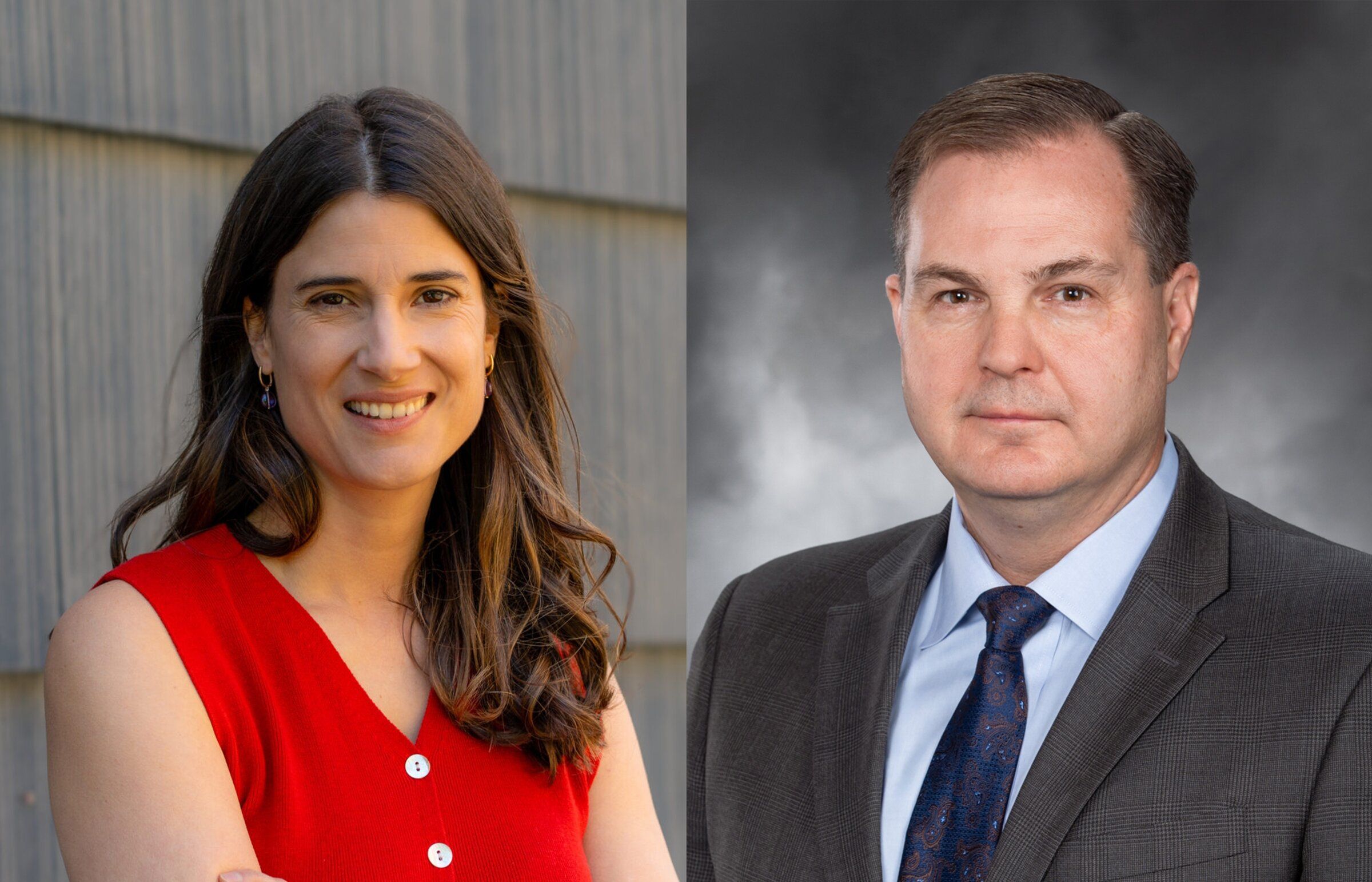
The contest has intensified in Washington’s 3rd Congressional District, in the southwestern part of the state, between incumbent Democratic Rep. Marie Gluesenkamp Perez and Republican John Braun. The district includes Chehalis, Longview, Kelso and industrial port areas along the Columbia River, combining conservative rural communities with more liberal union and industrial centers. As a result, election outcomes here can shift significantly depending on turnout and voters’ moods. The district’s representative also helps make decisions on ports, forestry, energy, trade and workplace safety.
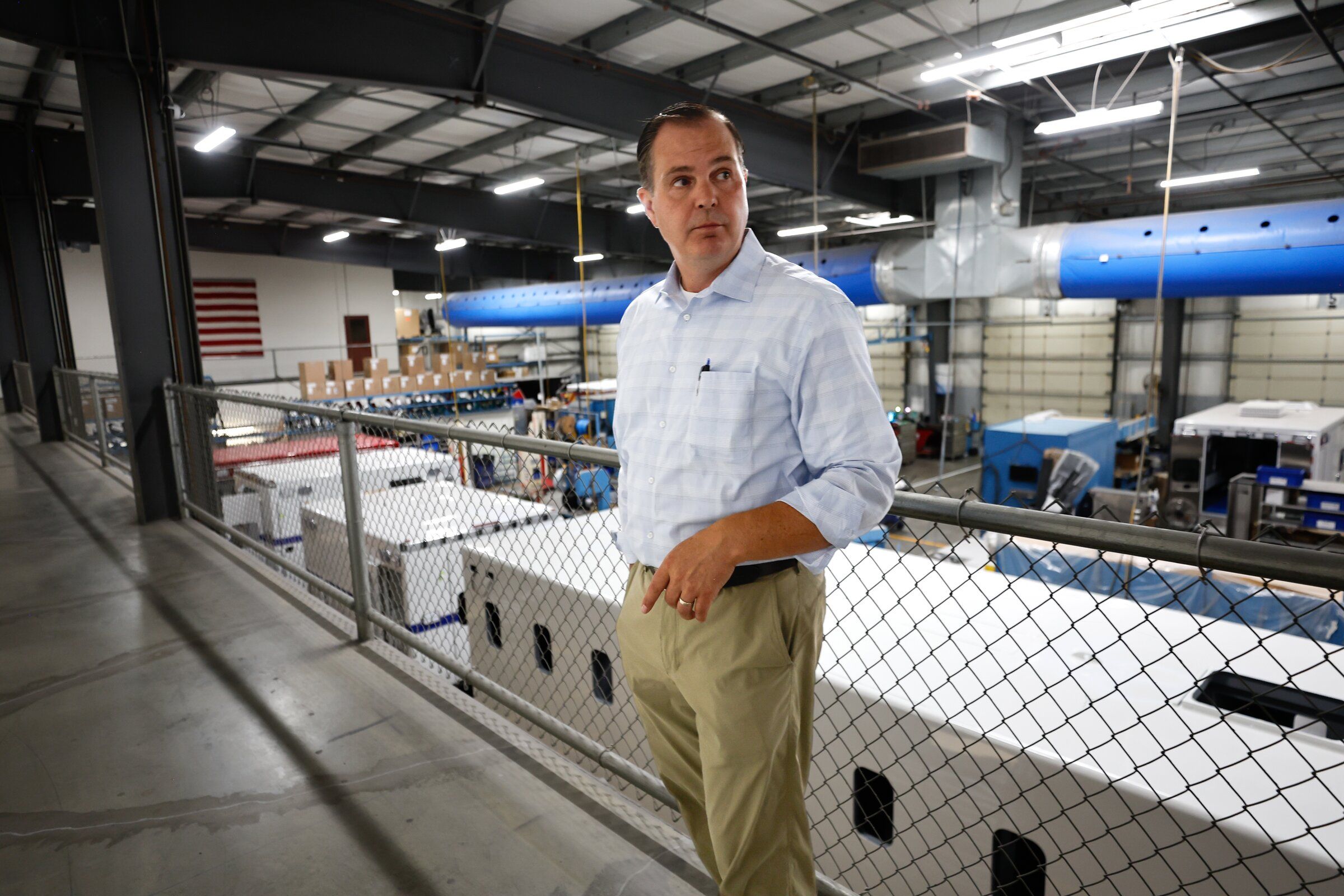
One of the campaign’s central issues has been safety at Braun’s family business, Braun Northwest, which he has led since 2006. The Chehalis company manufactures emergency vehicles and employs about 300 people, remaining one of the region’s largest private employers. Braun presents his experience running the company as evidence of his knowledge of industry and commitment to jobs. In recent weeks, however, his opponent has begun sharply criticizing the company over safety violations.
The criticism was prompted by two incidents in 2024. In August, 61-year-old employee Karl Keller was killed after becoming trapped beneath a recently assembled ambulance that another worker moved. Inspectors determined that the death was an accident. The victim’s son, Colten Keller, does not blame Braun for the tragedy itself, but believes the company’s leader did not provide enough support to the family after his father’s death.
Keller appeared in a Gluesenkamp Perez campaign ad and said Braun had not called him. Braun denies this, saying he met with Keller at least twice, brought food to the family, and arranged paid leave, counseling and assistance from the human resources department. Keller himself says he does not remember meeting Braun personally and believes the company could have provided better support after he returned to work.
The second incident involved 17-year-old intern Payce Durr, who broke a finger while operating a drill press. A state inspection found violations involving machine guards, training and the employment of minors. One teenager repeatedly worked more hours than allowed by law, while two minors used equipment prohibited for their age group. The company was fined more than $10,000 and withdrew from the internship program.
Washington state law limits the hours teenagers may work and prohibits them from performing many dangerous tasks. Sixteen- and 17-year-olds generally may work no more than four hours on a school day and up to eight hours on nonschool days, with mandatory rest periods and weekly limits. Minors are also prohibited from operating a range of hazardous machinery, including most lifting and woodworking equipment, presses, crushers and other machinery carrying an elevated risk of injury. Specific requirements depend on age, the school term, the industry and employer permits.
Durr, now 19, still works at Braun Northwest and considers the facility safe. She called the injury the result of her own mistake and objected to a Gluesenkamp Perez ad that said the girl had been “maimed.” Durr later appeared in a video supporting Braun, saying her overall experience at the company had been positive.
The Washington State Department of Labor & Industries, or L&I, oversees compliance with these requirements under the Washington State Plan approved by the federal Occupational Safety and Health Administration, or OSHA. Inspectors investigate complaints and accidents, conduct scheduled and surprise inspections, assess hazards, require violations to be corrected and may impose fines. Employers must provide safe working conditions, training and protective equipment, while penalties may be increased for serious or repeated violations.
Meanwhile, the state fined Braun Northwest again: after an employee was injured in July, the company received a $12,842 penalty for inadequate protection from hazardous moving machinery parts. Braun plans to appeal the decision and says the company has invested in training, safeguards and safety for many years.
Interviews with eight current and former employees painted a mixed picture: most considered the safety level acceptable for industrial manufacturing, although some criticized management’s response to incidents. At the same time, no one described a persistent or widespread culture of disregarding safety.
Based on: In tight WA House race, sparks fly over safety at challenger’s business