
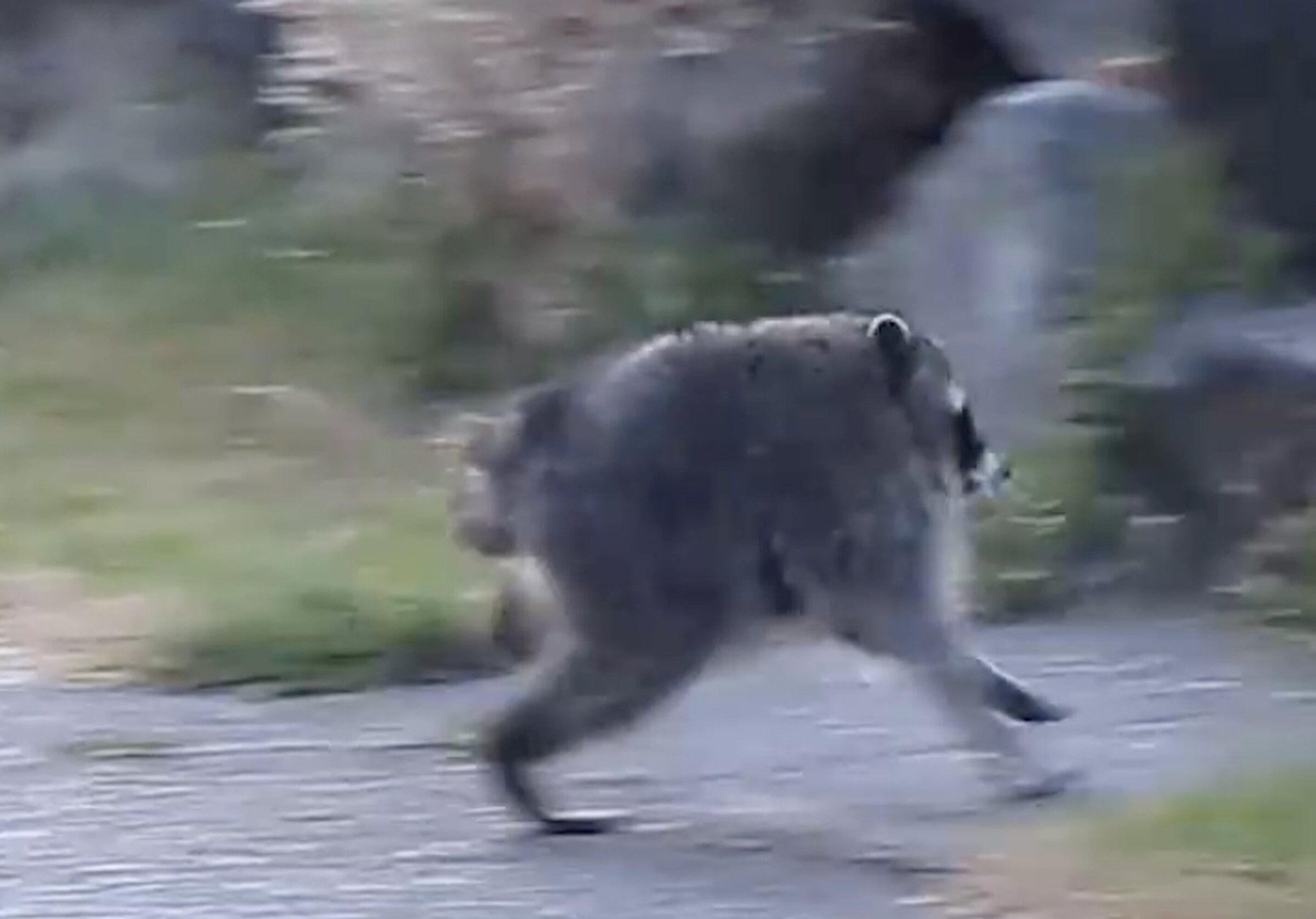
Jimothy, a small raccoon with a shortened spine, became a prominent Seattle internet celebrity in just one month. He brought residents together, inspired artists, and a painting by local muralist Ryan Henry Ward raised more than $270,000 for the Ballard Food Bank. At the same time, Jimothy’s image began to be widely commercialized: T-shirts, mugs, stickers and a children’s book appeared online.
The raccoon even attracted the attention of the Mariners baseball team, the Seattle Storm basketball team and politicians. However, experts emphasize that Jimothy is not a pet but a wild animal. In urban areas, raccoons are drawn to easily accessible food, trash, pet food and shelter — attics, spaces beneath decks and dense vegetation. Chris Anderson, a biologist with the Washington Department of Fish and Wildlife, urges people to watch Jimothy from a distance, not feed him and not accustom him to people’s constant presence.
According to Anderson, authorities have not yet received reports that anyone is deliberately luring or harassing the raccoon. But as his popularity grows, so does the risk of interference in his life. If Jimothy becomes accustomed to receiving food from people or being constantly near them, he could become aggressive or turn into a “problem” animal that poses a threat to people and pets, causes serious property damage or repeatedly enters buildings despite efforts to stop it. In such cases, especially if rabies or another serious threat is suspected, euthanasia may be necessary.
Before that point, experts generally recommend removing sources of food and shelter, preventing the animal from entering the home, using safe trapping equipment and, when necessary, contacting a licensed wildlife-control professional. In some cases, a raccoon may be professionally relocated, but this is regulated by state rules, is not always permitted and does not guarantee safety.
There is also a risk to people with pets: if a person or dog gets too close to a raccoon, it may provoke an attack that can sometimes result in a trip to the hospital. Residents can reduce the risk of conflicts by using locking trash containers, covering compost, not leaving pet food outdoors and securing access points to homes, attics and outbuildings. Motion-activated lights and sprinklers may provide additional protection. If Jimothy enters a yard, he should be discouraged safely — but never fed.
Residents can peacefully coexist with the raccoon by photographing him from a safe distance and allowing him to lead a normal wild life. Anderson stresses that people should not turn Jimothy into a “Pokémon” or a pet. The less attention, food and interference he receives, the better the chances that Jimothy will remain healthy and continue living in his natural environment.
Based on: As Jimothy reaches cultural saturation, remember to keep him wild