
Washington state’s vaccination requirements for children attending schools, preschools, and day care centers will not change in the new school year. The state Department of Health made the announcement after President Donald Trump signed an executive order calling for a review of federal recommendations on childhood vaccinations.
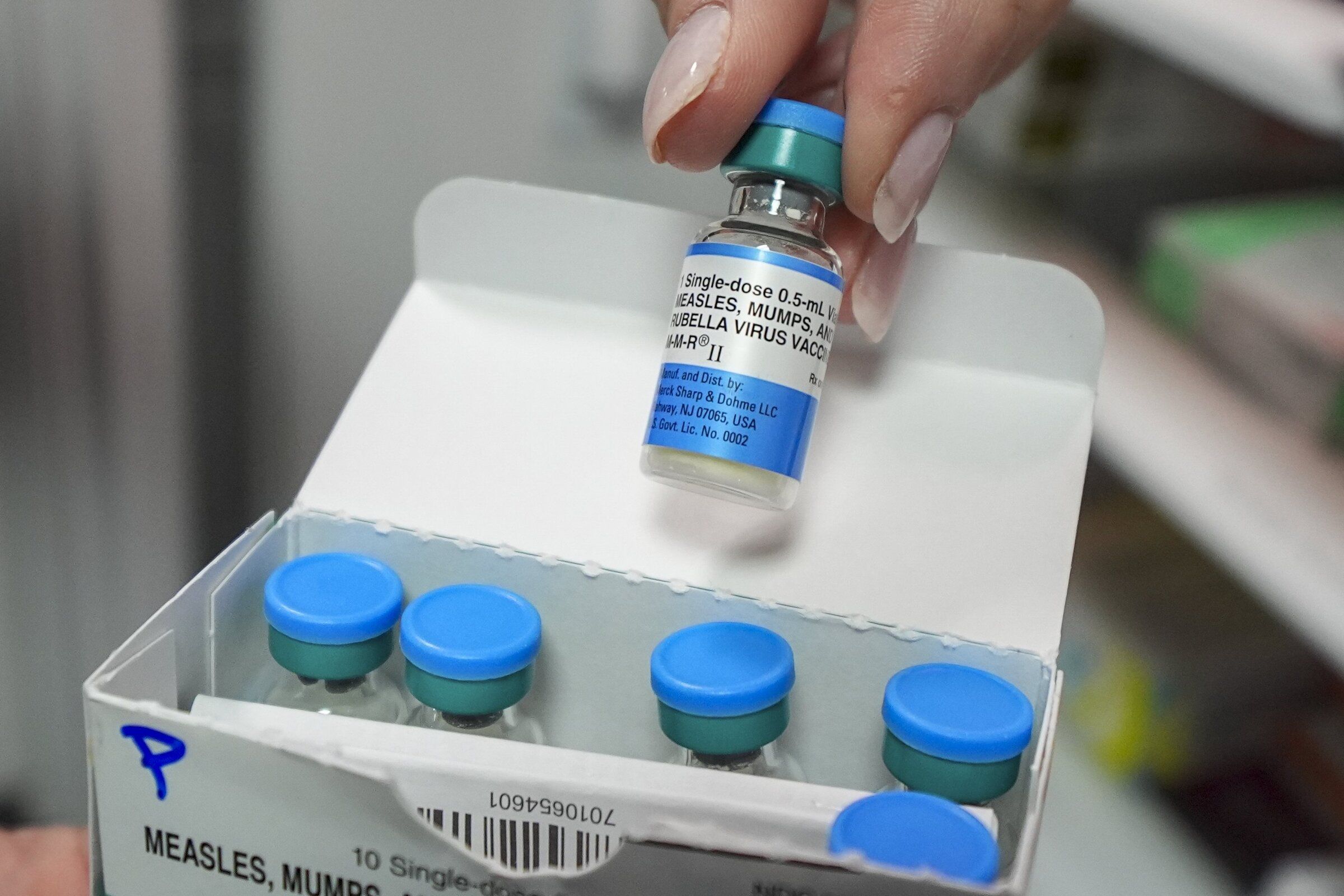
The order calls for reducing the number of vaccines recommended for all children in the United States, as well as splitting the combined MMR vaccine against measles, mumps, and rubella into three separate shots. Public health experts, including specialists in the Pacific Northwest, criticized the initiatives, citing decades of research demonstrating the effectiveness of the current vaccination schedule.
States set their own vaccination requirements for students, so the federal order does not directly change Washington’s rules. State law requires proof of immunity against 11 diseases, including chickenpox and whooping cough, to attend a school, preschool, or day care center.
Washington allows exemptions from most required vaccinations for medical, religious, personal, or philosophical reasons. However, since 2019, personal and philosophical exemptions have not applied to the MMR vaccine. The change was adopted after major measles outbreaks, including a 2019 outbreak in Clark County, to increase vaccination coverage and protect children who cannot be vaccinated for medical reasons. As a result, the state’s rules are stricter than those in regions where nonmedical exemptions remain available for all vaccines, but less strict than in states that have eliminated such exemptions entirely.
Under state recommendations, children should receive their first MMR dose between 12 and 15 months of age and their second dose at 4 to 6 years old. In the 2025–26 school year, about 95% of Washington students were vaccinated against measles, mumps, and rubella, but the rate among first-graders was approximately 90% — below the roughly 95% level needed to prevent sustained measles transmission. The share of MMR exemptions continues to rise gradually: it reached about 2.8% among all children and approximately 4.5% among first-graders.
The rate among first-graders is especially important to health officials because this group is regularly replenished and provides a way to assess the protection of children starting school. Statewide averages can conceal schools and districts with much lower vaccination coverage. Such vulnerable clusters create conditions for measles to spread rapidly, so data on first-graders help identify problem areas, conduct outreach, and verify compliance with requirements before an outbreak begins.
A representative for the state attorney general said the office would study the order’s potential consequences for Washington but had not yet decided whether to file a lawsuit. The Department of Health urged residents to follow current recommendations and discuss questions with their doctors. Scientific and medical organizations again emphasized that extensive research has found no link between childhood vaccines and autism spectrum disorders, despite repeated claims by Trump.
Based on: WA childhood vaccine rules not changing, state health leaders say