
In Las Vegas, 63-year-old Duane “Keffe D” Davis was sentenced to 40 years in prison, with the possibility of life, for orchestrating the murder of rapper Tupac Shakur. Taking time already served into account, Davis will not be eligible for parole until at least age 100. Judge Carli Kierny said he had no right to take away a person’s life and future, emphasizing that neither Shakur nor his death has been forgotten by fans or Las Vegas.
Shakur was fatally wounded on Sept. 7, 1996, while riding in a car with music producer Marion “Suge” Knight. A white Cadillac pulled up alongside them at an intersection, and gunmen opened fire. The rapper suffered multiple gunshot wounds and died six days later; Knight survived.
Investigators linked the attack to a longstanding feud between the South Side Compton Crips and the Mob Piru, which began after a fight involving Davis’ nephew. The South Side Compton Crips were associated with Orlando Anderson, who was suspected of attacking Shakur at a casino shortly before the murder, while the Mob Piru had historically been associated with the rapper and his circle through Death Row Records. Street and personal conflicts heightened existing tensions between the West Coast and East Coast rap scenes, tied to the rivalry between Death Row and New York’s Bad Boy. However, there is no direct evidence that the rivalry between the labels was the official motive for the murder.
The investigation remained unsolved for more than two decades. Witnesses saw only part of the shooting and could not reliably identify the attackers. Many eyewitnesses had ties to street gangs and were unwilling to cooperate with police; investigators also lacked crucial physical evidence from the outset. The case was complicated by mutual distrust, possible witness intimidation, and the deaths or disappearances of key figures, including Anderson.
Davis later began discussing what happened in interviews and memoirs. He claimed that he was sitting in the front passenger seat of the Cadillac and handed a gun to the back seat, from where the shots were fired. His statements and other new evidence allowed Nevada authorities to reopen the case and charge him in 2023. Prosecutors used Davis’ own words to argue that he organized the attack and supplied the gun.
The defense pointed to the lack of direct physical evidence and portrayed Davis as a storyteller seeking to profit from a famous case. In August, jurors found him guilty after three hours of deliberation.
Shakur’s family described the loss as devastating. His sister, Sekyiwa, said her brother was a kind protector of his family and might have eventually left music for public service, politics and the fight against social inequality. Three other alleged participants in the attack have already died, leaving Davis as the only person charged in the case. The Clark County District Attorney’s Office said there was insufficient evidence against anyone else, though additional charges could be filed if more information is discovered. Davis’ attorney plans to appeal the sentence.
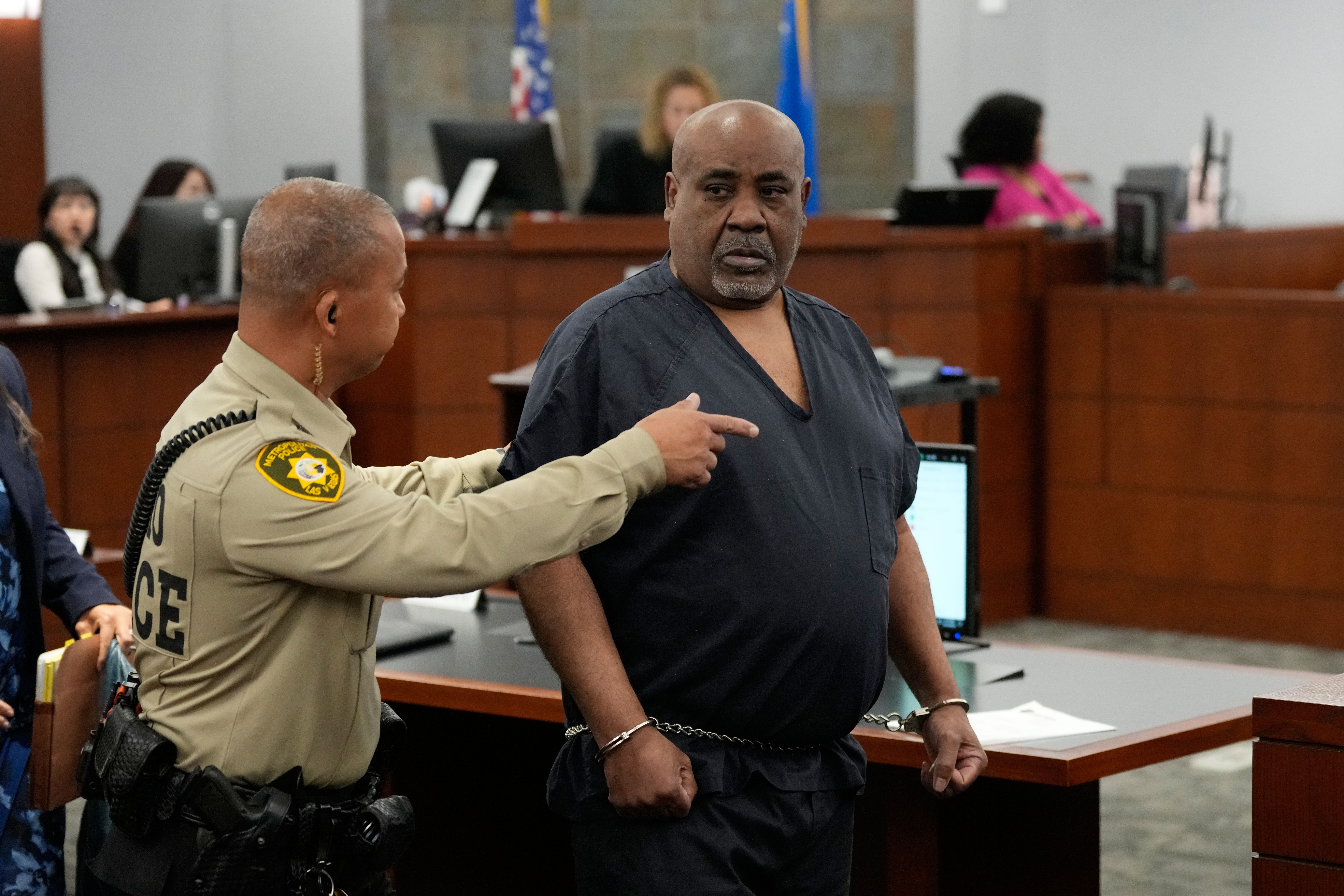
Based on: Duane ‘Keffe D’ Davis gets 40 years to life in prison for orchestrating the murder of Tupac Shakur