
A loquat tree planted more than 60 years ago grows in the courtyard of the Eng family home in Seattle’s Chinatown–International District. Unusual for the local climate, the tree is native to south-central China and still bears fruit. For the family and local residents, it has become a symbol of the resilience of Chinese immigrants who managed to establish a permanent home despite discrimination and social pressure.
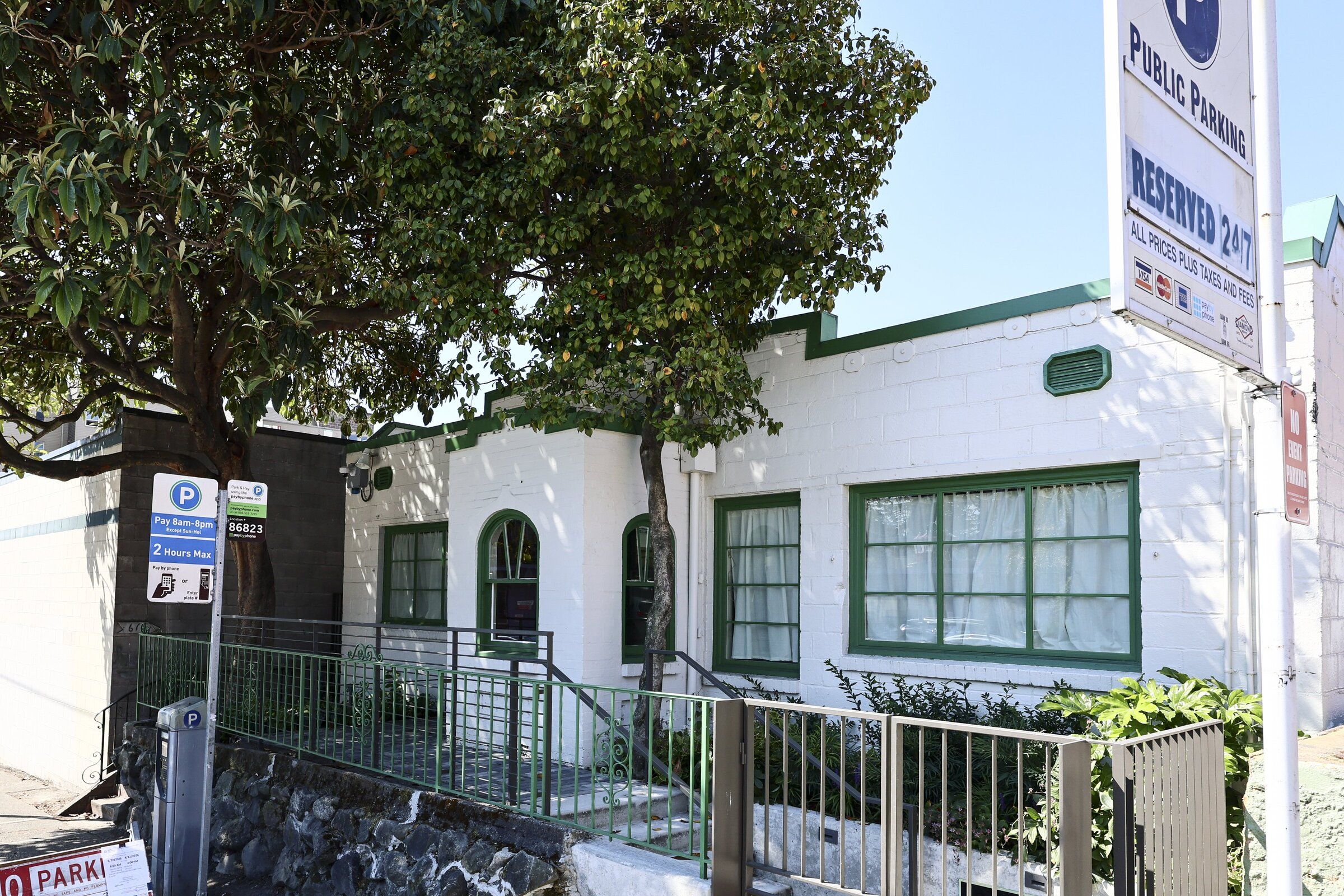
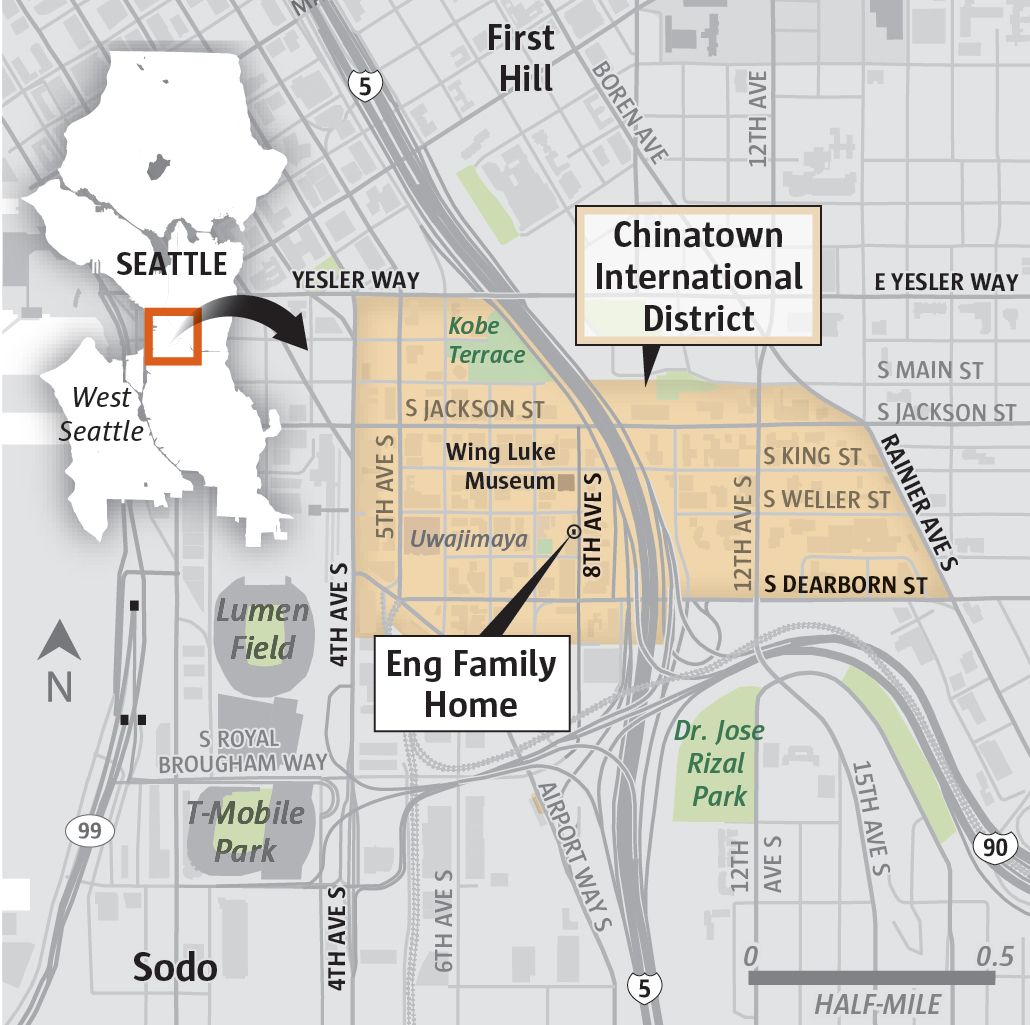
The house was built in 1937. It is a single-story building of about 170 square meters, with a partial basement—a rare surviving example of private family housing in a neighborhood that has changed significantly over the decades. In 2021, the Wing Luke Museum acquired it for $1.8 million through a partial sale and donation by the Eng family.
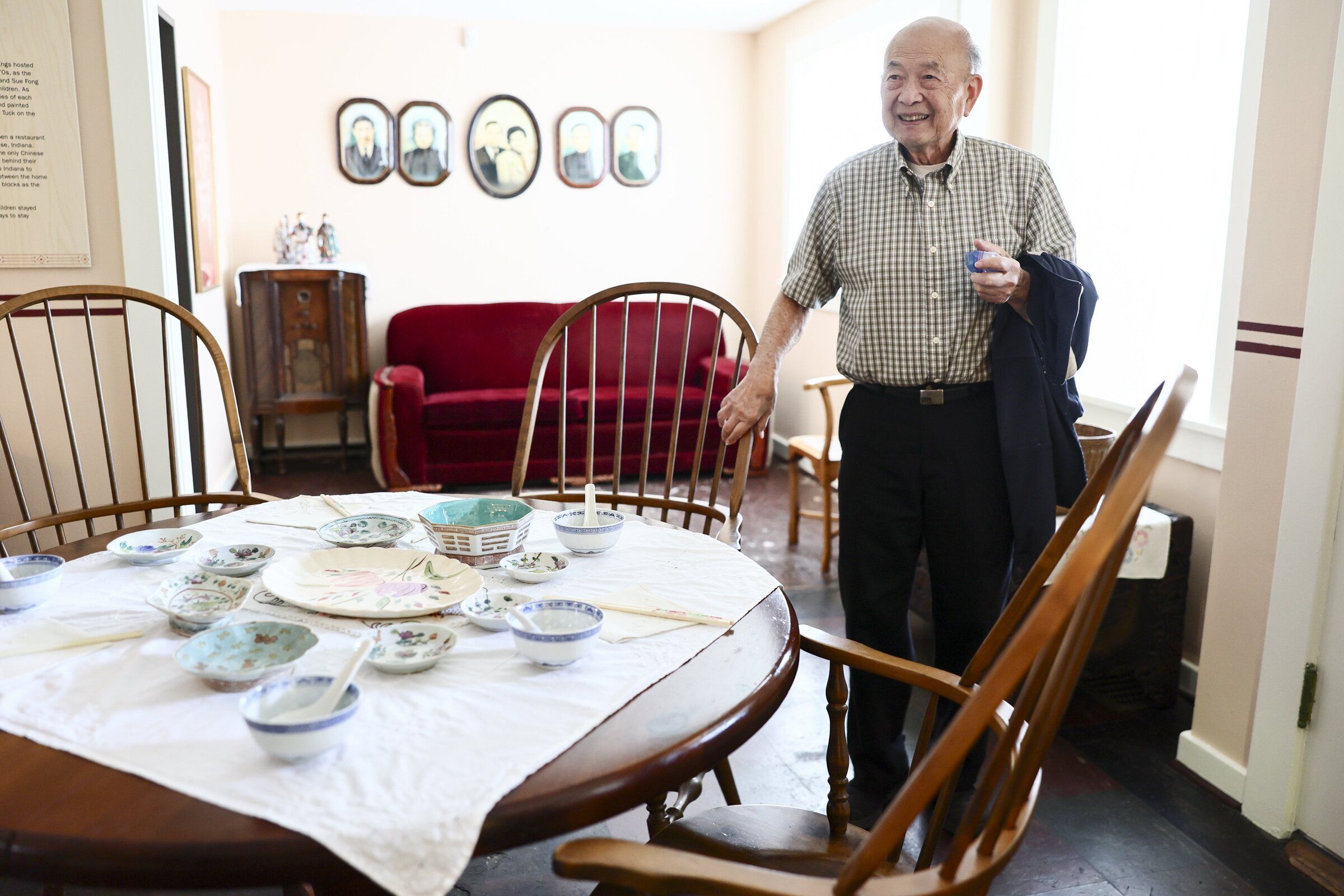
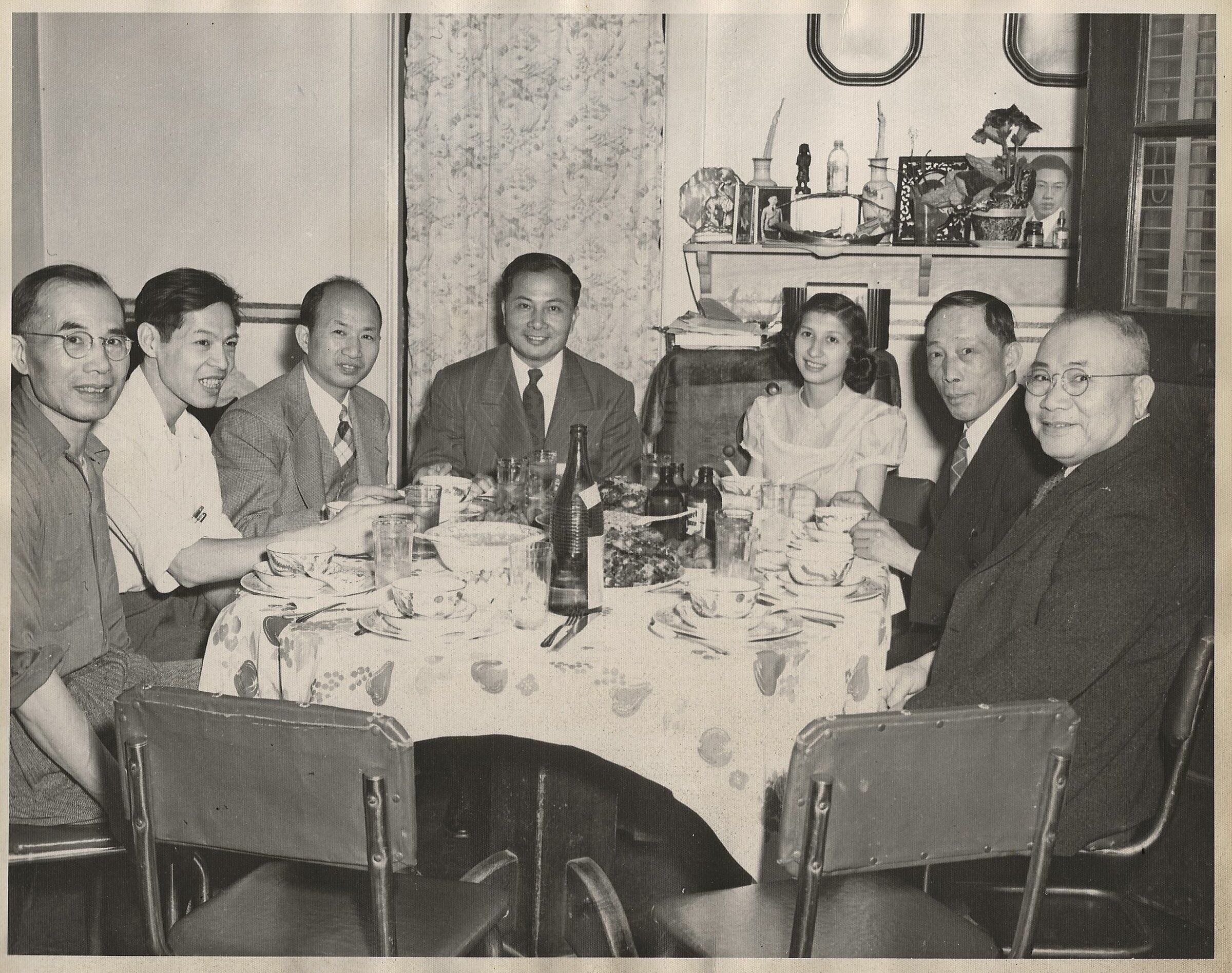
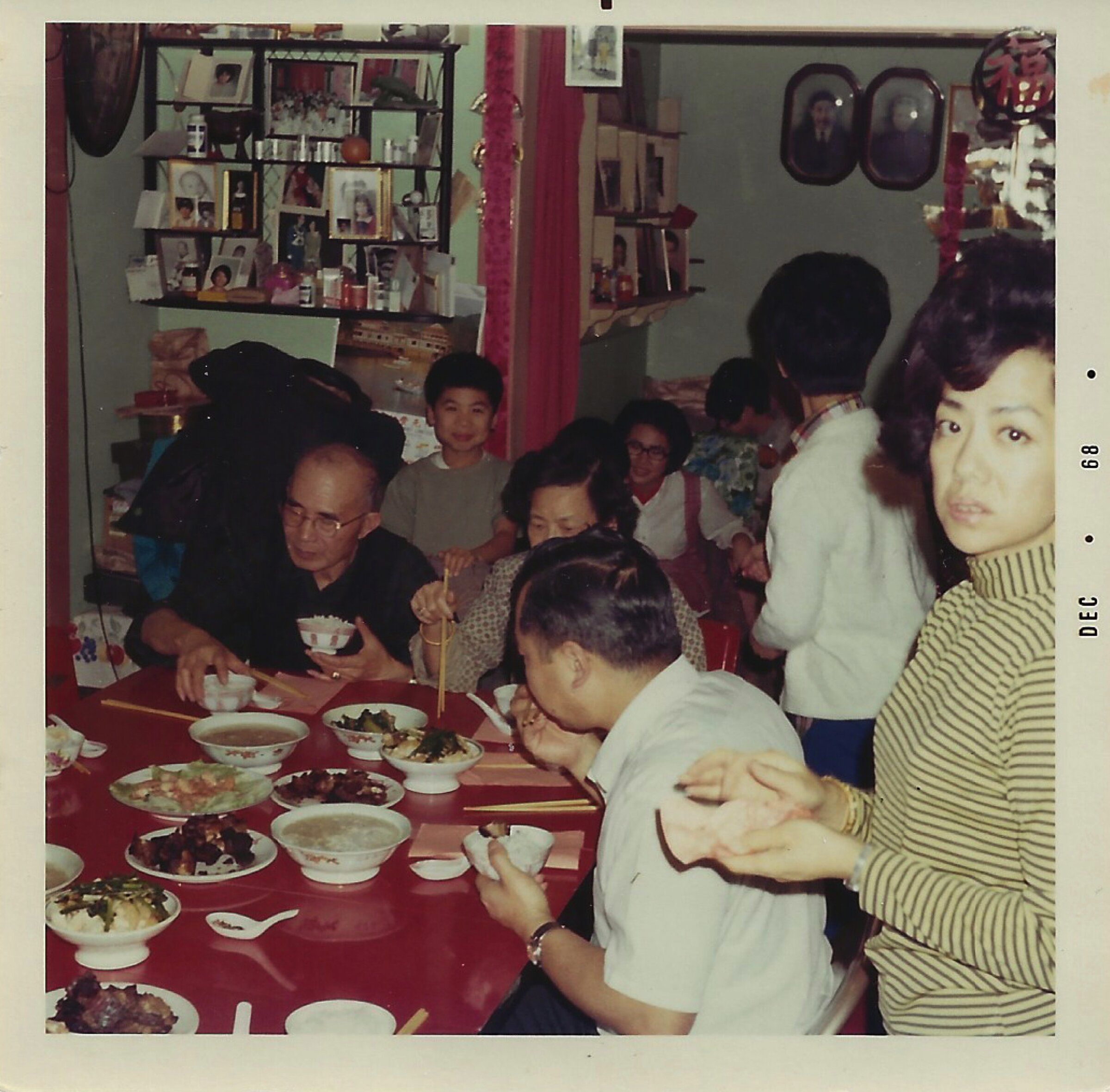
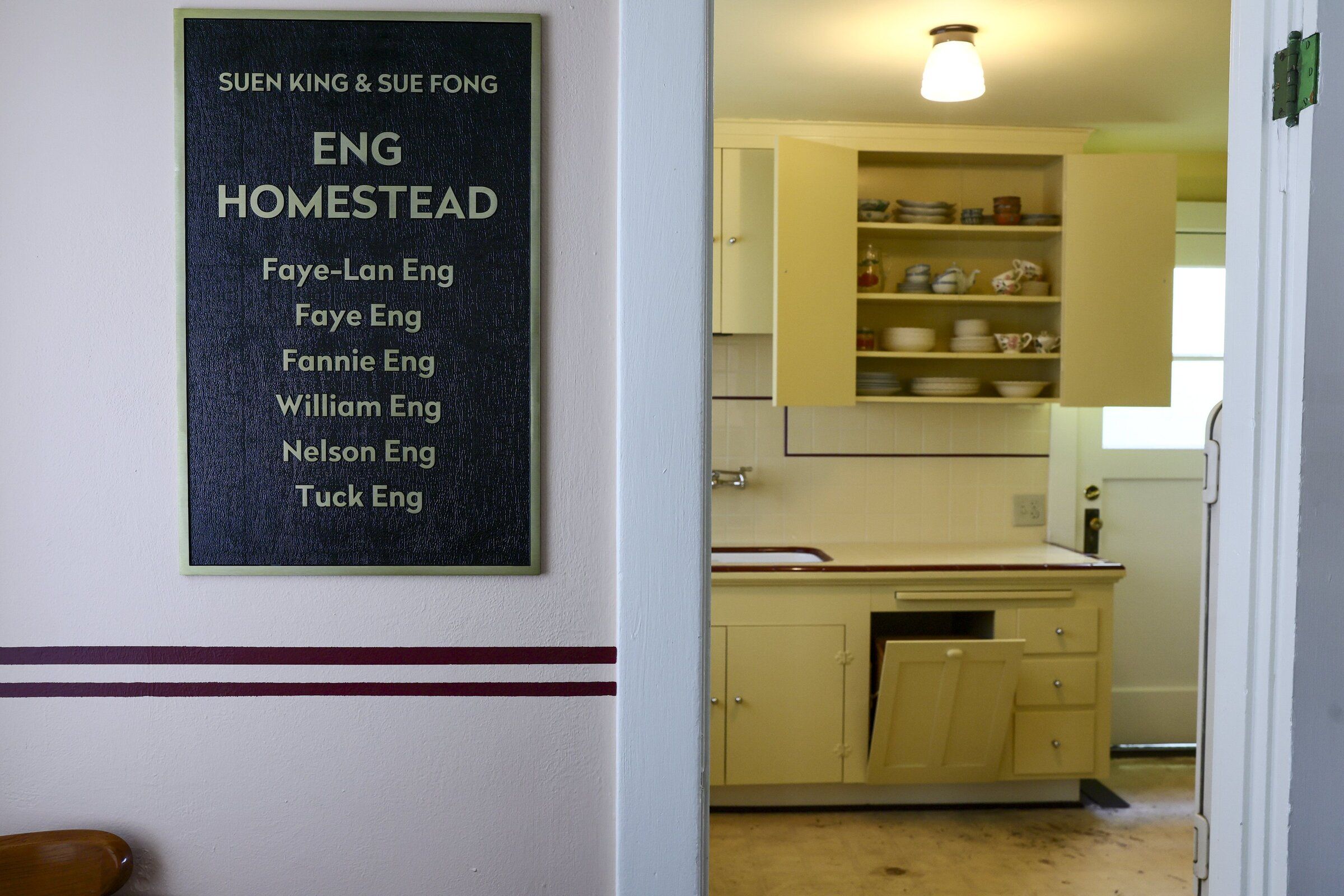
The museum restored the façade, fence, wooden windows and white paintwork, bringing them close to their original appearance. Inside, it preserved the atmosphere of the era: the walls were repainted, and the rooms were furnished with period pieces. The dining table is set with plates, soup spoons and chopsticks—a reminder of the large Sunday meals that brought together as many as 13 adults and 17 grandchildren in the 1970s.
The basement recreates the family business of growing mung bean sprouts. Visitors will see sacks of beans weighing about 45 kilograms, antique scales and large buckets. Guided tours of the house will begin on Oct. 29; reservations can be made through the Wing Luke Museum.
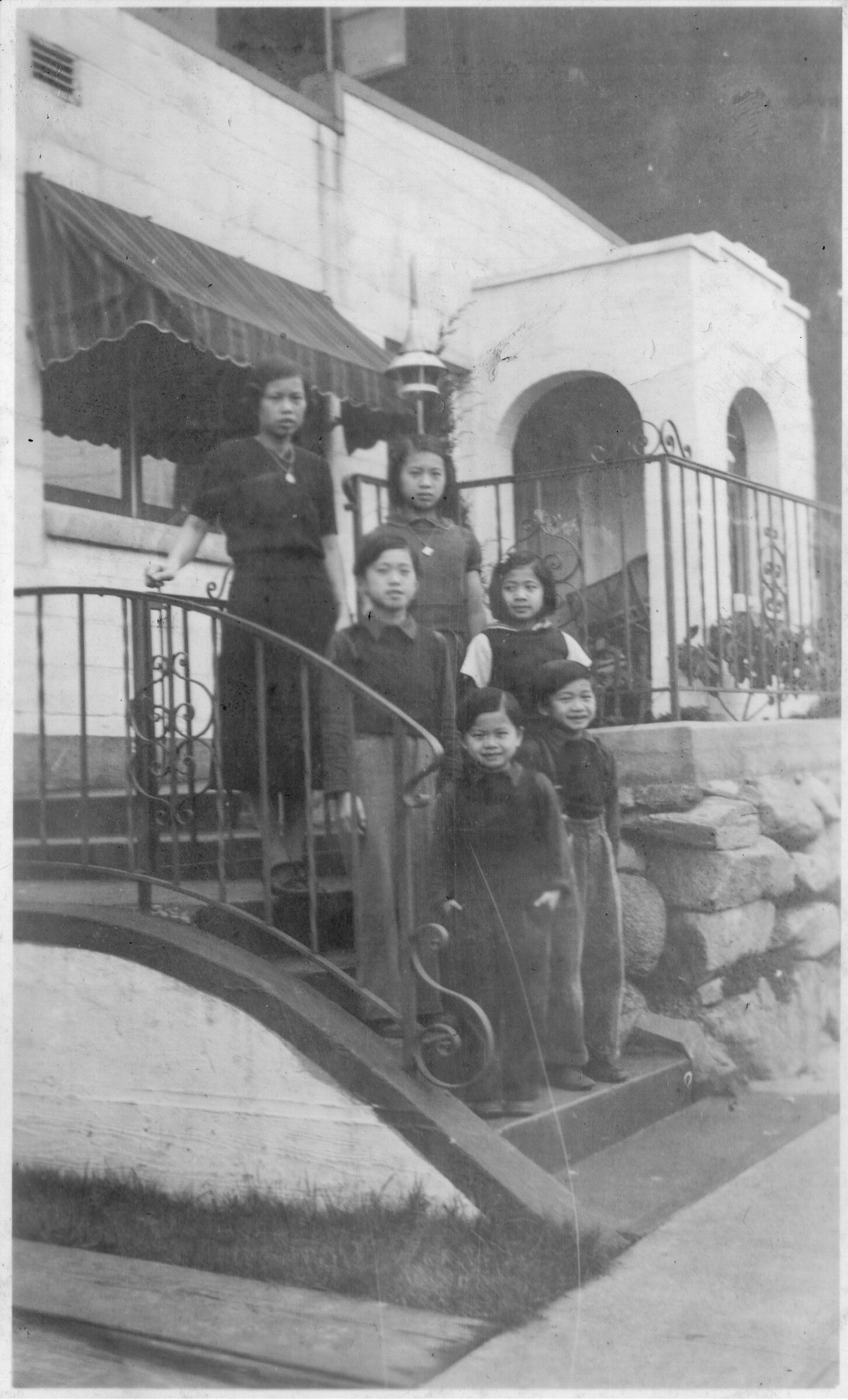
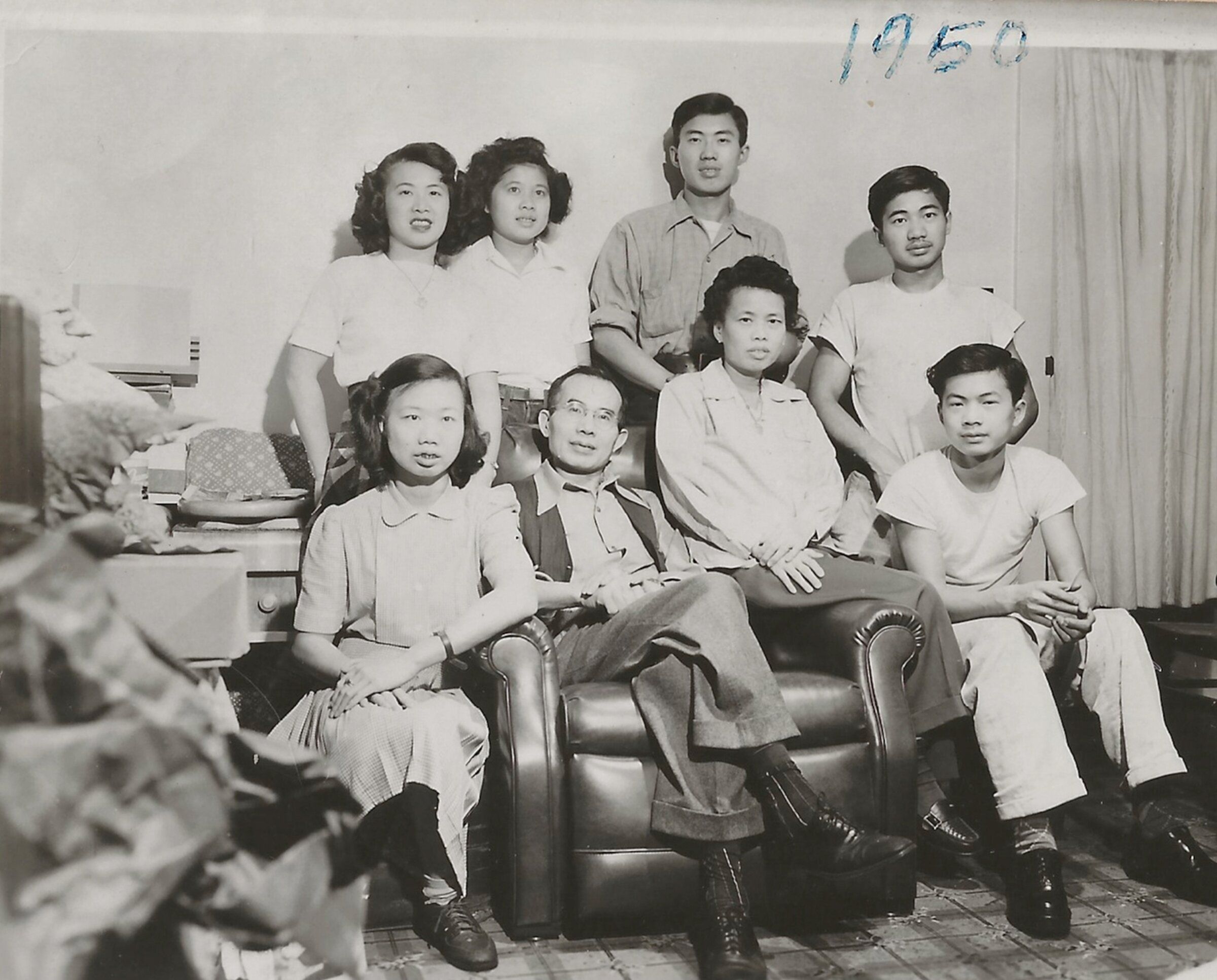
The family’s story reflects changes in the lives of Chinese communities in the United States. Suen King Eng arrived in Seattle from Guangdong province in 1921 and later brought over his wife, Sue Fong, and their children. At first, the family lived in a small apartment on Canton Alley, where several more children were born.
At the time, the Chinese community remained predominantly male. The Page Act of 1875 and the Chinese Exclusion Act of 1882 sharply restricted the entry of Chinese laborers—especially women and family members—and also barred Chinese immigrants from becoming naturalized citizens. These measures slowed the community’s growth, separated families for many years and created what was known as a “bachelor” demographic, making it difficult to establish stable families in Seattle.
During the Great Depression, the Engs had to be resourceful. Suen King learned to knit and opened a knitwear business, then worked with his wife to sell vegetables, seaweed and other products to restaurants in Chinatown. In 1936, he began building a permanent home, but changes to the city’s zoning regulations forced him to replace the original two-story design with a compact building made of hollow concrete blocks.
Sue Fong learned to grow mung bean sprouts and set up production in the basement, watering the sprouts three times a day. Later, the family also operated a restaurant, a laundry and a grocery store. Suen King helped his neighbors, and several generations of the Eng family continued to participate in neighborhood life—from cleaning the streets to raising money for the installation of the Chinatown Gate, which opened in 2008 at the southern entrance to the International District, at the intersection of South King Street and 7th Avenue South, near Hing Hay Park. The gate has become a prominent symbol of Chinese American heritage. It welcomes visitors, underscores the neighborhood’s cultural identity and serves as a landmark for festivals and other community events.
The International District is particularly vulnerable to redevelopment because immigrants and low-income residents have historically lived there and had less political and financial influence. Its proximity to downtown, transportation hubs and major infrastructure projects has made the land attractive to developers. Racism, limited access to credit and weak tenant protections have further facilitated the displacement of residents and small businesses.
In this context, the Wing Luke Museum seeks to preserve the history not only of Seattle’s Chinese American communities but also of other Asian American communities. It collects oral histories, photographs, documents and everyday objects from Chinese, Japanese, Filipino, Korean, Vietnamese and other residents of the region, and organizes exhibitions and educational programs. Its exhibits explore racism, immigration, labor and the struggle for civil rights, showing the contributions of various communities to the city’s development.
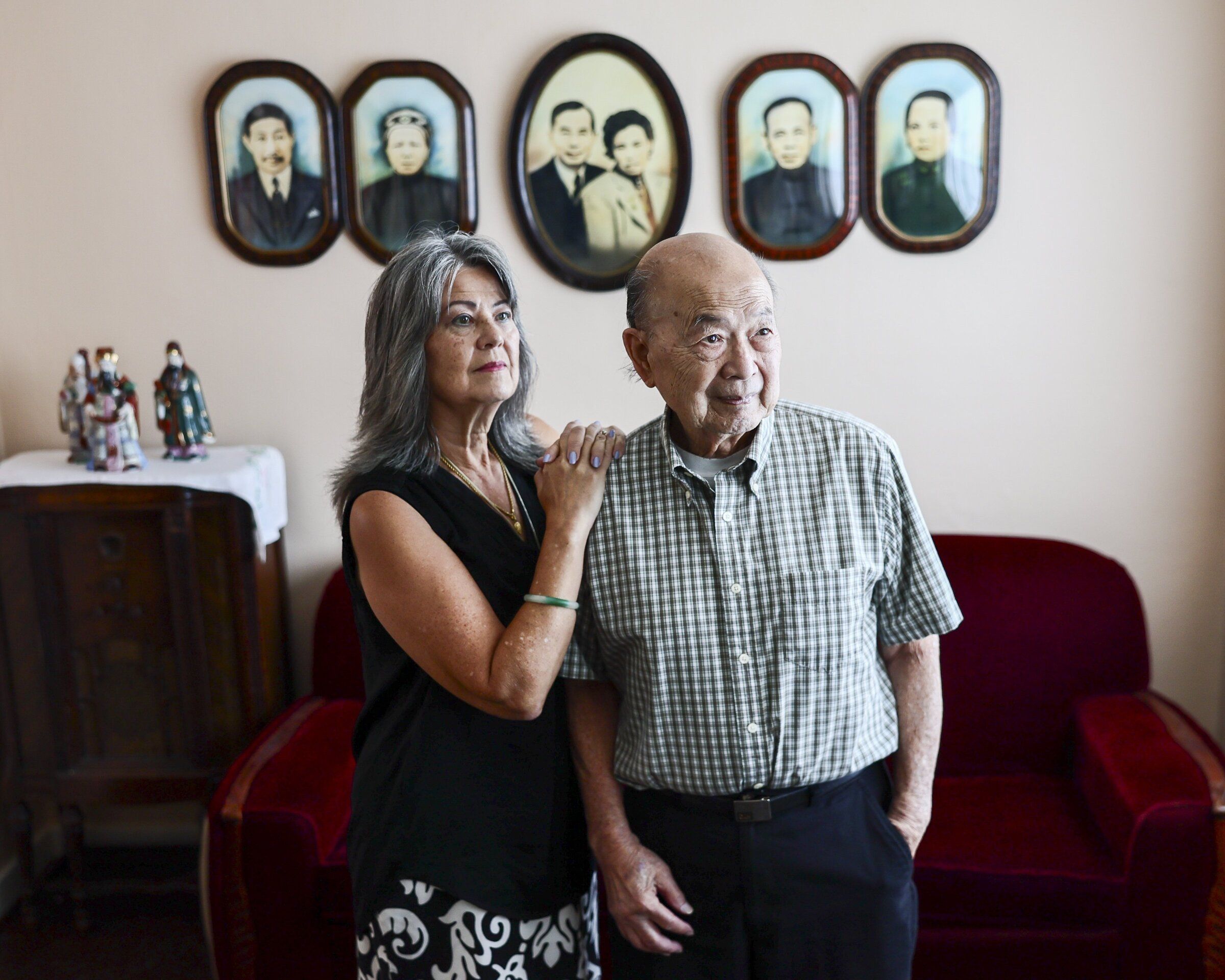
Today, the family spans six generations and gathers twice a year. Its members helped the museum prepare the exhibition and donated dishes, pots and clothing for display. Against the backdrop of redevelopment and the risk of displacement, the project is intended to preserve not only the house but also the memory of how the Chinese community built stability, supported its neighbors and maintained Chinatown’s cultural character.
Based on: Tour 1930s Seattle through a family’s preserved house