
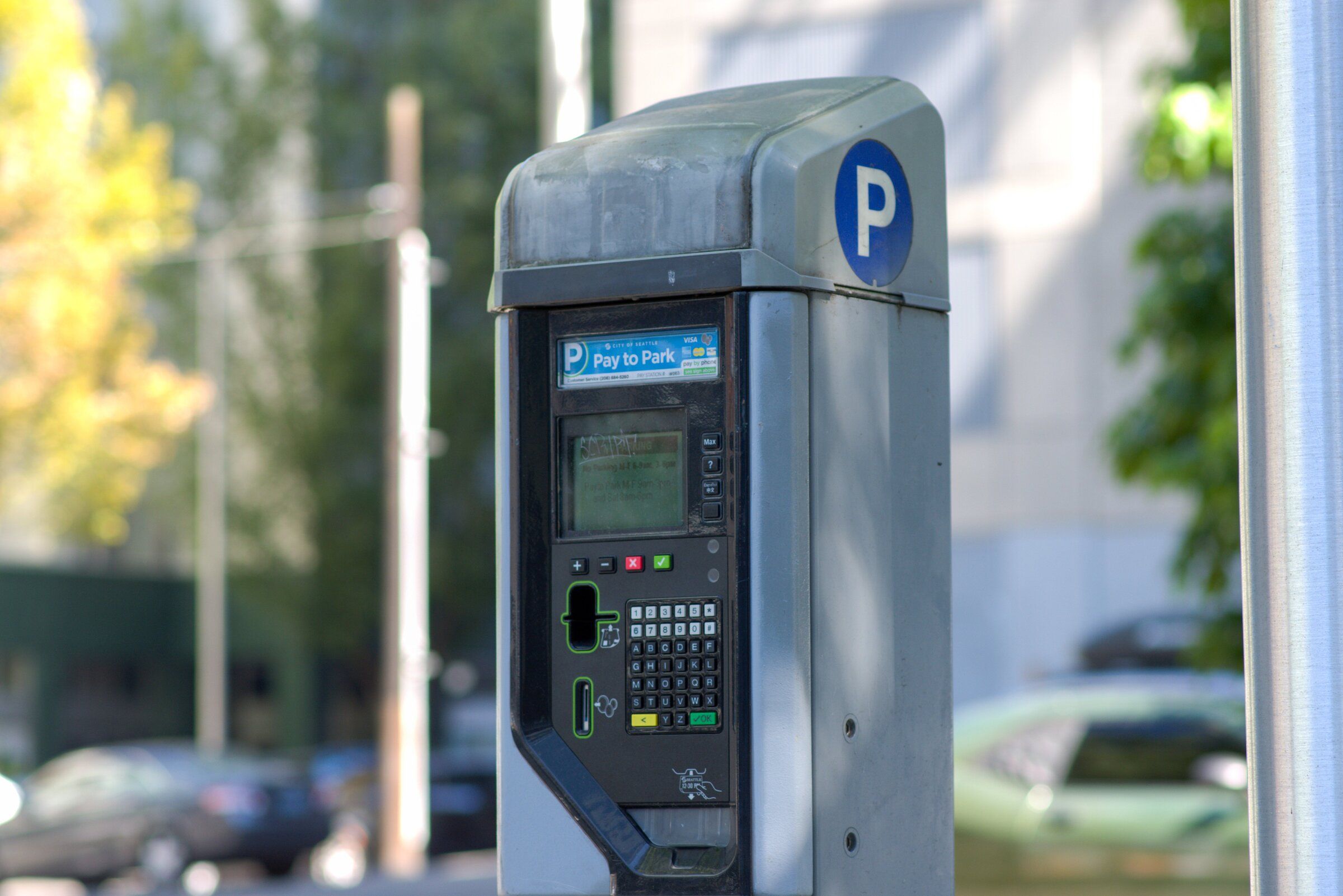
On Aug. 4, the Seattle City Council amended municipal rules to preserve the option of paying for parking with coins at all of the city’s more than 10,000 on-street parking spaces. The decision comes as many cities shift to digital payment methods and is intended to keep parking accessible to residents who do not have a smartphone, bank card or reliable internet access.
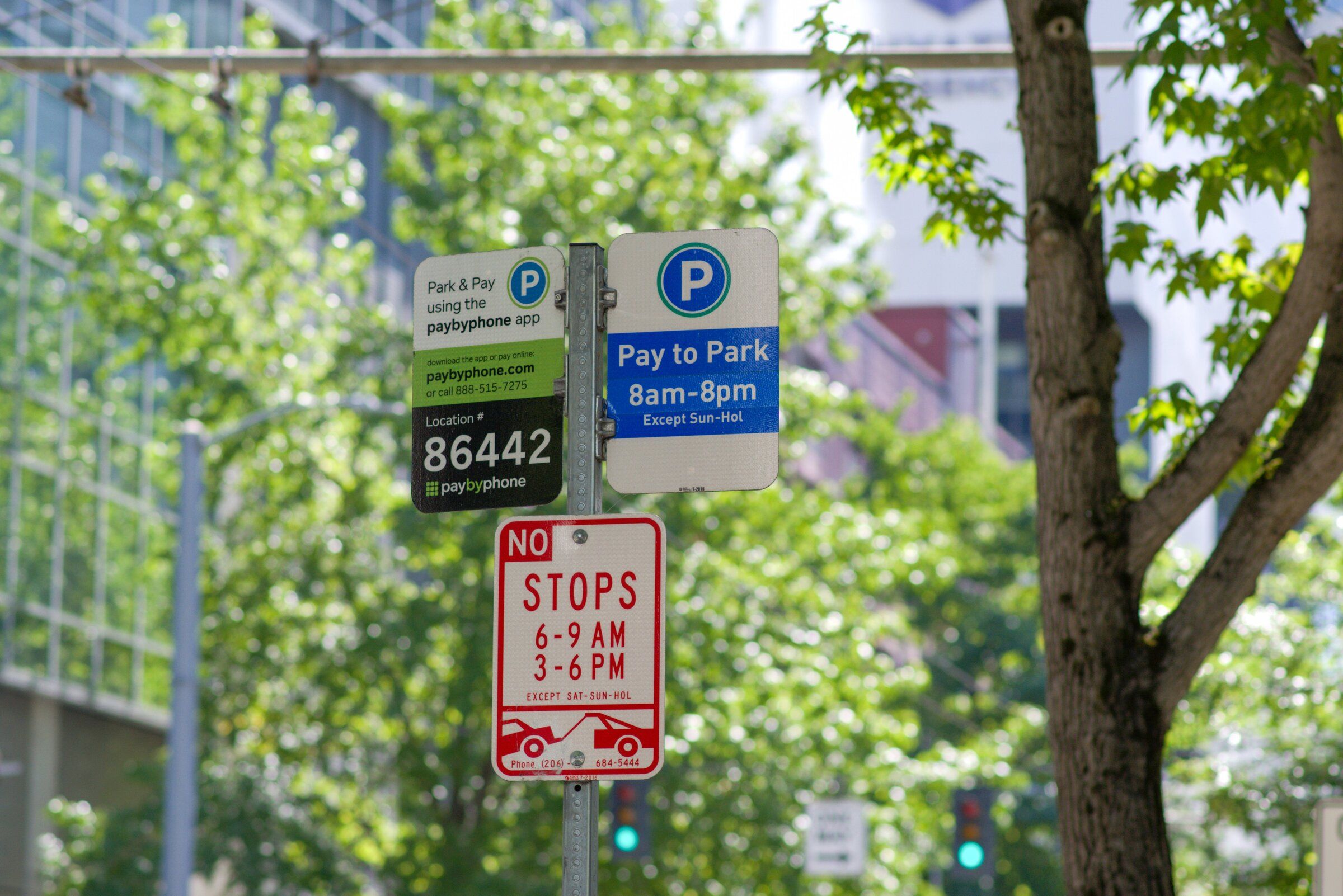
Only a small share of drivers use coins: about 80% pay for parking by phone, another 18% use bank cards, and cash accounts for just 1–2% of transactions. During the first half of this year, approximately 43,000 of Seattle’s roughly 4 million paid parking transactions were made with coins. This payment option is particularly important for people with low incomes, those without bank accounts, older residents and people who cannot or do not want to use mobile apps.
Councilmember Rob Saka, who proposed the amendment, called preserving coin payments an issue of equity. In his view, eliminating cash would make parking a service primarily available to people with modern phones and electronic payment methods.
At the same time, the city’s parking-meter revenue is declining: forecasts show a shortfall of about $5.9 million because of reduced demand after the pandemic and lower rates. In Covington, Kentucky, coins have also been retained; there, about 20% of parking revenue still comes through coin slots. Local officials note that cash payments are not subject to processing fees.
Other cities are taking the opposite approach. Vancouver, Canada, for example, disabled its coin slots in April and now accepts payment only by phone or bank card. Officials said the move was intended to simplify the system and reduce the cost of maintaining parking equipment. Residents complained, however, that parking had become more difficult for visitors and that digital payment sometimes required installing as many as six different apps.
Keeping coin payments available requires a separate system for collecting cash. The city’s Department of Finance and Administrative Services previously handled the task, but staffing shortages left it unable to keep up. Now, emptying the parking meters will be the responsibility of the SDOT team — the Seattle Department of Transportation, which already handles equipment maintenance.
Transferring the responsibility to SDOT should reduce the city’s reliance on outside contractors and give it greater control over collecting money, repairing and maintaining more than 10,000 meters. In the long term, this could improve the system’s reliability and reduce costs, but initially it will require spending on staff, transportation, equipment and the creation of an in-house operation. After collection, the coins will be stored in a secure location and then transferred to the Finance Department.
Based on: Seattle ensures coins can always be used to pay for on-street parking