
Starting November 1, 2026, eight speed cameras in four Federal Way school zones will operate around the clock: during the day, at night, on weekends and during school breaks. When school beacons are active, the speed limit will remain 20 mph. At other times, the cameras will record drivers exceeding the 35 mph limit posted on those roads. November will be a warning month for drivers caught speeding outside school hours; starting December 1, camera-recorded violations will carry civil fines of up to $290.
The change alters what the yellow flashing lights near schools—familiar to drivers for years—mean. Until now, the cameras were activated along with the beacons, during the brief periods when children were heading to school, returning home or going out for lunch. The lights will still indicate the stricter 20 mph limit, but the cameras themselves will no longer “go to sleep” at the end of the school day. City officials say the goal is to make dangerous stretches more predictable and reduce speeds not only during the hours when school buses are parked at the curb.
The change involves expanding the hours of operation for the existing network, not installing new devices. Cameras cover both directions of traffic on SW Campus Drive and 21st Avenue SW near TAF@Saghalie, on 1st Avenue South near Panther Lake Elementary, and on SW 320th Street near Twin Lakes Elementary. There are officially four zones, though they serve three school campuses: at Saghalie, the city monitors two roads that meet by the school.
For Federal Way, this is a continuation of a program launched back in 2008. The first school cameras near Twin Lakes and Saghalie went into operation in late 2009, and Panther Lake was added a year later. In the police department’s latest available annual report, for 2022, the eight camera locations recorded 15,827 violations during school-enforcement hours alone. The most citations that year were issued for southbound traffic on 1st Avenue South near Panther Lake and in both directions on SW 320th Street near Twin Lakes.
The city stresses that automated enforcement does not simply mean sending out a ticket. The system measures speed by calculating how long a vehicle takes to pass between induction loops embedded in the road. If a violation is suspected, it records a photo or video, which is then reviewed by a program employee. If no violation occurred, the recording must be deleted. If approved, a notice is sent to the vehicle’s registered owner; the system does not identify the driver from an image, since state law prohibits these cameras from photographing drivers’ or passengers’ faces.
The fines remain civil penalties, not criminal charges or ordinary traffic citations. They are not considered moving violations, do not go on a driving record and are not reported to insurers. Recipients may contest a citation or ask a court to reduce the fine. A 50% reduction is available to vehicle owners receiving certain types of public assistance or participating in the WIC program. Until December 1, the city says it will issue only warnings for speeding outside school hours. However, drivers caught going faster than 20 mph while school signals are active will be fined, with no transition period.
Federal Way’s decision is part of a broader shift in Washington state, where legislation now allows automated enforcement in school pedestrian zones, near parks and hospitals, and on roads with an elevated risk of crashes. Seattle is expected to install its first 24/7 cameras in 2027 at four locations on Rainier Avenue South, East Marginal Way South and Sand Point Way Northeast. The city plans to select specific blocks after analyzing speeds, crash rates and pedestrian conditions. For Federal Way, November will be a more modest but significant test of the same idea: a school street does not stop being a city street when the final bell rings, and vehicle speed remains a safety concern even when children are no longer visible in the headlights.
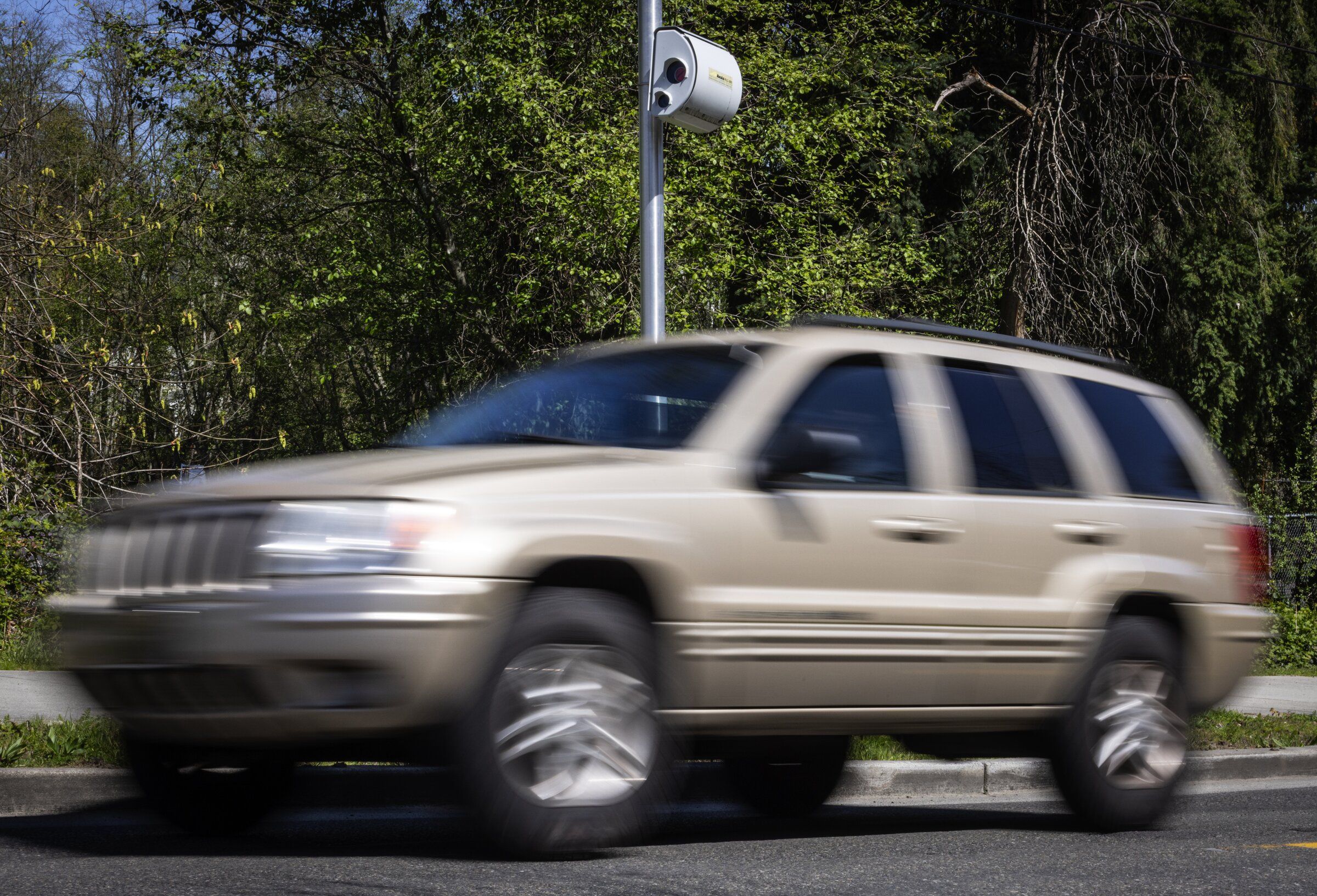


Based on: Speed cameras in Federal Way will run 24/7 in four school zones