
Minutes before the fatal takeoff from Paine Field Airport on October 1, the pilot of a small Glasair aircraft was inspecting and working on its engine. Shortly after receiving clearance from air traffic control, the plane crashed in a wooded area of the airport grounds. The only person aboard, 61-year-old Mark Stewart Richardson of Anchorage, was killed. Investigators must now determine whether the work on the engine before takeoff had any connection to the crash.
On the afternoon of Thursday, October 1, Paine Field continued at its usual double pace: commercial and private aircraft operate alongside scheduled passenger flights, while a massive Boeing assembly complex stands nearby. At about 2:48 p.m., the Glasair began its takeoff roll on the main runway, received clearance to take off and almost immediately went down among the trees about 750 feet west of the runway. The plane caught fire on impact; airport firefighters quickly extinguished the blaze, aided by crews from Mukilteo and South County Fire.
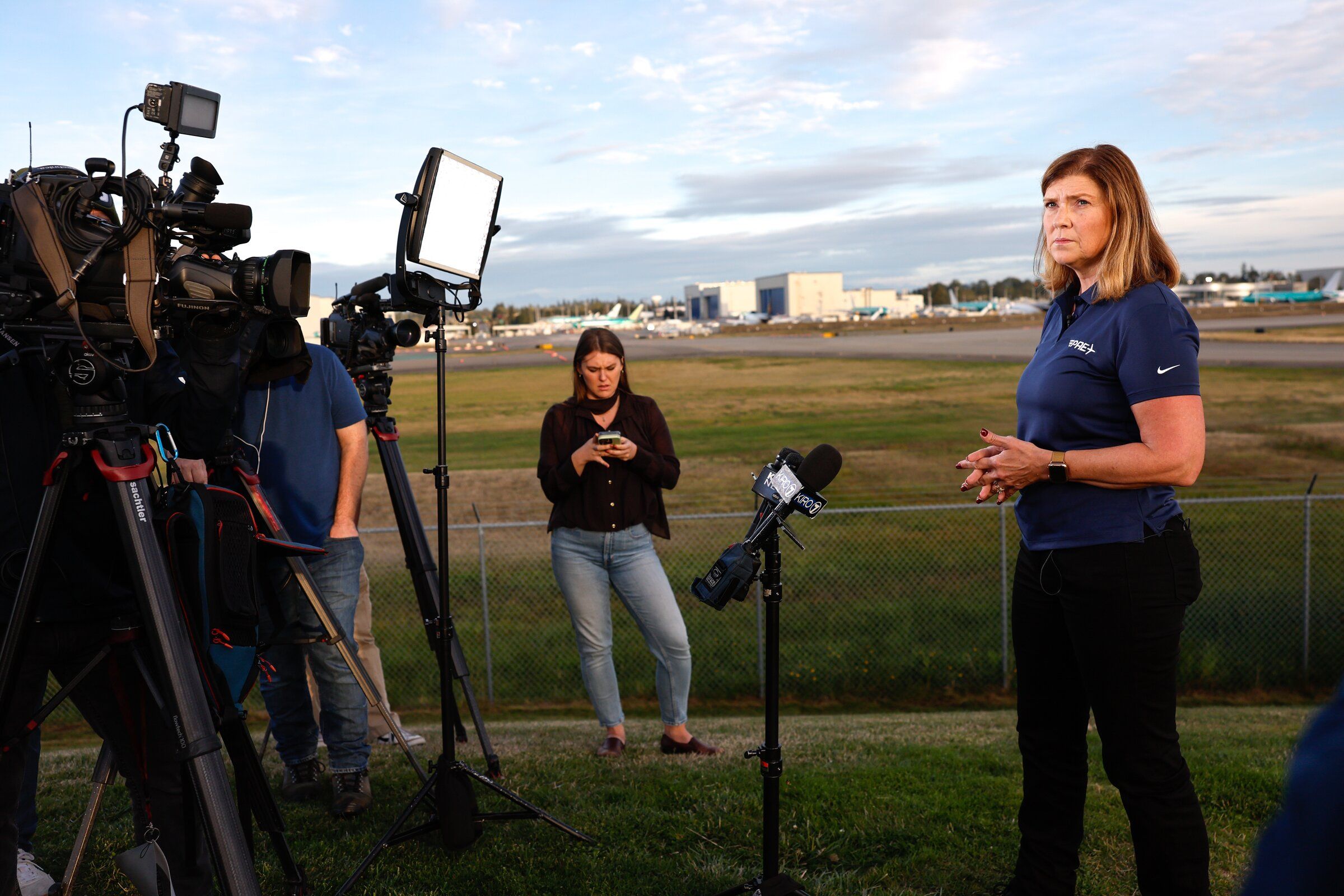
Emergency crews initially searched the area to rule out a second victim. But soon afterward, Paine Field spokesperson Christine Banfield said the pilot was the only person aboard. The main runway was closed for about an hour; one arriving flight was diverted to Seattle-Tacoma International Airport, and several departures were delayed. Fatal crashes are exceptionally rare at an airport where minor incidents involving private aircraft are not unusual: Banfield said there had been no similar cases there in six to eight years.
The pilot was Mark “Woody” Richardson, an experienced aviator and business owner from Anchorage. His family and colleagues described a man for whom flying was more than a means of transportation or a profession. Richardson was one of the former owners of Alaska’s Grant Aviation, a company whose small planes connect the state’s remote communities with cities, carrying passengers and cargo and providing essential services to places often inaccessible by road. The company expressed its condolences and declined further comment out of respect for the family.
The Glasair belongs to a class of aircraft especially familiar in the Pacific Northwest: high-performance planes, many of them built by their owners from kits. In U.S. aviation, the word “experimental” does not mean an unreliable homemade aircraft: these planes are subject to mandatory inspections, and their pilots must hold the same certificates as those who fly factory-built light aircraft. But their high speed after leaving the runway leaves especially little time to respond to any unexpected problem.
Against this backdrop, reports that Richardson had worked on the engine before takeoff carry particular weight—and call for caution. Neither the airport nor federal authorities have said that the engine failed or that the work performed caused the crash. In the first weeks of the investigation, the National Transportation Safety Board is examining communications with air traffic control, radar data, weather conditions, maintenance records, the pilot’s qualifications and recent flights, witness accounts, video and the plane’s wreckage.
The NTSB’s preliminary report is expected to set out facts established in the early stages of the investigation, but the answer to the central question will take much longer. A final report identifying the probable cause of a crash like this typically takes one to two years. For Richardson’s family and for pilots accustomed to relying on precision, discipline and attention to detail for safety in general aviation, that will be a long wait for an explanation of what happened in the first moments after takeoff.


Based on: Pilot worked on engine before fatal small-plane crash at Paine Field Airport