
A poll showing that supporters of banning transgender girls from girls’ school sports had the edge proved to be a sign of a broader shift: after the November 3 vote, Initiative 638 had received about 56.6 percent of the vote in preliminary results. The law bars students it defines as biological males from competing on girls’ teams and in girls’ individual events in grades K–12, and requires female athletes to obtain confirmation of their biological sex from a medical professional. If the results are certified without change, the measure will take effect on December 3—but it will almost certainly begin its next chapter in court.
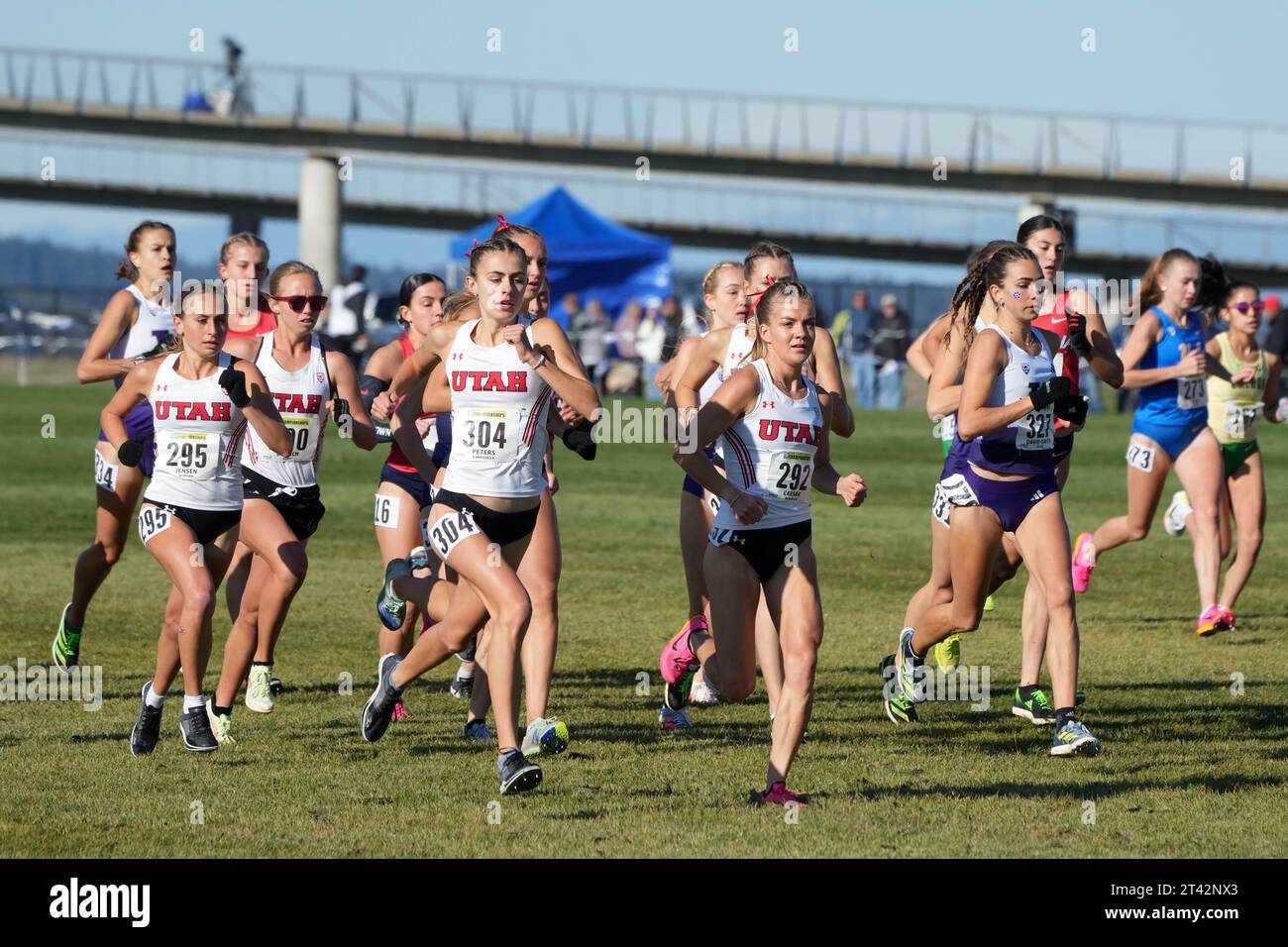
In autumn photographs from the cross-country course at Chambers Creek Regional Park in University Place, it is easy to see an ordinary scene from school sports: a runner, wet grass, parents by the fence, a few minutes of effort that can mean more to a teenager than to any adult watching. This seemingly simple world of school sports has become the setting for one of the state of Washington’s most contentious public debates this year.
Initiative 638, officially filed as IL26-638, was backed by the political committee Let’s Go Washington, which is associated with entrepreneur Brian Heywood. Supporters gathered more than 444,000 signatures to send the measure to the legislature. Lawmakers could have passed it unchanged, proposed an alternative, or taken no action; they chose the latter, sending the question to voters on November 3, 2026.
Until now, state policy had been based on a different principle. The Washington Office of Superintendent of Public Instruction told schools that students—including transgender and nonbinary students—should be able to participate in sports in accordance with their gender identity. This policy stemmed from the state’s longstanding nondiscrimination laws and was applied alongside the rules of the Washington Interscholastic Activities Association, or WIAA. Previous efforts to change the rule within the association itself had not won enough support.
The new initiative directs school districts and nonprofit organizations that govern interscholastic competitions to bar biological males from events designated exclusively for girls. A participant on such a team would need a document from a medical professional confirming her biological sex based on reproductive anatomy, genetic traits, or a normal level of naturally produced testosterone. The confirmation must be no more than 24 months old.
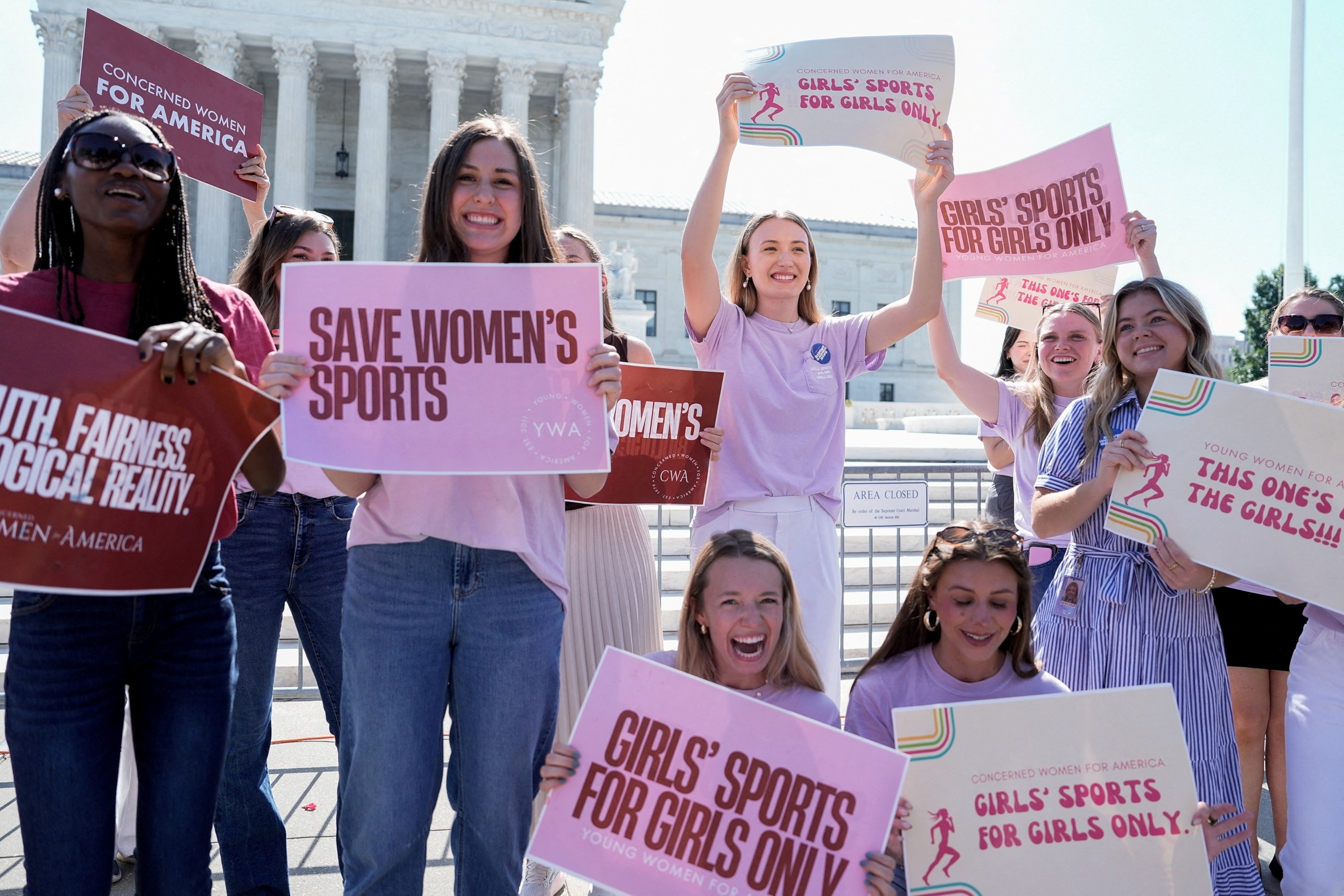
Supporters said the measure was about fairness in girls’ sports and preserving athletic opportunities for girls. Their argument centered on physical advantages they believe transgender athletes may have after male puberty. Critics countered that the initiative affects a very small number of children while creating a new medical and bureaucratic hurdle for every schoolgirl who wants to join a team or compete on the track.
The question of exactly how schools would enforce the requirement proved especially contentious. A routine sports physical is not the same as genetic testing, hormone analysis, or an anatomical examination, and the initiative does not set out a uniform process, cost, or source of payment for such procedures. Opponents also fear that not only transgender students but cisgender and intersex girls whose appearance or medical history does not fit conventional ideas about sex could come under suspicion.
The initiative’s political victory does not resolve the legal conflict. State officials have previously emphasized that Washington’s protections against discrimination based on gender identity remain in force, and Superintendent Chris Reykdal warned that the measure would likely face a legal challenge if adopted. In the coming weeks, school districts, doctors, the WIAA, and families will have to grapple not only with the letter of the new law but also with its effects on the very children for whom sports often begin not with big politics, but with the desire to run alongside their friends.
Based on: WA Initiative 638 on trans girls and K-12 sports leads, but gap shrinks slightly