
In recent weeks, the slogan “I Am Jane Doe” has become a nationwide call for women to end sexual and gender-based violence. The latest outrage was prompted by a lawsuit against Cornell University and other defendants. A woman using the pseudonym Jane Doe alleges that in 2024, seven members of the Chi Phi fraternity raped her after, she says, someone slipped a drug into her drink. The accused deny that it happened, but the case has once again raised questions about how elite institutions protect survivors and why men so often avoid accountability.
The Cornell case reflects a broader systemic problem. In Washington state, a service member was found guilty of recording a sexual assault against an unconscious woman, while two other military personnel pleaded guilty to the assault itself. A University of Washington student has also filed a lawsuit alleging that the university failed to protect her from being raped by a fraternity member who had previously been flagged for inappropriate sexual behavior. Meanwhile, everyday misogyny extends far beyond closed male communities: comedian Shane Gillis sparked controversy with a joke about women who supposedly dress “like prostitutes” at the gym.
The author emphasizes that Donald Trump’s administration has shown contempt for women—journalists, service members and officials alike—while simultaneously cutting funding for services supporting survivors of violence. Funds under the federal Victims of Crime Act, known as VOCA, come primarily from fines and restitution paid by offenders, rather than from ordinary tax revenues. In Washington, they are distributed by the state’s Office of Crime Victims Advocacy through grants to organizations that provide crisis assistance, legal support, interpretation services, shelter, and support for survivors of domestic and sexual violence.
According to a report by the state’s Women’s Commission, federal funding under the program fell from $75 million in 2018 to $18 million in 2024. When federal revenues decline, grants are reduced as well, particularly affecting the small local nonprofits that depend on them. Seattle-based New Beginnings expects funding for one of its programs to be cut by 75%, forcing the organization to reduce its staff and operating hours. Such services often help people who struggle to obtain support through traditional institutions, including immigrants, people with limited English proficiency and those who are not ready to contact the police.
In Seattle, long-term assistance is also provided by New Beginnings, API Chaya, Northwest Network, and city and county victim-support services. They may offer safe housing, counseling, help with documents and interpretation, assistance accessing medical and social services, and legal consultations without requiring a report to the police. Depending on their circumstances, immigrants may qualify for special protections, including a U visa for victims of certain crimes, a T visa for survivors of human trafficking, and protection under the Violence Against Women Act, or VAWA. Requirements for these programs vary, so survivors are advised to consult qualified immigration attorneys.
Protective court orders can be another tool—for example, a no-contact order or a domestic-violence protection order. In some cases, they can be obtained without criminal charges being filed. Transgender people and members of communities of color can turn to organizations serving LGBTQ+ people and specific ethnic and cultural groups, where language, culture and safety concerns are taken into account. At the same time, the availability of services depends on funding, and it is important to clarify an organization’s confidentiality and data-sharing policies in advance.
Particular risks remain for immigrants, communities of color, transgender and gender-diverse people: abusers may use threats of deportation or loss of access to children as a means of control. Cuts to assistance deepen this vulnerability and deprive survivors of safe ways to seek support.
Seattle City Councilmember Alexis Mercedes Rinck, who has herself experienced violence, said survivors are too often made to feel that no one will believe them and that their pain does not matter. She supported an initiative to allocate $8 million for multiyear assistance to survivors of violence. However, according to Rinck and Amarintia Torres of the Coalition Ending Gender-Based Violence, change is impossible without men’s involvement. Men must challenge norms that justify domination and violence and understand that the patriarchal system limits not only women but also men’s own humanity.
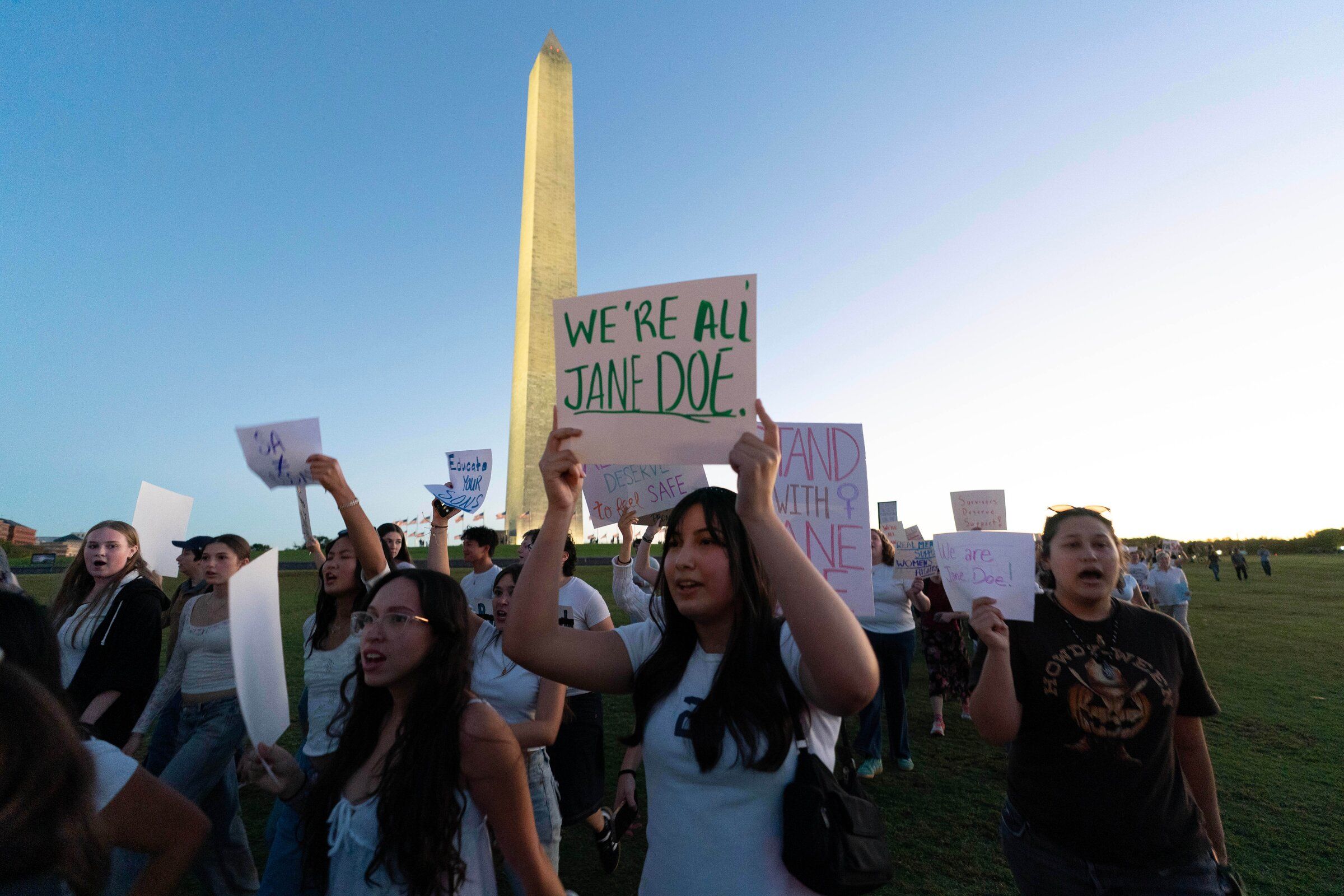
Based on: From Cornell to SNL to Trump, we face misogyny that must change