
After recent fires in the Spokane area destroyed hundreds of structures, the threat of more dangerous weather events may seem especially frightening. However, experts emphasize that regardless of where you live, science-based measures can significantly improve the likelihood that a home will survive. Examples from Lahaina, Hawaii, and Whitman County show that even in areas that have burned completely, individual buildings can survive—and it is not always simply a matter of luck.
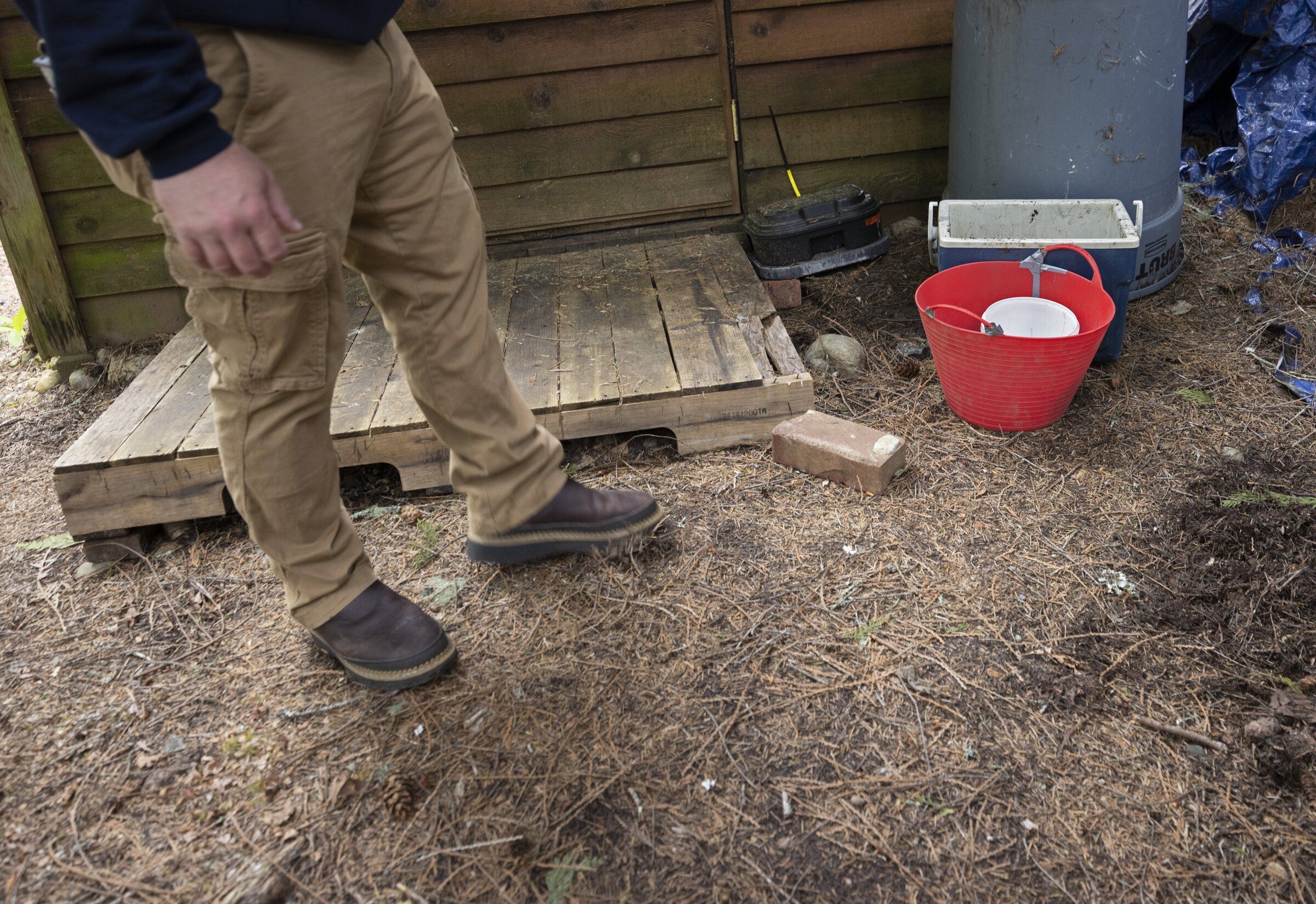
Preparation should begin by creating defensible space—areas around the home where the amount of combustible material is reduced. The simplest and most effective steps can be taken within the first five feet, or about 1.5 meters. Remove mulch, dry plants, firewood, debris, leaves from gutters, wooden furniture and cardboard boxes from decks. Ventilation openings and gaps should be covered with protective screens. These measures are particularly important because about 90% of homes damaged in wildfires are ignited not by the fire front itself, but by embers traveling ahead of the fire, which winds can carry significant distances.
Within 30 feet, or about nine meters, create a more carefully maintained zone: Prune branches, separate shrubs and trees, remove vegetation beneath trees, mow the lawn and maintain it regularly. In the broader zone extending to 100 feet, or approximately 30 meters, trees and shrubs should be thinned, dead wood removed and access for firefighters maintained. Trees around the home should be spaced apart so that fire cannot easily spread from one to another. Outbuildings and propane tanks should also be cleared of dry vegetation and other combustible materials.
More extensive preparation includes removing plants and wooden fences that touch exterior walls, using fire-resistant roofing and siding materials, and carefully sealing doors and windows. Exact clearance requirements depend on local regulations. Fire districts, county governments and Washington state environmental agencies may require the removal of hazardous vegetation, establish additional standards for areas at high risk of wildfire and require access for emergency services.
The main principle of preparation is simple: A home is less likely to ignite if there is no fuel nearby. This is demonstrated by the Insurance Institute for Business & Home Safety: During a continuous ember exposure, a home with wood siding and mulch around it caught fire, while a building with safer surroundings remained undamaged.
Washington homeowners can contact the Department of Natural Resources, which provides wildfire-risk maps, risk-assessment tools and recommendations for creating defensible space. DNR resources and initiatives, including Firewise programs, help identify the most vulnerable areas, manage vegetation effectively and improve a home’s fire resistance. In some areas, local fire districts offer on-site assessments and consultations, often in partnership with the department.
Based on: How to protect your home from a wildfire