
In December 2006, a powerful storm left more than a million people in western Washington without electricity. As the outage dragged on, Tracy Record, her husband Patrick Sand and their 10-year-old son drove around West Seattle, searching for repair crews and answers to neighbors’ questions. The experience transformed Record’s personal blog into the West Seattle Blog—a full-fledged neighborhood news outlet that has spent nearly 20 years covering emergencies, schools, transportation, events and local community life.
Seattle’s strong neighborhood identities are largely rooted in the city’s history and geography. It developed as a collection of separate settlements and neighborhoods, many of which have retained their own commercial centers, communities and traditions. Bays, hills, bridges and other bodies of water further reinforce the sense of separation. As a result, residents of Capitol Hill, Ballard, West Seattle and Fremont pay particularly close attention to what happens near their homes: route changes, development, schools, public safety and local events.
Hyperlocal websites have become especially important as traditional newspapers have declined. According to Northwestern University, nearly 3,500 newspapers have disappeared in the United States over the past two decades, while more than two additional publications close each week. Neighborhood media such as Capitol Hill Seattle, My Ballard, Wallyhood, West Seattle Blog and the recently launched Fremont Neighbor cover events that major city publications often mention only briefly, while explaining how government decisions affect residents’ daily lives. Some outlets, including Eastlake News, The Facts and International Examiner, have been operating even longer and now publish both online and in print.
These projects often become sources of verified information in place of Facebook groups and other social networks, where rumors and toxic comments can spread. Their work can also prompt action by public officials: West Seattle Blog reports about surveillance cameras secretly installed on telephone poles led to public meetings, after which the cameras were never activated and were later removed. Most neighborhood newsrooms consist of just one or two people, so reader reports, photographs, tips, volunteer work and donations are essential.
Neighborhood journalism is especially important for communities whose concerns are often overlooked by major media outlets. South Seattle Emerald covers politics, education, culture and the arts in southern Seattle and King County, giving a voice to residents who trust familiar local journalists.
News outlets are exploring various funding models, from advertising and subscriptions to nonprofit donations. One potential solution under discussion is a city fund to support local media, modeled on Seattle’s Democracy Voucher program. Under that program, registered voters receive vouchers worth a total of $100 and may direct them to participating candidates in city elections. For neighborhood media, a similar model could mean giving each resident small vouchers that could be directed to one or more eligible publications.
Such a system would require transparent eligibility criteria, a ban on funding partisan advertising and independent government oversight of the distribution of funds without interference in editorial policy. Despite financial challenges, editors believe neighborhood news is essential: it documents community life, gives underrepresented groups a voice and helps people better understand what is happening close to home.
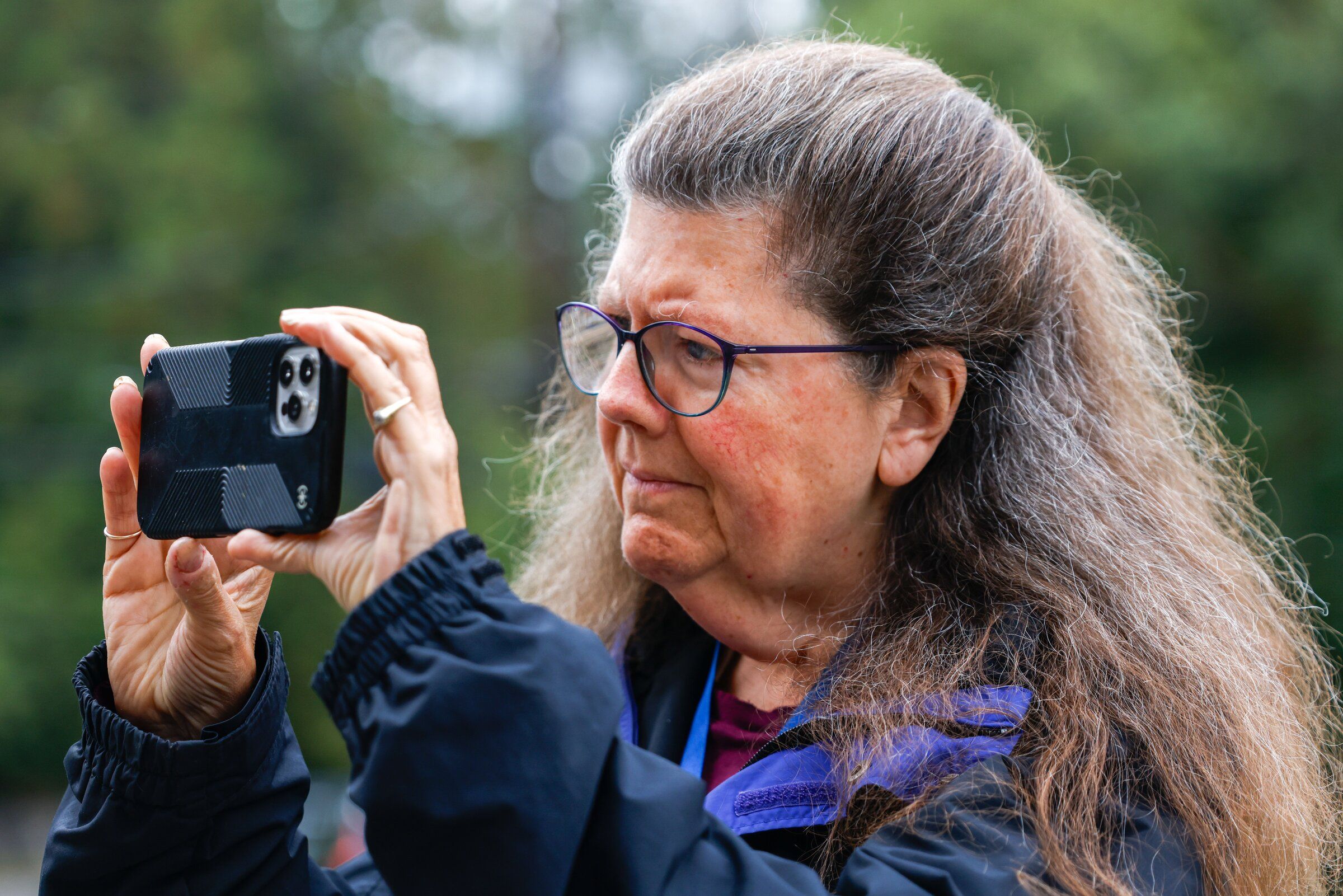
Based on: Seattle’s community news blogs cover neighborhood quirks and nuances