
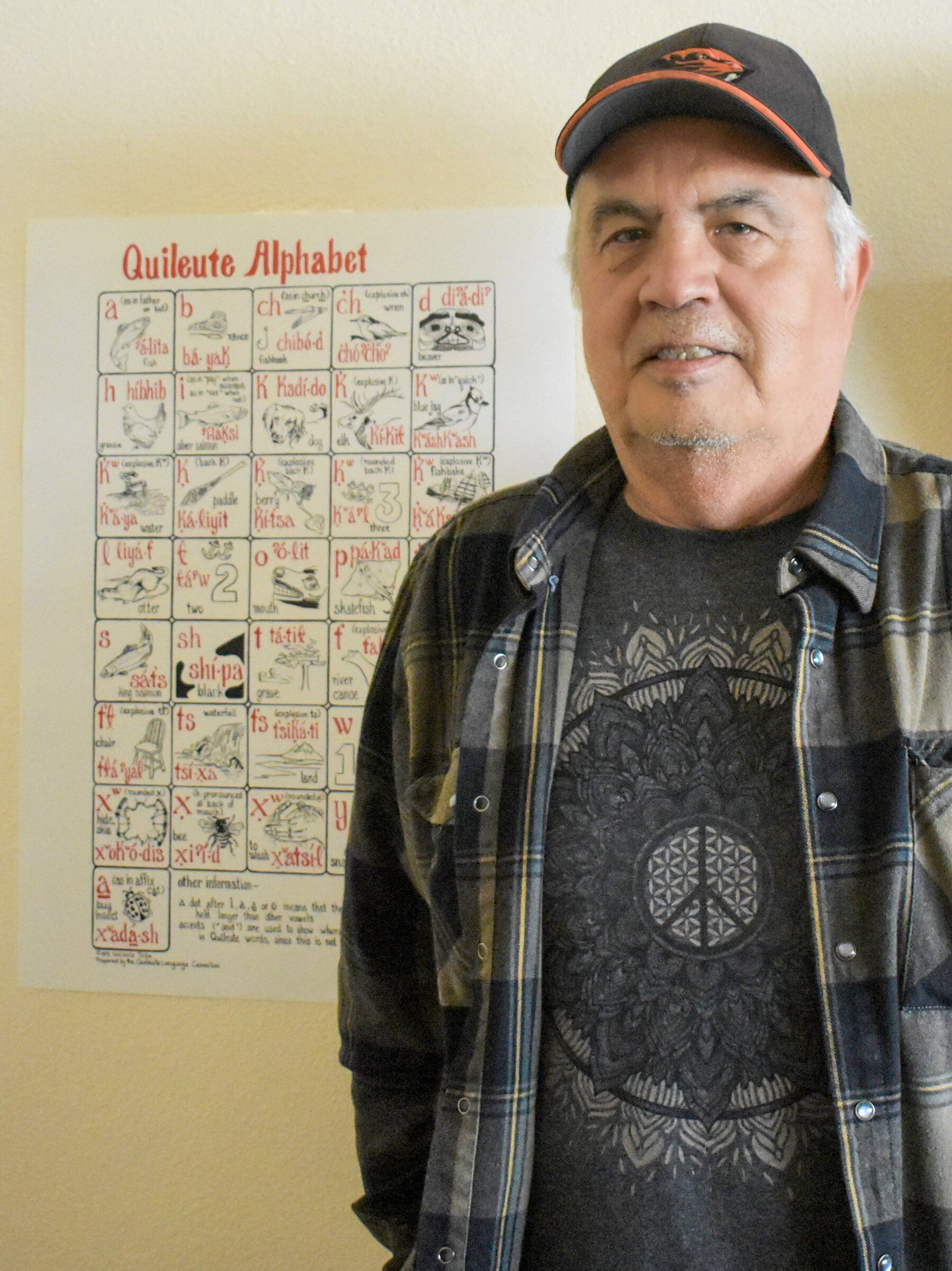
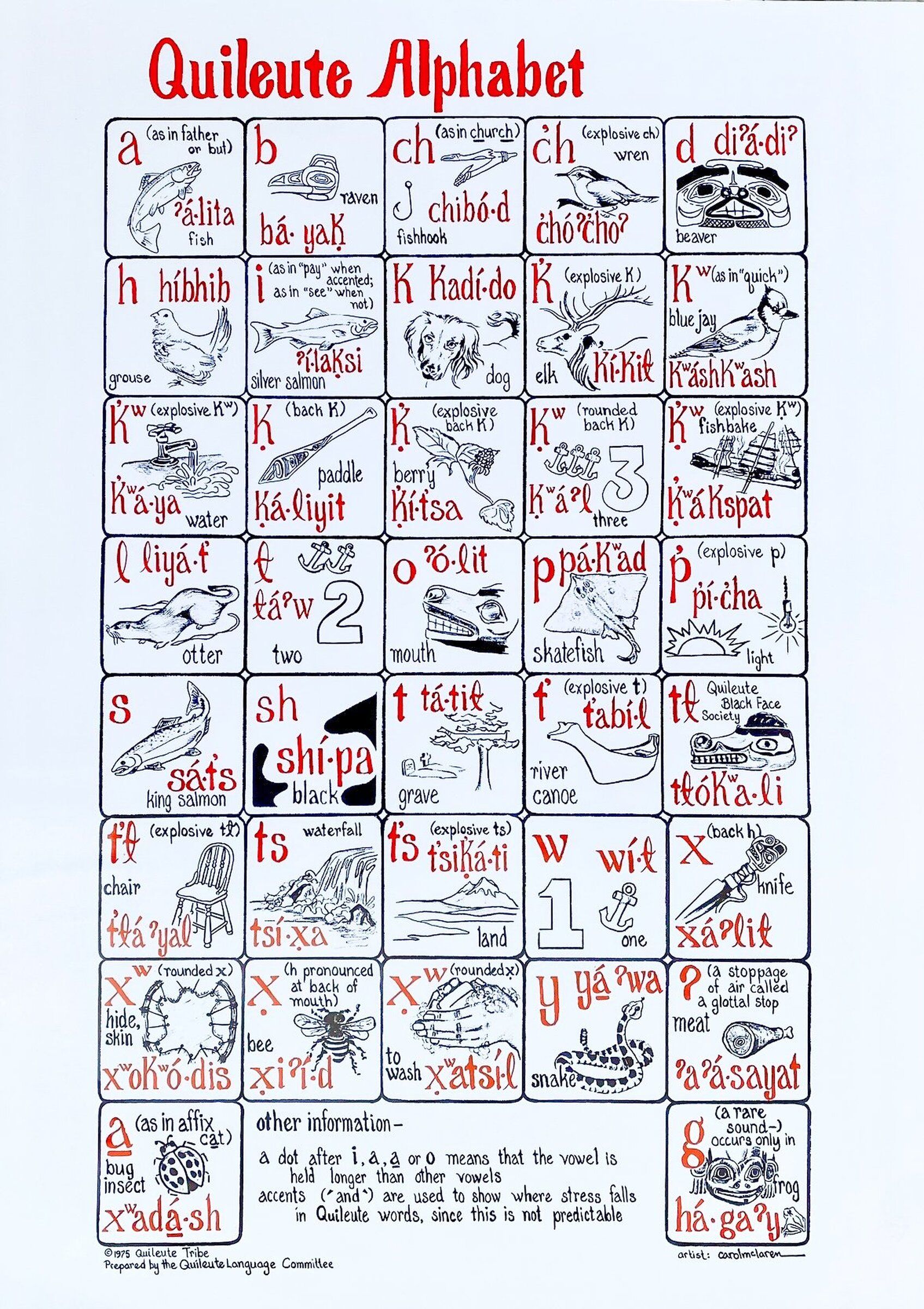
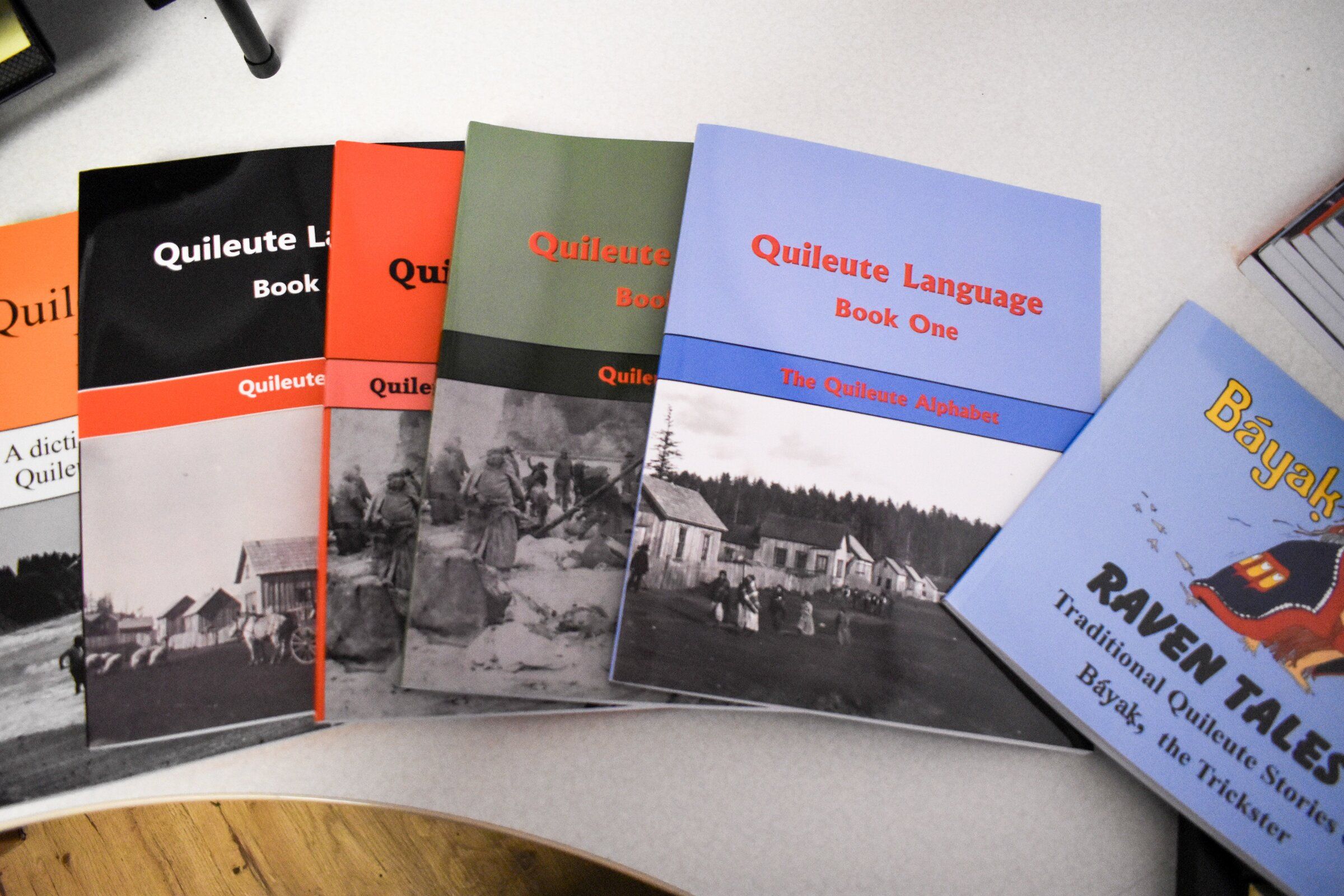
For some, the Quileute language is considered extinct, but James Jaime, the Quileute Tribe’s cultural director, says it is merely “sleeping.” On the western coast of the Olympic Peninsula, a small team is working to revive it by updating a dictionary of about 4,000 words, preparing educational materials and compiling audio recordings of translations.
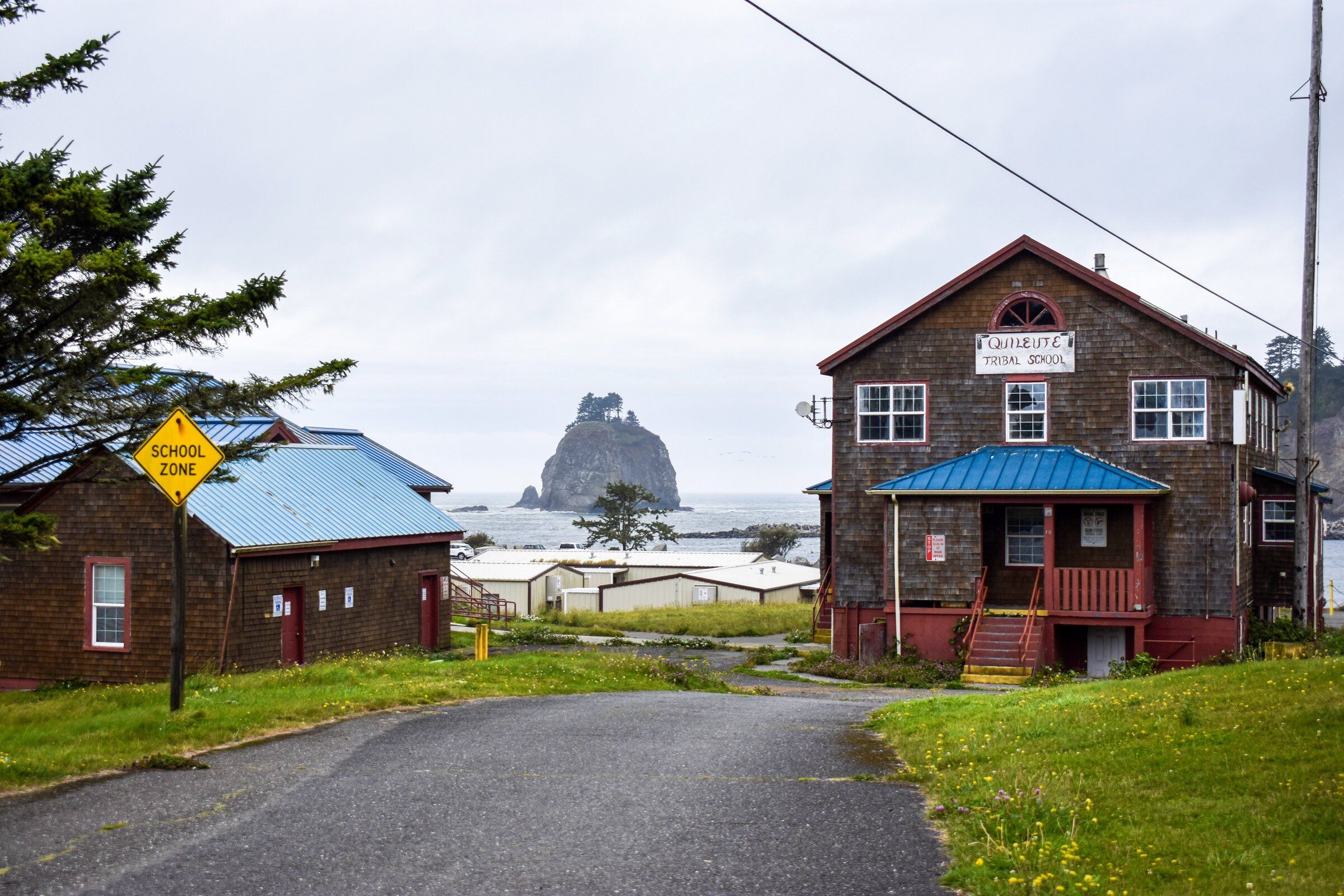
The center of this work is the La Push reservation — the Quileute people’s primary homeland on the Pacific coast, where the tribe’s government, community life and cultural events are concentrated. Nearby Forks provides access to schools, health care, stores and jobs. In the future, language classes are planned both within the community and in schools and other institutions in Forks, expanding the circle of language learners while preserving the tribe’s control over the program’s content and cultural context.
The work is supported by Tribal Cultural Affairs, a program of the Washington State Arts Commission, ArtsWA. It was created in 2023 with $1.7 million in funding. In the current grant cycle, all 29 federally recognized tribes in the state received a total of $551,000, or about $19,000 each.
Federal recognition means that the U.S. government officially considers a tribe a sovereign Indigenous nation and acknowledges its distinct political relationship with the federal government. This status allows tribes to apply for federal grants, enter into agreements on the joint management of land and cultural sites, and seek support for language programs. It also strengthens their ability to protect sacred places, traditions and intellectual property, although obtaining funding is typically tied to complex applications and competition.
The money supports a wide range of projects: weaving classes, books about traditional plants, museum planning, language courses, ceremonies and the development of cultural spaces. The Tulalip Tribes are using their grant for a Lushootseed language-learning app; the Yakama Nation is using its funding for a youth camp; and the Muckleshoot Tribe is working with a Seattle arts center to present canoes and other cultural works.
Such partnerships allow urban audiences to encounter Muckleshoot art, stories and contemporary perspectives directly through the work of tribal representatives, rather than only through outside interpretations. The arts center provides a venue, technical support and access to a broad public. At the same time, the collaboration requires attention to tribal protocols, questions of authorship and compensation, as well as the risk of simplifying or commercializing the culture and losing control over how traditional knowledge is represented.
The grants help not only preserve languages but also restore connections to history and identity that were lost or suppressed in the past. The Quileute Tribe has about 850 members, but almost no one in La Push speaks the Native language fluently. After the region was colonized, children in boarding schools were punished for speaking Indigenous languages, while English gradually became the language of education and the economy. The last known fluent Quileute speaker died in 2014.
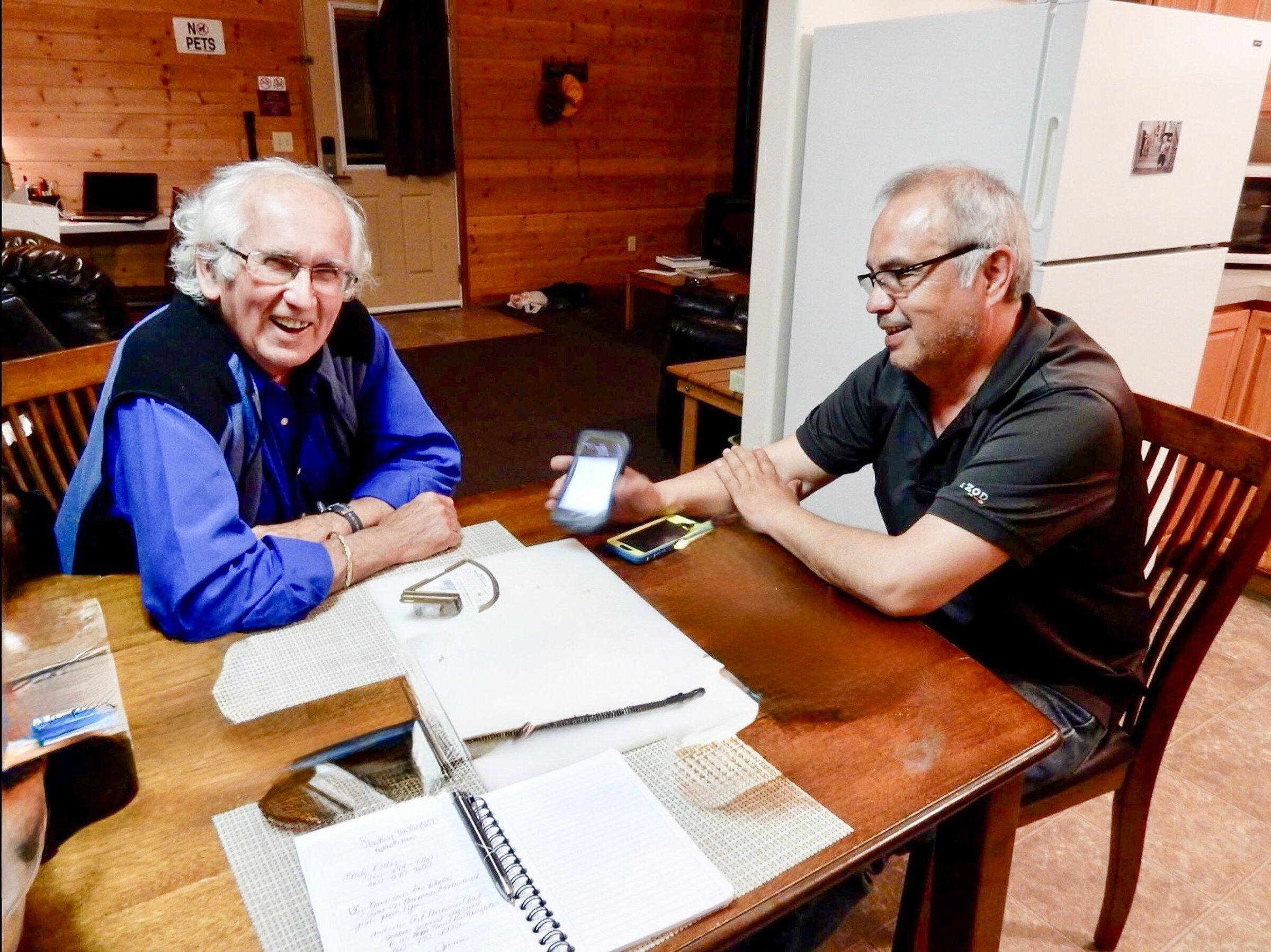
Jaime’s team, together with linguists Jay Powell and Vicki Jensen, is preparing a third edition of the dictionary — in print and digital formats, with thousands of audio translations. An interactive map is also being created with about 220 traditional place names from the Olympic Peninsula. In the future, the tribe wants to develop a curriculum, train teachers and introduce language classes in schools on the reservation and in neighboring Forks.
ArtsWA hopes to make the program a permanent part of its budget and expand it through a five-year plan. Future initiatives include a directory of Native artists, workshops, an apprenticeship program and a map of cultural sites across the state. Jaime hopes to continue working on the dictionary, create a digital archive and open a cultural center, but his own program risks closing next June without a new source of funding. Despite this, he believes the materials they have created will outlive their authors and help future generations reclaim the language and a sense of wholeness.
Based on: WA tribes get boost from state arts and culture grant program