
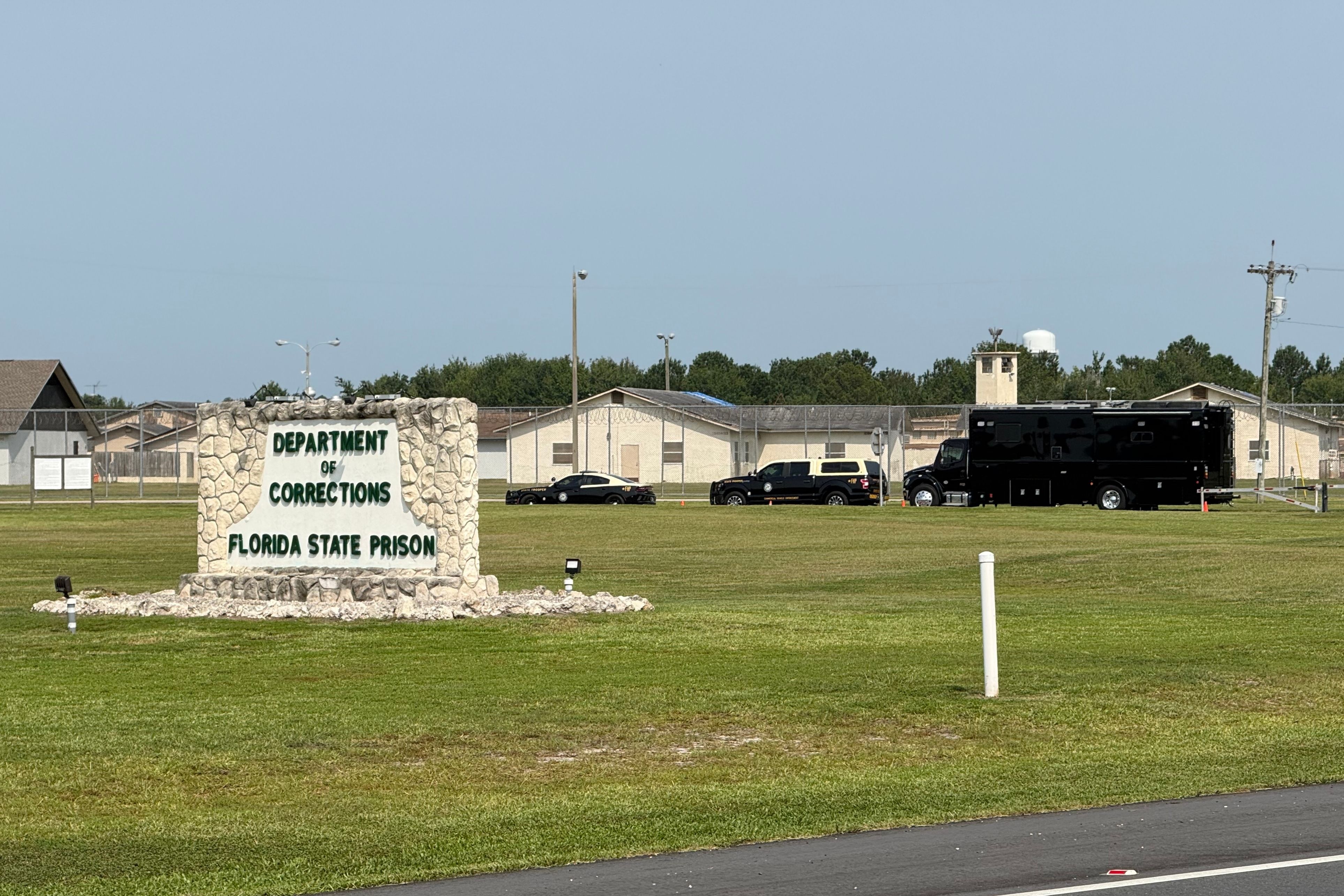
Florida carried out the death sentence of 77-year-old William Reeves, who was convicted of killing sheriff’s deputy Richard Rachkoski in 1986. The execution took place Tuesday at the state prison near Starke using a three-drug lethal injection. Reeves declined to make a final statement and was officially pronounced dead at 6:12 p.m.
Rachkoski responded to a call at a store in Vero Beach. During a conversation with Reeves, a handgun fell from Reeves’ clothing, after which the two men struggled over the weapon. According to investigators, Reeves gained control of the gun and shot the officer four times as he tried to flee. The victim died from his wounds that same day.
Reeves was sentenced to death in 1987, but after the original sentence was overturned because of a prosecutor’s conflict of interest, he was found guilty again and sentenced to execution in 1992.
Reeves’ attorneys asked that the execution be halted, citing aspects of the lethal-injection protocol and the fact that jurors had not been told that the U.S. Department of Veterans Affairs had recognized Reeves as 100% disabled because of post-traumatic stress disorder following his service in Vietnam. Such a rating means the department determined that the illness was entirely connected to military service and severe enough to qualify for the maximum veterans’ compensation. However, it primarily concerns benefits and ability to work and does not by itself mean legal insanity or an inability to stand trial. To be exempted from the death penalty, the defense must prove narrower circumstances—for example, intellectual disability, legal insanity or an inability to understand the reason for the punishment.
More than 100 veterans also appealed to Governor Ron DeSantis to spare Reeves’ life, but the U.S. Supreme Court and Florida courts rejected the final appeals.
The execution was Florida’s 18th this year and the eighth of an inmate over the age of 70. The state is significantly ahead of other U.S. regions in its use of the death penalty. This is linked to the active stance of prosecutors and courts, as well as legislative changes that made it easier to impose death sentences even without a unanimous jury verdict. In 2023, Florida also expanded the list of crimes punishable by death. DeSantis supports the death penalty, signs execution warrants and advocates speeding up the process, although final decisions also depend on juries and courts, including federal courts.
Florida could match last year’s record of 19 executions if Jesse Guardado is executed in November. The victim’s brother said that Reeves had finally received justice, while county Sheriff Eric Flowers described the event more as the conclusion of a long case than as justice.
Based on: Florida puts 77-year-old man to death for a deputy’s killing in its 18th execution this year