
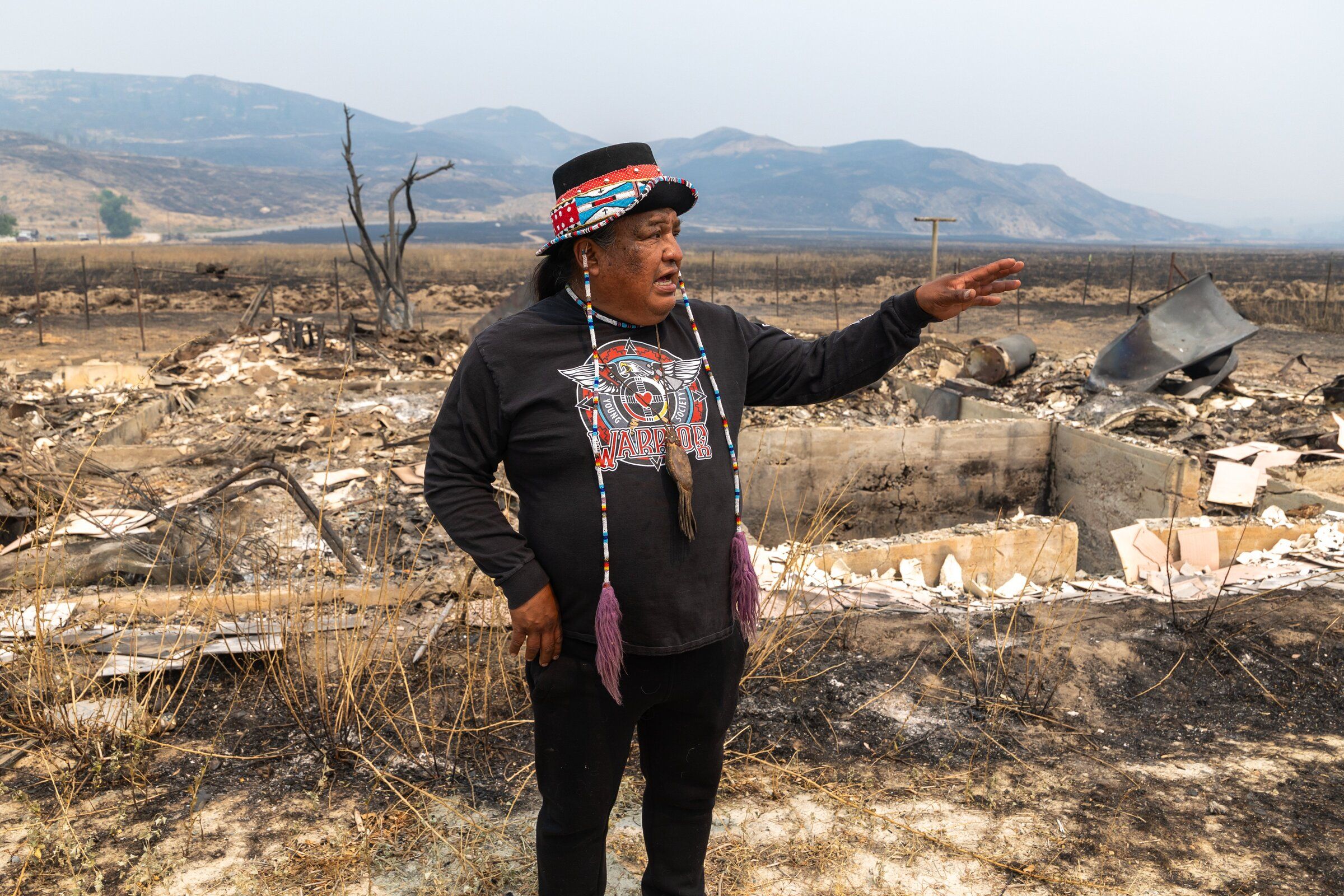
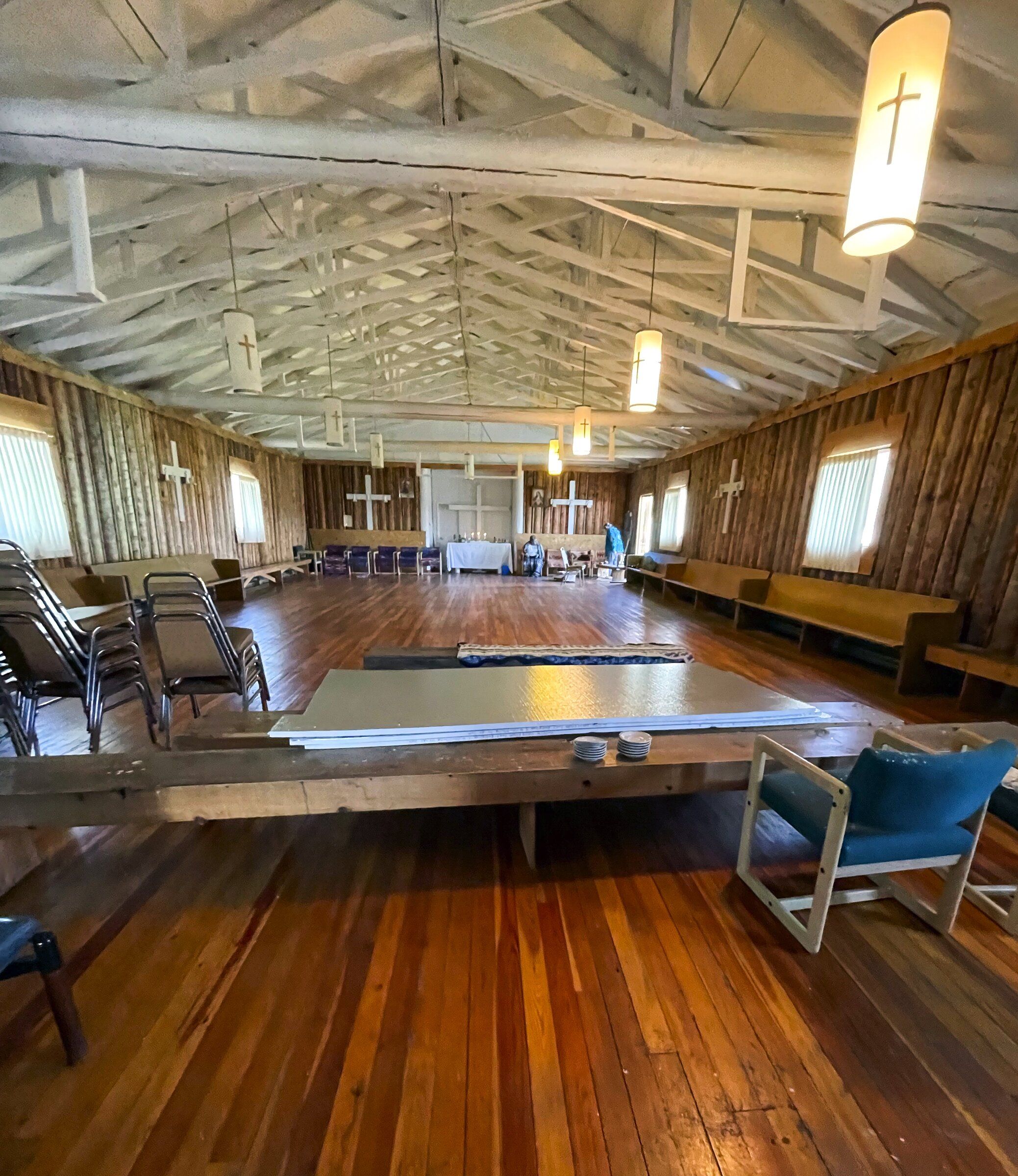
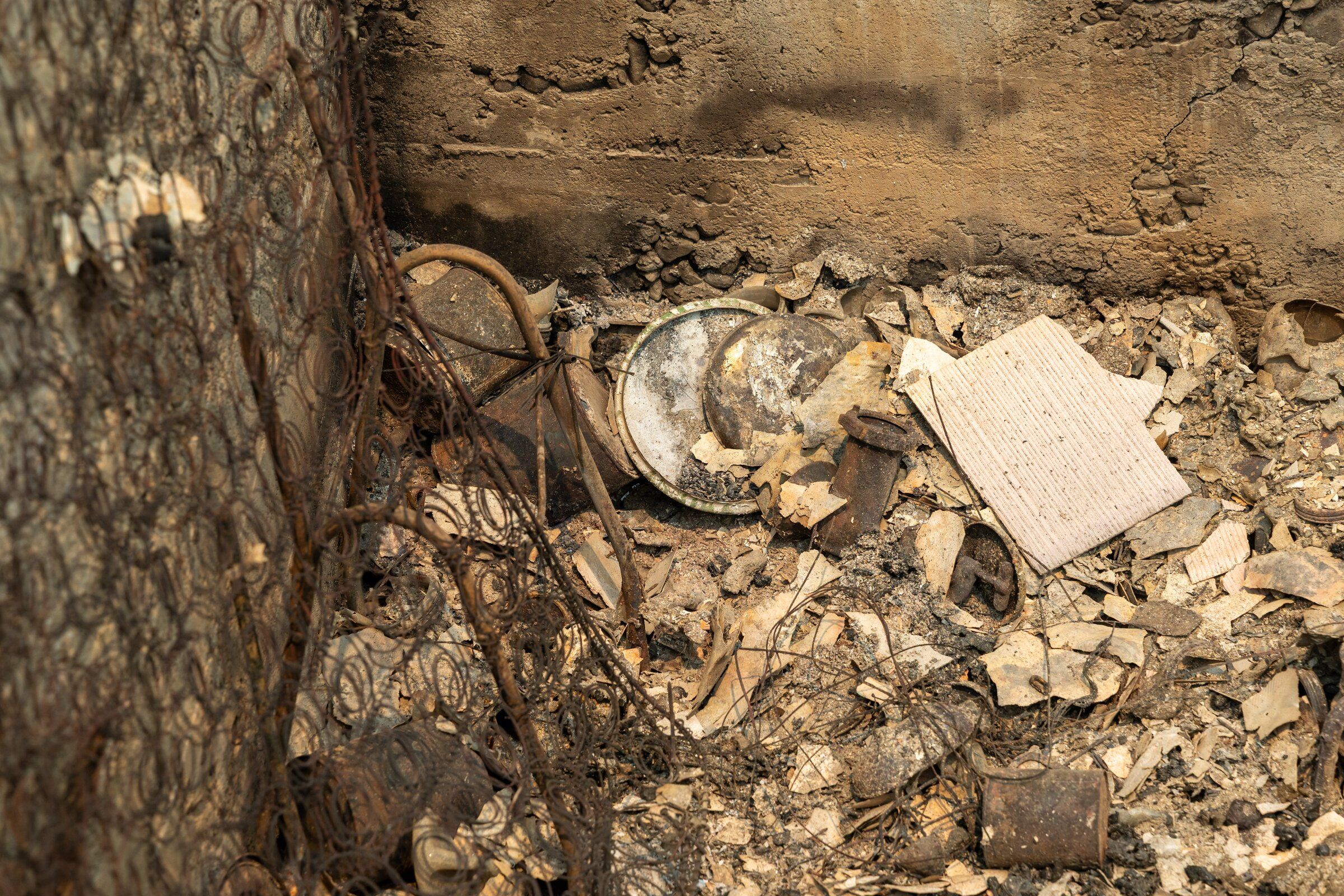
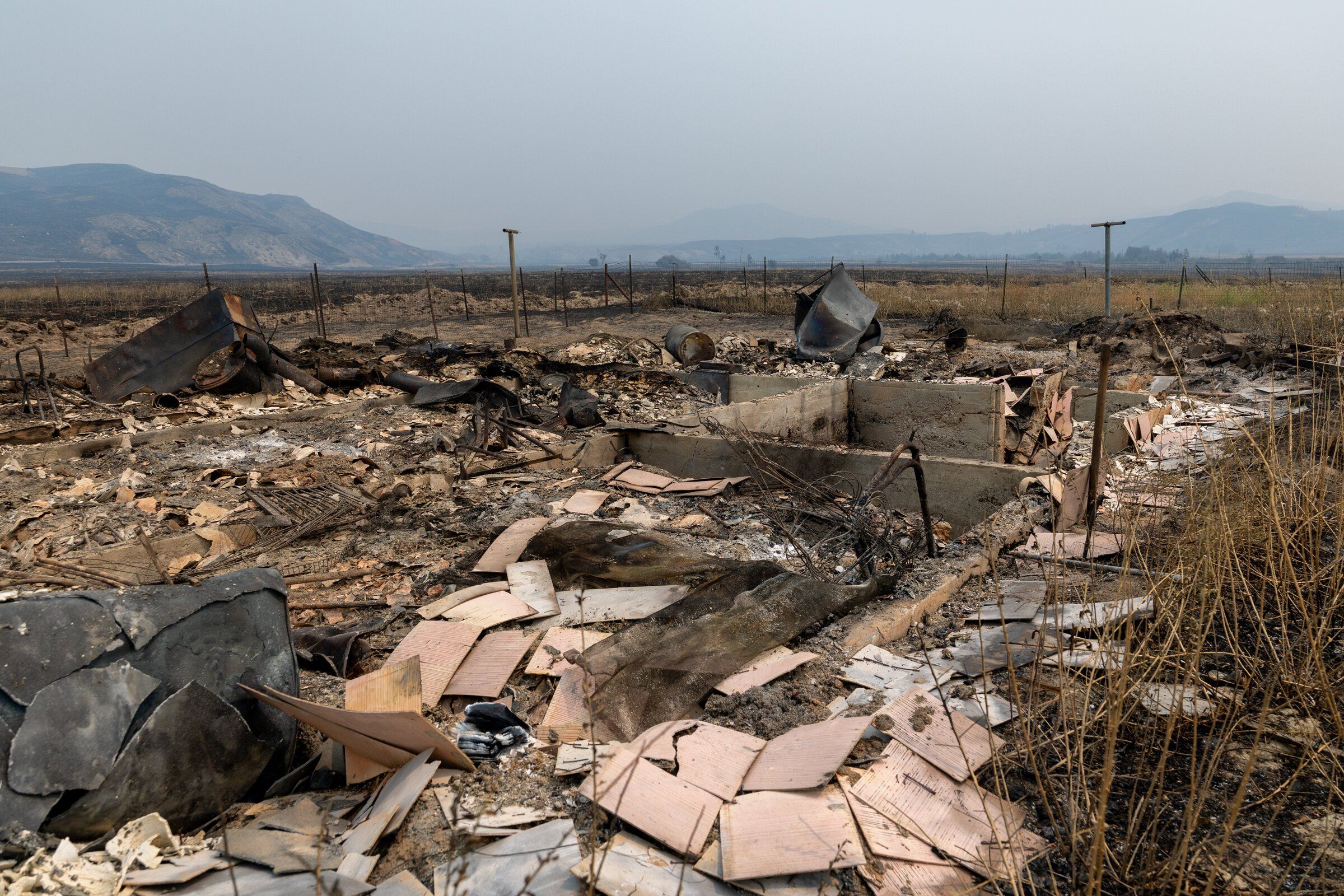
The Kaiser Canyon Fire in July destroyed an Indigenous Shaker church in Nespelem, on the Colville Reservation, as well as an old home where the community had gathered before the church was built. The fire damaged other buildings, too, and destroyed 22 homes in all. Built by hand in 1989, the cedar-roofed church had served as a place of worship for nearly four decades and connected generations of believers.
The loss is especially painful as the community shrinks. Maryann Charlie, a church leader, said that services in Nespelem and Malo had once drawn about 30 people each, while only four regularly attended the most recent gathering in Nespelem. This year, a fire also destroyed an Indigenous Shaker church in White Swan, on the Yakama Reservation.
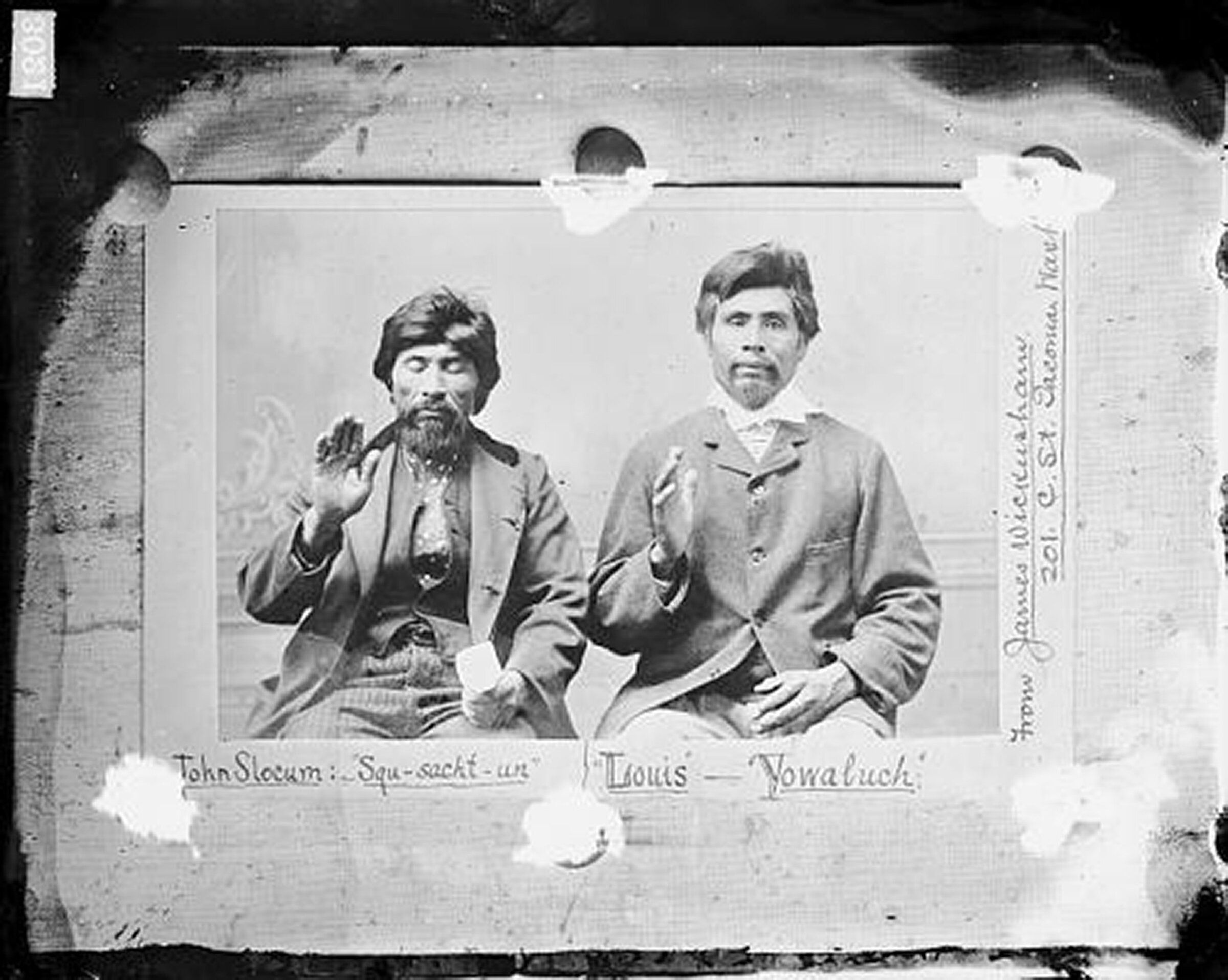
The Indigenous Shaker religion emerged among the Indigenous peoples of the Pacific Northwest in the late 19th century and spread throughout the region. It is a distinct tradition that combines Christian beliefs with Indigenous spiritual practices. Its name refers to the shaking and movements during prayer; it is unrelated to the Eastern Shaker movement that began in England. Three-day services include prayers for healing, candles, handbells and hymns. The faith spread through family and work connections, particularly among workers in hop fields and fish canneries. Indigenous people, however, faced pressure from authorities: they could be jailed or lose their food rations for holding ceremonies.
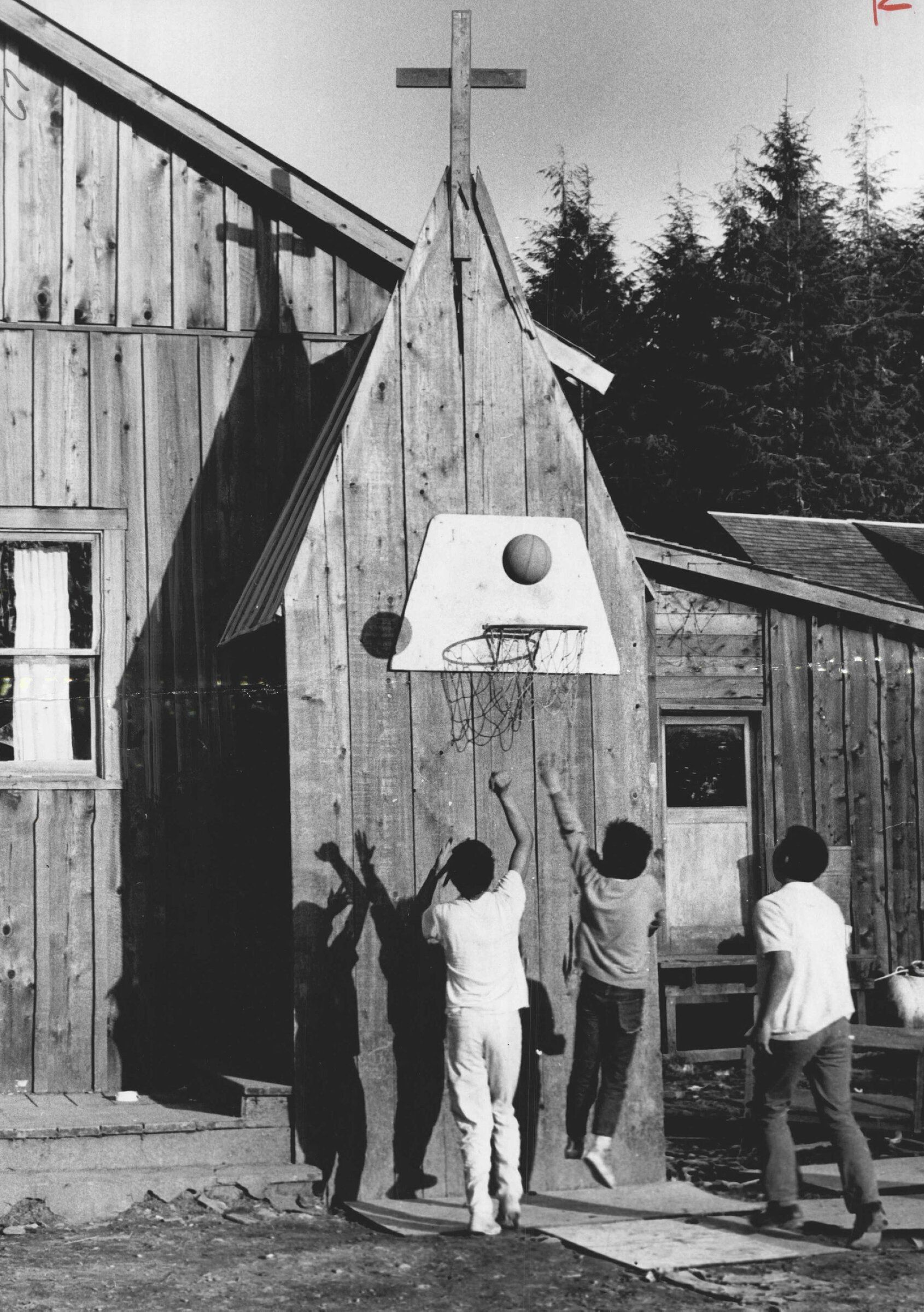
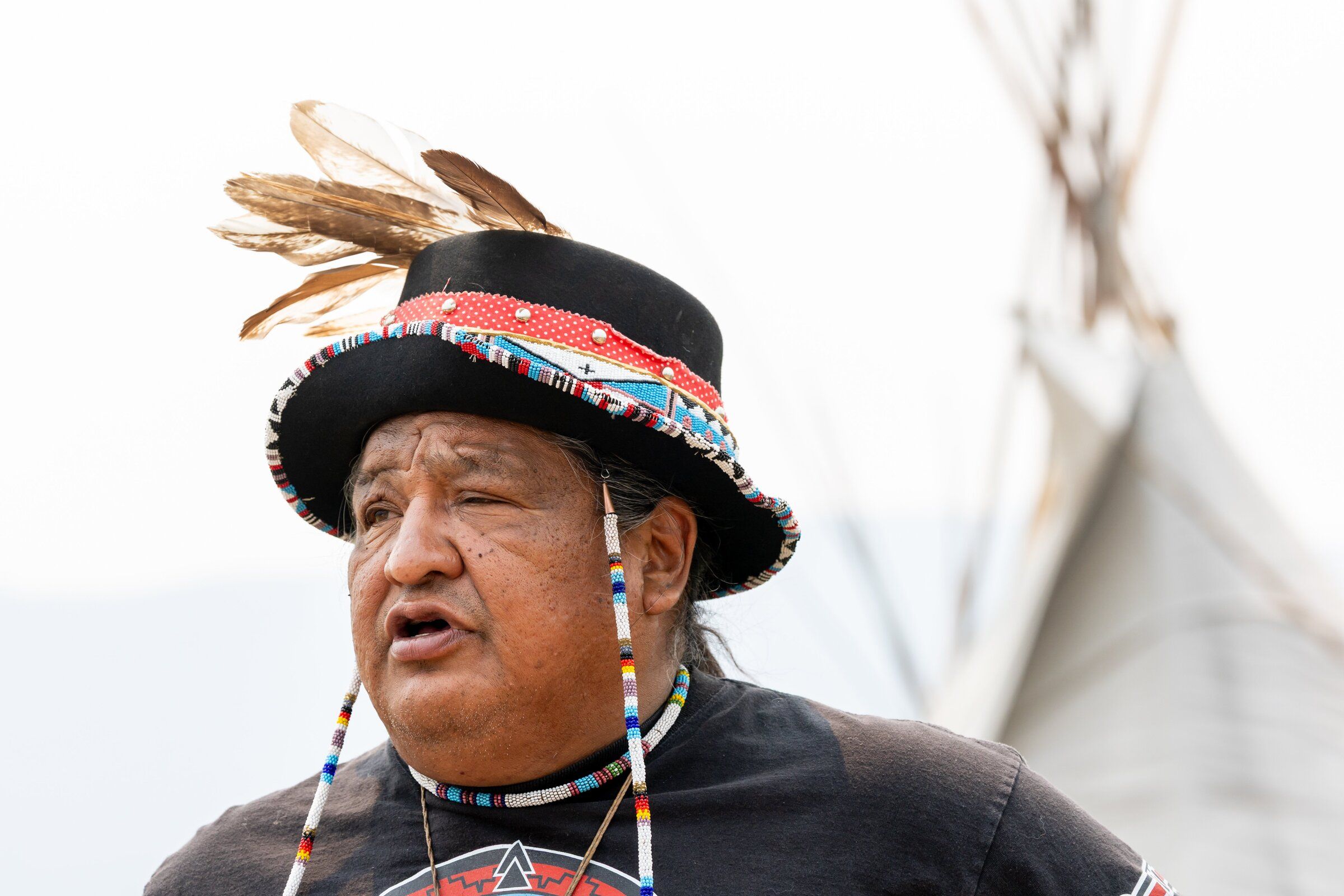
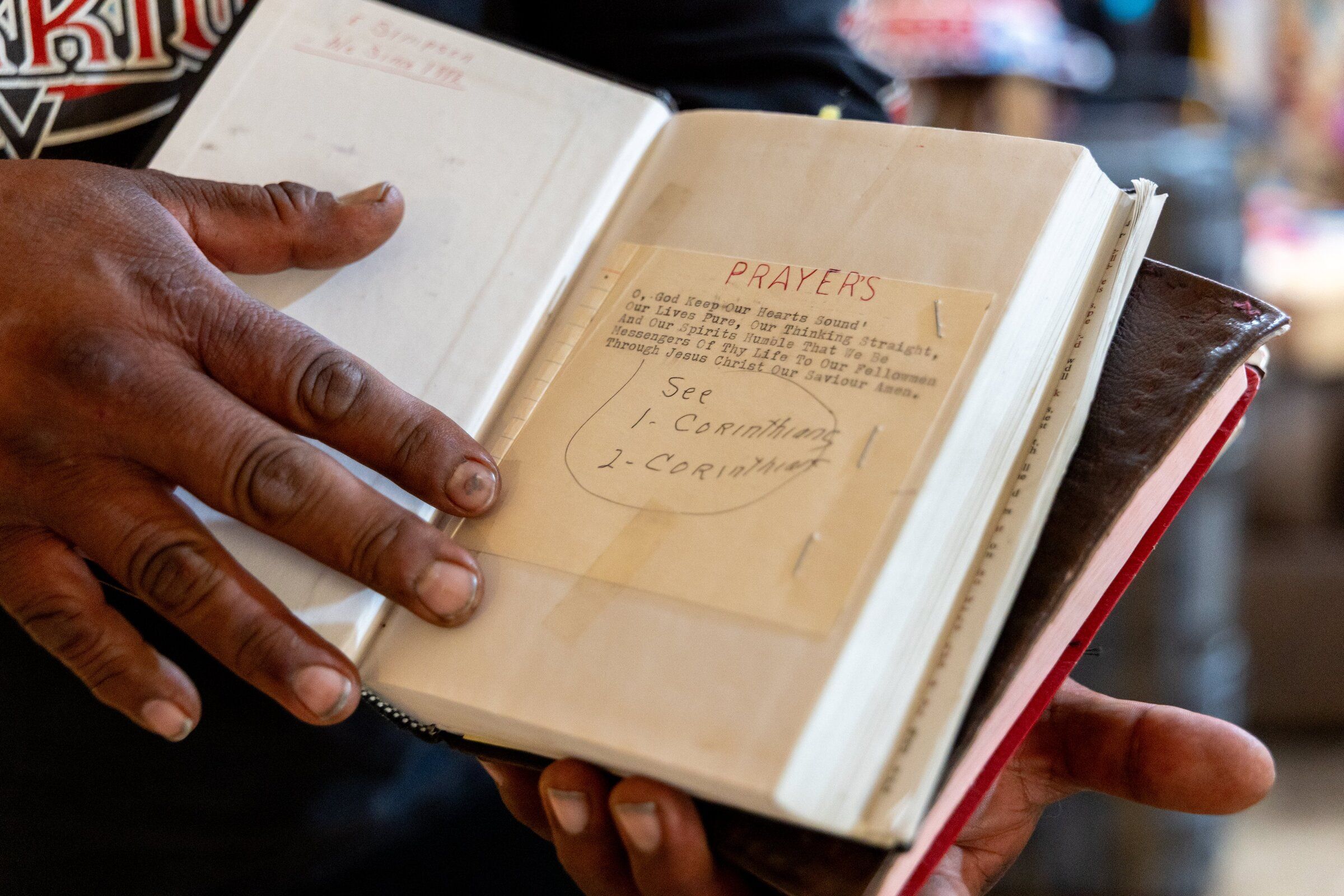
The church’s history is closely tied to the Yakes family. Nelson Yakes Sr., along with his brother Stephen and other residents, spent more than a decade seeking permission to build it. In 1989, local Shakers and residents of Nespelem built the church largely themselves; Stephen Sr. and his son did much of the work. Dan Nanamkin, whose home and some outbuildings survived the fire, lost the old family home where services had once been held. But an old altar, Bibles and a bell he found after waking from a dream survived.
Charlie hopes to raise money for a new church and seek support from the Colville Tribal Council. The tribes that make up the confederation are governed by an elected council, which makes decisions on tribal policy and the management of shared resources. The council may help community projects with funding, approvals or organization, though that does not necessarily mean it will build the church itself or pay for it in full.
Nanamkin has started raising money for the Young Warriors Society and plans to hold a ceremony for schoolchildren and local children with the bells, Bible and candles that survived. He wants to dedicate the land to prayer and honor the community’s spiritual heritage. “I keep praying,” Charlie says. “I’m not giving up.”
Based on: After fires burn WA churches, what’s next for this Indigenous faith?