
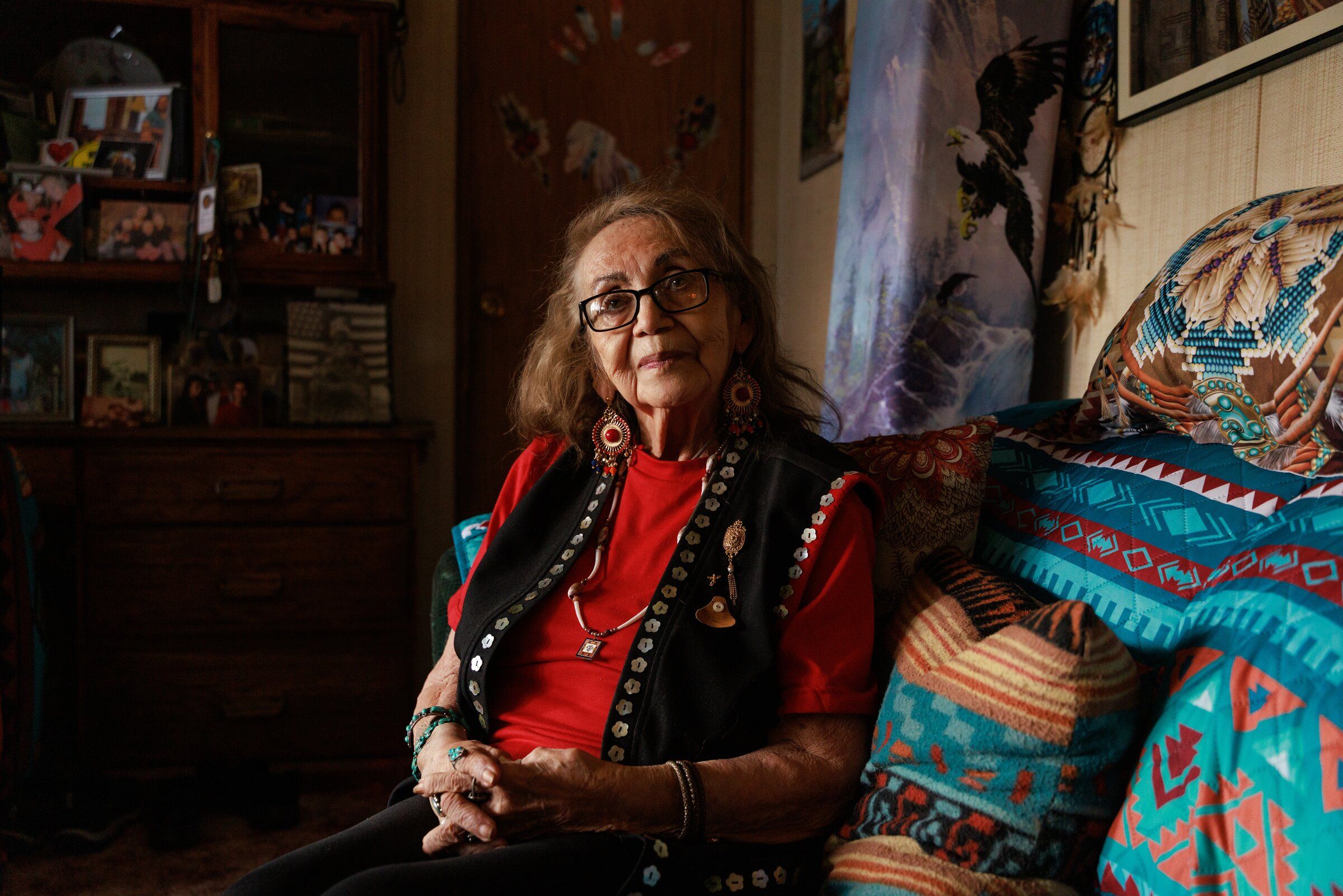
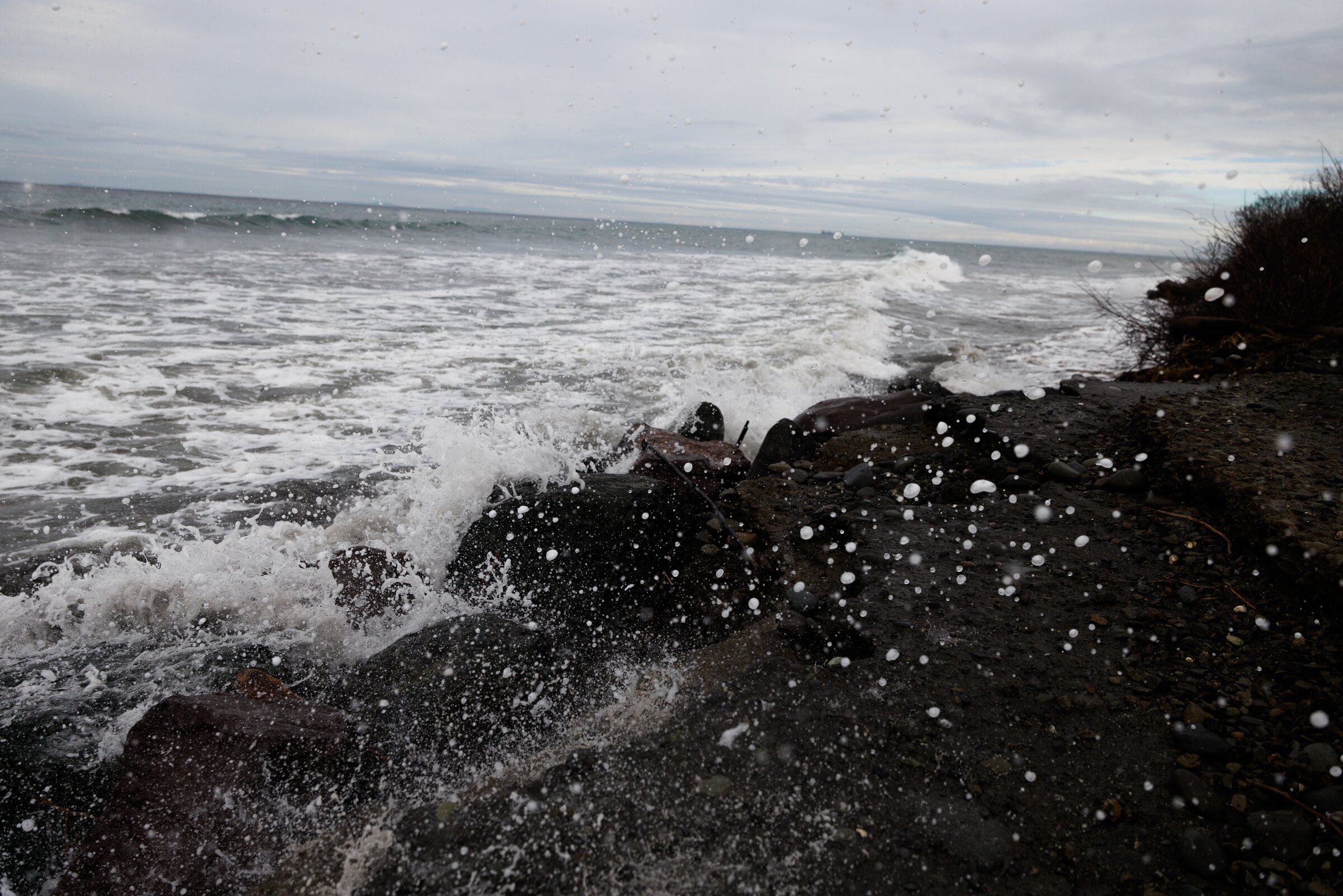
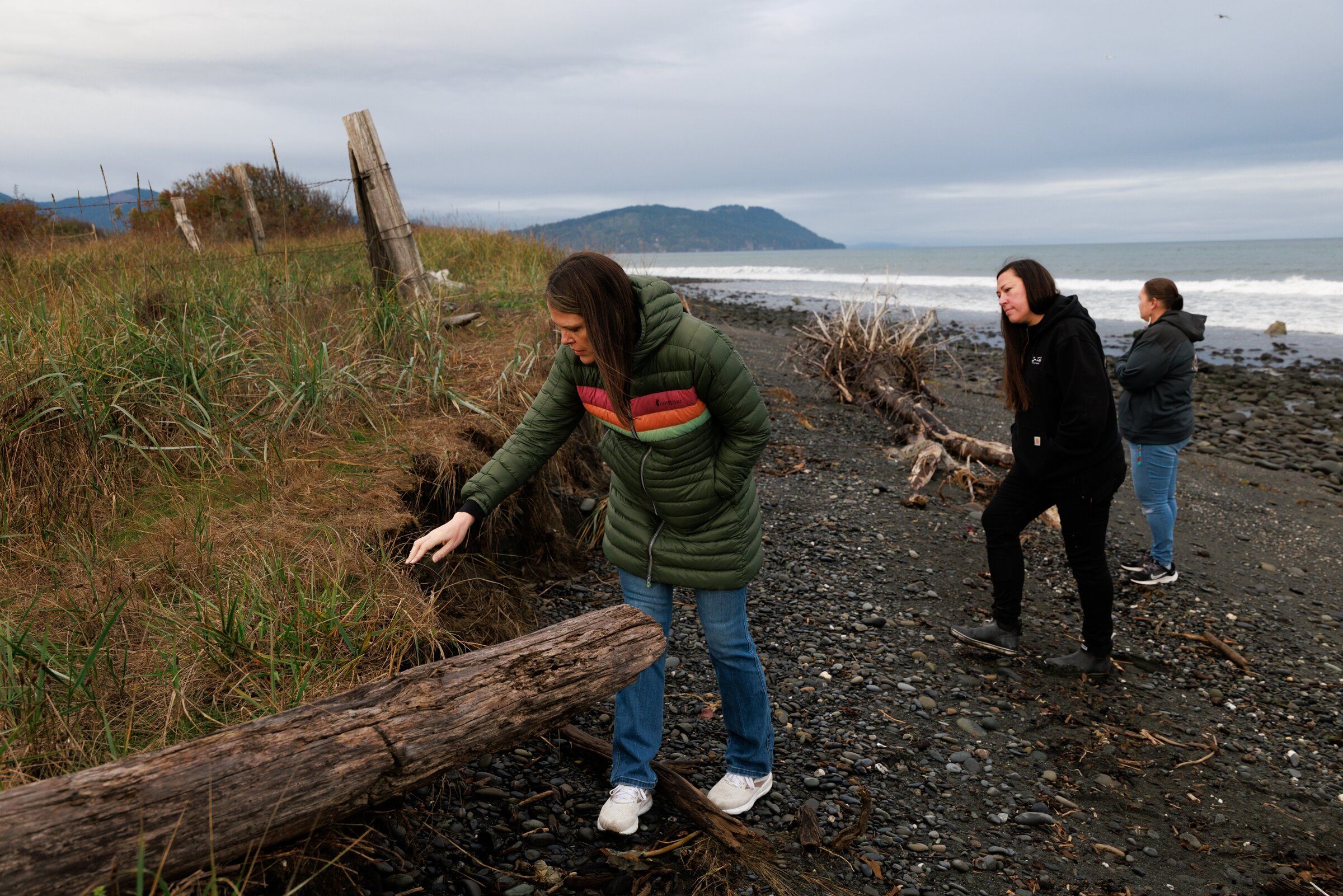
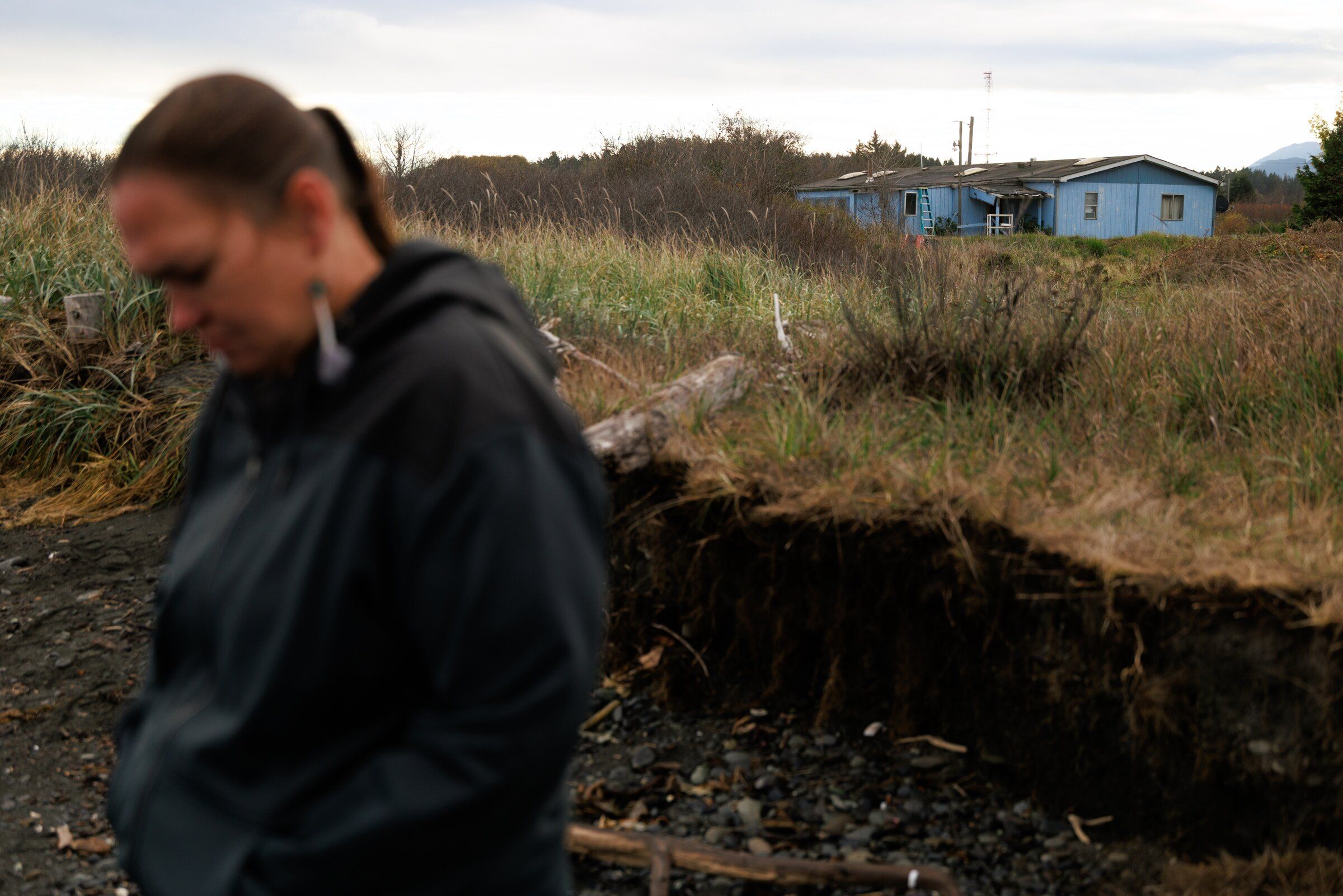
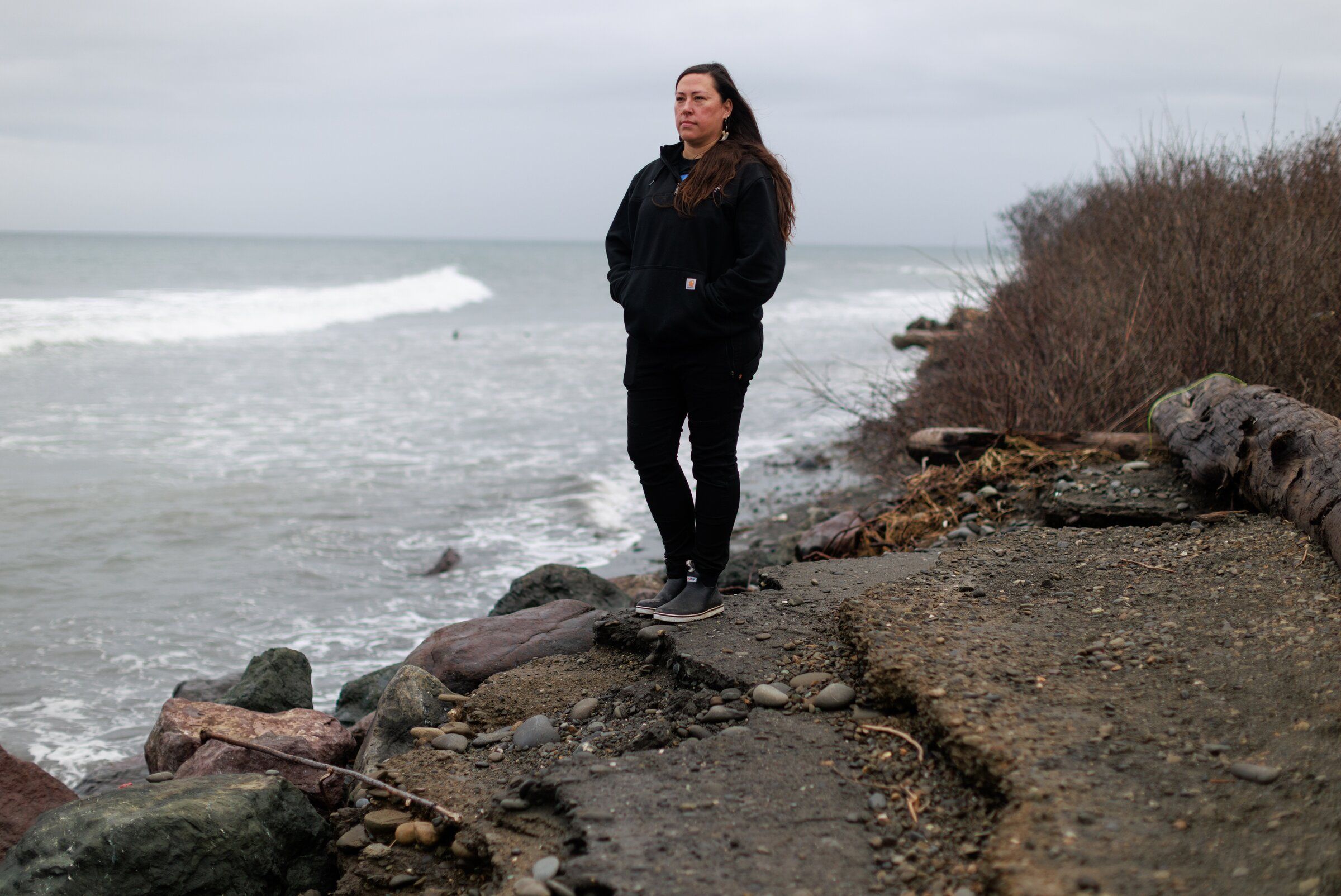
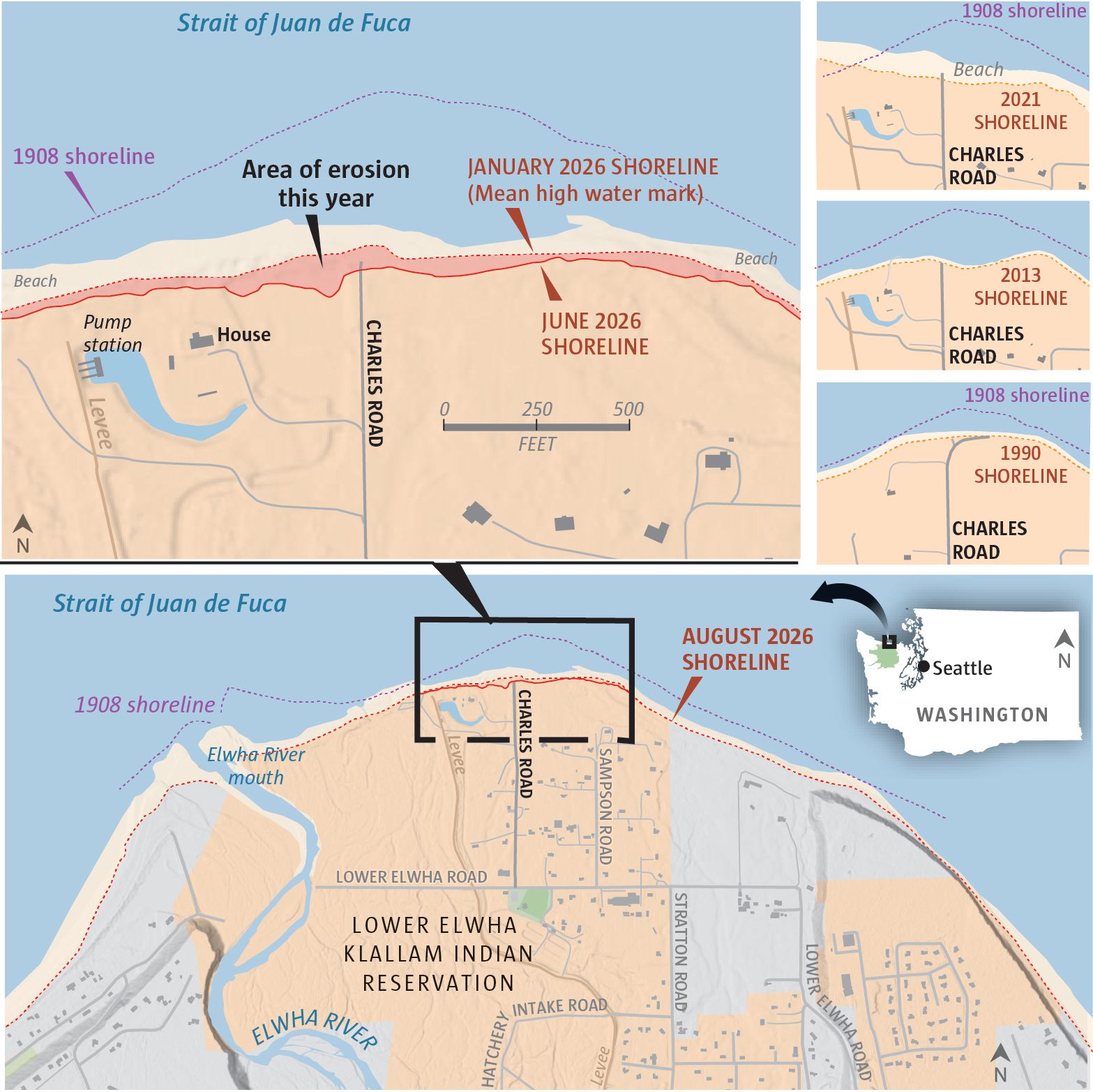
Eighty-eight-year-old Roberta Charles is preparing to leave her home on the Lower Elwha Klallam Tribe’s reservation on Washington’s Olympic Peninsula. Tribal officials warn that the sea is eroding the shoreline: about 230 feet (70 meters) of land disappeared here over the past year. Engineers believe Charles’ home could be battered by waves as early as next winter.
Charles lived by the Strait of Juan de Fuca with her late husband and raised their children there. She was born in Alaska, but the reservation’s shoreline became her home. She helped people as a counselor and welcomed participants in traditional canoe journeys. These routes pass through the Lower Elwha Klallam’s historic lands and waters and are part of a network of journeys linking tribes along the Northwest Coast. Such trips help preserve cultural traditions, strengthen ties between tribes, and pass on knowledge of waterways and ancestral lands. Although Charles is not a member of the tribe, officials have offered to cover her moving costs, two months’ rent, and a housing deposit.
The shoreline at the mouth of the Elwha River has changed over centuries: the river carried sand and other sediment down from the mountains, replenishing the beach. In the 20th century, after two dams were built, the supply of sediment stopped, and the sea began to erode the shore. The dams were removed in the 2010s. This allowed sediment that had built up over a century to move toward the coast, while also restoring the river’s free flow and giving salmon access to upstream spawning grounds. The returning fish supported the animals that feed on them, while river and coastal habitats gained the conditions needed to recover.
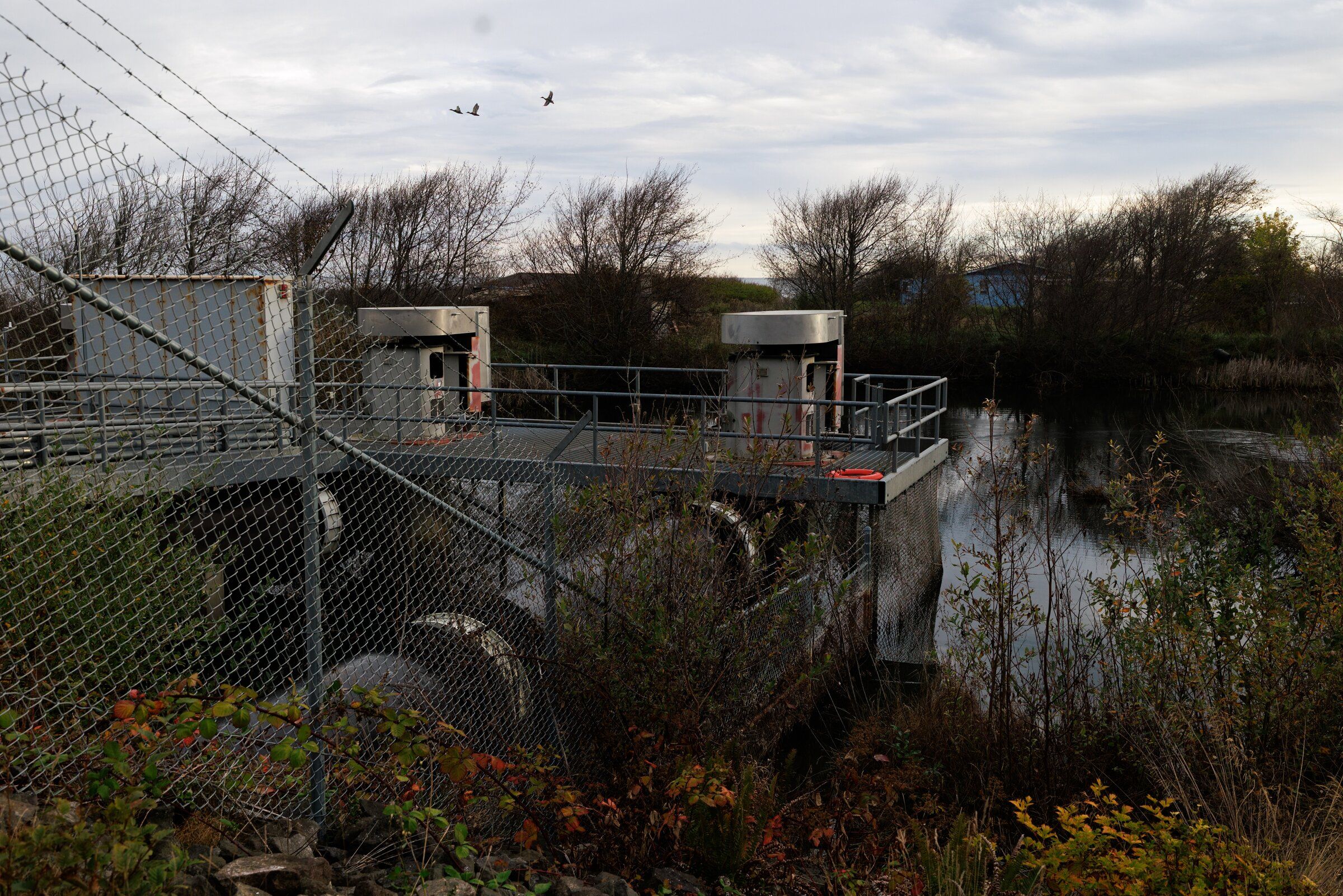
The beach expanded so much that the annual canoe journey was held there in 2025, but now much of the land is underwater again. Erosion has already damaged infrastructure: an international boundary marker fell into the strait, and a pumping station that diverted fresh water away from homes was flooded with salt water and stopped working. The tribe is assessing the risk to other homes and roads. Klallam cultural sites and ancestral burial grounds are also at risk.
Experts say the low beach no longer protects the shore from summer high tides, and the danger will increase in winter. El Niño contributes to extremely high water levels and powerful waves along the U.S. West Coast. In addition, flooding has been reported more often in the Port Angeles area over the past 10 to 15 years. Rising sea levels are expected to make the threat worse.
For the tribe, this is not just a matter of individual homes. The Lower Elwha Klallam people received their current reservation at the river’s mouth only in 1937, after the 1855 treaty in which Indigenous peoples ceded vast tracts of land. Tribal officials are now trying to determine how much land and housing could be lost and are seeking support from state and federal officials.
Options for relocating Indigenous communities in the state are limited and depend on the specific project. Tribes can seek federal funding to adapt to climate risks and relocate, as well as enter into agreements to purchase or exchange land. Washington has a grant program for tribal climate resilience, but it does not guarantee that relocation costs will be fully covered. Because reservations have a special federal legal status, relocation requires the tribe’s involvement and coordination with federal authorities. The experience of other tribes shows that such decisions can take years.
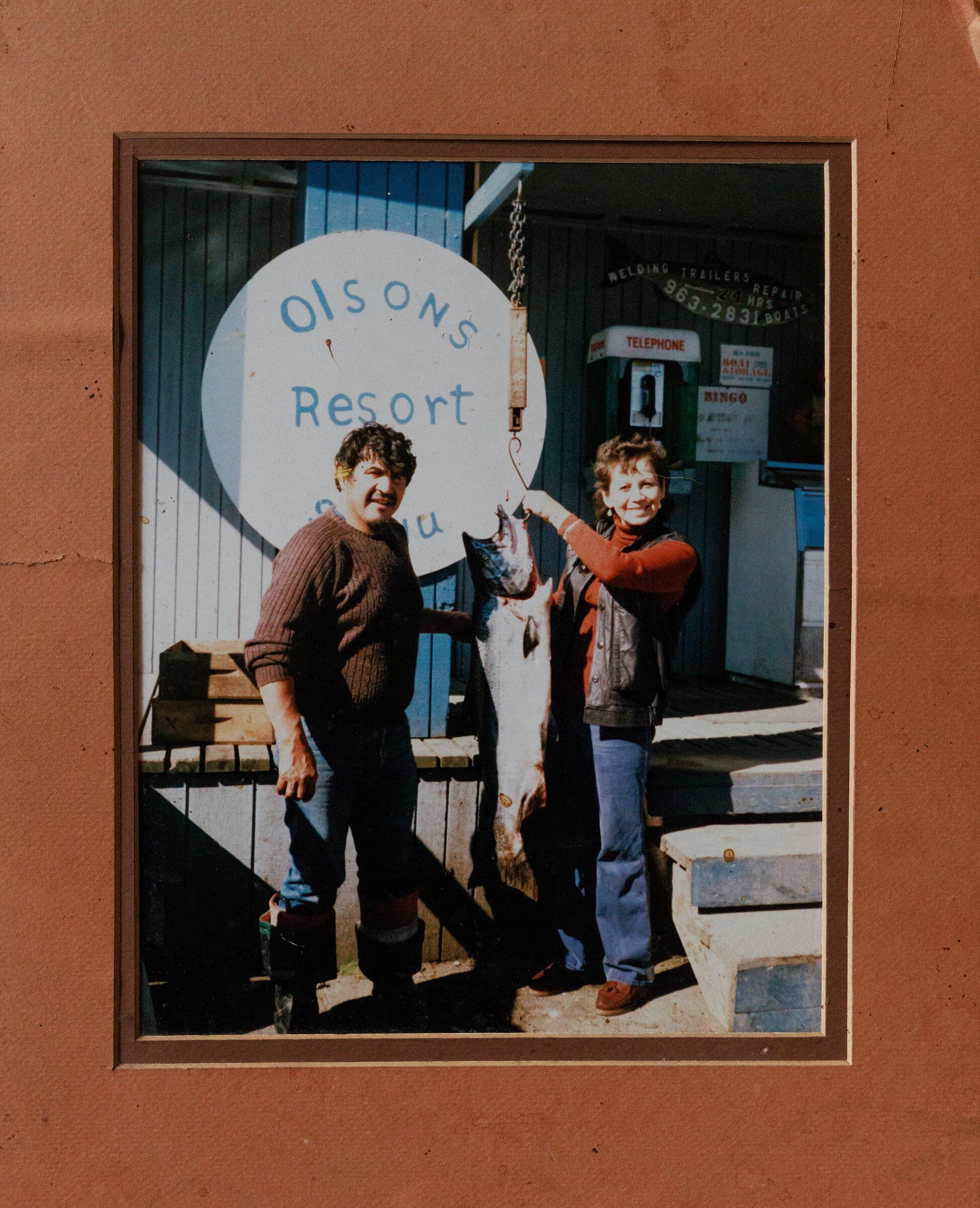
Charles has already started gathering family photographs and belongings. Her home holds pictures of her husband and son, as well as memories of life in the community. Relatives have organized a fundraiser to help with the move, and she hopes the tribe will provide additional support. It is hard for her to leave a home that has been part of her life and a place where she could help others.
Based on: She lived along the sea for decades. Then much of this WA beach washed away