
An audit of the King County Regional Homelessness Authority (KCRHA) found not only a budget shortfall but also serious problems with how funds were spent. King County Budget Committee Chair Rod Dembowski called the findings a management failure that must be thoroughly investigated.
Since KCRHA was established in 2021, Seattle, King County, Washington state and federal agencies have allocated just over $1 billion to address homelessness. The authority coordinated the regional response and contracted with more than 50 nonprofits providing housing and services. But over five years, about $750 million went toward aid, while roughly $250 million remained unspent.
The unspent share was 25%—more than 12 times the typical rate of underspending on federal grants. Particularly large sums went unused from federal and state budgets: nearly $90 million combined. The unused grants were returned to their funding sources, which could put them toward other priorities, but the money never helped people left without housing.
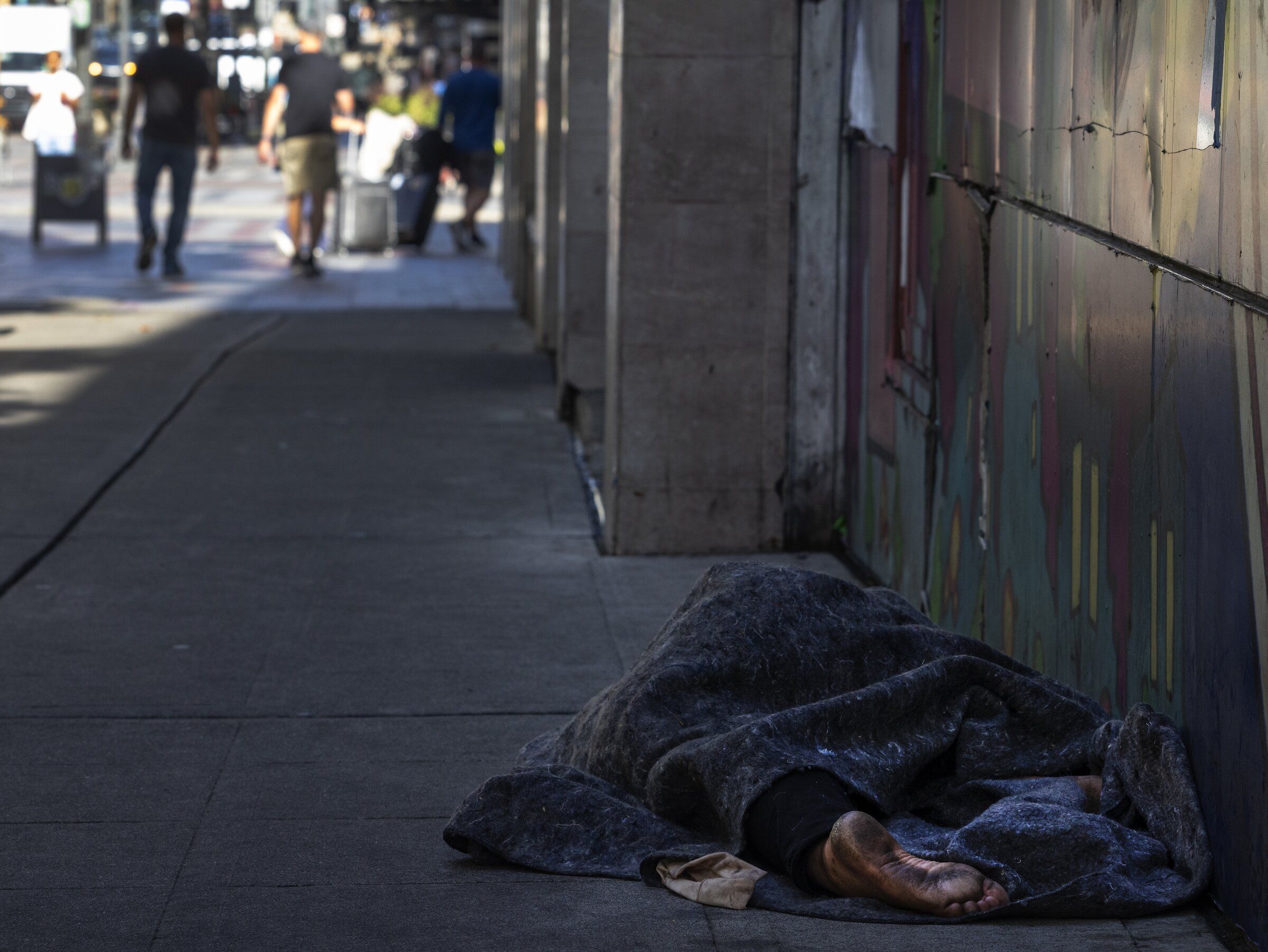
During the same period, more than 1,700 homeless people died on the streets or in cars, according to county medical examiners. About two-thirds of the deaths were related to overdoses, and 54 people died of hypothermia. Dembowski believes the shortage of shelters and the unspent funds may have cost lives. He also noted that up to 250 modular shelters sat unused in Seattle—small prefabricated units for temporary housing, installed at prepared sites, often near transit and social services.
Problems paying contractors and spending grants meant the authority’s administrative costs were not covered as planned. The agency now has a cash shortfall of $34 million, of which about $16.7 million is likely unrecoverable.
The leadership acknowledged that the intermediary model had failed. KCRHA coordinates the regional system, while King County and Seattle fund programs and set local priorities, including taking responsibility for facilities in their jurisdictions. Some contracts are therefore being returned to the county and the city. This is intended to give local governments more direct control over spending and programs and help them better account for residents’ needs.
The reasons for the large-scale underspending have yet to be established. As the number of people living without shelter continues to grow, questions remain about how public agencies managed the funds available to them.
Based on: The story of Seattle-area aid for homelessness keeps getting worse