
Over the past ten years, the number of apprentices in Washington has grown by more than 70%—and this isn’t accidental. The apprenticeship model is attractive in its simplicity: you start working and earning a paycheck from day one, while training is built around real tasks on the job. A registered program guarantees step-by-step wage increases and awards a certificate that’s recognized in other states. A key role in this process is played by the Washington State Department of Labor & Industries (L&I)—the state agency that sets training standards, monitors the balance between classroom theory and hands-on practice, and ensures apprentices’ labor rights are protected. Unlike many other states where regulation is more decentralized, in Washington L&I acts as the primary regulator thanks to a well-developed union system and strong state support for skilled trades.
The main advantage of this approach is that you don’t spend years studying in hopes of finding a job later. Unlike a traditional college education—where a degree doesn’t always guarantee employment—apprenticeship provides both experience and money right from the start. According to the annual report from the Washington State Workforce Training and Coordinating Board, graduates of apprenticeship programs consistently rank among the top earners by salary level.
The average pay six months after completing the program is more than $100,000 per year. However, it’s worth noting that 80% of registered apprenticeships are in construction trades—those are the specialties driving these high figures. Also, Washington’s minimum wage (for 2024: $16.28 per hour) is significantly higher than the federal minimum, directly boosting apprentices’ earnings. Even a first-year electrician can earn 40–50% of a journeyman’s pay—around $25–30 an hour. That said, the state is actively expanding the list of fields, including healthcare and education.
Starting wages depend on the occupation, but they can’t be below the minimum wage set in Washington. A key principle is wage progression: the higher the apprentice’s skill level, the more they earn. The employer is required to comply with all labor law standards.
The most competitive options remain skilled construction trades, especially electrician. High pay, active construction in the region (particularly in Seattle), and strong union influence (such as IBEW), which helps ensure good working conditions and benefits, create massive demand. Due to a limited number of openings, waiting lists can stretch for a year or two. Other in-demand tracks include plumbers, pipefitters, and HVAC/ventilation technicians. But it’s important to remember that every registered apprenticeship starts with a real worksite.
For those worried about a lack of experience, the expert advises not to give up. Apprenticeship can change lives because it offers not just a job, but a career. To improve your odds, it helps to get some preparatory experience and reach out directly to the program you’re interested in—building a personal connection can be very useful. Community organizations can assist with this, including Anew (formerly ANEW) and BuildUp: they provide pre-trade training, help prepare for entry exams, and offer support such as transportation and childcare, helping women, people of color, veterans, and other underrepresented groups enter construction trades.
Requirements for applicants vary widely. For example, education-related programs through the teachers’ union require a bachelor’s degree, while other programs may not even ask for a high school diploma. Washington is considered a pioneer in developing these nontraditional pathways: it was here, in the 2020s, that the first officially recognized teacher apprenticeship program in the United States was created (through L&I). In that model, future educators receive paid training directly in schools under the guidance of mentors. All minimum requirements are listed in the public ARTS database, where anyone can find an option that fits.
In recent years, apprenticeship has expanded far beyond construction. More programs are appearing in cosmetology, education, and especially healthcare—where growth has been particularly strong. The state is intentionally developing these “nontraditional” areas for apprenticeship.
One of the biggest misconceptions is that the only path to success runs through college. In reality, graduates of apprenticeship programs often graduate with nearly zero debt, and over the next ten years their income can be comparable to that of people who hold university degrees. Apprenticeship is a completely viable—and often more advantageous—route.
To get started, begin with pre-apprenticeship. These unpaid programs let you explore different trades—from welding to HVAC—and find out whether you like working outdoors or using your hands. Community organizations like Anew for women or BuildUp can help with tools, gear, transportation, and childcare while you’re training. And to see all opportunities at once, just visit the L&I website and use the ARTS database—you can filter programs by county and by specialty.
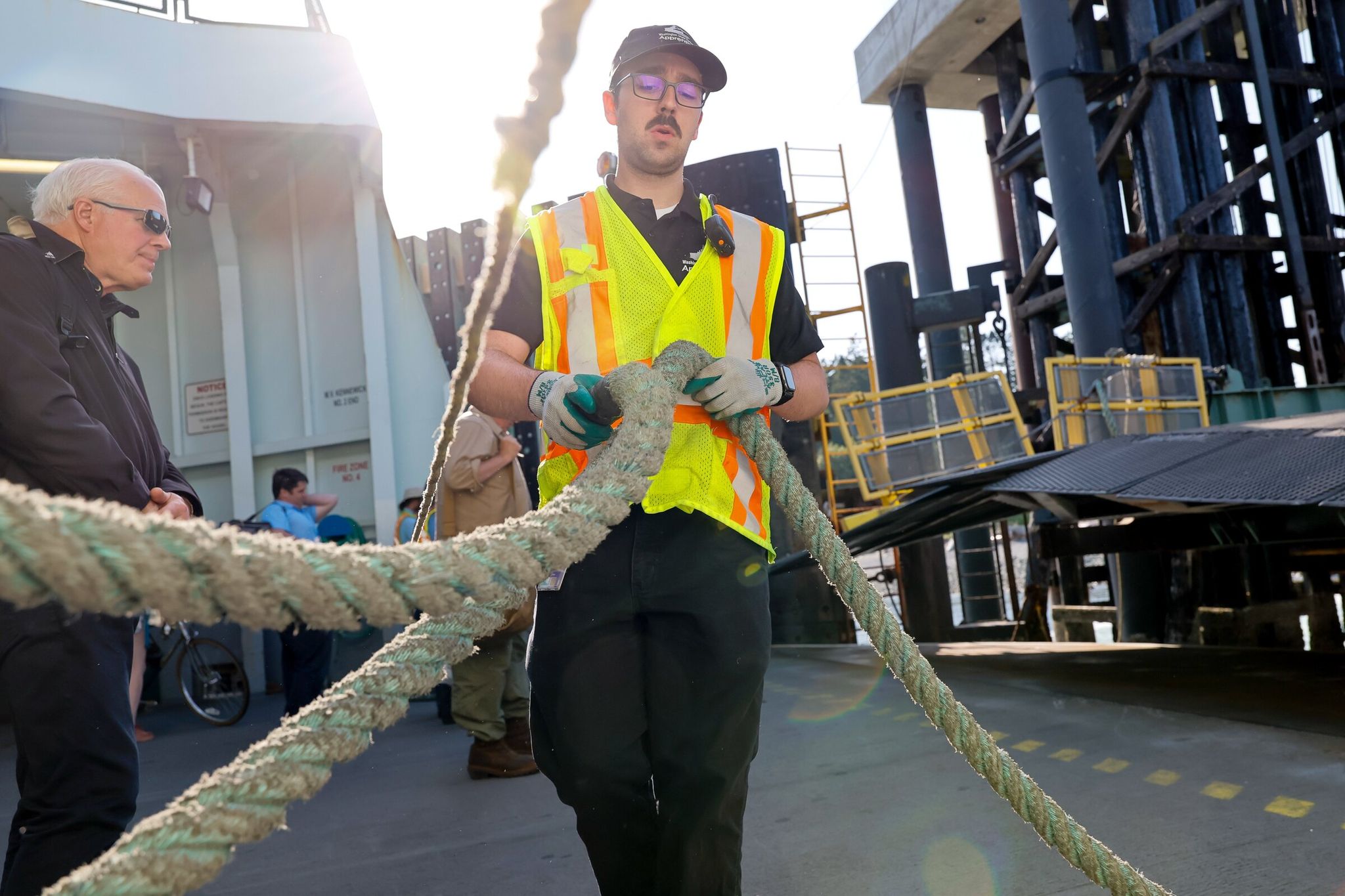
Based on: Q&A: Finding the right WA-based apprenticeship gig for you