
For Chris Mills, Seattle sounds like sea lions. From around October through June, their barks, bleats and cries carry from Shilshole Bay to his home in western Ballard. Some residents find the noise irritating, but Mills considers it part of everyday life: “I hear them when I go to bed and when I wake up. I like the sound.” When he learned the animals would soon head south, he decided to preserve their seasonal chorus.
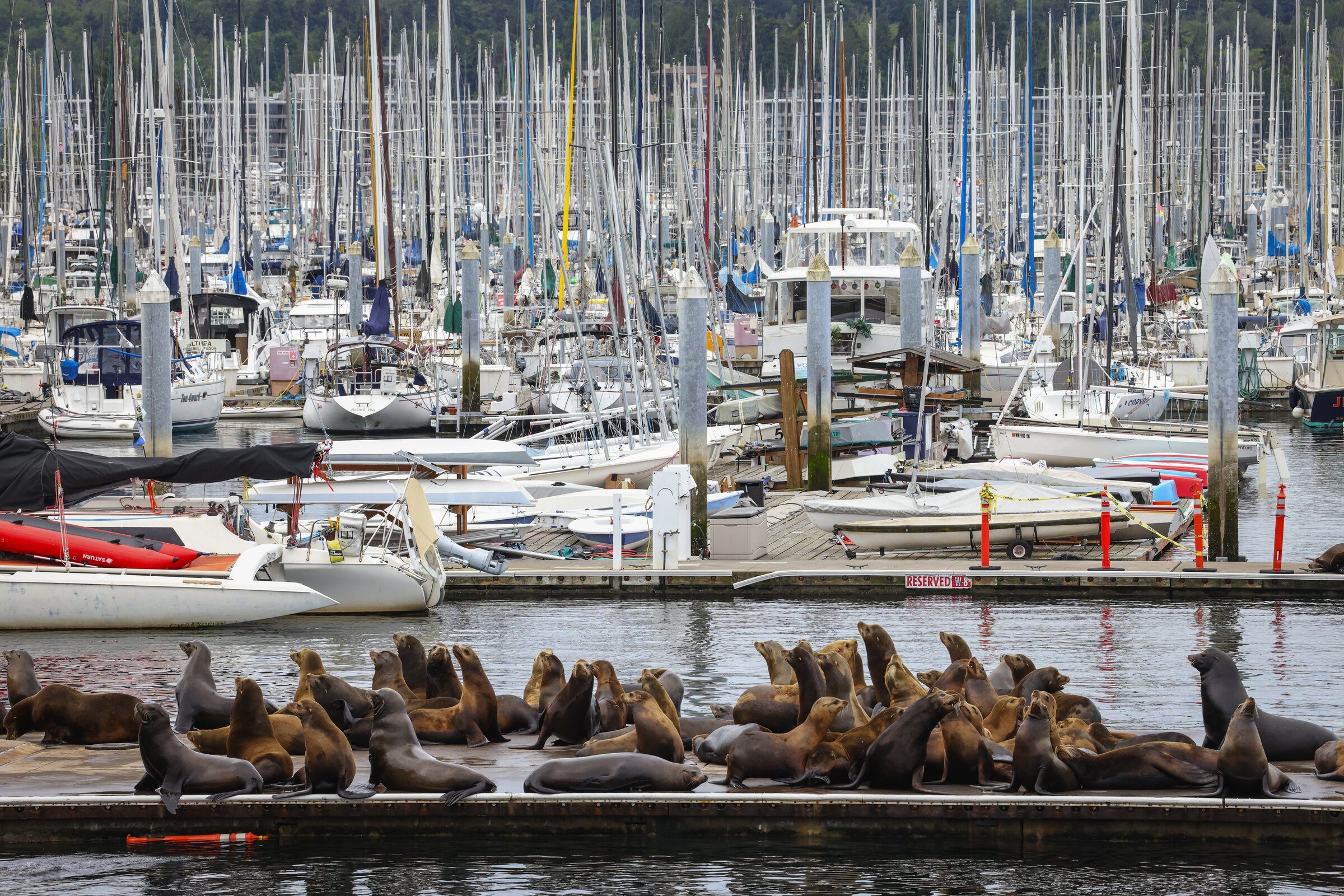
Sea lions come to the Shilshole Bay Marina every year because of the abundant food, floating docks protected from waves and convenient places to rest. To reduce conflicts with the animals, marina owners install barriers and devices that prevent them from climbing onto the docks, temporarily close certain areas and remind visitors not to approach or feed the sea lions. Authorities enforce the rules and require the use of measures that are safe for the animals.
Mills, 62, recently ended a 30-year career in technology and created the website SeaLionRadio.org. The online station broadcasts recordings of Ballard’s sea lions around the clock for listeners worldwide. It is neither a live stream nor a scientific project, but roughly six hours of Mills’ own recordings played on a continuous loop. He jokingly calls the project “a flippered public service” and himself a local oddball.
The idea came up at Olaf’s, where Mills told a friend that someone should record the sea lions. They discussed how the animals had become a familiar part of Ballard’s soundscape and how the neighborhood grows quiet every year after they leave. Soon, Mills began driving to the Shilshole marina to make recordings. California sea lions typically spend the fall, winter and spring in Puget Sound, moving along the Pacific coast between Mexico and southeastern Alaska.
Ballard has historically been a center of Seattle’s fishing, shipbuilding and maritime trade. Fishing boats, tugboats, recreational vessels and seaplanes travel through the waterway connected to Puget Sound, making engine noise, horns and splashing water a distinctive part of the neighborhood’s everyday atmosphere. That is why Mills did not remove passing seaplanes and boats from his recordings: In his view, they help convey Ballard’s authentic sound.
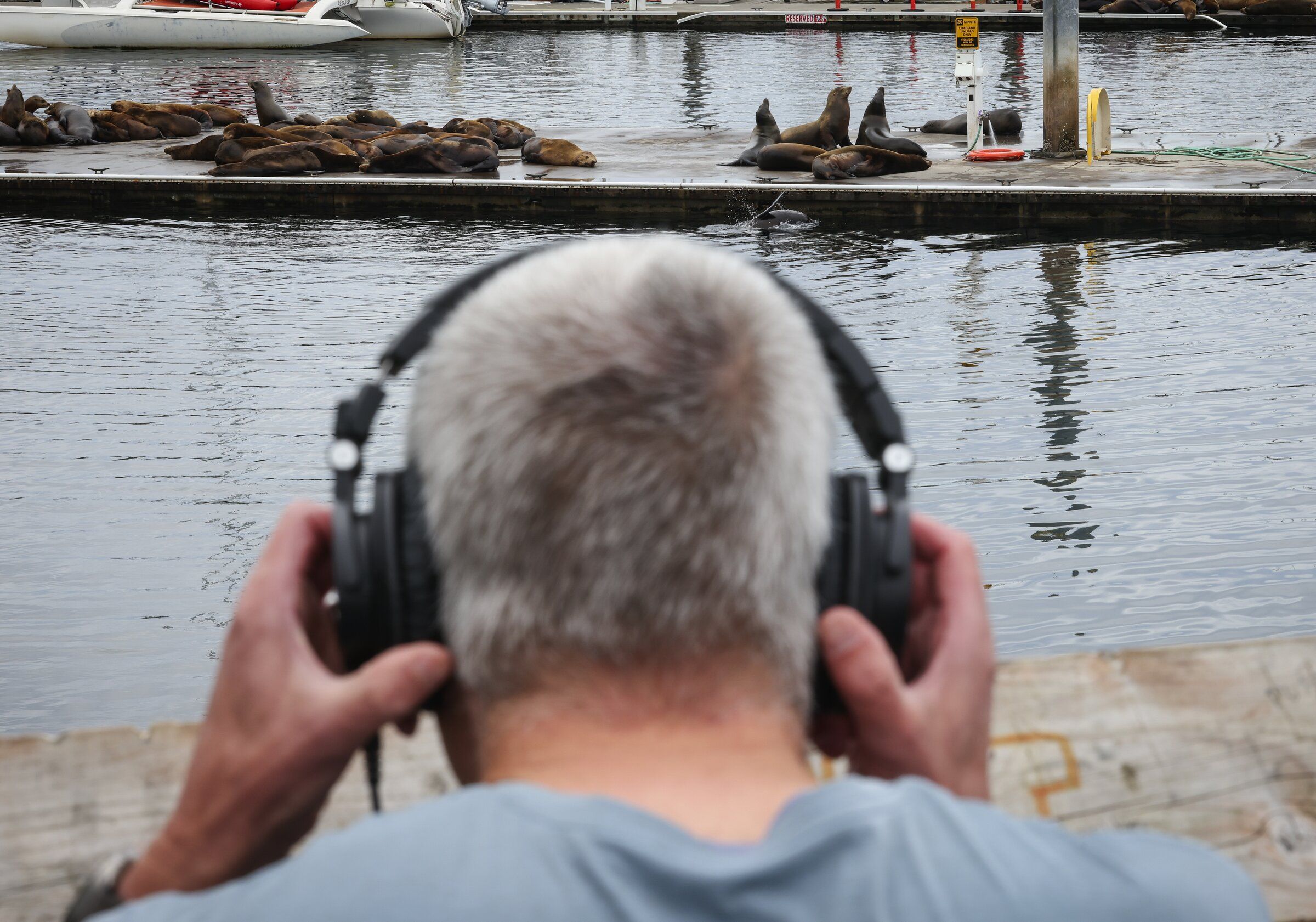
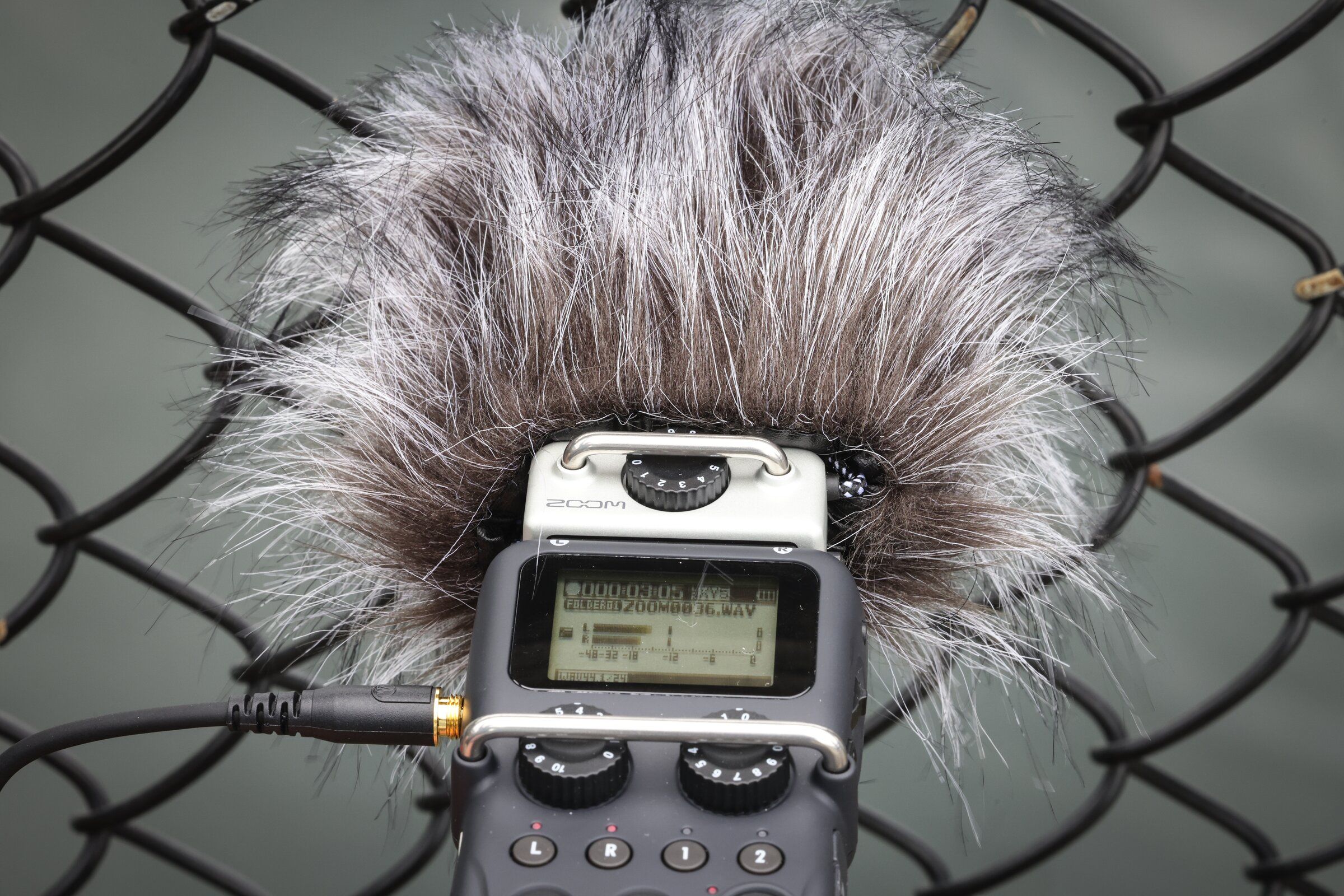
The work turned out to be more difficult than he had imagined. Wind created noise in the microphone, while sea lions became less active in hot weather, so Mills had to make repeated trips to the dock. He recorded the animals wearing headphones, a hat and sunglasses, trying not to get drawn into conversations or capture people’s voices, construction work or excessive background noise.
During recording sessions, Mills simply sat on the dock without a book or phone and watched the animals. One day, about 30 sea lions were resting on the dock, while roughly 10 more swam nearby. Marina workers installed a plastic barrier and moved some equipment, causing the animals to raise their heads and become louder. But a service truck that appeared nearby produced too much industrial noise, so Mills stopped recording because it no longer matched the desired atmosphere.
About a month later, he decided he had enough material and launched the station without telling his wife, Brenda Savage, or their two adult daughters in advance. His wife found out when Mills returned home and announced that he now had Sea Lion Radio and his own stickers. At first she exclaimed, “Oh my God, what now?” — but quickly clarified that she meant it in the best possible way: After more than 30 years together, she was used to his unusual interests. Mills spent about $500 promoting the website, paying for hosting and producing stickers.
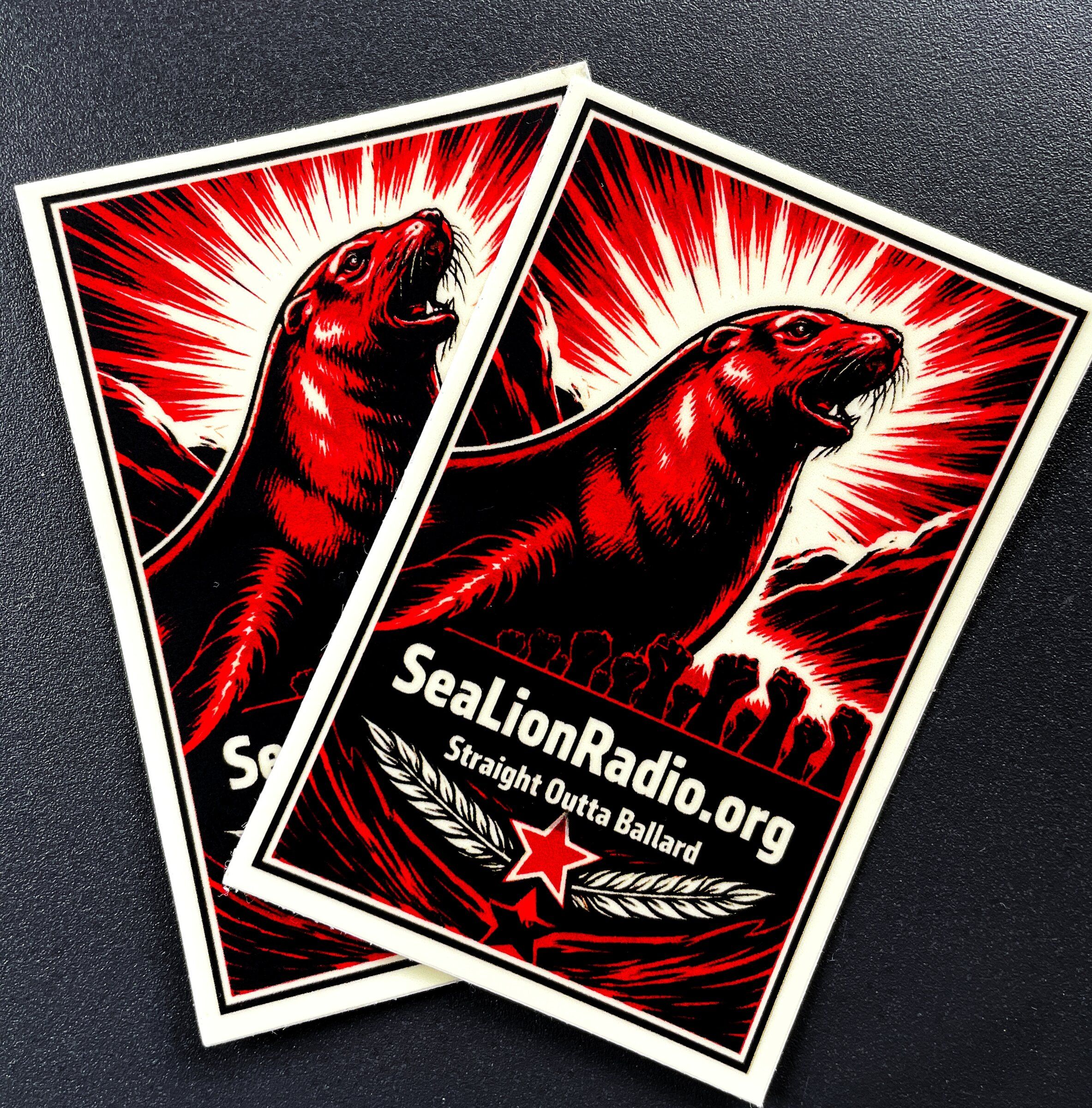
The red-and-black stickers feature a stylized sea lion with raised fists and the words “Straight Outta Ballard,” a play on the title of the well-known rap album and film “Straight Outta Compton.” Mills mails stickers to anyone who wants one and promotes the station mainly through friends and word of mouth.
His interest in strange and obscure subjects also appears in another project: He is writing a book about the rusting 112-foot gunboat Albert, which has been illegally moored in Ballard since 2019. The former military vessel fell into disrepair and was docked without the necessary permits. Authorities have ordered it removed, but the effort has been complicated by an unclear or changing ownership status, debts, legal disputes and the high cost of safely towing and disposing of it. Until responsibility is finally determined, Albert remains a troubled presence in the waterway. The vessel served in the Icelandic Coast Guard, took part in the “cod wars” over fishing rights and helped with the cleanup after the Exxon Valdez disaster.
Mills recommends listening to the station for at least 15 minutes to notice changes in the animals’ voices, their individual personalities, friendships and conflicts. He can distinguish California sea lions from the much larger Steller sea lions, which can weigh up to 2,500 pounds, or about 1,130 kilograms. In his description, the California animals sound as if they are fussing and fooling around, while Stellers make low, guttural sounds, as if asserting their dominance and asking everyone else not to disturb their rest.
The station has already attracted listeners far beyond Seattle. After posts on Reddit and the My Ballard website, traffic briefly reached nearly 600 people a day; it now averages about 10. People have played the station for their dogs, left it running for a week and said it made them feel closer to the marine world. One listener even regretted not being able to use the recordings at the memorial service for his father, a marine biologist.

Based on: Sea Lion Radio brings Seattle’s barks, bleats and yaps to the world
***.