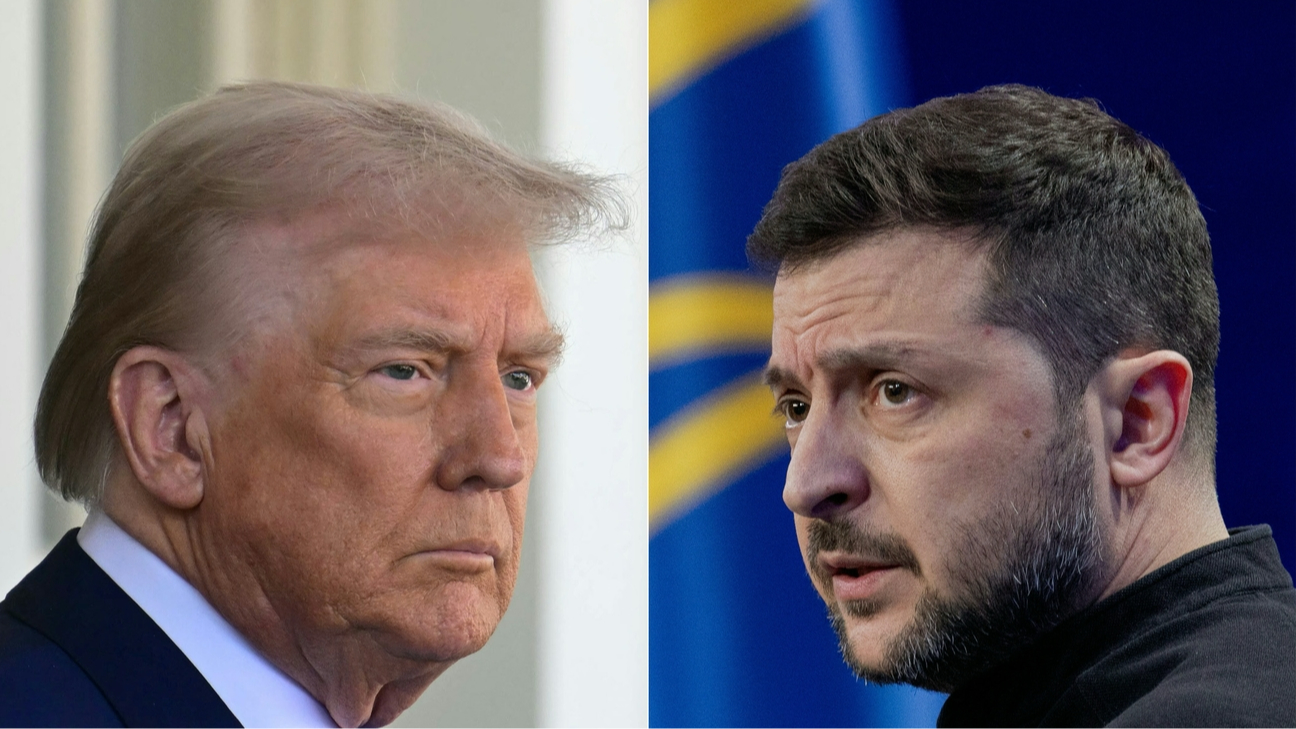
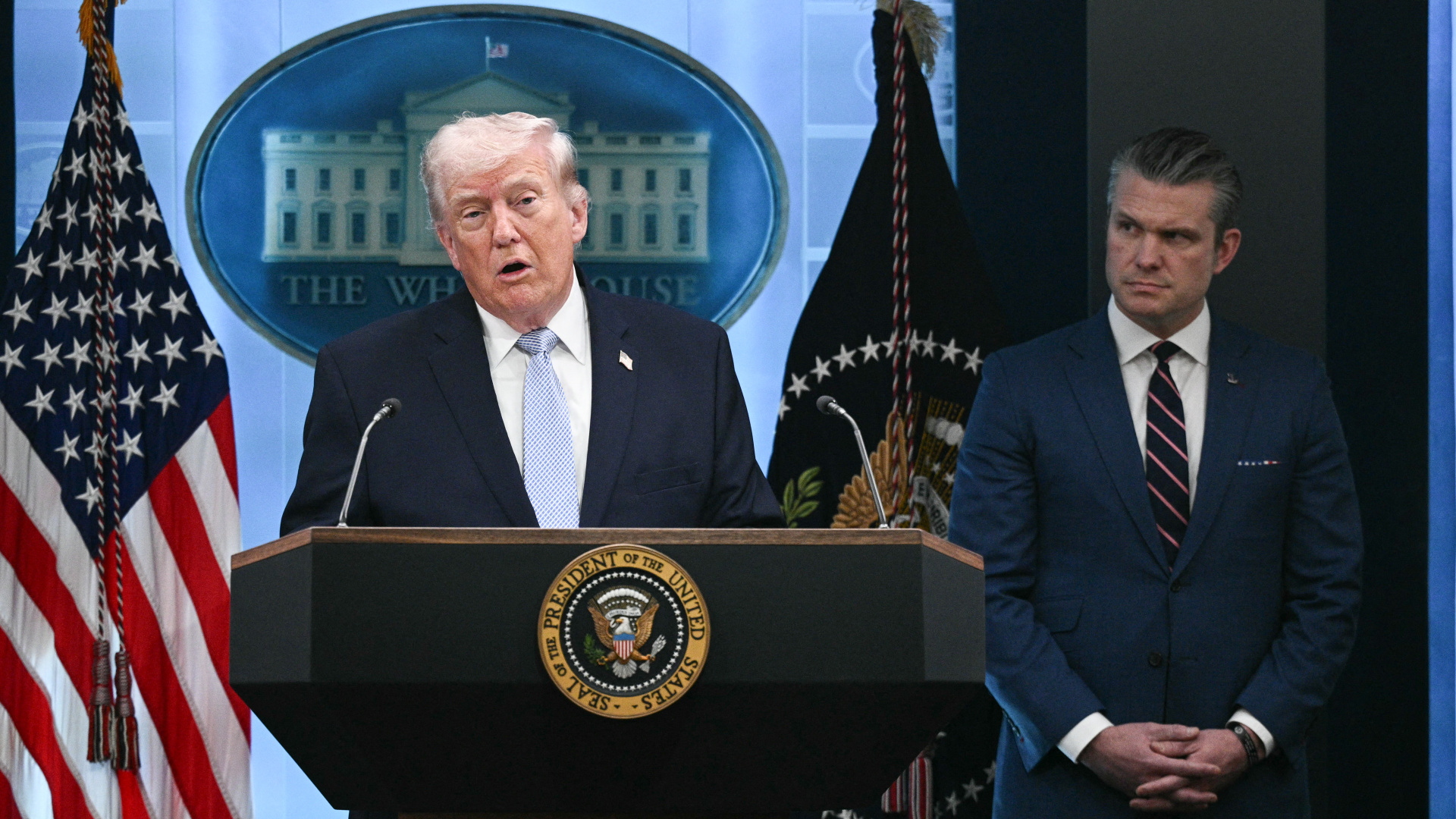
As of October 19, 2026, the main American issue being discussed simultaneously in Russia, Germany, and Ukraine is not another declaration of peace itself, but the practical price that Washington, in the view of local observers, is prepared to pay for a negotiating process with Moscow. Donald Trump’s decision on October 16 to suspend the implementation of new sanctions under the “Graham Act”—including the 500-percent tariffs on Russian goods and 100-percent tariffs on major buyers of Russian energy provided for by the law—was legally framed as serving the “national interests of the United States.” The White House order explicitly states that the president exercised his authority to waive application of these restrictions. (whitehouse.gov)
In Russia, this is seen above all as confirmation of a long-standing idea: sanctions pressure does not bring a settlement closer but instead obstructs it. The Russian business press emphasizes the pragmatic side of the decision: the sanctions were not permanently repealed, but their implementation was put on hold, meaning that room for a deal remains. The Kommersant report highlights that the measures scheduled to take effect on October 18 have been frozen, including the most painful trade restrictions. (kommersant.ru) For Russian audiences, this is not merely a diplomatic gesture but a signal that the White House considers normalizing economic ties with Moscow as part of a future agreement.
But the Russian discussion also includes a more cautious, analytical line. In a conversation with Fontanka, Americanist political analyst Malek Dudakov describes Trump not as a consistent ally of Russia, but as a leader unwilling to take either Ukraine’s or Europe’s side. His logic essentially comes down to an American priority: domestic resources and the home market first, followed by obligations to partners. (fontanka.ru) This is a significant departure from a triumphalist interpretation: Moscow sees an opportunity for negotiations, but understands that it depends not on Trump’s sympathies toward Russia, but on his changeable understanding of American interests.
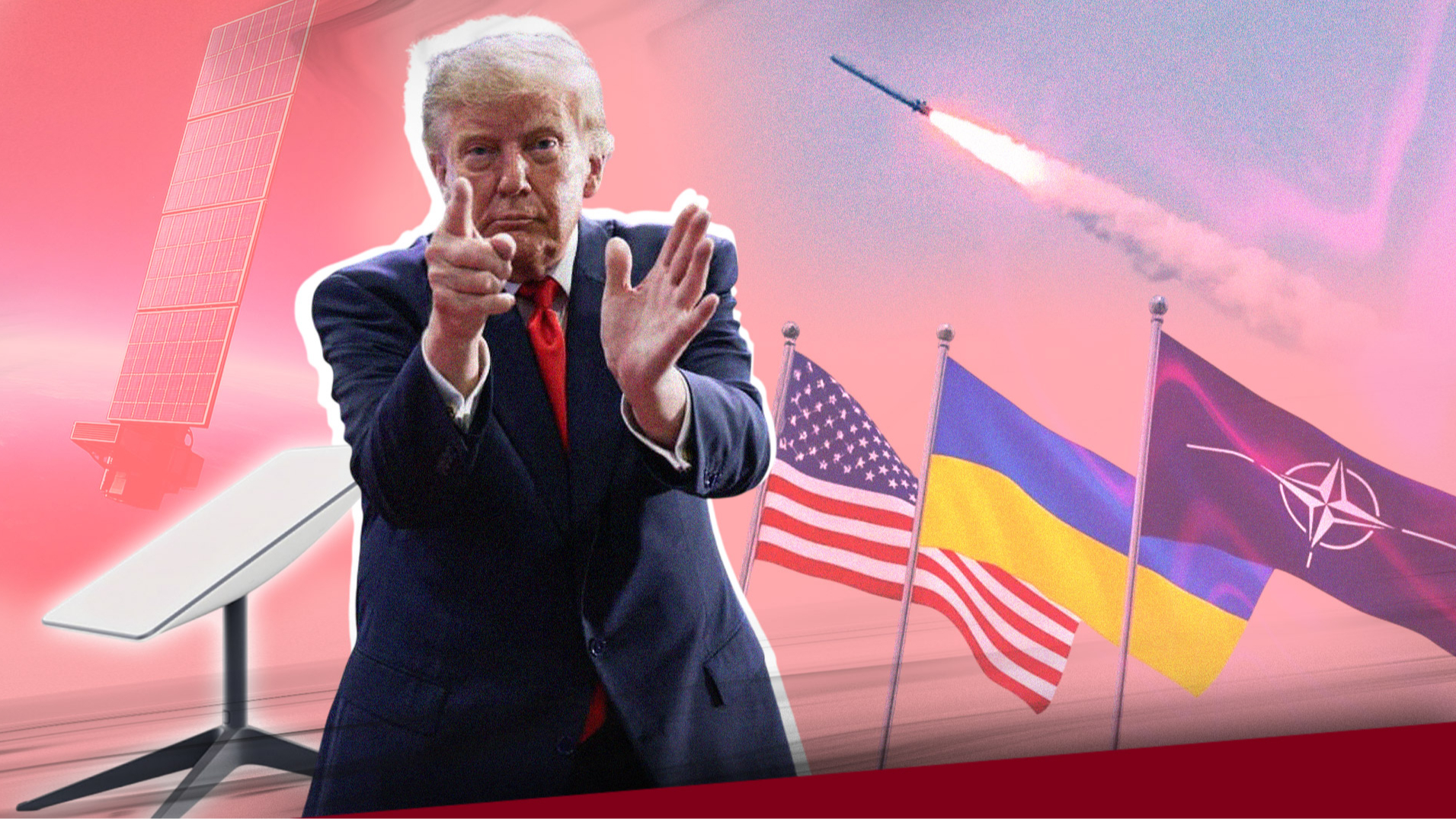
It is precisely this volatility that has provoked the sharpest reaction in Ukraine. Ukrainian journalists and experts do not view the pause in sanctions in isolation; they see it as part of a broader scheme of pressure on Kyiv. An analysis by Ukrainska Pravda identifies three possible U.S. levers: intelligence, financing for arms purchases through the PURL mechanism, and the Starlink/Starshield satellite infrastructure. The authors see the combination of these factors as an attempt to limit Ukraine’s ability to continue the war on its own terms. (pravda.com.ua)
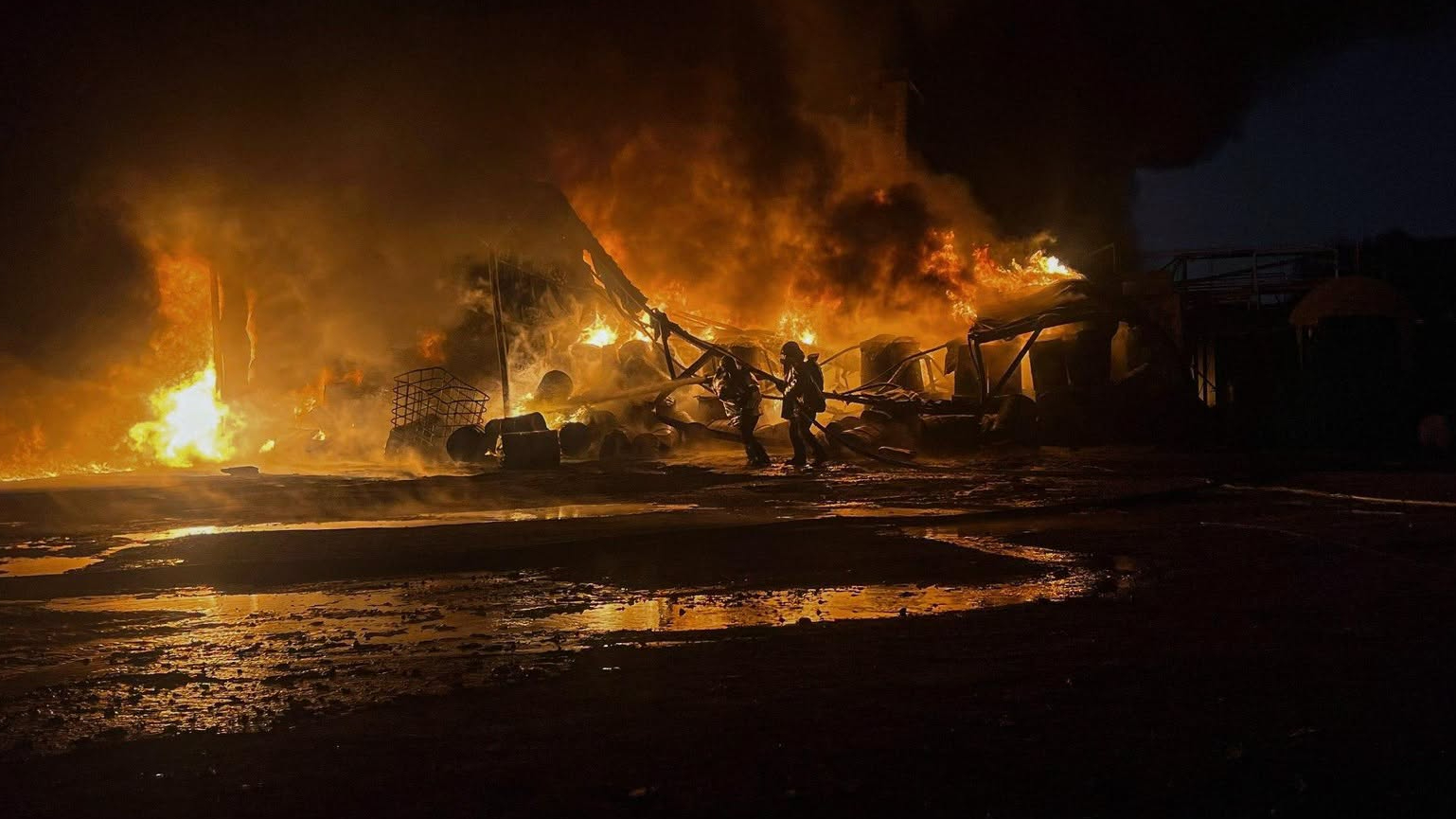
The issue of Ukrainian strikes on Russian oil refineries has become particularly painful. For Washington, judging by Trump’s rhetoric, this is a matter of the global and American diesel market; for Kyiv, it is one of the few ways to systematically target Russia’s sources of revenue and military logistics. In a column for Ukrainska Pravda, Viktoriia Voitsytska, Oleksandr Lemenov, and Volodymyr Nastenko set out the Ukrainian counterargument: Russian oil revenues finance the war, so calls to spare refining capacity look like a demand to preserve the enemy’s resource base. (pravda.com.ua) From this perspective, the dispute over diesel is not a technocratic argument about prices, but a conflict between American electoral economics and Ukraine’s right to self-defense.
Ukrainian irritation has also been heightened by the story of the “energy truce” announced by Trump. In Germany, it has become almost a symbol of the gap between an American political statement and military reality. Tagesschau notes that attacks on Ukrainian infrastructure continued soon after the announcement of a halt to strikes on energy facilities. Volodymyr Zelenskyy’s response—“It was clear that Putin doesn’t read Truth Social”—was presented in the German coverage not simply as sarcasm, but as a diagnosis of diplomacy in which a public announcement substitutes for an agreed and verifiable mechanism. (tagesschau.de)
Berlin draws a broader conclusion from this: the problem lies not only in the specific delay to the sanctions, but also in the possibility that the United States may shift from being a guarantor of pressure on Russia to being a mediator interested in a quick deal and an economic exchange. An ARD/Tagesschau analysis interprets the sanctions freeze as another step toward Vladimir Putin and points to suspicions that the prospects of commercial agreements may be influencing U.S. policy toward Russia. (tagesschau.de) For German political culture, where Ukraine’s security is increasingly regarded as part of Europe’s own security, this looks not like a negotiator’s flexibility, but like the risk of replacing strategy with a short-term deal.
Official Germany is nevertheless trying not to turn its concern into an overt break with Washington. Foreign Minister Johann Wadephul stated the European position with utmost clarity: now is the time to “increase pressure on Russia,” not weaken Europe’s own defenses; “Europe’s defense begins with Ukraine.” In a statement by the German Foreign Ministry, he also emphasizes the need for European agency—the ability of Europe to support Ukraine and strengthen its defenses independently of political fluctuations in the United States. (auswaertiges-amt.de)
This is where the main divergence among the three local perspectives emerges. The Russian debate sees American pragmatism as a chance to move relations out of the sanctions spiral and force Kyiv to agree to negotiations. The Ukrainian perspective sees the danger that the war will be reduced to the price of fuel and that pressure will be directed not at the aggressor but at the country defending itself. The German view fears that Europe will be forced to compensate for American inconsistency with its own money, weapons, and political will.
The common theme, however, is the same: America is once again perceived not as an abstract “West,” but as an independent player driven by domestic electoral and economic motives. Russian commentators believe this brings bargaining and national interest back into international politics. Ukrainian authors believe such bargaining creates the risk of a coerced concession. German observers arrive at an even more uncomfortable conclusion: transatlantic solidarity can no longer be the sole foundation of European security. In other words, the current reaction to the United States in Moscow, Kyiv, and Berlin differs in its assessment of Trump, but converges on one point: Washington’s decisions now shape not only the diplomatic atmosphere, but also the very architecture of the war, sanctions, and European defense.