In discussions in France, Saudi Arabia and South Korea, the United States is now emerging less as a predictable hub of alliances than as a power translating security, trade and even diplomatic mediation into the language of immediate gain. The backdrop is a combination of crises: Washington’s policy toward Iran and Yemen, pressure on allies to increase defense spending, and a new wave of trade demands directed at Seoul. In each of the three countries, the reaction is shaped by its own risks, but the broad conclusion is similar: U.S. guarantees still cannot be ignored — yet they can no longer be trusted without reservations.
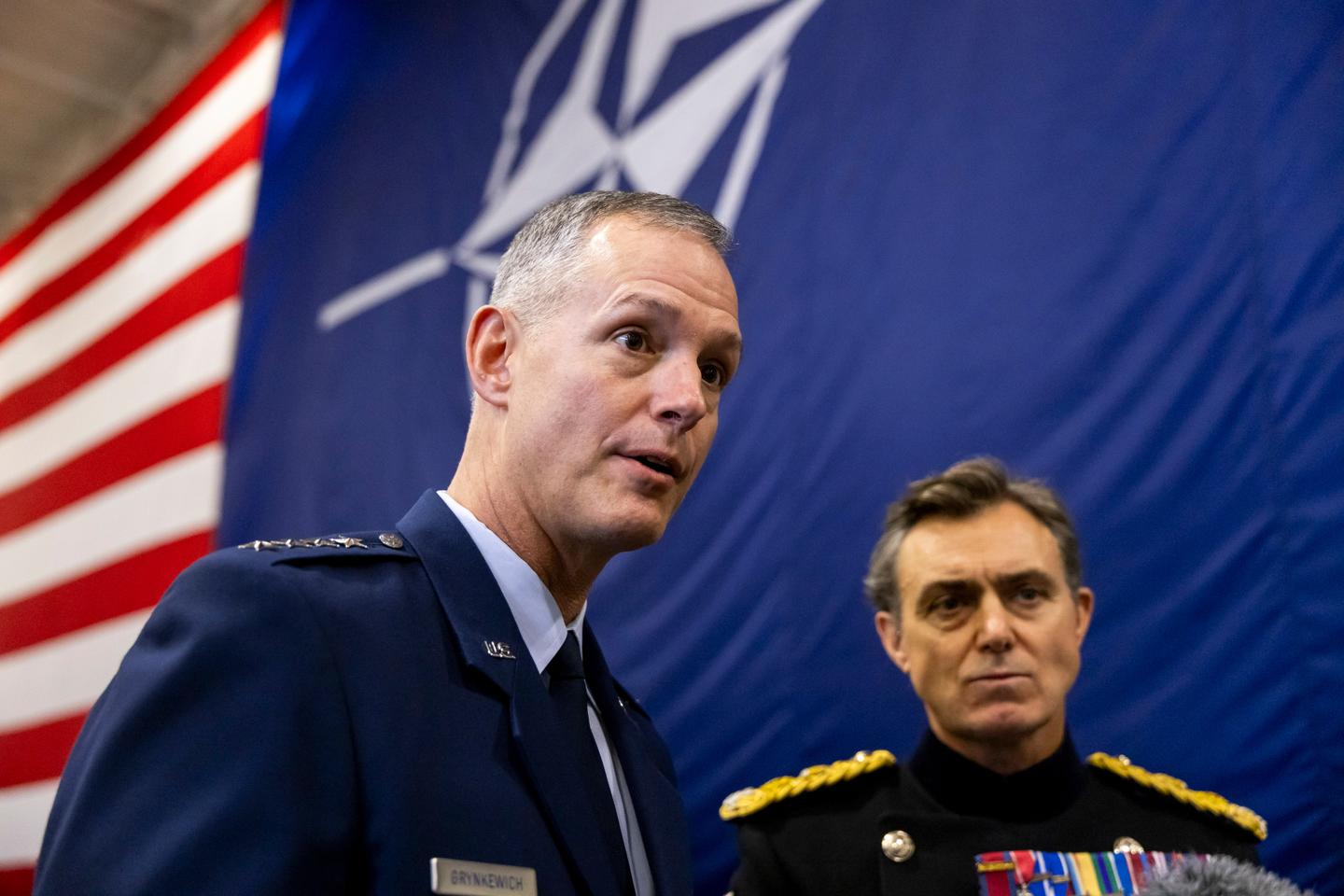
The French debate centers on Washington’s almost paradoxical formula: Europe must become militarily stronger, but not too politically independent. An analysis by Le Monde describes how the Trump administration is simultaneously demanding that Europeans increase defense spending more rapidly while using political pressure that could divide the EU and obstruct its strategic autonomy. Fabrice Pothier, an expert at the consulting group Rasmussen Global, calls the combination of strategic demands, ideological preferences and tests of allies’ loyalty “an explosive cocktail.” For a French audience, this is not an abstract dispute over NATO: the issue is whether Europe will be able to respond to the Russian threat if the American military presence is reduced and Washington’s political support becomes conditional. (lemonde.fr)
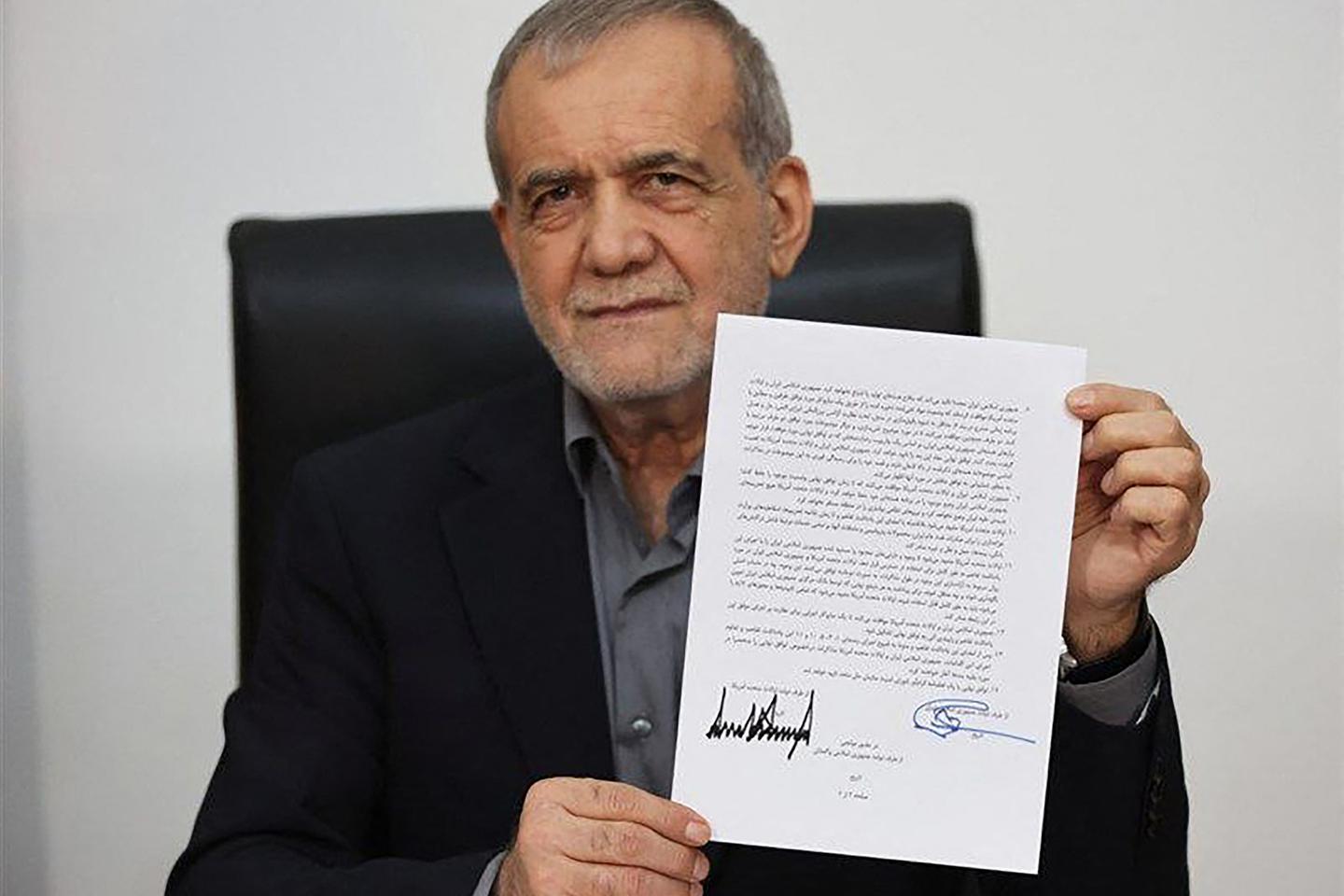
This is particularly painful against the backdrop of the U.S. campaign against Iran. French commentators see it as an example of how a show of force can leave behind a less stable order than the one it promised to create. An editorial in Le Monde on the U.S.-Iran agreement argues that the ceasefire opened negotiations but did not resolve the central nuclear issue; the earlier strikes merely undermined confidence in the negotiating process. Another French assessment is even harsher: the agreement signed in Versailles postponed key questions concerning verification of Iran’s nuclear program and its missile capabilities, effectively turning a loudly proclaimed victory into an unfinished deal. (lemonde.fr)
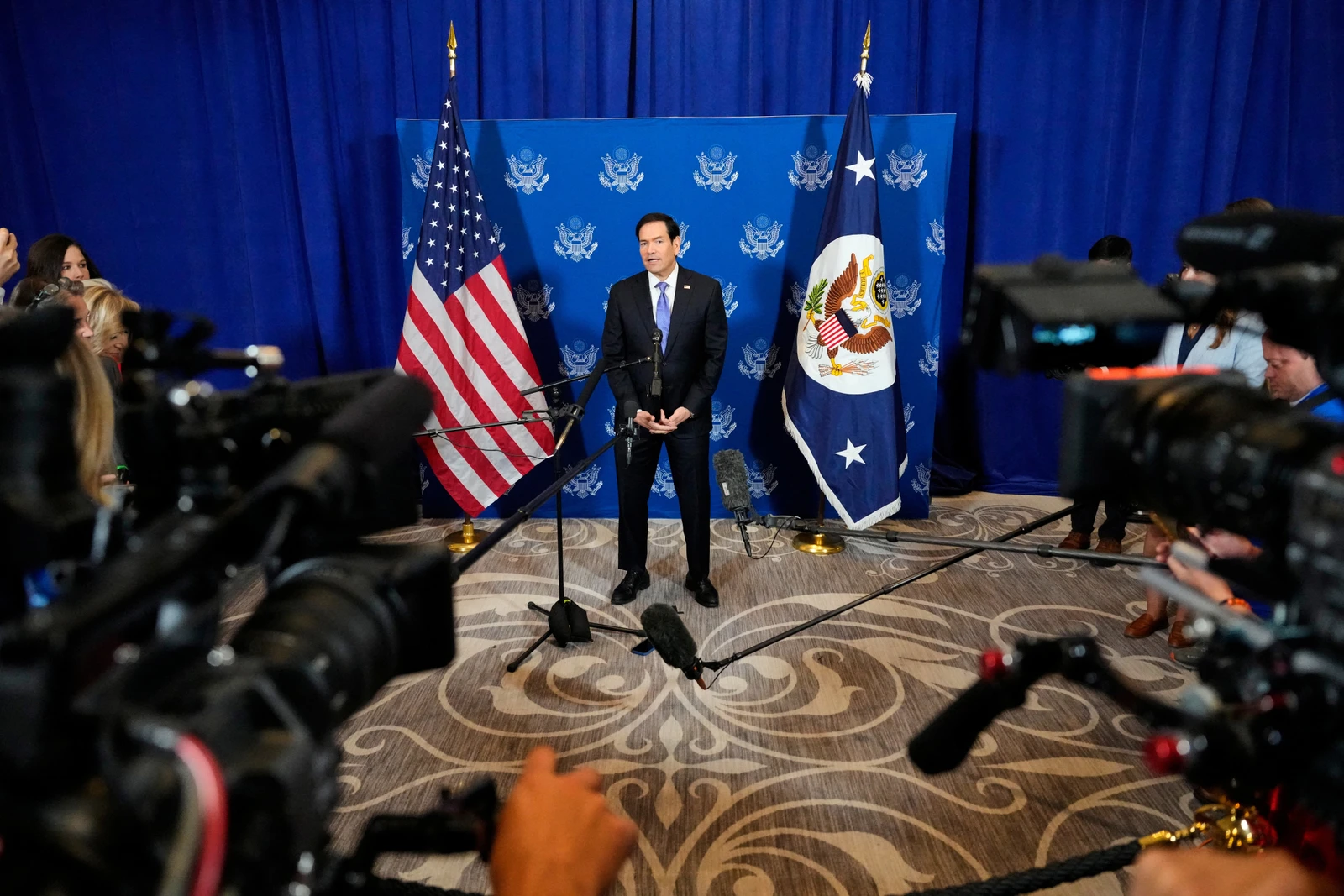
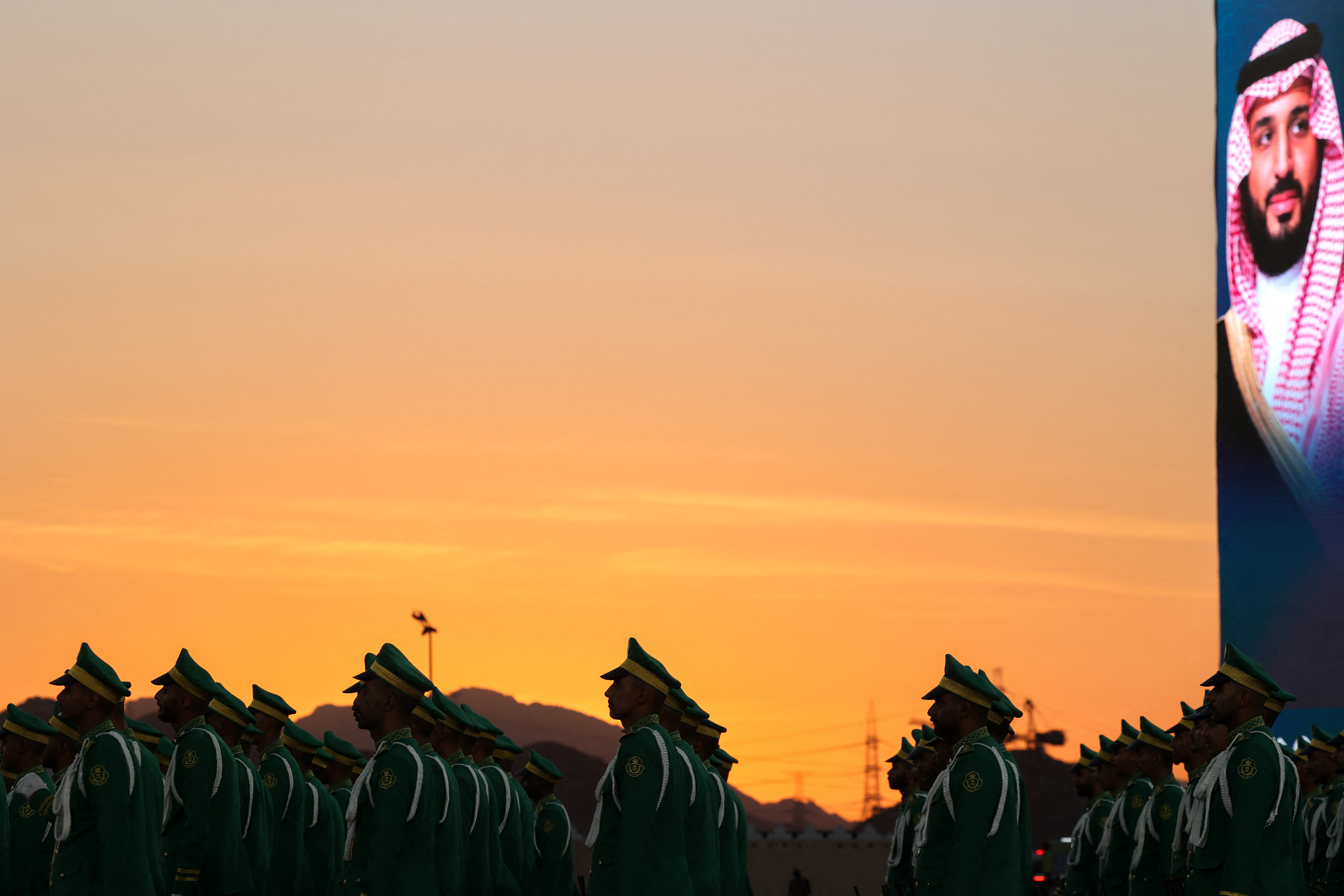
The Saudi reaction is far less theoretical: here, the question is extremely concrete — will American assistance arrive in time if Houthi attacks on the kingdom’s territory and shipping intensify? Saudi expert Abdelaziz Sager, founder of the Gulf Research Center, in an interview with Arab News, reduces the expected value of U.S. commitments to three practical elements: weapons, operational expertise and intelligence. But his key qualification is more important than the list itself: according to Sager, Marco Rubio’s statement should be understood as a pledge of defensive support, not as a commitment for American troops to fight on Saudi Arabia’s behalf. (arabnews.com)
It is precisely this difference between support and direct involvement that has become the focal point of the Saudi debate. In official and semi-official media, the United States is still described as a crucial partner condemning attacks on Saudi airports and civilian infrastructure. But local writers also stress that Riyadh cannot base its strategy on waiting for outside rescue. In Okaz, columnist Faris bin Hizam interprets the attacks on airports not simply as a military action, but as an attempt to raise the cost of the conflict for everyday life, business and the international community; by his reasoning, the response should be to prevent the adversary from turning fear of escalation into a political concession. (okaz.com.sa)
The Saudi perspective thus differs from the French one. Paris is concerned about Europe’s political subordination to the American agenda; Riyadh is concerned about the inadequacy of the U.S. response at a moment of direct threat. Yet both capitals draw a similar conclusion: Washington’s guarantees must now be measured not by statements, but by concrete deliveries, intelligence, protection of critical infrastructure and a willingness to bear risk. It is telling that in Saudi analysis, closer ties with Pakistan and Turkey are viewed not as a sharp break with America, but as the creation of a safety net in case U.S. involvement proves limited. (arabnews.com)
In South Korea, American unpredictability is discussed primarily through trade — but it is perceived as part of the same alliance logic. Donald Trump’s statement that Seoul should pay a “price” for lower tariffs, along with his unilateral mention of a $50 billion investment in an LNG production project in Alaska, alarmed the Korean press not only because of the amount involved. In an article by Chosun Ilbo, the emphasis is on the absence of prior coordination with South Korea: an ally is treated not as an equal negotiating partner, but as a source of investment expected to endorse decisions that have already been announced. (chosun.com)
This is particularly sensitive for Seoul because the U.S. market remains critically important to Korean exports, while trade issues inevitably become intertwined with security concerns on the Korean Peninsula. Korean observers therefore read the tariff threats not only as an economic dispute, but also as a signal about the style of American policy: market access, investment, defense cooperation and political loyalty may become parts of a single package. Significantly, Chosun Ilbo discusses in detail a study by the Federal Reserve Bank of New York according to which tariffs have raised prices for American consumers. From the Korean perspective, this adds irony to the situation: Washington is demanding concessions from its partners even as the costs of the trade war are also falling substantially on Americans themselves. (chosun.com)
Another common theme is the subordination of U.S. foreign policy to the domestic political calendar. French writers link the White House’s caution on Iran to the approach of the U.S. midterm elections on November 3, 2026: war is unpopular, while the cost of living matters more to voters than foreign-policy victories. (lemonde.fr) In Saudi Arabia, this is perceived even more directly. Commenting on the Houthi attacks, Trump said they were probably trying to raise oil prices ahead of the U.S. elections and stressed that after the vote he would “still be here”; in the region, this sounds like an admission that the scale of the American response is also tied to domestic political calculations. An Okaz report conveys the remark without diplomatic packaging. (okaz.com.sa)
The most unexpected conclusion from these local reactions is that neither France, Saudi Arabia nor South Korea is discussing abandoning relations with the United States. All three countries still need American military capabilities, markets, technology or intelligence cooperation. But the old alliance formula — under which the mere presence of the United States was considered a guarantee of predictability — is clearly weakening. France is responding by calling for Europe to develop the ability to act independently; Saudi Arabia by diversifying its regional support and demanding measurable assistance; and South Korea by seeking to turn trade agreements into clearer commitments protected from unilateral decisions. American power has not disappeared. What has changed is that allies increasingly view it not as an unconditional public good, but as a resource they must continually bargain over.