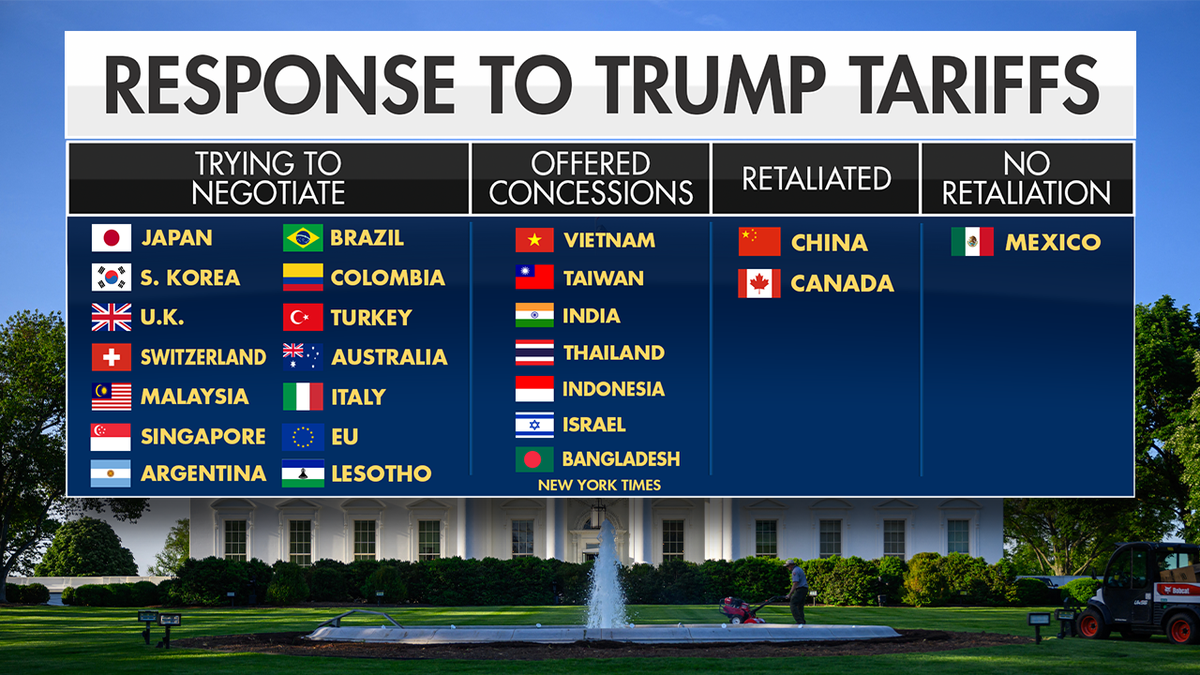
U.S. policy under Donald Trump continues to alarm allies and partners, intensifying tensions on several fronts at once. Pressure on Europe, negotiations over Iran and Ukraine, tighter migration controls, tariff threats, and rising military risks are forcing countries to reconsider their previous strategies and seek ways to counter American influence. Russian and Saudi publications are also assessing Washington’s diplomatic options, its domestic vulnerabilities, and the consequences of a coercive policy for the Middle East. This material is based on publications by Fedpress.ru (Russia) and Facebook (Saudi Arabia).
Possible Witkoff-Kushner Visit Highlights Moscow’s Role
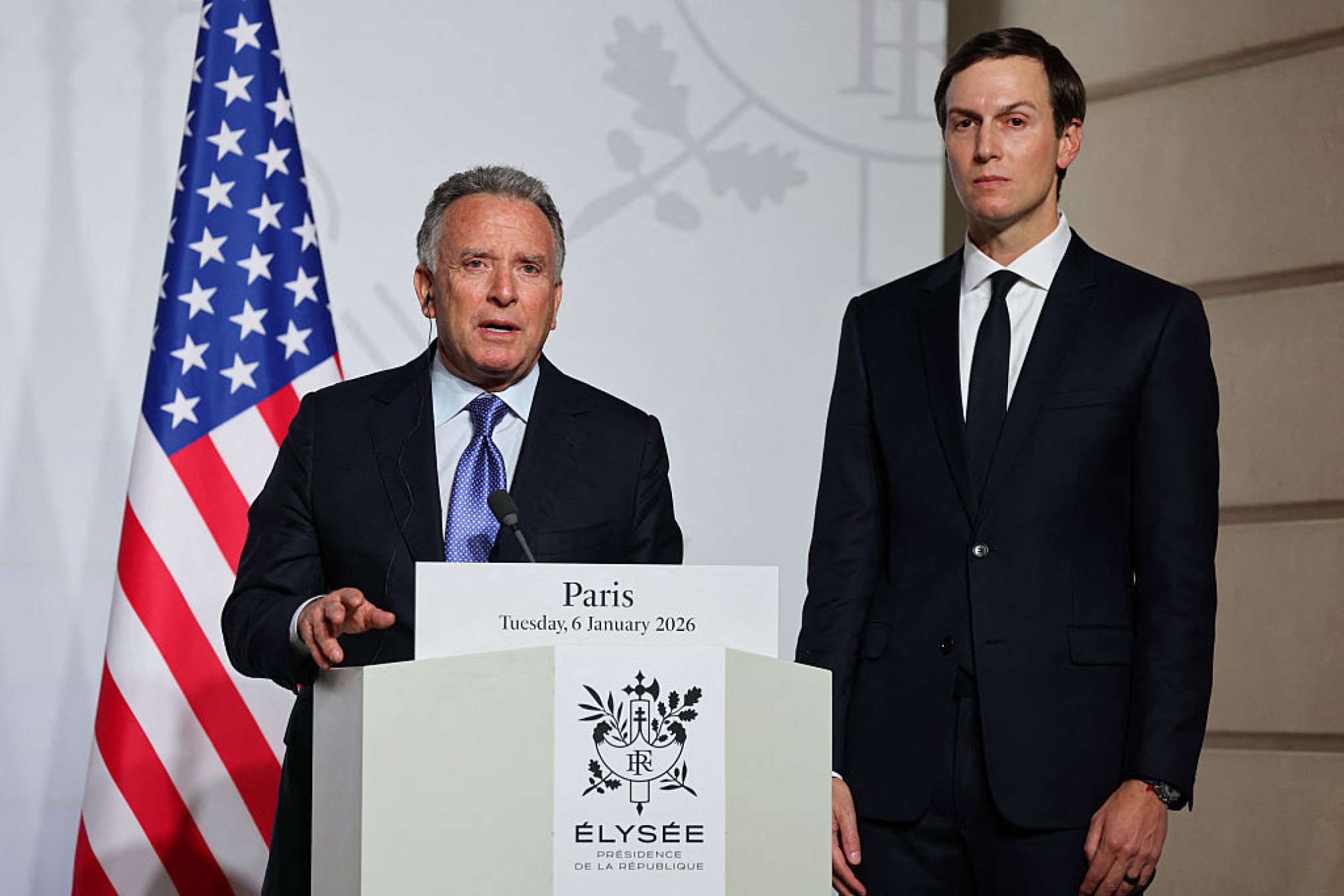
A possible trip to Moscow by U.S. presidential representatives Steve Witkoff and Jared Kushner could mark a separate stage in international consultations on resolving the conflict surrounding Ukraine. According to FederalPress, citing Axios and unnamed sources, before a potential meeting with Russian President Vladimir Putin, the U.S. representatives intend to hold talks with a Ukrainian delegation and discuss the initiative with Germany, the United Kingdom, France, the European Union, and NATO.
The focus of the report is not the substance of the possible American proposal, but the prospect of direct contact between Washington and Moscow. The very inclusion of the Russian capital in the proposed consultation itinerary underscores that discussions with Kyiv and European partners are not being viewed as a substitute for dialogue with Russia.
According to the publication, Washington is seeking “diplomatic progress” before the U.S. congressional midterm elections scheduled for November 3, as well as before winter arrives. These deadlines give the possible initiative additional political and practical significance: the U.S. administration may be taking into account both the domestic electoral calendar and seasonal risks related to energy, infrastructure, and the resilience of European economies.
For Moscow, a potential meeting with Witkoff and Kushner could confirm the continued importance of a direct Russian-American channel, even with the broad participation of Ukraine, European countries, the EU, and NATO. Russia’s traditional position is that issues of European security and a settlement concerning Ukraine cannot be resolved without taking Russian interests into account.
At the same time, possible convergence between the negotiating approaches may concern more than the situation on the battlefield. Depending on the format and substance of the dialogue, the agenda could include sanctions, trade and economic ties, energy issues, and the broader configuration of relations between Russia and Western countries.
Mentioning Vladimir Putin in the context of the presumed talks reinforces the image of Moscow as one of the key participants in the process, without whose consent a comprehensive settlement would be difficult to implement. From this perspective, the conflict cannot be ended solely through military means or sanctions pressure—direct political agreements are necessary.
At the same time, the information remains preliminary. The report contains no confirmation of the future visit from the Kremlin, the White House, Witkoff, or Kushner. The discussion therefore concerns possible plans based on information from Axios, rather than a coordinated and officially announced trip.
Qatar and Saudi Arabia in the Race for the Technological Future
A speech by Paddy Cosgrave, founder and CEO of Web Summit Qatar, at the third summit in Doha provided another signal that technological and investment influence is being redistributed around the world. Although the original Al Jazeera publication formally focuses on rising fuel prices and the situation surrounding the Strait of Hormuz, its content points to a broader question: how the Gulf states are seeking to establish themselves in a new, multipolar global economy.
According to Cosgrave, over the past three years, “the world’s center of technological gravity has begun to shift.” He associates this process primarily with the rapid development of Chinese innovation and the growing difficulty Western companies face in competing with China’s pace of technological growth. Web Summit Qatar, which brought together participants from more than 120 countries, has become a platform for Doha to demonstrate its ambition to move beyond its traditional role as an energy exporter and become a prominent center for digital business, investment, and startups.
This shift has strategic importance for the entire region. The Gulf states possess substantial financial resources generated by oil and gas revenues and are increasingly directing them toward artificial intelligence, cloud technologies, venture capital, digital infrastructure, logistics, and high-tech manufacturing. International summits are becoming not only business events but also instruments for competing for entrepreneurs, developers, investors, and skilled professionals.
This process is particularly important for Saudi Arabia. Under the Saudi Vision 2030 program, the kingdom aims to reduce the economy’s dependence on oil by developing the digital sector, AI, fintech, transport corridors, tourism, and new industries. Cosgrave’s comments about China’s technological rise are consistent with Saudi Arabia’s policy of expanding partnerships: Riyadh maintains deep ties with the United States and Europe while simultaneously strengthening economic, investment, and technological cooperation with Beijing.
From the Saudi perspective, the emerging multipolarity does not necessarily require choosing between the West and China. Rather, it creates room for an independent policy: attracting technology, capital, and expertise from several centers of power while strengthening the kingdom’s own negotiating position. This pragmatic approach allows Saudi Arabia to participate in Western investment and technology projects while expanding cooperation with Asian partners.
The success of Web Summit in Doha also highlights growing regional competition. Qatar, the UAE, and Saudi Arabia are competing for the status of the Middle East’s leading technology, financial, and events hub. Doha uses international conferences and startup platforms to attract global business; Abu Dhabi and Dubai are developing financial zones, digital infrastructure, and AI projects; Saudi Arabia is relying on the scale of its domestic market, sovereign wealth funds, and major initiatives under Vision 2030.
However, the region’s technological transformation is taking place against the backdrop of continued dependence on energy security. The Al Jazeera publication’s headline itself, mentioning rising fuel prices and the Strait of Hormuz, serves as a reminder that oil, gas, and the security of maritime routes still determine the resilience of Gulf economies. For Saudi Arabia, risks around the Strait of Hormuz could affect export flows, budget projections, and global oil prices—and, consequently, the funds available to finance digital and industrial modernization.
Thus, technological events in Doha should be viewed not merely as showcases for startups and innovation. They reflect the Gulf states’ struggle for a place in the global economy, where political and business influence is becoming less dependent solely on hydrocarbons. Against the backdrop of China’s technological rise, intensifying competition among global centers of power, and instability along energy routes, Qatar and Saudi Arabia are seeking to turn their accumulated oil and gas resources into a foundation for long-term economic autonomy. The original publication is available on the Al Jazeera page.