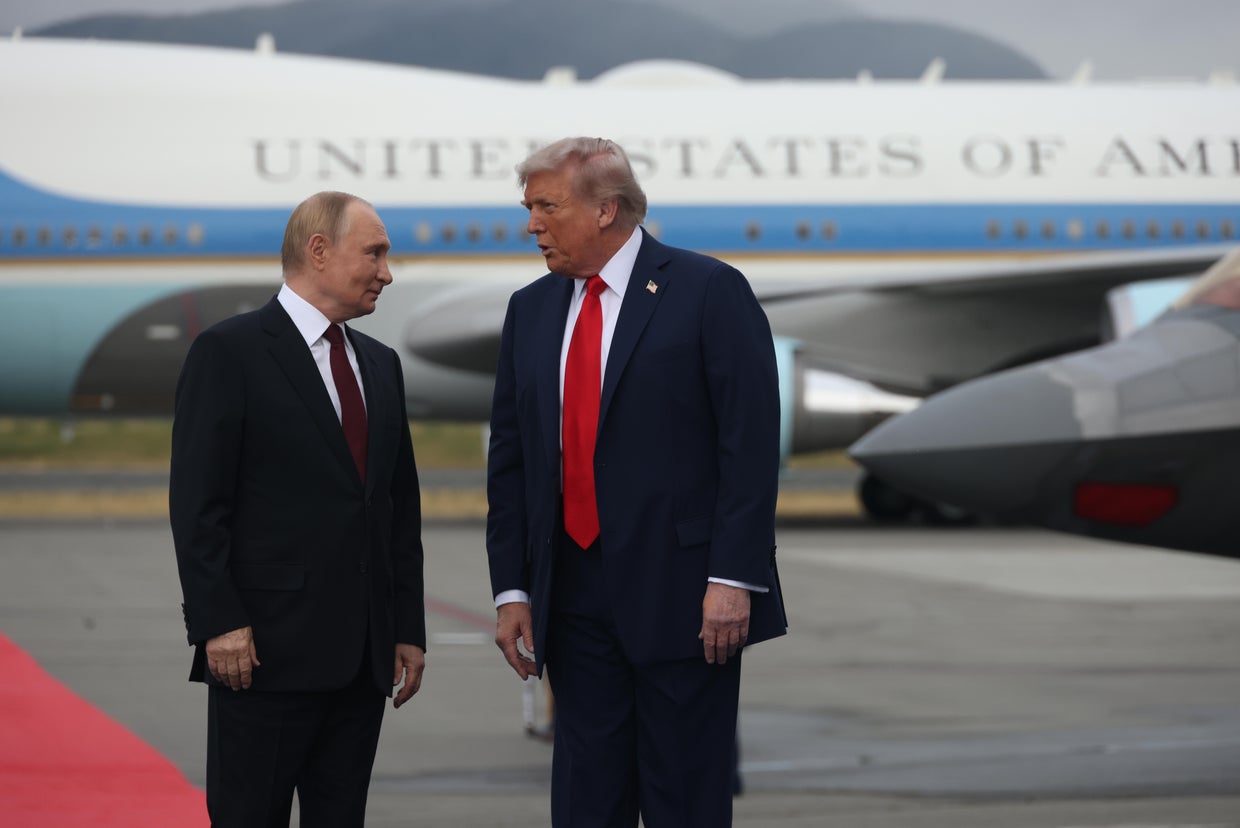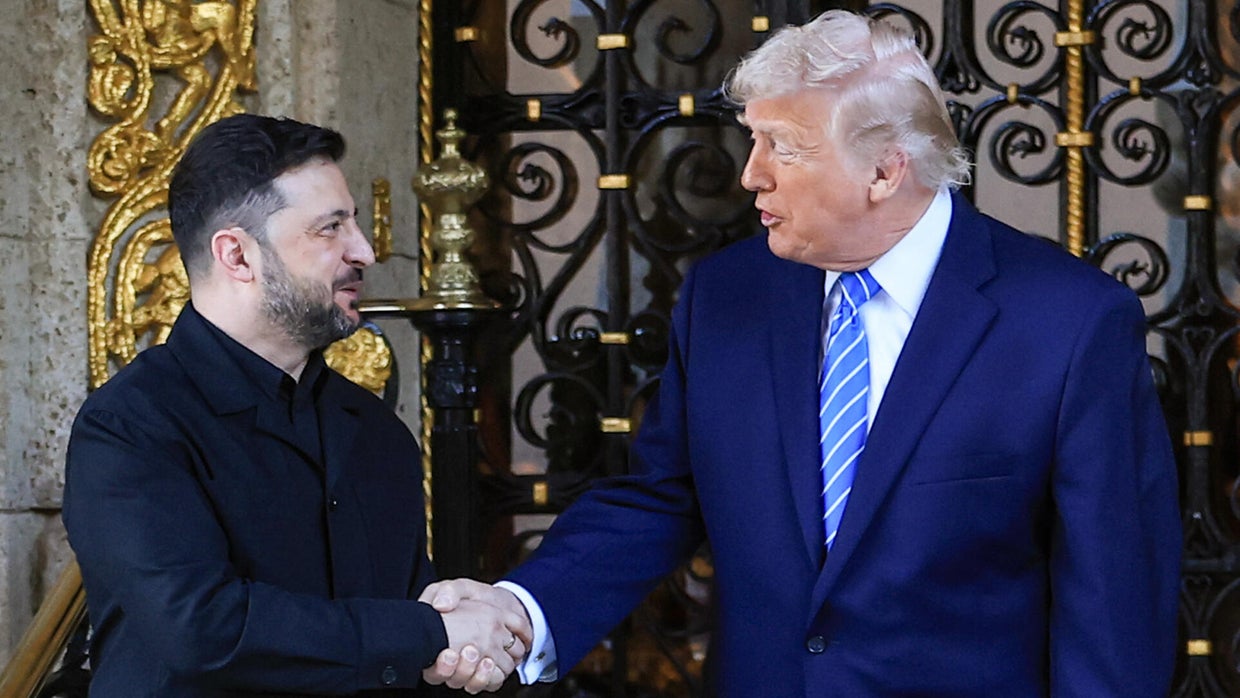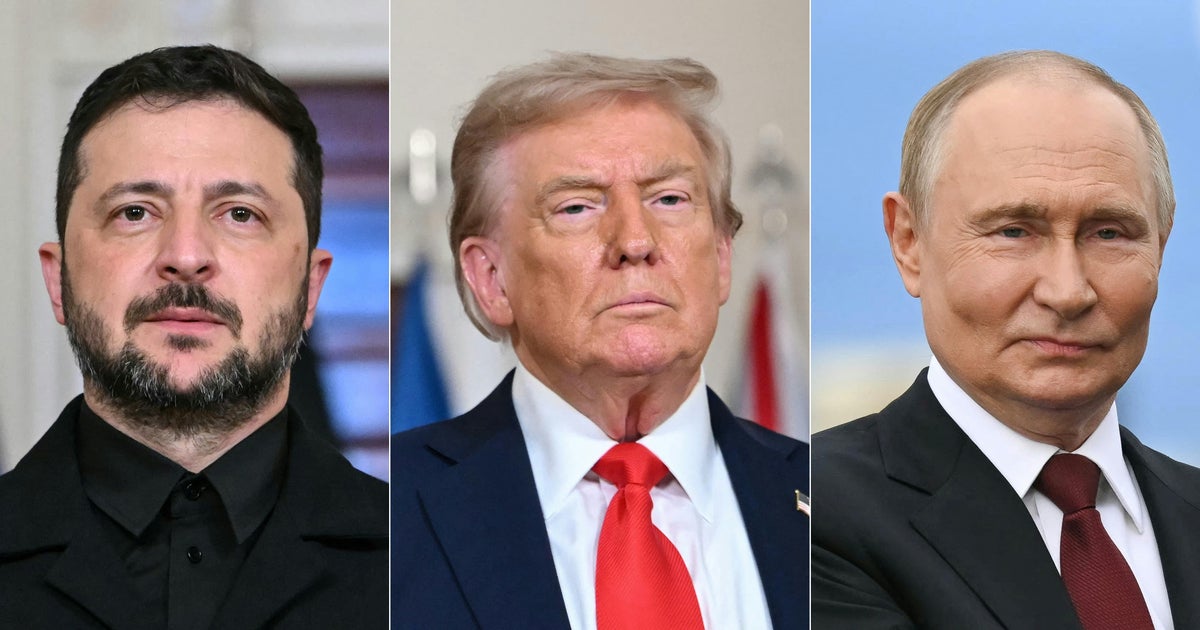
In mid‑June 2026 the United States again finds itself at the epicenter of global debate — but this time not only as a "hegemon," rather as the nervous hub of three simultaneous crises. In Israel there is debate over whether America is saving the country or betraying it for a deal with Tehran. In Australia officials are recalculating future tariffs and trying to understand whether the American "umbrella" of protection is as reliable as before. In Ukraine people are anxiously parsing the nuances of your agreements with Moscow and Tehran, applying every turn in Washington to themselves: does it mean a weakening of support or, conversely, a deepening of the military alliance? What in American media looks like tactical maneuvers by Donald Trump around the war with Iran and the conflict in Ukraine is perceived in these three countries as a question of survival.
The first and hottest storyline is the US attempt to end the war with Iran and reopen the Strait of Hormuz. The Israeli discussion about America is particularly heated and emotional. Against the backdrop of a joint US campaign against Iranian infrastructure and continuing shelling from Hezbollah from Lebanon, Israeli commentators increasingly say Washington is imposing a "foreign logic of war" on Tel Aviv. As early as April Arab and Western media noted that the announced ceasefires with Iran and in Lebanon are perceived in the region as decisions "more imposed by the US than achieved by Israel at a negotiating table," and this has strengthened the sense that Israeli interests are subordinated to the American agenda rather than the other way around, as the right wing of Israeli politics has been accustomed to believing.(aljazeera.com)
The situation escalated in recent days when Trump said the US and Iran are "very close to a deal," while simultaneously urging Israel "not to derail" it after IDF strikes on Shiite neighborhoods in Beirut.(washingtonpost.com) In Washington this is presented as a step toward de‑escalation, but in Israel the reaction sounds very different. Hebrew pieces in major outlets describe the deal as a "Washington capitulation to Tehran" and a "geopolitical blow to Tel Aviv." A Ukrainian outlet recounting analysis from Israeli Ynet quotes Israeli officials saying the forthcoming US–Iran memorandum "grossly neglects Israel’s national security interests and effectively negates the results of the ongoing military operation."(ria-m.tv)
At the same time there are cooler voices inside Israel. In an interview with the Russian‑language outlet The Insider an Israeli political scientist noted that "the agreement between Iran and the US has provoked discontent across the political spectrum" and that the refusal to further escalate in Lebanon is often interpreted as a "loss of sovereignty," but the alternative is a protracted two‑front war, in Lebanon and against Iran, with unpredictable consequences for Israel’s economy and internal stability.(theins.ru) In this Israeli conversation America functions both as a guarantor of security, pushing for an unpopular peace, and as an external force constraining freedom of military maneuver. Gratitude for military support and accusations that Washington is chasing a "pretty deal" for Trump's ratings rather than a sustainable architecture of regional security are addressed to the US in equal measure.
Australian debates about the US look much less dramatic, but that does not make them less consequential. For Canberra the main questions are not about survival today but about the structure of world trade and the reliability of American commitments over decades. Newly appointed Australian ambassador to Washington Greg Moriarty arrived in the US capital with a mandate to conduct "tough tariff negotiations" after the Trump administration announced a review of duties on a range of goods, including products from the mining and agricultural sectors where Australia traditionally has strength.(abc.net.au)
Australian commentators in the ABC and other major media link this story to the broader picture of "Trumpian" economic foreign policy, in which the "America First" priority is taken literally. One influential political columnist at the ABC, reflecting on Trump's deal with Iran, effectively uses it as an example: the US president demonstrates a willingness to take risky steps — from threats of seizing the strategic island of Kharg to a broad blockade of Iranian oil exports — only to then put pen to paper on a compromise agreement, declaring "victory," while real levers in the Strait of Hormuz remain largely in Tehran’s hands.(bizportal.co.il)
For Australia, whose economy is heavily tied to maritime routes and the stability of global energy markets, this unpredictability in the American line becomes a subject of serious analysis. Leading newspapers ask: if the US is willing, for a tactical win in its Iran campaign, to destabilize trade routes and use tariffs as a political weapon even against allies, what does that say about the long‑term cost of an alliance with Washington? The official line remains pragmatic: the government stresses that the alliance with the US is still the "cornerstone" of Australia’s security in the Indo‑Pacific, but the need for "robust," i.e., tough and professional, tariff negotiations is openly acknowledged as a signal that Canberra no longer places unconditional faith in American altruism.(abc.net.au)
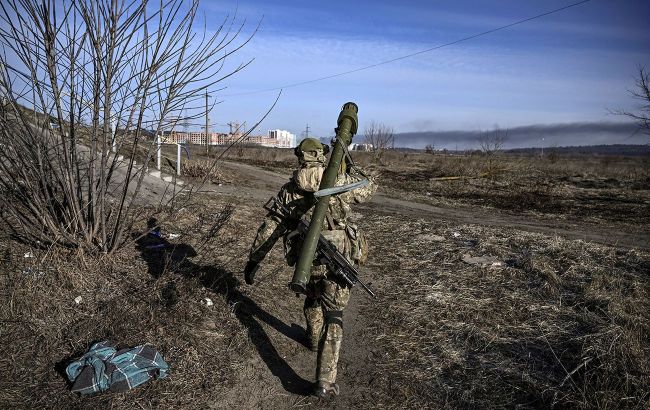
Ukrainian discussions about the US occur on a different emotional register. Here America is first and foremost the main military and political sponsor of resistance to Russian aggression. But in recent months anxiety has grown in Ukrainian expert circles: will Ukraine’s interests be sacrificed in the course of big US–Russian and US–Iranian combinations? The cause has been reports that Washington has reportedly accepted a "territorial" framework for a possible deal with Moscow — that is, a willingness to discuss security guarantees for Ukraine only after the effective confirmation of its loss of some territories,(transformukraine.org) and renewed direct contacts between Trump and Vladimir Putin amid ongoing hostilities. American and Ukrainian media reported the US president held phone conversations with both Putin and Volodymyr Zelensky, discussing a "quick end to the war," and the Russian side immediately quoted Trump as allegedly speaking of prospects for a "qualitatively new" relationship between Washington and Moscow after a settlement.(cbsnews.com)
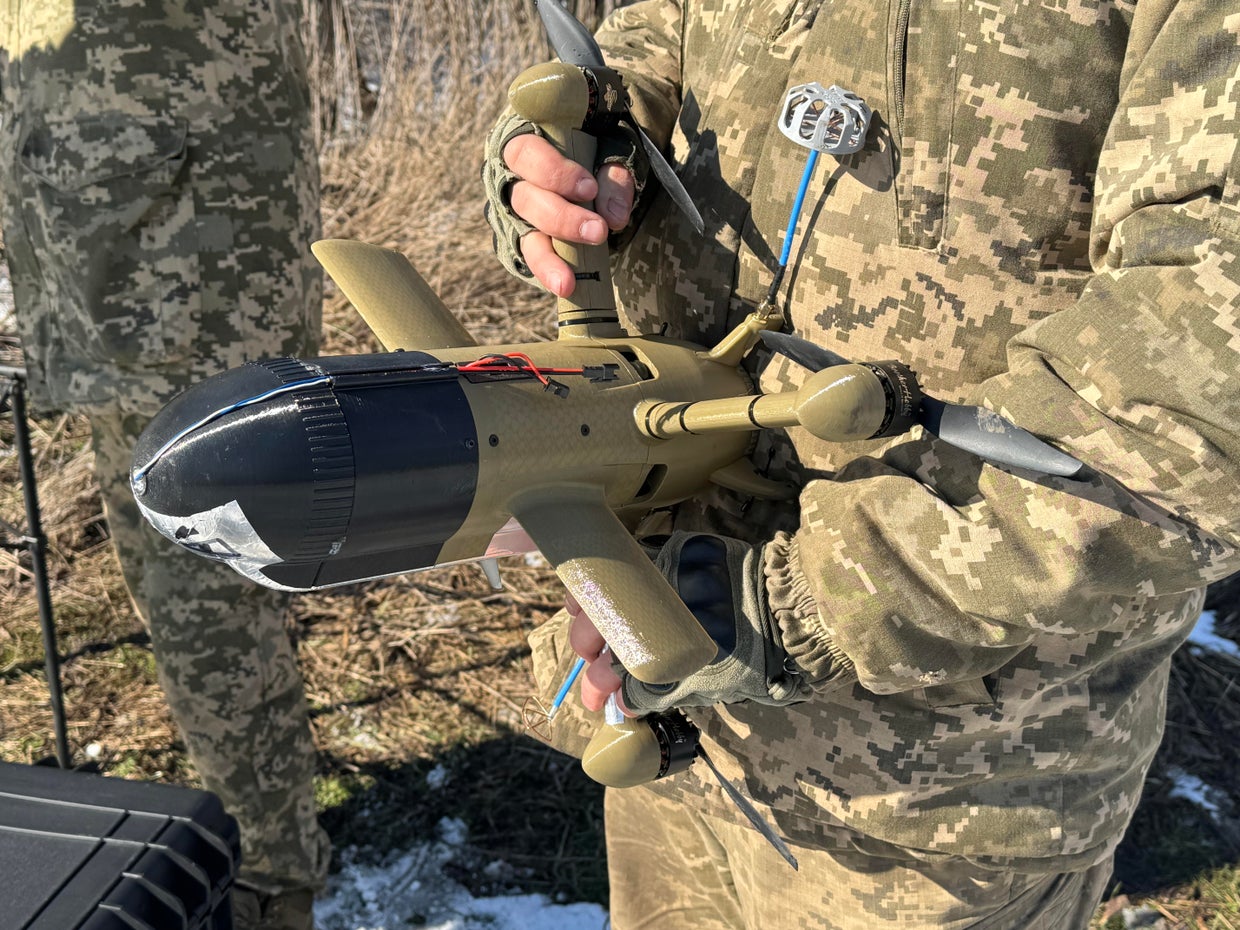
Against this backdrop Ukrainian analytic centers write about the US with noticeably greater caution than a year or two ago. In pieces on possible war scenarios American policy is considered not only as an unequivocal resource but as a key source of uncertainty: according to experts, whether scenarios of protracted war or a forced peace on painful terms for Kyiv materialize depends on the strength of US military aid and how firmly Washington rejects a "territorial compromise" with Russia.(newsukraine.rbc.ua) More recent Ukrainian publications discuss another aspect — deepening military‑technical cooperation with the US, in particular developing a joint counter‑drone defense system. In Kyiv such a project is interpreted as a sign that, despite Trump's diplomatic maneuvers, the US defense establishment is laying the groundwork for a long‑term partnership with Ukraine that is not reducible to momentary deals.(cbsnews.com)
Interestingly, Ukrainian media sometimes become channels retransmitting Israeli emotions about the US. The aforementioned piece recounting Ynet’s analysis of a "Washington capitulation under pressure from Tehran" appeared in Ukrainian, and the authors emphasize parallels between the situations in Israel and Ukraine: both countries are fighting adversaries whom Washington perceives as part of larger regional equations, and both can become bargaining chips in a game where the US places greater value on overall "market stability" and reducing the risk of direct confrontation than on maximizing allies’ military objectives.(ria-m.tv)
Common themes run through all three national lenses. The first is fatigue and distrust toward American rhetoric about "democracy" and "values" while simultaneously accepting the fact that it is the US that possesses unique military, financial and diplomatic resources. In Israel this appears in the bitter formula: "America saves us from Iran, but does not let us press Iran as we see fit." In Australia it shows up in the sober realization that US moral leadership does not prevent it from using tariffs and sanctions against partners when convenient. In Ukraine the painful dilemma is how to maximize American support without becoming an object of bargaining between Washington and Moscow.
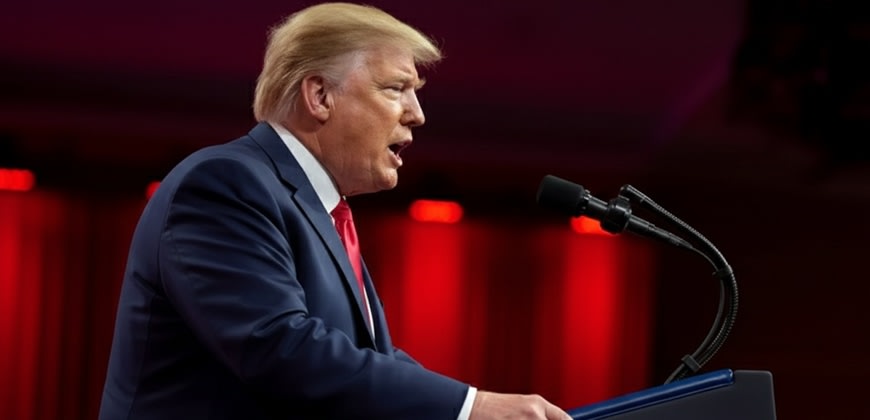
The second common theme is the growing role of Donald Trump’s personality as a factor of unpredictability. Israeli and Ukrainian analysts closely track his statements about being "very close" to a deal with Iran or the need to "quickly end" the war in Ukraine, trying to determine where bargaining ends and strategic intent begins.(washingtonpost.com) Australian commentators, for their part, see in his approach to the Strait of Hormuz and to tariffs the manifestation of a single pattern: the president manufactures a crisis in order to later sell its partial resolution as a political victory, with the bill for that "victory" being paid by allies and weaker players.
And finally, the third theme is the awareness of dependence on internal American debates. Israeli polls show a substantial portion of the population is ready to continue the fight against Hezbollah in Lebanon even at the cost of conflict with the US administration, but elites understand that without the American political umbrella such a course risks international isolation.(idi.org.il) In Australia the business press writes about the need to diversify trade links, primarily by deepening ties with Asia and Europe, precisely because American policy has become too dependent on cycles in Washington. In Ukraine the central nerve is fear of possible "war fatigue" in the US and of how another domestic political turn could affect the volumes of military aid and the toughness of the sanctions regime against Russia.
These debates rarely make it into the American information flow in full. In the US Israeli dissatisfaction over the Iran deal is often reduced to the familiar image of a "always demanding more" Netanyahu. Australian concern over tariffs is perceived as an ordinary trade dispute. Ukrainian fears about "territorial" compromises dissolve into the general noise over who is "tougher" with Putin. Meanwhile it is precisely in these local disputes, columns and expert interviews that the real content of American power in 2026 is revealed: it is not only aircraft carriers and sanctions, but a network of complex, sometimes painful expectations, fears and calculations of allies.
Seen from Tel Aviv, Canberra or Kyiv, the US today is not an abstract "world leader" but an actor whose decisions on Iran and Russia directly determine citizens’ lives, the course of wars and the future of economies. And the more unpredictable American policy becomes, the more these countries learn simultaneously to rely on Washington and to insure themselves against it. That is the main shift visible to the naked eye when reading their own media: the world is ceasing to perceive the US as a given and is increasingly debating how to live in an era when even the chief ally can play a different game tomorrow.
![US President Donald Trump and Israeli Prime Minister Benjamin Netanyahu meet at Mar-a-Lago, Trump's resort, in Palm Beach, Florida, on December 29, 2025 [Jonathan Ernst/Reuters]](https://www.aljazeera.com/wp-content/uploads/2026/03/2025-12-29T223347Z_1840689475_RC2KQIAV30GG_RTRMADP_3_ISRAEL-PALESTINIANS-TRUMP-NETANYAHU-1772474025.jpg?resize=770%2C513&quality=80)






![Washington reportedly agreed to Moscow’s demand that Ukraine cede territory before receiving security guarantees — while the Kremlin made clear it has [...]](https://transformukraine.org/wp-content/uploads/2026/02/modern-ukrainian-technology-battle-tested-zel-1.jpeg)