In discussions over the past few weeks, the United States has appeared to Turkey, Russia and South Africa less as a distant superpower than as a source of very concrete risks and opportunities—from market access and fighter jets to fuel prices and the prospects for negotiations on the war. The common thread in these reactions is neither simple anti-Americanism nor hope for a “reset,” but the belief that Donald Trump’s administration is turning foreign policy into a series of tough, personalized and reversible deals. Ankara is therefore trying to convert its proximity to the White House into defense dividends, Moscow is seeking to make Washington return to previous agreements on Ukraine, and Pretoria is trying to limit the damage from tariff policy without abandoning its own commitment to a multipolar world. (aa.com.tr)
The main theme shared by all three countries is tariffs as an instrument of political pressure. But Turkey and South Africa interpret them in very different ways. In Ankara, the official tone is noticeably cautious yet optimistic: Turkey’s Trade Ministry emphasizes that the country has been placed in a lower tariff category than many competitors and calls this evidence that Turkey is viewed as a “positive” U.S. trading partner. An Anadolu Ajansı report directly links this fact to the preservation of export competitiveness; at the same time, Ankara continues separate negotiations on steel, automobiles and copper. Here, the American tariff is seen not only as a barrier but also as a relative advantage: if Chinese, European or Latin American suppliers face a higher cost of entering the U.S. market, Turkey may try to capture part of their niche. (aa.com.tr)
Turkish economists, however, are far less certain that this advantage will last. In an analysis for Anadolu Ajansı, Professor Elif Nuroğlu describes Trump’s approach as a “game of cat and mouse”: first a threat, then a delay, followed by a new ultimatum. What matters is not so much the nominal tariff rate as the unpredictability of the rules. This is a characteristic Turkish interpretation of Trump’s America: a partner with whom one can secure a profitable deal, but with whom one cannot build a long-term strategy without allowing for sudden changes in the terms. Turkish businesses therefore see both a chance to attract relocated production and a threat to inflation, export markets and currency stability. (aa.com.tr)
In South Africa, the same policy is seen less as a window of opportunity and more as a reminder of structural dependence. After the 12.5 percent tariff took effect, Parks Tau, the minister of trade, industry and competition, said Pretoria would continue seeking its removal or reduction. As News24 reports, the government is even prepared to introduce procedures against imports produced using forced or child labor—in other words, to adapt part of its domestic regulation to U.S. requirements. But in South African debate, this is presented not as a negotiating victory but as the price of access to the market. (news24.com)
The agricultural sector’s response is particularly revealing. Wandile Sihlobo, chief economist of the Agricultural Business Chamber of South Africa, acknowledges the value of extending AGOA—the U.S. trade-preference system for African countries—but insists in a News24 column that it cannot by itself save exporters if a significant share of goods remains subject to high tariffs. For producers of citrus fruit, grapes, nuts, wine and juices, the issue is measured not in geopolitical prestige but in jobs in rural areas. Where Turkey is trying to derive a relative benefit from a softer regime, South Africa sees how conditional U.S. promises of partnership with Africa have become. (news24.com)
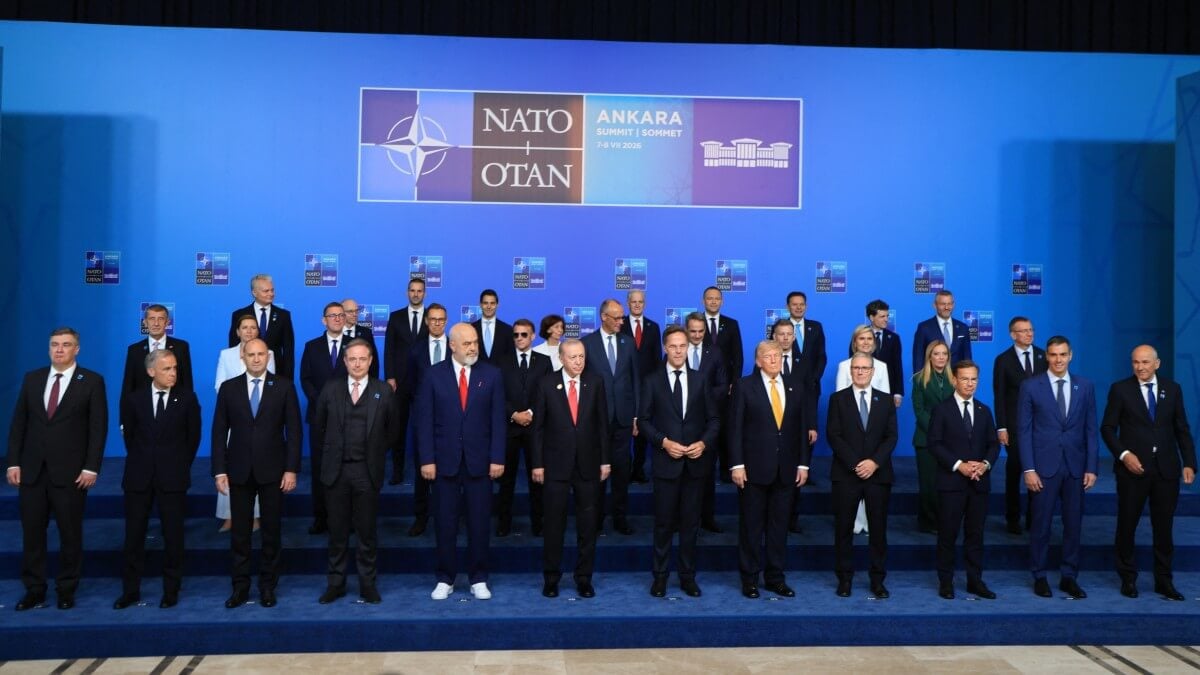
The second shared theme is American power as a bargaining tool in the security sphere. In Turkey, this is linked to a rare sense of diplomatic momentum in the current period. Following Trump’s July meeting with Recep Tayyip Erdoğan on the sidelines of the NATO summit in Ankara, Turkish media paid particular attention to the possible lifting of CAATSA sanctions and a return to the question of F-35 deliveries. An official Anadolu Ajansı analysis presents this as a chance to remove the longstanding “lock” in military-technical relations. Yet even favorable assessments do not mean a return to the old Atlantic discipline: for Ankara, closer ties with the United States are valuable precisely insofar as they expand Turkey’s room for maneuver, rather than constrain it. (aa.com.tr)
This is one of the most distinctive Turkish ideas: the personal chemistry between Erdoğan and Trump is regarded as a diplomatic asset, but neither as a substitute for institutions nor as a guarantee of trust. In a sharply critical Turkish Minute column, this duality is put bluntly: Erdoğan won the optics, but the real leverage remains with Washington. In other words, even amid public promises, the United States may retain the right to determine the pace, terms and limits of military-technical rapprochement. That is why the Turkish reaction combines a celebratory tone around the F-35 with a longstanding reluctance to make national defense policy dependent on a single ally. (turkishminute.com)
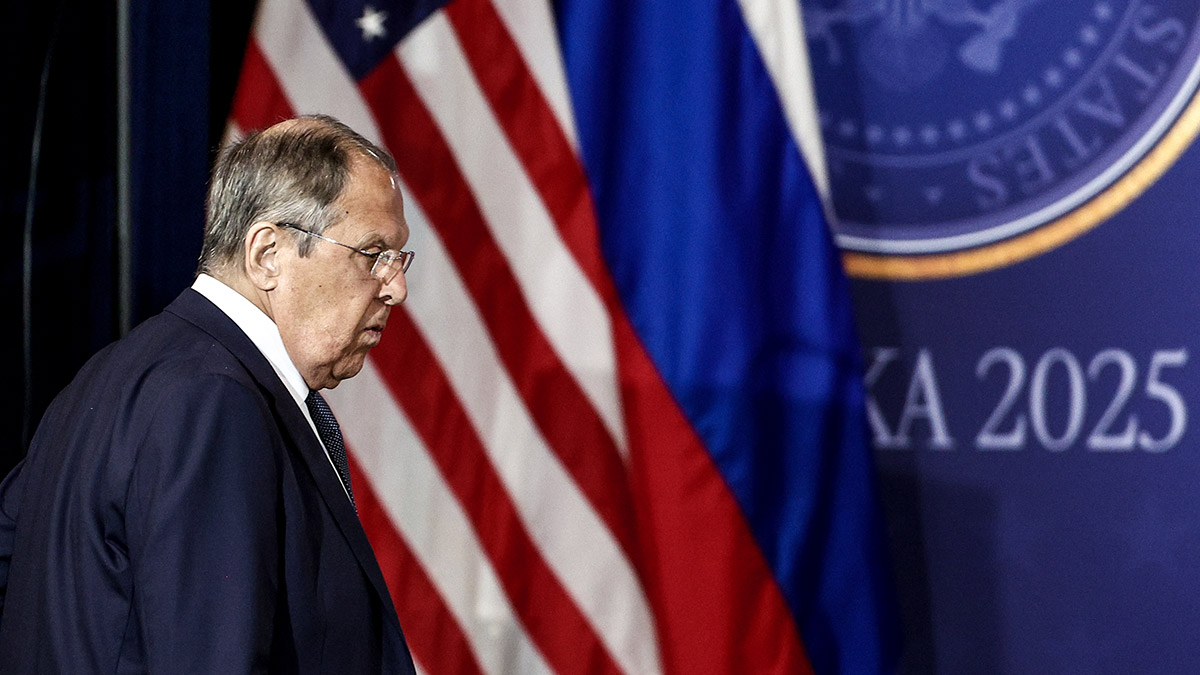
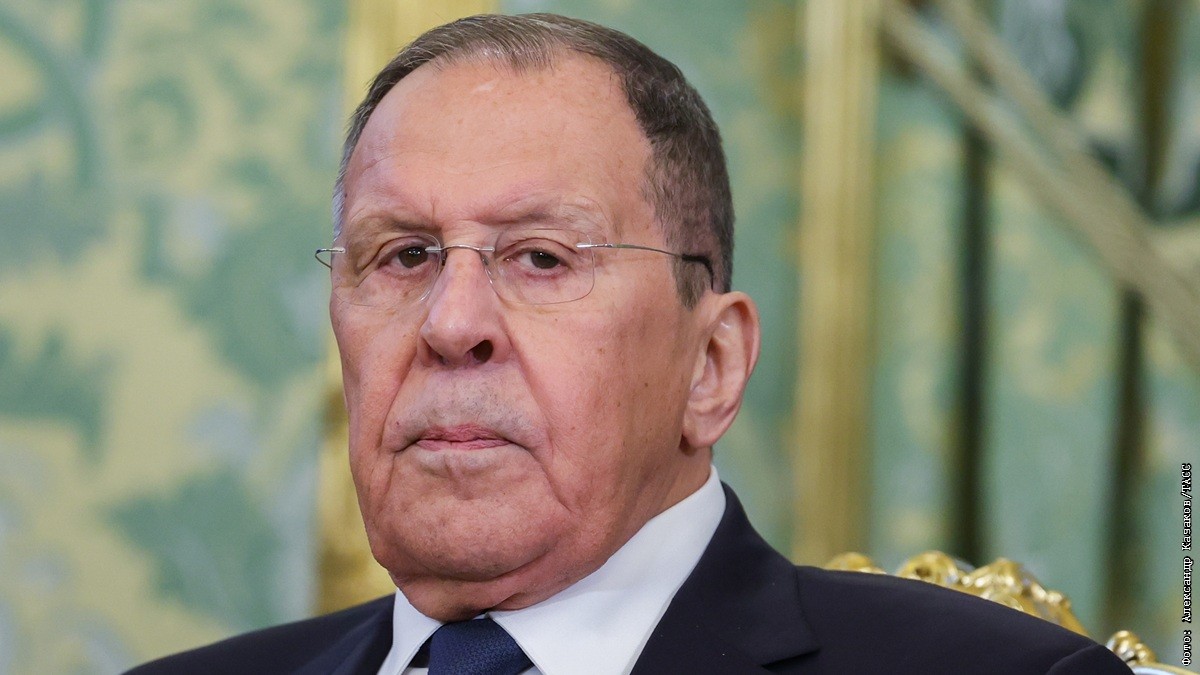
The Russian debate about the United States is almost the mirror image: here, Washington matters not as a potential provider of opportunities but as the only external power capable of either consolidating or derailing a political settlement over Ukraine. Sergey Lavrov has repeatedly brought the conversation back to the agreements Moscow considers to have been reached at the August 15, 2025, summit in Anchorage. In an Interfax report, the foreign minister said that Russia had accepted the American side’s proposals for a settlement; he later stated that Moscow saw no U.S. interest in implementing those understandings. His formula—readiness for “honest negotiations, without cheating”—is important not only as a diplomatic signal but also as a description of the Russian public and political mood: any contacts with America are considered useful, but confidence in their outcome remains minimal. (interfax.ru)
At the same time, in the Russian interpretation, the problem is not limited to Trump’s volatility. America is described as a power that speaks simultaneously of mediation and, in Moscow’s view, supports Ukraine’s military capabilities. In an interview summarized by Interfax, Lavrov called the dialogue a “vicious circle”: according to him, the sympathies of individual American negotiators do not translate into a political result. This sharply distinguishes the Russian reaction from the Turkish one: Ankara is trying to use its personal channel to Trump as a practical resource, whereas Moscow concludes that personal contacts are powerless unless U.S. policy changes its strategic course. (interfax.ru)
The South African perspective adds an unexpected dimension to this picture: the United States is seen not merely as a party to individual conflicts but as a factor undermining the ability of international institutions to reach common decisions at all. In a South African academic commentary published through The Conversation Africa, the transfer of the G20 presidency from South Africa to the United States is described as a test of the group’s legitimacy. The authors link their concern not only to trade conflicts but also to what they see as Washington’s treatment of inequality, solidarity and reform of global governance as a politically suspect agenda. For a country using its G20 presidency to speak on behalf of the Global South, this is not an abstract dispute over rhetoric but a dispute over whether developing countries will retain a platform for collective influence. (cdn.theconversation.com)
Another important, though less obvious, factor is the cost of American military decisions for third countries. In South Africa, U.S. and Israeli strikes on Iran were discussed through the threat of fuel inflation, diesel shortages and the consequences for farmers and air transport. A The Conversation analysis noted that a surge in oil prices is quickly reflected in South African costs because of the import-parity system used to set fuel prices. Russia’s official reaction converges with this not because of shared political sympathies but because of the same economic conclusion: Lavrov said that the continuation of the U.S.-Iran conflict harms the global economy, of which Russia is also a part. Thus, a war unfolding far from Pretoria and Moscow becomes an argument for both countries against America’s tendency to resolve political problems through force. (cdn.theconversation.com)
The conclusion of these three national debates does not amount to a united front against the United States. Turkey does not want a rupture with Washington—on the contrary, it wants to integrate more advantageously into the American security and trade systems. South Africa also does not seek to abandon the U.S. market, but demands relations in which AGOA preferences are not neutralized by tariffs and political conditions. Russia leaves the door to dialogue open, but describes the United States as a partner whose proposals may be overturned by domestic pressure, sanctions logic or a change in foreign-policy direction. What they share is not a demand for literal equality with America but for predictability: trade rules should not become ultimatums, security should not be reduced to a personal deal between leaders, and diplomacy should not be merely a pause between new rounds of pressure.