In recent days, the United States has become the subject of three very different, yet strikingly similar, national debates. In South Africa, people are arguing about political pressure from Washington, visa restrictions and the fate of trade preferences. In Saudi Arabia, they are asking whether American military might can protect the kingdom without drawing it into an even larger war with Iran. In Ukraine, the question is whether the White House is turning talks with Moscow and military support for Kyiv into tools of domestic politics. The common thread is not traditional anti-Americanism, but anxiety about US inconsistency: American involvement remains essential, yet is increasingly seen as a factor that could suddenly change the cost of security, trade or sovereignty.
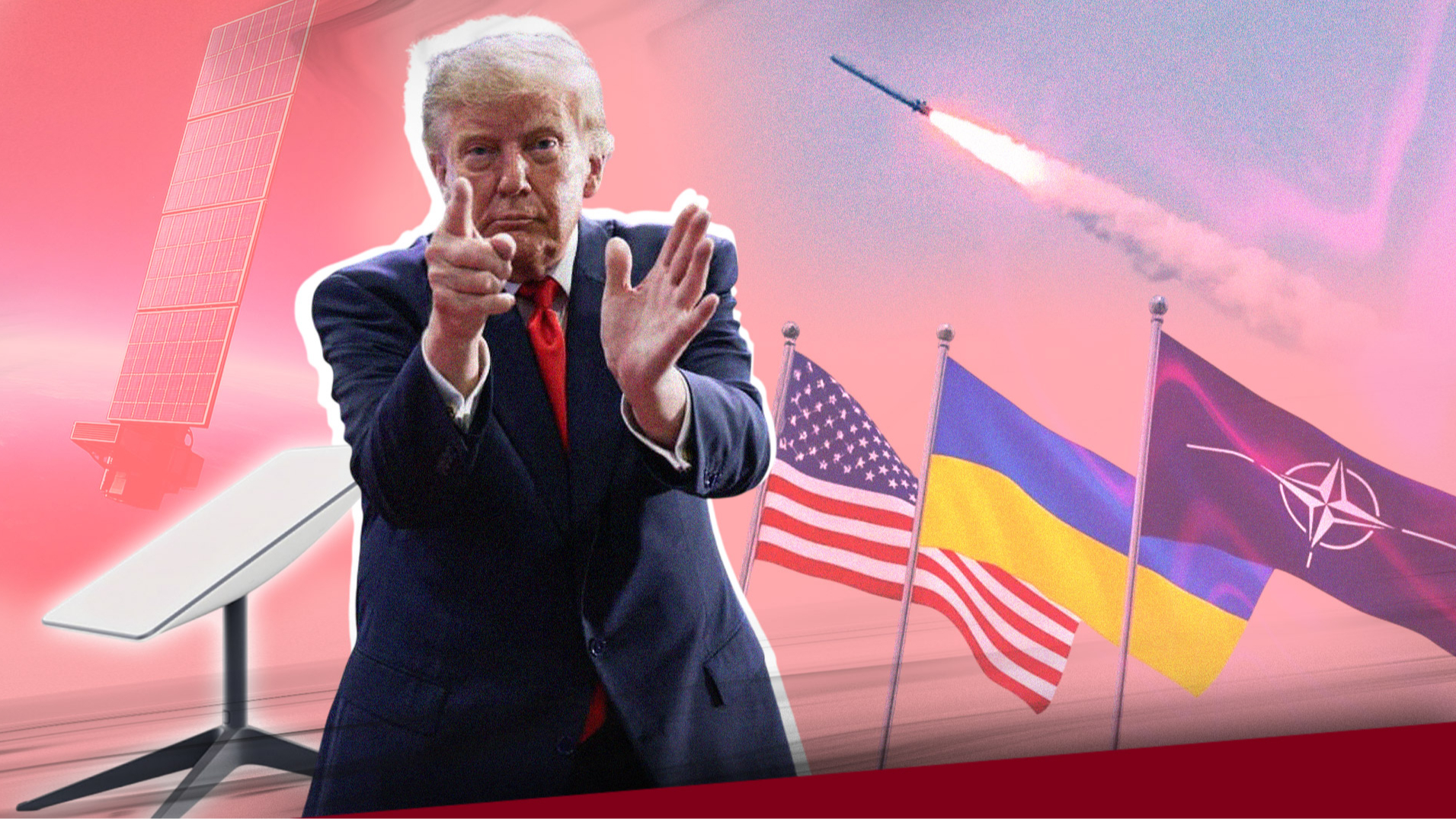
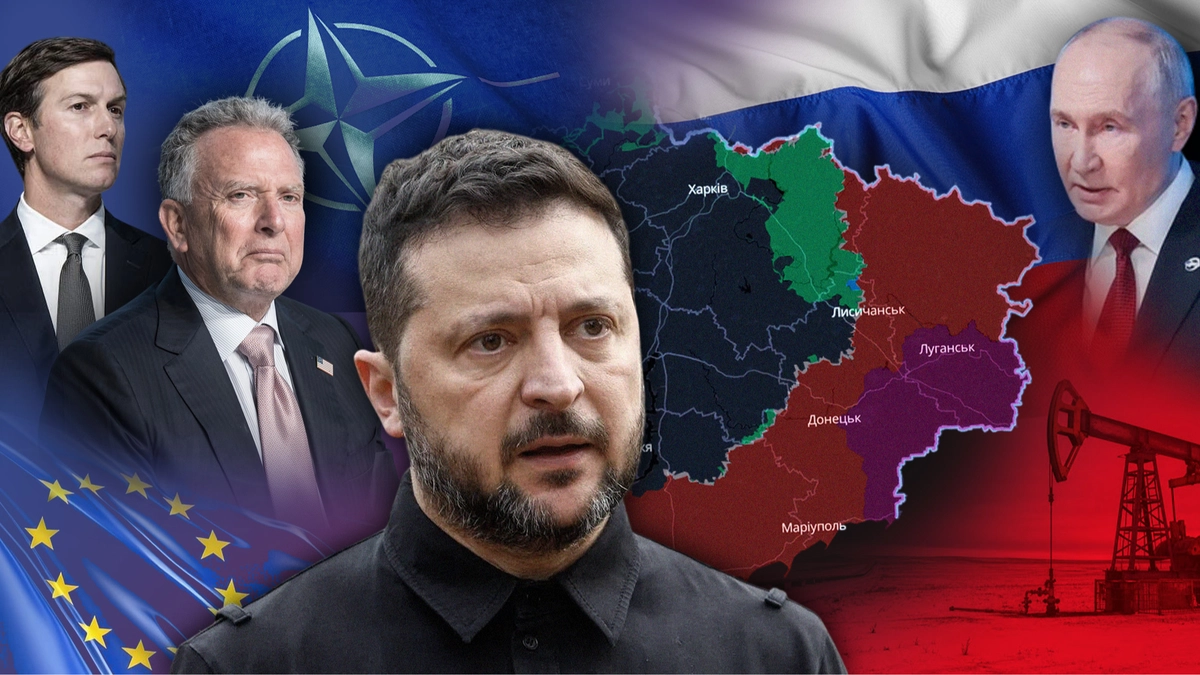
The sharpest shared concern is the sense that Washington acts transactionally, willing to trade long-term relationships for short-term political gains. For Kyiv, this is quite literally a matter of survival. Ukrainian commentators are discussing not only the prospect of trilateral talks with Russia mediated by the United States, but also the risk that the very infrastructure of resistance—intelligence, arms supplies, Patriot systems and Starlink—could become a tool of coercion. In an analysis by Ukrainska Pravda, political scientist Dmytro Sherenhovskyi warns that the US president could halt even deliveries that have already been agreed and paid for by Europeans. In the Ukrainian view, this is not merely diplomatic bargaining: a country facing daily attacks is forced to take into account the mood of one foreign leader and his electoral calculations.
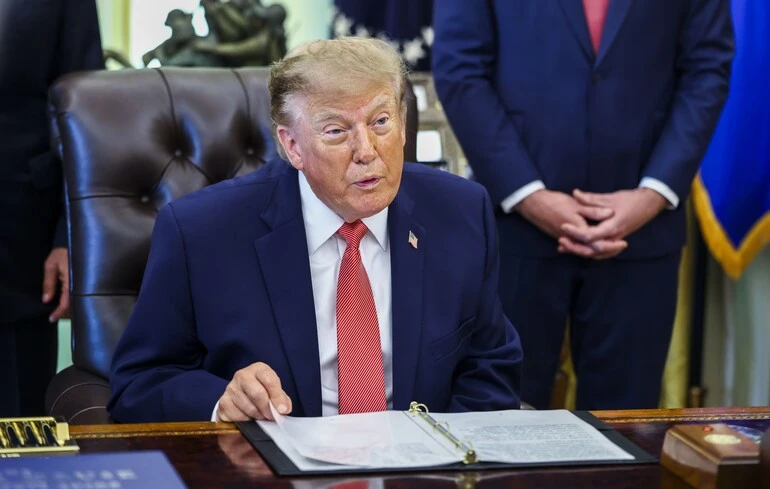
This helps explain the especially painful reaction to rhetoric in which Donald Trump portrays the war as a burden on American taxpayers and a driver of higher fuel prices. The Ukrainian outlet ZN.ua reports his claim that Europe has supposedly “grown tired” of supporting Ukraine. In Ukraine’s public debate, the phrase “Europe is tired” is seen not as a description of reality, but as an attempt to pre-emptively legitimize concessions to Russia. Kyiv is seeking to reshape the terms of the discussion in response. As Ukrainska Pravda writes, Ukraine’s strategy is to move the debate beyond territorial bargaining over Donbas and put the future security system of Europe as a whole at its center. This is an important local perspective: Ukraine is not rejecting negotiations, but is trying to prevent the US and Russia from reducing peace to a formula of “land in exchange for a pause.”
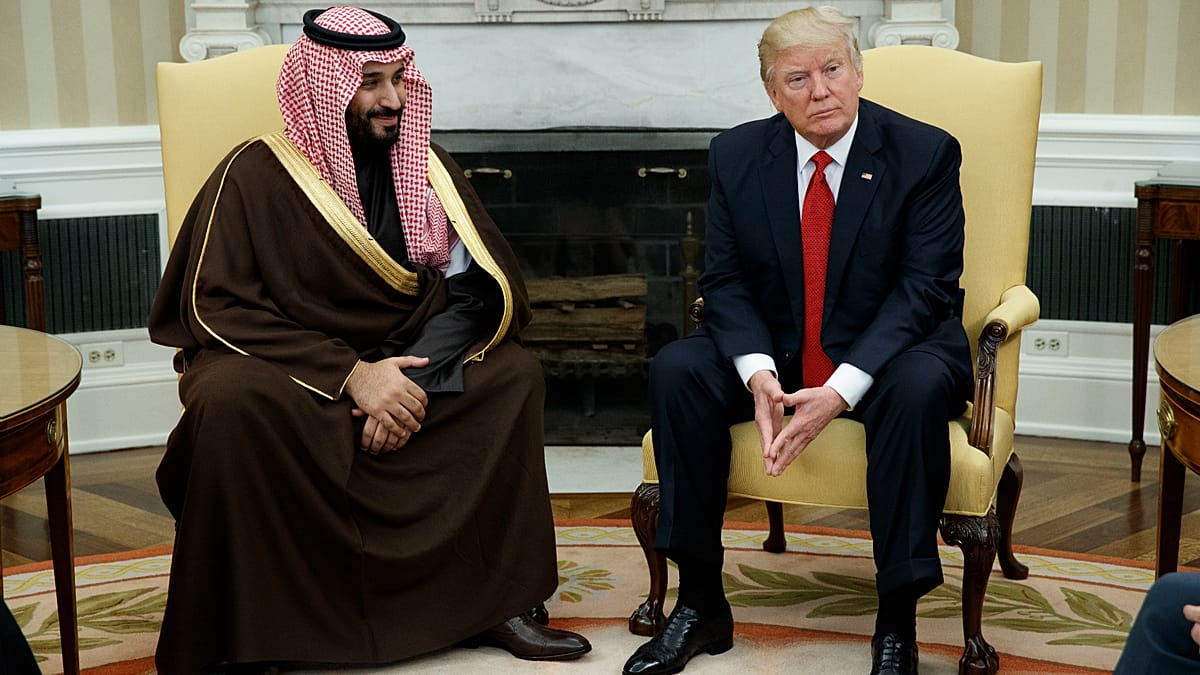
In Riyadh, the transactional nature of US policy is understood differently, but causes similar concern. Saudi debate focuses on the fact that Washington is involved in its confrontation with Iran while limiting direct military support for the kingdom against Houthi attacks. BBC Arabic puts the central question on the Saudi agenda plainly: how much can Riyadh rely on its network of allies if, in the event of serious escalation, the United States is unwilling to use the force expected of it? US intelligence and targeting support is available, but direct involvement in strikes is limited, as CNN Arabic has reported. For Saudi observers, the distinction is crucial: assistance is there, but the risk of retaliation against airports, oil infrastructure, power plants and water systems remains Saudi Arabia’s own.
The tone of the Saudi press is particularly revealing. As recounted by the Egyptian newspaper Asharq Al-Awsat, the Saudi newspaper Al-Jazirah called the American response to Houthi attacks “passive” and “incomprehensible”—“ما يثير الاستغراب هو موقف أمريكا المتخاذل والسلبي” (“What is surprising is America’s hesitant and passive stance”). The wording matters not because it signals a break with the United States, but because it reflects a new expectation: an alliance with Washington is no longer taken as an automatic guarantee of protection. At the same time, according to Arabic-language media reports, Riyadh is asking the Trump administration to postpone possible strikes on Iran and give diplomacy a chance, fearing that US escalation would provoke an Iranian response against Saudi targets. Euronews Arabic reports on the request. In Saudi Arabia’s view, Washington should not merely project strength; it should also take responsibility for the consequences of using it for its partners in the Persian Gulf.
South Africa’s response is different: here, the United States is seen not as a military ally that is insufficiently active, but as an outside power interfering in the country’s domestic social contract. Washington links its relationship with Pretoria to land reform, programs for racial economic redress and South Africa’s position in the case against Israel at the International Court of Justice. After the United States imposed visa restrictions on people it accuses of supporting uncompensated expropriation and racial discrimination, Cyril Ramaphosa’s adviser Alister Ruiters asked a question that has become almost a slogan of the local response: “What more must we do?” His position was reported in detail by the Daily Maverick.
The divide between the American and South African perspectives is especially clear here. Washington presents its demands as a defense of minority rights and market rules; in Pretoria, they are often seen as an attempt to rewrite the history of apartheid and deny the country the right to shape its own policies for redressing its legacy. US pressure therefore does not unite pro-American forces. On the contrary, it gives ammunition to those who believe the United States wants to dictate both South Africa’s domestic and foreign agendas. At the same time, the government is not seeking a dramatic break: it continues to pursue dialogue because access to the US market and the AGOA trade framework—the African Growth and Opportunity Act—are critical for jobs and exports. South African Ambassador to the United States Roelf Meyer complained in an interview with Semafor that Pretoria had made repeated trade offers, but Washington had responded only that “that’s not good enough,” without explaining what it wanted in return. Economic uncertainty thus becomes a form of political humiliation.
In all three countries, local analysts see another driver of American unpredictability: the US domestic electoral cycle. Ukrainian media directly link Trump’s shifts in policy to the November 3 midterm elections. Ukrainska Pravda notes that oil prices and the cost of living are becoming more immediate political concerns for the White House than consistency in its policy toward Ukraine. In South Africa, analysts at ISS Africa reach a similar conclusion: local disputes over land, race, Israel, China and Russia can easily become convenient material for US electioneering. On the Arabian Peninsula, meanwhile, the approaching election heightens fears that Washington will both project toughness toward Iran and avoid opening another costly front in Yemen—even if US allies are the ones who come under attack.
The most unexpected conclusion to emerge from the debates in South Africa, Saudi Arabia and Ukraine is that this is no longer a simple choice between America and its adversaries. Neither Kyiv, Riyadh nor Pretoria can—or wants to—sever its ties with the United States entirely. Ukraine depends on American technology and weapons; Saudi Arabia relies on military cooperation and financial and technological ties with America; South Africa depends on trade, investment and access to the US market. Yet each country is looking for ways to reduce the cost of that dependence. Kyiv is seeking European guarantees and a more robust security system; Riyadh is diversifying its defense ties and investing in regional diplomacy; Pretoria is trying to preserve room for an independent domestic and foreign policy without pushing its conflict with Washington into an economic rupture.
The United States’ current image in these three countries, then, is neither that of an all-powerful hegemon nor that of a declining power. It is the image of a partner whose resources remain indispensable, but whose decisions are increasingly difficult to predict. And it is precisely this unpredictability—from the Ukrainian front to Saudi airports and South African trade corridors—that is shaping today’s most immediate and critical response to America.