In recent days, the United States has been discussed in Saudi Arabia, Australia and Israel less as an abstract superpower than as an unpredictable player in several crises at once. The main concerns are the prospect of a new round of US-Iranian war after the US midterm elections on November 3, the future of security in the Middle East, and the extent to which Donald Trump’s domestic political calculations can shape decisions affecting oil, maritime trade, AUKUS and the survival of traditional alliances. The overall tone is notably anxious: Washington remains indispensable, but its very unpredictability is pushing partners to seek safeguards of their own. (okaz.com.sa)
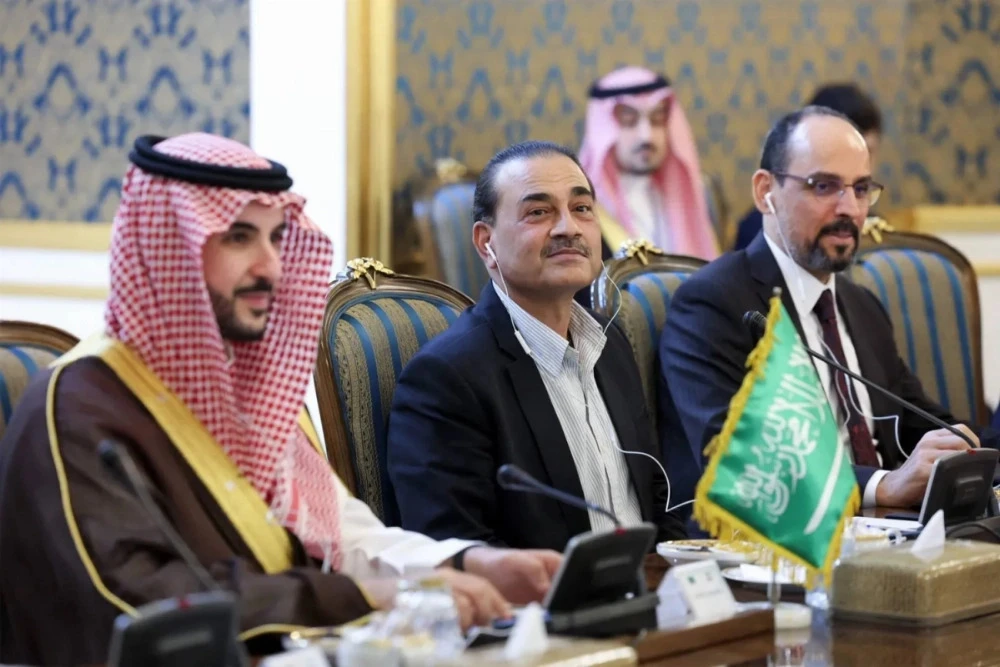
The most urgent shared concern is Iran. The Saudi debate differs fundamentally from the familiar American language of “victory” and “deterrence.” Riyadh does not dismiss the Iranian threat, including Houthi attacks on Saudi territory and risks to energy infrastructure. However, local commentators assess a possible US strike above all in terms of the cost of regional destabilization. In a column for Arab News, Abdulaziz Aluwaisheg, assistant secretary-general of the Gulf Cooperation Council, calls the visit of Saudi, Turkish and Pakistani representatives to Tehran the last chance to choose between war and peace. His point is telling: mediation is not a sign of weakness toward Iran, but a way to prevent another foreign war from destroying the region’s security and economic development. (arabnews.com)
This approach is also reflected in Saudi Arabia’s official position. The kingdom’s Foreign Ministry said Defense Minister Khalid bin Salman’s visit to Tehran was intended to ease tensions, and called on both Washington and Tehran to support the talks constructively. As reported by the Saudi Economic Newspaper, the aim is to prevent harm to “regional and international interests” [that is, trade, energy and investment plans]. (aleqt.com) From the Saudi perspective, the United States is needed not to force another shift in the balance of power, but to agree to lasting security rules under which Arab states have agency, rather than serving only as military platforms and targets for retaliation.
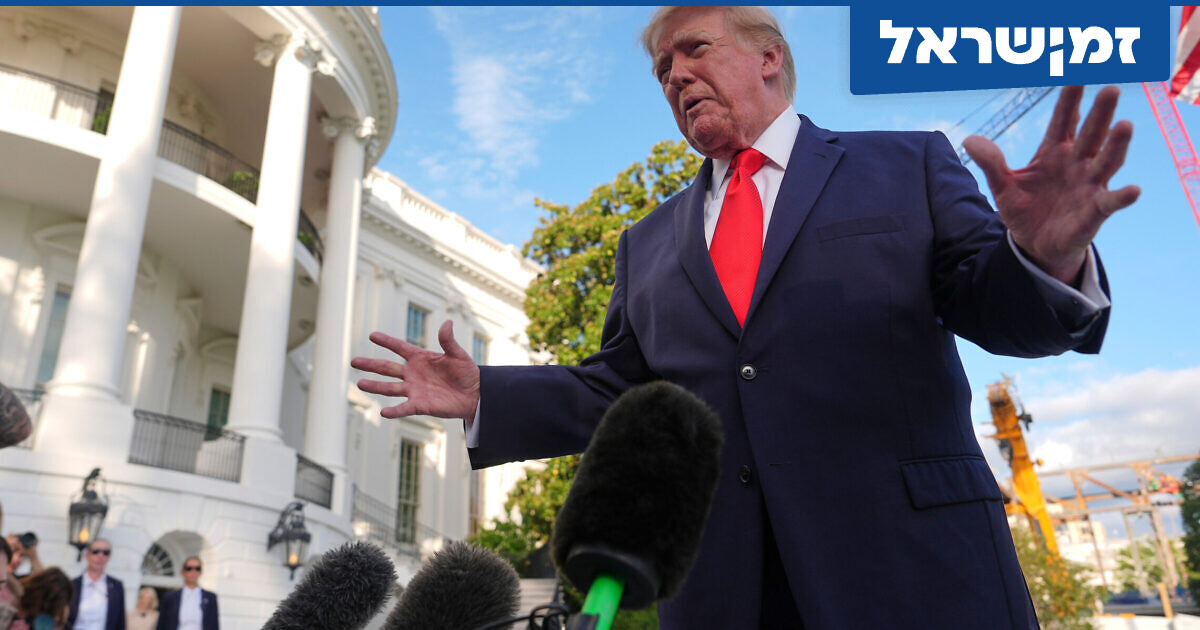
The Israeli debate views the same threat from almost the opposite direction. Israeli commentators see the American presence as essential to deterring Iran, but are unsure whether it will lead to timely action. Military correspondent Amir Bar-Shalom, writing in The Times of Israel, describes Israel’s heightened state of readiness amid stalled US-Iran talks and stresses that the American force can launch a major strike quickly. But the logic of his analysis matters more than the military detail: Israeli observers believe Iran may be exploiting the White House’s fear of an oil-price spike and political damage ahead of the elections. (zman.co.il)
This gives rise to a distinctly Israeli concern: the alliance with the United States remains exceptionally close, but the American political calendar could constrain Israel’s security. An article by Yoni Ben-Menachem for Israel Hayom argues that coordination between Netanyahu and Trump is strong, while also acknowledging Israel’s reluctance to launch a new campaign during its own election period. (epoch.org.il) The result is a paradox: Saudi Arabia is asking the United States not to start a war, Israel wants Washington to remain ready for one, and both countries understand that the decision may depend not only on Tehran but also on electoral calculations in America.
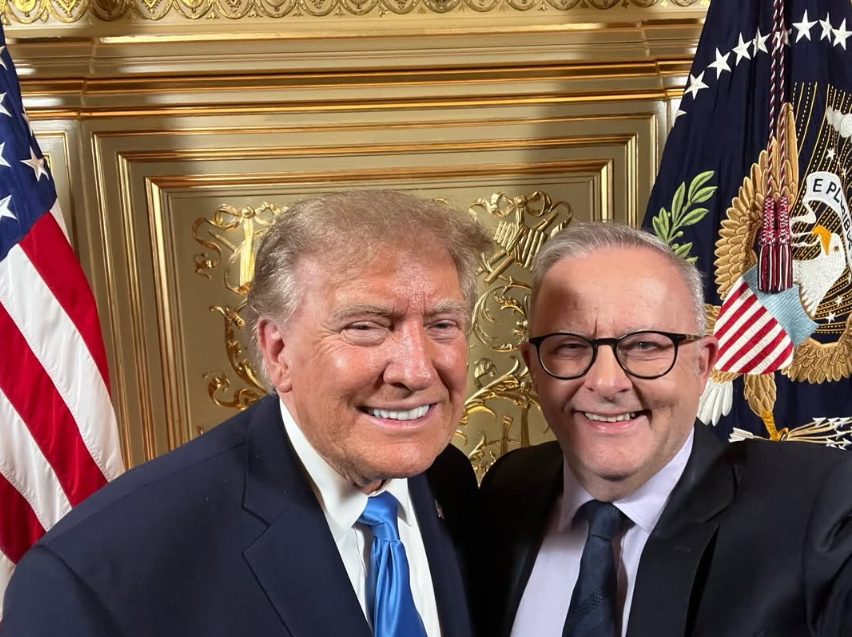
Australia’s response extends this conclusion from the Persian Gulf to the Indo-Pacific. The debate there is not about whether Washington will strike Iran, but about a broader question: can a country build its national strategy around an ally whose foreign policy is increasingly shaped by domestic upheaval? In an analysis by the Australian National University’s National Security College, former diplomat Peter Tesch and researcher Darsha Lahiri note that Australians’ confidence in the United States’ ability to “act responsibly in the world” has fallen from 36% to 31% in a year. Their key conclusion is not anti-American: Australia cannot replace its alliance with the United States, but it must move faster to strengthen ties with Japan, India, Indonesia, South Korea and its Pacific neighbors. (nsc.anu.edu.au)
This skepticism is especially pronounced ahead of the midterm elections. In an article for The Diplomat, Professor Aiden Warren links the US election results not merely to party politics, but to the future of AUKUS, trade and American engagement with its allies. (thediplomat.com) Australians therefore view American domestic politics as a matter of their own defense: if presidential power in Washington becomes less constrained—or, conversely, paralyzed—the cost of uncertainty for Canberra will be measured not in rhetoric, but in submarine delivery schedules and the reliability of US deterrence of China.
What is particularly striking is that all three countries are increasingly skeptical that American commitments are automatic, yet draw different conclusions from that skepticism. Saudi Arabia is seeking to become a mediator and an architect of regional compromise; Israel is trying to maintain the closest possible operational ties with Washington while worrying about the erosion of American public support; and Australia is building a more diversified network of partnerships without abandoning its alliance with the United States. Israel’s Calcalist newspaper explicitly describes declining sympathy for Israel among Americans as a strategic danger, not a temporary public-relations problem. (calcalist.co.il)
This is the most important local perspective, and one often lost in the American media landscape. Outside the United States, the debate is less about whether Trump is right in a particular crisis than about whether America can simultaneously act as a military power, a negotiator and a predictable ally. As Riyadh pushes for de-escalation, Jerusalem prepares for possible escalation, and Canberra hedges against both scenarios, American power remains at the center of international politics. But trust in how that power will be used is becoming Washington’s scarcest resource.