In South Korea, Israel and India, the United States is now being discussed not as an abstract superpower, or even primarily as a source of military protection. The main theme they have in common is Washington’s transformation into a partner that increasingly links security, access to its market, energy deals and its allies’ domestic politics into a single package. In Seoul, this is seen through tariffs and compelled investments in U.S. infrastructure; in New Delhi, through a trade deal, Russian oil and concerns about diplomatic independence; in Israel, through Donald Trump’s direct influence on the election atmosphere and on decisions about when and how to act against Iran.
The debate in South Korea is the clearest example: American protectionism is no longer viewed simply as an external trade dispute, but as a test of how well an ally can preserve its agency. On October 6, Trump publicly said that lowering tariffs on South Korea would require “payment,” linking it to a promised $150 billion investment in American shipbuilding. The formula angered Seoul precisely because it recasts relations between two allies in the language of paying for market access. In an editorial, Hankyoreh warns that the $50 billion in South Korean investment in an Alaska LNG project cited by Trump is not an approved commitment, but merely one option under consideration—and that its actual cost could exceed $60 billion. The paper urges the government not to take on the role of investor in a “bottomless pit” and to secure multilayered guarantees of commercial viability. (yna.co.kr)
But South Korea’s dispute is about more than money. A second Hankyoreh editorial captures the tension of the moment: “Allies share values, but their interests sometimes diverge” [translated from Korean]. This is not a call to distance the country from America; on the contrary, it is an argument for strengthening the alliance while preserving “strategic autonomy.” Behind that phrase lies a fear that Washington may demand not only investment, but greater political and intelligence discipline on issues involving China, North Korea and regional security. Even more pragmatic South Korean business commentators see the dual nature of U.S. projects: investments in energy and shipbuilding could open up the American market to South Korean companies, but they began as a forced price for easing tariff pressure. (hani.co.kr)
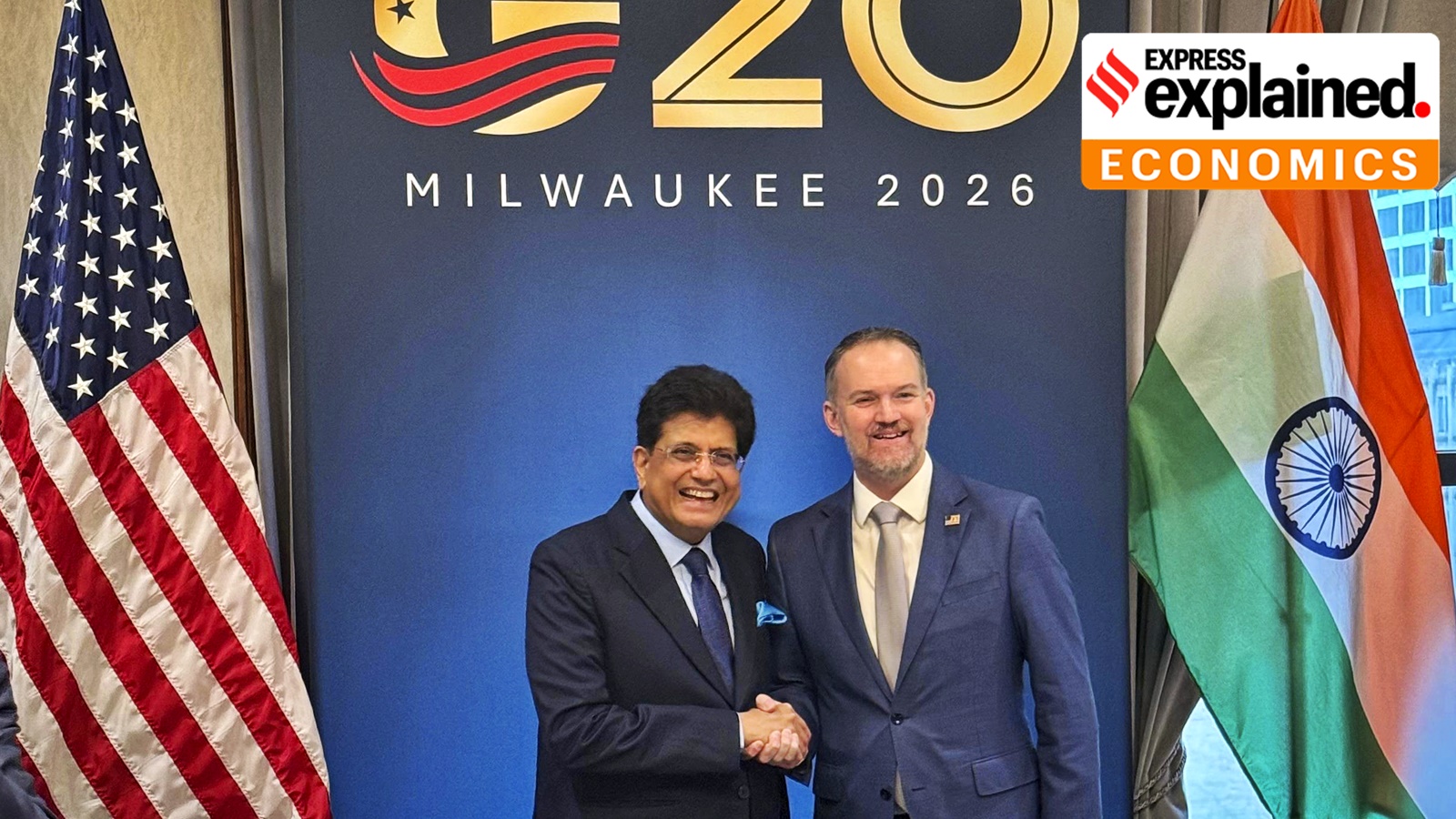
India views the same American model even more warily. Negotiations on a bilateral trade agreement are formally close to completion, but the Indian press is far from unreservedly optimistic. At stake are not only tariff rates, but also the terms of U.S. access to the Indian market, purchases of American energy and pressure on New Delhi’s ties with Moscow. An analysis by The Indian Express highlights the asymmetry: India intended to buy $500 billion worth of American goods—from energy supplies to aircraft—over five years, while there is no reciprocal commitment to buy Indian products. An expert quoted anonymously by the paper warns that including U.S.-style “economic security” provisions in the deal could significantly constrain India’s sovereignty in foreign policy, trade and the economy. (indianexpress.com)
The oil issue has proved especially painful. U.S. sanctions legislation targeting Russia and Iran allows tariffs of up to 100% on major buyers of Russian energy, including India. New Delhi sees this as an attempt to turn a commercial deal into a tool for geopolitical alignment. In a column for The Indian Express, Ishan Bakshi argues that pressure over oil imports, sanctions legislation, restrictions on India’s IT sector and skilled-worker migration are not a collection of random steps by the Trump administration, but signs of a deeper reassessment of Washington’s attitude toward India. His particularly unwelcome conclusion for the Indian establishment is that the United States may doubt whether India can become the economic and strategic counterweight to China that Washington had hoped for. (indianexpress.com)
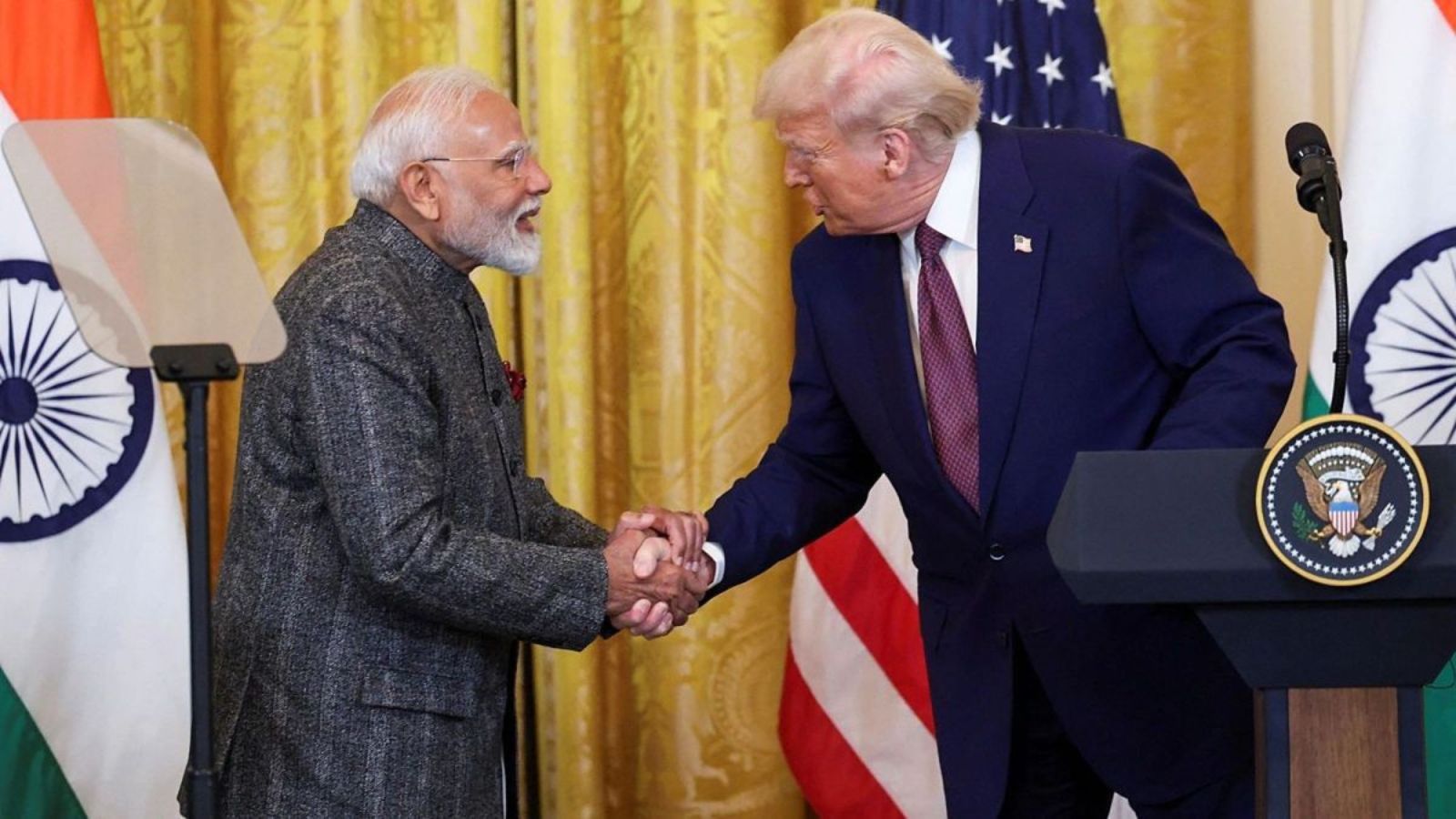
At the same time, a more conciliatory view exists in India. Mark Linscott, a former assistant U.S. trade representative, believes an interim agreement is very close and that a meeting between Modi and Trump could break the deadlock. But even he acknowledges that the most sensitive issues—above all, agriculture and dairy products—will probably have to be left out of the first phase. For India, this is fundamental: protecting farmers is not a technical detail, but a political red line. (indianexpress.com)
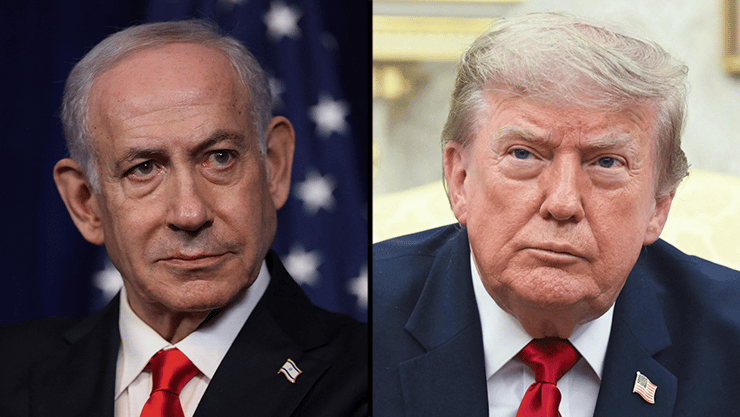
Israel’s response is different: America remains an indispensable military and diplomatic partner, but that is precisely why the White House’s unpredictability is seen as a threat to the country’s room for maneuver. The focus is on Trump’s sharp change of tone ahead of Israel’s parliamentary elections on October 27. Just days earlier, when asked about Benjamin Netanyahu, he said he “trusts nobody” [translated from English]; then he publicly backed the Israeli prime minister. Israeli outlet Ynet describes this reversal as a source of concern not only for the opposition, but also for those thinking about long-term relations with the United States: American approval is at once an electoral asset and a symbol of excessive dependence. (ynet.co.il)
The most revealing detail in the Israeli debate is the suggestion that Trump’s support may have served as a kind of compensation for his unwillingness to let Israel launch another strike on Iran before the election. One opposition figure quoted by Ynet put the risk in starkly cynical terms: if voters decide that Washington’s political blessing came “at the expense of security,” it could hurt Netanyahu rather than help him. In this view, the United States is no longer merely a guarantor of Israel’s security, but an external actor that simultaneously regulates the pace of military escalation, influences domestic political battles and has its own midterm elections on November 3 to think about. (ynet.co.il)
This is where all three local perspectives converge. South Korea fears that the alliance will be turned into a bill for American jobs and infrastructure. India worries that trade concessions will become a tool for controlling its foreign-policy choices—from oil to its relations with China and Russia. Israel is concerned that even vital decisions on Iran could be shaped not only by regional realities, but also by the U.S. electoral calendar. The stakes differ: for Seoul, exports and autonomy; for New Delhi, the sovereignty to pursue a multi-aligned policy; for Jerusalem, war, diplomatic support and domestic elections. But local observers share one conclusion: the era when an alliance with the United States was, by itself, considered a reliable safety net is ending. Increasingly, it looks like a contract that is constantly being renegotiated—and Washington sets the price as the talks proceed.