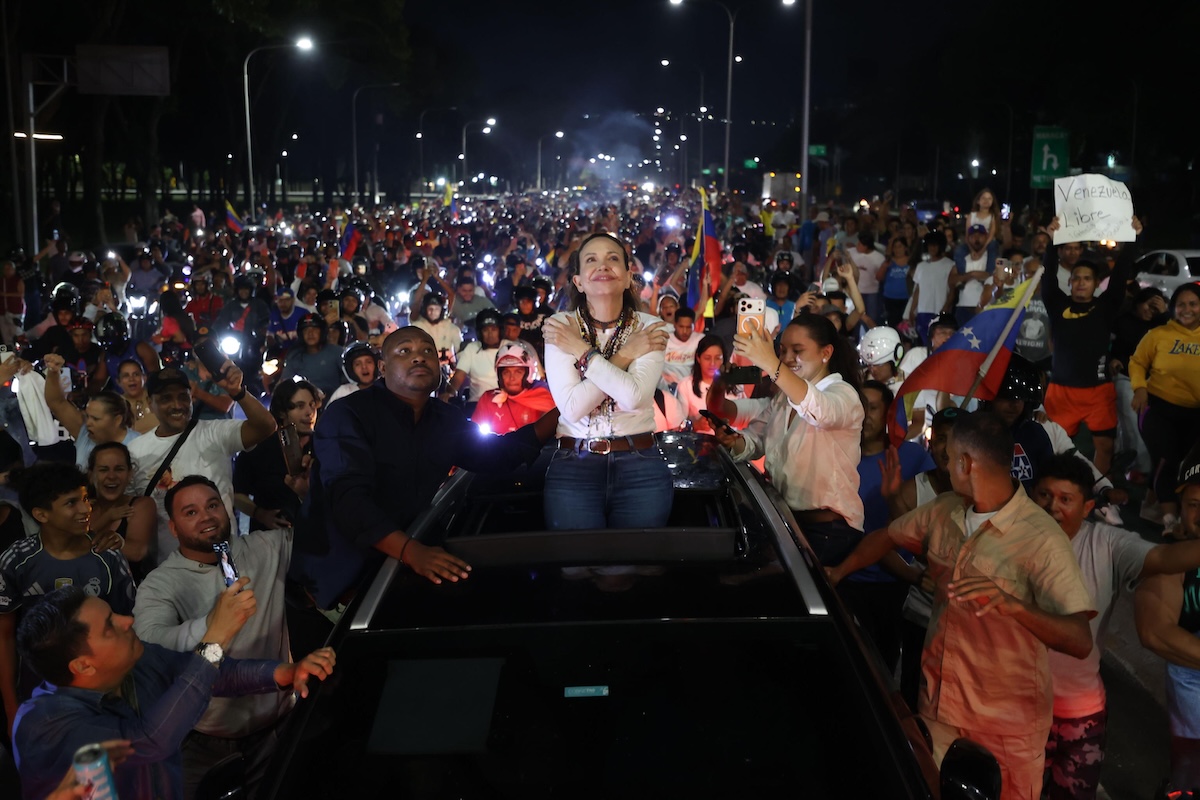
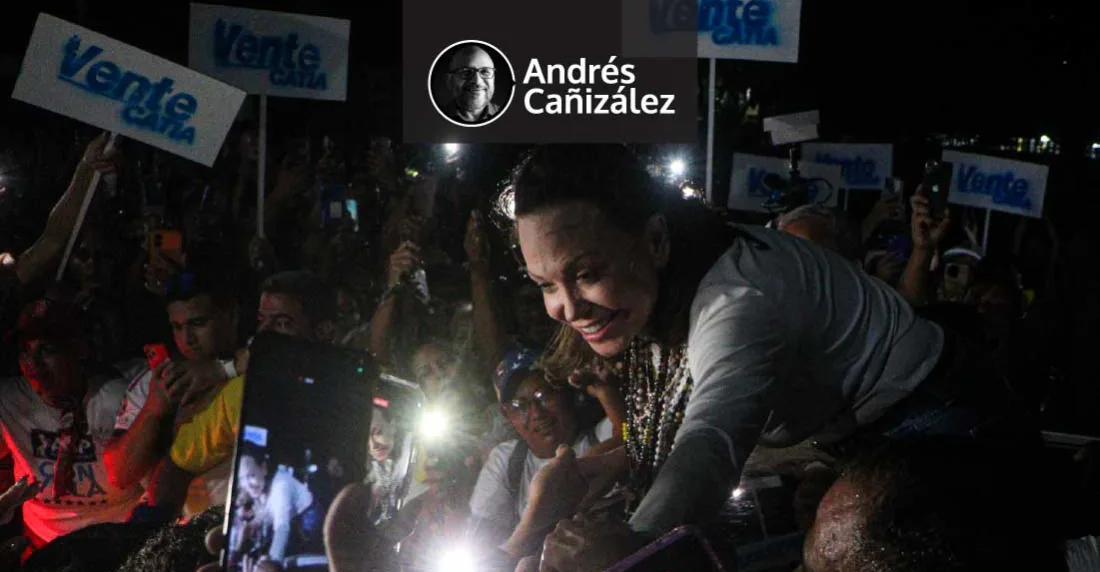
María Corina Machado’s return to Venezuela after ten months in exile, and US Secretary of State Marco Rubio’s remarks about a “timeline” for reforms, have shaken Caracas. The focus is on who is really running the transition, who is paying for the oil, and who will end up in power. Officials, analysts and opposition figures are arguing over who is using whom: Washington using Delcy Rodríguez’s government, or the other way around.
Dispute Over Machado’s Return and Washington’s Role
Delcy Rodríguez’s government reacted with irritation. The acting president herself called her rival’s return a “show.” “The show could have been avoided; there are airports, after all,” she said on state television, while also calling for “democratic coexistence” and reproaching those “who called for sanctions and foreign aggression” for showing no remorse, AFP reports via RNN. Machado’s camp, meanwhile, extended an olive branch: her press secretary, Claudia Macero, said the opposition leader was ready to sit down “not only with Delcy, but with anyone.”
The second dispute is over who gave the “green light.” A source close to Machado told CNN: “We chose to act autonomously so as not to get in anyone’s way”—Washington did not authorize it, CNN en Español reports. International Crisis Group analyst Phil Gunson disagrees: in his view, entering through Colombia on the eve of the US midterm elections “suggests she was given the green light by Washington.” Trump needs a foreign policy win, and in South Florida, the alliance with Rodríguez and the obstacles to Machado’s return cost Republicans Venezuelan voters, El País writes. Professor Carmen Beatriz Fernández notes that Machado entered through Colombia, not Maiquetía Airport—which means the United States was not involved in the operation.
Sanctions as Leverage
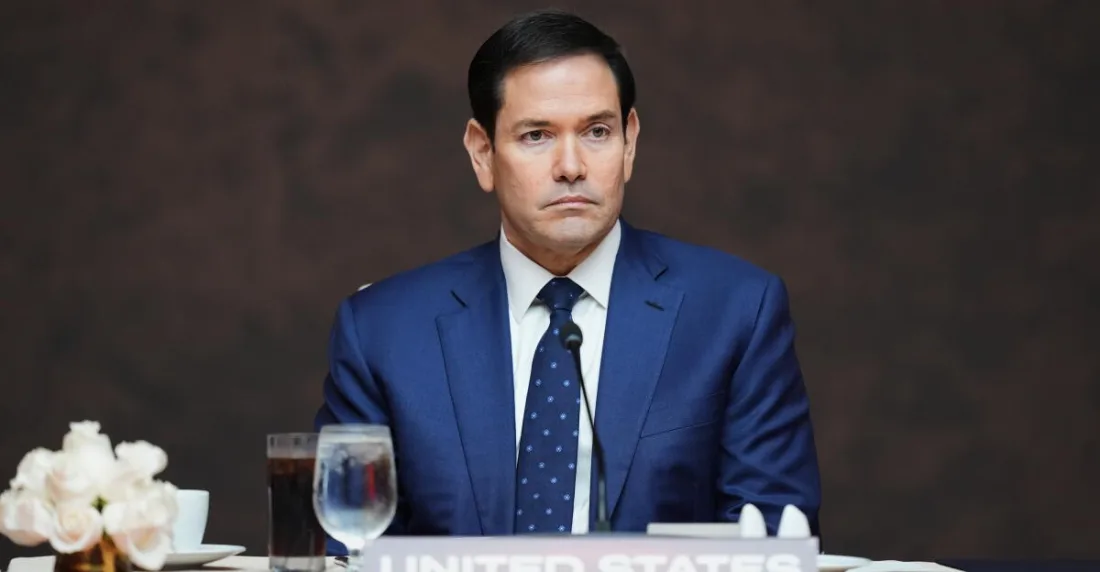
The central issue in the economic debate is Rubio’s frank acknowledgment that sanctions and licenses remain tools of coercion. “To the extent that they can do business today, it’s because we issue exemptions and general licenses,” he said, promising that concessions would not be irreversible and that Washington would judge the interim authorities “by their actions, not their statements,” El Estímulo reports. Rubio also outlined two scenarios: a “phase of reconciliation” or a return to “violence and instability” and a cycle of sanctions.
Former US diplomat Brian Naranjo, who spent 32 years at the State Department and was expelled from Caracas in 2018, believes Washington has leverage but is not using it. Asked why Washington is not applying pressure to speed up the transition, he replied, “because it isn’t interested.” According to him, the administration is “creating the conditions for Rodríguez to stabilize and carry on,” La Mañana Digital quotes him as saying. Significantly, Rubio ruled out discussing immunity for members of the transitional authorities—a subject that, in local debates, is framed as a matter of the elite’s personal security Agenzia Nova.
Oil Deal and Accusations of a “Protectorate”
The third source of tension is oil. Trump announced that he had received one million barrels “as a gift” from Venezuela and promised this would bring down fuel prices in the United States. After Maduro’s arrest, Washington restored relations with the interim government and in August announced access to a fifth of Venezuela’s oil reserves, Primera Hora reports. Rubio defended the deal with a private company—which he calls Nabep/Blue Energy in an interview—operating in fields previously controlled by Chinese and Russian companies. He also countered Machado’s criticism, saying her objection “has nothing to do with the issue of elections” El Estímulo.
This is where assessments of sovereignty diverge. Italy’s Il Post puts it bluntly: “Venezuela has been practically an American protectorate” since January, and neither woman—Rodríguez nor Machado—will openly say that they owe everything to the United States, so as not to irritate Washington Il Post. El Estímulo notes that some Venezuelans expect energy deals to lead to higher wages and better services, but “the machinery of control has not been dismantled” and remains a warning sign El Estímulo.
Elections, Timelines and a Wait-and-See Strategy
The timetable is also under discussion: the State Department wants a new Supreme Court and National Electoral Council in place by mid-December, followed by the president’s departure and elections, likely in 2027 Primera Hora. Naranjo warns that Rodríguez has an incentive to drag things out, and that reshaping the TSJ and CNE is necessary for her “not to make them independent, but to control these institutions.” Fernández predicts the same strategy: “slow everything down and bet on wearing Machado out” El País. Machado herself, according to an AtlasIntel poll, has an approval rating of 57.4% and is calling for elections in 2027. Her party, Vente Venezuela, is not taking part in the dialogue, but has not rejected it either.
Who Is Using Whom? The “Double Game” Debate
The local debate also concerns Washington’s intentions. Critics of Trump in the Spanish-language press claim that it was Trump, not Maduro, who prevented Machado from returning, and that now “things are going very well in Venezuela”—a quote from the US president, El Plural writes. Analysts, meanwhile, stress that Washington’s main risk is the process “going off the rails” without Machado’s participation. The common thread in Venezuelan commentary is that the country has gained a reprieve from sanctions and oil revenues, but at the cost of outside control over the transition. The only question is who will reap the dividends: the interim authorities, the opposition or American companies.