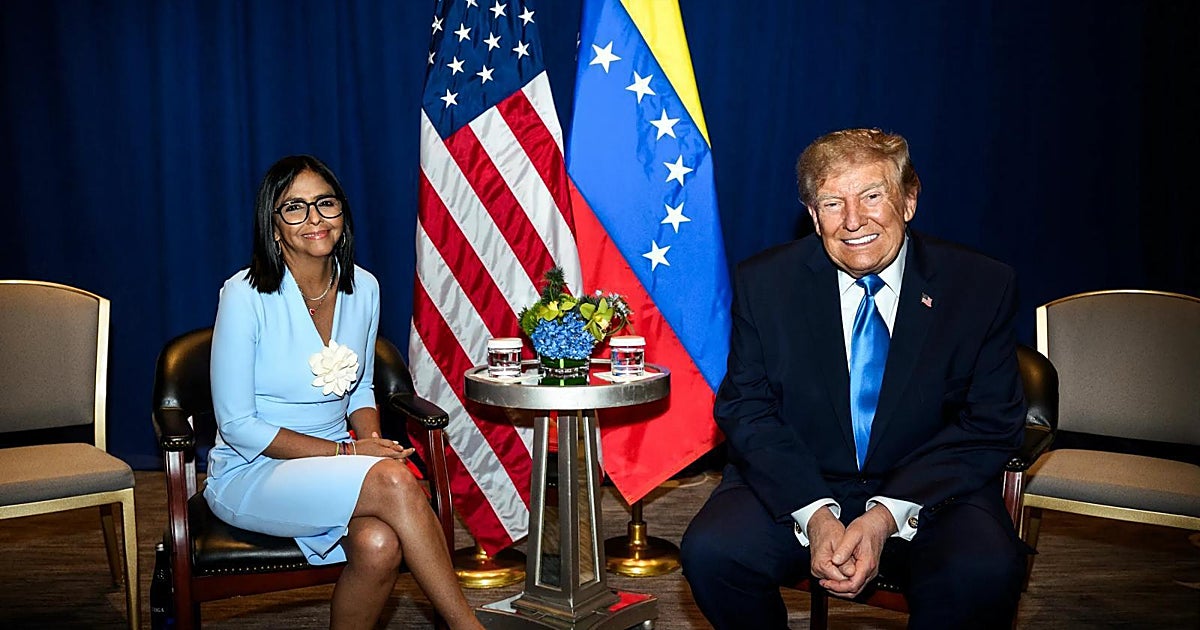
The return of María Corina Machado after ten months in exile, Washington’s publication of a detailed “road map” for the transition, and Donald Trump’s joke about making Venezuela the 51st state all came together over the course of two days. Caracas and Washington are disputing the timeline, the opposition is arguing over its place at the negotiating table, and oil contracts have prompted a debate over who really runs the country.
Machado’s “Show” and the Authorities’ Nervous Response
The opposition leader’s return became the main event. Machado crossed the country in a caravan from Barquisimeto to Caracas—about 400 kilometers (250 miles), greeted by thousands of people—but still did not explain exactly how she entered Venezuela after at least seven failed attempts, according to her team (Cambio Colombia). Acting President Delcy Rodríguez reacted irritably: “This show could have been avoided—there are airports, after all” (El Universo). Interior Minister Diosdado Cabello, secretary-general of the ruling PSUV, limited himself to a smile: “We wish her luck” (Courrier international).
Local analysts heard not confidence in those remarks, but bewilderment. Political strategist Ricardo Ríos, head of the Poder & Estrategia firm, believes Rodríguez used the word “show” to “dampen the mobilizing effect and suggest that the return had been agreed upon.” He calls her remark that “dialogue is not for novices” contradictory, and her response about possible prosecution of Machado evasive—revealing “the limits of her coercive power” (El Diario de Guayana). Political scientist Enderson Sequera went further: “This is the most nervous and unhinged Delcy has been since January 3.” In his view, Chavismo is torn between survival and answering to its base, and so “will bite its tongue with every statement.” Tellingly, Rodríguez called the January U.S. operation “foreign military aggression”—a risky claim for someone Washington regards as a partner.
The Negotiating Table Without the Main Player
The second dispute is over who has the right to speak about the country’s future. Machado is not part of the dialogue that has been taking place since August between the interim authorities and some opposition groups, led by Dinorah Figuera and backed by the United States (Efecto Cocuyo/Infobae). Her press secretary, Claudia Macero, said on Unión Radio that Machado was ready to sit down “not just with Delcy, but with anyone,” and that without her there could be “neither a transition nor credible elections” (Yahoo Noticias). Rodríguez replied by reminding her that “anyone who called for sanctions should feel at least some remorse.”
Views differ within the opposition, too: some criticize the exclusion of the Vente Venezuela party from the talks, while Machado herself says she will not obstruct them. Machado remains barred from running for office, although in the latest round the parties agreed to review laws restricting political activity without naming her specifically.
Washington’s Road Map and Caracas’s Red Lines
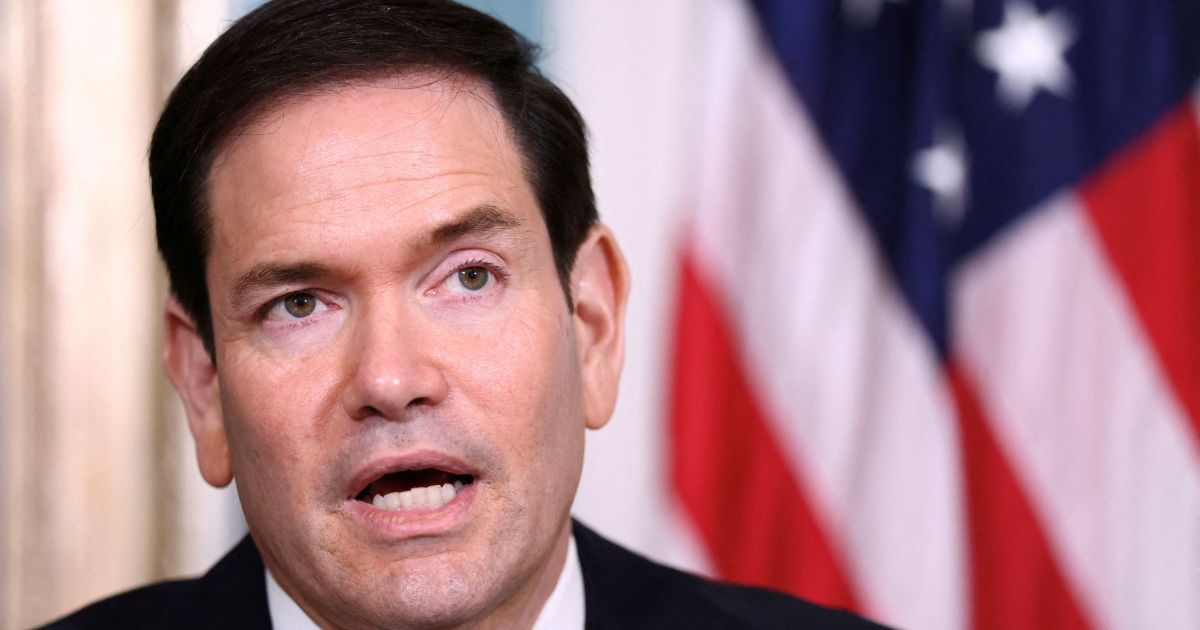
The third issue is the U.S. plan, laid out in detail for the first time. A senior, unnamed State Department official described the sequence: a reconstituted Supreme Tribunal of Justice (TSJ) by mid-December, followed by a new National Electoral Council (CNE), and only then a declaration that the presidency is “permanently vacant.” This would formally confirm Rodríguez’s departure and start a six-month countdown to elections (ABC). The key detail is that the CNE would lose its power to disqualify candidates—it “will no longer be able to strike people from the ballot.” Secretary of State Marco Rubio was blunt when speaking to reporters: “Not in 10 years, not in five, not in two—it has to happen quickly” (Anadolu Ajansı).
Rubio also rejected the claim that Washington had blocked Machado’s return, acknowledging that the only time he urged her not to return was immediately after the June earthquakes, when humanitarian aid was the priority (The Canadian Press). He also made clear how Rodríguez’s loyalty would be measured: “We judge by deeds, not rhetoric.” As an example, he cited the extradition of Alex Saab, a former Maduro ally who pleaded guilty and is cooperating with investigators.
Sanctions, Oil and the 51st-State Joke
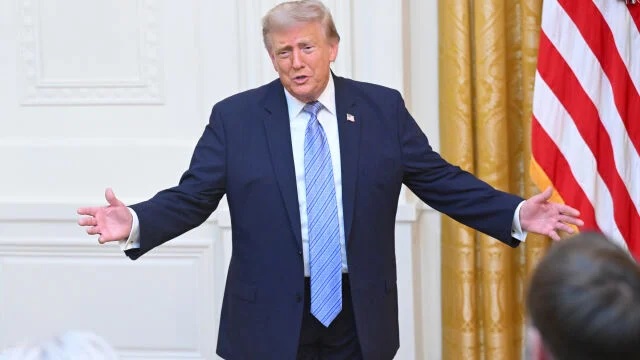
The fourth issue—and the most painful for national pride—is the economic cost of the deal. Rubio stressed that Venezuela “remains heavily sanctioned” and operates largely under U.S. licenses (El Cooperante). Against that backdrop, Trump joked at a rally in Corpus Christi, Texas: “We’ll make it the 51st state, and elect a governor instead of a president.” He thanked Caracas for granting concessions on 17 oil fields to North American Blue Energy Partners, whose parent company is 35% owned by the Pentagon (El Diario NY). The EFE news agency notes that the agreement gives the United States access to roughly one-fifth of Venezuela’s oil reserves (Proceso Digital).
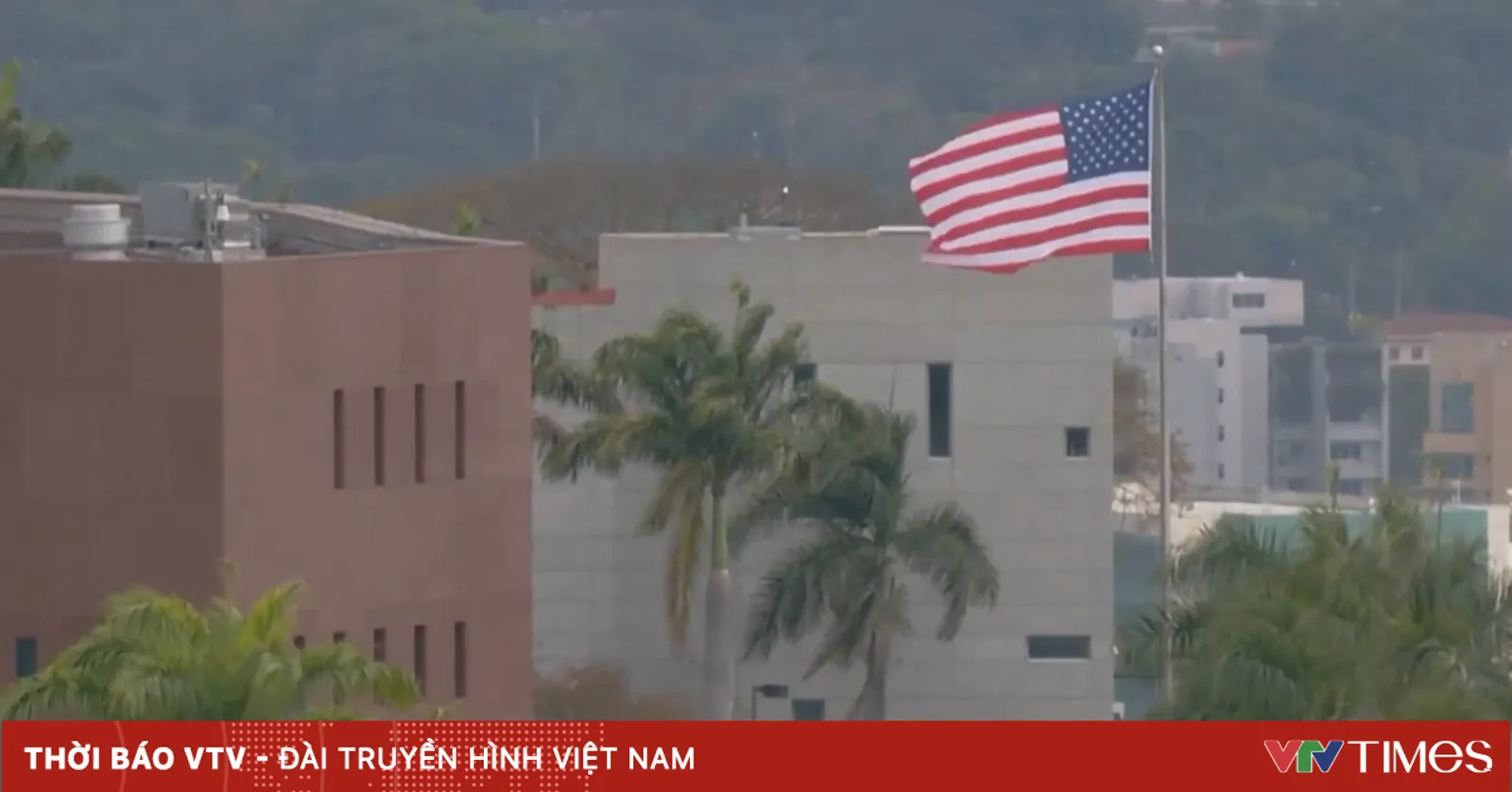
For Chavismo’s base, this confirms their worst suspicions: the country is paying for sanctions relief with its sovereignty. For some in the opposition, including Machado, who criticized the oil deal, it is proof that Washington struck a convenient agreement with the interim authorities while bypassing democratic demands. Rubio’s response is that she is entitled to her opinion, but the agreement benefits both countries (CNN Brasil). Meanwhile, the U.S. Embassy has fully resumed operations in Caracas, promising support for the energy and healthcare sectors (VTV).
All sides agree on one thing: the coming weeks will matter more than the rhetoric. If the TSJ is indeed reconstituted by December and the CNE stripped of its political powers, Venezuela will have its first chance in years to hold elections with an unpredictable outcome. But if the parties start dragging their feet, Rubio’s warning may come into play: “No one is going to outlast us.”