Venezuelan media are critically analyzing Donald Trump’s domestic and foreign policies: tighter immigration controls, expanded presidential powers, opaque decisions, and the actions of security forces. Particular attention is focused on the confrontation with Iran, Israel, Nicaragua, and Russia, presented as an expression of pressure, legal disputes, and Washington’s strategic miscalculations. This overview is based on reports by El País and El Nacional (Venezuela).
Venezuelans Criticize Trump’s Policies: From ICE to the Oil Industry
In Venezuelan public and expert circles, the Donald Trump administration’s decisions on migration and oil are viewed not as isolated steps in U.S. policy, but as measures with direct consequences for millions of the country’s citizens. Tighter immigration controls in the United States affect Venezuelan migrants and their families, while the new regulatory framework for the oil sector, critics argue, has so far brought Venezuela neither sustainable investment nor a recovery in production.
Particular concern was prompted by plans of U.S. Immigration and Customs Enforcement (ICE) to purchase between $10 million and $20 million worth of G.L.O.V.E. electric gloves. As EL PAÍS reports, the device, manufactured by Compliant Technologies, allows an officer to inflict a painful electric shock on a person through physical contact by pressing a button.
The manufacturer describes the gloves as a “nonlethal” tool intended to reduce the risk of injury and promote de-escalation. However, human rights defenders and observers see the technology as creating a risk of simplifying the use of force against people already in a vulnerable position because of their lack of documents, asylum proceedings, or the threat of deportation.
Jenn Rolnick Borchetta, deputy director of the American Civil Liberties Union’s police oversight project, said that ICE had shown a tendency over the past year to use force too quickly. “Now they will be able to administer electric shocks with the simple press of a button—possibly in a way that no one else will even notice,” she warned. In her view, adding gloves that make it “so easy to inflict terrible pain” amounts to “a recipe for harming the public.”
For Venezuelans, this is not merely a question of American policing practices. Because of the country’s prolonged economic and political crisis, millions of Venezuelan citizens have left the country, while the United States remains a key destination for people seeking asylum, work, and the ability to support relatives through remittances. Arrests, deportations, or the use of force against migrants can directly affect families in Venezuela, where remittances from abroad are especially important amid low incomes, high inflation, and the bolivar’s instability.
This wary attitude is also reinforced by Venezuela’s own historical experience. Distrust of security forces in the country is linked to memories of arbitrary detentions, mistreatment, and weak accountability among security agencies. As a result, electric gloves presented as a means of control are perceived by many not as a neutral piece of equipment, but as a potentially unobtrusive instrument of violence against those least able to defend their rights.
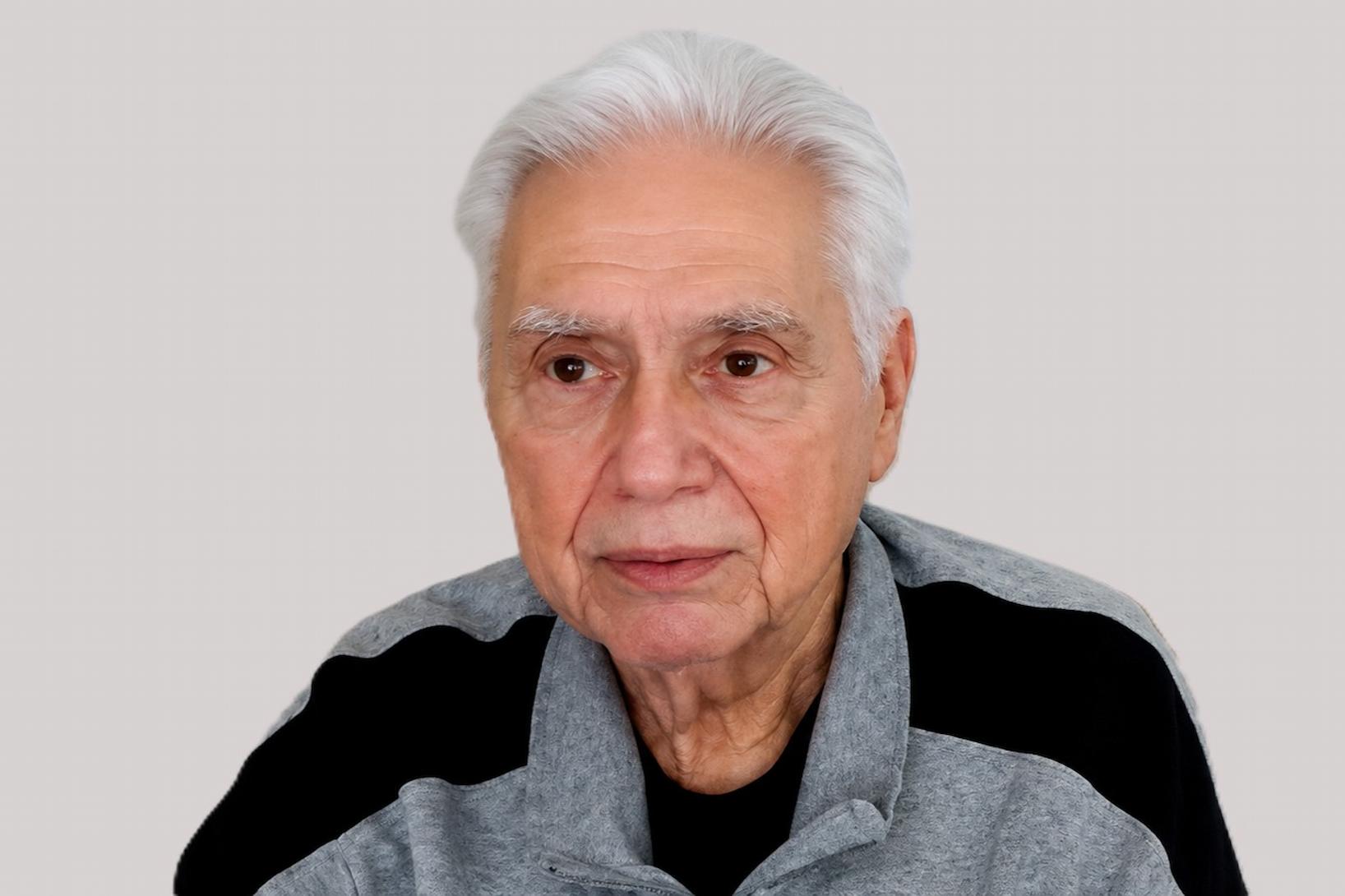
At the same time, Venezuelan experts are skeptical of Washington’s promises to revive the country’s oil industry. In an analytical article for El Nacional, oil specialist Evanan Romero argues that the U.S. administration’s announced “Apertura 2.0,” or the reopening of the oil sector to private capital, has not become a full-fledged recovery program six months on.
According to Romero, the initiative currently consists primarily of memorandums and letters of intent rather than legally binding contracts, large-scale investments, new drilling rigs, and jobs. He acknowledges that Venezuelan oil shipments to the United States have increased: in July, the country sent approximately 786,000 barrels per day there, the highest level since early 2019. However, overall exports during the same period, according to the data cited, fell from 1.24 million barrels per day in May to 1.16 million barrels per day in July.
Romero considers this gap fundamental. In his view, control over export flows and revenues is not equivalent to restoring production, infrastructure, and the technological base. “Trump handed Venezuela’s oil industry over to the wrong people,” he says, summarizing his main criticism.
Romero took part in the oil-sector opening of the 1990s alongside former PDVSA head Luis Giusti and contrasts that reform with the current model. According to him, the previous Apertura Petrolera brought the country approximately $70 billion and enabled the development of the Orinoco Oil Belt. The current system, the expert claims, preserves a closed allocation of rights and opaque decision-making mechanisms.
He also specifically criticizes the role of the state oil company PDVSA. In his assessment, the company claims 60% of production without investing a comparable amount of capital, while its management consists mainly of lawyers, financiers, and intermediaries rather than production and industrial-management specialists. “The monopoly remains alive and operates in the interests of Delcy Rodríguez and Jhovanny Martínez, not the country,” Romero said.
The article emphasizes that external audits of financial flows alone cannot solve the problems that have accumulated. Revenues, it notes, are audited by four major accounting firms, while funds entering the Central Bank of Venezuela are monitored. But without competition, transparent rules, legal protections for investors, and genuine investment, these measures cannot restore the devastated industry.
The state of the oil sector is linked in the article to decades of nationalization, expropriation, halted technological processes, and the militarization of management. The El Furrial field in Monagas state is cited as a telling example. In 1998, it produced approximately one million barrels of light crude per day, whereas today, according to Romero, output does not reach 80,000 barrels per day.
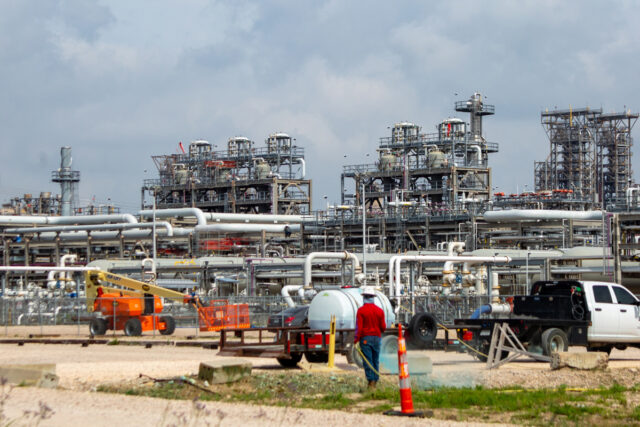
The expert also draws attention to legal opacity associated with the Anti-Blockade Law, which allows contracts to remain confidential. In his view, major international companies are unwilling to invest in the absence of clear and open rules. Another problem is the 25% royalty rate and parafiscal payments, which reduce the commercial attractiveness of projects, particularly in the Orinoco Belt.
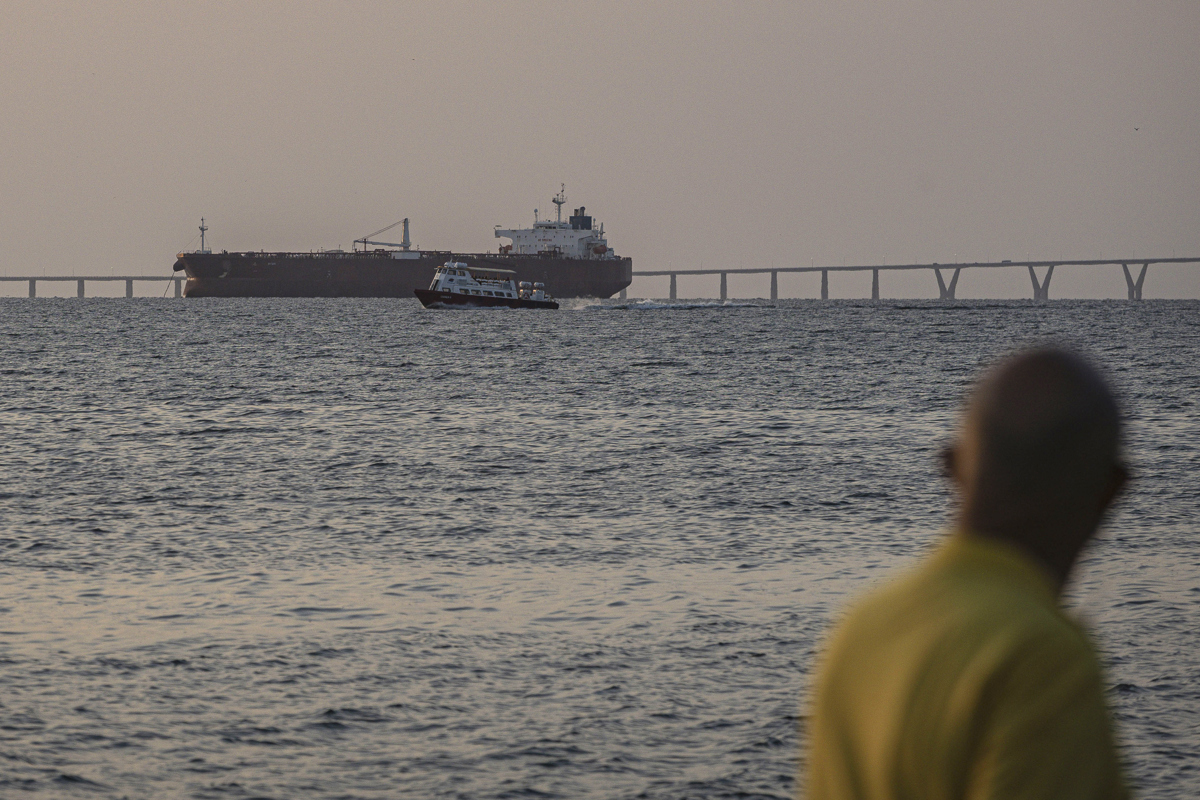
The region’s heavy crude requires dilution with light oil and must then be transported approximately 250 kilometers from Morichal to the José terminal. These costs, Romero argues, effectively “eat up” the margin. At the same time, the sector suffers from equipment theft, dismantling of infrastructure, fuel shortages, and security problems. According to the article, smuggling and armed groups operate in the western oil-producing regions, while the presence of the REDI and ZODI military structures does not provide reliable protection for facilities. In Lake Maracaibo, shortages of diesel and kerosene have partially paralyzed operations.
Romero proposes creating an independent commission made up of “Venezuelans of unimpeachable reputation.” In his conception, the body would vet investors, the origin and volume of their capital, their experience and documents, and the compliance of their projects with national interests, while also guaranteeing an open and competitive process. He compares the current distribution of opportunities in the sector with the practice of granting oil concessions to associates during the era of Juan Vicente Gómez nearly a century ago.
Thus, Venezuelan criticism of Trump’s policies centers on a common concern: Washington is tightening control—over migrants inside the United States and over Venezuela’s oil flows—but this control does not necessarily make people safer or the country’s economy more sustainable. In the case of ICE, the issue is the risk of expanding coercive tools against migrants. In the case of oil, it is the possibility of keeping the same opaque structures in power that, critics argue, contributed to PDVSA’s deterioration and are incapable of ensuring the professional recovery of the industry.